

Understanding Truck Transmission Service
In the world of logistics and transportation, the integrity of a truck’s transmission system is paramount. The truck transmission service is not just a regular maintenance task; it is a crucial aspect that can make or break a fleet’s reliability. For manufacturers and small business owners, the implications of neglecting transmission maintenance can lead to detrimental downtimes and costly repairs.
The transmission is the lifeline of a heavy-duty truck, enabling power to reach the wheels while allowing the vehicle to shift smoothly between gears. Regular heavy-duty truck care significantly reduces the risk of unexpected failures and enhances the vehicle’s lifespan. A proactive approach to servicing ensures optimal performance, particularly in demanding operational environments where reliability is non-negotiable.
Moreover, understanding when a truck’s transmission needs to be serviced not only safeguards the vehicle but also protects the bottom line. Small businesses, dependent on timely deliveries and waste minimization, may find themselves facing a considerable economic burden due to unscheduled breakdowns and repairs.
In pursuing cost-effective strategies for fleet management, being attentive to the signals indicating the need for transmission servicing-such as erratic shifting or unusual noises-becomes essential. Fleet operators who prioritize truck transmission service can avoid interruptions, ensuring smooth operations and customer satisfaction. Learn more about the impacts on your fleet as we explore essential strategies for maintaining this vital component of your trucks.
Common Truck Transmission Issues
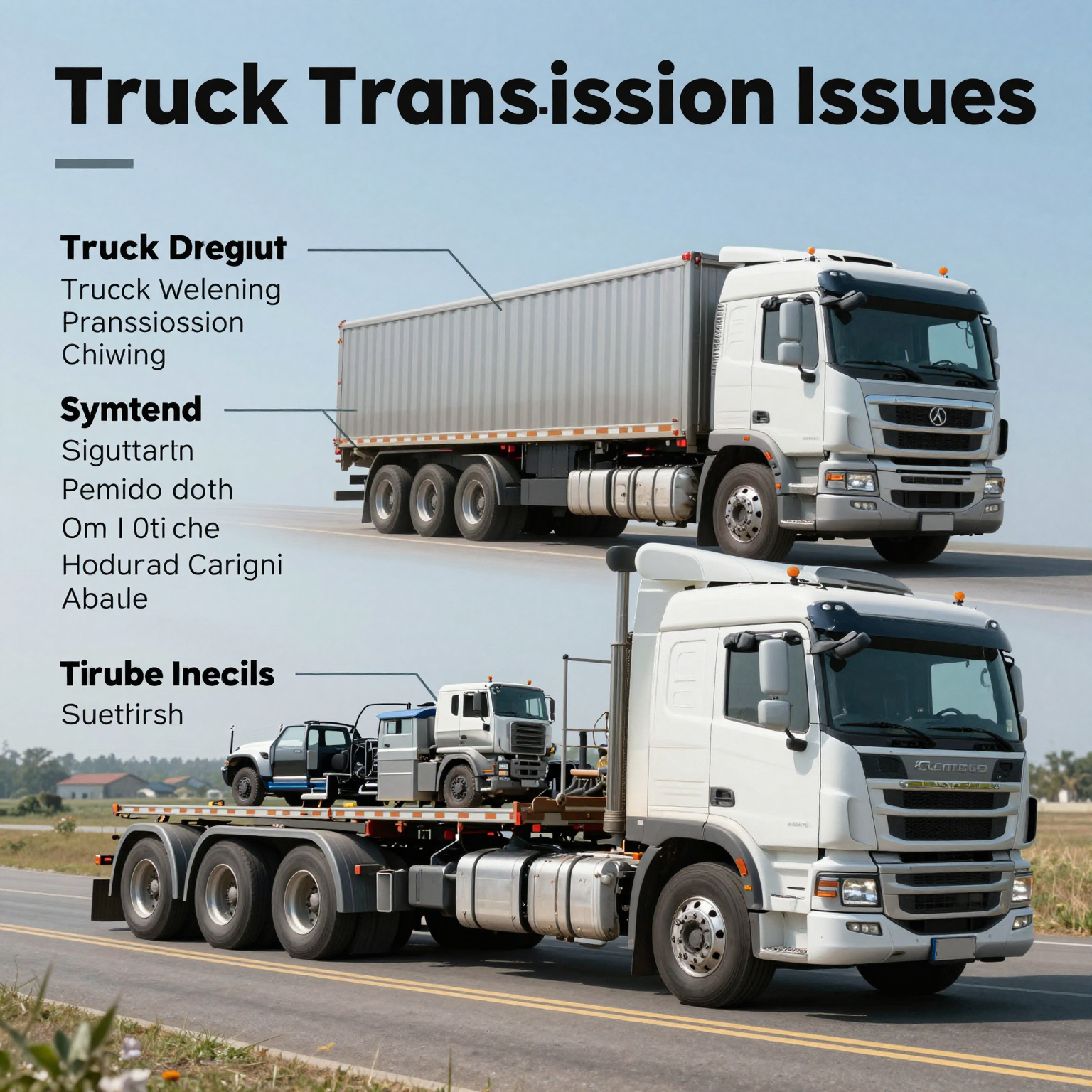
Truck transmission issues can significantly impact a vehicle’s performance, leading to costly repairs and downtime. Understanding these issues can help in identifying problems early and maintaining the efficiency of your fleet. Here’s a detailed look at the common truck transmission issues and their associated symptoms:
Common Truck Transmission Issues:
-
Slipping Gears
When a truck’s transmission slips, it may momentarily lose power and cause abrupt accelerations or decelerations. This can manifest as: -
Sudden loss of engine power.
-
Delayed engagement when shifting into gear.
-
Increased fuel consumption.
-
Delayed or Rough Shifts
If shifts are uneven or delayed, it can be indicative of: -
Wear and tear on transmission components.
-
Low transmission fluid levels.
-
Overheating issues, which can damage various systems.
-
Unusual Noises
Strange sounds such as grinding or whining can signal: -
Internal mechanical wear.
-
Potential failure of clutches or bands.
-
Fluid contamination, which can lead to further damage if not inspected immediately.
-
Leaking Transmission Fluid
Fluid leaks can arise from seal deterioration, possibly leading to: -
Insufficient lubrication of critical components.
-
Overheating and eventual breakdown of the transmission system.
-
Overheating
An overheated transmission may present with: -
Warning lights on the dashboard.
-
Loss of power under load.
-
Burning smell near the transmission area.
Signs Indicating Transmission Problems:
Recognizing the signs early can help mitigate severe problems later on. Look out for:
- Difficulty accelerating or maintaining speed.
- Increase in engine RPMs without corresponding vehicle speed.
- Warning light indicating transmission or engine issues.
Understanding these common truck transmission issues and their symptoms is crucial for maintaining operational efficiency. Regular checks and proactive servicing can prevent severe damage and ensure smoother performance on the road. For more information on maintenance practices, learn more about impact of economic trends on trucking industry and how private fleets can optimize maintenance.
Check your fleet’s transmission for these symptoms regularly to avoid the high costs associated with major repairs!
Signs That Indicate a Truck’s Transmission Needs Servicing
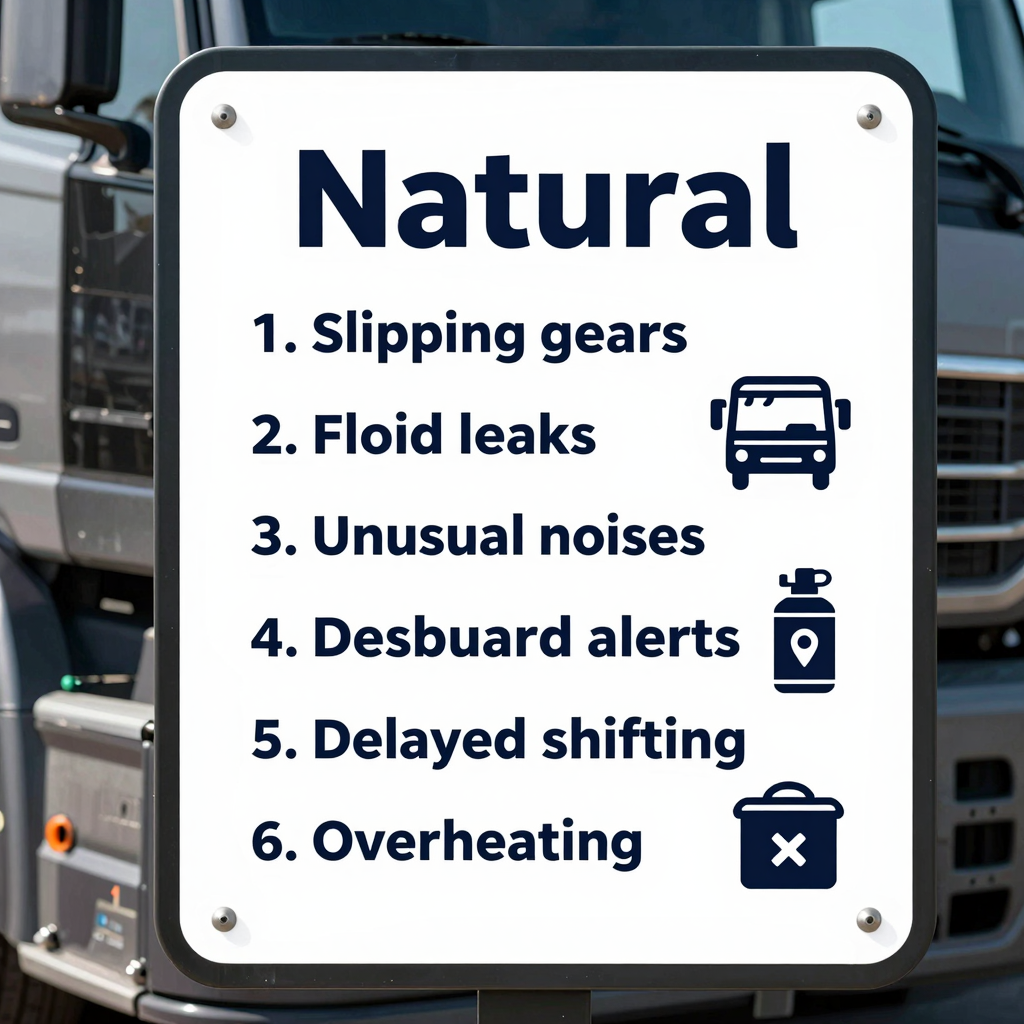
Truck owners must remain vigilant for signs that indicate their vehicle’s transmission may require servicing. Recognizing these symptoms early can help prevent costly repairs and ensure safe operation. Here’s a concise list of critical signs:
- Slipping Gears: If you notice the truck’s transmission slipping out of gear unexpectedly, it could be a serious issue that needs attention.
- Fluid Leaks: Puddles of reddish fluid under your truck can indicate a transmission fluid leak, which necessitates immediate inspection.
- Unusual Noises: Grinding, whining, or clunking sounds while shifting can signify transmission problems.
- Dashboard Alerts: Warning lights related to the transmission on your dashboard should not be ignored; these alerts can guide you to potential issues.
- Delayed Shifting: If the truck hesitates or experiences delayed responses when shifting gears, it’s a clear signal that the transmission needs to be checked.
- Overheating: A higher than normal operating temperature can harm transmission components, making temperature monitoring essential.
Recognizing these signs early can facilitate timely servicing, extending the life of your truck’s transmission.
For further insights on maintaining fleet health, learn more about trends in trucking maintenance. Additionally, keep an eye on the impact of economic trends on the trucking industry.
Consequences of Neglecting Transmission Service
Ignoring transmission service in trucks can lead to dire consequences that affect not just vehicle performance but also operational efficiency and financial stability. Here’s what can happen:
1. Expensive Repairs
Neglecting regular transmission maintenance can lead to exacerbated issues that require significantly more expensive repairs. For instance, degradation of transmission fluid can cause overheating, leading to internal damage to the transmission system. This escalation from minor repairs to major overhauls can impact budgets severely. Proactive transmission service can mitigate these costs by ensuring that issues are addressed before they become more serious. Learn more about the importance of transmission maintenance.
2. Enhanced Downtime
The consequences of ignoring transmission service also extend to increased vehicle downtime. Breakdowns caused by neglected transmission maintenance can disrupt schedules, leading to productivity losses. Heavy-duty trucks, which are integral to manufacturing, distribution, and construction operations, require consistent performance. When a truck is out of service due to costly transmission repairs, it not only affects that vehicle but can also delay operations and shipments, impacting customer satisfaction and trust.
3. Poor Vehicle Performance
Continued neglect can compromise the overall performance of the vehicle, leading to rough shifting and slower acceleration, which directly affects fuel efficiency. A well-maintained transmission enhances both performance and economy, while one that is neglected results in sub-par operation and increased fuel costs. According to studies, addressing transmission issues promptly improves overall vehicle efficacy. Neglecting this maintenance could ultimately result in operational setbacks. A well-functioning truck transmission is pivotal for maintaining a competitive edge in various industries.
In summary, the importance of regular truck transmission service cannot be overstated. Avoiding this crucial maintenance can lead to costly repairs, heightened downtime, and compromised vehicle performance, ultimately affecting the bottom line for businesses reliant on trucking services.
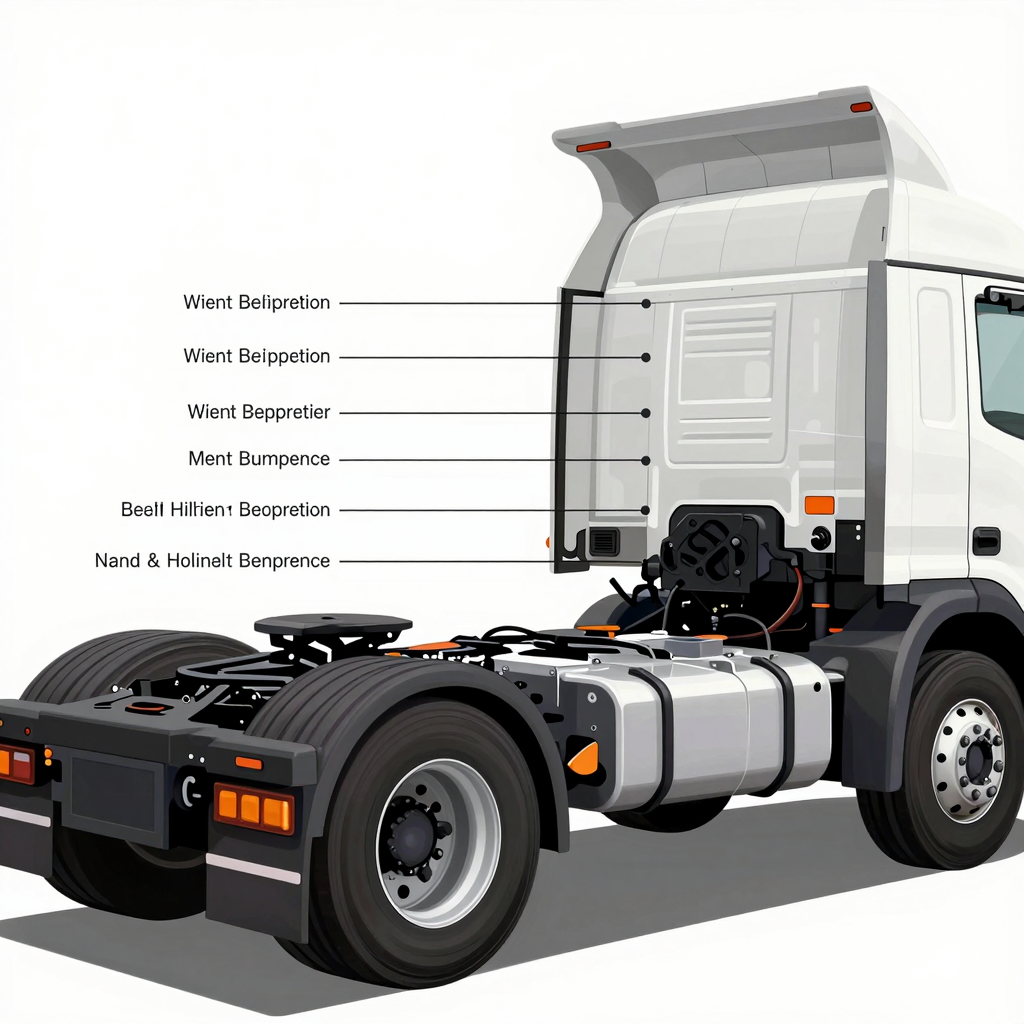
| Transmission Type | Service Interval | Usage Intensity | Expected Lifespan | Manufacturer Recommendations |
|---|---|---|---|---|
| Automatic | 300,000 – 750,000 miles | Less intense in linehaul | 750,000 miles | Service every 300,000 miles for heavy usage (Eaton Cummins) |
| Higher in construction | Manufacturer recommends checks at 30,000 – 60,000 miles (source: Big Shop Diesel) | |||
| Manual | 30,000 – 60,000 miles | More frequent due to wear | 300,000 miles | Regular servicing recommended at shorter intervals (source: Mister Transmission) |
| Used in high-torque situations | Consider increasing frequency based on load and terrain (source: Alberta Transmission) |
Cost Implications of Delaying Transmission Service
Delaying transmission servicing is a costly oversight that can lead to significant financial burdens over time. Many vehicle owners may think that postponing service can help save money temporarily, but the reality often proves otherwise. Acting promptly can prevent escalating expenses and extensive repair bills.
Cost Escalation
According to various studies and expert sources, the costs associated with transmission repairs can rise dramatically if maintenance is neglected. Some crucial data points include:
- Initial Minor Fix: A typical minor repair can start as low as $300.
- Major Rebuild: When repairs are delayed, what could be a simple fix may escalate into a full rebuild, costing around $6,000.
- Transmission Failure: If the transmission completely fails due to lack of maintenance, owners can expect repair bills ranging from $8,000 to $15,000.
This escalation represents not only lost income during downtime but also the additional cost of towing and associated replacement parts.
Long-Term Financial Impact
The financial implications cannot be overstated. Delaying service leads to deteriorating conditions which often result in:
- Increased Repair Costs: Routine maintenance costs are substantially lower than emergency repairs, with studies showing a potential increase of over 1,000% in costs from minor fixes to major repairs.
- Operational Downtime: Extended service delays can contribute to significant operational downtime for businesses, directly affecting productivity and profitability.
- Safety Risks: Neglected maintenance may also present safety hazards, leading to potential legal liabilities and further financial exposure.
To mitigate these risks, businesses should adopt a proactive maintenance schedule. Consistent servicing not only preserves vehicle longevity but also significantly cuts costs in the long run. For a deeper understanding of the broader economic impacts facing the trucking industry, consider exploring key economic trends or the impact of tariffs on heavy trucks.
Customer Testimonial on Timely Transmission Service
“We were facing some serious issues with our fleet’s transmissions, and the delays in service were costing us both time and money. After we reached out to Fritzke Trucking for a transmission service, they were prompt and efficient. Not only did they provide timely repairs, but their thorough service saved us from additional expenses due to unexpected breakdowns. We were able to get our vehicles back on the road much faster than we anticipated, which kept our operations running smoothly. I can’t stress enough how important it is to have reliable partners in logistics – Fritzke Trucking truly delivered for us!”
- Operations Manager, ABC Distribution
Additionally, you can read about the impact of timely vehicle maintenance on overall operations and savings in the articles about private fleet trends and key economic trends in trucking.
Conclusion
In conclusion, regular transmission servicing is an indispensable aspect of maintaining the operational efficiency and safety of trucks, particularly for businesses involved in manufacturing, distribution, e-commerce, and heavy industries. Addressing transmission issues through proactive servicing not only extends the lifespan of the vehicle but also boosts fuel efficiency, minimizes repair costs, and ensures overall reliability on the road. Ignoring transmission maintenance can lead to catastrophic failures, unexpected downtime, and higher operational expenditures, particularly amidst evolving economic pressures and regulatory changes impacting the trucking industry. For example, it has been observed that trucks operating with well-maintained transmissions experience fewer breakdowns and improved performance metrics, which translates directly into enhanced business productivity.
Moreover, as businesses navigate the complexities of supply chain logistics, investing in transmission services becomes even more critical. Regular attention to this vital component helps businesses stay ahead in a competitive landscape and manage operational costs effectively. Therefore, now is the time to prioritize your truck maintenance schedule.
At Summit Fairings, we are ready to elevate your rides. Don’t wait for a transmission problem to arise; instead, take proactive steps to ensure your vehicles operate optimally. Learn more about how we can assist you in maintaining your fleet. Engage with our services today to safeguard your operations and ensure your trucks remain reliable and efficient for your business needs.
Act now-because every mile counts!
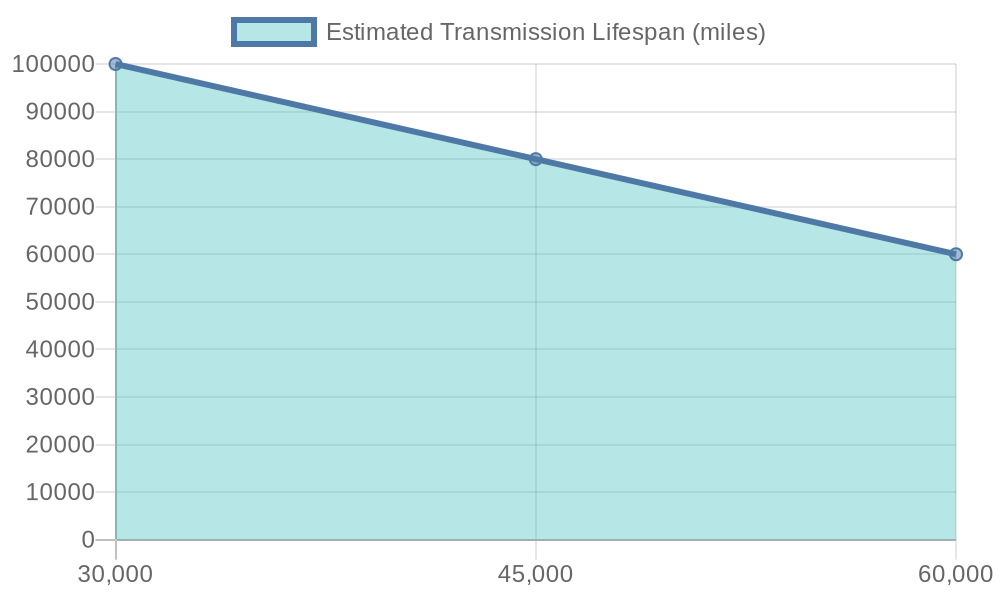
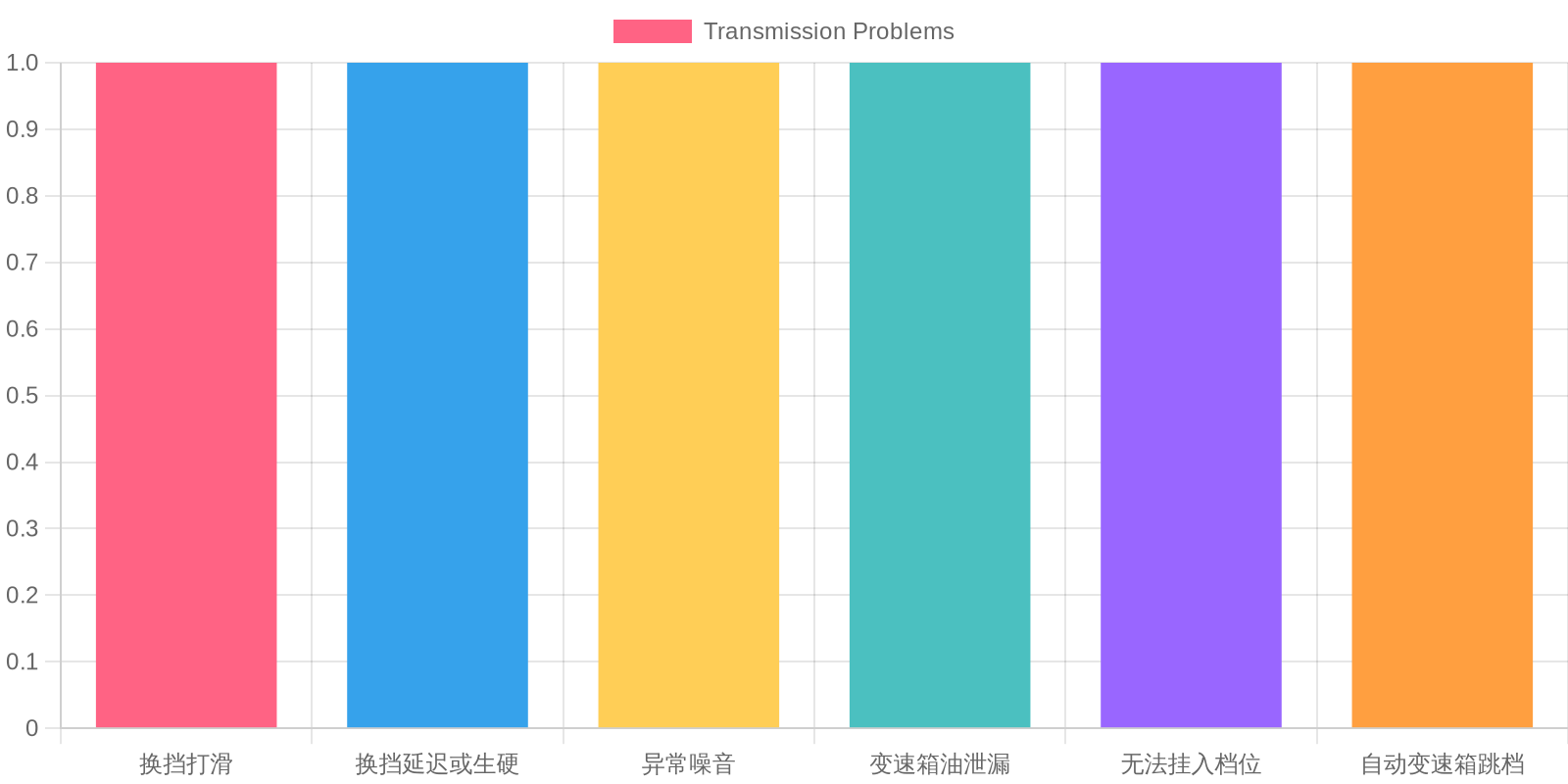
This chart illustrates the correlation between regular servicing of truck transmissions and their longevity. As the data indicates, more frequent servicing leads to significantly longer transmission life, highlighting the critical importance of adhering to recommended maintenance schedules.