
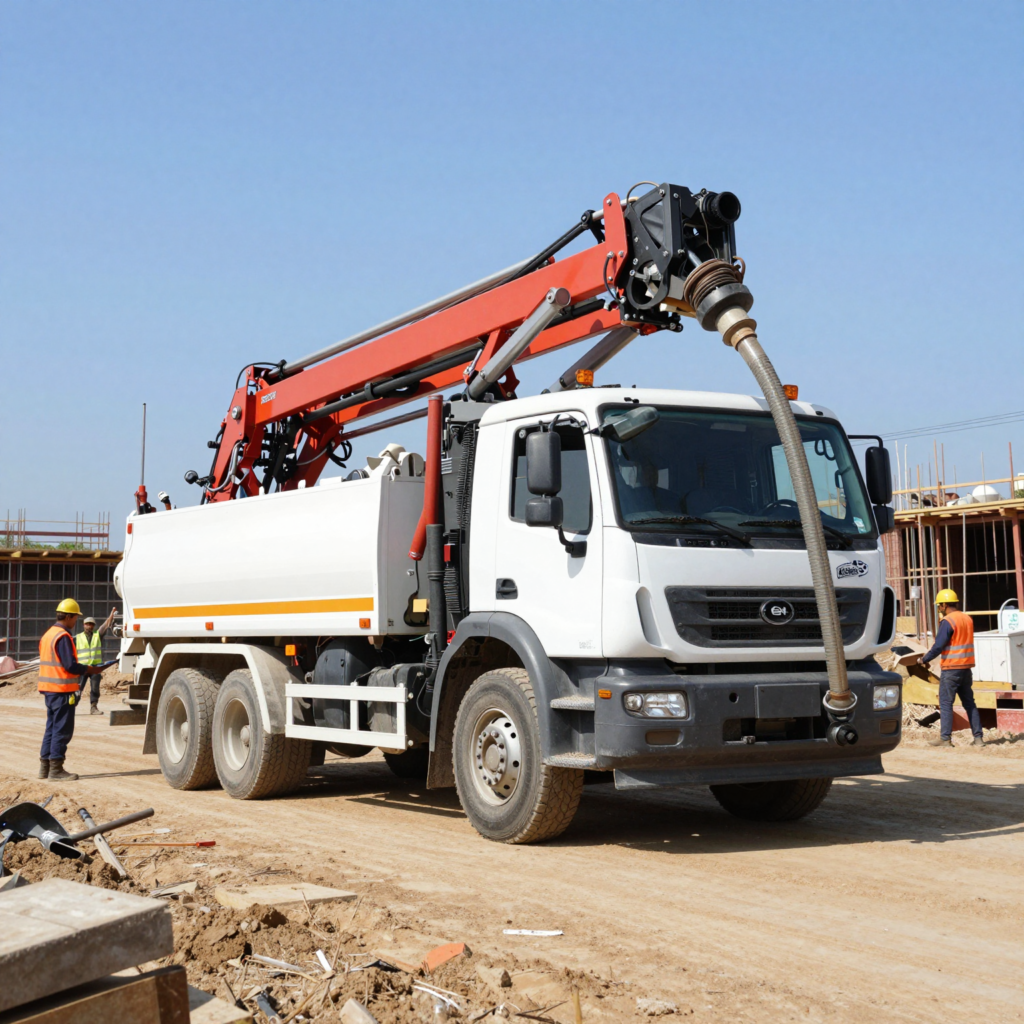
In the world of manufacturing, distribution, and construction, every piece of equipment plays a crucial role in ensuring operational success. Among these powerful machines, pump trucks stand out for their versatility and efficiency in handling fluid transport. However, the efficiency of a pump truck doesn’t just stem from its design and capabilities. Regular pump truck servicing is essential to maintain optimal performance and prolong the equipment’s lifespan.
Imagine the disaster of a pump truck breakdown during a critical operation; not only does it lead to costly delays, but it also risks damaging valuable materials. Sacrificing maintenance in favor of immediate operation can severely impair long-term efficiency and budget. Therefore, investing in routine servicing is not just a preventive measure; it’s a strategic move that safeguards your operations.
This article will cover the vital steps in pump truck maintenance, emphasizing how proper servicing can enhance productivity and reduce operational costs. Whether you run a small business with shipping needs or manage large-scale construction projects, understanding the nuances of pump truck servicing can make a significant difference to your bottom line. Learn more about the impact of tariffs on heavy trucks and explore strategies for maintaining your trucking fleet.
Common Pump Truck Issues
Pump trucks are essential for transporting various materials in many industries; however, they are not without their issues. Understanding common pump truck failures can greatly enhance operational efficiency and help in preventive measures. Below are some prevalent issues that can affect pump truck performance:
Common Issues:
- Fuel Contamination: Fuel distribution problems can lead to pump truck failures. Impacts include reduced engine efficiency and potential damage to the fuel system.
- Dry Running: This often occurs when a pump runs without adequate liquid input, leading to overheating and severe damage over time. Regular checks can prevent critical failures.
- Mechanical Failures: Issues like bearing defects are common culprits that can cause unexpected downtime. Proper maintenance is vital to minimize repair needs.
- Clogged Filters: Blockages can hinder flow and pressure, resulting in poor performance. Regular filter inspections and replacements are crucial.
- Wear and Tear: Continuous operational use can wear down components, necessitating repairs and replacements to maintain efficiency.
- Hydraulic System Issues: Leaks in hydraulic lines or components can lead to a significant loss of efficiency. Immediate attention is required to avoid costly repairs.
Impact of Pump Truck Failures:
- Delays in operations due to equipment downtime can lead to missed deadlines and increased operational costs.
- Frequent repair needs not only strain budgets but may also affect the quality of service provided to customers, leading to dissatisfaction.
Preventive Measures:
Regular inspections, timely maintenance, and the use of high-quality parts can mitigate many of these issues. By staying proactive, companies can keep their pump trucks operational and efficient.
For a deeper understanding of maintenance strategies, learn more about pump truck maintenance and its impact on operational efficiency.
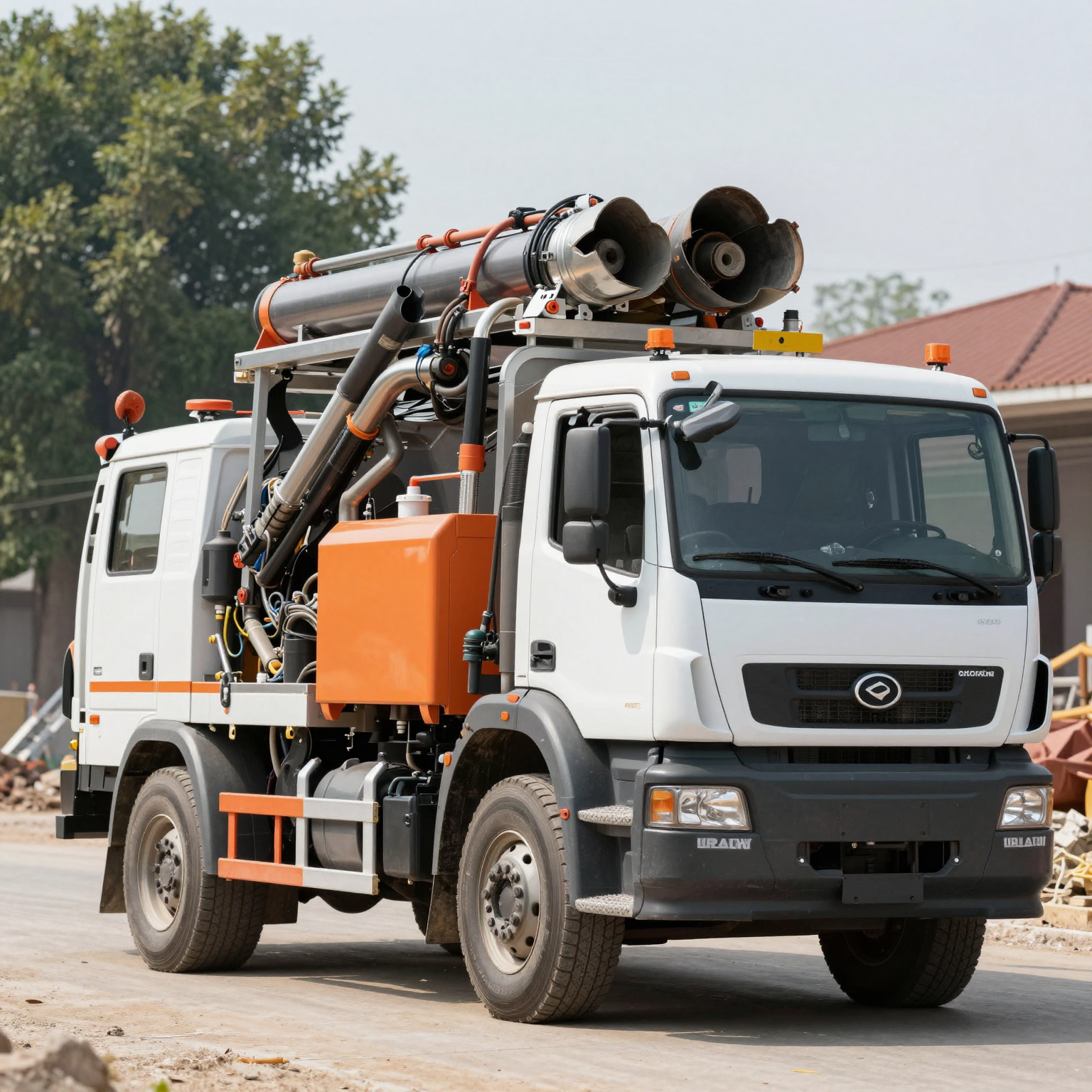
This image depicts a pump truck in action, illustrating its functionality and importance in various industrial settings.
Enhance Engagement
Incorporating visual representations like this one boosts reader engagement, providing a clearer understanding of the pump truck’s role in servicing operations.
The Long-Term Benefits of Regular Servicing for Pump Trucks
Regular servicing of pump trucks is essential for ensuring their longevity, operational efficiency, and safety. Below are some key benefits that appeal to both the financial and operational perspectives of manufacturing and distribution companies, retail and e-commerce businesses, construction and heavy industry firms, as well as small business owners with shipping needs.
1. Enhanced Reliability and Performance
Routine maintenance checks allow for the early detection of potential issues before they escalate into significant problems. By regularly servicing pump trucks, businesses can ensure that their equipment runs smoothly and reliably, minimizing the risk of unexpected breakdowns. This reliability is crucial in industries where downtime can lead to financial losses.
2. Cost Savings Over Time
Investing in regular servicing can lead to significant cost savings in the long run. While there is an upfront cost associated with regular maintenance, the alternative-major repairs or equipment replacements-can be much higher. By keeping pump trucks in optimal condition, companies can effectively reduce repair costs and extend the lifespan of their vehicles, enhancing overall financial efficiency.
3. Improved Fuel Efficiency
Well-maintained pump trucks operate more efficiently, which includes better fuel consumption. Regular servicing ensures that engines, tires, and other components function optimally. Improved fuel efficiency not only lowers operational costs but also minimizes the environmental impact of fleet operations.
4. Increased Safety Compliance
Regular servicing helps ensure that all safety features and equipment are functioning correctly, safeguarding the operators and the cargo being transported. This compliance not only fosters a safer working environment but also mitigates legal liabilities arising from accidents due to poorly maintained equipment.
5. Better Resale Value
Companies that maintain their fleets through regular servicing often find that their vehicle resale values are significantly higher. Well-documented service histories increase buyer confidence, providing a better return on investment when it’s time to upgrade vehicles.
In conclusion, the long-term benefits of regular servicing for pump trucks clearly support both cost savings and improved operational efficiency. By prioritizing maintenance, businesses can make a strategic investment that pays off in reliability, safety, and financial health. For a more detailed look into economic trucking trends and their impact on your business, consider exploring further resources on our site.
Step-by-Step Guide to Servicing a Pump Truck
Proper maintenance of a pump truck is crucial for ensuring its longevity, reliability, and efficiency. Here’s a detailed guide tailored for manufacturing and distribution companies, retail businesses, construction firms, and owners with shipping needs.
1. Preparation
- Gather Necessary Tools and Supplies:
- Wrench set
- Screwdrivers
- Oil and lubricants
- Cleaning supplies
- Replacement parts (filters, belts, etc.)
- Safety Gear: Always wear appropriate safety gear, including gloves, safety glasses, and steel-toed boots.
2. Inspect the Exterior
- Visual Inspection:
- Check for any signs of wear or damage on the pump truck’s body.
- Ensure all lights are functioning properly.
- Fluid Leaks: Look for any oil, fuel, or coolant leaks underneath the truck.
3. Check Fluid Levels
- Engine Oil:
- Dipstick the engine oil level and top off if necessary. Replace oil if it’s dirty or below the required level.
- Coolant Level:
- Ensure the cooling system has adequate fluid.
- Hydraulic Fluid:
- Check the hydraulic fluid reservoir, ensuring it is at optimal levels. Top it off as needed.
4. Change Filters
- Oil and Fuel Filters:
- Replace the oil and fuel filters per the manufacturer’s specifications. This helps in maintaining engine efficiency.
- Air Filters:
- Inspect air filters for dirt and replace them if they are clogged or damaged.
5. Inspect Belts and Hoses
- Belts:
- Check for cracks, fraying, or any signs of wear. Replace if necessary to prevent breakdowns.
- Hoses:
- Look for leaks, cracks, or bulges. Ensure they are securely attached and replace any damaged hoses.
6. Test the Pump Mechanism
- Run a Function Test:
- Start the pump truck and run it to check for proper operation.
- Monitor Pressure Gauges:
- Ensure that all gauges are functioning and showing normal pressure levels.
7. Brake and Tire Inspection
- Brakes:
- Check brake lines for leaks and ensure the braking system is responsive. Inspect brake pads for wear.
- Tires:
- Examine tire pressure and tread wear. Inflate or replace tires as necessary.
8. Clean the Pump Truck
- Washing:
- Clean the exterior to remove dirt and grime.
- Interior:
- Ensure the driver’s area is clean and free of hazards.
9. Record Maintenance Activities
- Log Book:
- Keep a detailed record of all maintenance activities, including dates, parts replaced, and any issues observed.
- Follow-Up Dates:
- Set reminders for the next scheduled maintenance to ensure no tasks are overlooked.
10. Consult a Professional
- If any complex issues are discovered during the inspection or servicing, consult a certified technician for repairs. Professional maintenance ensures the truck operates at peak efficiency.
Practical Implications
Regular servicing of your pump truck not only extends its life but also minimizes downtime in operations. A well-maintained pump truck ensures compliance with safety regulations and enhances overall operational efficiency. For companies involved in transportation or heavy industries, this is vital to maintaining productivity and reducing costs.
This guide serves as a foundational resource for servicing a pump truck effectively. Regular maintenance is key to keeping your operations running smoothly and efficiently.
| Service Interval | Suggested Tasks |
|---|---|
| Daily | Inspect equipment for wear |
| Weekly | Check fluid levels |
| Monthly | Replace filters |
| Quarterly | Check brakes and tires |
| Bi-Annually | Inspect hydraulic systems |
| Annually | Full service and inspection |
Essential Tools for Servicing Pump Trucks
Servicing a pump truck requires a comprehensive set of tools and equipment to ensure that the vehicle operates efficiently and safely. Below is a list of the essential tools necessary for pump truck maintenance, all critical for ensuring optimal performance and longevity.
Required Service Tools
- Wrenches
- A variety of wrenches, including socket wrenches and adjustable wrenches, are vital for tightening and loosening bolts on pumps and other components.
- Screwdrivers
- A set of both Phillips and flathead screwdrivers are necessary for removing and securing components of the pump system.
- Pliers
- Needle-nose pliers and standard pliers are essential for gripping, twisting, and cutting wires or small components during repairs or maintenance.
- Multimeter
- For electrical diagnostics, a multimeter is crucial for testing circuits and ensuring that all electrical components are functioning correctly.
- Oil Filter Wrench
- A specialized oil filter wrench helps in removing and replacing the oil filter easily, making routine oil changes more efficient.
- Grease Gun
- This tool is essential for applying grease to fittings, ensuring that moving parts operate smoothly and efficiently.
- Pressure Washers
- Keeping the pump truck clean improves maintenance flexibility and visibility of potential problems. A pressure washer is ideal for thoroughly cleaning the exterior and undercarriage.
- Fluid Transfer Pumps
- These are used for transferring fluids like oil or fuel, minimizing spills and ensuring that fluid levels are accurate.
- Replacement Parts Inventory
- Having an inventory of common replacement parts such as seals, gaskets, and hoses will reduce downtime and ensure that repairs can be made quickly.
- Diagnostic Tools
- Specialized diagnostic software and tools that connect to the truck’s computer system can pinpoint issues that need addressing, streamlining the servicing process.
Importance of Proper Maintenance
Regular maintenance using the appropriate tools can significantly extend the lifespan of a pump truck. It also helps in preventing more severe mechanical failures that could lead to costly repairs. By investing in the right pump truck maintenance equipment, businesses can optimize their operations and ensure compliance with safety regulations.
For further insights on maintenance practices and preventative measures in trucking, consider exploring key economic trends impacting the trucking industry for enhanced operational strategies.
This comprehensive list of service tools will equip maintenance teams to handle routine check-ups and unexpected repairs efficiently, ensuring the longevity and efficiency of pump trucks in demanding operational environments.
“Regular maintenance of equipment not only extends its lifespan but significantly increases operational efficiency. A well-serviced machine can operate at peak performance, saving time and costs in the long run.” – Industry Expert
Conclusion
In conclusion, servicing a pump truck is not merely a maintenance task; it is an essential aspect of operational efficiency and safety. Regular maintenance ensures that your pump truck operates at peak performance while minimizing the risk of breakdowns and costly repairs. Understanding the mechanics of your equipment, conducting routine inspections, and addressing wear and tear promptly can significantly extend the lifespan of your assets. Moreover, comprehensive servicing safeguards against potential hazards that could disrupt your operations and lead to diminished productivity.
As crucial as it is to understand these benefits, it’s equally important to partner with experts who can provide reliable service. At Summit Fairings, we specialize in ensuring your pump trucks are maintained to the highest standards, helping you avoid unexpected downtime and enhancing overall safety. Don’t put your operations at risk-contact us today to schedule a service appointment or to learn more about how we can support your heavy machinery maintenance needs. Your business deserves the best; take action now to secure your pump truck’s performance and longevity!