
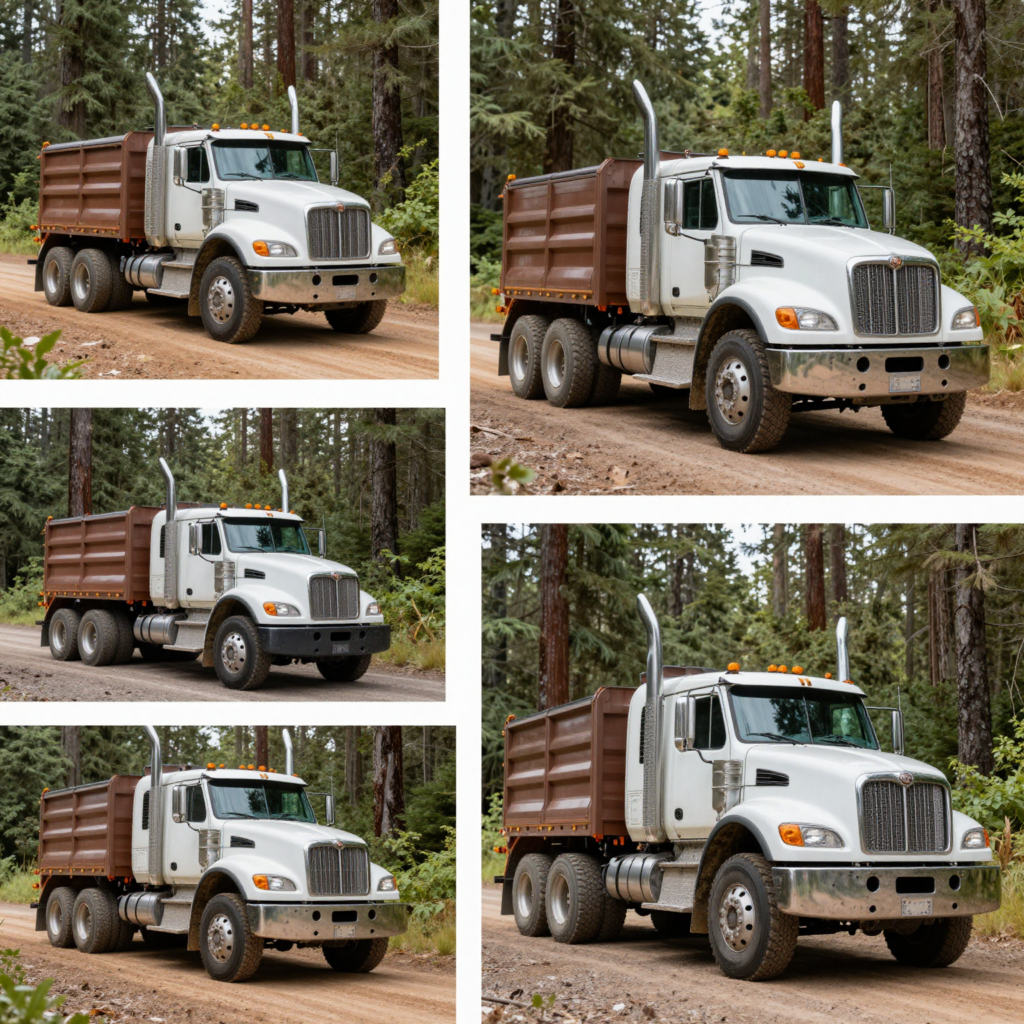
When it comes to managing and preserving America’s vast forested landscapes, the Forest Service relies heavily on a robust fleet of specialized trucks. These vehicles are not just essential for transportation; they play a crucial role in various operations that ensure the health and sustainability of our forests. From battling wildfires to conducting routine maintenance, the trucks utilized by the Forest Service are meticulously designed to meet the demanding requirements of their diverse tasks.
The importance of these trucks extends beyond mere utility; they are lifelines for forest management teams in remote and often rugged terrains. They facilitate critical activities such as wildlife habitat restoration, logging operations, and emergency response efforts. The adaptability and durability of these trucks empower Forest Service personnel to effectively respond to natural disasters, such as wildfires, which have become increasingly prevalent due to climate change.
Understanding the types of trucks used by the Forest Service not only highlights their significance in forest management but also underscores the collaboration between industries, such as manufacturing and heavy industry, that produce these essential vehicles. Learn more about the impact of tariffs on heavy trucks and how it affects operations in this sector.
Types of Trucks Used by the Forest Service
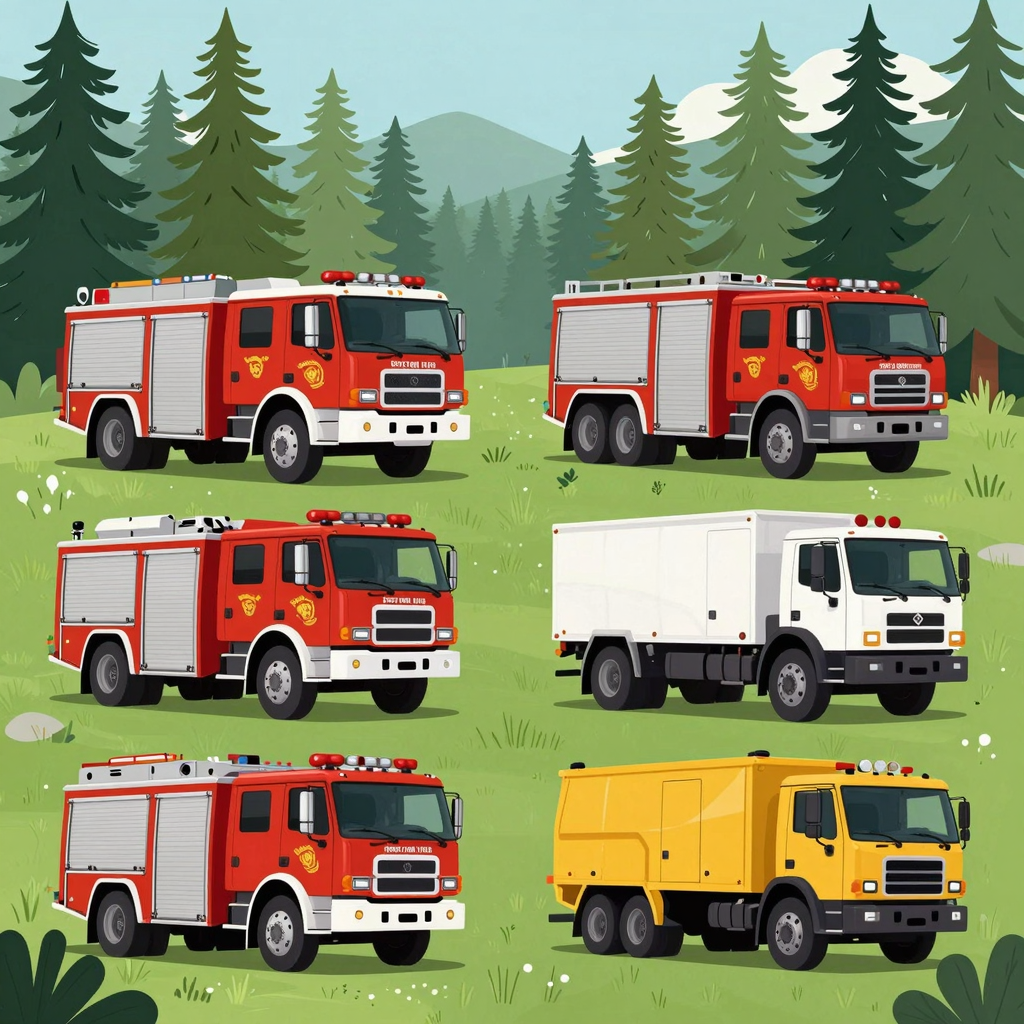
The Forest Service utilizes a variety of trucks tailored for specific functions in forest management, including firefighting, transportation, and maintenance. Here’s an overview of the key types:
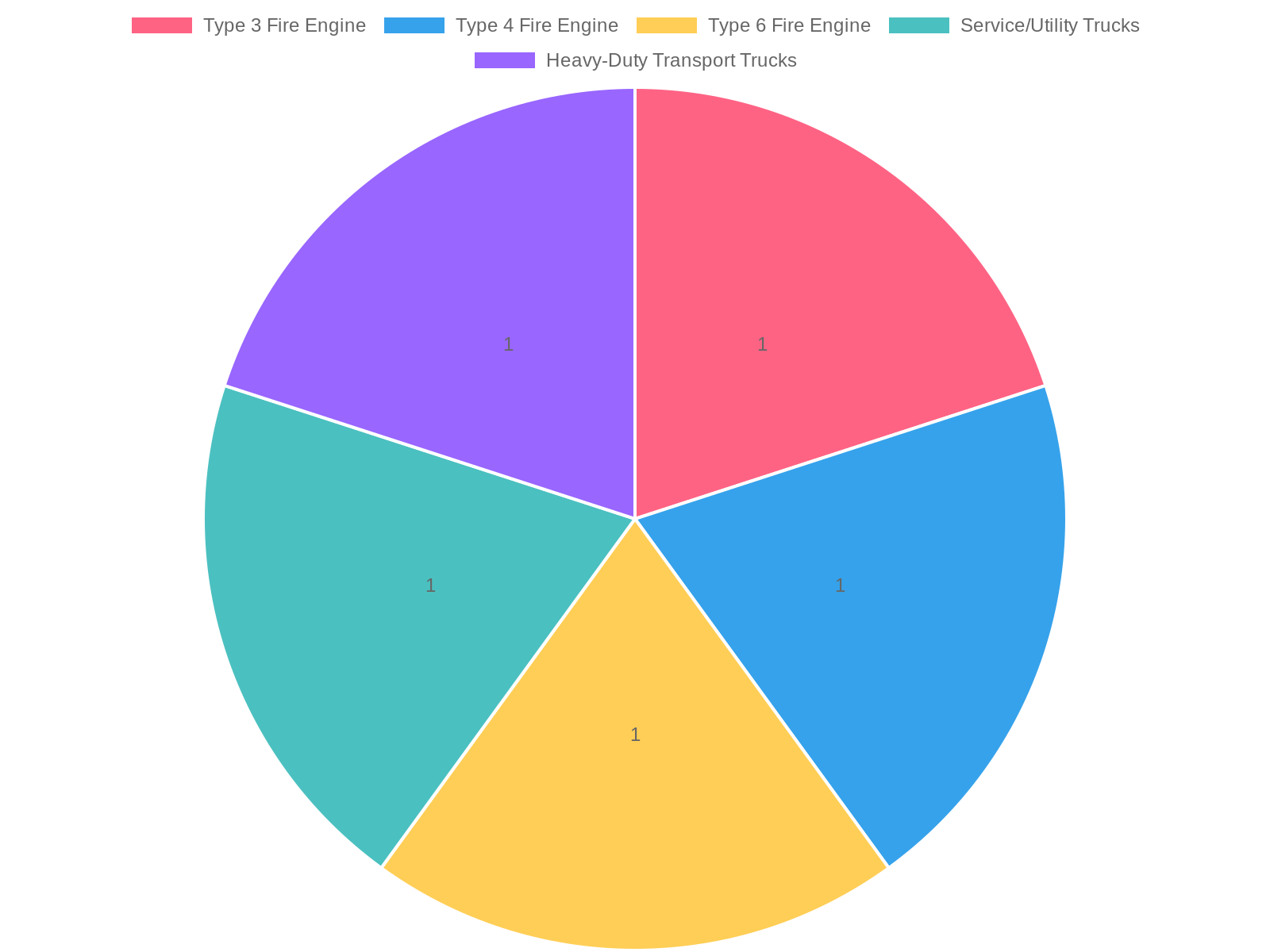
1. Type 3 Fire Engine
- Primary Use: Wildland firefighting
- Engine Type/Specifications: Typically a 4×4 chassis with a pump (750-1,000 GPM) and a water tank (500-750 gallons).
- Capacity: 500-750 gallons
- Notes: Designed for rough terrain and used in initial attack and suppression operations. Commonly based on heavy-duty truck chassis like International or Ford F-Series.
2. Type 4 Fire Engine
- Primary Use: Wildland firefighting
- Engine Type/Specifications: Smaller and lighter than Type 3; typically has a 4×2 configuration with a pump (500 GPM) and tank (300-500 gallons).
- Capacity: 300-500 gallons
- Notes: Ideal for accessing remote areas and providing secondary support in mountainous or forested regions.
3. Type 6 Fire Engine
- Primary Use: Wildland firefighting
- Engine Type/Specifications: Lightweight, high-mobility vehicle, usually a 4×4 utility truck with a small pump (300 GPM) and tank (200-300 gallons).
- Capacity: 200-300 gallons
- Notes: Suited for rapid deployment and often used as a spotter or support vehicle.
4. Service/Utility Trucks
- Primary Use: Maintenance, transport, and logistics
- Engine Type/Specifications: Diesel engine (e.g., 336 HP) with various payloads (10,000-15,000 lbs).
- Notes: Used for transporting personnel and equipment across forest roads, equipped with features like cranes or cargo bodies.
5. Heavy-Duty Transport Trucks
- Primary Use: Heavy hauling and large-scale transport
- Engine Type/Specifications: 4×2 configuration, 336 HP engine.
- Notes: Used for moving large equipment through rugged terrain.
For further details on specifications and uses, you can check the US Forest Service and Tera Manufacturing.
Comparison of U.S. Forest Service Truck Models
The U.S. Forest Service utilizes a range of specialized trucks designed for various aspects of firefighting and forest management. Below is a detailed comparison table outlining the specifications of two critical truck models: the Type 3 Fire Engine and the Type 6 Fire Truck. These vehicles cater to different operational requirements, reflecting the diversity in forest service missions.
| Specification Category | Type 3 Fire Engine (Model 326/346) | Type 6 Fire Truck |
|---|---|---|
| Primary Use | Structural firefighting, wildland interface, general emergency response in rugged terrain. | Wildland firefighting in remote areas. |
| Chassis Configuration | Typically a 6×6 all-wheel-drive for off-road capability. | Usually a 4×4 or 6×6 for high mobility. |
| Engine Power | Generally equipped with a powerful diesel engine. | Typically features a robust diesel engine. |
| Pump Capacity | Standard pumps range from 1000 to 1500 GPM. | Smaller pumps, typically around 500-750 GPM. |
| Water Tank Capacity | Common ranges between 500 and 1000 gallons. | Usually holds between 300 and 500 gallons. |
| Crew Capacity | Designed to carry 4-6 personnel. | Typically carries 2-4 firefighters. |
| Special Features | Equipped with advanced communication systems, lighting, and specialized firefighting tools. | Often includes dry chemical systems and tool storage. |
Source: US Forest Service reports and specifications.
This table demonstrates the critical differences and uses of the Forest Service’s fire trucks, emphasizing their tailored capabilities to meet the demands of wildland firefighting. The choice of truck model is influenced by the incident’s location, severity, and specific firefighting strategies deployed, illustrating the logistical complexities faced by the service in managing forest areas effectively.
For more insights about the challenges and strategies in the trucking industry, learn more about economic trends impacting trucking and how regulatory issues affect cross-border activities.
The Importance of Truck Customization in Forestry
Customizing trucks for specific forestry tasks is critical to enhancing their operational efficiency and safety. Equipped with specialized features, customized trucks can tackle the diverse challenges presented by forest environments. The significance of these customizations can be understood through several key factors:
1. Enhanced Performance
Customization allows for improved load capacity, enabling trucks to transport heavier timber efficiently. For instance, specialized logging trucks can be fitted with configurations that better suit the terrain of forestry sites, providing better maneuverability and stability. A study focusing on timber truck configurations highlighted how tailored designs can enhance logistical operations significantly, ultimately improving profitability in the timber supply chain (source).
2. Safety Measures
Safety is paramount when operating in the forestry industry, where trucks often navigate difficult terrains. Features such as reinforced structures, advanced braking systems, and visibility enhancements are integral to prevent accidents. Custom trucks equipped with roll cages and enhanced visibility can significantly reduce the risks associated with transporting heavy loads across uneven landscapes. The necessity for such safety features is underscored by their role in ensuring the safe transport of forest products (source).
3. Tailoring to Specific Tasks
Different forestry tasks require specialized equipment. For example, a truck designed for debris removal might be equipped with a crane, while a timber transporter might have a flatbed designed for optimal stability. Customization ensures that the truck can effectively handle specific forestry applications, which in turn minimizes downtime and maximizes productivity.
Conclusion
In conclusion, the importance of truck customization in forestry cannot be overstated. It enhances performance, ensures safety, and tailors capabilities to meet specific tasks. As companies look to optimize their fleet for forestry operations, investing in customized vehicles may lead to increased efficiency and productivity in the long-run. Considering the various ways customizable trucks can optimize forestry tasks is essential for businesses involved in forestry and timber transport.
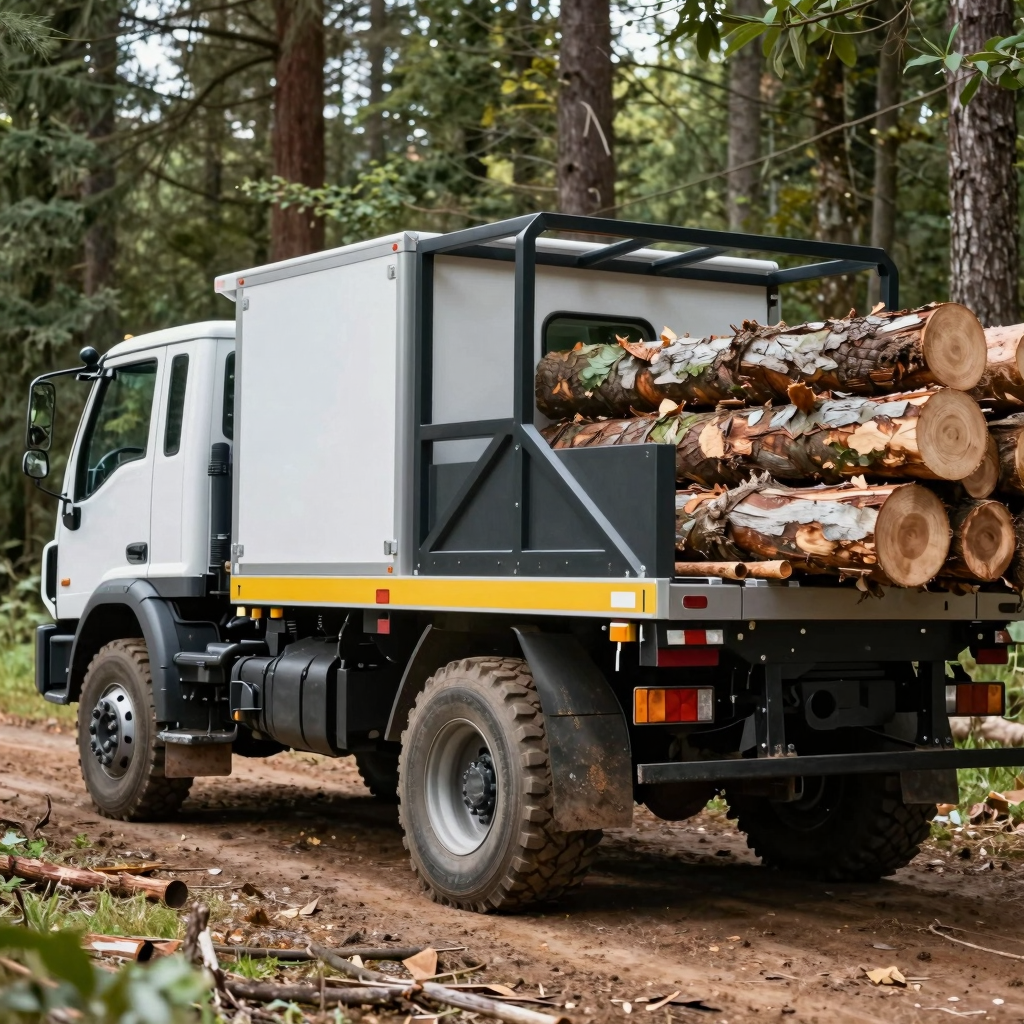
| Truck Metrics | Details | Source |
|---|---|---|
| Load Capacity | Custom-built trucks can transport loads exceeding 40 tons of timber. | MDPI, Forests (2021) |
| Fuel Efficiency | Enhanced designs improve operational efficiency significantly. | MDPI, Forests (2021) |
| Operator Safety Rating | Reinforced structures enhance safety in challenging terrains. | Custom Truck |
| Suitable Terrain Handling | Specialized designs effectively navigate rough woodlands. | Custom Truck |
Sustainability Initiatives of Forest Service Trucks
The USDA Forest Service is actively engaged in sustainability initiatives aimed at minimizing environmental impact through responsible truck usage. These efforts align closely with the broader goals of enhancing environmental, social, and economic conditions in forest operations.
Key Initiatives:
-
National Sustainable Operations Strategy: This strategy emphasizes responsible management practices that enhance operational efficiency while reducing environmental impact. Learn more about this strategy here.
-
Battery Electric Trucks: Research has shown that battery electric trucks have significant potential in forest transportation. These trucks could help achieve carbon-neutral operations, addressing the urgent need to reduce greenhouse gas emissions. The challenges of transitioning to electric vehicles are recognized, but the move is essential for sustainable operations. More details can be found in this article on potential of battery electric trucks.
-
Zero-Emission Trucking: With heavy trucks contributing significantly to greenhouse gas emissions, there is a concerted effort to transition towards zero-emission vehicles. Explore zero-emission trucking considerations.
-
Reduction of Vehicle Idling: The U.S. Forest Service is also focused on minimizing vehicle idling, which significantly contributes to emission levels. This initiative not only helps improve environmental health but also enhances economic efficiency. Discover more about sustainable operations here.
These initiatives demonstrate the Forest Service’s commitment to reducing the ecological footprint of its operations and promoting sustainability in forestry and transportation sectors.
Understanding Forest Service Trucks
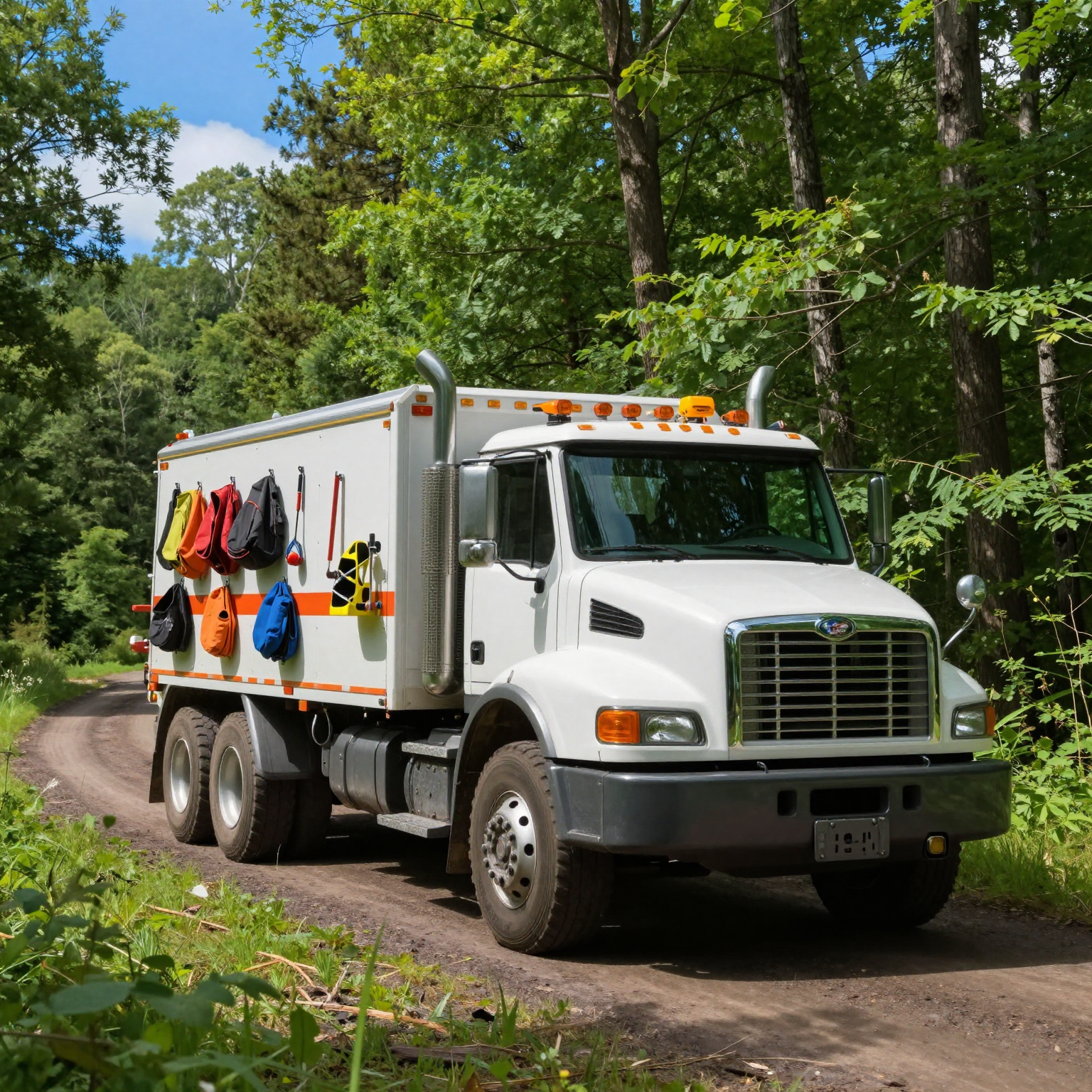
The Forest Service utilizes a variety of specialized trucks designed to support their conservation and management efforts in forested regions. These trucks are not only versatile but also equipped with essential tools and equipment to facilitate effective forest care. A typical Forest Service truck is robust and rugged, often designed to navigate rough terrains, which are common in forest areas.
Features of a Forest Service Truck
- All-Terrain Capability: Forest Service trucks are built to handle diverse landscapes, including rocky paths and muddy trails, ensuring accessibility in every part of the forest.
- Specialized Equipment: These trucks often come equipped with firefighting tools, maintenance gear, and other resources necessary for forest management.
- Environmental Considerations: Trucks used by the Forest Service are hybrid or low-emission models whenever possible, minimizing their ecological footprint while still providing necessary support.
Importance of Forest Service Trucks
The role of these trucks is crucial in maintaining healthy ecosystems. They are used for a variety of tasks such as:
- Fire Suppression: Equipped with water tanks and hoses, these trucks play a vital role in combating forest fires.
- Road Maintenance: They help keep access roads in good condition, allowing for emergency services and forest management teams to access remote areas swiftly.
- Wildlife Conservation: Forest Service trucks assist in carrying out surveys and installations that help in monitoring wildlife populations.
The effective use of these trucks ensures that forest ecosystems are preserved and protected, highlighting their significant role in environmental conservation efforts.
The Role of Trucks in Forest Management
Effective forest management is essential for maintaining ecosystems and supporting local economies. Within this context, trucks play a crucial role in ensuring that timber and forest products are transported efficiently.
As highlighted in a recent article on forestry supply chains, “Professional truck drivers are the backbone of the forestry supply chain. They ensure the seamless flow of timber and forest products, essential for the forestry industry, which supports local economies and ecosystems” (source: Logging Miles: Drivers at the Root of Forestry Supply Chain). This quote encapsulates the importance of transportation logistics in sustainable forestry practices.
Importance of Log Trucks
Log trucks are specially designed to transport log loads from forests to processing facilities. Their robust design allows them to traverse rugged terrains while maintaining the safety and integrity of their loads. The transportation of these materials is not just about logistics; it’s intertwined with economic stability. As indicated by another expert, “Truck drivers are vital to ensuring the thousands of forest products we rely on, facilitating the transport of essential forest products” (Rayonier Inc).
A Reliable Partner in Forestry
Manufacturing and distribution companies, retail businesses, and construction firms benefit significantly from collaborating with trucking services that specialize in forestry. These companies can rely on trucks designed for heavy loads, capable of navigating the challenging conditions often encountered in forested areas.
To learn more about how transportation impacts the supply chain, explore our article on economic trucking trends.
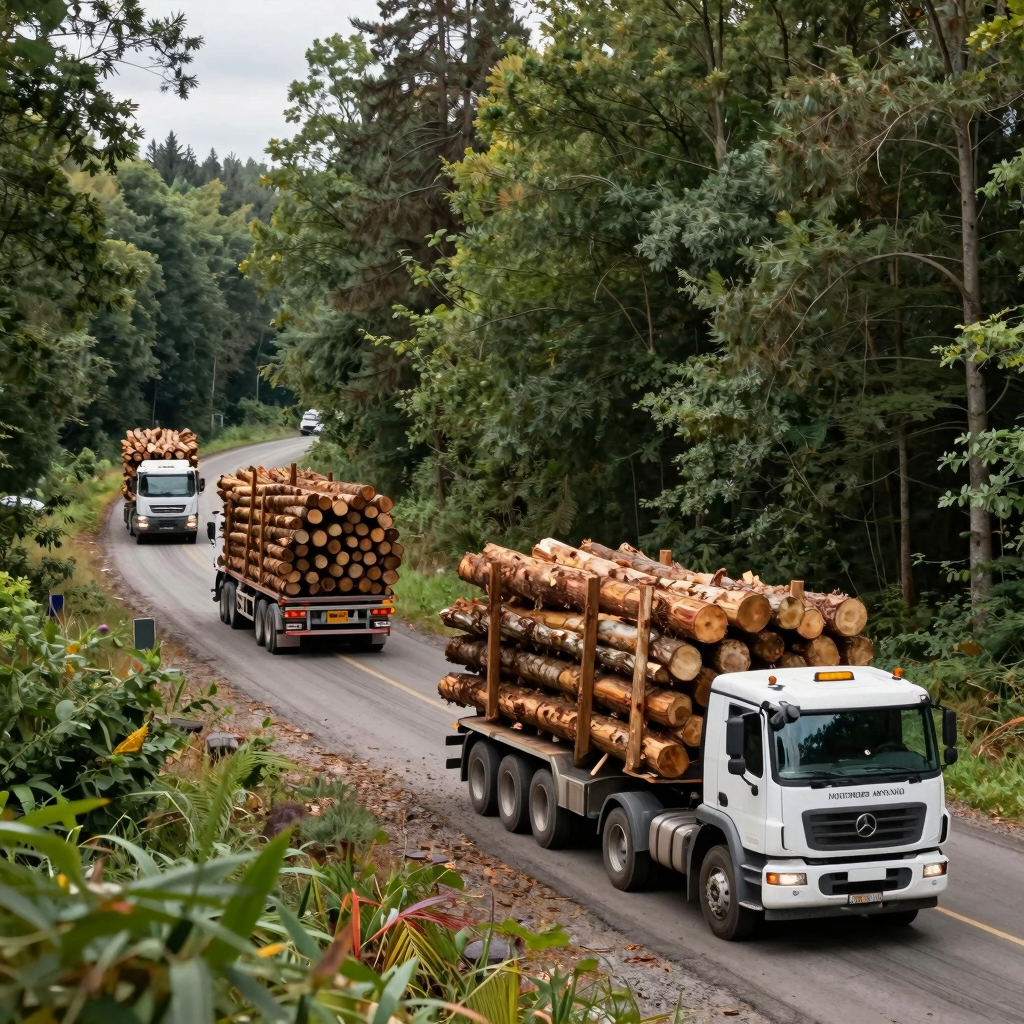
In conclusion, the integration of skilled drivers and specialized trucks is paramount for the efficient and sustainable management of forest resources, ensuring that both ecological balance and economic viability are achieved.
Technological Advancements in Forest Trucks
The trucks utilized by the U.S. Forest Service have undergone significant technological enhancements in recent years. These innovations aim to improve operational efficiency, reduce environmental impact, and enhance safety for both drivers and forestry operations. Here, we delve into several key advancements:
GPS Systems: Enhancing Navigation and Monitoring
Modern forest trucks are increasingly equipped with Global Navigation Satellite Systems (GNSS) that enhance operational monitoring and performance. This technology allows for real-time tracking of vehicle locations, routes, and conditions. The integration of advanced GPS systems provides several benefits:
- Accurate Navigation: Ensures precise routing in varied terrain, crucial for forest operations where trails are often unmarked.
- Environmental Awareness: Monitors the environmental impact of the vehicles, assisting in sustainable forestry management.
- Operational Efficiency: Reduces fuel consumption and associated costs by optimizing routes and minimizing idle time.
Eco-Friendly Engines: A Shift Toward Sustainability
As ecological concerns drive policy decisions in the forestry sector, many Forest Service trucks now feature battery electric or hybrid engines. These vehicles provide:
- Reduced Emissions: Lower greenhouse gas emissions significantly contribute to environmental preservation, a priority for the Forest Service.
- Fuel Efficiency: Enhanced engine design and battery pack technology result in substantial savings in fuel costs.
- Energy Independence: The reliance on alternative energy sources fosters a more sustainable approach to forestry. The potential of battery electric trucks has been highlighted as a vital component for future operations.
Advanced Safety Features: Ensuring Driver and Environmental Safety
Safety features in forest trucks have seen substantial advancement, incorporating several technologies that enhance on-road safety:
- Automated Braking Systems: Systems like collision avoidance and emergency braking are pivotal in reducing accidents, especially when navigating challenging forest trails.
- Lane-Keeping Assistance: Helps drivers maintain control and stay on designated paths, crucial in dense wooded environments where visibility is limited.
- Real-Time Data Systems: These increase overall operational efficiency by allowing for predictive maintenance, monitoring driver behavior, and enhancing overall safety performance. This aligns with the Forest Service’s commitment to improving their fleet’s safety measures, as recently emphasized in their telematics program. Discover more about their telematics program here.
Conclusion
The integration of GPS systems, eco-friendly engines, and advanced safety features represents a commitment by the Forest Service to enhance the efficiency and safety of their operations. As these technologies evolve, they will play an increasingly critical role in shaping the future of forest logistics and environmental protection.
Conclusion
In summary, the integral role of Forest Service trucks cannot be overstated in the context of forestry operations. These specialized vehicles are designed to withstand the rigors of difficult terrains and harsh environmental conditions, ensuring that forestry professionals can carry out their work efficiently and safely. From transporting materials to providing critical support in natural resource management, these trucks are vital tools that enhance productivity and safety in the field (USDA Forest Service).
Custom trucks specifically designed for forestry tasks have revolutionized the industry. Companies like Custom Truck One Source offer tailored truck solutions that optimize load capacity and increase operational efficiency. With features engineered for forestry applications, these custom options allow businesses to meet unique challenges while maintaining high service standards.
As the demand for sustainable forestry practices grows, so does the need for effective transportation solutions. Investing in the right trucks is not just about enhancing performance; it’s a strategic move towards sustainable operations and economic efficiency.
We encourage all stakeholders involved in forestry operations to explore custom truck options that best fit their needs at Summit Fairings. Take the step towards optimizing your operations today with tailored transportation solutions!
Truck Usage Statistics in Forest Service Operations
In Forest Service operations, trucks play a crucial role in managing timber transport and logistics, significantly impacting operational efficiency and resource management. According to recent studies, the statistics detailing the usage of trucks in these operations provide valuable insights:
| Category | Metric | Value | Source |
|---|---|---|---|
| Average Daily Operational Hours | Typical operational hours per truck in forestry logging | 6.5 – 8 hours | USDA Forest Service Annual Report, 2024 |
| Timber Transportation Percentage | Percentage focused on timber transportation | 78% | National Forest Transportation Survey, 2023 |
| Logging Support Operations | Percentage of operations supporting logging | 22% | USDA Forest Service Annual Report, 2024 |
| Average Loads Delivered | Average monthly timber loads delivered per truck | 142 loads/month | National Forest Transportation Survey, 2023 |
| Average Annual Mileage | Average annual mileage per forestry transport truck | 24,500 miles/year | Forest Service Fleet Performance Data, 2024 |
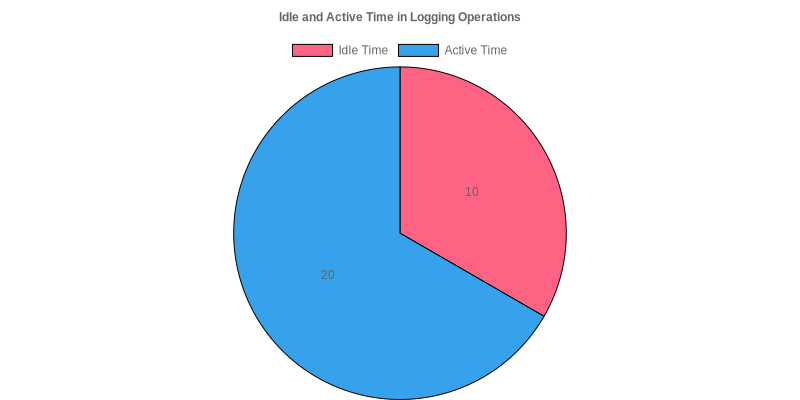
| Idle Time Percentage | Estimated idle time during operations | 7.5% | Finnish Logging Fleet Idling Study, 2025 |
Note: The percentages and metrics illustrate the operational diversity of trucks utilized by the Forest Service, indicating a significant focus on timber operations. For instance, timber transportation constitutes the primary use of trucks at 78%, while logging support operations account for a smaller fraction of total truck activities. These statistics highlight the efficiency and criticality of trucking in forest management operations.
Idle and Active Time in Logging Operations