

In today’s rapidly evolving marketplace, workforce training in the trucking industry is more crucial than ever. Companies across various sectors-from manufacturing and distribution to retail and construction-are increasingly recognizing that well-trained drivers not only enhance operational efficiency but also mitigate risks associated with accidents and delays. As the demand for skilled drivers rises, many businesses are exploring funding options for truck driving schools to ensure their teams are equipped with the latest industry practices and safety protocols. Investing in driver training is not merely a financial decision; it is a strategic move that can significantly reduce costs related to oversight and enhance the overall productivity of transportation operations. By fostering a committed workforce, companies position themselves to adapt to shifts in the market and meet the demands of a competitive landscape, ensuring they’re not left behind. For those interested in how regulatory changes impact the trucking workforce, learn more about the economic trends impacting the trucking industry. Ultimately, the success of businesses that rely heavily on transportation is deeply intertwined with the quality of their driver training programs.
Overview of Workforce Services
Workforce services are an essential aspect of human resource management and labor market development. They encompass a variety of programs and resources designed to support both employers and job seekers in navigating the employment landscape. These services are aimed at efficiently attracting, developing, and retaining talent within organizations, thereby enhancing workforce productivity and stability.
Key Components of Workforce Services
Workforce services typically include:
- Talent Acquisition: Strategies and tools to attract suitable candidates for job openings, which may involve outreach to diverse communities to build a robust talent pipeline.
- Training and Development: Programs designed to upskill current employees, equipping them with the necessary skills to adapt to industry changes and advancements.
- Job Placement Services: Resources that assist job seekers in finding suitable employment opportunities, including resume writing and interview preparation.
- Support Services: Assistance for individuals facing barriers to employment, such as career counseling and access to education.
Funding for Workforce Training Programs
Various funding streams exist to support workforce training initiatives, which are crucial for businesses looking to enhance their staff’s skill sets. Some notable funding sources include:
- Federal and State Grants: Programs like the Perkins V grants focus on career and technical education and can be utilized by companies to fund employee training initiatives. States are also investing in apprenticeship programs, providing solid state-level grants for workforce training.
- Good Jobs Program: This program allocates funds for locally-led training and support, helping individuals enter high-demand industries. For example, a recent initiative made $25 million available for workforce training programs to empower job seekers.
- Workforce Pell Grants: Starting from July 2026, new funding aimed at collegiate workforce training programs will be introduced by the federal government, specifically targeting young individuals seeking skilled positions.
Incorporating these services can significantly alleviate hiring challenges faced by various industries, including manufacturing, retail, and construction. For more insights on investing in people in trucking, visit the provided link. Additionally, workforce services can be pivotal in helping companies navigate the complexities of hiring and retention, ensuring a stable workforce that supports overall business goals.
By leveraging workforce services and funding opportunities, businesses can not only fill existing roles but also cultivate a skilled, adaptable workforce ready to meet future challenges.
| School Name | Cost | Location | Program Length | Funding Opportunities |
|---|---|---|---|---|
| Freedom Road Truck Driving Academy | $5,000-$8,000 | Various Locations | 3-6 weeks | Financial aid, loan options, job placement assistance |
| Roadmaster Drivers School | $5,000-$10,000 | Multiple Locations (Nationwide) | 4-6 weeks | Tuition reimbursement, financial assistance available |
For more details about funding opportunities and how workforce services can assist, check out our article on investing in people in trucking.
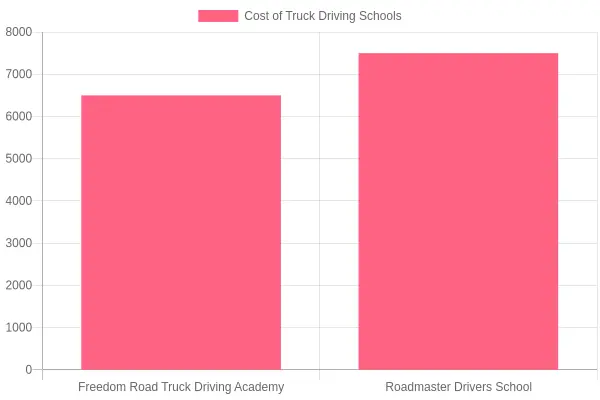
View more information on funding assistance through programs, including grants and loans.
Eligibility Criteria for Workforce Services Funding for Truck Driving School
When considering workforce services funding to cover the costs of truck driving school, it is essential for businesses and applicants to understand the eligibility criteria established under the Workforce Innovation and Opportunity Act (WIOA) and similar funding programs. Here’s a detailed overview of what is required:
Business Eligibility
- Businesses must be duly registered and operate within the trucking industry, specifically as licensed and certified trucking schools. This ensures that the training provided meets industry standards and regulations.
Funding Source
- The funding is generally sourced from Workforce Services or other federal and state grant programs designed to enhance workforce training and placement.
Documentation Required
To qualify for funding, businesses must furnish specific documentation, including but not limited to:
- Copies of Business Licenses: Verifying the legal operation of the trucking training facility.
- Proof of Accreditation: Documentation confirming that the school meets required educational standards, often necessary to reassure funding authorities of its legitimacy.
- Financial Statements: These statements may be requested to demonstrate financial stability and operational integrity.
Program Requirements
- Training programs must be comprehensive and comply with all state and federal regulations governing truck driving education. This is vital for maintaining eligibility for reimbursement and funding over time.
Participant Eligibility
- To enroll, participants typically need to be at least 18 years old and must possess a valid driver’s license. This ensures that students are prepared for the rigor of truck driving training.
Commitments
- Participating businesses must commit to reporting training outcomes and maintaining accurate records for a specified duration post-funding to ensure accountability and effectiveness of the training programs.
Additional Documentation
- Other necessary documents may include student enrollment data, individual training plans, and proof of student attendance. These documents support funding applications and demonstrate the effectiveness of training.
Funding Use
- Grant funds should exclusively cover costs related to tuition, educational materials, instructor fees, and necessary administrative expenses linked to executing the training program.
In conclusion, understanding these criteria is vital for any trucking school or business seeking to leverage workforce services for funding. To explore further aspects related to trucking and workforce training, check out our article on investing in people in trucking and economic trends impacting the trucking industry.
Here you can see a representation of the various requirements for funding related to truck driving school.
Case Study: Funding Truck Driving School through Workforce Services at XYZ Logistics
Introduction
In the competitive landscape of transportation and logistics, efficient workforce management is critical for success. XYZ Logistics, a medium-sized trucking company located in the Midwest, faced significant challenges: a shortage of qualified truck drivers and growing operational costs. To address these issues, the management team considered utilizing workforce services to fund a truck driving school for its team. This case study outlines the challenges faced, the solutions implemented, and the outcomes achieved.
Challenges Faced
- Driver Shortage: The industry-wide driver shortage was affecting XYZ Logistics’ ability to meet client demands, impacting delivery schedules and customer satisfaction.
- Rising Costs: Recruiting new drivers from the job market is often expensive and time-consuming, leading to increased operational costs.
- Retention Issues: High turnover rates among drivers resulted in additional recruitment and training costs, hampering overall productivity.
Solutions Provided
To tackle these challenges, XYZ Logistics collaborated with local workforce services to establish a comprehensive training program for current employees. The initiative included the following components:
- Funding Support: The workforce services program provided financial assistance to cover the tuition and expenses related to the truck driving school, making it accessible for employees.
- Targeted Training Programs: Tailored training curricula were developed that not only focused on safety and driving skills but also on interpersonal skills relevant to customer service demands in the logistics sector.
- Ongoing Support: To ensure success, XYZ Logistics appointed a training coordinator to liaise between the training providers and the employees, providing them with continued mentorship and support.
Additionally, the program emphasized inclusivity, targeting underrepresented groups to join the profession, which is critical given the current labor shortage in the trucking industry. The importance of funding programs that support diverse initiatives cannot be overstated, as emphasized in a recent New York Times article on increasing female participation in the trucking industry.
Outcomes Achieved
The implementation of the training program yielded significant benefits for XYZ Logistics:
- Increased Productivity: By developing its own drivers, the company reduced turnover costs and improved delivery efficiency. The average delivery time improved by 20% within six months.
- Cost Savings: By utilizing workforce service funding, XYZ Logistics saved approximately $100,000 in recruitment and training costs traditionally spent on hiring externally.
- Employee Satisfaction: Feedback indicated higher job satisfaction among employees who participated in the program, leading to a lower turnover rate overall. Employees appreciated the company’s investment in their skills development.
- Community Impact: The initiative also contributed to local employment rates by promoting recruitment from the community, thereby enhancing corporate social responsibility.
Conclusion
The case of XYZ Logistics illustrates how utilizing workforce services to fund truck driving school can effectively address common industry challenges while yielding enhanced productivity and considerable cost savings. By investing in their workforce, companies not only improve their operational efficiency but also contribute to the broader economic landscape by fostering a skilled and diverse labor pool. For more insights into workforce solutions that help businesses thrive, check this article on investing in people in the trucking industry.
Expert Insight on Training Funding
“Funding for training programs in truck driving schools is crucial for cultivating a skilled workforce capable of meeting industry demands. Such investments not only enhance educational resources but also directly support job placement efforts, empowering individuals to embark on sustainable careers.”
This quote reinforces the significant role that training funding plays in workforce development. Employers are increasingly recognizing that investing in education leads to a more skilled and prepared workforce, which is vital in the trucking industry where qualified drivers are in high demand.
For more on how funding is shaping the future of work in the trucking sector, you can learn more about investing in people in trucking.
Common Misconceptions About Workforce Services Funding for Truck Driving School
When it comes to workforce services funding for truck driving schools, there are numerous misconceptions that can cause confusion for businesses and individuals alike. Understanding these myths is crucial for making informed decisions. Here’s a list of common misconceptions along with clarifications to help dispel them.
-
Workforce services only fund tuition for traditional colleges.
Many believe that workforce services exclusively support traditional educational paths. In reality, they also provide funding for vocational schools, including truck driving programs, to address skill shortages in the trucking industry. -
Only individuals seeking a job can receive funding.
Some think that workforce funding is limited only to job seekers. However, it is also available for individuals looking to upgrade skills, shift careers, or enhance their qualifications, which is particularly relevant for current drivers seeking additional certifications. -
All truck driving schools qualify for funding.
Not every truck driving school is eligible for funding from workforce services. Programs must meet certain criteria, including accreditation and alignment with industry standards to ensure quality training. -
Funding covers all expenses without limitations.
Another misconception is that the funding covers all tuition costs and additional fees without restrictions. In reality, there may be caps on the amount funded and additional costs, such as uniforms or materials, may not be covered. -
Workforce services don’t prioritize trucking programs.
There’s a notion that programs in industries deemed less critical receive more attention. In fact, as the trucking industry faces significant driver shortages, workforce services are increasingly targeting funding toward truck driving schools to help bridge the gap. -
Receiving funding guarantees job placement.
Some individuals believe that getting funding is a guarantee for a job post-training. While workforce services enhance employability, job placement is still contingent on market conditions, individual effort, and employer requirements.
For businesses looking to understand how workforce services can aid in obtaining qualified drivers, dispelling these myths can lead to better decision-making for workforce development. Additionally, exploring the key economic trends impacting the trucking industry can provide businesses with insights into the relevance of these training programs.
Conclusion
In conclusion, workforce services are increasingly recognizing the vital role that training plays in addressing the shortage of skilled drivers within the trucking industry. Programs designed to fund training, such as those specifically targeting women and underserved communities, offer significant opportunities for businesses to invest in their workforce. With the right funding in place, companies can not only comply with regulations but also enhance productivity and improve operational efficiency by having a well-trained driving workforce.
The landscape for workforce development funding continues to evolve, with recent initiatives providing exciting possibilities for small and medium-sized businesses in the manufacturing, distribution, retail, and construction sectors. By leveraging these funding options, businesses can ensure sustained growth and competitiveness in an ever-demanding market.
As you consider these options, I encourage you to explore the benefits of investing in people within the trucking industry and how it can lead to significant returns on investment. If you’re interested in corporate solutions for truck driver training and would like to know more about how Summit Fairings can assist your business in navigating these opportunities, contact us today to get started!
These initiatives not only represent a chance to enhance skills but also to create a sustainable framework for future workforce stability in the trucking sector.
User Adoption of Truck Driving Training Programs Funded by Workforce Services
In recent years, there has been a significant push towards enhancing the workforce of truck drivers through various training programs funded by workforce services. These initiatives not only provide essential skills but also improve job placement rates and participant demographics, making these programs highly effective.
Key Insights
-
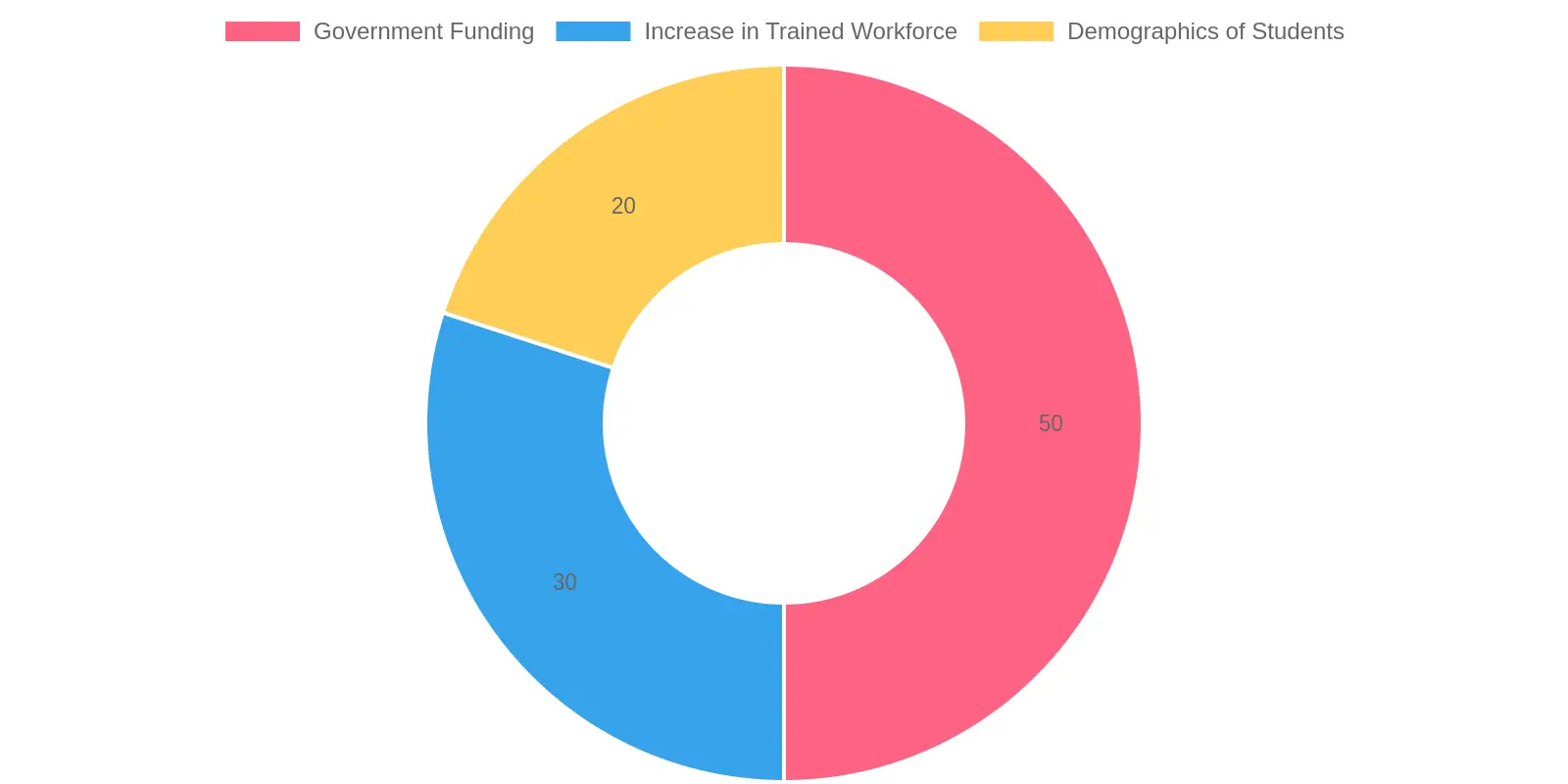
Training Participation Increase: Funding from government initiatives has led to a substantial increase in participation in truck driving training programs. These programs often cover training costs, directly linking graduates to job opportunities within the sector.
-
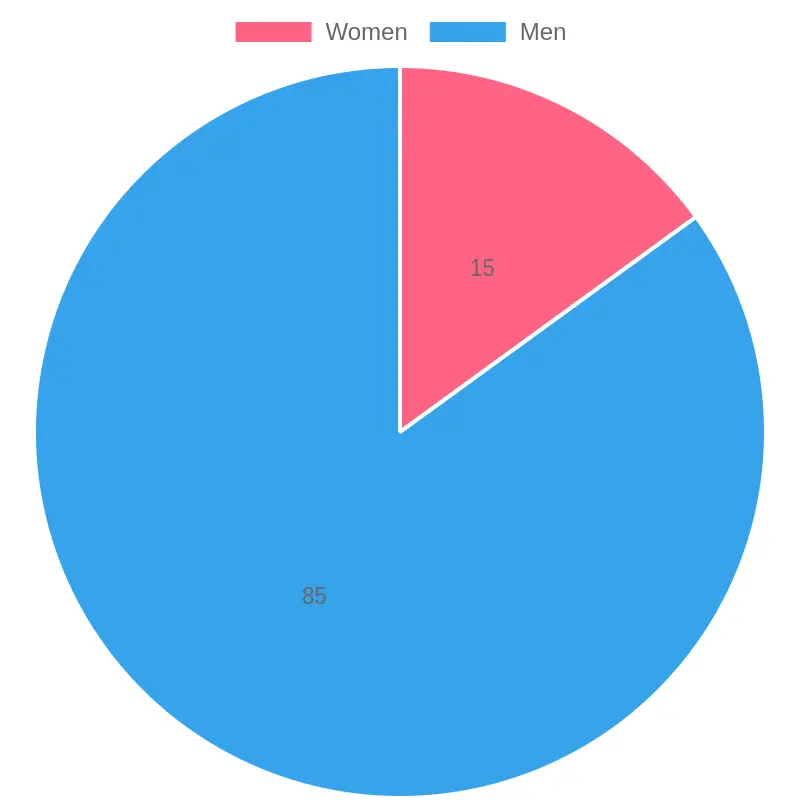
Demographics: The primary age group engaged in these training programs is between 25 to 44 years. Notably, women account for approximately 15% of the participants, while men make up the majority at 85%.
-
Job Placement Rates: Graduates of these programs enjoy a job placement rate of around 75% within three months of completing their training. This statistic underscores the effectiveness of these programs in preparing individuals for employment in the trucking industry.
-
Impact of Government Funding: Government funding has played a crucial role in increasing access to truck driving programs, leading to a diverse participant base. Programs that offer grants and financial assistance are not only pivotal in covering tuition fees but also in providing opportunities to underrepresented groups.
Trends and Effectiveness
The evolving landscape of the trucking industry demands a constant influx of new drivers, making training programs vital. The outreach efforts of workforce services, combined with government funding, enable these training programs to thrive by attracting a diverse set of participants, thereby addressing labor shortages in various sectors, such as manufacturing and transportation.
Charts and Graphs
Conclusion
In summary, the statistics showcase the growing necessity and effectiveness of workforce-approved truck driving training programs. The support from government funding remains instrumental in enhancing the skills of new drivers, ensuring a steady supply of qualified personnel for the trucking industry. This not only benefits employers but also enhances the overall education and professional development of the workforce.
For further insights into the economic dynamics within trucking, learn more about current trends in trucking freight markets and explore the impact of recent government initiatives.