
Introduction
In today’s fast-paced market, where speed and efficiency can make or break a business, understanding the nuances of trucking services is crucial for any company involved in manufacturing, retail, or distribution. Trucking services not only facilitate the movement of goods across distances but also play a pivotal role in maintaining robust supply chains. From small business owners grappling with their shipping needs to large-scale industries managing complex logistics, the right trucking partner can significantly impact operational success. This article delves into the various facets of trucking services, emphasizing their importance in modern commerce and exploring how they can meet diverse shipping requirements. For a deeper understanding of this critical industry, consider key economic trends impacting the trucking industry and navigating tariff uncertainty strategies for shippers.
Market Trends in the Trucking Industry (2023)
- Technological Advancements:
- The trucking industry is increasingly adopting technology solutions such as AI, GPS tracking, and automated logistics platforms. These technologies streamline operations and improve fuel efficiency.
- Sustainability Goals:
- Many companies are focusing on sustainability, with a shift towards electric and hybrid trucks. This trend is partially fueled by regulatory pressure and consumer demand for environmentally friendly services. Companies like Harbinger Electric Trucks are leading the charge in this area.
- Rising Freight Costs:
- Amid ongoing supply chain disruptions, freight rates have seen significant increases. Carriers are adjusting their pricing strategies to cater to fluctuating market demands.
- Driver Shortage:
- The industry continues to face a significant driver shortage, which influences operational capacity and service reliability. Companies are responding with enhanced recruitment and retention strategies, focusing on higher pay and better working conditions (source).
- Cross-Border Logistics:
- Increased attention on cross-border regulatory issues plays a pivotal role in shaping the trucking landscape, especially affecting international shipping routes and tariffs (source).
Consumer Preferences
-
Reliability and Timeliness:
-
Consumers, especially in manufacturing and e-commerce sectors, prioritize reliability in time-sensitive deliveries. Companies need to ensure they meet delivery commitments consistently.
-
Cost Transparency:
-
With rising costs, consumers exhibit a preference for transparent pricing models to better understand the factors influencing freight costs.
-
Technological Integration:
-
There is a growing expectation for digital integration, allowing customers to track shipments in real-time and receive updates via digital platforms.
In conclusion, understanding current market trends and consumer preferences is crucial for businesses using trucking services. By embracing technology, addressing sustainability, and improving service reliability, companies can better align with market demands and enhance their operational efficiency. For a deeper analysis of economic trends affecting the trucking industry, consider reviewing key economic trends.
Outline for Article: What is Trucking Services
I. Introduction
- Definition of trucking services
- Importance of trucking in logistics and supply chain
- Overview of the article’s objectives
II. Types of Trucking Services
-
Full Truckload (FTL)
-
Characteristics and benefits
-
Suitable sectors and cargo types
-
Less Than Truckload (LTL)
-
Explanation and use cases
-
Examples from the retail and e-commerce sectors
III. Key Industries Utilizing Trucking Services
-
Manufacturing and Distribution
-
Role of trucking in material supply and product delivery
learn more about key economic trends impacting the trucking industry -
Construction and Heavy Industry
-
Transporting heavy equipment and materials
-
Retail and E-Commerce Businesses
-
Importance of timely deliveries and customer satisfaction
IV. Factors Affecting Trucking Services
-
Regulatory Environment
-
Overview of key regulations and compliance
learn about cross-border regulatory issues -
Economic Factors
-
Impact of tariffs and market fluctuations
V. Technology in Trucking Services
- Overview of modern technologies enhancing logistics
- Role of GPS, fleet management systems, and electric trucks
explore electric trucks in Canada
VI. Challenges Faced by the Trucking Industry
- Shortage of drivers and workforce issues
- Managing costs and regulatory challenges
VII. Conclusion
- Recap of the significance of trucking services
- Call to action for businesses to optimize their logistics through effective trucking solutions
VIII. Additional Resources
- Links to relevant articles and information for readers
This structured outline provides a comprehensive view of what trucking services entail, tailored to the target audience, while embedding relevant internal links for further reading.
Understanding Trucking Services: An Essential Component of Modern Business Logistics
Trucking services form the backbone of transportation in the United States, playing a vital role in the movement of goods across various industries. As businesses strive to become more efficient and responsive to market demands, understanding the scope and benefits of trucking services is paramount. This article delves into what trucking services entail, their importance for businesses, and the common types of services offered.
What Are Trucking Services?
Trucking services refer to the transportation solutions provided by companies that utilize trucks for the shipping and delivery of various goods. These services can include long-haul transportation, local deliveries, specialized freight services, and more. According to the American Trucking Associations, trucking accounted for approximately 72.6% of the national overland freight movement in 2023, with 750,000 active motor carriers operating in the U.S. This statistic highlights the extensive infrastructure supporting logistics and the critical role of trucking in economic development.
Key Benefits of Trucking Services
- Efficiency: Trucking services enable faster delivery times compared to other modes of transport, thereby optimizing supply chains and ensuring that businesses can meet customer demands promptly.
- Flexibility: With a vast network of routes, trucking can adapt to both geographic and logistic demands, allowing businesses to adjust quickly to new orders or changes in demand.
- Cost-Effective Solutions: Utilizing the right trucking services can be more cost-effective than relying on other shipping methods. Many trucking companies offer competitive pricing through economies of scale that benefit businesses of all sizes.
- Accessibility: Trucks can reach rural or underserved areas where rail or air transport may not be available, making them a vital component of national distribution networks.
For businesses looking to leverage trucking services, understanding current trends in the trucking industry can inform better decision-making regarding logistics strategies.
Common Trucking Services Offered
Trucking services can vary greatly, providing different options tailored to the specific needs of businesses:
- Long-Haul Trucking: This service is designed for long-distance transport across states or regions, making it ideal for businesses that ship large quantities of goods over vast areas.
- Less-Than-Truckload (LTL): For businesses that do not need an entire truckload for their goods, LTL shipping allows multiple shippers to share truck space, thus reducing costs.
- Specialized Freight Services: This includes services for transporting unique commodities such as perishable goods, hazardous materials, or oversized loads that may require specialized handling.
- Local Delivery Services: Tailored for businesses that require prompt delivery within a specific area, local delivery services can quickly respond to customer requirements without long wait times.
As market demands shift, trucking companies adapt by enhancing their service offerings and efficiency. According to Warrior Logistics, the estimated employment in the trucking industry is around 3.5 million truck drivers, reflecting a strong demand for reliable freight transportation.
Conclusion
In the complex world of logistics, trucking services play an indispensable role, enabling businesses across various sectors to streamline their operations and deliver goods efficiently. By understanding the types of services available and their benefits, companies can make informed decisions that enhance their supply chain strategies. As you consider your own logistics needs, partnering with a trucking service provider may prove to be a strategic move in navigating today’s competitive market.
Key Milestones in Transportation Services
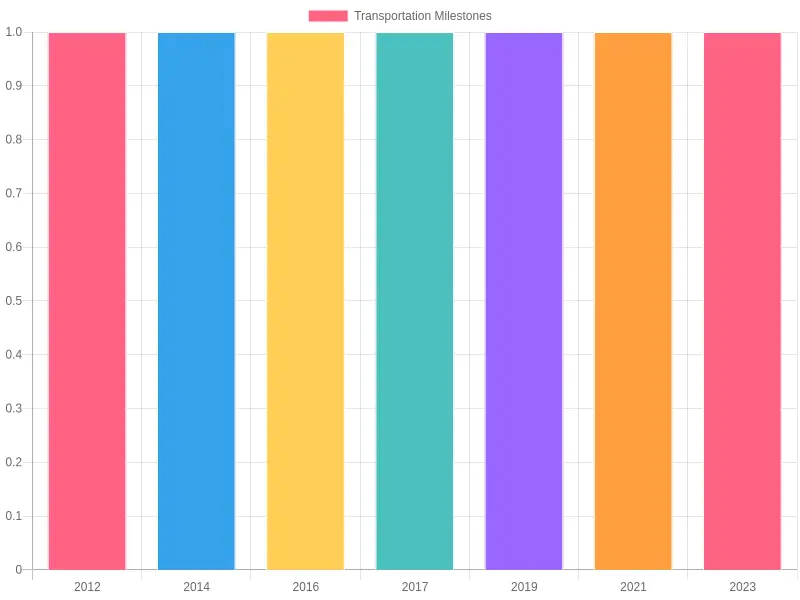
In the trucking industry, several key milestones have significantly influenced the landscape over the past decade. Below is a summary of critical changes:
| Year | Milestone/Change | Description | Source |
|---|---|---|---|
| 2012 | Introduction of GPS Technology | Implementation of GPS technology for fleet management and tracking. | Source |
| 2014 | ELD Mandate Proposal | Proposal for Electronic Logging Devices (ELDs) to track hours of service. | Source |
| 2016 | ELD Mandate Implementation | ELDs became mandatory for most commercial drivers under FMCSA rules. | Source |
| 2017 | Growth in E-commerce | Significant rise in transportation demand due to e-commerce growth. | Source |
| 2019 | Introduction of Autonomous Trucks | Testing of autonomous trucks on public roads for freight delivery. | Source |
| 2021 | Infrastructure Investment | Increased investments in infrastructure to support freight movement. | Source |
| 2023 | Sustainability Initiatives | Adoption of electric and hybrid trucks to reduce carbon emissions. | Source |
Sector Distribution Analysis
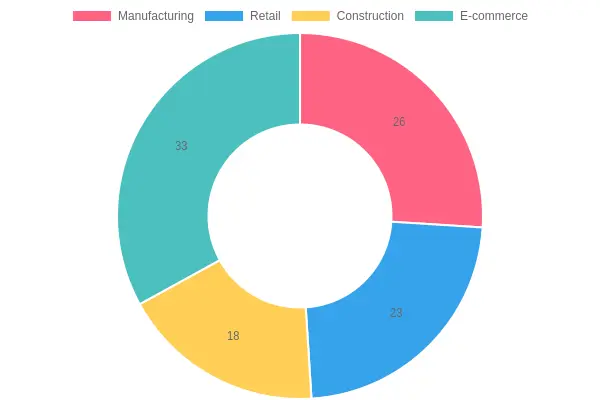
Understanding the sectors that rely on trucking services can provide insights into market dynamics. Below is the distribution of different sectors utilizing trucking services:
| Sector | Percentage (%) |
|---|---|
| Manufacturing | 26 |
| Retail | 23 |
| Construction | 18 |
| E-commerce | 33 |
This data emphasizes the critical role trucking plays across various sectors, particularly in e-commerce and retail, where logistics demands are on the rise.
Understanding Trucking Services
Trucking services refer to the transportation of goods using trucks as the primary means of shipping. This mode of logistics is pivotal for businesses that require quick, reliable, and flexible delivery of products. With the ability to reach remote and urban areas directly, trucking ensures that manufacturers can efficiently transport their products to distribution centers or directly to customers.
The Importance of Trucking in Supply Chain
Trucking services play an integral role in supply chain management. They facilitate:
- Timely Deliveries: Trucks provide door-to-door transportation, ensuring that products arrive at their destinations on schedule.
- Flexibility: Trucks can navigate smaller roads and urban environments where larger transport vehicles might fail, allowing for greater accessibility.
- Cost-effectiveness: For many businesses, utilizing trucking services reduces overhead costs associated with shipping and transportation management.
Benefits for Industries
Many industries rely on trucking for their transportation needs, including:
- Manufacturing & Distribution: Trucking enables manufacturers to ship products efficiently to distributors and retailers.
- Retail & E-Commerce: Fast deliveries enhance customer satisfaction and increase sales opportunities.
- Construction & Heavy Industry: Trucks transport heavy machinery and materials to job sites reliably.
- Small Business Owners: Dependable shipping options help small businesses compete in the larger market without the need for in-house logistics.
For more insights on how trucking services impact various economies, you might want to learn more about key economic trends impacting the trucking industry. To explore the ongoing developments in the trucking landscape, check out trucking oversight during government shutdown.
In conclusion, trucking services play a critical role in the supply chain management for various industries, including manufacturing, retail, and construction. These services ensure that goods are transported efficiently and reliably, meeting the diverse needs of businesses. From navigating regulatory challenges to adapting to the latest economic trends, trucking companies must be agile and strategic in their operations. Businesses seeking effective shipping solutions should consider the value added by professional trucking services to enhance their logistics. Thus, leveraging these services not only streamlines their distribution efforts but also positions them for success in the competitive market. For more insights on the evolving trucking landscape, explore key economic trends affecting the industry and how businesses can adapt to changing market conditions.
What are Trucking Services?
Trucking services are an integral part of the logistics and transportation sector, specializing in moving goods over land. They provide crucial support to various industries like manufacturing, retail, construction, and e-commerce. With the rising demand for timely and cost-effective delivery solutions, trucking services have evolved to enhance operational efficiencies in supply chains.
Benefits of Trucking Services
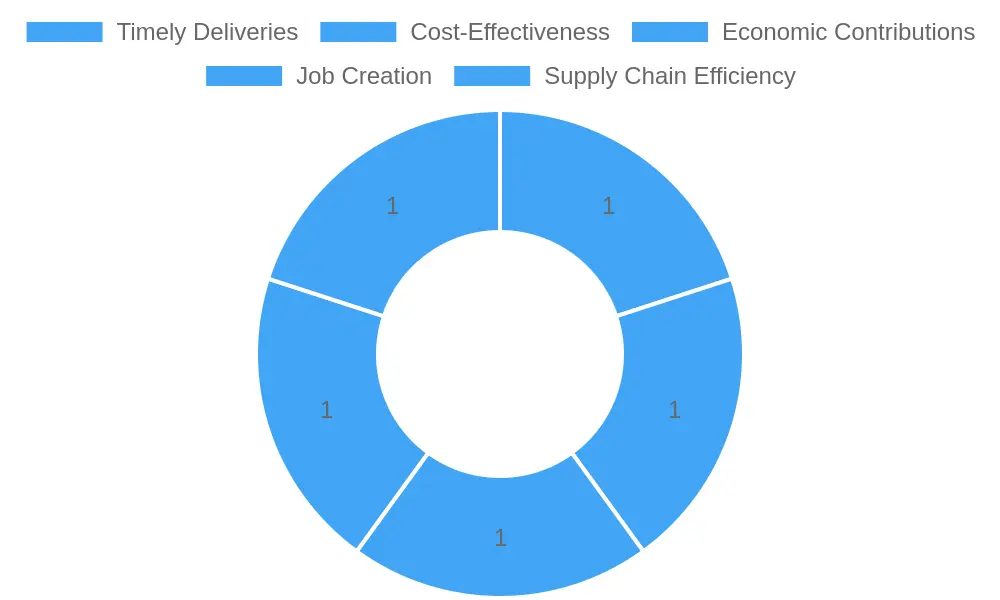
Trucking services offer numerous benefits to businesses:
| Benefit | Description |
|---|---|
| Timely Deliveries | Efficient transportation networks ensure goods are delivered on schedule. |
| Cost-Effectiveness | Trucking often provides a more economical option for transporting goods over long distances. |
| Economic Contributions | The trucking industry significantly contributes to the economy through freight transportation. |
| Job Creation | The sector generates numerous jobs, supporting both drivers and related industries. |
| Supply Chain Efficiency | Trucking enhances the efficiency of supply chains by allowing flexible and quick responses to market demands. |
For further insights on the economic impacts of trucking, check out this article on key economic trends impacting the trucking industry.
Current Trends in the Trucking Industry
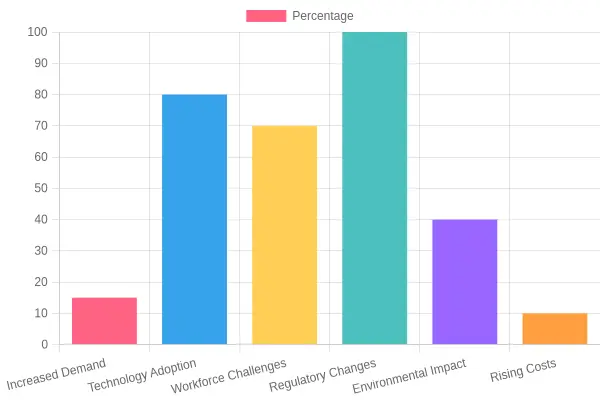
The trucking industry is continually adapting to various challenges and opportunities:
| Category | Detail | Source |
|---|---|---|
| Increased Demand | The trucking industry has seen a 15% increase in freight demand in 2023 due to e-commerce growth and supply chain recovery. | |
| Technology Adoption | 80% of trucking companies have adopted telematics for fleet management, improving efficiency and safety. | |
| Workforce Challenges | 70% of trucking companies report difficulty in hiring qualified drivers, exacerbating workforce shortages. | |
| Regulatory Changes | New regulations require all trucks to have electronic logging devices (ELDs) by 2024. | |
| Environmental Impact | 40% of trucking companies are investing in electric vehicle technologies to reduce carbon emissions. | |
| Rising Costs | Operating costs have increased by 10% due to fuel price fluctuations and maintenance costs. |
To learn more about the challenges faced in trucking, please explore navigating tariff uncertainty strategies for shippers.
What is Trucking Services?
Trucking services play a pivotal role in various industries, serving as a backbone for logistics and transportation. They cater to the needs of sectors such as manufacturing, retail, e-commerce, construction, and small businesses requiring efficient shipping solutions.
Understanding Trucking Services
Trucking services encompass a range of operations designed to transport goods overland. These services are essential for businesses that rely on timely delivery of their products, whether to clients or retail locations. Key components of trucking services include:
- Intermodal Trucking: Utilizing multiple forms of transportation (e.g., rail and road) to optimize shipping efficiency.
- Flatbed Services: Suitable for transporting oversized or heavy loads, particularly in construction and heavy industry.
- LTL (Less-Than-Truckload): Ideal for small businesses that don’t have enough freight to fill an entire truck, allowing for cost-effective shipping by sharing space.
- FTL (Full Truckload): Designed for larger shipments, where an entire truck is dedicated to a single shipment, enhancing speed and efficiency.
The Impact of Tariffs and Regulations
The trucking industry faces various challenges, including tariffs and regulatory changes. Understanding these implications is key for businesses looking to navigate the complexities of trucking. For instance, the impact of 25% tariff on heavy trucks reveals how financial burdens can affect shipping costs and operational decisions.
Why Choose a Professional Trucking Service?
- Reliability: Professional trucking services offer dependable delivery timelines, ensuring businesses can maintain their supply chains without disruption.
- Customization: Many trucking companies provide tailored freight solutions to meet diverse shipping needs, adapting to the unique requirements of each client.
- Technology Integration: Modern trucking services leverage advanced technology to track shipments in real-time, offering transparency and peace of mind to clients.
Conclusion
Trucking services are integral to keeping commerce moving, especially for companies in manufacturing, e-commerce, and construction. By understanding the dynamics, regulatory challenges, and available service options, businesses can make informed decisions that optimize their logistics operations. To get more insights into the latest economic trends impacting the trucking industry, check out our article on key economic trends in trucking.
What Are Trucking Services?
Trucking services are a crucial component of the transportation industry, providing essential logistics solutions for various sectors, including manufacturing, distribution, and retail. These services play a pivotal role in the supply chain, ensuring that goods reach their destinations efficiently and reliably. The trucking sector is estimated to carry approximately 70% of total freight tonnage in the United States, emphasizing its importance in supporting economic activities.
Benefits of Trucking Services
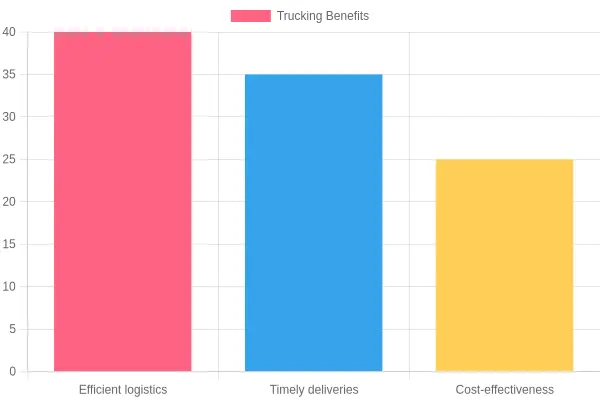
Trucking services offer several key benefits to businesses, such as:
- Efficient Logistics: Tailored routes and transport solutions lead to optimized delivery schedules.
- Timely Deliveries: With a well-structured logistics system, businesses can expect timely shipments, which is vital for maintaining inventory levels and meeting customer demands.
- Cost-Effectiveness: The competitive nature of trucking services often results in lower shipping costs compared to other modes of transport.
Current Trends in the Trucking Industry
In 2023, the trucking industry is facing various challenges and opportunities that shape its outlook:
- Demand Fluctuations: With consumer spending on the rise, demand for trucking services is expected to remain strong, although it can be inconsistent due to economic changes.
- Technology Adoption: The integration of technology, including automated systems and tracking tools, is enhancing operational efficiency.
- Economic Impacts: The trucking industry must also navigate several economic factors, including inflation and supply chain disruptions, which may influence costs and service quality.
Conclusion
Trucking services are indispensable for any manufacturing or distribution business aiming to enhance its logistics capabilities. By leveraging these services, companies can ensure smooth operations and maintain a competitive edge in the market. For more insights, consider exploring the impacts of key economic trends on the trucking industry and how effective logistics can benefit your operations.
Through comprehensive trucking services and adapting to current industry trends, businesses can streamline their supply chains and meet increasing consumer demands effectively.