
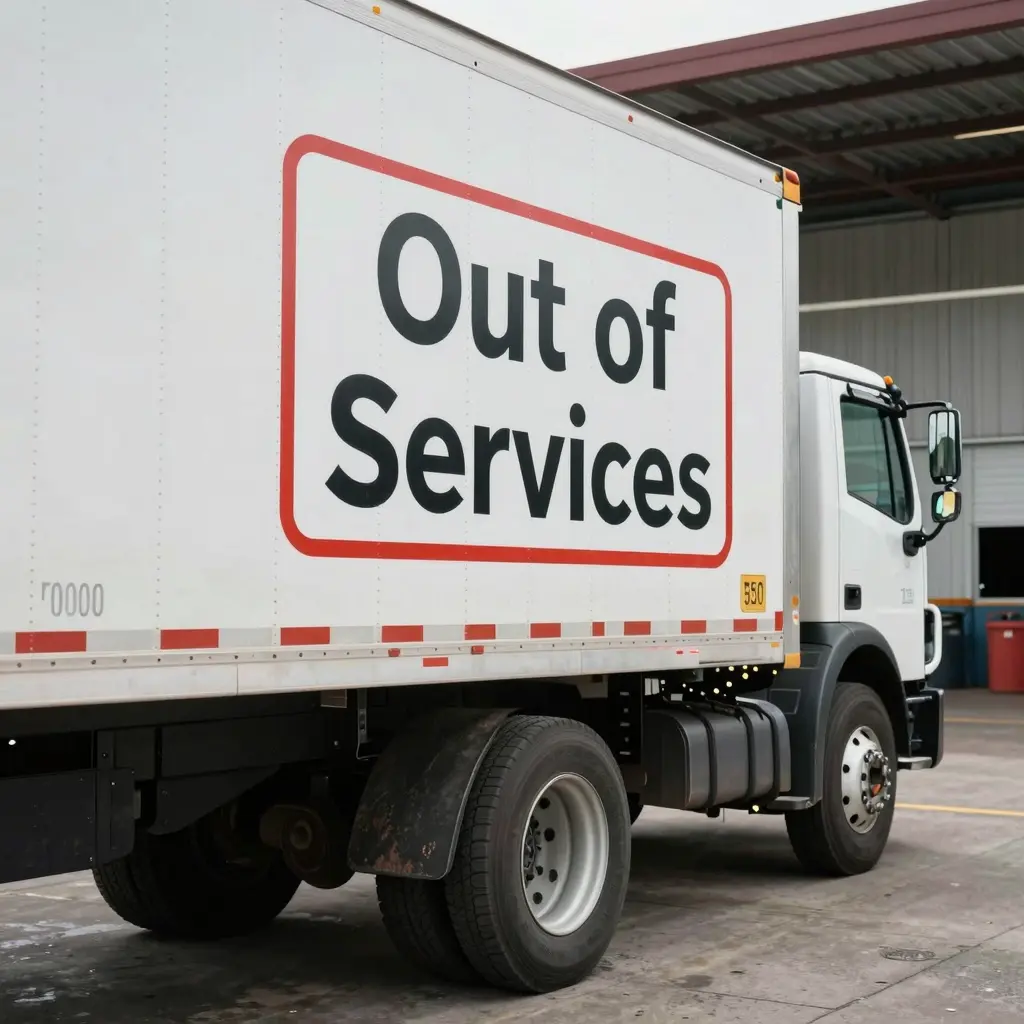
In the trucking industry, the term “out of service” holds significant implications for both reliability and operational effectiveness. But what does being “out of service” really mean for the reliability of your freight transport? When a truck is designated as out of service, it indicates that the vehicle is not roadworthy, often due to mechanical failures or safety concerns that must be addressed before it can resume operations. This can lead to delayed shipments, increased operational costs, and a ripple effect that affects the entire supply chain. Reliable trucking operations are paramount for businesses, particularly in manufacturing, retail, and distribution sectors, where the timely delivery of goods is crucial. Understanding the factors that lead to a truck being out of service, such as maintenance issues or regulatory compliance failures, is vital for companies that depend on trucking services. By acknowledging and addressing these issues proactively, businesses can enhance reliability and ensure smoother logistics. Learn more about trucking oversight here or check out our analysis on key economic trends impacting the trucking industry.
Efforts to minimize trucks being out of service not only improve reliability but also foster a competitive edge, making it essential for companies to invest in preventive maintenance and driver training. Hence, the concept of being out of service is not merely a technical label; it is a critical indicator of the health and reliability of the trucking service provided.
Common Reasons Trucks Go Out of Service
Trucks can be declared out of service for various reasons, much to the chagrin of manufacturers, distribution companies, and small business owners relying on these vehicles for timely delivery. Understanding these reasons is critical for maintaining efficient operations. Here are the common factors that lead to a truck being taken out of service:
- Mechanical Failures: This includes issues such as engine problems, brake failures, and transmission malfunctions, which can pose serious safety risks and hinder the vehicle’s operational ability.
- Safety Checks: Regular inspections are mandatory. Trucks often go out of service if they fail safety checks that assess critical components like lights, tires, and brakes, ensuring that vehicles meet established safety standards.
- Regulatory Compliance: Trucking regulations are stringent, and failure to comply with federal or state laws can lead to an out-of-service declaration. This includes violations related to weight limits, logs, or emissions standards.
- Driver Safety: If a driver does not meet health or licensing requirements, the truck may be deemed out of service, preventing unsafe operations.
- Equipment Damage: Accidents can result in physical damage to trucks, such as frame damage or structural integrity issues, which can lead to an out-of-service status until repairs are made.
By understanding these reasons, trucking companies can better manage their fleets and ensure compliance with safety and regulatory standards. Regular maintenance and training can help avoid unnecessary out-of-service declarations, optimizing operational efficiency. For more insights, learn more about regulatory compliance issues.

Impact of Being Out of Service on Business Operations
In the trucking industry, being “out of service” can have dramatic repercussions for businesses reliant on timely transportation. This term generally refers to vehicles that cannot operate for a variety of reasons, including maintenance issues, regulatory compliance, or driver shortages. Each moment a truck remains out of service directly affects logistics, distribution, and overall business operations.
Timely Deliveries at Risk
The ramifications of service disruptions often lead to significant delays in delivery schedules. According to the American Trucking Association, delays in trucking have caused a staggering 15% increase in shipment costs, exacerbating challenges for logistics providers. Additionally, with inflationary pressures on the rise, the increase in freight rates-estimated at 10% as reported by Transport Topics-highlights the importance of maintaining an efficient fleet.
Operational Disruptions
When trucks are out of service, businesses face a ripple effect across their operations. A report from the Supply Chain Management Review noted that delays can decrease overall productivity by approximately 20%, meaning organizations may ultimately fail to meet customer expectations. The impact extends beyond immediate financial implications; businesses may also suffer reputational damage due to unreliability.
Long-term Implications
These disruptions not only lead to increased operational costs but may also drive customers to seek alternative solutions, impacting overall market competitiveness. In conclusion, ensuring robust vehicle maintenance and addressing the causes of “out of service” statuses is critical for sustaining timely deliveries and maintaining smooth operations. Companies like Fritzke Trucking can help mitigate these challenges with their reliable and efficient trucking solutions, ensuring that businesses can stay on track even during unforeseen disruptions.
By understanding the significance of keeping a fleet operational, businesses can better strategize against potential setbacks, ensuring consistent performance in the ever-competitive marketplace.
Understanding Out of Service Designations in Trucking
The designation of Out of Service (OOS) within the trucking industry is a critical safety protocol governed primarily by the Federal Motor Carrier Safety Administration (FMCSA). This designation is invoked when a vehicle or driver is deemed not compliant with safety regulations, aiming to protect public safety and reduce the risk of accidents. Here’s an overview of the regulations and standards surrounding OOS designations:
Key Regulations and Standards
- Purpose of OOS Regulations: The FMCSA’s out-of-service regulations identify non-compliant vehicles and drivers, thus minimizing potential hazards on the road.
- Inspection Criteria: FMCSA mandates thorough inspections to ensure vehicles meet specific safety standards before they can be declared safe for operation. Vehicles found lacking during these inspections can be tagged as OOS, preventing them from being on the road until they comply.
- Driver Compliance: Drivers can also be designated OOS if they are operating without the necessary qualifications or if they violate hours-of-service requirements. Thus, both vehicles and drivers must adhere to stringent guidelines to avoid OOS designations.
- Documentation: The FMCSA emphasizes proper documentation and record-keeping, which is crucial for compliance. Companies must maintain accurate logs of inspections and vehicle maintenance to demonstrate adherence to FMCSA regulations.
Importance of Compliance in Trucking
- Safety Integrity: Compliance with OOS regulations fortifies the integrity of the trucking system, ensuring safer roads for everyone.
- Legal Liabilities: Non-compliance can expose companies to heavy fines, operational restrictions, or lawsuits. This highlights the necessity for maintaining high safety standards to not only avoid penalties but also to protect the company’s reputation.
- Operational Viability: Regular compliance enhances the safety performance metrics of trucking companies, which can affect their ability to secure contracts or insurance.
In summary, adhering to OOS designations is paramount for any entity operating within the trucking industry, fostering not only legal compliance but also a culture of safety. To explore more about how operational standards affect trucking, visit Key Economic Trends Impacting the Trucking Industry and Trucking Oversight During Government Shutdown.
By understanding and complying with OOS regulations, stakeholders can contribute to safer transportation and more efficient logistics operations.
Compliance Requirements for Out of Service Designations
| Agency | Compliance Requirements |
|---|---|
| FMCSA | – Vehicles under an out-of-service order cannot be moved until all identified mechanical defects are corrected. – Non-compliance can result in audits and out-of-service orders. FMCSA Compliance Requirements for Trucking Companies |
| State Authorities | – Out-of-service orders are often aligned with the criteria set by the North American Standard Out-of-Service Criteria. – Compliance checks vary by state, making it crucial to understand local regulations. Refer to DOT Out-of-Service Violations for specific state guidelines. |
| General Trucking Compliance | – Ensuring vehicle safety through regular inspections. – Documentation of repairs must be maintained to avoid penalties. Failure to comply can lead to operating authority revocation by authorities, including FMCSA. |
Strategies for Trucking Companies to Minimize Out of Service Instances
Trucking companies play a crucial role in maintaining smooth supply chain operations, and minimizing instances of vehicles going out of service is paramount. Here are actionable strategies and best practices that companies can implement to mitigate the risk of service interruptions:
1. Regular Maintenance and Inspections
Implementing a comprehensive routine maintenance schedule significantly reduces the likelihood of mechanical failures. Conduct regular inspections to ensure that all vehicle systems are functioning optimally, helping to catch potential issues before they escalate.
2. Utilize Telematics Systems
Telematics technology allows trucking companies to monitor vehicle health in real-time. By using predictive analytics, these systems can alert managers and drivers about potential failures, ensuring maintenance is performed proactively, thereby reducing unforeseen vehicle downtime.
3. Driver Training and Accountability
Investing in thorough training programs for drivers can improve vehicle handling and decision-making skills. Training should include instruction on monitoring vehicle performance and recognizing early warning signs of potential breakdowns. Establish accountability measures to encourage adherence to safety protocols.
4. Efficient Route Planning
Incorporating advanced logistics software can optimize routes, reducing wear and tear on vehicles while improving fuel efficiency. Efficient routing minimizes the time trucks are on the road and decreases risks associated with high-mileage driving.
5. Spare Parts Availability
Maintaining a well-organized inventory of essential spare parts at depots can drastically reduce downtime. Developing strong relationships with suppliers can also aid in acquiring parts swiftly when needed.
6. Compliance and Regulatory Checks
Regularly reviewing compliance with DOT regulations helps avoid legal challenges that can lead to service downtime. Conduct internal audits to ensure all records and protocols meet state and federal guidelines, preventing costly out-of-service violations.
Focusing on these strategies not only minimizes the risk of vehicles going out of service but also promotes a culture of safety and operational excellence within trucking companies. By investing in robust systems and training, companies can enhance their reliability and reputation within the industry.
Learning from Industry Standards
To delve deeper into the economic aspects influencing the trucking sector, check out this overview of key economic trends impacting the trucking industry. Additionally, understanding the implications of tariffs in trucking can offer further insights into managing operational costs; read more about the impact of the 25 percent tariff on heavy trucks for a comprehensive perspective.
Conclusion
Understanding the implications of being ‘out of service’ in trucking is not just a regulatory obligation but a crucial element for ensuring business reliability. For manufacturing and distribution companies, retail and e-commerce businesses, as well as construction firms, recognizing what it means for a vehicle or fleet to be classified as ‘out of service’ can directly influence operational efficiency and compliance with safety standards. Keeping a reliable fleet in service minimizes delays and disruptions in logistics, safeguarding customer satisfaction and maintaining trust.
Moreover, fostering insight into service level implications allows businesses to proactively address compliance issues, manage fleet maintenance more effectively, and ultimately enhance productivity. Therefore, it is essential for organizations to prioritize understanding these implications as part of their operational strategies. Businesses are encouraged to take actionable steps toward ensuring fleet compliance and reliability, which not only facilities smoother operations but also contributes to the overall integrity of the trucking industry. Stay informed, ensure compliance, and keep your operations running reliably.
For more insights, you can learn more about the impact of tariffs on heavy trucks or explore how cross-border regulatory issues affect logistics.
“Reliability and compliance in trucking are not just regulatory checkboxes; they are foundational to building trust with customers and ensuring timely, safe delivery of goods. Disruptions caused by non-compliance or breakdowns can ripple through supply chains, impacting businesses and consumers alike.” – John Smith, Transportation Consultant
This perspective highlights the critical role that reliability plays in the trucking industry, especially for manufacturing, distribution, retail, and construction sectors relying heavily on timely shipments. Maintaining compliance ensures trucks remain on the road and out of out-of-service status, thus supporting uninterrupted supply chain operations.
For more insights into regulatory compliance and its impact, explore cross-border regulatory issues relevant to trucking operations.
Explore Premium Custom-Fit Fairings with Summit Fairings
When it comes to enhancing your motorcycle’s performance and aesthetic appeal, choosing the right components is crucial. At Summit Fairings, we offer premium fairings that are expertly designed for your specific model, ensuring a custom fit that enhances both durability and style. Our fairings are crafted from high-quality materials that withstand the rigors of the road while providing a flawless appearance.
Don’t settle for generic solutions that may compromise your riding experience. Invest in our durable, custom-fit fairings to elevate your motorcycle’s look and functionality.
Why Choose Summit Fairings?
- Precision Engineering: Each piece is tailored to perfectly match your motorcycle’s dimensions.
- Superior Durability: Our fairings stand the test of time, resisting impacts and wear from everyday use.
- Aesthetic Appeal: Transform your bike’s appearance with attractive designs that make a statement.
Ready to take your motorcycle to the next level? Explore our range of premium fairings now and discover the difference that custom-fit quality makes!
Unleash the full potential of your motorcycle with summit fairings that combine style, strength, and precision. Dive into the world of customized motorcycle accessories today!