
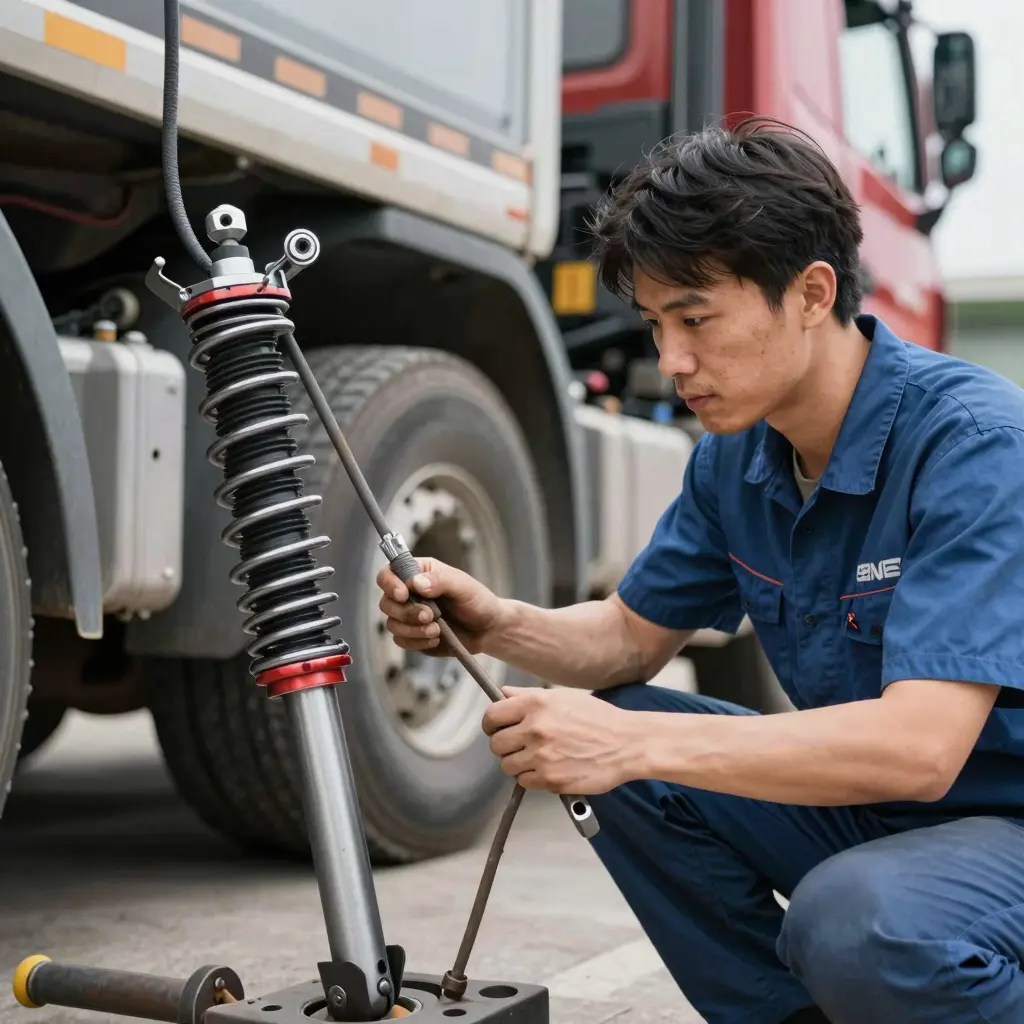
Introduction
For businesses operating in the realms of manufacturing, distribution, and construction, the integrity of vehicle performance is paramount. Whether transporting heavy machinery or ensuring timely delivery of goods, the efficiency of trucks directly impacts operational success. A critical but often overlooked component of this efficiency lies in the servicing of truck shocks. Well-maintained shocks not only enhance ride comfort but intricately improve vehicle handling, stability, and overall performance. Regular servicing of these components helps to extend the lifespan of trucks, reduces maintenance costs, and enhances safety-a vital concern for businesses managing extensive logistics and operations.
When truck shocks are in optimal condition, they provide better traction and control, allowing drivers to navigate varying terrains and heavy loads more effectively. In contrast, neglecting this maintenance can lead to premature wear on tires and other suspension components, resulting in increased costs and safety risks. For businesses keen on maintaining a competitive edge, investing in routine shock servicing is not merely an option; it is a necessity that drives efficiency and reliability. By prioritizing the maintenance of truck shocks, companies can ensure their vehicles operate at peak performance, meeting the demands of a fast-paced market landscape. To further explore trends in truck maintenance that can optimize fleet operations, learn more about the key economic trends impacting the trucking industry and how private fleets are evolving in response to driver pay trends.
Key Benefits of Servicing Truck Shocks
Regular maintenance of truck shocks is essential for various reasons, especially for businesses relying on transportation and logistics. Below are some key benefits of servicing truck shocks:
-
Enhanced Safety: Regularly serviced shocks reduce braking distances, improving vehicle control during emergencies. This ensures safer trips for drivers and cargo alike, making it a crucial aspect of fleet management.
-
Improved Vehicle Handling: Well-maintained shocks provide better stability on the road, leading to smoother handling and less body roll when cornering. This enhances driver comfort and reduces fatigue during long hauls.
-
Increased Lifespan of Truck Components: Servicing shocks helps to avoid excessive wear on other suspension components, thereby extending the overall lifespan of the vehicle’s suspension system. This not only protects the integrity of the truck but also leads to lower repair costs over time.
-
Cost Savings Over Time: Investing in regular shock maintenance can prevent costly repairs and vehicle downtime. A well-maintained system leads to better fuel efficiency, saving money on gas in the long run.
-
Better Ride Quality: Regular servicing keeps shocks functioning optimally, leading to a more comfortable ride for drivers and passengers. This can also improve cargo safety, preventing damage during transit.
-
Reduced Tire Wear: Properly functioning shocks help maintain even tire contact with the road surface, reducing uneven tire wear. This prolongs tire life and further cuts costs related to replacements.
For more insights on transportation and trucking issues, you can learn more about truck maintenance strategies and the importance of investing in fleet management to enhance your operational efficiency.
Symptoms of Worn-Out Truck Shocks
Truck shocks play an essential role in ensuring vehicle stability by dampening the impact of road conditions. However, over time, these components can wear out, leading to various observable issues that indicate it’s time for servicing. Understanding these symptoms can help fleet managers and truck operators maintain optimal vehicle performance and safety.
1. Excessive Bouncing
One of the most noticeable signs of worn-out shocks is excessive bouncing, especially when driving over bumps or rough terrains. A vehicle with failing shocks will have less control, leading to an uncomfortable ride and increased fatigue for the driver. This bouncing occurs because the shocks cannot effectively dampen the oscillations caused by uneven surfaces, causing the truck to bounce excessively.
2. Nose-Diving During Braking
Another critical symptom is the tendency for the vehicle to nose-dive when braking. This diving effect happens when the front end of the truck dips down significantly during hard stops. Worn shocks fail to stabilize the vehicle, resulting in poor handling and increased braking distances. This can be particularly dangerous in emergency situations where responsive braking is essential.
3. Uneven Tire Wear
Inspecting the tire condition can also provide insights into the health of your shocks. If the shocks are worn out, they may not help maintain even contact with the road, leading to uneven tire wear. Look for signs of cupping or scalloping on the tires, which indicate that the shocks are failing to absorb the vehicle’s weight properly. Uneven tire wear not only affects the ride quality but also reduces the overall lifespan of your tires, leading to more frequent replacements.
4. Increased Stopping Distance
Worn shocks contribute to an overall loss of control, resulting in increased stopping distances. As the shocks fail to dampen the force of impact from the road, the brakes have to work harder to stop the vehicle, which can be a significant safety concern in heavy-truck operations. Longer stopping distances can lead to dangerous situations, especially in busy traffic or adverse weather conditions.
5. Poor Handling and Control
Lastly, if you notice a decrease in handling performance, such as swaying during turns or a general feeling of instability, it may be due to worn shocks. This can significantly affect the safety of the vehicle, particularly for trucks that carry heavy loads.
Maintaining shocks regularly can lead to better safety, performance, and efficiency in trucking operations. Fleet managers should schedule periodic inspections to identify these symptoms early and service or replace shocks as needed. For more insights on heavy-duty truck maintenance, you can learn about the comprehensive guide to heavy-duty truck suspension repair or explore shock service techniques.
By recognizing and addressing these signs early, you can ensure the longevity of your truck’s suspension system and maintain safe driving conditions for your operations.
Comparative Table of Truck Shock Absorbers
When considering truck shocks, it’s important to weigh the features, pricing, and warranty information of different brands. Below is a comparison of three significant brands in the market:
| Brand | Features | Price (USD) | Warranty |
|---|---|---|---|
| Monroe | – Twin tube design – Gas and hydraulic options – Reduced fade due to advanced fluid |
$50 – $120 | Limited lifetime warranty |
| Rancho | – RS5000 or RS9000XL series – Improved damping control – On/off road performance |
$60 – $150 | Limited lifetime warranty |
| Skyjacker | – Adjustable shock options – Heavy-duty construction – Offers off-road and street performance solutions |
$75 – $200 | Lifetime warranty |
For further insights into the implications of truck maintenance, check out this article on tariff impacts or learn about economic trends in trucking.
Price Comparison Chart
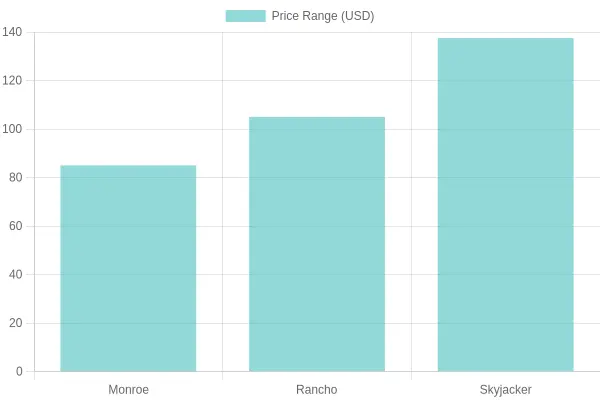
This chart visually represents the average pricing of the featured brands, aiding truck owners in making informed decisions on their shock absorber purchases.
Essential Tools for Truck Shock Servicing
Servicing truck shocks is not just a routine maintenance task; it’s crucial for ensuring the safety and efficiency of your heavy vehicles. Having the right tools at your disposal can make all the difference. Below is an ordered list of essential tools you will need for the job:
- Wrenches
- Various sizes of wrenches are necessary for loosening and tightening bolts that connect the shocks to the truck’s frame and suspension system.
- Socket Set
- A high-quality socket set, including shallow and deep sockets, is essential for removing the bolts on shock absorbers. Pass-through sockets may be particularly useful.
- Shock Absorber Socket
- This specialized tool is designed to fit the shock mounting nuts, making it easier to install or remove shocks without damaging them.
- Floor Jack
- A sturdy floor jack is necessary for lifting the truck to access the shocks safely.
- Jack Stands
- After lifting the truck, jack stands provide additional safety, ensuring the vehicle remains stable while you work on the shocks.
- Pry Bar
- A pry bar can help maneuver the shock assembly during installation, especially if there’s any resistance.
- Torque Wrench
- Ensures that you apply the correct torque when tightening bolts, which is critical for maintaining optimal performance and safety.
- Impact Wrench
- This can speed up the process of removing stubborn bolts significantly, especially those that may be rusted or corroded.
- Safety Gear
- Always wear safety goggles and gloves for protection while servicing truck shocks.
Importance of the Right Tools
Having the right tools is imperative not only for the efficiency of the task but also for the safety of the operation. Proper tools help ensure that the shock absorbers are installed correctly, which can prevent issues that may arise from improper fitment or torque settings. Additionally, the right set of tools can save time and reduce wear and tear on vehicle components during maintenance activities.
For more insights on maintaining your fleet effectively, check out our article on the impact of tariffs on heavy trucks and private fleets trends in trucking maintenance.
This guide outlines key tools and their importance, pivotal for those in manufacturing, distribution, and transport sectors.
Step-by-Step Guide to Servicing Truck Shocks
Truck shocks play a crucial role in maintaining vehicle stability, comfort, and safety. Regular servicing of these components not only prolongs their lifespan but also ensures the safety of your vehicle. This guide outlines the steps to effectively service truck shocks, emphasizing safety and efficiency.
Step 1: Gather Necessary Materials
Before starting the servicing process, gather the essential tools and materials. They typically include:
- Safety gloves and goggles
- Jack and jack stands
- Wrench set
- Screwdriver set
- Torque wrench
- Replacement shocks (if necessary)
- Cleaning supplies (rags, degreaser)
Step 2: Ensure Safety
Always prioritize safety. Follow these guidelines:
- Work in a well-ventilated area.
- Use a flat surface to prevent any rolling of the vehicle.
- Engage the parking brake and chock the wheels for added safety.
Step 3: Lift the Vehicle
Using a jack, lift the vehicle and securely place it on jack stands. Confirm that the vehicle is stable before proceeding. This step is crucial as it provides better access to the shocks.
Step 4: Inspect the Current Shocks
Before replacement or servicing, inspect the existing shocks for signs of wear, such as:
- Leaking fluid
- Rust or corrosion
- Strange noises during operation
- Physical damage
Inspecting the shocks helps determine if they can be serviced (cleaned and lubricated) or if they need full replacement.
Step 5: Remove the Old Shocks
To remove the old shocks:
- Locate the mounting bolts on both the top and bottom of the shocks.
- Using the appropriate wrench size, loosen and remove the bolts. Keep these bolts if they are in good condition for use with the new shocks.
- Carefully take out the shock absorber from its mounting location. If it’s stuck, gently pry it loose.
Step 6: Install New or Serviced Shocks
Whether installing new shocks or servicing your existing ones, follow these steps:
- Align the new shock or serviced shock in place.
- Hand-tighten the bolts initially to ensure proper alignment.
- Use the torque wrench to tighten each bolt to the manufacturer’s specifications to avoid over-tightening or loosening.
Step 7: Recheck All Connections
After installing the shocks, double-check:
- All bolts are adequately tightened.
- No wires or lines are pinched or damaged during installation.
- The shock moves freely up and down without any hesitation.
Step 8: Lower the Vehicle
Once everything is checked and secured, carefully lower the vehicle back to the ground using the jack.
Step 9: Test Drive
Take the vehicle for a test drive to ensure that the shocks are functioning correctly. Pay attention to:
- The overall comfort and handling of the vehicle.
- Any unusual noises from the suspension.
- Stability during turns and over bumps.
Step 10: Regular Maintenance
Make it a habit to regularly check your truck shocks. Depending on usage and load conditions, plan for service or inspections every 30,000 to 50,000 miles or after heavy usage.
Maintaining your truck shocks properly can prevent bigger issues down the line and ensure a safer and more comfortable ride. For insights on associated topics such as exploring the impact of tariffs or understanding economic trends affecting truck maintenance, feel free to learn more here.
By following this comprehensive guide, you’re not just ensuring the optimal performance of your truck but also contributing to the overall safety of your operations. Proper maintenance translates to fewer breakdowns and more reliable service delivery, ultimately benefiting your business.
If you’re in need of further assistance with truck maintenance practices or want to explore the benefits of fleet management, check our detailed articles on investing in fleet management success for more insights.
This guide provides an actionable framework for servicing truck shocks, ensuring both efficiency and safety in the process. Following these steps will help maintain the integrity of your vehicle and enhance your operational capabilities.
Importance of Truck Shock Maintenance
Maintaining truck shocks is crucial for several reasons:
- Safety: Properly functioning shocks enhance vehicle stability and control, reducing the likelihood of accidents. A truck with worn shocks can lead to longer stopping distances, especially when loaded.
- Performance: Well-maintained shocks improve ride comfort and handling, leading to better fuel efficiency. This is particularly important for businesses that rely on their trucks for consistent deliveries.
- Longevity of Equipment: Regular maintenance of shocks can extend the vehicle’s lifespan, minimizing costly repairs down the line.
General Practices in Truck Maintenance
While precise statistics are elusive, various surveys and reports highlight major trends in the industry regarding truck maintenance:
- Routine Maintenance: A survey by the American Trucking Association noted that approximately 75% of fleet operators perform regular maintenance checks on their vehicles, which often include inspections of shocks and suspension components.
- Awareness: A report from FleetOwner revealed that 68% of truck owners understand the significance of maintaining shock absorbers as part of their preventive maintenance strategy.
- Adoption of Technology: Modern fleets are increasingly using telematics systems to monitor vehicle performance, which often includes analyzing shock performance. This technology adoption reflects an industry shift towards more proactive maintenance practices.
Adoption Statistics and Insights
- Regular Inspection: According to industry norms, about 50% of truck drivers are reported to check their shock absorbers at least twice a year, with another significant percentage performing checks during routine oil changes or seasonal maintenance.
- Trends: A rising trend among small and medium businesses is to integrate shock maintenance into their operational protocols as part of efficiency measures. Reports suggest an uptick in businesses employing professional maintenance services specifically for suspension systems, including shocks.
Conclusion
Though specific adoption data for truck shock servicing in 2023 is not readily available, the general maintenance trends showcase a strong awareness and commitment among truck owners to ensure their vehicles operate safely and efficiently. This reflects the vital role that shock maintenance plays in the broader context of truck servicing. For businesses in manufacturing, distribution, and construction, prioritizing the upkeep of truck shocks can lead to enhanced safety standards, better operational efficiency, and lower long-term costs.
For more insights into the economic implications affecting the trucking industry, you can learn more about key economic trends impacting trucking.
Expert Insights on Servicing Truck Shocks
“Regular servicing of truck shocks is critical to maintaining vehicle stability and safety. Proper maintenance not only extends the lifespan of the shocks but also enhances operational efficiency, reducing the risk of costly repairs down the line.”
– Expert from Makkula, emphasizing the significance of maintenance practices.
This emphasizes how servicing truck shocks significantly contributes to the overall performance and reliability of vehicles in the trucking industry. Regular checks and replacements can help prevent failures that could compromise safety and efficiency.
For companies looking to maintain their fleets efficiently, implementing a proactive maintenance strategy is essential. To learn more about strategies for successful fleet management, read further about investing in people in trucking.
Additionally, understanding the broader impact of maintenance on your operations can provide valuable insights. Consider exploring the key economic trends impacting the trucking industry to stay ahead.

Conclusion
Servicing truck shocks is an essential maintenance practice that cannot be overlooked by trucking professionals and fleet owners. Properly functioning shocks are vital for vehicle performance, passenger comfort, and ultimately, road safety. Regular maintenance can drastically prolong the life of your truck’s suspension system, improve handling, and reduce wear and tear on other components, leading to significant cost savings in the long term. Furthermore, maintaining optimum shock performance aids in maintaining compliance with safety regulations and enhances the reliability of your fleet.
In the ever-evolving landscape of the trucking industry, staying informed and proactive about maintenance options is key. This not only safeguards your vehicle investments but also ensures operational efficiency. For experts in truck and motorcycle servicing, including shock maintenance, turn to Summit Fairings. Their dedicated team is equipped to provide tailored services to meet the unique needs of your fleet.
To learn more about how you can enhance the performance and longevity of your trucks, visit Summit Fairings today and discover a full array of truck servicing solutions.
Your investment in regular truck shock servicing today can yield significant returns tomorrow – ensuring safety, efficiency, and peace of mind as you navigate the roads ahead. Don’t wait until issues arise; proactive maintenance is your best strategy for long-term success.