
Introduction
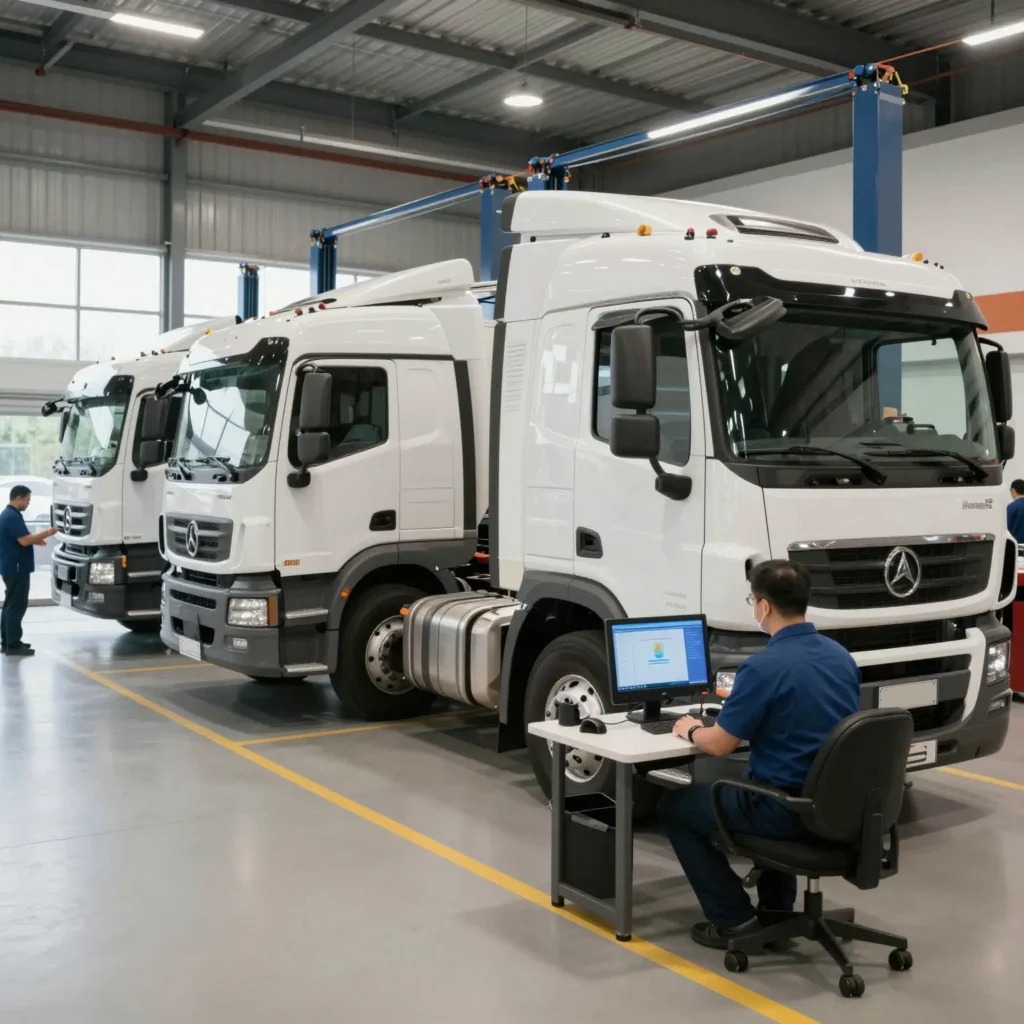
In the fast-paced world of logistics and transportation, the management of fleet service for commercial truck dealerships is paramount. With a growing emphasis on efficiency, reliability, and cost-effectiveness, dealerships face increasing demands from manufacturing, distribution, and retail sectors, as well as the ever-changing dynamics of the heavy industry. Effective fleet service management not only enhances the operational capabilities of a dealership but also ensures that customers receive the timely, high-quality service they expect and deserve.
This article delves into the strategies and best practices dealerships can implement to optimize their fleet service operations. We will discuss the importance of embracing innovative technologies, such as telematics and automated maintenance systems, which can revolutionize how services are rendered. Additionally, we will explore the critical role of trained personnel in fostering a responsive service culture that prioritizes customer satisfaction.
Furthermore, we will analyze industry trends, such as the implications of tariff changes on commercial vehicle pricing (learn more about the impact of tariffs) and the transition towards electric trucks, which is reshaping the future of fleet service management (understand the Harbinger Electric Trucks). As we navigate these developments, we aim to equip dealerships with the insights necessary to remain competitive in an increasingly demanding market. Our goal is to highlight actionable approaches that not only streamline operations but also build lasting relationships with clients, ensuring that their fleet service needs are met with excellence.
With the increasing demands on commercial truck fleets, understanding and managing service needs has become essential for sustaining operational efficiency and profitability. Fleet service encompasses multiple elements including maintenance schedules, inspections, and repairs, each playing a crucial role in overall business operations and cost management.
Maintenance Schedules
Establishing a preventive maintenance schedule is vital for any trucking fleet. This means conducting systematic checks and services at predictable intervals to avert unexpected breakdowns. According to a resource on preventive maintenance scheduling for commercial truck fleets, a structured approach can significantly reduce the likelihood of emergency repairs and downtime, ensuring vehicles remain compliant with regulations and maintain peak performance.
Key Components of Maintenance Scheduling:
- Regular Inspections: Routine vehicle checks focusing on critical components such as brakes, tires, engine performance, and fluid levels are imperative. These inspections help identify potential issues before they escalate into costly problems.
- Telematics Integration: Advanced telematics can streamline maintenance schedules by alerting fleet managers to required services based on mileage or usage patterns. This proactive approach minimizes the risk of on-road failures and extends vehicle lifespans.
Inspections
Inspections are a cornerstone of effective fleet management. They not only comply with regulatory requirements but also contribute to safety and reliability. A guide by LV Road Tec Assistance outlines essential maintenance tips that include regular vehicle inspections to ensure that fleets operate safely and efficiently.
Types of Inspections:
- Pre-Trip Inspections: Conducted before a trip to catch any immediate issues.
- Post-Trip Inspections: Evaluating trucks after use can reveal wear and help schedule necessary repairs or services.
- Annual Inspections: These are often mandated by law, ensuring the overall safety and compliance of the vehicle.
Repairs
Despite the best maintenance practices and regular inspections, repairs will inevitably arise. When such instances occur, it is crucial for fleets to have swift repair protocols in place to minimize downtime. For instance, as outlined in a report about reducing downtime, rapid response times can significantly enhance operational efficiency by limiting service interruptions.
Common Repair Needs:
- Engine Repairs: A key focus of any maintenance plan, as engine failures can lead to significant downtime.
- Brake System Services: Given their critical safety importance, regular checks and timely repairs of brakes are non-negotiable.
- Tire Replacement: Tires are essential for operational efficiency and safety. Regular monitoring and replacement can prevent blowouts and accidents.
Business Impact and Cost Insights
The service needs of a trucking fleet directly influence business operations and overall costs. Poor management of maintenance schedules, inspections, and repairs can lead to numerous negative outcomes, including increased operational costs, regulatory fines, and compromised safety. A study from FleetOwner emphasizes that costs in trucking can be broadly categorized into fixed, operational, and load-specific costs. Each of these areas requires careful management to maintain profitability.
Operational Bottlenecks:
Increased downtime due to service inefficiencies can severely affect a business’s bottom line. For instance, extended border delays have been shown to escalate hidden maintenance costs, as idling vehicles need more frequent servicing (source: Semi Trailer News). It is essential for fleets to optimize their service needs to streamline operations and mitigate costs.
Conclusion
The service needs of commercial truck fleets-maintenance schedules, inspections, and repairs-are not just logistical necessities; they serve as major contributors to business efficiency and cost control. By prioritizing a proactive service strategy, businesses can avoid common pitfalls associated with fleet management and ensure smoother operations. Emphasizing maintenance is crucial for maximizing vehicle uptime, enhancing safety, and ultimately supporting a more robust business model.
For insights into how economic trends affect the trucking industry, you can explore key economic trends.

Key Advantages of Effective Fleet Service Management
Fleet service management is crucial for businesses that rely on commercial vehicles. Here are some key benefits of effective fleet management:
- Reduced Downtime: Regular maintenance schedules and timely repairs lead to less vehicle downtime, enhancing operational efficiency.
- Cost Savings: Efficient fleet management can significantly reduce fuel costs, insurance rates, and repair expenses by using data analytics to identify and mitigate excessive spending. This ultimately contributes to better financial health for the business.
- Improved Vehicle Lifespan: Thorough management, including regular check-ups and maintenance, extends the lifespan of vehicles, maximizing the return on investment for the fleet.
- Enhanced Compliance: Fleet management helps ensure compliance with regulatory requirements, reducing the risk of fines and contributing to overall operational integrity.
- Increased Productivity: By optimizing routes and improving driver behavior through telematics, fleet management enhances overall productivity while ensuring efficiency in deliveries and services.
- Better Fuel Efficiency: Fleet managers can implement practices that improve fuel efficiency, contributing to environmental sustainability while saving costs.
For a deeper look into how such management impacts industry challenges, learn more about key economic trends impacting the trucking industry and how fleet trends are evolving.
The Role of Technology in Fleet Management
In the rapidly evolving landscape of fleet management, technology plays a pivotal role in shaping how dealerships manage their fleet services effectively. Key technologies such as telematics and maintenance software have emerged as critical tools for optimizing operations, reducing costs, and enhancing overall service quality. This section explores how these technological advancements contribute to better fleet management, especially for dealerships serving commercial truck clients.
Telematics: A Game Changer for Fleet Management
Telematics technology integrates GPS tracking and diagnostics to provide real-time insights into vehicle performance and location. This data empowers fleet managers to make informed decisions that enhance operational efficiency.
Benefits of Telematics:
- Optimized Routes: Telematics systems can analyze traffic patterns in real-time, allowing for more efficient route planning. According to a blog by Gomotive, this leads to significant reductions in fuel costs and delivery times.
- Predictive Maintenance: By monitoring vehicle health continuously, telematics systems can alert fleet managers to potential issues before they escalate. This capacity for predictive maintenance reduces downtime and maintenance costs while extending vehicle life.
- Enhanced Safety: Telematics provides insights into driving behavior, helping to identify risky practices that could lead to accidents. By addressing these behaviors, dealerships can improve overall safety metrics and reduce insurance costs, as noted in an article from Safety Track.
Maintenance Software: Streamlining Operations
Maintenance software is another crucial technology for fleet management, offering comprehensive solutions to ensure that vehicles remain in optimal working condition. By automating maintenance schedules and providing detailed reporting, dealerships can effectively manage their service needs.
Features of Maintenance Software:
- Automated Scheduling: This software can automate maintenance reminders and service scheduling based on mileage, engine hours, or calendar time. The efficiency gained here allows fleet managers to prioritize and plan maintenance tasks effectively, ultimately reducing operational disruptions.
- Integrated Reporting Tools: Detailed reporting tools embedded within maintenance software can analyze vehicle performance data, helping dealerships to understand maintenance trends and costs better. This data can inform purchasing decisions and maintenance strategies, empowering dealerships to optimize their fleet.
- Cost Management: Visibility into maintenance costs enables dealerships to identify cost-saving opportunities. Continuous monitoring allows for adjustments in preventative care strategies, thereby reducing unnecessary expenditure on repairs.
Growing Adoption of Technology in Fleet Management
Recent statistics highlight a significant increase in the adoption of these technologies within the fleet management sector. A report mentioned on LinkedIn indicated that readiness for fleet technologies surged by 83% over the last six years (LINK). This rapid adoption showcases a shifting paradigm where the integration of advanced technologies is not just an option but a necessity to maintain competitive advantage.
Smaller fleets, in particular, are embracing these technologies at a remarkable pace, with the Fleet Technology Index showing an 83% increase since 2020 (LINK). This inclination towards tech-centric solutions empowers even small dealerships to leverage data-driven strategies to enhance fleet performance and customer service.
Conclusion
The incorporation of technology into fleet management signifies a substantial evolution in how dealerships operate. Telemetics and maintenance software are not merely tools but integral components that facilitate smarter decision-making and productivity. As the industry continues to embrace digital transformation, dealerships that invest in these technologies will undoubtedly bolster their service quality, improve operational efficiency, and ultimately enhance customer satisfaction, positioning themselves as leaders in the commercial trucking sector.
For those looking to stay at the forefront of fleet management, consider understanding key economic trends that influence technology investments and operational strategies.
This article was crafted to provide insights and strategies that are particularly relevant to manufacturing, distribution companies, construction firms, and small business owners dealing with fleet operations.
Comparing Fleet Maintenance Software Solutions
Choosing the right fleet maintenance software solution is crucial for effectively managing your commercial truck fleet. Below is a comparison chart that highlights key features, pricing, and user ratings of some of the top fleet maintenance software available in 2023:
Comparison Chart
| Software | Features | Pricing | User Ratings |
|---|---|---|---|
| Samsara | Comprehensive tracking, monitoring | $20 per vehicle/month | 4.7/5 |
| ProTransport | User-friendly, cost reduction | $150/month | 4.5/5 |
| Gurtam | IoT solutions, cloud-based | $10 per vehicle/month | 4.3/5 |
Visual Overview of User Ratings

This chart provides a visual representation of user ratings for these software solutions, making it easier to assess which software stands out based on user feedback.
For more insights on managing your fleet effectively, you can learn more about key economic trends impacting the trucking industry and explore the importance of investing in people for fleet management success.
Fleet Service Efficiencies in Commercial Trucking
Effective fleet service management is vital in the commercial trucking industry, directly impacting operational efficiencies and the overall bottom line. By leveraging advancements in technology and management strategies, companies can significantly enhance their fleet operations. This article discusses various statistics and insights on how effective fleet service management translates into improved efficiency.
Key Statistics on Fleet Management Efficiency
The following table outlines important metrics illustrating how fleet service management can improve operational efficiencies:
| Efficiency Metric | Improvement Percentage | Source |
|---|---|---|
| Reduction in fuel consumption | 10-30% | Fleet Strategy Shifts from Cost Control to Value Creation |
| Increase in on-time delivery rates | 20% | Top 5 Fleet Management Platforms for Commercial Fleets |
| Decrease in maintenance costs | 15% | [5 Small Problems Draining Your Fuel Bill |
Insights into Fleet Management Benefits
Research has shown that implementing effective fleet management solutions yields substantial benefits. Some key advantages include:
- Increased Safety: With systems in place for tracking driver behavior and vehicle performance, fleet safety improves, leading to fewer accidents and reduced insurance costs.
- Improved Compliance: Recognizing and adapting to regulations ensures companies remain compliant, thus reducing the risk of costly fines and interruptions in service.
- Heightened Productivity: Integrating management software helps streamline tasks, thus enhancing operational efficiency across the board.
Visual Representation of Efficiency Gains

In summary, the strategic implementation of fleet service management practices leads to substantial improvements in operational efficiency for commercial trucking. By addressing fuel consumption, delivery performance, and maintenance costs, trucking companies can gain a competitive edge in the market. For more insights into fleet management benefits, learn more about the advantages of fleet management systems.
For further reading on the impact of economic trends in trucking, check out our article on key economic trends impacting the trucking industry.
“Effective fleet management extends beyond logistics; it involves creating structured systems focused on safety, efficiency, cost control, and comprehensive accountability through service management, ultimately impacting cost and service quality positively.”
- LinkedIn Post on Fleet Management by Metro Mag
Incorporating insights from industry experts emphasizes the crucial nature of service management in maintaining and improving fleet productivity, especially for commercial truck dealerships. By prioritizing these systems, businesses can enhance operational efficiency, which is vital for meeting the service needs of various sectors, including manufacturing, distribution, and retail.
By understanding the impact of effective service management, dealerships can foster stronger relationships with their clients, ensuring that truck fleets remain operational and meet the rigorous demands of the market.
Conclusion: The Imperative of Fleet Service Management
As the trucking and logistics industries continue to evolve, the importance of effective fleet service management cannot be overstated. A well-managed fleet is no longer just a competitive advantage; it has become essential for operational efficiency and business success. This conclusion summarizes key insights emphasizing why businesses in manufacturing, distribution, retail, e-commerce, construction, and heavy industries should prioritize robust fleet management strategies.
Key Insights:
- Operational Efficiency: Effective fleet management leads to improved vehicle uptime, enabling companies to deliver their services on time and maintain customer satisfaction. By leveraging technologies like telematics, businesses can achieve greater insights into vehicle performance, which directly correlates to reduced delays and enhanced service delivery.
- More on operational efficiency in logistics.
- Cost Reduction: Fleet management practices, such as route optimization and regular maintenance, help to lower operational costs significantly. These strategies not only save time and fuel but also reduce wear and tear on vehicles, extending their lifespan and minimizing repair costs.
- Explore how cost reduction strategies work.
-
Enhanced Service Delivery: Effective fleet management is crucial for ensuring timely deliveries, efficient routing, and responsive customer service. Companies that invest in fleet management solutions can react swiftly to changing demands and unforeseen challenges, thereby keeping their operational flow smooth.
-
Safety and Regulatory Compliance: Maintaining a well-regulated fleet not only enhances safety by prioritizing driver wellness and compliance with industry regulations but also diminishes the risk of penalties and accidents that can disrupt business operations.
-
Increased Fleet Utilization: Businesses with efficient management capabilities can maximize the utility of their fleet resources. Effective tracking and monitoring allow for a better allocation of assets, ensuring that vehicles are used where they are needed most, reducing idle time.
By adopting modern fleet service management practices, businesses can position themselves for sustainable growth and success in a highly competitive industry. As the industry adapts to new technologies and market trends, companies must remain proactive, integrating robust fleet management strategies that not only drive efficiency but also ensure long-term profitability. Failure to do so may result in missed opportunities and elevated operational challenges.
In conclusion, fleet service management stands as a cornerstone of success in trucking and logistics. It directly impacts operational effectiveness, cost management, and customer satisfaction-three invaluable elements for driving business growth in today’s fast-paced and dynamic market.
Elevate Your Fleet’s Performance with Summit Fairings
When it comes to optimizing the performance of your commercial truck fleet, investing in high-quality fairings from Summit Fairings is not just a smart choice-it’s essential for success. Fairings play a crucial role in reducing air resistance, which significantly impacts fuel efficiency and overall vehicle stability. Studies have shown that truck fairings can enhance fuel economy by up to 15% by minimizing drag during highway operations. This means less fuel consumption, higher savings, and a reduced environmental impact for your operations.
In an industry where every penny counts, the benefits of quality fairings extend beyond fuel savings. They improve handling and stability at speed by streamlining airflow over your trucks. This results in lower driver fatigue and enhances safety-key factors for any fleet manager aiming for operational excellence.
Don’t settle for mediocrity when you can boost your fleet’s performance. Explore the advantages of incorporating high-quality fairings into your fleet today. For more insights on enhancing your fleet’s operational efficiencies, learn more about effective fleet management strategies. Choose Summit Fairings-your partner in achieving peak performance and efficiency across the board!