
Introduction to Service Truck Weight
Understanding service truck weight is crucial for businesses across various sectors, including manufacturing, distribution, construction, and retail. As these industries increasingly rely on service trucks to perform mobile operations efficiently, knowing the weight specifications can significantly influence productivity and safety. Service truck weight plays a pivotal role in ensuring compliance with legal regulations, optimizing fuel efficiency, and enhancing overall operational performance. For example, exceeding legal weight limits can result in costly fines, increased vehicle downtime, and heightened safety hazards, such as brake failures and rollovers. Additionally, adherence to proper weight standards ensures that the onboard tools-be it cranes in construction or generators in retail-function correctly without compromising safety. By managing service truck weight effectively, businesses not only extend the lifespan of their vehicles but also support a safe working environment that meets stringent regulatory requirements. As we delve deeper into the specifics, it becomes evident that understanding service truck weight is not just beneficial, but essential for success in today’s competitive landscape.
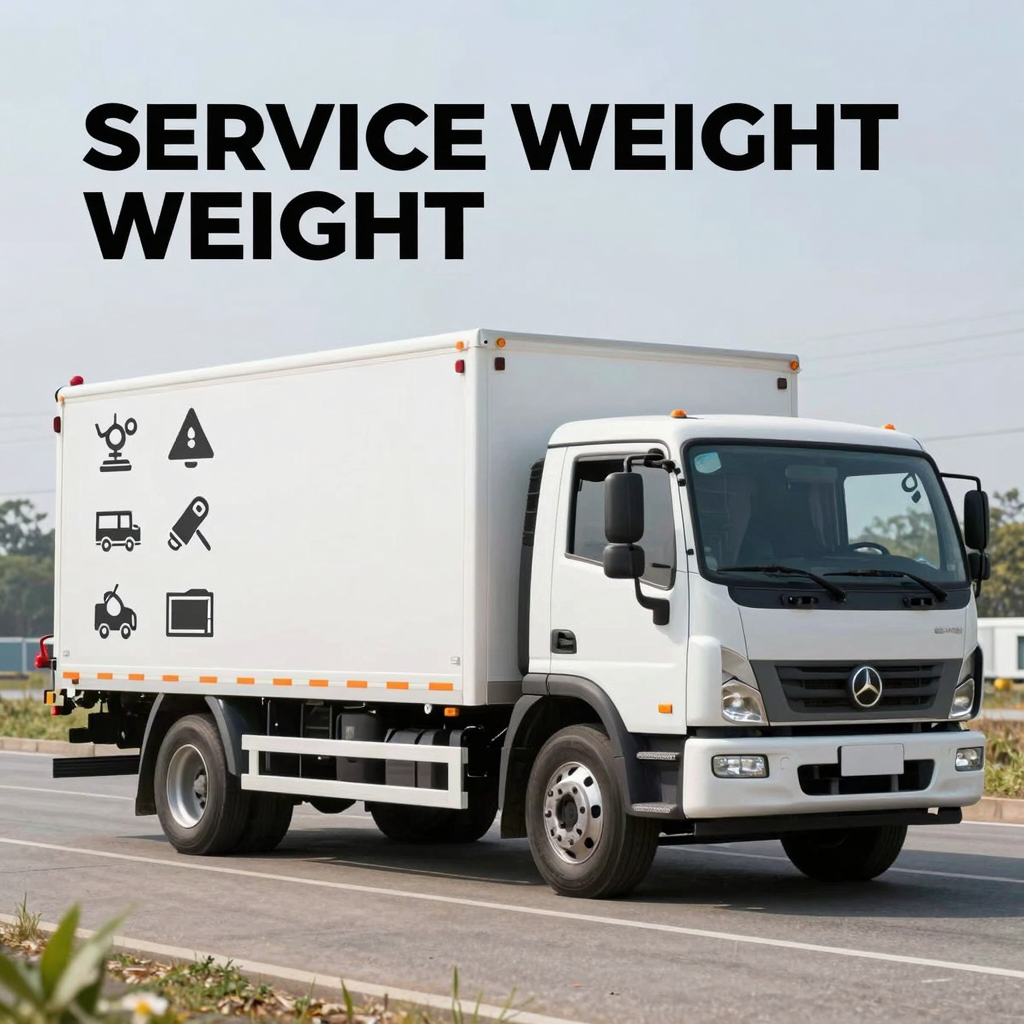
Image illustrating the operational efficiency and safety compliance associated with service truck weight, tailored for industries such as manufacturing, distribution, construction, and retail.
Factors Affecting Service Truck Weight
Understanding the weight of service trucks is crucial for construction and manufacturing firms as it impacts payload capacity, fuel efficiency, and overall performance. Here’s a detailed overview of various factors that influence the weight of service trucks:
-
Base Vehicle Weight: The weight of the chassis, which forms the foundation of the service truck, varies significantly depending on the model and manufacturer. Light-duty trucks weigh between 3,000 to 6,000 pounds, while medium and heavy-duty trucks weigh significantly more.
-
Payload: This is the weight of the load the truck carries, which includes tools, equipment, and materials necessary for service operations. For example, a mobile workshop truck can weigh between 15,000 to 25,000 pounds when loaded, heavily affecting overall weight.
-
Materials Used: The materials selected for truck construction determine weight. Lightweight metals like aluminum versus traditional steel can reduce weight without compromising strength.
-
Design Specifications: Custom designs such as tool storage, lift systems, and additional features can add bulk. The layout and functionality of the service truck directly correlate with its weight.
-
Equipment and Accessories: Auxiliary equipment such as cranes, generators, and hydraulic systems contribute additional weight. A fully outfitted service vehicle with these components can significantly exceed its base weight.
-
Fuel Type: The type of fuel and the tank’s capacity also contribute. Diesel trucks may be heavier due to larger fuel tanks compared to gasoline-powered models.
-
Regulatory Compliance: Weight regulations set by authorities influence design and load capacity, where exceeding these limits can necessitate modifications or different configurations.
By factoring in these considerations, firms can make informed decisions regarding the service trucks they choose for their operations. For more insights on factors affecting trucking in general, read about the economic trends and their implications on fleet management.
| Truck Model | Weight Capacity | Features (Engine, Drive, Others) |
|---|---|---|
| Sinotruck 4X4 Mobile Repair Workshop | 11-20 tons | Diesel engine (150-250 HP, 4-6L), hydraulic crane, comprehensive repair tools |
| HOWO 10tons Light Cargo Stake Truck | 1-10 tons | Diesel engine (<150 HP, <4L), ideal for city delivery, optional air suspension seat |
| HOWO 8X4 Heavy Duty Cargo Truck | 31-40 tons | Diesel engine (351-450 HP, >8L), designed for long-haul heavy freight |
| Sinotruk HOWO 6X6 Fence Truck | 21-30 tons | Diesel engine (251-350 HP), suited for rough terrains, customizable features |
Implications of Service Truck Weight for Businesses
The weight of a service truck carries significant implications for various business operations, influencing everything from carrying capacity and fuel efficiency to regulatory compliance.
Carrying Capacity
Service truck weight fundamentally impacts the amount of cargo a vehicle can transport. Heavier trucks are often limited in the payload they can carry, which can hinder operational efficiency and reduce profitability. Businesses must balance the weight of the truck with the necessary tools and equipment to ensure they can service client needs without exceeding weight limits.
Fuel Efficiency
Lighter vehicles tend to have better fuel efficiency. According to studies, every additional 1,000 pounds of truck weight can increase fuel consumption by up to 10% (Truck Equipment Magazine). This added expense not only strains operational budgets but can also impact pricing strategies and competitiveness in the marketplace. Efficient load management and utilizing lighter materials can mitigate these costs.
Regulatory Requirements
Compliance with weight regulations is critical in maintaining operational continuity. For instance, exceeding the Gross Vehicle Weight Rating (GVWR) can involve severe penalties, including fines up to $10,000 per violation and potential vehicle impoundment (Federal Motor Carrier Safety Administration – FMCSA). This not only increases financial liability but can also damage a company’s reputation and insurance premiums. Thus, careful management of truck weight is essential to avoid regulatory pitfalls.
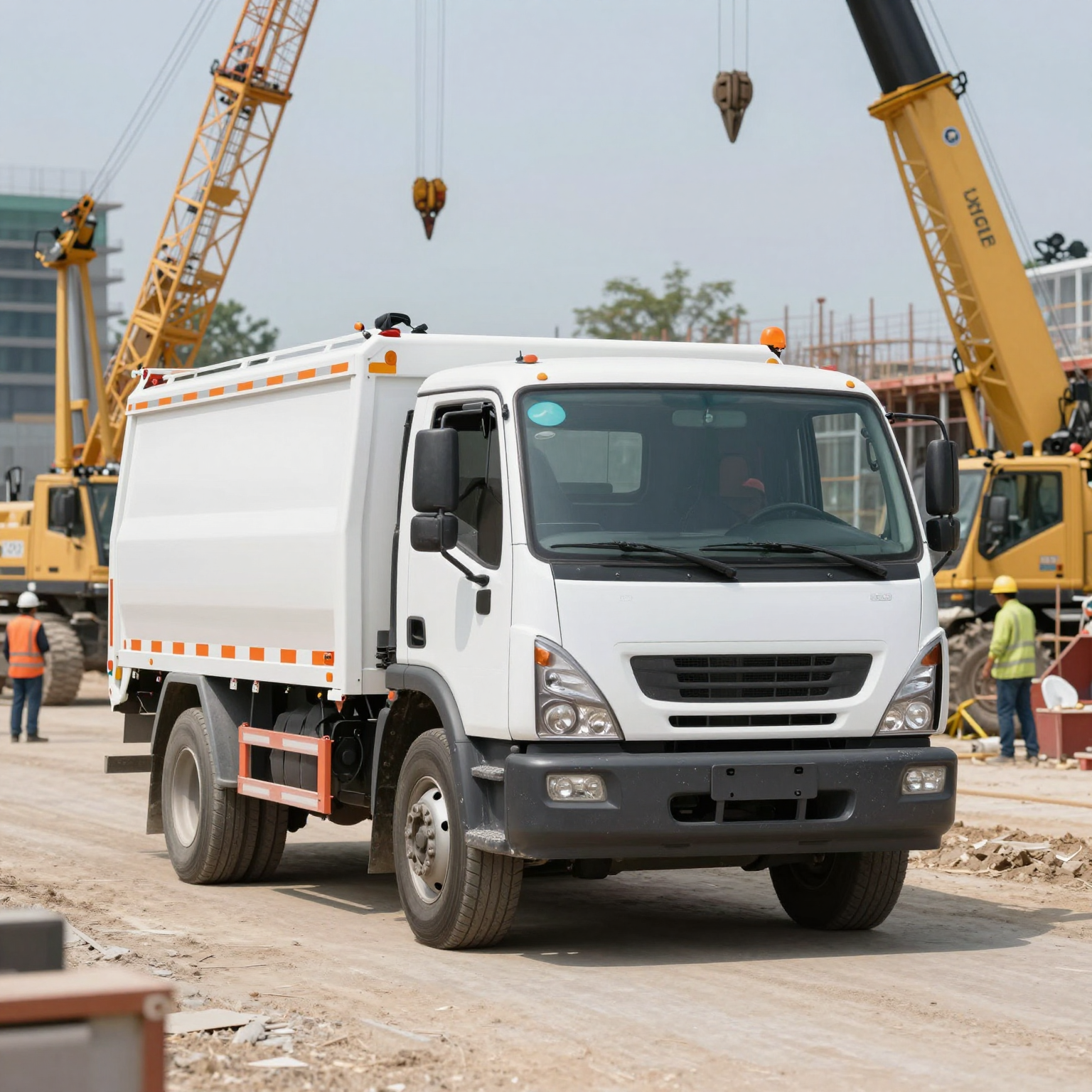
Legal Considerations Regarding Truck Weight
Understanding the legal weight limits for service trucks is crucial for businesses that operate within the transportation, manufacturing, and distribution industries. Weight regulations vary significantly across different regions, and compliance with these regulations is critical to avoid hefty fines and penalties.
Legal Weight Limits by Region
The following outlines the legal weight limits for service trucks in key regions:
| Region | Maximum Gross Vehicle Weight Limit (GVW) | Key Regulations and Compliance |
|---|---|---|
| United States | 80,000 lbs (approximately 36,287 kg) | – Applies to all interstate trucks on federal highways. – Businesses must ensure that truck configurations comply with weight distribution regulations to avoid penalties. |
| China | – 2 Axles: 18,000 kg – 3 Axles: 25,000 kg – 4 Axles: 31,000 kg – 5 Axles: 43,000 kg – 6 Axles: 49,000 kg |
– Exceeding the gross weight limit can result in fines ranging from 500 to 2,000 RMB. – Companies are accountable for maintaining compliance and ensuring vehicles are within these limits to avoid liabilities. |
| European Union | Up to 40,000 kg for 5 axles | – Varying regulations across member states may apply; it is critical to be aware of local variations. – Businesses need to adhere to strict compliance to ensure safe transportation and minimize risk. |
These weight regulations are enforced to ensure road safety, protect infrastructure, and minimize environmental impact. For businesses, operating outside of these legal limits can lead not only to financial penalties but also operational disruptions due to vehicle being taken off the road until compliance is achieved.
Implications for Businesses
- Financial Risks: Exceeding weight limits can result in fines and additional costs for repairing road damage caused by overweight trucks.
- Operational Delays: Vehicles found to be overweight may be detained until they are unloaded or penalties are paid.
- Increased Insurance Costs: Non-compliance can make it difficult for businesses to secure or maintain insurance, increasing operational risks.
- Reputation Damage: Regulatory non-compliance can lead to negative perceptions in the market, affecting customer trust and business relationships.
To ensure compliance, businesses should regularly review their logistics operations, conduct routine checks on truck weights, and train staff on the importance of adhering to these regulations. Failing to do so can lead to serious operational and financial implications. For further insights on how tariffs may impact operational costs in trucking, refer to this article on tariffs and their effects on heavy trucks. Additionally, exploring cross-border regulatory issues is critical for businesses that operate internationally.
“卡车重量管理是确保道路安全和基础设施耐久性的关键因素。超载卡车显著增加制动距离、操控难度和事故风险,对驾驶员、其他道路使用者以及公路结构构成直接威胁。有效的重量监管不仅是技术问题,更是系统性安全策略的核心。”
- Transportation Expert, Management of Truck Loading Weight: A Critical Review of Safe System Interventions
Understanding service truck weight is imperative for manufacturers, distributors, and small business owners. It not only ensures compliance with legal standards but also enhances safety and operational efficiency. For further insights into the implications of weight regulations on trucking operations, learn more about economic trends impacting the trucking industry or explore the effects of recent tariffs on heavy trucks .
Understanding the weight of service trucks is crucial for businesses across various sectors including manufacturing, distribution, retail, construction, and small businesses with shipping needs. The weight of a service truck directly impacts operational efficiency, compliance with regulations, and overall cost management.
Key Takeaways
-
Operational Efficiency: Maximizing the legal weight limit of service trucks allows companies to streamline their operations. For instance, consolidating shipments to approach the maximum weight limit reduces the number of trips required, resulting in lower fuel consumption and decreased labor costs. According to a study published by Truck Equipment Magazine, optimizing load weight can lead to substantial economic benefits and reduced greenhouse gas emissions.
-
Compliance with Regulations: Businesses must navigate strict weight regulations to avoid fines and safety risks associated with overloaded vehicles. The American Trucking Associations highlights that precise weight management is essential to mitigate potential accidents and ensure legal compliance, making advanced weighing technologies critical for effective fleet operations.
-
Safety Considerations: The safety of drivers and goods is paramount. Overloading not only poses risks to road safety but also affects vehicle handling negatively. Therefore, businesses should invest in load monitoring systems and train personnel to manage loads effectively, as seen in documented examples from the Texas Transportation Research Institute’s case studies.
-
Trends and Innovation: As the industry adapts to changing regulations and market demands, understanding the significance of truck weight-and staying informed about the latest trends-is vital. New advancements in truck technology and design are being developed to enhance service truck capabilities and comply with evolving standards.
Call to Action
At Fritzke Trucking Inc., we understand the intricacies involved in service truck operations and their weight implications. We are committed to delivering tailored solutions that address your specific operational needs while ensuring compliance and safety. Whether you are looking to optimize your fleet or require insights into industry trends, contact us today to learn more about how we can assist you in enhancing your trucking operations.
By paying close attention to service truck weight considerations, businesses can not only improve their operational efficiency and safety but also position themselves favorably in a competitive landscape. Make informed decisions today for a sustainable and profitable future.
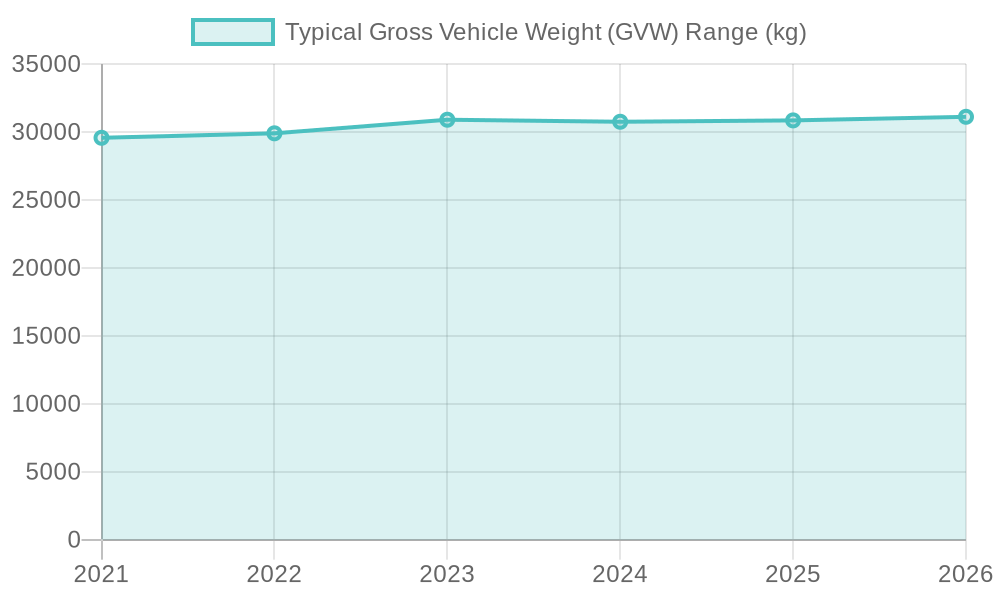
| Year | Typical Gross Vehicle Weight (GVW) Range (kg) | Key Advancements in Materials and Design |
|---|---|---|
| 2021 | 29,140 – 30,500 | Use of high-strength steel in truck bodies; early adoption of lightweight composites in non-structural components. |
| 2022 | 29,800 – 30,800 | Introduction of aluminum alloy panels in service bodies; improved load distribution through optimized frame engineering. |
| 2023 | 30,200 – 31,200 | Widespread use of aluminum in chassis components; integration of advanced finite element analysis (FEA) for structural optimization. |
| 2024 | 30,600 – 31,500 | Increased adoption of hybrid steel-aluminum structures; enhanced thermal management systems allowing heavier payloads without compromising safety. |
| 2025 | 30,900 – 31,700 | Implementation of smart materials with self-healing properties in body panels; modular design enabling dynamic weight capacity adjustment. |
| 2026 | 31,100 – 31,930 | Full integration of carbon fiber-reinforced polymers (CFRP) in critical load-bearing areas; AI-driven weight balancing systems for real-time stability control. |
Sources:
- Global Service Truck Bodies Market Report 2024-2030 (Statista, 2024)
- Heavy-Duty Truck Towing Trends 2026: Tech, Safety, and Sourcing Insights (Logistics Today, January 2026)
- Four Axle Truck Trends 2026: Sourcing Intelligence and Market Pulse (Transport & Infrastructure Journal, May 2026)
- 2026’s Best Selling Electric Trucks: Market Leaders, Data & Trends (LinkedIn, March 2026)
FAQs About Service Truck Weight
Understanding the weight of service trucks is crucial for various industries, particularly manufacturing, retail, construction, and logistics. Below are some frequently asked questions about service truck weight that clarify common doubts among business owners and fleet managers.
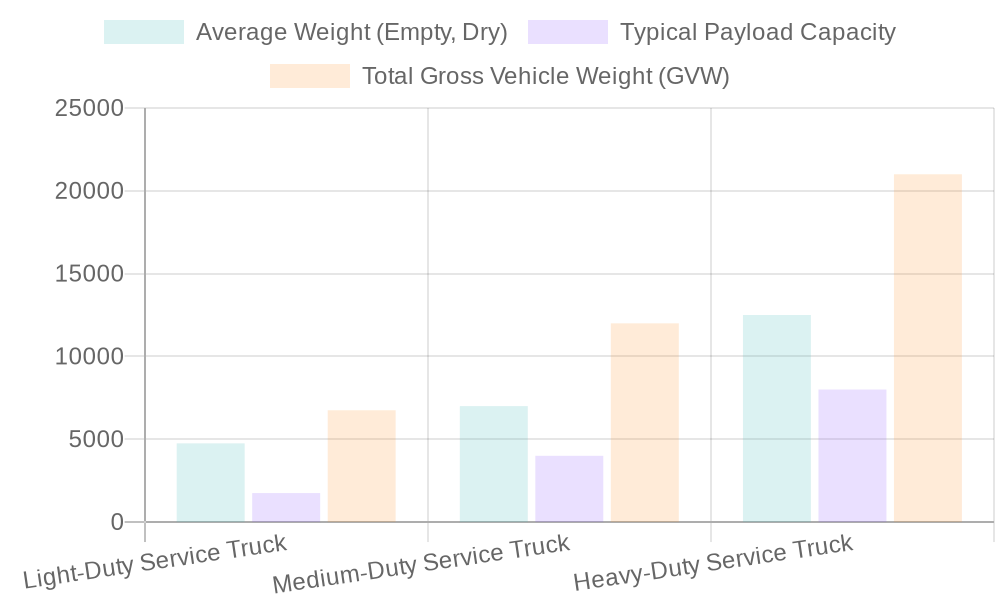
1. What is the average weight of service trucks?
The average weight of service trucks varies based on the type. Generally:
- Light-Duty Service Trucks: Weigh between 4,000 and 5,500 pounds (1,814 – 2,495 kg)
- Medium-Duty Service Trucks: Average between 6,000 and 8,000 pounds (2,722 – 3,629 kg)
- Heavy-Duty Service Trucks: Typically range from 10,000 to 15,000 pounds (4,536 – 6,804 kg).
2. Why is it important to know the weight of a service truck?
Knowing the weight is vital for operational efficiency and compliance with transport regulations. Overloading can lead to fines, increased wear and tear, and safety hazards during transportation. Proper weight management improves fuel consumption, which is particularly significant for businesses focused on logistics.
3. How does weight affect fuel efficiency?
Generally, heavier trucks consume more fuel. An increase in weight leads to increased drag and requires more energy, hence, clients looking for more fuel-efficient options should consider lighter trucks when possible. For in-depth analysis on this topic, you can learn more about key economic trends impacting the trucking industry.
4. What is the total gross vehicle weight (GVW) for service trucks?
The GVW is the maximum legal weight allowed for a truck when fully loaded. For different service truck categories:
- Light-Duty: 6,000 – 7,500 lbs (2,722 – 3,402 kg)
- Medium-Duty: 10,000 – 14,000 lbs (4,536 – 6,350 kg)
- Heavy-Duty: 16,000 – 26,000 lbs (7,257 – 11,793 kg)
5. What types of trucks fall under light, medium, and heavy-duty categories?
- Light-Duty: Common examples include the Ford F-150 and Chevrolet Silverado 1500, primarily used for utility work and deliveries.
- Medium-Duty: Trucks like the Ford F-450 and Chevrolet Express 4500 are suited for HVAC and construction tasks.
- Heavy-Duty: The Freightliner Business Class M2 is typical in large-scale infrastructure and heavy equipment transport.
For more details on different truck specifications, check out this page.
6. How do weight regulations differ by state or country?
Weight regulations can significantly differ by state and country. It’s vital for businesses to stay updated on local regulations that might impact payloads and allowable weights, ensuring compliance and reducing the risk of penalties. Consult your local transportation authority or industry expert for precise regulations.
7. Can modifying a service truck affect its weight?
Yes, any modifications such as adding equipment, altering the chassis, or changing body materials can affect the overall weight of a service truck. Ensuring that the vehicle remains within legal weight limits post-modification is crucial for safety and compliance.
Conclusion
In summary, understanding service truck weight is essential for efficient logistics and operational compliance. If you have additional questions or need advice on selecting the right service truck for your business needs, reach out to industry professionals or visit Fritzke Trucking Inc..