
Introduction
In today’s fast-paced and demanding marketplace, the ability to transport goods efficiently is paramount for businesses across various industries, from manufacturing to retail and construction. Auxiliary fuel tanks play a critical role in enhancing the efficiency of service trucks, providing additional fuel capacity that ultimately translates to longer uninterrupted journeys. According to industry insights, auxiliary fuel tanks can significantly reduce the frequency of refueling stops, thereby increasing the effective working hours of a vehicle. In fact, companies utilizing these tanks report a 25% decrease in downtime due to refueling-an essential figure for businesses where time equals money.
By investing in auxiliary fuel tanks, manufacturing and distribution companies, retail and e-commerce businesses, and construction firms can optimize their logistical operations and reduce operational costs. Small business owners with shipping needs also stand to benefit from this innovation, as it allows for better planning and execution of transportation schedules. With the enhancement of fuel efficiency, businesses can navigate the complexities of modern supply chains with greater agility and reliability. As we delve into the nuances of mounting an auxiliary fuel tank on a service truck, it’s important to recognize how these systems pave the way for improved efficiency in transportation and logistics. Learn more about economic trends affecting the trucking industry and how they impact operational decisions.
Benefits of Mounting an Auxiliary Fuel Tank
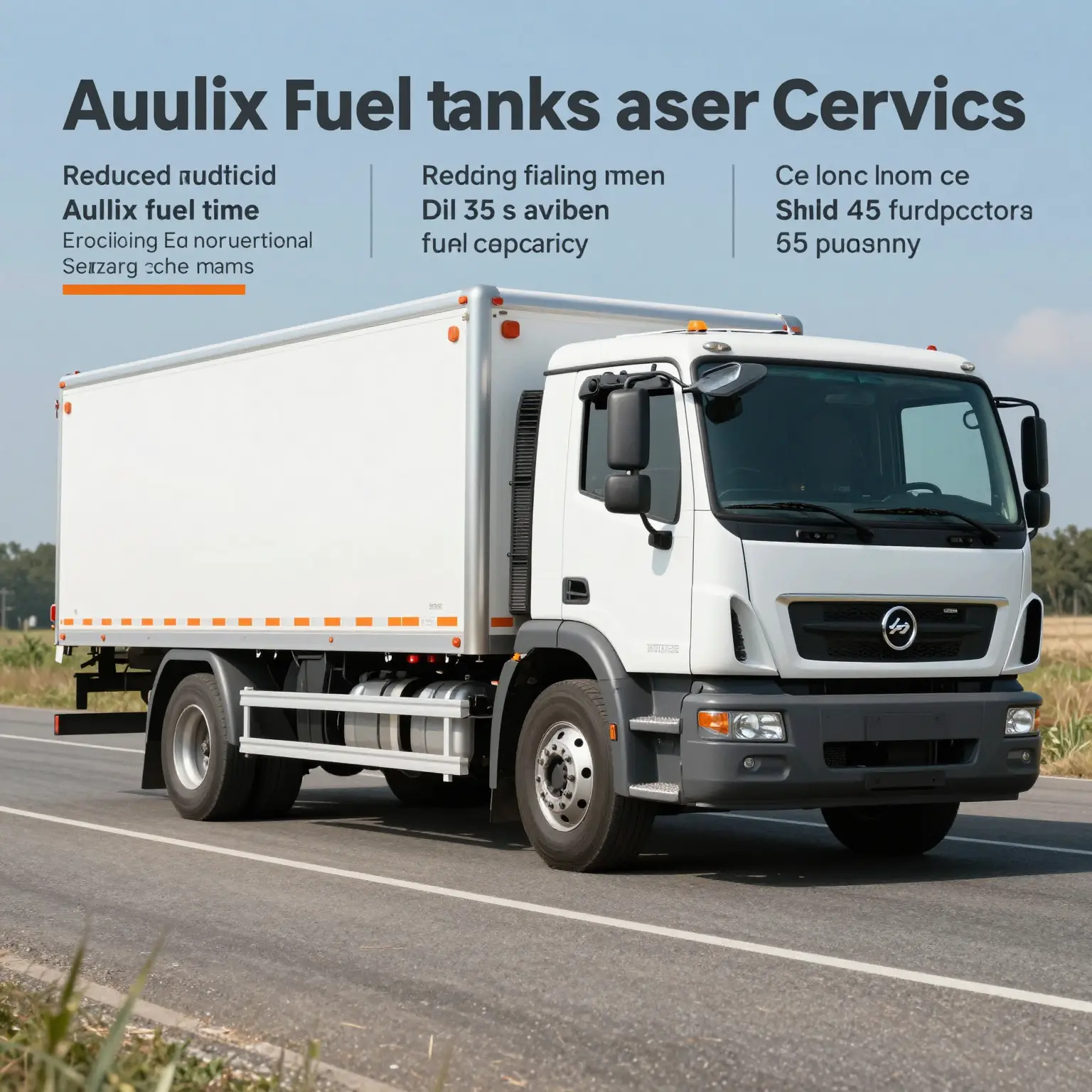
Mounting an auxiliary fuel tank on a service truck offers several significant benefits important to various sectors including manufacturing, retail, and construction. Here are some key advantages:
-
Increased Range: An auxiliary fuel tank effectively expands the fuel capacity of your truck, allowing for longer trips without the need for frequent refueling. This is particularly useful for businesses requiring long-distance travel, as emphasized in this blog post.
-
Reduced Downtime: With increased fuel capacity, trucks can operate for extended periods without stopping for fuel, which minimizes downtime. This continuous operation is crucial for businesses that rely on timely deliveries and service appointments.
-
Cost Efficiency: Installing an auxiliary tank enables drivers to refuel in areas where fuel prices may be lower, allowing cost-effective planning for fuel expenses. This flexibility is highlighted in various articles discussing the benefits of auxiliary tanks, including this one from Cliff’s Welding.
-
Operational Flexibility: An auxiliary tank provides companies the ability to plan routes based on fuel availability, which can be especially valuable in remote areas where fuel stations are sparse.
-
Support for Larger Loads: Auxiliary tanks allow trucks to carry more fuel, enabling them to support heavier loads while maintaining efficiency during trips. This capacity is particularly beneficial in the construction and distribution sectors.
In summary, the implementation of an auxiliary fuel tank can greatly enhance operational efficiency, making it an essential consideration for any service truck in today’s competitive markets. For more information on the impact of auxiliary tanks, you can refer to this detailed analysis on long road trips.
Benefits of Auxiliary Fuel Tanks in Service Trucks
The implementation of auxiliary fuel tanks in service trucks offers numerous advantages, particularly for businesses in construction and heavy industries. Expert insights reflect the multifaceted benefits of these additions:
“Auxiliary fuel tanks significantly extend a truck’s driving range, enhance operational flexibility, reduce the frequency of refueling stops, and improve safety, making them invaluable for service trucks.” – Source: TONKA 4 Wheel Drive Ltd.
With these tanks, service trucks can:
- Reduce Downtime: Less frequent stops for refueling lead to increased operational efficiency.
- Enhance Flexibility: Trucks can operate in remote areas without the constant need for fuel stations.
- Cost Efficiency: Businesses can take advantage of lower fuel prices by being able to choose where to refuel.
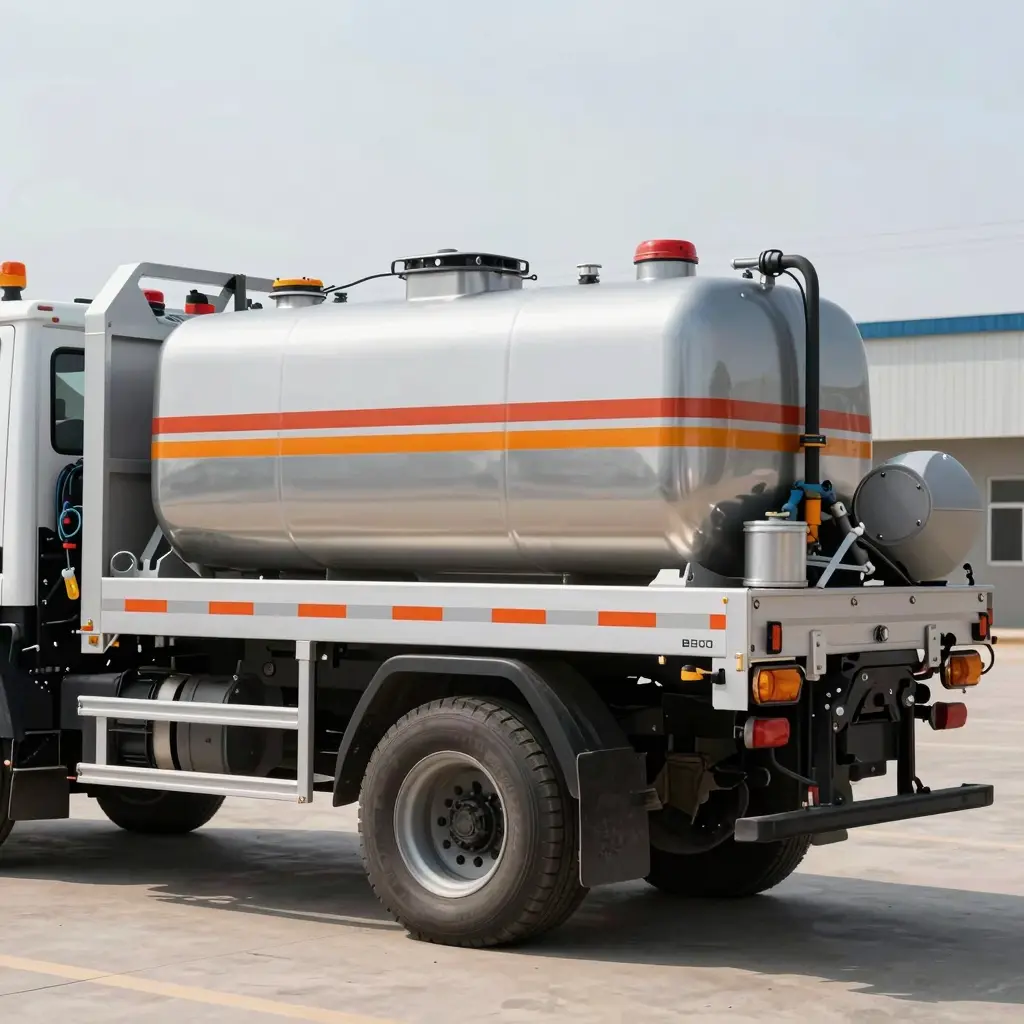
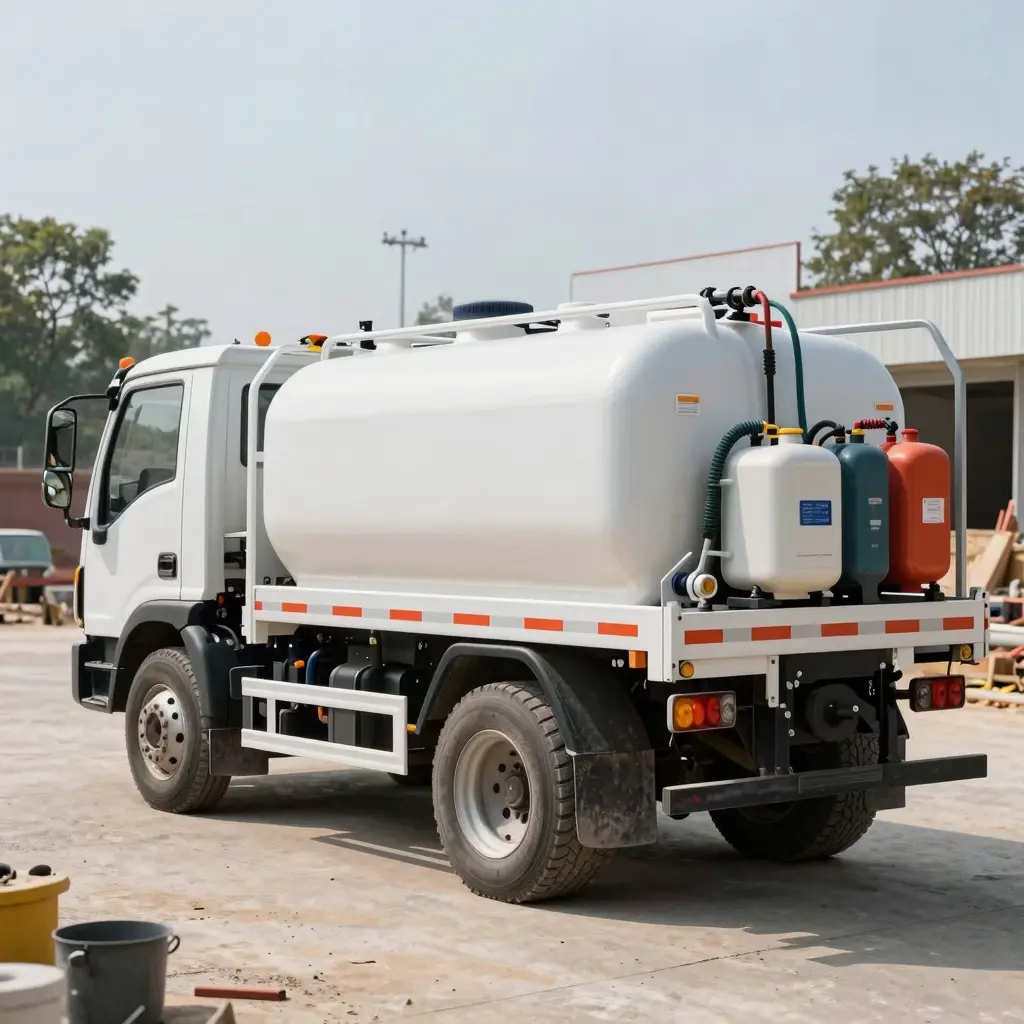
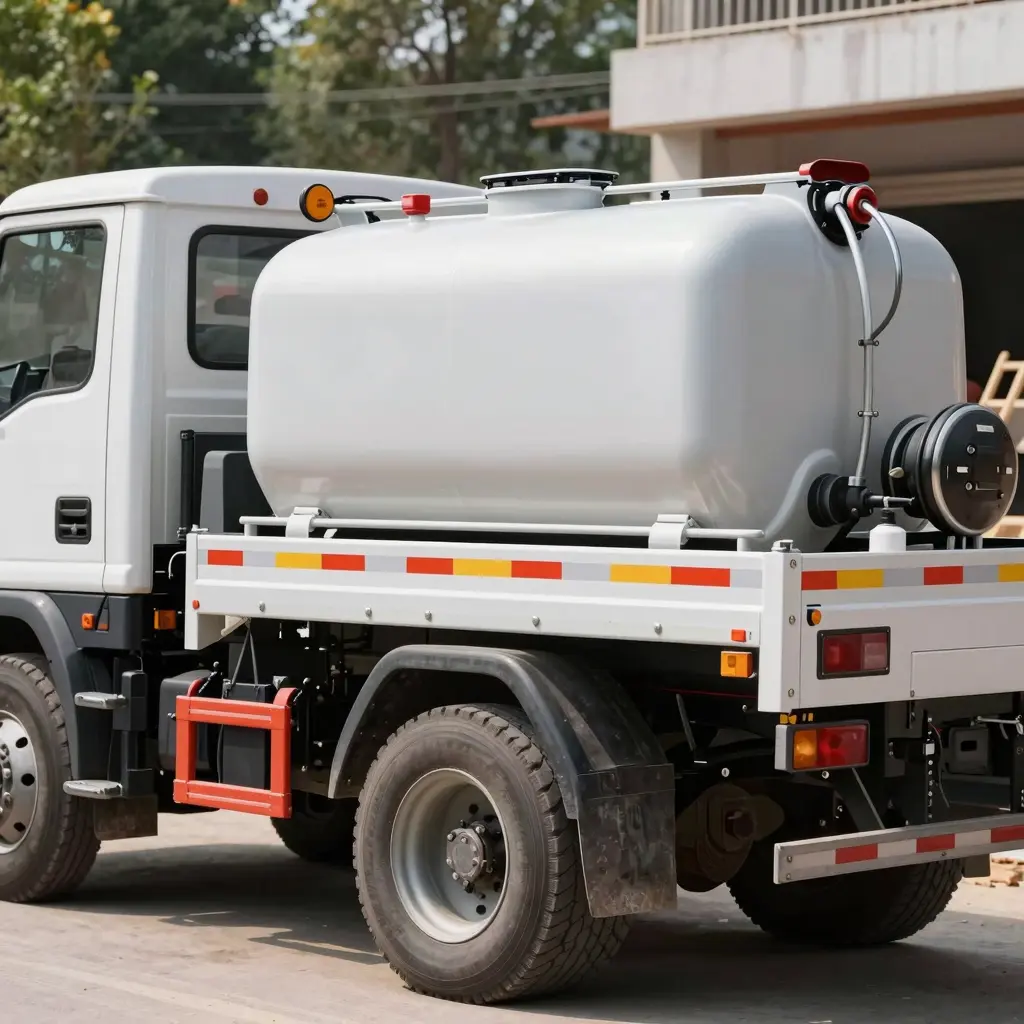
The image depicts an auxiliary fuel tank mounted on a service truck, illustrating its design and functionality.
These benefits align with best practices in fleet management, ensuring that service trucks remain efficient and effective in delivering essential operational tasks. For more about current trends in trucking freight markets, consider exploring the latest insights and analyses in the industry.
Installation Guidelines for Auxiliary Fuel Tanks on Service Trucks
When considering the installation of auxiliary fuel tanks in service trucks, adhering to established safety and durability standards is paramount. Service trucks equipped with auxiliary tanks require proper installation to ensure not only performance but also compliance with safety regulations.
Key Considerations for Installation
-
Safety Regulations: The U.S. Department of Transportation outlines crucial requirements for the installation of auxiliary fuel tanks. Compliance with these regulations ensures safe operation and risk mitigation during usage. For instance, regulatory documents emphasize the need for:
- Proper sealing of fuel tanks to prevent leaks.
- Installation of fuel level indicators to monitor fluid levels safely.
-
Materials and Construction: Tanks should be constructed from fire-resistant materials, providing an extra layer of protection against potential hazards during operation. Installation should consider the structural integrity and compatibility of the tank with varying environment conditions.
-
Overflow Prevention: This is critical for any auxiliary fuel tank system. Implementing overflow protection mechanisms not only prevents fuel spillage but also ensures compliance with environmental regulations.
-
Regular Maintenance: Ongoing maintenance is vital to ensure the longevity of auxiliary tanks. Regular inspections should include checking for damage, leaks, and total functionality of all components. Proper maintenance schedules can significantly enhance overall durability and performance.
Compliance and Standards
- Testing and Performance Standards: According to the Electronic Code of Federal Regulations, installations must comply with specified performance standards. Tanks should undergo routine testing to confirm their integrity under operational stresses.
- Federal Safety Regulations: Recent changes in federal safety regulations related to fuel tank installations necessitate businesses to remain informed. This includes understanding any adjustments that impact installation practices and safety requirements.
By implementing these guidelines, companies can ensure the safe and effective operation of auxiliary fuel tanks on service trucks, thus enhancing their operational capabilities and safety compliance.
For a detailed overview of current regulations regarding auxiliary fuel tanks, check out the Federal Register’s guidelines and UML’s insights on installation practices.
This adherence to installation protocols not only ensures compliance but also contributes to the longevity and operational efficiency of service trucking operations.
Tools Required for Installing an Auxiliary Fuel Tank
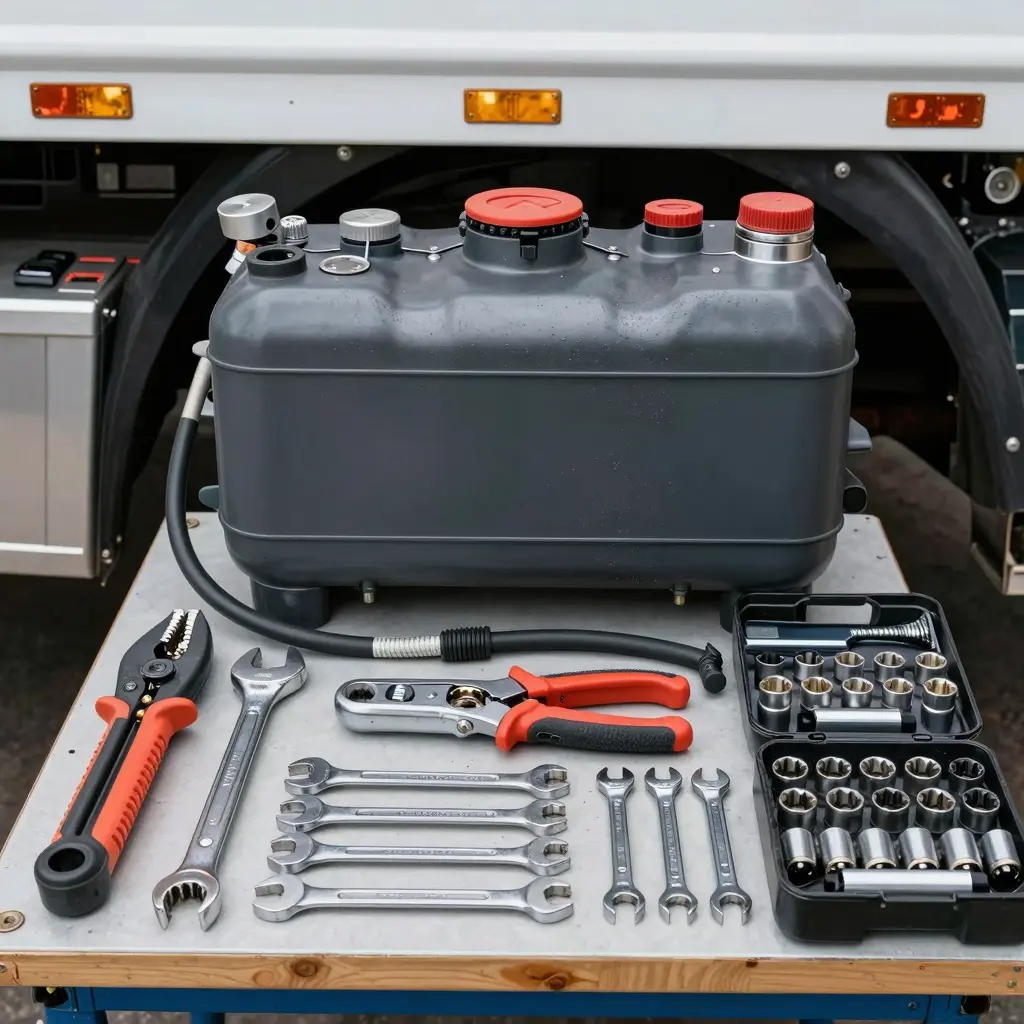
Installing an auxiliary fuel tank on a service truck is an essential task that enhances the vehicle’s fuel capacity and operational efficiency. However, to accomplish this safely and effectively, it is crucial to have the right tools at your disposal. This section outlines the necessary tools alongside their purposes, catering to all expertise levels.
1. Torque Wrench
A torque wrench is essential for ensuring that bolts and nuts are tightened to the specified torque settings. This tool prevents over-tightening, which could lead to damage, especially in critical components of the fuel system.
2. Fuel Line Disconnect Tool
This specialized tool allows for the quick and safe disconnection of fuel lines without causing damage or leaks. It’s particularly useful when working with pressurized fuel systems.
3. Heavy-Duty Hose Cutter
A heavy-duty hose cutter is necessary for accurately cutting fuel hoses to the required lengths. Clean cuts help maintain the integrity of the fuel lines and prevent leaks during operation.
4. Wrenches and Socket Sets
A variety of wrenches (both standard and metric) and socket sets are required for loosening or tightening bolts throughout the installation process. These tools are critical for working with various sizes of fasteners typically found in fuel tank installations.
5. Drill and Drill Bits
A power drill equipped with appropriate drill bits may be needed to create mounting holes or to assist in securing the fuel tank to the truck bed. Ensure to use bits that match the size of the fasteners you will be using.
6. Step Ladder or Creeper
Depending on the height of the service truck, a step ladder or creeper may be necessary to reach the installation area safely and comfortably. These tools provide stability and help prevent accidents while working at height or under the vehicle.
7. Safety Gear
Personal protective equipment (PPE) such as gloves, goggles, and steel-toed boots are crucial. These items protect against spills, sharp objects, and heavy equipment during the installation process.
Conclusion
Proper installation of an auxiliary fuel tank not only extends the range of your service vehicle but also prioritizes safety. Gathering these tools will prepare you for a smooth installation process. For more extensive knowledge on impacts affecting the trucking industry or to understand regulations surrounding vehicles, visit our section on current trends in trucking freight markets.
Comparison of Different Types of Auxiliary Fuel Tanks
When considering auxiliary fuel tanks, it’s crucial to understand the various types available, their capacities, materials, and suitable applications. This chart provides a concise overview:
| Type of Tank | Capacity (gallons) | Material | Suitable Applications |
|---|---|---|---|
| Plastic Tank | 30 – 100 | Plastic | Automotive, Marine |
| Aluminum Alloy Tank | 50 – 200 | Aluminum Alloy | Automotive, Marine, Aviation |
| Steel Tank | 50 – 150 | Steel | Automotive, Marine |
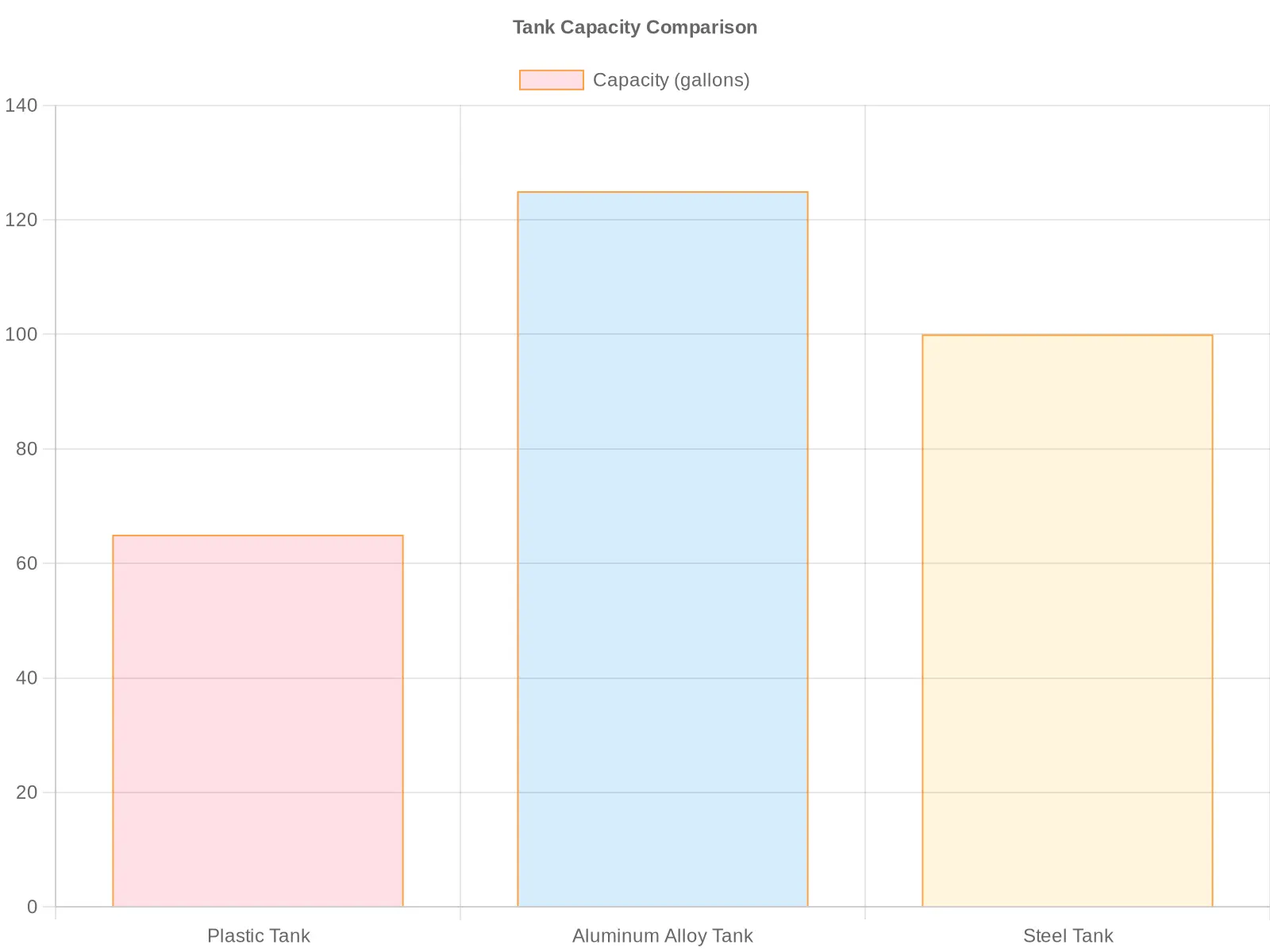
This chart compares different types of auxiliary fuel tanks based on capacity, material, and applications.
For more information and insights into the impact of tariffs on heavy trucks, you can learn more here and explore regulatory issues affecting cross-border operations.
Safety Considerations During Installation
Installing an auxiliary fuel tank on a service truck requires meticulous attention to safety protocols to mitigate potential risks. Below are critical safety considerations and best practices that should be followed:
1. Use Approved Equipment
- Selection of Equipment: Ensure that you are using fuel tanks that meet DOT (Department of Transportation) regulations. Approved tanks should be constructed from materials such as durable aluminum or stainless steel, which reduce the risk of leaks and punctures.
- Quality Tools: Utilize only the right tools designed for fuel tank installation, ensuring they are calibrated and in good working order.
2. Personal Protective Equipment (PPE)
- Safety Gear: Technicians and workers should wear appropriate personal protective equipment, including gloves, goggles, and ear protection. This gear protects them from potential splashes and noise hazards associated with the installation process.
- Fire Safety: Keep a fire extinguisher nearby and ensure that workers are informed about its location and usage.
3. Work Environment Safety
- Well-Ventilated Area: Perform the installation in a well-ventilated area to disperse any fuel vapors that may be released during the installation process. This helps reduce the risk of ignition.
- Clear Workspace: Maintain a clean and organized workspace. Remove any unnecessary materials or potential ignition sources, such as open flame or sparks, to avoid accidents.
4. Compliance with Safety Standards
- Follow Guidelines: Adhere to recommended guidelines and regulations set forth by agencies such as the FAA or other relevant bodies, as outlined in their safety documentation. This ensures that installations do not compromise safety protocols.
- Consult Professionals: When in doubt, consulting with professionals who have experience in auxiliary fuel tank installations can provide invaluable insights and assist in compliance with the latest safety standards. Discussions can be beneficial, as seen in forums like the Piper Flyer Association.
5. Installation Procedures
- Proper Mounting: Ensure tanks are properly mounted to avoid vibration and movement during transport, which can lead to leaks or damage.
- Leak Checks: After installation, conduct thorough checks for leaks and ensure that all connections are tight and secure.
Adhering to these safety considerations during the installation of an auxiliary fuel tank is paramount to mitigate risks and ensure a safe working environment. Installing an auxiliary fuel tank might not be the most straightforward task, but with the right precautions, it can be executed with confidence.
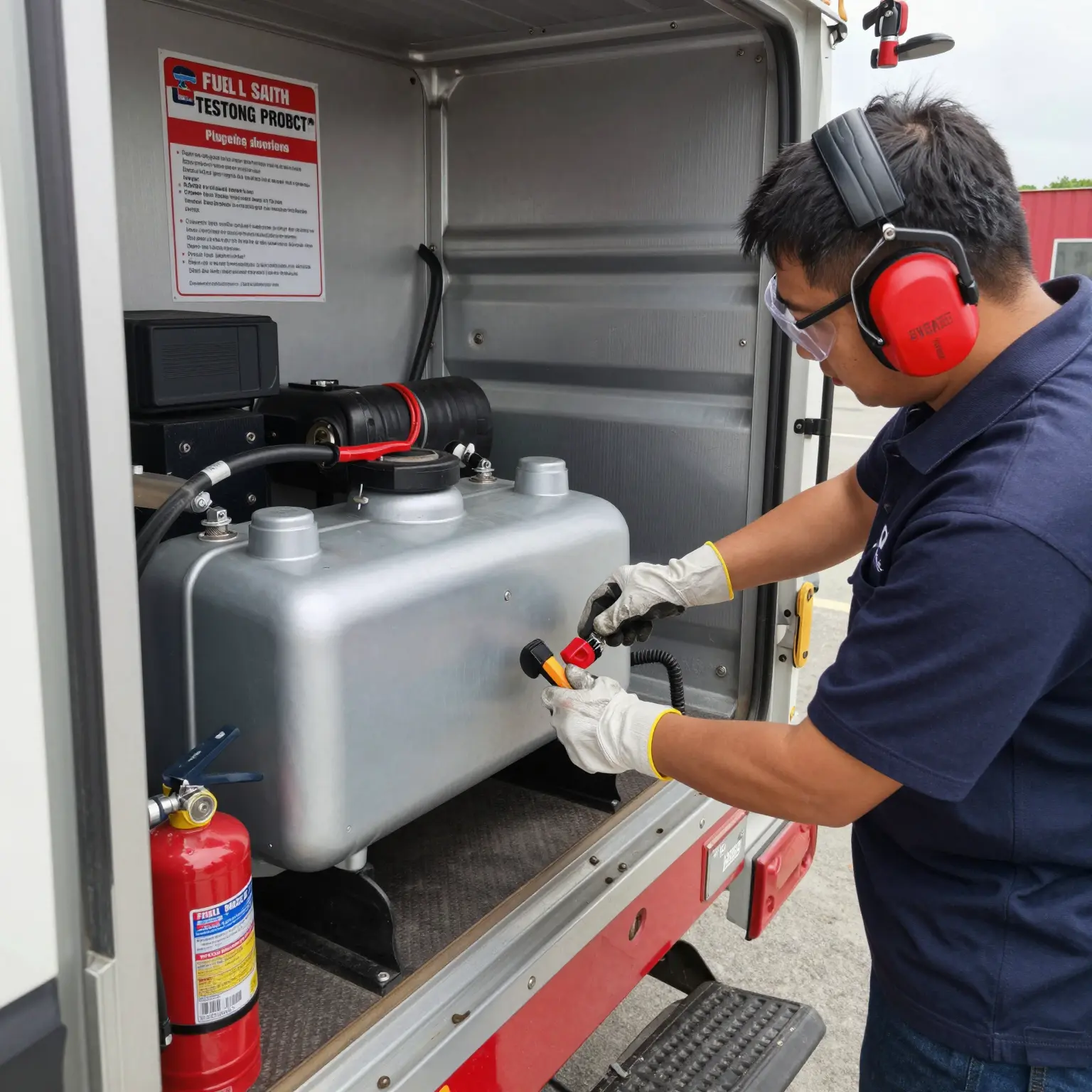
Installing an auxiliary fuel tank requires proper safety measures.
For more insights on regulations affecting heavy trucks, learn about the 25% tariff impact here.
Customer Testimonial
“As a small business owner in the construction sector, adding an auxiliary fuel tank to our service trucks has significantly impacted our operations. We can now extend our driving range without the constant need to stop for fuel. This has not only boosted our productivity but has also reduced downtime significantly. I can confidently say that investing in an auxiliary fuel tank was one of the best decisions we’ve made for our service fleet!”
- James R., Owner of Reliable Construction Services

If you’d like to explore more about the benefits of auxiliary fuel tanks, you can learn more about their impact on heavy trucking and economic trends affecting the construction industry.
Conclusion
In summary, the installation of auxiliary fuel tanks on service trucks is an invaluable enhancement that increases operational efficiency and flexibility. These tanks provide extended fuel capacity, allowing trucks to cover longer distances without the inconvenience of frequent refueling stops. Not only does this benefit drivers by reducing downtime, but it also allows businesses to manage fuel costs more effectively. This is especially crucial when operating in remote areas where fuel stations may be scarce or when carrying out large projects where time is of the essence.
Furthermore, best practices for mounting auxiliary fuel tanks include ensuring proper installation techniques to prevent leaks and maintain safety. This involves securing the tank to the vehicle bed, ensuring proper feed connections, and being aware of legal regulations regarding fuel storage. As highlighted in the resources available, following these guidelines helps avoid legal complications while maximizing the efficiency of service trucks.
For those interested in enhancing their service trucks with auxiliary fuel tanks, we encourage you to explore the solutions offered by Summit Fairings. Investing in proper fuel storage solutions not only bolsters vehicle performance but also aligns with long-term business goals of efficiency and reliability in service.
To learn more about how auxiliary fuel tanks can benefit your fleet, read our further insights here. Let Summit Fairings help you make informed decisions for your trucking needs!