

Understanding Truck Log Book Service
In the logistics industry, maintaining accurate and comprehensive records is paramount. A truck log book service serves as an essential tool for manufacturing and distribution companies, retail and e-commerce businesses, construction firms, and small business owners with shipping needs. This service involves the meticulous documentation of various parameters related to trucking operations, including hours of service, vehicle maintenance, and freight details.
The importance of a truck log book extends beyond just maintaining records; it is crucial for compliance with regulations set forth by transportation authorities. Adhering to these regulations helps businesses avoid fines and legal repercussions, which can have significant financial implications. Moreover, efficient tracking through log books enhances operational efficiency by allowing companies to pinpoint areas for improvement in their logistics processes.
For instance, accurate tracking can help identify patterns in fuel consumption, enabling businesses to optimize their routes and reduce costs learn more about key economic trends impacting the trucking industry. Additionally, with the growing focus on sustainability in logistics, a truck log book service can support efforts to reduce carbon footprints by tracking vehicle emissions and consumption metrics. Thus, integrating this service into logistics operations not only strengthens compliance but also boosts overall operational efficiency and profitability.
Essential Features of a Truck Log Book Service
A truck log book service is vital for ensuring compliance, improving safety, and streamlining fleet management. Here are five key features that make such services indispensable:
-
Electronic Logging Device (ELD) Compatibility: Modern log book services often integrate with ELDs, which automatically record a vehicle’s driving time, ensuring accurate data collection, compliance with federal regulations, and reducing the likelihood of Hours of Service (HOS) violations. This can help drivers operate efficiently while adhering to the law.
-
User-Friendly Interface: A well-designed log book service should provide a user-friendly interface for easy navigation. The ability to quickly enter and visualize data ensures that truck drivers can spend more time on the road rather than getting bogged down in paperwork. A straightforward user experience can significantly increase productivity.
-
Real-Time Data Tracking: Features that allow real-time tracking of driving hours, vehicle locations, and status updates enhance a company’s operational efficiency. This capability is essential for real-time decision-making and can help minimize disruptions in the supply chain. For more information on optimizing supply chains, learn more here.
-
Comprehensive Reporting Abilities: The ability to generate detailed reports for inspections, fuel usage, and maintenance logs is crucial. These insights not only help businesses maintain compliance but also drive strategic decision-making for fleet operations, helping to manage costs effectively.
-
Alerts and Notifications: A good truck log book service should offer alerts for critical events like upcoming HOS limits, maintenance due dates, and compliance deadlines. These reminders keep drivers and fleet managers informed and proactive about violations and maintenance needs, ensuring smoother operations.
Integrating these essential features into a truck log book service can provide significant benefits for businesses in the trucking industry, ultimately leading to cost savings and enhanced operational proficiency. For more on regulatory compliance, check out this useful guide here.
Benefits of Utilizing Truck Log Book Services
Truck log book services offer substantial advantages across various industries, including manufacturing, distribution, retail, e-commerce, construction, and small businesses. These services are vital for ensuring compliance with transportation regulations, enhancing operational efficiency, and ultimately improving profitability. Here are some key benefits:
1. Improved Compliance and Safety
Most industries need to comply with stringent regulations governing transportation and logistics. Truck log book services help businesses maintain comprehensive records of driver hours, vehicle maintenance, and routes taken. For example, construction companies can avoid hefty fines by ensuring compliance with hours-of-service regulations through accurate log entries. This not only fosters a culture of safety but also reduces the risk of accidents caused by driver fatigue.
2. Increased Operational Efficiency
Efficiency in logistics is crucial for businesses like retail and e-commerce, where timely deliveries significantly impact customer satisfaction. Truck log book services streamline various processes by automating data entry and reporting. For instance, a retail company using electronic log books can track delivery times more accurately, ultimately leading to reduced delays and improved supply chain management. Improved logistics can also enhance inventory management by aligning deliveries with stock levels, further optimizing operations.
3. Cost Savings
Utilizing log book services can lead to significant cost savings. By ensuring compliance and streamlining operations, these services can help businesses reduce penalties and fines related to regulatory non-compliance. Transportation companies can also identify inefficiencies in routing and vehicle usage through recorded data, enabling them to make informed decisions that can cut fuel costs and maintenance expenses. For example, a distribution company might find a more efficient route that saves both time and fuel, resulting in lower operational costs.
4. Enhanced Data Insights
Truck log book services provide valuable data that businesses can use for strategy and planning. For instance, the data can help small business owners analyze shipping trends, delivery schedules, and overall transportation costs. By leveraging this information, companies can make data-driven decisions to enhance their logistics strategies. E-commerce businesses, for example, can identify peak times for shipments and adjust their logistics accordingly to ensure customer demand is met.
5. Better Customer Experience
In today’s competitive market, customer experience is vital. The reliability brought by effective truck log book services can improve delivery times, leading to higher customer satisfaction rates. By ensuring that deliveries are made on schedule, businesses in retail and e-commerce can build trust and loyalty with their customers. For example, prompt deliveries can enhance the reputation of an e-commerce site, encouraging repeat purchases.
Conclusion
Overall, adopting truck log book services can yield significant benefits across numerous sectors, including manufacturing, distribution, retail, e-commerce, and construction. As businesses navigate the complexities of logistics and customer demands, these services stand out as essential tools for success. Learn more about the impact of regulations on trucking to help you optimize your operations further.
Comparison of Truck Log Book Services
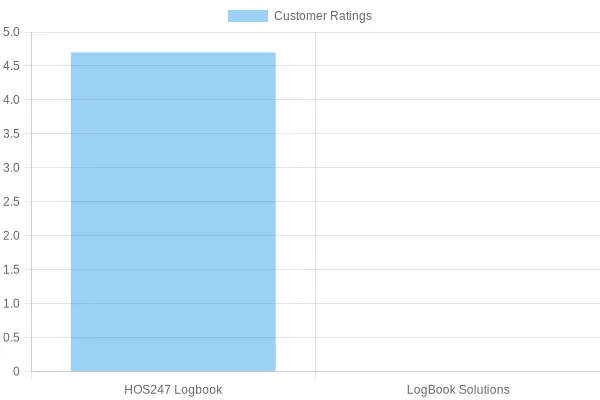
Choosing the right truck log book service can greatly enhance compliance and efficiency for trucking businesses. Below is a comparison of popular services based on their features, pricing, and customer ratings:
| Service | Features | Price Range | Customer Ratings |
|---|---|---|---|
| HOS247 Logbook | Paperless logs, GPS tracking, flexible plans | Varies; subscription-based | 4.7/5 |
| LogBook Solutions | User-friendly interface, compliance tracking | From $15/month | Not available |
Summary
- HOS247 Logbook: Highly rated service with extensive features ideal for compliance and logistics management.
- LogBook Solutions: User-friendly but lacks comprehensive customer ratings. Price starts at $15/month.
For more insights on the trucking industry, visit the impact of trucking regulations and trucking under fire.
Customer Ratings
User Testimonials About Truck Log Book Services
Truck log book services have garnered significant attention from users who appreciate their reliability and the efficiency they bring to operations. Here are some summarized testimonials highlighting positive experiences:
-
Ease of Compliance: Users frequently mention the increased clarity and user satisfaction achieved through services like HOS247. The testimonials emphasize how utilizing the right logbook enhances compliance with regulatory requirements, ultimately leading to smoother operations.
-
Improved Accuracy: According to feedback from Logbook Solution LLC, electronic logbooks notably improve data management. Users report significant enhancements in the accuracy of logged driving hours, which contributes to better operational practices and regulatory adherence.
-
User Satisfaction: Customers reviewing World Moving Services on Transport Reviews have expressed high satisfaction levels regarding their truck log book services. These reviews reflect reliability and efficiency, showcasing how consistent logging aids in overall effectiveness of fleet operations.
-
Additional Features: A report from VTLog highlights user appreciation for built-in features, such as anti-cheat capabilities and fleet management tools. These functionalities augment the trucking experience, making it easier for users to manage their logs effortlessly.
These testimonials illustrate the multiple benefits of truck log book services, particularly their impact on compliance, accuracy, and operational efficiency, creating a trustworthy environment for users in various industries.
Compliance Regulations Related to Truck Log Books
In today’s trucking industry, adhering to compliance regulations for truck log books is essential for businesses to avoid substantial penalties and maintain efficient operations. Log books are critical documents that record a driver’s hours of service (HOS), which help ensure that drivers do not exceed their working limits, ultimately promoting road safety. Here, we outline the key compliance regulations businesses must follow, along with the legal obligations and risks associated with non-compliance.
Legal Obligations
Businesses operating commercial vehicles are mandated to keep accurate and up-to-date log books that detail drivers’ working hours, breaks, and vehicle inspections. The introduction of electronic logging devices (ELDs) has streamlined this process, helping companies comply with regulations set by the Federal Motor Carrier Safety Administration (FMCSA). Key points of compliance include:
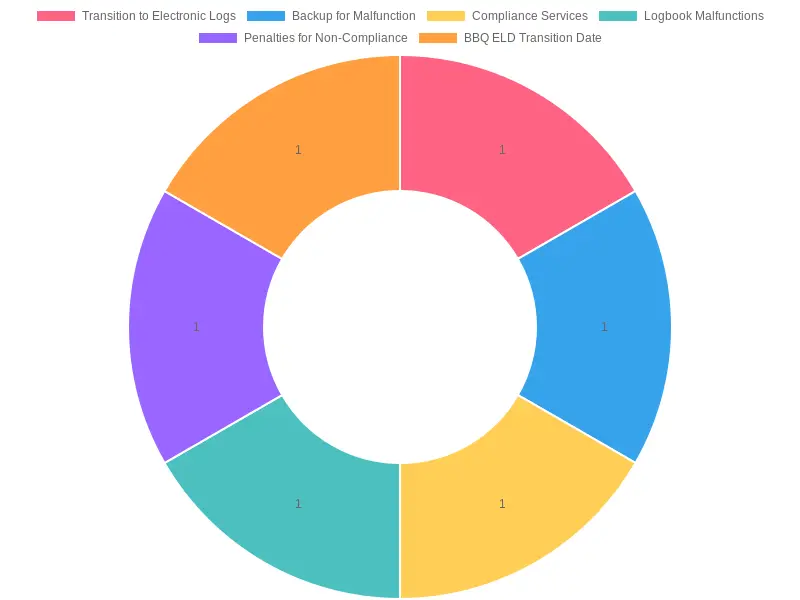
- Transition to Electronic Logs: In recent years, the shift from paper logs to electronic logbooks has been necessary and is now legally required for most fleets. This transition aids in the accurate capturing of driving hours and assists in audits during inspections. Businesses must ensure they upgrade their systems to compliant ELDs before deadlines.
- Backup Requirements: In cases where electronic devices malfunction, it is mandatory to maintain paper log books as a backup until the device is repaired, ensuring uninterrupted compliance and record-keeping.
- Regular Maintenance of Logs: It is essential for drivers and fleet managers to regularly review and correct log entries to prevent discrepancies which could lead to further inspection and audits.
Risks of Non-Compliance
Failing to comply with truck log book regulations can lead to serious legal and financial repercussions for businesses:
- Penalties: Non-compliance can result in significant fines and other legal consequences. For example, the FMCSA has the authority to impose fines that can reach thousands of dollars, depending on the violation’s severity.
- Increased Inspections: Companies that frequently fail to adhere to regulations may subject themselves to increased audits and inspections, further straining resources and operational efficiency.
- Liability in Accidents: In case of an accident, insufficient documentation of hours worked can expose a company to liability issues. This may affect insurance claims and lead to additional legal challenges.
In conclusion, the importance of maintaining compliance with truck log book regulations cannot be overstated. Businesses should prioritize the accuracy of these records not only to avoid penalties but to ensure the safety of their drivers and the public. By investing in reliable log book services and training, companies can support these objectives and excel in their operations. To learn more about the implications of compliance on trucking businesses, read about the impact of tariffs on heavy trucks.
!Note: An informative chart summarizing the key topics regarding electronic logbook compliance is available below:

The Importance of Truck Log Books
Truck log books are essential for ensuring compliance, safety, and operational efficiency in the logistics industry. As an industry expert notes,
“Accurate logbooks are vital for truck drivers, serving as official records of operations that ensure safe and legal compliance in the logistics industry, akin to a ship’s log for navigation.”
–Payless Driving School
Maintaining thorough records ensures not only legal compliance but also enhances operational performance. Here’s a brief overview of why maintaining an excellent log book practice is essential:
- Regulatory Compliance: Helps in adhering to the legal requirements governing driving hours and transportation.
- Safety Monitoring: Plays a critical role in preventing accidents due to fatigue and ensuring the well-being of drivers.
- Operational Efficiency: Aids in planning routes and tracking performance metrics effectively.
For more insights, you can check our articles on impact of tariffs on heavy trucks and the growth of electric trucks.
Trends in the Adoption of Truck Log Book Services
The adoption of truck log book services has been increasing steadily in the logistics industry over the last few years. This upward trend showcases the industry’s commitment to enhancing operational efficiency and regulatory compliance through technological integration.
Adoption Rate Over the Years
The chart below illustrates the year-over-year growth in the adoption of electronic logbook services from 2020 to 2023:

| Year | Adoption Rate |
|---|---|
| 2020 | 20% |
| 2021 | 35% |
| 2022 | 60% |
| 2023 | 80% |
According to industry reports, the logistics sector is focusing on innovative digital solutions to streamline operations. In 2023, many logistics firms are expected to emphasize the adoption of electronic logbook systems for enhanced tracking and management.
For more information on technology trends in the logistics sector, you can learn more about the logistics industry’s state in 2023 and the impact of digital solutions in trucking here.
In conclusion, the significance of truck log book services cannot be overstated for any company operating in the trucking industry including manufacturing, retail, and construction sectors. The meticulous record-keeping provided by log books plays a pivotal role in ensuring compliance with federal regulations, enhancing road safety, and optimizing operational efficiency. By adhering to hours of service (HOS) rules, companies can mitigate the risk of violations, thus protecting themselves from unexpected legal challenges that can arise from improper logging practices.
Moreover, implementing best practices in logbook management not only fosters safety among drivers but also instills accountability within the company. Audit trails created by accurate log entries can be instrumental in accident investigations, serving as a crucial piece of evidence when compliance is called into question. Regular audits, logging accuracy, and adopting electronic logging devices (ELDs) can streamline the process and provide real-time data to managers, allowing for better decision-making and enhanced operational success.
At Summit Fairings, we are dedicated to supporting your trucking operations with our state-of-the-art solutions and comprehensive resources tailored to your needs. If you are seeking to enhance your compliance strategy or simply looking for expert advice on maintaining efficient log book practices, contact us today. Let us partner with you to ensure your trucking operations are not just compliant but thriving in today’s competitive landscape!