
Introduction
In the complex world of shipping and logistics, understanding the operational models of major carriers like FedEx is crucial for businesses that depend on timely and reliable delivery. A common question that arises among manufacturers, distributors, retailers, e-commerce businesses, and small business owners is whether FedEx uses USPS trucks and planes for transporting their packages. This inquiry is not merely about curiosity-it impacts decisions related to shipping reliability, cost management, and supply chain efficiency.
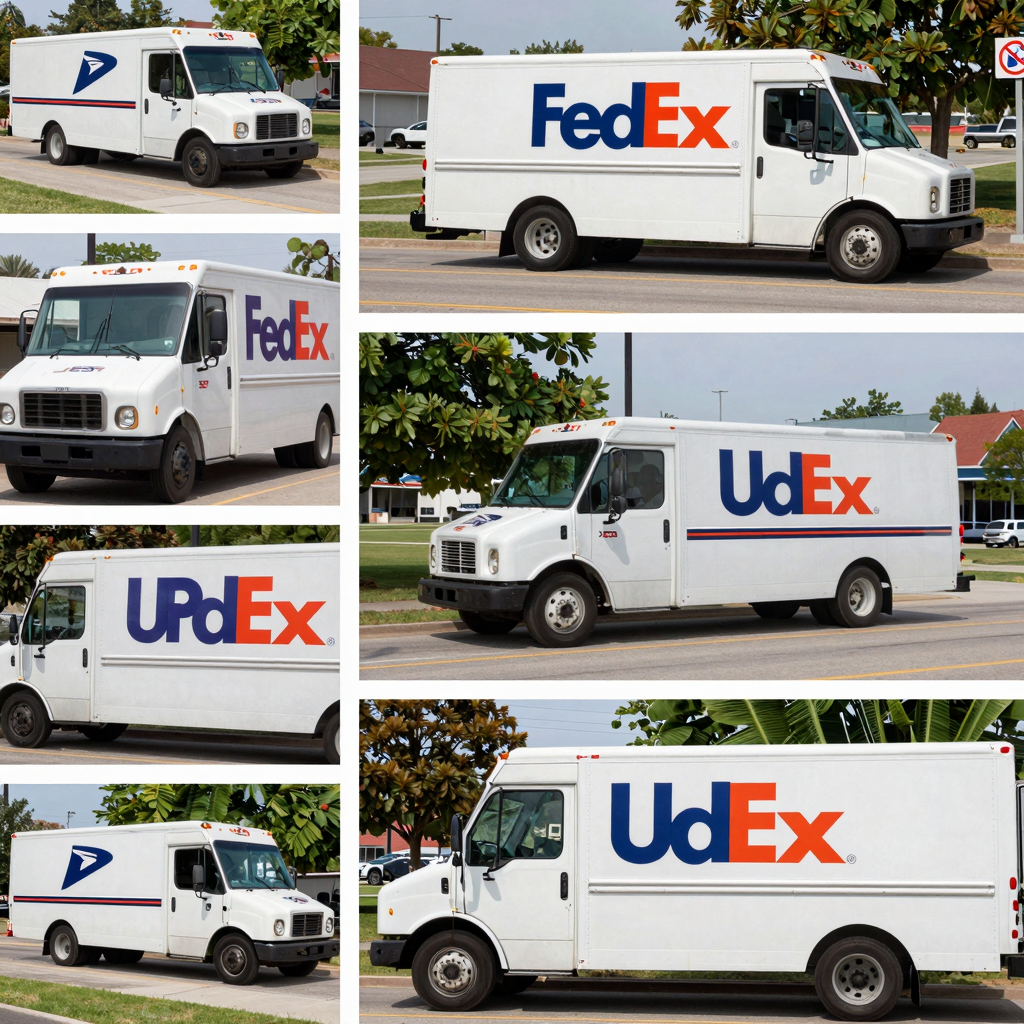
FedEx does maintain a partnership with the United States Postal Service (USPS), but it is important to clarify that FedEx does not use USPS’s trucks or planes for its transportation needs. Instead, this collaboration primarily involves USPS handling last-mile deliveries in certain rural and remote areas where USPS has an established infrastructure. FedEx operates its own robust fleet of aircraft and ground vehicles, ensuring control over its extensive logistics network. This distinction matters greatly for businesses that rely on consistent delivery service quality and timelines.
Understanding whether FedEx utilizes USPS transportation assets helps businesses assess the logistics partners they engage with and optimize their shipping strategies. In an industry where supply chain disruptions can lead to significant financial impacts, knowing the roles played by FedEx and USPS can guide companies in making informed decisions on shipping options. For deeper insights into the broader industry dynamics affecting trucking and logistics, you may find valuable information on key economic trends impacting the trucking industry useful.
This article will explore the nature of the FedEx and USPS relationship, debunk common misconceptions, and highlight the implications for businesses dependent on efficient shipping and distribution networks.
FedEx and USPS Relationship: A Strategic Partnership in Logistics
FedEx and the United States Postal Service (USPS) maintain a unique and strategic working relationship that significantly enhances logistics efficiency across the country. This collaboration allows both entities to leverage their strengths, providing comprehensive shipping solutions that benefit a wide range of customers, including manufacturing and distribution companies, retail and e-commerce businesses, construction firms, and small business owners.
At the core of this relationship is FedEx’s reliance on the USPS’s extensive last-mile delivery network. FedEx ships packages primarily through its ground network or air freight services, but USPS handles the final leg of delivery in many residential areas. This arrangement is especially beneficial in delivering to rural or harder-to-reach locations, where USPS already has established delivery routes and infrastructure.
This partnership is formally part of FedEx SmartPost, a shipping service designed to combine FedEx’s speed and reliability with USPS’s unparalleled reach. FedEx transports packages over long distances via its planes and trucks, then hands them off to USPS for final delivery. This symbiosis not only streamlines the logistics process but also reduces shipping costs and transit times for customers.
The benefits to shipping customers are numerous:
- Cost Efficiency: By utilizing USPS’s delivery trucks and planes for the last-mile segment, FedEx can offer competitive rates for lightweight, residential shipments.
- Expanded Reach: Customers benefit from USPS’s ability to reach nearly every address in the United States, including PO boxes and remote areas.
- Improved Delivery Speed: FedEx’s robust air and ground networks ensure fast transportation to regional USPS hubs, accelerating overall delivery times.
- Enhanced Reliability: The partnership combines the operational expertise of both companies, ensuring packages are handled with care and delivered on time.
This complementary relationship exemplifies how collaboration within the logistics industry can drive efficiency and enhance customer service. For businesses navigating complex shipping needs, understanding this dynamic is key to optimizing supply chain operations and ensuring customer satisfaction.
For more insights on logistics and transportation trends that may impact your shipping strategies, consider exploring our discussion on key economic trends impacting the trucking industry.
| Service Type | Delivery Time (2023) | Cost (2023) | Tracking Features (2023) | Insurance Options (2023) |
|---|---|---|---|---|
| FedEx Express Saver® | 3-5 business days (domestic) | $10.95-$25.00 (varies by weight, distance, and service level) | Real-time tracking with delivery confirmation, estimated delivery time, and optional signature requirement | Up to $100 in coverage; additional insurance available for higher-value items |
| FedEx Standard Overnight® | Next business day (domestic) | $30.00-$50.00 (depending on package size and destination) | Full tracking with delivery confirmation, signature confirmation, and real-time updates | Up to $100 standard; additional insurance available up to $10,000 |
| FedEx Ground® | 3-5 business days (domestic) | $8.00-$20.00 (based on zone, weight, and dimensions) | Tracking with delivery confirmation and status updates via FedEx website or app | Up to $100 standard; extra insurance available |
| USPS Priority Mail® | 1-3 business days (domestic) | $7.95-$26.00 (based on size, weight, and destination zone) | Free tracking with delivery confirmation and real-time updates | Up to $500 in insurance (included for packages over $25); additional insurance available |
| USPS First-Class Package Service® | 1-3 business days (domestic) | $0.60-$10.00 (based on weight and size) | Basic tracking (available at no extra cost for some packages) | Up to $200 in insurance (optional) |
| USPS Express Mail® | 1-2 business days (domestic) | $28.00-$45.00 (varies by weight and location) | Full tracking with delivery confirmation, signature option, and real-time alerts | Up to $100 standard; additional insurance available up to $5,000 |
Sources:
Recent Statistics on Shipping Usage by FedEx and USPS
In the competitive landscape of shipping, data from FedEx and USPS provides critical insights into parcel volumes and trends shaping the e-commerce market. According to available statistics, both FedEx and USPS have exhibited steady growth in their package volumes over the past few years.
FedEx Shipping Statistics
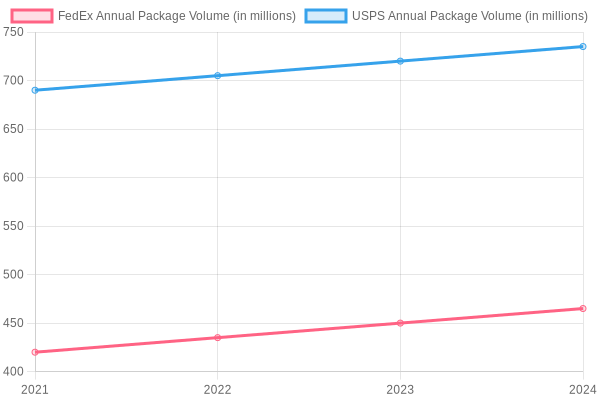
- In 2021, FedEx reported an annual package volume of 420 million. This number increased to 435 million in 2022 and is projected to reach 450 million by 2023. Projections suggest a continued upward trend, with volumes likely hitting 465 million in 2024.
- This increase highlights FedEx’s adaptation to the growing demand for shipping solutions in e-commerce and other industries.
USPS Shipping Statistics
- The USPS has similarly shown resilience, with reported package volumes growing from 690 million in 2021 to 705 million in 2022 and an estimated 720 million in 2023. Further growth is expected, reaching 735 million in 2024.
Comparative Data
The following table summarizes the annual package volume (in millions) for both carriers:
| Year | FedEx Annual Package Volume | USPS Annual Package Volume |
|---|---|---|
| 2021 | 420 | 690 |
| 2022 | 435 | 705 |
| 2023 | 450 | 720 |
| 2024 | 465 | 735 |
Source: FedEx Annual Report 2023, USPS Annual Financial Reports, U.S. Department of Transportation
E-commerce Market Trends
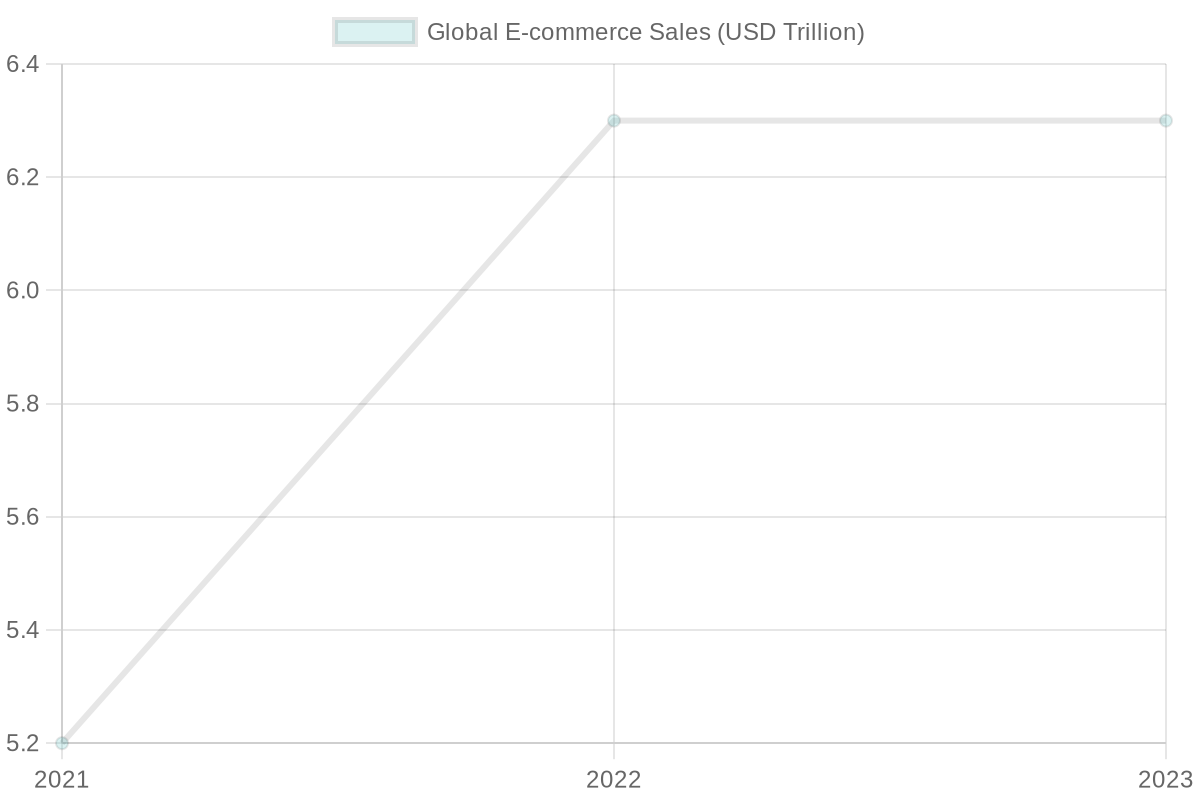
The e-commerce sector has experienced significant shifts, reflected in shipping volume and methodologies. Global e-commerce sales reached approximately $6.3 trillion in 2022, stabilizing at this level into 2023, up from $5.2 trillion in 2021. This growth indicates a strong and persistent demand for efficient shipping solutions, emphasizing the necessity for carriers to optimize their services.
Furthermore, industry reports indicate:
- As of 2023, 20.8% of all global retail purchases were facilitated online, continuing the trend of increasing digital shopping.
- With rising costs and macroeconomic conditions, businesses are focusing on negotiating shipping rates and exploring multiple carrier partnerships to manage expenses effectively.
In summary, the shipping landscape, dominated by FedEx and USPS, is experiencing positive growth trends driven largely by the e-commerce boom. Understanding these metrics allows businesses to navigate shipping needs and logistics more effectively.
Learn more about economic impacts on the trucking industry and trends affecting logistics management.
Customer Experiences with FedEx and USPS
When businesses rely on timely deliveries, feedback from other customers regarding carrier services plays a crucial role in decision-making. Customer experiences with FedEx and USPS have varied, especially regarding reliability and service levels.
FedEx Customer Testimonials
Many users of FedEx express satisfaction with the reliability of their services. A reviewer on AfterShip noted:
“FedEx has been extremely reliable in delivering my packages on time, with only a few mishaps over the last few years. Their tracking system is detailed, allowing me to keep an eye on my shipments every step of the way.”
However, FedEx does encounter occasional criticisms. A survey on Trustpilot reflects this:
“The delivery times can sometimes be inconsistent. I’ve had instances of delays that caused issues for my business, but customer service was quick to respond to my queries.”
USPS Customer Testimonials
Conversely, USPS has garnered feedback that highlights its strengths in affordability but also some frustrations with delays. A manager sharing insights on Indeed.com stated:
“While USPS is affordable, it can be hit-or-miss in terms of delivery speed. I appreciate their service for less critical shipments but prefer FedEx for urgent deliveries.”
Numerical data showcases this sentiment as well. The National Package Services Performance for USPS was 97.2% in reliability during 2025. This underscored USPS’s promise of dependable service, despite occasional delays.
In summary, both FedEx and USPS offer unique advantages that cater to different shipping needs. Businesses must consider factors like urgency, budget, and service reliability to choose the best option for their shipping requirements.
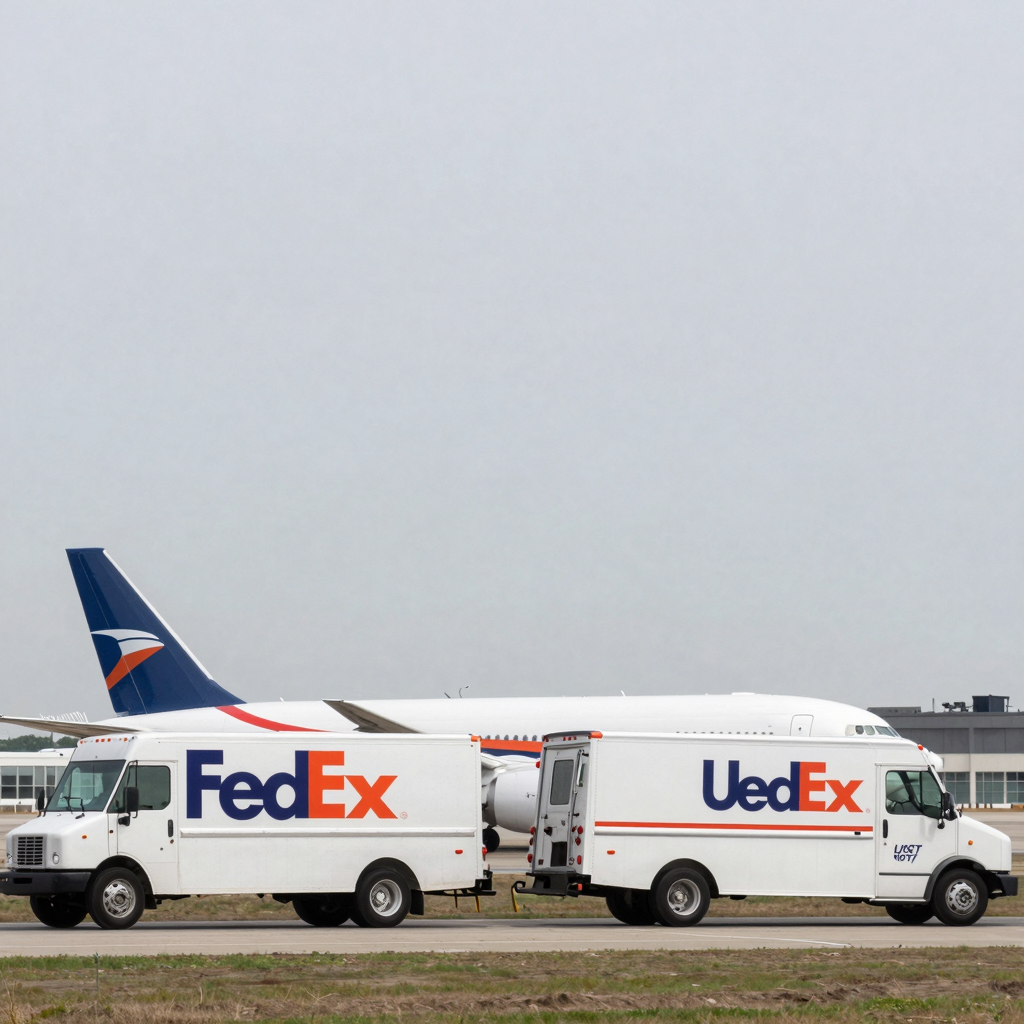
The partnership between FedEx and the U.S. Postal Service (USPS) plays a significant role in shaping the shipping landscape for small businesses. Their collaboration offers operational benefits as well as challenges, particularly in the realm of e-commerce and product distribution.
Operational Benefits
- Cost Efficiency:
- FedEx provides specialized services for small businesses, such as FedEx Ground Economy, which offers lower shipping rates for non-urgent packages by utilizing USPS for the final delivery leg. This can significantly lower shipping costs without sacrificing overall delivery speed, allowing small businesses to price competitively in their markets (source).
- Expanded Reach:
- The combined networks of FedEx and USPS allow small businesses to reach a broader customer base. By leveraging USPS’s extensive domestic reach, particularly in rural areas, FedEx enables small enterprises to ship products effectively across the nation. This partnership makes it easier for businesses to meet customer expectations for fast and reliable shipping.
- Streamlined Logistics:
- FedEx enhances operational logistics for small businesses by providing integrated services and tracking systems. The ability to track shipments through both FedEx and USPS systems helps businesses manage logistics efficiently, reducing the chances of lost packages and improving customer satisfaction (source).
Challenges
- Service Limitations:
- While the partnership brings many benefits, it does present challenges. For instance, while USPS generally provides lower rates for smaller packages, FedEx’s shipping charges can be higher, especially for express services. Small businesses need to navigate these fluctuating rates and understand when to use each service effectively to manage their overall shipping costs.
- Complexity in Operations:
- The integration of two distinct systems often leads to complexities in operations. Small businesses may struggle with understanding USPS service adjustments, price changes, and delivering services consistently during peak seasons. For example, recent increases in USPS rates can compel businesses to reassess their shipping strategies (source).
- Competition and Market Adaptation:
- As USPS focuses on enhancing its small package delivery services, small businesses that depend on fast, affordable shipping may find themselves caught in a competitive struggle with larger express shipping services. They must adapt swiftly to market demands and pricing strategies to maintain their market position and service offerings.
The interplay between FedEx and USPS deeply impacts small business operations, providing both opportunities and challenges. To thrive in this dynamic environment, small business owners must stay informed about service options, pricing changes, and market trends that could affect their shipping processes.
For deeper insights into current economic trends impacting the trucking and logistics industry, learn more here.
With the proper knowledge and resource utilization, small business owners can leverage these services effectively to enhance their operational capabilities and overall customer satisfaction.
Shipping Costs Comparison: FedEx vs USPS
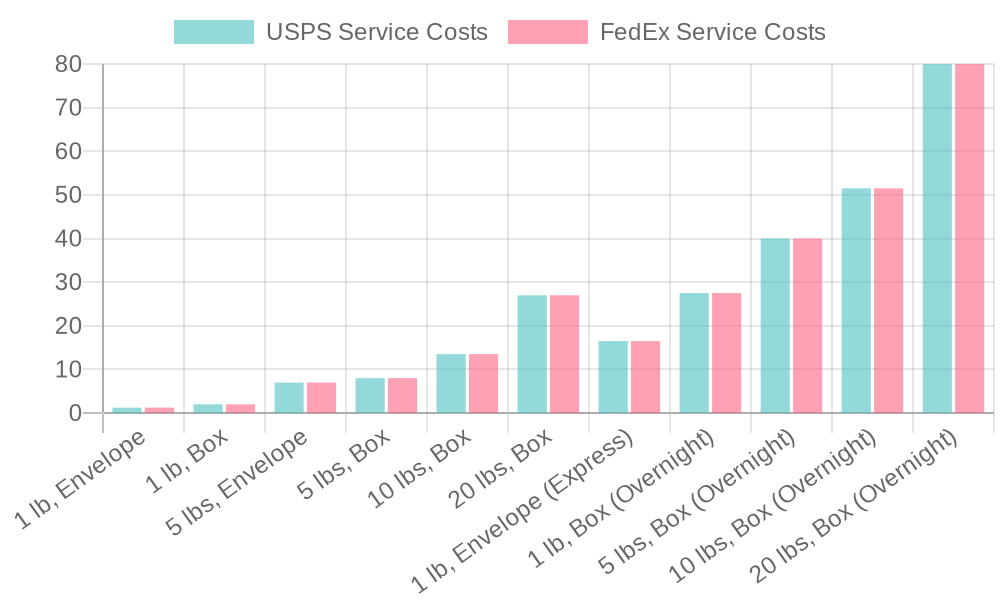
In the competitive landscape of shipping, understanding the cost differences between services like FedEx and USPS is crucial for businesses. This comparison will highlight the costs associated with various package weights and sizes. The data illustrated in the chart below is key for manufacturing, distribution, and e-commerce businesses when deciding shipping strategies.
Cost Comparison Chart
| Package Weight & Size | USPS Service | FedEx Service | Approximate Cost (USD) |
|---|---|---|---|
| 1 lb, Envelope | First-Class Mail | FedEx Ground Service | $0.98 – $1.50 |
| 1 lb, Box | First-Class Package Service | FedEx Ground Service | $1.50 – $2.50 |
| 5 lbs, Envelope | Priority Mail | FedEx Ground Service | $6.50 – $8.50 |
| 5 lbs, Box | Priority Mail | FedEx Ground Service | $7.00 – $9.00 |
| 10 lbs, Box | Priority Mail | FedEx Ground Service | $12.00 – $15.00 |
| 20 lbs, Box | Priority Mail | FedEx Ground Service | $24.00 – $30.00 |
| 1 lb, Envelope | First-Class Mail | FedEx Express Saver (2-5 days) | $15.00 – $18.00 |
| 1 lb, Box | First-Class Package Service | FedEx Standard Overnight (Next Day) | $25.00 – $30.00 |
| 5 lbs, Box | Priority Mail | FedEx Standard Overnight (Next Day) | $35.00 – $42.00 |
| 10 lbs, Box | Priority Mail | FedEx Standard Overnight (Next Day) | $48.00 – $55.00 |
| 20 lbs, Box | Priority Mail | FedEx Standard Overnight (Next Day) | $75.00 – $85.00 |
Note:
For further insights into the impact of shipping strategies on your business, consider reading about key economic trends impacting the trucking industry and exploring navigating tariff uncertainty strategies for shippers.
Conclusion and Key Takeaways
In conclusion, the relationship between FedEx and the United States Postal Service (USPS) has created a more efficient and consumer-focused shipping landscape. This synergy benefits both shipping-dependent businesses and end consumers in several ways:
-
Complementary Services: FedEx and USPS offer services that complement each other. FedEx excels in expedited shipping and tracking for urgent deliveries, while USPS provides reliable and cost-effective solutions, particularly for lightweight packages and shipments to rural areas.
-
Cost Efficiency: Businesses, especially those engaged in e-commerce, can leverage USPS’s competitive pricing for smaller parcels, making it easier to manage shipping costs effectively. By utilizing USPS’s Ground Advantage, companies gain access to discounted rates based on package size, which is particularly beneficial for businesses shipping small but heavy items.
-
Broad Coverage: USPS boasts extensive coverage across even the most remote locations in the United States. This makes USPS an essential partner for businesses looking to reach all customers without incurring additional fees or challenges. By using USPS in conjunction with FedEx, businesses can create a versatile shipping strategy that addresses diverse shipping needs.
-
Consumer Benefits: Consumers enjoy faster shipping options with FedEx for time-sensitive deliveries, while also having access to cost-effective solutions from USPS for less urgent items. This dual flexibility significantly improves customer satisfaction and retention.
Overall, the collaboration between FedEx and USPS not only enriches the shipping experience for consumers but also provides businesses with essential tools to optimize their logistics strategies. As consumer demands continue to evolve, leveraging these services will remain vital for success in the shipping-dependent marketplace. For those interested in learning more about the economic impacts on the trucking industry and shipping logistics, check out our discussion on key economic trends impacting the trucking industry.
Additionally, small businesses can benefit from understanding how navigating tariff uncertainties may affect their shipping decisions moving forward.
Explore Summit Fairings: Your Reliable Shipping Partner
In the world of biking, having access to quality parts and timely deliveries is crucial. Summit Fairings stands out as a trusted provider who understands the importance of reliable shipping, ensuring that every component gets to you without delay. Whether you are part of a manufacturing and distribution company, involved in retail, or running a small business with specific shipping needs, our services cater perfectly to your requirements.
In a market where every minute counts, we prioritize expedient shipping, allowing bikers and businesses alike to maintain momentum and meet their deadlines. Our strategic partnerships and logistics systems ensure that you receive your products when expected.
Don’t compromise on quality or reliability. Visit our website today to explore our diverse shipping options tailored to meet your specific biking needs. Embrace the assurance of timely deliveries with Summit Fairings, where every shipment counts!
Why Reliable Shipping Matters
- Timeliness: Stay on schedule and meet project deadlines
- Quality Assurance: Get the right parts to ensure safety and performance
- Customer Satisfaction: Keep customers happy with quick service
Summit Fairings is committed to providing exceptional shipping solutions. Contact us today and experience the difference!