

Introduction to Service Truck Leasing
In today’s fast-paced business environment, service truck leasing has emerged as a pivotal strategy for companies seeking flexibility and efficiency. This approach allows businesses-from manufacturing and distribution to retail and e-commerce-to access high-quality trucks without the hefty upfront costs. With leasing, companies can adapt to changing demands while maintaining a modern fleet that ensures reliability in customer service.
But why should businesses consider leasing? The benefits are substantial: conserving capital, reducing maintenance headaches, and having the latest technology at their fingertips. Moreover, as industry requirements evolve, partnering with top leasing companies can provide the necessary support in navigating logistical challenges.
As businesses strive to stay competitive, understanding the nuances of leasing becomes essential. Join us as we explore the leading service truck leasing companies that can empower your operational success.
Leasing service trucks can be a strategic choice for businesses across various industries, including manufacturing, retail, construction, and small business operations. Here are some noteworthy benefits:
-
Cost Savings: Leasing service trucks often results in lower upfront costs compared to purchasing. This allows businesses to allocate capital for other essential operations or investments. According to the data from Fleet Owner, businesses can achieve substantial savings by avoiding major, unplanned repair expenses through leasing agreements.
-
Predictable Budgeting: With fixed monthly lease payments, businesses can budget more accurately. This reduces cash flow uncertainty associated with ownership-where unexpected repair costs can arise.
-
Access to New Technologies: Leasing enables companies to utilize newer, more fuel-efficient vehicles without a long-term commitment. This is crucial in industries where technology regularly advances, ensuring fleets remain competitive-especially significant for e-commerce logistics (FleetOwner Magazine).
-
Reduced Maintenance Responsibilities: Most leasing agreements include comprehensive maintenance services, which relieve businesses of the administrative burden linked to repairs and maintenance. This allows companies to focus on core operational tasks instead of vehicle upkeep.
-
Flexibility and Scalability: Leasing allows businesses to adapt their fleets based on changing needs, such as peak seasons or fluctuating demand. This flexibility is particularly beneficial for industries like construction and retail (Transport Topics).
-
Tax Benefits: Lease payments can often be fully deducted as business expenses, which can significantly reduce a company’s taxable income. This advantage serves as a financial incentive to consider leasing over purchasing.
-
Avoiding Depreciation Risks: When companies lease, they do not bear the risk of vehicle depreciation, which can significantly impact the resale value of owned trucks. Leasing simplifies fleet management by mitigating these financial risks.
-
Streamlined Operations: Leasing can streamline operational processes by providing a standardized fleet of vehicles, often equipped with the latest safety and telematics features. This consistency aids in ensuring high service levels across teams.
In conclusion, leasing service trucks offers multiple advantages, from financial flexibility and tax savings to reduced maintenance duties and the ability to stay abreast of industry advancements. For businesses exploring options, embracing a leasing strategy can facilitate long-term success and operational efficiency.
For further insights about the impact of current economic trends on the trucking industry, learn more here.
Choosing the right leasing company for service trucks is crucial for businesses in manufacturing, distribution, retail, e-commerce, and construction sectors. Here are essential criteria to consider:
1. Reputation and Reliability
- Company Track Record: Investigate the leasing company’s history and reputation in the industry. Look for customer reviews, testimonials, and ratings that reflect their service quality.
- Industry Experience: A firm with extensive experience is likely to have developed robust operational practices and relationships with manufacturers which can translate into better service and reliability.
- Accreditations: Check if the leasing provider is affiliated with any professional organizations that ensure compliance with certain standards.
2. Customer Service
- Accessibility: Evaluate how easily you can reach their customer service. A responsive support team is vital for addressing issues promptly.
- Personalization: Look for a company that offers tailored leasing solutions to meet your specific business needs, from vehicle types to financing options.
- After-Sales Support: Investigate the level of support you will receive post-lease, including vehicle maintenance and customer feedback mechanisms.
3. Lease Terms and Flexibility
- Lease Duration Options: Consider the flexibility in lease terms. Some companies might offer short-term leases that can adapt to seasonal demand, while others focus on long-term contracts.
- Payment Structure: Understand the payment terms, including any upfront costs, monthly payments, and any hidden fees. A clear and transparent pricing model is essential to avoid unexpected expenses.
- End-of-Lease Options: Inquire about options at the end of the lease term such as purchase prices, renewal conditions, or trade-in possibilities.
4. Fleet Quality and Vehicle Selection
- Age and Maintenance of Vehicles: Ensure the fleet comprises well-maintained vehicles that meet safety and regulatory standards. Older fleets may incur higher maintenance costs.
- Variety of Options: A good leasing company should offer a range of truck models and configurations that suit different operational needs, from light-duty trucks to heavy-duty options.
- Technological Features: With the growing importance of efficiency and communication, consider companies that provide modern vehicles equipped with advanced technology for better tracking and operations.
5. Financial Viability and Terms
- Competitive Rates: Compare lease rates among different companies to ensure you get the best deal. Take into account the overall value over just the quote price.
- Credit Policies: Understand their credit approval criteria, which can affect the lease’s overall cost and your business’s cash flow.
In conclusion, selecting a service truck leasing company requires careful consideration of factors such as reputation, customer service, lease flexibility, fleet quality, and financial terms. Businesses should thoroughly research and weigh these elements against their operational needs to make an informed decision. For additional insights on the impact of current events in the trucking industry, you may learn more about economic trends.
| Company | Pricing (Monthly) | Lease Options | Customer Reviews (App Store/Google Play) | Additional Services |
|---|---|---|---|---|
| Penske Truck Leasing | $1,500 – $4,000+ | Long-term leases, short-term rentals, full-service leasing, used trucks, fleet maintenance, technology solutions (Fleet Insight app) | 4.6 (Fleet Insight App), 4.2 (Driver App), 3.7 (Rental App) | Real-time fleet tracking, roadside assistance, ELD compliance (via Driver App), digital DVIRs, invoice approval, fuel price access, EV charging location finder |
| Ryder | $1,800 – $5,000+ | Long-term and short-term leases, managed services, full-service leasing, rental options, vehicle maintenance, fleet management software (Ryder Fleet Management) | 4.5 (Ryder Mobile App) | Comprehensive fleet management, maintenance and repair, driver safety programs, telematics, insurance solutions, dedicated account managers |
| Enterprise Truck Rental | $150 – $350 per day | Short-term rentals, long-term leases (for business customers), rental trucks of all sizes | 4.3 (Enterprise Truck Rental App) | 24/7 roadside assistance, online reservation system, mobile check-in, damage waiver, towing service, convenient pickup/drop-off locations |
| Budget Truck Rental | $120 – $250 per day | Short-term rentals, some long-term lease options for businesses | 3.9 (Budget Truck Rental App) | 24/7 roadside assistance, online reservations, mobile check-in, flexible rental periods, discount programs |
| U-Haul | $20 – $100 per day | Short-term rentals, long-term leases for business customers, truck and trailer rentals | 4.1 (U-Haul App) | Free moving supplies, online moving guides, 24/7 roadside assistance, mobile check-in, multiple pickup/drop-off locations, U-Haul Moving & Storage Centers |
Note: Pricing is indicative and subject to change based on region, equipment, duration, and specific contract terms. Customer review ratings are based on data from the Apple App Store and Google Play as of May 2026.
Top Service Truck Leasing Companies
In the realm of logistics and transportation, service truck leasing is a pivotal aspect for many businesses. Whether a company is in manufacturing, retail, e-commerce, or construction, finding the right leasing partner can significantly impact operational efficiency and overall bottom line. Here are four major service truck leasing companies, their offerings, market positions, and customer feedback.
1. Penske Truck Leasing
Penske Truck Leasing stands out as a leader in the commercial truck leasing market. Offering a comprehensive suite of services, including vehicle leasing, logistics solutions, and fleet management, Penske caters to businesses needing flexible transportation solutions.
Market Position: Penske’s market dominance stems from its extensive network and strong customer support, recognized for reliability and performance.
Customer Feedback: Employees often praise Penske for its collaborative work environment and robust training programs, contributing to overall job satisfaction (Indeed).
2. Ryder System, Inc.
Ryder specializes in comprehensive fleet management solutions encompassing truck leasing, rental, and logistics services.
Market Position: With a substantial fleet size, Ryder services a wide array of industries, establishing itself as a top contender for businesses seeking end-to-end logistics support.
Customer Feedback: According to employee reviews, Ryder is recognized for its competitive compensation packages and benefits, although some employees cite challenges with work-life balance (Indeed).
3. Idealease, Inc.
Positioned as a full-service provider, Idealease offers a wide range of leasing and rental solutions focused on meeting client-specific needs.
Market Position: Idealease is highlighted for its reliability and operational efficiency, building strong partnerships with manufacturers, which enhances its service offerings.
Customer Feedback: Employee reviews indicate a positive work culture and solid benefits, although opportunities for advancement could be limited (Glassdoor).
4. Rush Truck Leasing
With the largest network of commercial vehicle dealerships in North America, Rush Truck Leasing has expanded its services to include comprehensive leasing options and maintenance plans.
Market Position: Rush’s diverse offerings and commitment to innovation, particularly in electric vehicle technology, position it strongly in the market.
Customer Feedback: Reviews on employee satisfaction reflect mixed opinions on work-life balance, highlighting competitive compensation packages alongside concerns about long hours (Glassdoor).
Conclusion
Leasing service trucks can offer manufacturing, distribution, and construction businesses significant advantages, such as cost savings on maintenance, improved cash flow, and enhanced operational flexibility. Choosing the right leasing company ultimately depends on the specific needs of the business, but companies like Penske, Ryder, Idealease, and Rush Truck Leasing provide strong options backed by solid reputations and customer service.
Summary of Customer Reviews for Top Service Truck Leasing Companies
Understanding customer feedback is essential for evaluating the reputation and reliability of service truck leasing companies. Below is a summary of reviews for leading companies in this sector based on recent customer satisfaction data:
1. Penske Truck Leasing
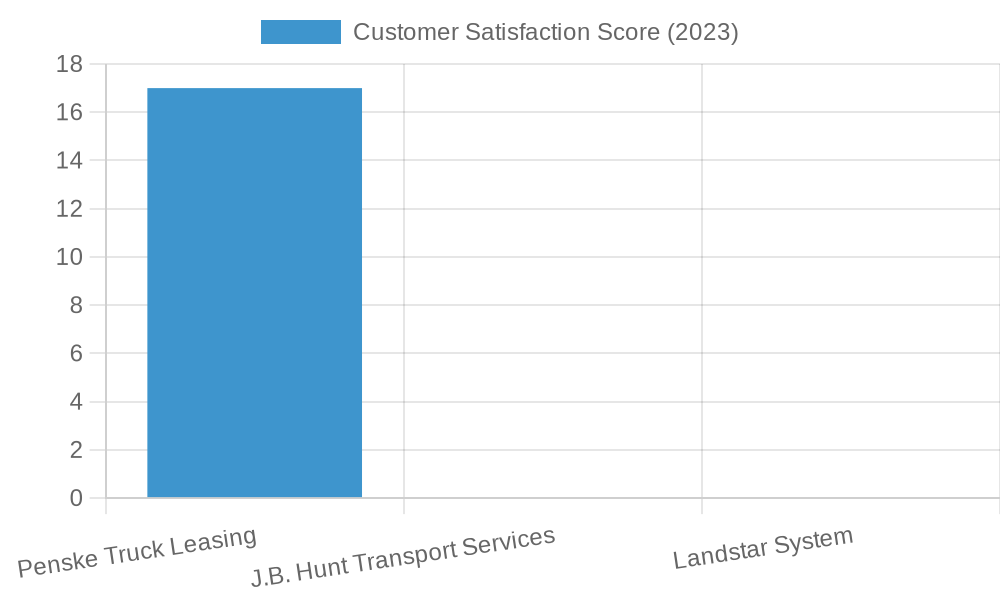
Penske Truck Leasing garnered a customer satisfaction score of 17 points among users who utilized their services for less than one year. This reflects a solid reputation among its clientele, particularly for its efficient service and reliable truck availability. While specific detailed reviews are less common, the overall feedback suggests a high level of trust in their offerings. Penske’s success in the industry is evidenced by its consistent recognition as a top choice for both personal and commercial renting needs.
2. J.B. Hunt Transport Services
While specific Net Promoter Scores (NPS) or customer satisfaction metrics were not identified for J.B. Hunt in the data reviewed, the company is noted for its commitment to sustainability and operational excellence. Customers often appreciate their proactive approach to logistics and freight management. The absence of direct ratings does not undermine their longstanding presence and influence in the trucking sector, making them a dependable alternative in service truck leasing.
3. Landstar System
Similar to J.B. Hunt, direct customer satisfaction scores were not available for Landstar System. However, their reputation in the industry remains strong due to ongoing successful revenue growth. Clients frequently acknowledge their extensive network of independent owners and operators, contributing to diverse service offerings. Although specific satisfaction figures are lacking, customer trust appears to reflect positively on Landstar’s operational ethos.
Conclusion
Overall, Penske Truck Leasing appears to lead in measurable customer satisfaction, while J.B. Hunt and Landstar System showcase strong reputations backed by operational success and reliability. For businesses seeking leasing services, considering customer feedback and leasing experiences with these companies can greatly inform their decisions.
For more insights about economic trends impacting the trucking industry, learn more about key economic trends.
Leasing vs. Buying Service Trucks: A Comparative Analysis
When considering how to acquire a service truck, businesses face two primary options: leasing and buying. Each option has its distinct advantages and disadvantages that can significantly impact a company’s financial health and operational flexibility. Below, we delve into the pros and cons of leasing versus buying service trucks, providing a well-rounded view tailored for manufacturing, distribution, retail, and construction firms.
Pros of Leasing Service Trucks
-
Lower Upfront Costs: Leasing a service truck typically requires a lower initial investment than purchasing outright. According to Equipment World, businesses may reduce their upfront capital expenditure by approximately 40% when choosing to lease. This is especially beneficial for small businesses with limited cash flow who wish to maintain liquidity for operational expenses.
-
Tax Benefits: Lease payments can often be deducted as a business expense, leading to significant tax savings for companies. This potential advantage allows firms to free up capital that can be reinvested into other areas of the business. Learn more about financial strategies.
-
Latest Technology and Features: Leasing allows businesses to access the latest truck models, which often come with advanced safety and fuel efficiency features. With newer technology, companies can improve productivity and reduce operational costs over time.
-
Maintenance and Repair Coverage: Most lease agreements include maintenance services, which means businesses can enjoy reduced unexpected repair costs-typically a 31% reduction-as most servicing is covered during the lease term.
Cons of Leasing Service Trucks
-
Higher Long-term Costs: While leasing presents lower initial costs, it can be more expensive in the long run. Over a 5-year period, lease payments can amount to 25-35% more than the purchase price of a comparable used truck, which can significantly affect overall profitability.
-
No Equity or Asset Ownership: Leasing does not allow businesses to build equity. At the end of the lease, firms must return the truck without any residual asset value, whereas owners can sell or trade their acquired trucks, potentially recouping some of the costs.
Pros of Buying Service Trucks
-
Asset Ownership: Purchasing a service truck allows companies to own the vehicle outright, leading to potential equity buildup and asset appreciation. This is particularly advantageous for businesses that intend to use the truck long-term without the constraints of a lease agreement.
-
No Mileage Restrictions: Owners are free to use their trucks without concern for mileage overages or lease-end penalties. This flexibility is crucial for businesses with high transportation demands or variable workloads.
-
Greater Customization: Owners have complete control over modifications and customizations. This capability can enhance operational efficiency and align more closely with specific business needs.
Cons of Buying Service Trucks
-
Higher Upfront Costs: Buying requires a substantial initial investment, which can drain cash reserves and limit cash flow for other operational needs, making it less appealing for small enterprises or those facing economic uncertainty.
-
Depreciation Risks: Trucks depreciate quickly, particularly within the first three years, which means owners face potential losses if they decide to sell or trade their asset in the future. This depreciation risk necessitates careful consideration, especially for businesses in fluctuating markets.
Conclusion
Ultimately, the decision to lease or buy a service truck hinges on a company’s specific needs, financial situation, and long-term strategy. While leasing offers flexibility and lower initial costs, buying provides the advantage of asset ownership and equity. Firms should assess their operational demands and financial health to make an informed choice that aligns with their business goals. For insights into the latest trends in service truck leasing, check out this 2023 Truck Leasing Industry Report.
In conclusion, leasing trucks presents a compelling option for businesses looking to optimize their operations while managing costs effectively. With flexible financial arrangements, leasing allows companies to access the latest truck models without the hefty upfront costs of purchase. This can significantly benefit manufacturing, distribution, and e-commerce firms, especially when considering the current economic trends impacting the trucking industry. Leasing also helps businesses adapt quickly to changing demands without the burden of long-term commitments. Furthermore, it provides the opportunity to maintain a fleet of up-to-date vehicles that comply with regulatory standards, reducing the risks associated with outdated equipment. As you contemplate your company’s transportation needs, consider reaching out to reputable leasing companies and exploring how leasing could align with your strategic goals. For further insights on relevant economic trends, check our article on key economic trends impacting the trucking industry and navigating tariff uncertainty.
According to Dr. Elena Martinez, logistics strategist at the Center for Supply Chain Innovation, “Leasing shifts the burden of obsolescence and maintenance from the business to the lessor. This allows fleet operators to focus on service delivery, not repair schedules.” This insight underscores the practical benefits of service truck leasing, particularly in relieving companies from the hidden costs and operational burdens associated with truck ownership.