
In today’s fast-paced business environment, the importance of servicing diesel trucks cannot be overstated. For industries ranging from manufacturing and distribution to construction and transportation, the optimal performance of diesel trucks is critical to maintaining operational efficiency and meeting delivery timelines. The query, “where to service my diesel truck,” emerges as a pressing concern for many small business owners and fleet managers seeking reliable maintenance solutions. Proper servicing not only extends the lifespan of these vital vehicles but also enhances fuel efficiency, reducing overall operational costs. Throughout this article, we will delve into best practices for diesel truck maintenance, explore the key components that should be regularly inspected, and guide you on selecting the right service provider for your needs. Understanding the urgency of these maintenance protocols is crucial-after all, downtime can lead to lost revenue and diminished customer trust. Learn more about the impact of tariffs on heavy trucks as we dive deeper into the intricacies of maintaining your diesel trucking fleet.
Common Problems with Diesel Trucks
Diesel trucks are vital in various industries, yet they are susceptible to several common issues that often require professional servicing. Here’s a list of typical problems that fleet managers and business owners should watch for:
-
Fuel System Problems: Diesel engines face issues related to fuel contamination, which can clog filters and injectors. Regular fuel filter replacements are crucial for maintaining optimal performance.
-
Oil Contamination: Diesel engines can accumulate soot in the oil over time, necessitating frequent oil changes to prevent excessive engine wear and potential damage.
-
Cooling System Issues: Common problems include coolant leaks and thermostat failures, which can lead to overheating. Prompt attention to these issues is necessary to avoid severe engine damage.
-
Turbocharger Failures: The turbocharger can fail due to oil starvation or physical damage. Regular inspections can help identify issues early and prevent total turbo failure.
-
Electrical Failures: Starters, batteries, and electrical wiring may fail, causing difficulties in starting the engine. Maintaining a reliable electrical system is essential for the engine’s performance.
-
Exhaust System Problems: The exhaust system can encounter failures from soot buildup. Regular maintenance is needed to ensure that emission systems operate correctly and prevent costly repairs.
-
Air Intake and EGR Issues: Blockages in the air intake system or issues with the Exhaust Gas Recirculation (EGR) can result in reduced power and increased emissions, making routine servicing essential.
For more on optimal servicing for your diesel truck, especially in relation to tariff impacts and industry trends, read about the effects of tariffs on heavy trucks and how your fleet can thrive amid ongoing economic changes here.
When it comes to servicing diesel trucks, companies have several options, each with its own set of advantages and disadvantages. Here we explore the primary avenues: dealerships, independent garages, and mobile service providers.
1. Dealerships
Pros:
- Expertise: Dealerships typically employ technicians who are manufacturer-trained. This ensures knowledge about specific models and their common issues.
- Genuine Parts: They usually stock OEM (Original Equipment Manufacturer) parts, guaranteeing quality and performance.
- Comprehensive Services: Dealerships offer a wide range of services including diagnostics, major repairs, and routine maintenance.
Cons:
- Higher Costs: Service costs at dealerships can be significantly higher than independent options, often leading to increased operational expenses.
- Longer Wait Times: The demand for services can result in longer wait times for appointments, potentially delaying crucial maintenance and repairs.
2. Independent Garages
Pros:
- Cost-Effective: Independent garages generally have lower labor rates and overall costs compared to dealerships, making them an attractive option for many businesses.
- Flexibility: They often offer more flexible scheduling and quicker service due to less backlog.
- Personalized Service: Many independent shops pride themselves on personalized customer service and building long-term relationships with clients.
Cons:
- Variable Quality: The quality of service can vary greatly from one garage to another, so finding reputable providers is essential.
- Limited Resources: Some independent garages might lack advanced diagnostic tools or specialized parts, which can lead to delayed repairs if parts need to be ordered.
3. Mobile Service Providers
Pros:
- Convenience: Mobile service providers come to the location of the truck, minimizing downtime and transportation costs.
- Quick Response Times: They often provide immediate service for minor repairs which can be crucial for companies that rely heavily on their trucks.
- Broad Range of Services: Many mobile repair services offer a comprehensive variety of services that can be performed on-site.
Cons:
- Limited Capabilities: Mobile services might not be equipped to handle extensive repairs that require special equipment or parts.
- Quality Variation: The skill level and expertise of mobile technicians can vary, potentially leading to inconsistent service outcomes.
Conclusion
Choosing the right service option for diesel trucks involves weighing the benefits and drawbacks of each. While dealerships offer specialized services and OEM parts, independent garages can provide cost-effective solutions with personalized service. Mobile providers present the advantage of convenience but may have limitations on the scope of repairs. By assessing the specific needs of your fleet and considering key economic trends impacting the trucking industry, businesses can make informed decisions that support operational efficiency and reliability.
| Provider Name | Services Offered | Average Pricing ($) | Customer Ratings (out of 5) |
|---|---|---|---|
| National Diesel Services | Engine repair, preventive maintenance, tire service | 200 – 1200 | 4.5 |
| Local Truck Center | Full-service maintenance, body repair | 100 – 800 | 4.7 |
| Heavy Duty Mechanics | Specialized diesel diagnostics, electrical work | 300 – 1500 | 4.2 |
| Quick Stop Truck Repair | Basic oil changes, light repairs | 50 – 350 | 4.6 |
| Fleet Services Corp | Fleet management, extensive repairs | 400 – 2000 | 4.8 |
Notes:
- Services Offered: These range from basic maintenance services to extensive repairs, which means you should select providers based on the specific services you require.
- Average Pricing: These estimates vary depending on service provider reputation and geographical location. Pricing can change based on service complexity, so obtaining quotes beforehand is advisable.
- Customer Ratings: Ratings are an essential factor when deciding on a service provider. Higher ratings indicate better customer satisfaction based on service quality and reliability.
Conclusion
Selecting a diesel truck service provider requires careful consideration of services, pricing, and customer feedback. Understanding the local versus national landscape can help align your business needs with the right services, enabling efficient truck operation and maintenance.
For more insights into the impacts of tariffs on trucking, you can learn more here, or to dive deeper into the economic trends affecting the trucking industry, consider this overview.

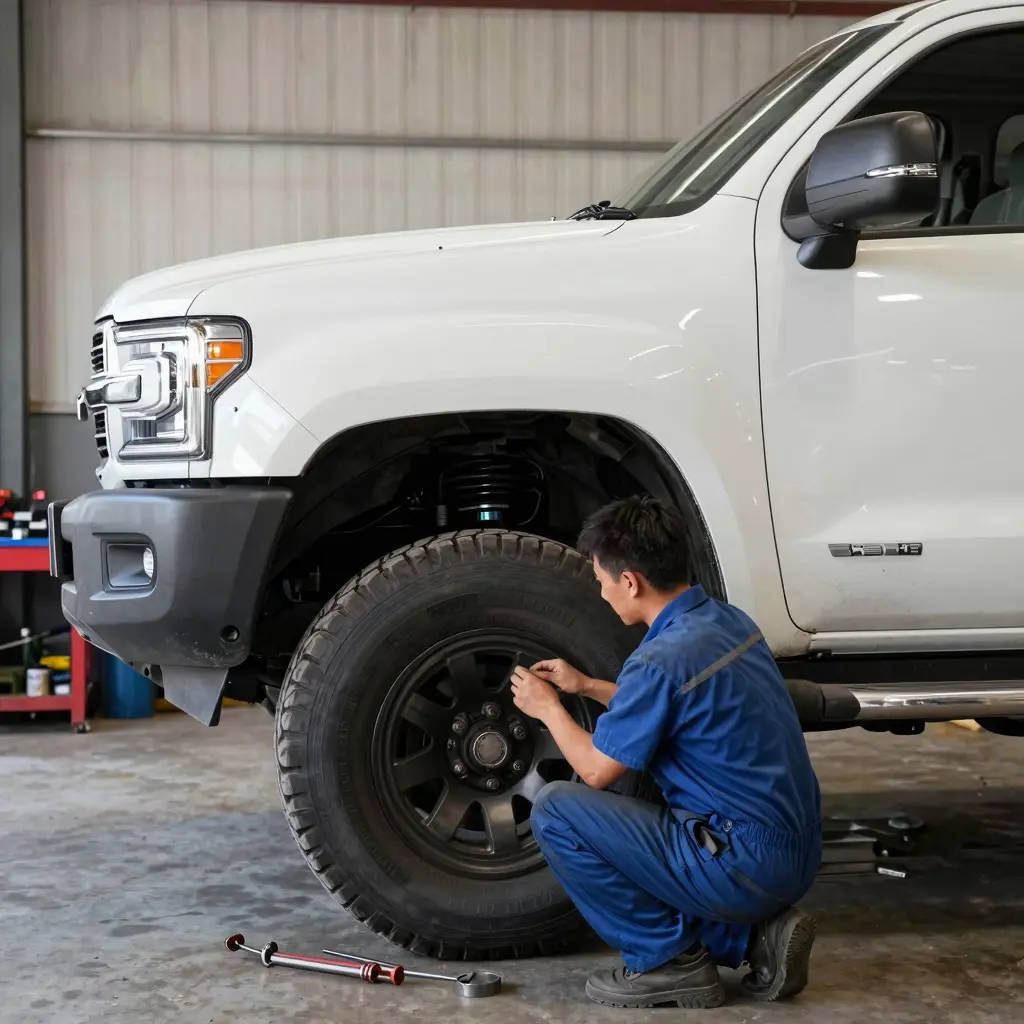
This image depicts a diesel truck undergoing service, highlighting the importance of regular maintenance for diesel vehicles. A well-maintained truck ensures efficiency and longevity, crucial for businesses in manufacturing, distribution, and construction.
The Benefits of Regular Diesel Truck Servicing
Regular servicing of diesel trucks is essential for maximizing their performance and longevity. As businesses relying on these vehicles continue to expand, understanding the long-term advantages of a consistent maintenance routine can help in making informed decisions. Here are some key benefits associated with regular diesel truck servicing:
1. Increased Lifespan
Proper maintenance extends the lifespan of a diesel truck significantly. Regular servicing helps in identifying and rectifying minor issues before they escalate into severe problems that could lead to costly repairs or even the need for a new vehicle. According to various sources, regular maintenance can add several years to the lifespan of your truck, making services like oil changes, filter replacements, and system checks essential.
2. Improved Fuel Efficiency
Fuel efficiency is critical in the trucking industry, where operational costs play a significant role in profitability. Routine servicing can enhance the fuel efficiency of diesel trucks by ensuring that the engine is running optimally. A well-serviced truck can operate with lower fuel consumption, translating into substantial savings for businesses over time. Research has shown that neglecting maintenance can lead to a 10-12% decrease in fuel efficiency, which can be detrimental to the bottom line.
3. Enhanced Safety
Safety is paramount when it comes to diesel trucks, especially in industries such as manufacturing, distribution, and construction where heavy loads are common. Regular servicing addresses key safety components, such as brakes, tires, and lights, ensuring they are functioning correctly. This proactive approach minimizes the risk of accidents, protecting both drivers and goods in transit. It enhances overall fleet safety and lowers insurance costs associated with accidents due to equipment failure.
Conclusion
Investing in regular servicing not only fosters a safer and more efficient operational environment but also strengthens a company’s long-term viability. Businesses can optimize their investments in diesel trucks and ensure that they operate at peak performance through routine maintenance.
For those looking to understand the broader implications of maintenance on the trucking industry, you can learn more about economic trends impacting trucking profits or explore the importance of investment in workforce management in trucking for sustainability in operations here.
“Regular servicing of diesel trucks is not merely a recommendation; it’s essential for maximizing engine life and performance. Neglecting routine maintenance can lead to severe breakdowns and downtime, which negatively affects operational efficiency and costs.” – Diesel Maintenance Professional
Summary
- The importance of routine servicing can be concluded from general industry observations where regular checks and maintenance prevent unexpected failures and enhance performance.
- A properly maintained truck is less likely to experience costly breakdowns, which is a priority for businesses whose operations depend on these vehicles.
For more detailed insights on truck maintenance, feel free to explore key economic trends impacting the trucking industry or familiarize yourself with the impact of tariffs on heavy trucks.
Recommended Service Intervals for Diesel Trucks
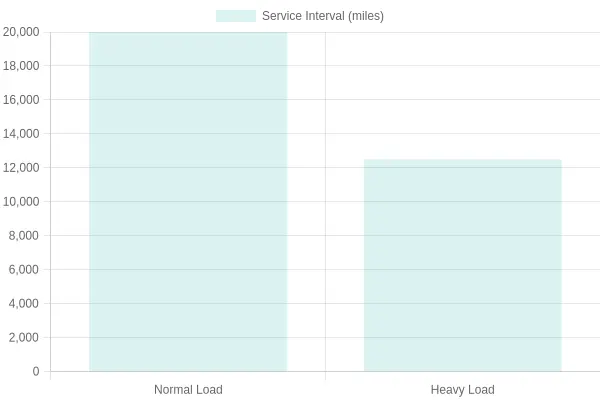
To ensure optimal performance and longevity of diesel trucks, it is crucial to adhere to recommended servicing intervals based on their usage. Below is a chart illustrating the recommended service intervals for diesel trucks operating under different load conditions:
| Load Type | Service Interval (miles) |
|---|---|
| Normal Load | 15,000 – 25,000 |
| Heavy Load | 10,000 – 15,000 |
For diesel trucks functioning under normal loads, it is generally recommended to service every 15,000 to 25,000 miles. However, for those operating under heavy loads, servicing is advised every 10,000 to 15,000 miles. Ignoring these intervals may lead to increased wear and tear, impacting both performance and safety. Regular maintenance, such as oil changes and filter replacements, is essential for maintaining efficiency and reliability, particularly under heavy-duty conditions.
For more information on the trucking industry and trends affecting operations, learn more about the economic trends impacting the trucking industry or discover insights related to private fleets and maintenance strategies.
FAQ Section: Diesel Truck Servicing
1. How often should I service my diesel truck?
Answer: Diesel trucks generally require servicing every 10,000 to 15,000 miles, or every 6 months, depending on the manufacturer’s recommendations and the operating conditions. Regular maintenance helps ensure optimal performance and can prevent costly repairs down the line. Learn more about the importance of maintenance.
2. What should I look for in a service provider for my diesel truck?
Answer: When selecting a diesel truck service provider, consider the following:
- Certifications: Ensure the mechanics are qualified and have relevant certifications.
- Customer Reviews: Check for feedback from previous clients to gauge service quality.
- Experience and Expertise: Look for a shop with experienced technicians familiar with various diesel models. See guidelines for finding the right repair shop.
3. What are the signs that my diesel truck needs servicing?
Answer: Several indicators suggest your diesel truck may need servicing, including:
- Unusual Noises: Any strange sounds when operating the truck.
- Warning Lights: Dashboard alerts indicating possible issues.
- Performance Issues: Decreased power, poor fuel efficiency, or handling problems. Explore more about maintenance signs.
4. Can I service my diesel truck myself, or should I hire a professional?
Answer: While some basic maintenance tasks (like oil changes) can be done by owners, it’s generally advisable to hire a professional for more complex servicing. Professionals have expertise in diagnosing issues and can ensure that repairs are completed using the correct parts and tools.
5. How can I reduce servicing costs for my diesel truck?
Answer: You can reduce servicing costs by:
- Keeping up with regular maintenance to avoid major repairs.
- Monitoring fuel efficiency and vehicle performance for early signs of issues.
- Choosing a reliable service provider that offers transparent pricing and potential discounts for regular customers.
In conclusion, understanding servicing needs not only enhances the lifespan of your diesel truck but also ensures reliability for your business operations. Staying informed about maintenance best practices is essential for any owner-operator or fleet manager.
In conclusion, the importance of selecting the right service provider for your diesel truck cannot be overstated. The efficiency of your fleet, operational reliability, and overall profitability hinge on regular and quality maintenance. A trusted service provider ensures that your trucks receive meticulous inspections, which helps prevent costly breakdowns and extends their lifespan. Moreover, their expertise can enhance vehicle performance and keep your business compliant with industry regulations.
Choosing a service provider can significantly impact your bottom line by minimizing downtime and maximizing productivity. If you are in manufacturing, distribution, or any industry relying on diesel trucks, investing in a reputable service is crucial for smooth operations.
For those seeking tailored solutions, consider Summit Fairings. Their commitment to quality and customer satisfaction ensures that your trucks are maintained to the highest standards. Learn more about how Summit Fairings can meet your diesel service needs here. Don’t let maintenance issues slow you down; partner with experts who understand your business needs!