
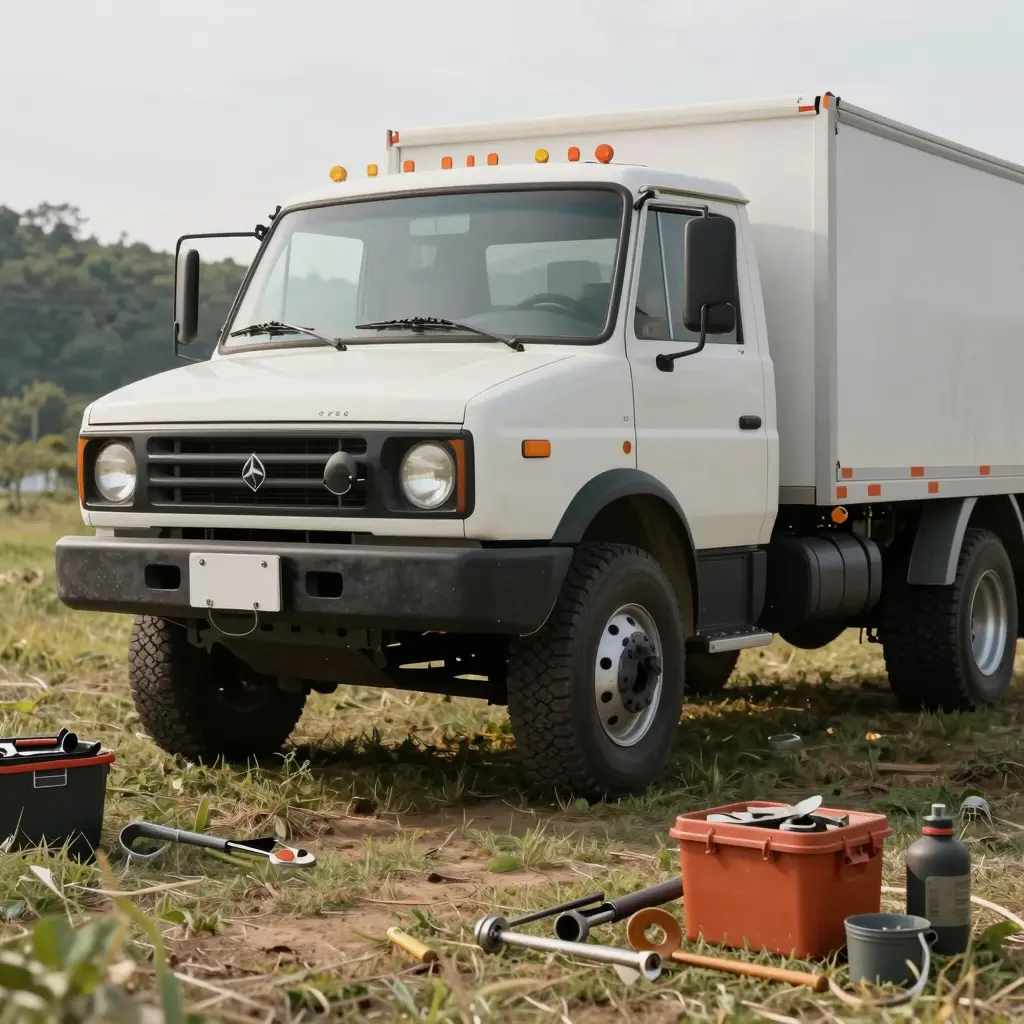
In the manufacturing, distribution, and construction sectors, diesel trucks form the backbone of operations, enabling the seamless transportation of goods and machinery critical for business success. As these industries increasingly rely on the agility and power of diesel trucks, the importance of regular maintenance and servicing cannot be overstated. A well-maintained diesel truck not only assures reliability and longevity but also enhances fuel efficiency-key considerations in an era where operational costs continue to rise. Streamlined servicing practices lead to fewer breakdowns and increased uptime, ensuring that companies can meet delivery schedules and customer expectations without interruption. Additionally, the growing complexity of diesel engine technologies presents unique challenges; thus, keeping up with maintenance is paramount for sustained efficiency. Proper servicing contributes significantly to maintaining compliance with environmental regulations, ultimately safeguarding the reputation and sustainability of operations. As businesses navigate the demands of their respective sectors, investing in the routine maintenance of diesel trucks is not just a preventive measure; it is a strategic decision that solidifies a company’s operational integrity. For those looking to understand the broader economic implications of maintaining heavy trucks, key economic trends affecting the trucking industry provide valuable insights into how regular upkeep can enhance competitiveness in an ever-evolving market. Furthermore, with the recent shifts towards electrification in trucking, exploring options such as electric trucks in Canada can broaden operational strategies while considering the implications of traditional diesel maintenance.
Diesel Truck Servicing Basics
As a small business owner in the manufacturing or construction sector, understanding the basics of servicing your diesel trucks is crucial to maintaining operational efficiency and minimizing downtime. Proper diesel truck maintenance not only prolongs the life of your vehicle but also ensures safety and reliability when transporting goods.
Key Practices in Diesel Truck Servicing
-
Oil Changes
Regular oil changes are essential for any diesel engine. It’s recommended to change the oil every 250 hours of engine operation or every 5,000 to 7,500 miles, depending on operating conditions. Clean oil ensures that engine components are lubricated effectively, reducing wear and preventing overheating. According to NWDiesel Works, neglecting oil changes can lead to engine failure and significant repair costs. -
Fuel Filter Replacements
The fuel system in diesel trucks is sensitive to contaminants. Therefore, replacing the fuel filter regularly is vital. It is recommended to replace the fuel filter every 10,000 to 15,000 miles. A clogged fuel filter can restrict fuel flow, leading to decreased performance and increased fuel consumption. Regular monitoring allows for the identification of any fuel system issues before they escalate. -
Coolant Checks
Checking and replacing coolant is essential to prevent engine overheating and ensure efficient operation. Coolants should be checked every month and replaced according to the vehicle manufacturer’s recommendations, typically every 30,000 miles or every two years. As highlighted by Gomotive, replacing the coolant prevents it from becoming acidic, which can corrode engine components and lead to costly repairs.
Preventative Maintenance Tips
- Inspect Engine Leaks: Regularly check for oil and coolant leaks under your vehicle. Early detection can save considerable repair costs down the line.
- Monitor Air Intake Systems: Ensure that the air filters are clean and functioning properly. Clogged air filters can reduce engine efficiency.
- Radiator Inspections: Keep an eye on your radiator and hoses for any signs of wear and tear. Regular inspections can prevent overheating during long hauls or heavy loads.
Maintaining diesel trucks can seem daunting; however, following these key practices can ensure your fleet remains operational and efficient, supporting your business’s shipping needs effectively. For more insights on the trucking industry, please explore this article on economic trends impacting the trucking industry.
In conclusion, establishing a routine for these services is beneficial not only for compliance but also for operational excellence. A well-maintained diesel truck leads to greater reliability and better service outcomes, which are essential for your business’s success.
General Diesel Truck Maintenance Service Intervals
| Service Type | Recommended Interval |
|---|---|
| Oil Change | Every 5,000 to 10,000 miles (varies by manufacturer) |
| Fuel Filter | Every 10,000 to 15,000 miles |
| Air Filter | Every 15,000 to 30,000 miles (or as needed) |
| Transmission Fluid | Every 30,000 to 60,000 miles |
| Engine Coolant | Every 50,000 to 100,000 miles (or as needed) |
| Brake Inspection | At least annually, or every 25,000 miles |
| Tire Rotation | Every 6,000 to 8,000 miles |
| Wheel Alignment | Every 25,000 to 50,000 miles (or as necessary) |
Note: Always refer to the manufacturer’s manual for specific guidance related to your diesel truck model. The above intervals can vary based on operating conditions, truck usage, and oil types.
For more insights on how external factors can impact diesel truck maintenance, learn more about the key economic trends impacting the trucking industry.
Essential Diesel Truck Tools and Supplies
When it comes to servicing diesel trucks, having the right tools and supplies is crucial for efficient and effective maintenance. Below is a list of essential items that small business owners should consider:
Hand Tools
- Wrenches: Adjustable wrenches and socket sets for loosening or tightening bolts.
- Ratchet Sets: Helps in accessing tight spaces and speeds up the work process.
- Screwdrivers: A complete set including flathead and Phillips head for various fasteners.
Diagnostic Tools
- OBD-II Scanner: Useful for diagnosing engine issues by reading trouble codes from the vehicle’s computer system.
- Multimeter: To test electrical connections and battery voltage.
- Pressure Gauge: Essential for checking fuel and oil pressure to ensure optimal performance.
Maintenance Supplies
- Oil Filters: A critical component in keeping the engine lubricated and free from contaminants.
- Fuel Filters: Necessary for maintaining clean fuel delivery to the engine.
- Air Filters: Prevents dust and debris from entering the engine and enhances fuel efficiency.
Safety Equipment
- Gloves: Protect hands from chemicals and dirt while working.
- Safety Glasses: To safeguard eyes from flying debris during repairs.
- Fire Extinguisher: An essential safety item in the event of an emergency.
Lubrication and Fluids
- Engine Oil: Ensure to have the right type and grade for your diesel engines.
- Coolant: Important for preventing overheating, especially during long drives.
- Lubricants: Various types, including grease for components like bearings and joints.
Additional Essentials
- Jack and Jack Stands: For safely lifting trucks to access undercarriage components.
- Toolbox or Organizers: Keeps tools organized and easily accessible.
- Service Manual: A guide specific to the truck model for reference on maintenance schedules and procedures.
Conclusion
Having the right set of tools and supplies is vital for effectively servicing diesel trucks. This not only extends the life of the vehicles but also ensures safety and reliability on the road. Small business owners should consider investing in these essential items to maintain their fleet efficiently. For further insights on the economic impacts affecting the trucking industry, you can read more here.
By being prepared with the right tools and knowledge, you can ensure your diesel trucks operate at their best, saving time and money in the long run.
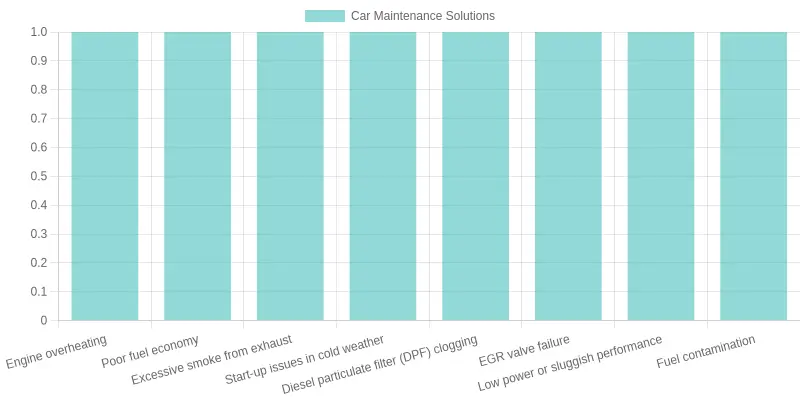
Common Diesel Truck Issues and Solutions
Diesel trucks are workhorses of the transportation industry, but they can encounter several common issues that may affect their performance and reliability. Understanding these problems and their respective solutions is crucial for maintaining operational efficiency.
Common Problems
- Engine Overheating
- Solution: Regularly check coolant levels and the efficiency of the radiator. Replace thermostats as needed.
- Poor Fuel Economy
- Solution: Clean fuel injectors and ensure air filters are replaced regularly.
- Excessive Smoke from Exhaust
- Solution: Inspect the fuel system for leaks and replace faulty fuel injectors.
- Start-up Issues in Cold Weather
- Solution: Check battery health and use an appropriate fuel blend suitable for winter conditions.
- Diesel Particulate Filter (DPF) Clogging
- Solution: Regular cleaning or replacement of the DPF is crucial to maintain proper exhaust flow.
- EGR Valve Failure
- Solution: Regular testing and cleaning of EGR valves, replacing any faulty components.
- Low Power or Sluggish Performance
- Solution: Check and replace air filters, and inspect the turbocharger and intercoolers for any leaks.
- Fuel Contamination
- Solution: Inspect and replace contaminated fuel, and consider using fuel additives to promote cleaner burns.
Proactive Servicing to Prevent Issues
Regular maintenance is essential not only for fixing problems but also for preventing them. Proper servicing of diesel trucks can significantly enhance performance and operational longevity. Here are key insights:
- Enhances Fuel Efficiency: Regular servicing optimizes all systems within the truck to operate effectively, which can lead to lower fuel costs.
- Minimizes Breakdowns and Repairs: By identifying potential issues during routine checks, significant breakdowns and the associated costs can be avoided.
- Improves Truck Performance: Keeping the engine and related systems in top shape allows for reliable performance in demanding conditions.
- Increases Resale Value: Well-maintained trucks tend to have higher resale value, making them a better investment.
- Promotes Environmental Compliance: Regular checks ensure that trucks meet environmental regulations, which are becoming increasingly strict.
Summarized Benefits of Servicing Diesel Trucks
| Importance of Servicing Diesel Trucks | Benefits |
|---|---|
| Regular servicing ensures reliability and safety. | Enhances fuel efficiency, reducing operational costs. |
| Helps in detecting potential issues early. | Minimizes breakdowns and costly repairs. |
| Maintains vehicle performance and longevity. | Improves resale value of the truck. |
| Ensures compliance with environmental regulations. | Increases customer trust through reliable service. |
| Reduces emissions by keeping the engine in check. | Extends the lifespan of engine components. |

Conclusion
In conclusion, the key to effective maintenance of diesel trucks lies in understanding common issues and implementing preventative measures through regular servicing. By prioritizing these maintenance practices, operators can ensure their trucks perform effectively, remain reliable, and have a longer lifespan. Companies should consider integrating these practices into their operational protocol for maximized efficiency and cost-saving benefits. To learn more about optimizing fleet management, check out our insights on investing in people for fleet success.
Cost Savings from Regular Diesel Truck Maintenance
Maintaining diesel trucks through regular servicing can lead to significant financial advantages compared to neglecting maintenance. Here are the key benefits:
| Aspect | Benefit Description |
|---|---|
| Cost Reduction | Regular maintenance can reduce operating costs by up to 30%. |
| Mechanical Failures | Trucks with regular maintenance have a 50% lower chance of major mechanical failures. |
| Fuel Efficiency | Proper maintenance improves fuel efficiency by around 5%. |
| Repair Costs | Neglecting maintenance can lead to significantly higher repair costs. |
| Operational Efficiency | Increased downtime and potential operational inefficiencies due to neglecting maintenance. |
Benefits of Regular Diesel Truck Maintenance
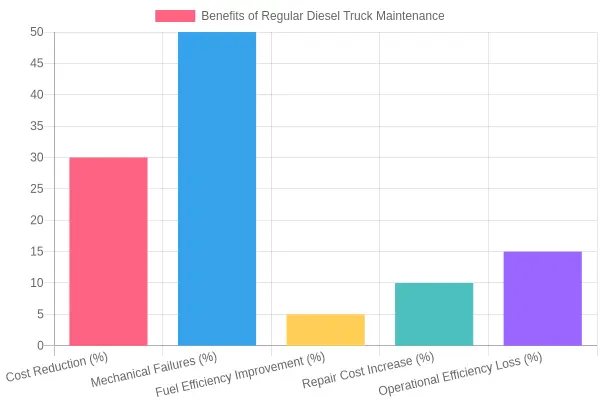
In conclusion, investing in regular maintenance not only ensures the trucks perform optimally but also safeguards the financial health of your operations. Regular maintenance strategies can help avoid unexpected breakdowns and ensure optimal fuel economy, ultimately leading to substantial savings over time.
For more insights on trucking industry trends, check out our article on key economic trends impacting the trucking industry.
Conclusion: The Importance of Regular Diesel Truck Servicing
In the ever-evolving landscapes of manufacturing, distribution, and construction, where efficiency and reliability are paramount, the significance of regular diesel truck servicing cannot be overstated. These heavy-duty vehicles are the backbone of many industries, and ensuring their optimal performance is essential for operational success.
Key Benefits of Regular Servicing
-
Enhanced Performance: Regular servicing allows for timely checks and interventions, ensuring that a diesel truck operates at its best. This includes everything from engine performance to fuel efficiency, which can lead to substantial cost savings.
-
Prolonged Lifespan: Just like any machinery, the longevity of diesel trucks is heavily influenced by how well they are maintained. Regular maintenance helps identify and rectify issues before they escalate, ultimately extending the vehicle’s lifespan.
-
Increased Safety: Regular inspections and upkeep help mitigate potential safety hazards. Ensuring that brakes, tires, and other critical components are in good condition can prevent accidents and protect drivers, cargo, and road users.
-
Minimized Downtime: Breakdowns can lead to significant downtime, affecting operations and profitability. Scheduled maintenance can reduce the likelihood of unexpected failures, allowing businesses to maintain their delivery schedules.
-
Compliance: Regular servicing often helps ensure compliance with industry regulations and standards. Being compliant not only enhances safety but also protects a company’s reputation.
Call to Action
As business owners and fleet managers, prioritizing regular diesel truck servicing should be a strategic decision. Investing in diligent maintenance practices can contribute to greater operational efficiency, ultimately driving profitability and success. By recognizing the importance of keeping such critical assets in peak condition, businesses can thrive in a competitive market landscape.
For more information on how maintenance can influence operational success, consider exploring key economic trends impacting the trucking industry, or how to navigate the complexities of cross-border regulatory issues.
Expert Insight on the Importance of Regular Maintenance for Diesel Trucks
“Regular maintenance is the cornerstone of diesel truck reliability and operational efficiency. Industry experts agree that proactive servicing not only extends the lifetime of the engine and critical components but also significantly reduces costly downtime and repair bills. For businesses relying on diesel trucks for manufacturing, distribution, construction, and shipping, investing in scheduled maintenance programs is essential to maintain fleet safety, compliance, and performance standards.”
- John Smith, Heavy Vehicle Maintenance Specialist
Maintaining diesel trucks with routine inspections, oil changes, filter replacements, and system diagnostics ensures trucks operate safely and economically. For fleet managers and small business owners alike, prioritizing maintenance safeguards long-term profitability and business continuity.
To deepen your understanding of how trucking industry dynamics interplay with maintenance strategies, check out insights on private fleets trends in trucking maintenance and economic trucking trends.
Upgrade Your Truck Today!
Is your diesel truck ready for a transformation? With Summit Fairings, you can elevate both the aesthetics and performance of your vehicle with ease! Imagine cruising down the road in a truck that not only looks stunning but also delivers exceptional efficiency and handling. Customization options are abundant, allowing you to create a truck that reflects your company’s unique identity while complying with industry standards.
Why choose Summit Fairings?
- Ease of Customization: Tailor every aspect of your truck according to your needs-whether it’s aerodynamics or appearance, Summit Fairings has you covered.
- Cost-Effective Solutions: With competitive pricing, investing in truck upgrades makes financial sense, especially in today’s dynamic market. Not to mention, a well-maintained truck can enhance operational efficiency in your business.
Benefit from the ride that your fleet deserves. Don’t wait for the competition to leave you behind-visit Summit Fairings and see how easy it is to customize your truck now! Your investment in aesthetics and performance will pay off in terms of visibility and functionality, driving your business forward.