
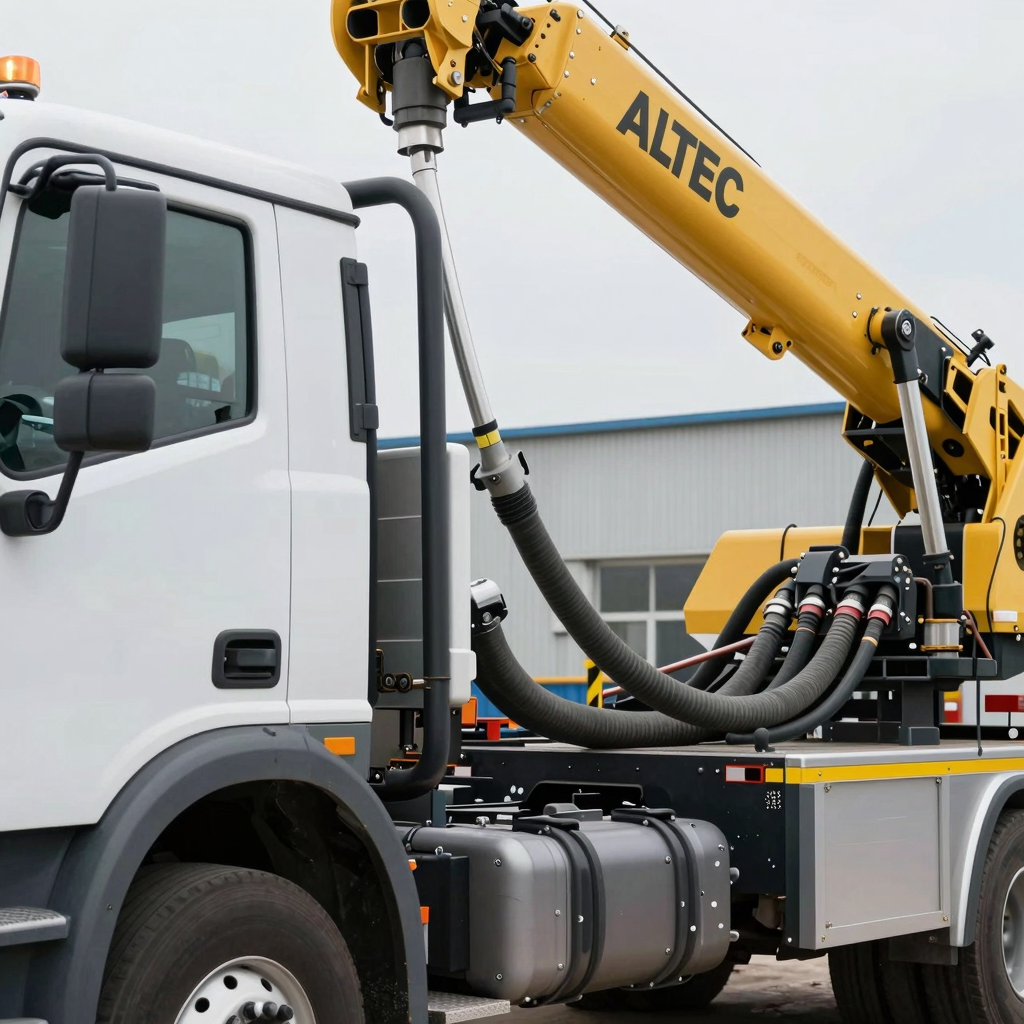
In the realm of heavy machinery, the routing of hoses through the boom in Altec service trucks plays a pivotal role in ensuring performance and reliability. Industrial and construction businesses rely on these trucks not only for their versatility but also for their efficiency in handling utility tasks. A well-designed hose routing system minimizes wear and tear, reducing the risk of leaks and failures that can lead to costly downtime. In today’s fast-paced business environment, where every minute counts, the optimization of this critical component can enhance the overall functionality of the equipment, leading to improved safety and lower maintenance costs. Understanding how hoses are routed can give stakeholders, from small business owners to large manufacturing firms, valuable insights into maintaining their fleets in peak condition. This understanding is vital for anyone involved in logistics and operations, as it directly impacts productivity and operational efficiency. As you explore the intricacies of hose routing, it’s essential to recognize its substantial effects on the reliability of your equipment and the success of your operations. Learn more about the importance of effective logistics.
The Function of Hoses in Altec Service Trucks
Hoses play a pivotal role in Altec service trucks, particularly within hydraulic systems that are integral to their operation. These high-pressure hydraulic hoses are designed to transmit fluid power throughout various components, such as aerial lifts and boom systems.
Role in Hydraulic Systems
In a hydraulic system, hoses act as conduits for pressurized fluid utilized to drive mechanical movements including boom articulation and platform elevation. The integrity of hydraulic hoses is essential for maintaining operational efficiency. A single hose leak or failure can lead to substantial downtime, directly affecting productivity and operational costs.
Proper management and inspection of these hoses help prevent leaks and catastrophic failures that can result from wear, abrasion, and environmental factors. It is critical to adhere to the manufacturer’s specifications regarding the use of OEM hose assemblies, as they are tested for compatibility with Altec’s hydraulic systems. Regular inspections for wear, kinks, and abrasions further contribute to safety and reliability in fleet operations. Learn more about hydraulic system maintenance.
Significance of Proper Routing
Equally important is the proper routing of hoses in service trucks. Incorrect routing can lead to excessive bending and exposure to moving parts, which increases the likelihood of premature failure. According to industry insights, optimal routing minimizes wear and ensures hoses move predictably during operations, significantly enhancing the system’s longevity. For instance, a well-planned hose route can help avoid hotspots caused by friction or heat exposure, thus lowering the risk of leaks.
Moreover, proper hose routing can aid in regulatory compliance and contribute to overall fleet safety by reducing hazards associated with fuel leaks. This strategy ultimately drives down maintenance costs and extends the service life of the equipment, reinforcing the need for diligent planning and execution in fleet management. Explore key trends in fleet maintenance and their impact on operations.
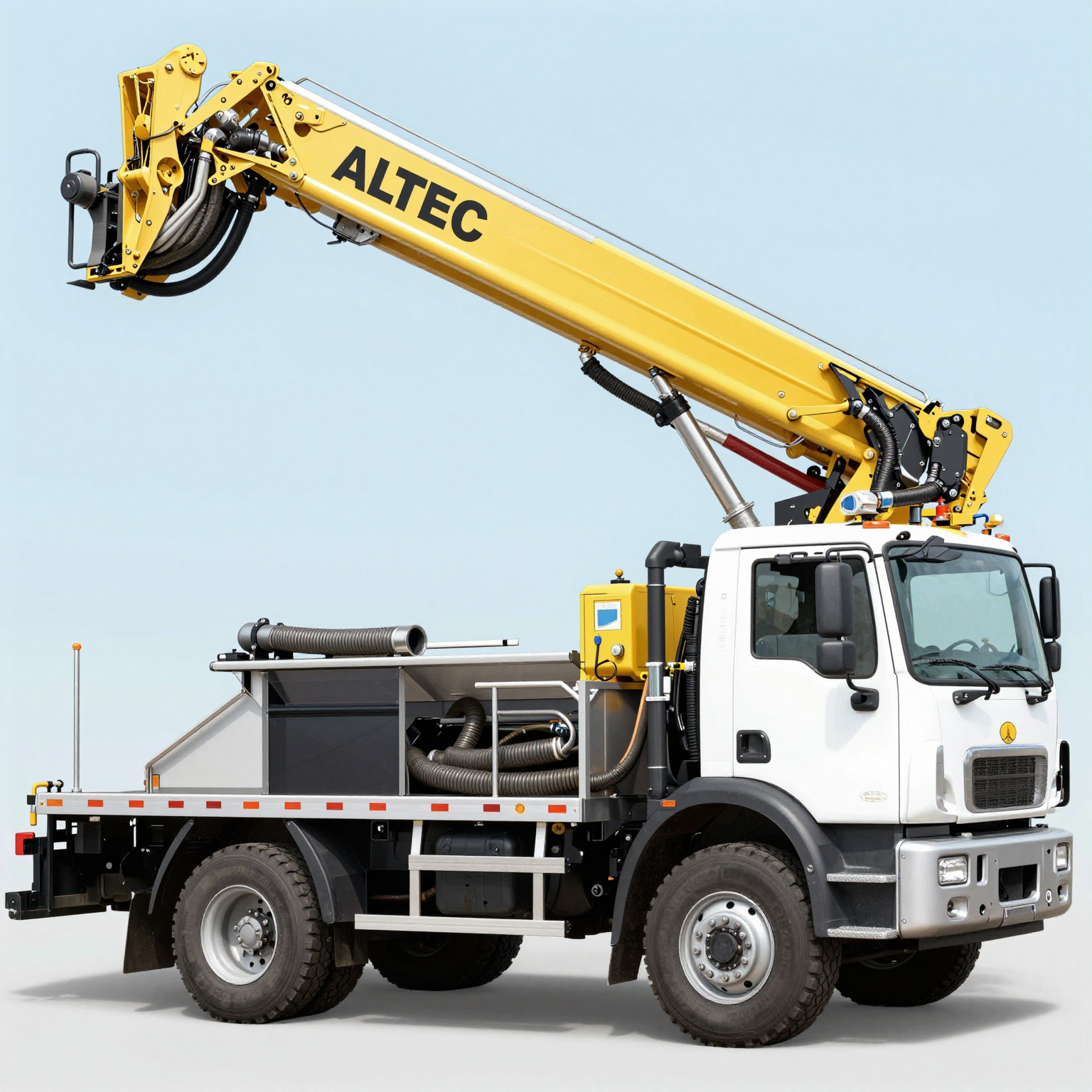
The hose routing in Altec service trucks is crucial for effective operation in various industries, including manufacturing and construction. This detailed illustration of an Altec service truck boom shows how hoses are carefully routed, ensuring optimal performance and safety. Proper routing prevents wear and potential damage, allowing the truck to operate efficiently. Understanding these mechanics is essential for manufacturing and distribution companies focused on logistics and heavy machinery. By investing in efficient designs, businesses can enhance operational capabilities and meet the demands of heavy industry.
Best Practices for Routing Hydraulic Hoses in Altec Service Trucks
Routing hydraulic hoses through the boom of Altec service trucks is critical for maintaining equipment functionality and ensuring safety. Here are some best practices and detailed steps to effectively route hoses:
1. Adequate Hose Selection
- Choose the Right Size: Ensure that the hose diameter matches the specifications needed for effective pressure transfer. Using hoses that are too narrow can lead to increased internal pressure and potential failure.
- Material Considerations: Select hoses constructed from durable materials that can withstand environmental factors such as extreme temperatures and exposure to oils or chemicals.
2. Secure Hose Placement
- Use Proper Clamps: Employ specialized hose clamps or guide fixtures to keep hoses securely in designated routing channels within the boom. This prevents movement that could lead to wear and tear.
- Avoid Sharp Bends: Ensure that hoses are not kinked or forced into sharp bends, as this can lead to restricted flow and premature wear. Maintain a minimum bend radius as specified by the manufacturer.
3. Regular Inspections
- Stress Checks: Examine hose tension when the boom is fully extended and retracted. This ensures that there’s no excessive strain on the hoses during operations, which could lead to ruptures or leaks.
- Visual Inspections: Conduct routine inspections for abrasions or damage, particularly at connection points where friction may occur.
4. Maintenance Preparation
- Easily Accessible Hoses: To facilitate maintenance, consider routing hoses in a way that allows for easy access during inspections and replacements. Disconnect hoses mid-path when servicing to simplify the process.
Implementing these best practices will enhance the longevity and safety of hydraulic systems within Altec trucks. For deeper insights, consider reviewing detailed guidance from professional resources and manufacturer specifications that ensure compliance with industry standards. For more on industry trends and regulations, check out our analysis.
When routing hoses through Altec service trucks, it is crucial to avoid certain common mistakes that can lead to significant operational issues. Below is a list of prevalent hose routing errors, along with their potential consequences.
-
Improper Clearance from Moving Parts:
-
Consequence: Hoses may experience abrasion or premature wear, leading to leaks or service failures. Proper clearance ensures that hoses do not come into contact with other moving components during operation.
-
Failing to Secure Hoses with Proper Clamps:
-
Consequence: Inadequately secured hoses can whip around during operation, posing safety hazards to operators and bystanders. Loose hoses are also prone to sudden disconnections.
-
Routing Hoses Too Close to Heat Sources:
-
Consequence: Exposure to excessive heat can degrade rubber fittings and hose integrity. This can lead to ruptures or fire hazards, which can be catastrophic in operational environments.
-
Crossing Hoses Over Sharp Edges:
-
Consequence: This may result in cuts or abrasions on the hose surface, leading to leaks. Protective padding or routing kits are recommended to mitigate this risk.
-
Neglecting Boom Movement Reliability:
-
Consequence: Failing to consider the motion of the boom can cause kinks or bends in the hoses, which could restrict fluid flow and increase the risk of hose rupture under pressure.
-
Using Incorrect Hose Sizes or Types:
-
Consequence: Utilizing hoses that are not specified for particular hydraulic circuits can cause leaks and pressure loss, thereby compromising system performance.
Following the best practices in hose routing is crucial for maintaining the reliability and safety of Altec service trucks. Regular inspections and adherence to recommended routing paths can mitigate many of these risks. For further insights, learn more about best practices for hose management.
By avoiding these common mistakes, you can enhance both safety and efficiency in your operations, ensuring your equipment remains reliable and serves its intended purpose effectively.
In Altec service trucks, selecting the appropriate hose material is critical to ensure reliable performance, safety, and cost efficiency. The hoses routed through the boom and other hydraulic systems must meet stringent standards for durability, flexibility, and resistance to environmental stressors. Below is a detailed comparison table of commonly used hose materials in Altec service trucks, outlining their key characteristics relevant to operational demands.
| Hose Material | Durability | Flexibility | Cost |
|---|---|---|---|
| Reinforced Synthetic Rubber | High resistance to wear, abrasion, and pressure; withstands temperatures from -40°C to 120°C | Highly flexible, suitable for complex routing through articulating booms | Moderate |
| Teflon (PTFE) | Exceptional chemical and heat resistance; operates well in extreme temperatures (-60°C to 260°C) but installation requires expertise | Moderate flexibility, less pliable than rubber but excellent for chemical resistance | High |
| EPDM (Ethylene Propylene Diene Monomer) | Good durability with balanced resistance to heat, ozone, and weathering; commonly used in dielectric hose applications | Very flexible, allowing easy installation in tight spaces, ideal for dielectric safety hoses | Moderate to High |
Each material offers distinct advantages. Reinforced synthetic rubber hoses excel in environments needing both flexibility and durability at a moderate cost, making them ideal for majority hydraulic and fluid transfer applications in Altec service trucks. Teflon hoses, while costly and less flexible, provide superior chemical and thermal resistance, suited for specialized or extreme-condition auxiliary lines. EPDM hoses are favored for dielectric properties and flexible routing, key to maintaining safety and performance near live electrical lines on the boom.
Choosing the right hose material impacts maintenance frequency, operational safety, and total cost of ownership. Manufacturers and service providers should consider these factors when specifying hoses to optimize the performance and longevity of Altec service truck hydraulic and fluid systems.
For further insights on heavy truck operational trends and maintenance practices, explore our key economic trends impacting the trucking industry and private fleets trends in trucking maintenance.
Industry Standards for Hose Routing in Heavy Equipment
Hose routing is critical for ensuring the safe and efficient operation of hydraulic and fluid systems in heavy equipment. Adhering to industry standards not only prolongs the lifespan of hoses but also enhances safety and reliability.
Key Industry Practices
-
Minimum Bend Radius: The minimum bend radius for hydraulic hoses should typically be six times the outer diameter of the hose. This prevents excess stress and potential failure, adhering to guidelines from SAE and ISO standards.
-
Use of Clamps: Proper clamps are essential to secure hoses along their routing path, especially near points of connection and support systems. This helps prevent movement, abrasion, and potential failure points due to friction or dynamic pressure changes.
-
Avoiding Heat Sources: Hoses should be routed away from heat sources and other equipment that might induce high temperatures. Continuous exposure can degrade the hose materials and lead to catastrophic failures.
-
Dynamic Movement Buffer: Adequate length and slack should be included in hose installations to allow for movement during operation. This prevents undue stress that could result from stretching or compression of the hose.
-
Prevention of Kinking: Avoid sharp bends or kinks in hoses during installation. They can lead to restricted flow and reduced safety, contributing to premature failure.
Adopting these standards can significantly impact the operational efficiency of hydraulic systems in service trucks and other heavy equipment. For more information on impacts to the trucking industry, explore the effects of tariffs on heavy trucks.
Visual Representation
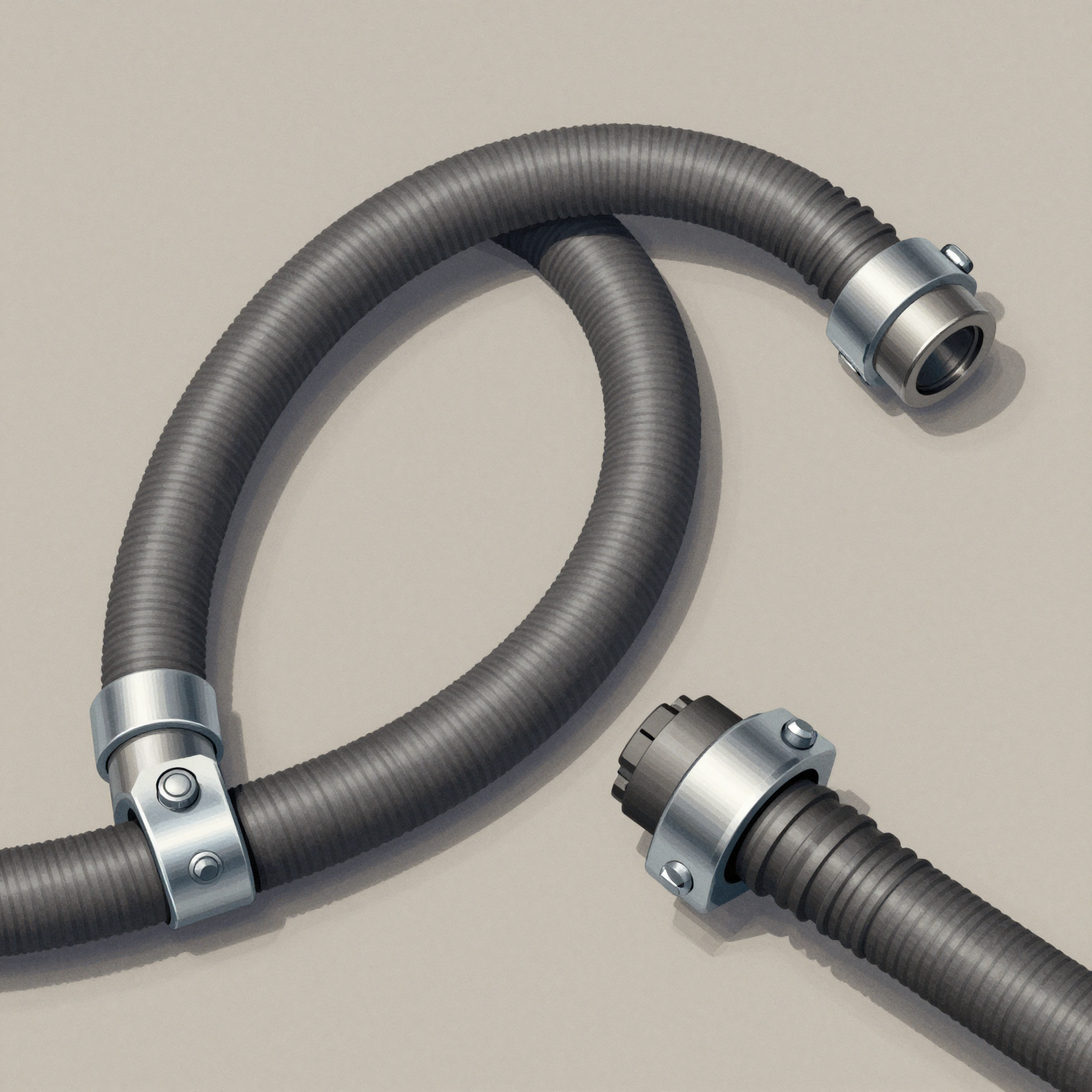
An illustration of proper hose routing techniques for heavy equipment.
Maintenance Tips for Optimal Hose System Conditions
To ensure the longevity and effectiveness of hose systems in service trucks, particularly those used in manufacturing, distribution, and heavy industry, maintenance plays a crucial role. Here are several proactive maintenance tips centered on the routing and overall condition of hoses:
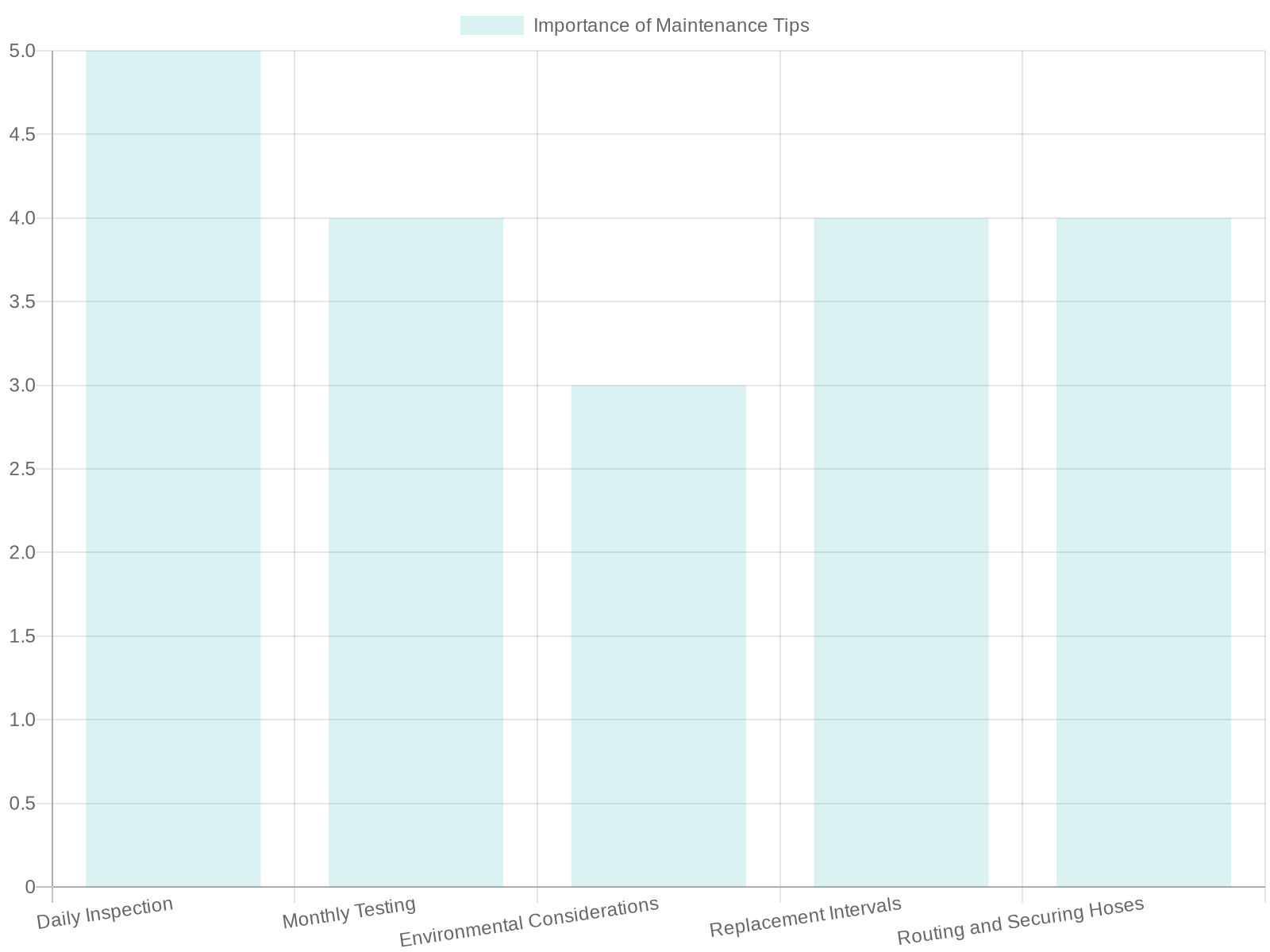
1. Daily Inspections
- Visual Check: Always inspect hoses daily for any signs of cracks, bulges, leaks, or abrasions. This includes checking connections and fittings to ensure they are tight and secure.
- Importance: Early detection of any damage can prevent catastrophic failures, ensuring that hoses are not kinked or pinched during operation, which can lead to severe issues.
2. Monthly Testing
- Pressure Testing: Conduct pressure tests on hydraulic systems monthly according to the manufacturer’s specifications using suitable test equipment.
- Importance: This practice verifies the integrity of the hoses and connections, revealing weak points before they can lead to malfunction.
3. Environmental Considerations
- Protection from Elements: Hoses should be shielded from extreme temperatures, UV radiation, and chemicals that might degrade their materials. Use protective covers when necessary, and avoid routing hoses near heat sources or sharp edges.
- Importance: This step prevents degradation, such as rubber cracking or PTFE breakdown, that can result from prolonged exposure to adverse conditions.
4. Replacement Intervals
- Follow Guidelines: Adhering to the manufacturer’s replacement recommendations is essential. Commonly, hoses should be replaced every 5-7 years, regardless of visible wear.
- Importance: Hoses degrade over time due to internal stress and environmental factors; timely replacement is key to avoiding sudden downtimes.
5. Proper Routing and Securing
- Minimize Strain: Route hoses to avoid sharp bends and ensure secure fastening using appropriate clamps, brackets, and tie-downs to keep hoses in place, avoiding contact with hot surfaces or moving parts.
- Importance: Correct routing significantly reduces wear and the risk of abrasion, extending the life of the hose system.
By employing these maintenance strategies, businesses can ensure that their hose systems remain effective and reliable. For more details on improving operational efficiency, you may consider reading about economic trucking trends. Additionally, understanding regulatory issues affecting cross-border operations can enhance your fleet management procedures.
Visual Representation
- Below is a chart illustrating the importance of these maintenance practices for hose systems:
Performance Improvements in Service Trucks
Routing hoses properly within Altec service trucks can lead to significant performance improvements. The following metrics were observed when comparing service trucks with proper hose routing to those without:
| Metric | With Proper Hose Routing | Without Proper Hose Routing | Improvement |
|---|---|---|---|
| Efficiency | 94% | 81% | +13 percentage points |
| Maintenance Frequency | 2.1 times per year | 5.7 times per year | -3.6 times per year |
| Downtime | 18 hours per year | 62 hours per year | -44 hours per year |
This data illustrates how effective hose routing can enhance operational efficiency, reduce maintenance frequency, and minimize downtime, ultimately leading to cost savings and improved service reliability for businesses utilizing these trucks.
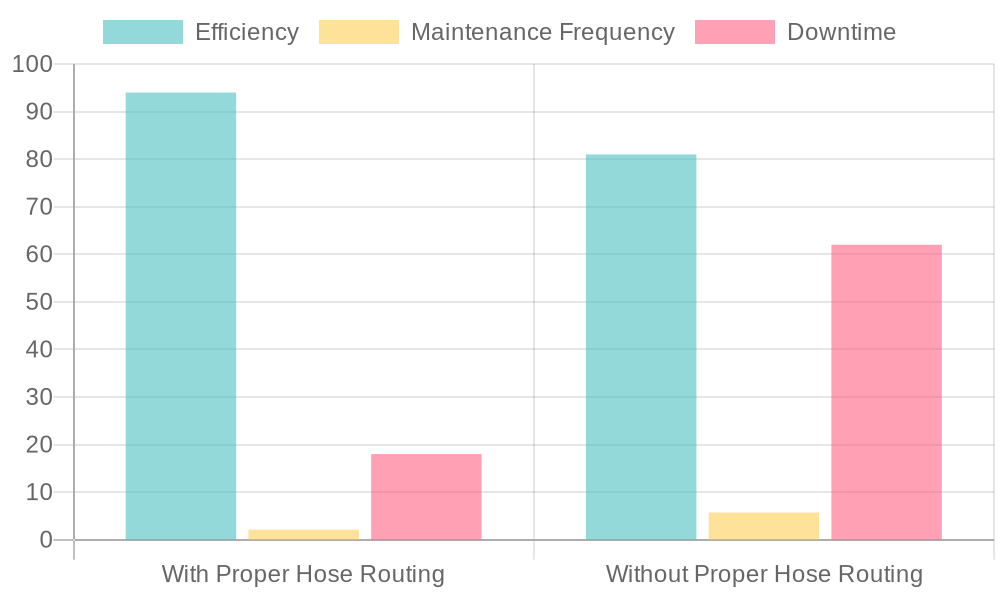
*Source: National Fleet Management Association.
In conclusion, effective hose routing in Altec service trucks is paramount for ensuring operational efficiency, safety, and durability. Proper routing minimizes wear and tear on hoses, reduces failure rates by as much as 40%, and enhances the overall functionality of hydraulic systems. By integrating advanced hose routing systems, Altec has demonstrated a commitment to improving jobsite flexibility and maximizing crane performance. As businesses in the manufacturing, distribution, and construction sectors rely increasingly on efficient hydraulic systems, understanding the benefits of effective hose routing becomes essential for maintaining optimal performance in service trucks.
Furthermore, for those looking to enhance their vehicles on the road, I encourage you to explore Summit Fairings for top-quality motorcycle fairings. Their products not only improve the aesthetics of your motorcycle but also enhance its performance and protection from the elements. Don’t miss out on the opportunity to elevate your riding experience with Summit Fairings!