
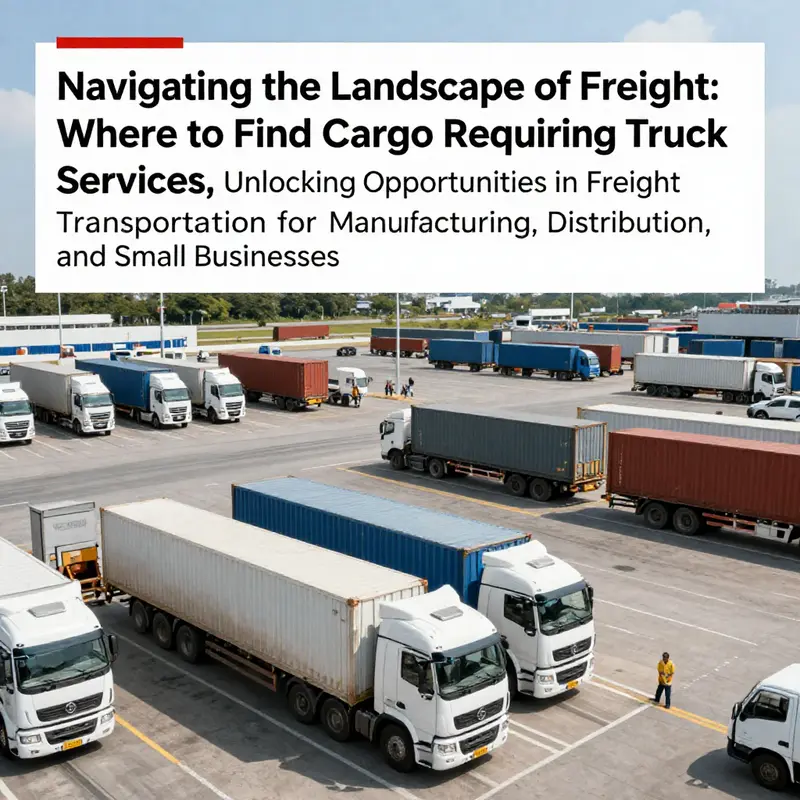
With the shifting dynamics of logistics and supply chain management, companies are continuously on the lookout for effective ways to find cargo needing truck services. Whether you are a manufacturing and distribution company, a retail or e-commerce business, a construction firm, or a small business owner with shipping needs, identifying reliable channels for securing freight is essential to maintaining competitive operations. This article will delve into the pivotal approaches to sourcing cargo, including dedicated freight marketplaces, logistics hubs, online classifieds, networking, and specialized channels for specific types of cargo. Each chapter will provide actionable insights that can lead to streamlined processes and enhanced service delivery in the trucking sector.
Navigating Digital Gateways: How Freight Marketplaces Revolutionize Truck Cargo Sourcing
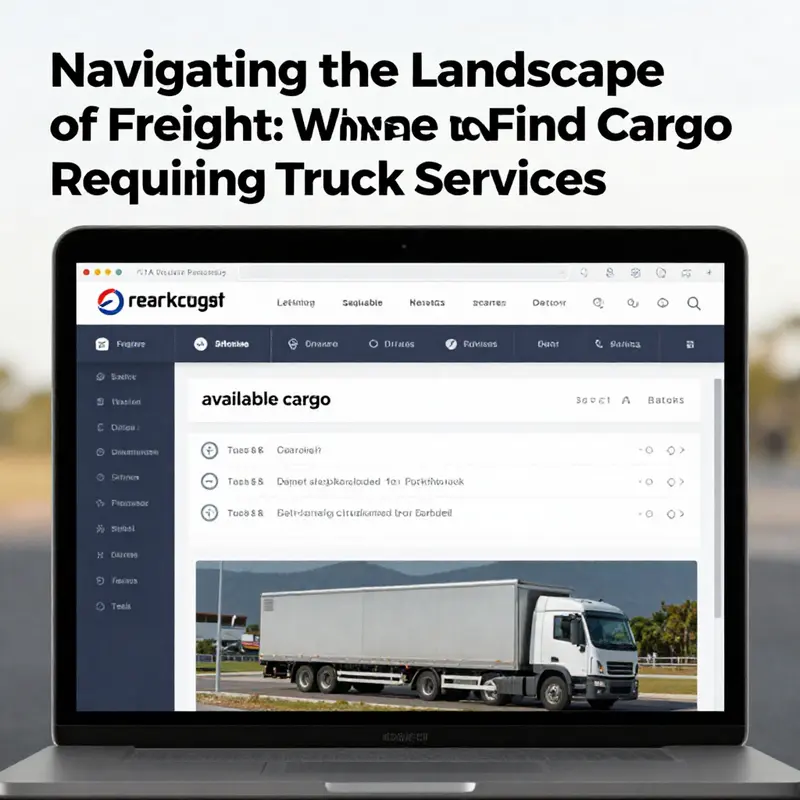
Freight transportation has always been a complex interplay of logistics, timing, and trust. In recent years, technological advancements have redefined the landscape, replacing outdated communication channels with digital platforms that streamline the process of matching cargo needs with available trucking capacity. This chapter takes a deep dive into the evolution and benefits of dedicated freight marketplaces, exploring how these platforms have revolutionized cargo sourcing for truck service providers.
Digital gateways now serve as the central nervous system for the modern freight ecosystem. Shippers once struggled with long phone calls and manual coordination with brokers; today, advanced platforms expedite the matching process in mere minutes. Digital infrastructure connects shippers and carriers directly, ensuring that cargo moves swiftly and efficiently along the supply chain. This transformation not only reduces costs and administrative burdens but also elevates the standard of service across the industry.
At the heart of this evolution is the digitization of freight operations. Modern freight marketplaces have replaced the traditional, disjointed methods with algorithms that prioritize speed and transparency. These platforms employ real-time data to match shippers with carriers in an almost instantaneous fashion. Every detail, from real-time cargo availability to competitive pricing models, is meticulously managed by systems designed to provide clarity and accountability. This automated matching process minimizes human error and leverages data to predict the best fit for each shipment, thus bridging the gap between freight demand and trucking capacity.
Efficiency in the digital age comes with measurable benefits. The streamlined matching process implies that truck service providers spend far less time waiting for leads and dealing with no-shows on the phone. Instead, operations follow a systematic approach where a centralized platform gathers, analyzes, and dispatches relevant load information. The reduction in administrative tasks frees up valuable time, allowing drivers and logistics managers to focus on operational priorities rather than getting bogged down by manual searches. In short, technology has enabled a reduction in downtime and an improvement in overall delivery reliability.
The emphasis on transparency is a defining feature of these digital tools. In the past, uncertainties regarding pricing and cargo specifics were common. Now, dedicated digital marketplaces offer a clear, competitive bidding process where the rules are laid out clearly for all parties involved. Shippers benefit from obtaining multiple bids quickly, while carriers know exactly what to expect in terms of compensation. This level of openness fosters trust, as every transaction is documented and can be followed through its entire lifecycle. This trust is essential in an industry where delays and miscommunications can lead to significant financial consequences.
One of the standout advantages is the transparency in pricing. Transparent pricing models eliminate the need for guesswork and negotiation bottlenecks. Instead, shippers can review several competitive quotes and choose the option that best aligns with their budget and urgency. Carriers, on the other hand, are assured that fair market rates govern each transaction. This direct pricing strategy not only reinforces market fairness but also helps in building long-lasting partnerships between shippers and service providers. Such partnerships contribute to a more stable logistics environment, ultimately benefiting the entire supply chain.
Another critical benefit of these digital platforms is their scalability. Textile mills, manufacturing facilities, and large logistics parks previously had to rely on localized networks or outdated databases to find available trucking services. The digital age, however, sees these businesses gain access to a national and sometimes even international network of carriers. This enhanced reach translates to more consistent work, as regional demands can be met by carriers available across wider geographies. The integration of digital platforms thus proves vital for businesses looking to scale and capitalize on broader market trends.
These freight marketplaces are built on robust technological frameworks. They combine advanced algorithms, data analytics, and user-friendly interfaces to present an end-to-end cargo management solution. A highly integrated dashboard allows shippers and carriers alike to monitor the status of a shipment, track changes in real time, and even provide immediate feedback once a delivery is made. The dashboard centralizes all records, providing a transparent audit trail that is beneficial for dispute resolution and continuous improvement. Every interaction between shippers and carriers is streamlined, making the entire process remarkably efficient.
User adoption of these platforms is remarkably swift, even among those who are accustomed to traditional methods. The onboarding process is typically designed to be as intuitive as possible, often providing personalized support to help users navigate the new system. This means that even operators without significant digital experience can adapt quickly, ensuring that the benefits of the platform are accessible to all stakeholders in the trucking industry. A guided introduction or consultation is usually available to tailor the experience to a user’s specific freight needs, ensuring that the transition is smooth and beneficial from the start.
The speed at which digital marketplaces operate has also transformed operational planning. With real-time matching tools and instant notifications, carriers can plan their routes more efficiently. They receive load opportunities that fit within their schedules and geographical preferences without having to manually sift through countless options. The ability to quickly access available loads means that trucks can be kept on the move, reducing idle times and increasing profit margins. Meanwhile, shippers benefit from faster turnarounds and improved reliability in delivery times, contributing positively to their overall supply chain performance.
Collaboration among industry players is another natural outcome of these digital channels. As drivers and logistics managers become more comfortable with automated matching, the community tends to share best practices and insights on market trends. Industry events and networking platforms further complement these digital interactions by enabling face-to-face meetings where experiences and challenges are discussed openly. Some platforms even facilitate community forums, where insights and success stories are shared. Such interactions further solidify the image of a well-integrated, technology-driven ecosystem that is continuously evolving.
Digital freight marketplaces have also had a noticeable impact on economic trends within the trucking industry. For instance, when economic freight trends are evaluated, it becomes evident that the integration of technology not only drives efficiencies but also helps in stabilizing market rates. With instant access to market data and historical performance indicators, carriers and shippers can make more informed decisions. This results in an ecosystem where pricing is predictable and aligned with market conditions. The predictable economics creates a level of stability that benefits all players in the freight ecosystem. For additional insights into these emerging economic patterns, readers can explore the trends outlined in this detailed analysis on economic trucking trends.
Beyond the immediate operational benefits, digital freight marketplaces offer systemic advantages that extend far into the future of transportation logistics. The data gathered by these platforms is invaluable. Over time, the considerable amount of transactional information generated allows for improved forecasting and refined logistical planning. Patterns begin to emerge that can inform strategic decisions, such as when and where to deploy additional resources or how to optimize route planning. Data-driven insights empower carriers to fine-tune their operations, anticipate market fluctuations, and ultimately, operate more profitably. This is an invaluable resource in an industry where margins can be slim and efficiency is paramount.
The impact of these platforms is not limited to time and cost savings; they also lead to meaningful improvements in safety and regulatory compliance. Digital records ensure that every shipment is tracked and documented, making it easier to meet legal requirements and conduct audits if necessary. This level of detail not only helps maintain regulatory compliance but also builds a repository of best practices and incident reports that can be used to improve safety protocols. The digitization of cargo data brings about a culture of accountability throughout the freight transportation network. Although safety remains a priority regardless of technology, the enhanced oversight made possible by digital tracking is a welcome innovation in ensuring that every shipment is executed with the highest standards.
Efficiency and transparency work hand in hand to build trust between shippers and carriers. When both parties have access to the same data and operate within the same transparent framework, mistrust and miscommunication are greatly reduced. The ease of monitoring each transaction in real time mitigates disputes and fosters a more cooperative environment. This mutual trust is essential for long-term collaborations, where both shippers and carriers can rely on each other for consistently high performance. The cultivation of this trust transforms the logistics industry into a more mutually beneficial ecosystem, where sustained partnerships replace short-term transactions.
As freight marketplaces continue to evolve, the integration of additional services is becoming the norm. Many platforms now offer a variety of features such as route optimization tools, real-time traffic updates, and even environmental impact assessments. These additional services are designed to further streamline operations and reduce external disruptions. For example, route optimization can result in significant fuel savings and lower carbon footprints, both of which are increasingly important in a world striving for sustainability. The integration of real-time analytics and performance metrics provides stakeholders with a comprehensive picture of their operations, enabling continual improvement. This comprehensive functionality underscores the role of digital freight marketplaces as not merely tools for matching cargo with trucks, but as complete transportation management systems.
The future of freight transportation appears to be digital. As more companies and independent drivers embrace technology, dedicated freight marketplaces will likely continue to redefine industry standards. The magnitude of benefits—from instantaneous load matching to enhanced regulatory compliance—signals that the digital revolution in freight transportation is here to stay. The platforms set the stage for a more streamlined, efficient, and transparent operation that benefits all parties involved in cargo movement. In a way, these systems are not just a new way to find cargo; they represent a fundamental shift in how logistics is conceptualized, planned, and executed.
Moreover, the ongoing digital transformation is prompting innovation in related sectors as well. Companies that supply truck maintenance, safety equipment, and even insurance providers are beginning to integrate with these marketplaces. By synchronizing data across the entire supply chain, all related sectors benefit from improved transparency and operational efficiency. The interconnected network, established by dedicated freight marketplaces, supports an entire ecosystem that thrives on collaboration and continuous improvement. This interconnectivity means that operational success in one area positively influences performance in others, creating a ripple effect that drives the entire industry forward.
Training and continuous learning are also essential aspects of integrating digital technology in freight operations. Many platforms provide training modules and continuous support to ensure that every stakeholder is fully versed in the latest features and capabilities. This support helps build technical competence in an industry that is traditionally slow to adopt disruptive technologies. By educating drivers and logistics managers, these platforms enable a culture of ongoing improvement and adaptability. They foster an environment where innovation is not resisted but embraced as an opportunity to enhance operational efficiency and market responsiveness.
The transformation driven by digital freight marketplaces is not merely about technology—it is about revolutionizing an entire industry mindset. Traditional notions of cargo sourcing are quickly becoming obsolete as digital processes take center stage. The commitment to transparency, efficiency, and user-centric design is reshaping how business is conducted in the transportation sector. What was once a labor-intensive process of manual matching and negotiation has now evolved into a streamlined, data-driven ecosystem that benefits both shippers and carriers.
As technology continues to penetrate the transportation industry, the legacy systems of old are being replaced by agile digital frameworks. The success of these systems hinges on the robust infrastructure that supports rapid information exchange and real-time decision-making. This synergy between technology and logistics creates a dynamic platform where every stakeholder can thrive. The evolution marks not only an operational upgrade but also a strategic shift in how freight transportation is managed. Fleets without access to digital matching systems risk falling behind, making the adoption of these platforms essential for long-term competitiveness.
In summary, the rise of dedicated digital freight marketplaces represents a turning point in the search for cargo requiring truck services. Today, technology and data are at the forefront of operational success, providing unprecedented speed, efficiency, and transparency. For truck service providers and shippers alike, these platforms offer a new level of convenience that goes far beyond traditional methods of cargo sourcing. They have redefined the role of intermediaries and set new standards for how shipments should be managed. As this digital transformation continues, the cost structure, operational timeline, and overall reliability of trucking services stand to improve dramatically.
For stakeholders who wish to explore further the advantages that technology brings to freight operations, a comprehensive external resource is available. More details can be found at Upply Marketplace – Digital Freight Platform for Europe, which outlines how digital integration is shaping the future of freight management.
In this digitally charged era, the freight industry finds itself on the brink of a new age. Digital freight marketplaces have emerged as a core enabler of change, streamlining processes, reducing inefficiencies, and establishing a level of transparency once thought unattainable. As more drivers, shippers, and logistics operators continue to adopt these advanced platforms, the industry as a whole is experiencing a surge in productivity and an improvement in service levels. Today, the future of freight is not only about moving goods from one region to another—it is about doing so with precision, trust, and real-time efficiency. The innovative spirit of digital freight marketplaces paves the way for a future where every shipment is handled with optimal care, strategic foresight, and unparalleled reliability.
Through an ongoing commitment to excellence and technological innovation, the freight industry is transforming how cargo is sourced and managed. In embracing these digital solutions, stakeholders are not merely keeping pace with the times—they are actively shaping the next chapter of freight logistics. The integrated approach of digital freight marketplaces highlights the importance of transparency, data-driven decision-making, and efficiency. In doing so, they create an environment where every participant has the opportunity to excel. This paradigm shift underscores the fact that successful logistics today hinges on the ability to harness technology, as its advantages ripple through every layer of freight operations. The digital revolution in freight is more than a fleeting trend; it is a lasting transformation that redefines the way we connect, collaborate, and ultimately succeed in the challenging world of truck cargo sourcing.
Bridging the Gap: How Logistics Hubs and Distribution Centers Unlock Cargo Opportunities for Truck Services
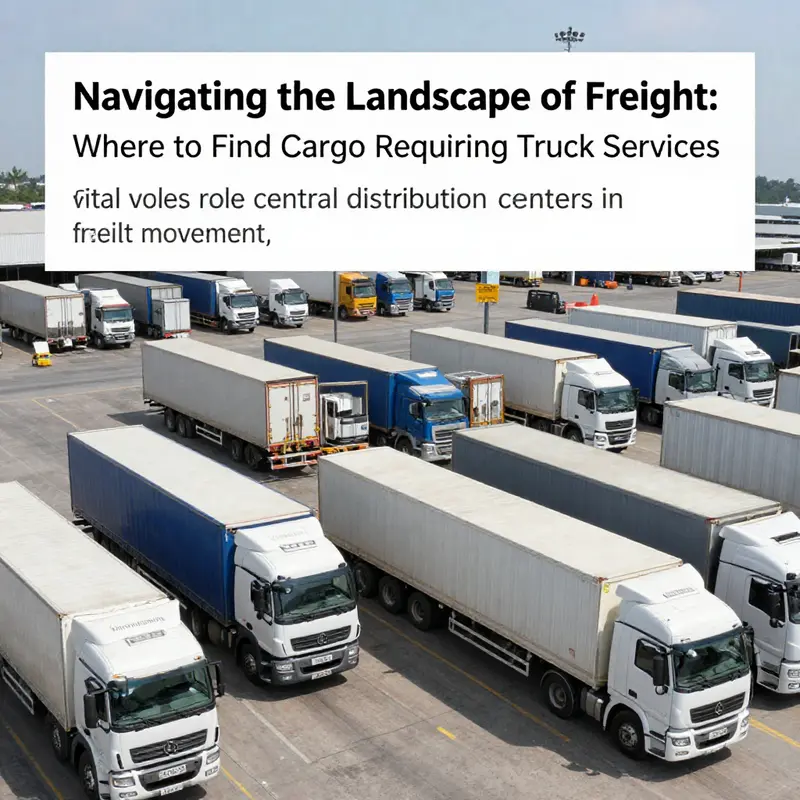
Logistics hubs and distribution centers are vital links that connect manufacturers, shippers, and carriers across vast distances. Over time, these centers have become more than simple storage or transit points. They have evolved into integrated systems that drive operational efficiency and stimulate economic growth. In the modern era, finding cargo that needs truck services depends on leveraging these critical nodes along transport networks. Companies and independent truck operators alike are discovering that these hubs offer unmatched advantages in reducing idle time and boosting strategic alliances.
In many instances, logistics hubs serve as the nerve centers of supply chains. They bring together shippers from various industries and streamline shipments with a network of trusted truck operators. These hubs not only consolidate cargo but also ensure that loads are combined with optimized routes. A well-coordinated logistics hub can reduce the waiting period between cargo arrival and truck dispatch. This synergy shortens delivery times and lowers overall transit expenses. Direct interactions between logistics personnel and truck operators help build trust and enable both parties to discuss timetable adjustments and immediate needs.
One prominent example is the service network established by one of the world’s largest shipping companies in Oman. Within this framework, inland services in Oman form a backbone for efficient cargo movement. This network connects free zones such as Salalah and Al-Mazyounah with tailor-made trucking services that cater to customer demand. Using a combination of sophisticated digital monitoring tools and traditional oversight techniques, these centers manage everything from customs clearance to final pickup at the point of delivery. Every element of the service is designed to build reliable logistics chains that inspire confidence and foster repeated business engagements. The impact of port expansion on supply chains further underscores the complex interplay between physical infrastructure and digital platforms that support freight movements.
Beyond Oman, many such hubs have emerged around the globe. Consider the SCO (Lianyungang) International Logistics Park in China. This hub is strategically developed to enhance cross-border trade routes and facilitate smoother transitions between different transport modalities. At SCO, modern tracking systems and real-time digital updates merge with traditional relationship management. Both shippers and truck operators benefit from access to services that include customs clearance and warehousing. These integrated services drastically reduce operational unpredictability and enhance overall responsiveness. By consolidating small shipments into larger loads, logistics hubs not only economize transportation but also enable truck services to run at full capacity. Each loading event is a demonstration of how thoughtful planning and integrated management can lead to reduced costs and increased turnover.
In Malaysia, another key example is found in the robust distribution centers maintained for major sectors like retail, fast-moving consumer goods, and technology. These centers have mastered the art of combining assured cargo availability with superior truck service provisions. Operators in Malaysia invest heavily in infrastructure that delivers timely customs clearance, safe warehousing, and efficient last-mile delivery options. The environment is highly competitive, and every minute counts. In response, these centers utilize digital platforms to track container movements, ensuring that cargo is matched with available truck services promptly. They also benefit from partnerships with local firms, further expanding the network of opportunities for truck operators in the region. The speed and precision of operations in these centers reduce the uncertainty that often plagues traditional logistics methods.
The value of logistics hubs is not confined to global giants alone. Local logistics parks and distribution centers serve small and medium enterprises as well. In these local hubs, the interaction between industry players generates vital momentum for regional economies. Here, physical bulletin boards and information centers offer real-time updates on available loads and trucking opportunities. Many truck operators build strong relationships with logistics managers, who in turn provide consistent work opportunities. This local engagement promotes a steady flow of business while ensuring that shippers receive timely services from reliable operators who are familiar with the local intricacies.
Furthermore, the digital transformation in logistics has not diminished the importance of personal relationships. Even today, networking remains a crucial element for success. Industry events and local trade shows provide perfect venues for building trustful connections between shippers and carriers. Word-of-mouth recommendations are powerful when they stem from consistent delivery performance and transparent pricing. Recent trends show that truck operators who maintain active communication channels with logistics centers and other drivers often secure better opportunities. These networks, built upon mutual respect and shared experiences, reinforce the overall reliability of the cargo transportation industry.
Technology has propelled logistics hubs into a new era of efficiency. Digital tools at these centers now support real-time tracking, instant booking, and automated matching processes. Many hubs now offer user-friendly online platforms that bridge the gap between shippers and truck operators. Operators can now see available cargo loads at a glance and select those that best suit their schedule and capacity. This degree of transparency boosts confidence among all players in the supply chain. Digital platforms also help standardize pricing through competitive bidding models. Shippers benefit from transparent pricing, while truck operators enjoy the certainty of market-driven rates. Such technology-driven systems highlight the importance of modern logistics centers in a competitive industry.
Inside these logistics hubs, physical infrastructure and digital services work in tandem to meet the dynamic needs of global and local supply chains. Every facility, whether a large international park or a regional distribution center, is equipped with digital dashboards that display load availability, track consignment status, and forecast cargo flow trends. These dashboards encourage carriers to strategically manage their schedules and optimize route planning. The underlying systems collect data continuously, contributing to an evolving database that helps predict peak times and avoid congested periods. Consequently, operators can prioritize efficiency and make informed decisions that minimize transit delays. This blend of human expertise and digital insight creates a highly adaptive system that is well-suited to address sudden changes in market demand.
Another substantial benefit of logistics hubs is the potential for long-term cost savings. Consolidated cargo shipments mean that truck operators can maximize the use of their vehicles, reducing empty miles and fuel expenses. In addition, truck services benefit financially by reducing the number of trips needed for each cargo load. Economies of scale play an essential role at these centers, with larger shipments leading to lower per-unit transport costs. For companies that rely on full-truckload shipments, the reduction in operating costs provided by centralized distribution centers is significant. This model of efficiency becomes especially important in an economic climate where margins are tight and every saved dollar contributes to a sustainable operation.
In many regions, recent investments in infrastructure have modernized aging logistics hubs. Modern upgrades include new digital integration systems, improved warehousing techniques, and more efficient vehicle dispatch methodologies. These changes have been driven by a recognition that the future of freight movement lies in digital and physical integration. Many operators now participate in centralized databases that monitor freight movements in real time. This integration enables swift exchange of information between truck drivers and logistics managers, further reducing the risk of miscommunication and delays. Adaptive technologies, such as machine learning algorithms, now predict load patterns much more accurately than before. This insight means that truck operators can proactively align their schedules with incoming cargo, eliminating waiting times while also lowering operational disruptions.
Logistics hubs also play a crucial role in regulatory compliance and safety. When handling cargo that must adhere to strict guidelines, these centers provide dedicated spaces for regulatory checks and safety precautions. For example, specialized hubs are available for oversized or hazardous materials where transporters must follow stringent protocols before a truck is cleared for dispatch. All required paperwork, such as permits and safety certificates, is verified before the vehicle leaves the site, ensuring compliance with legal and industry standards. This system minimizes the risk of fines and enhances overall reliability for the transportation industry. Every compliance checkpoint adds a layer of assurance that the cargo will be delivered safely and on time.
The importance of these hubs is heightened by broader economic trends. As supply chains become more complex due to globalization and increased consumer demand, the role of logistics centers becomes progressively central. In many regions, public and private sector investments have come together to fund the expansion and modernization of these hubs. These investments respond to a growing need for speed and operational excellence in the delivery of cargo. Today’s truck operators are not simply drivers; they are vital cogs in a massive, technology-driven machine that keeps the economic lifeblood flowing. The ongoing evolution in the sector has made it clear that reliance on isolated strategies is outdated. Instead, a networked approach anchored in robust logistics hubs is replacing traditional, less efficient models.
The strategic significance of these hubs is evident in various case studies. In Oman, the streamlined processes have reduced overall cargo transit time and improved inventory management. In China, the SCO International Logistics Park has become a benchmark for efficient cross-border freight handling. In Malaysia, integrated distribution centers have revolutionized last-mile delivery, setting new standards for prompt service and adaptability. Each example contributes to a growing body of evidence that well-managed logistics hubs and distribution centers are indispensable in today’s freight transportation landscape. They serve as prime indicators of how efficient cargo handling can be achieved through a combination of physical infrastructure and digital innovation.
Truck operators who strategically tap into these hubs find that their chances of securing consistent and profitable loads increase dramatically. The hubs also offer valuable data insights into trends in freight movement. By understanding these patterns, operators can better plan their trips, manage fuel costs, and even schedule maintenance during downtimes. In this way, the logistical intelligence provided by these centers has an undeniable impact on operational decision-making. Not only do they reduce downtime, but they also boost the overall reliability of cargo transport services, making them attractive options for shippers across diverse industries.
Collaboration between stakeholders is integral to the success of these hubs. The partnerships formed between logistics managers, regulatory authorities, and transportation providers create a network that is robust and mutually supportive. These collaborations also foster innovation. Modern hubs continuously experiment with new technologies, from automated inventory management systems to advanced telematics. Such innovations ensure that the hub remains at the forefront of supply chain management. They provide a competitive edge that benefits not only large-scale operators but also smaller, independent truck drivers who rely on regular loads to sustain their operations.
In conclusion, logistics hubs and distribution centers represent the future of cargo management in an increasingly digital and interconnected world. They are the lifeblood of modern transport services and pivotal in sourcing cargo for truck services. From international examples like inland services in Oman and SCO International Logistics Park in China to the efficient distribution centers in Malaysia, each hub demonstrates how advanced infrastructure, technological integration, and collaborative efforts converge to drive success. These hubs are not only centers of cargo consolidation but also active catalysts in reducing transit delays, optimizing route planning, and lowering operational costs. They embody the synergy between traditional logistics practices and cutting-edge digital platforms, creating an environment where truck services can thrive and meet the demands of a fast-evolving industry.
For truck operators and shippers looking to secure reliable, efficient cargo opportunities, the strategic location and state-of-the-art services offered by logistics hubs are indispensable. By tapping into these centers, carriers stand to gain greater market visibility, improved scheduling, and even enhanced profitability. The industry is witnessing a paradigm shift where technology and robust infrastructure combine to support not just the movement of goods but the growth of entire economies. This transformation is evident in every facet of the service – from real-time tracking and instantaneous matching to the advanced digital tools that enable predictive analytics.
As globalization continues to reshape trade, logistics hubs will become even more crucial. They provide the structural backbone that supports rapid economic expansion and help lessen the impact of unpredictable market shifts. In addition, they empower truck operators by offering a consistent flow of cargo opportunities, thus sustaining the vitality of the entire transportation sector. It is within these hubs that the future of freight distribution is being written – one load at a time.
For more detailed insights on the evolving role of infrastructure in freight transport, please visit the official Maersk page on inland services in Oman Maersk Inland Services.
Digital Connectors: Tapping into Online Classifieds and Industry Portals for Lucrative Trucking Cargo Opportunities
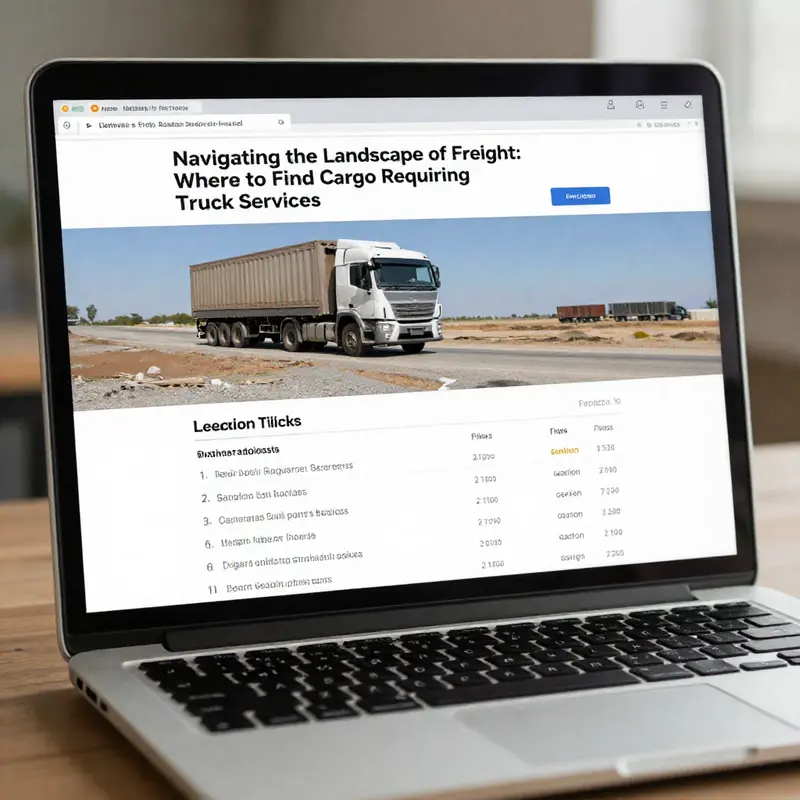
In an industry where every minute counts and opportunities are often just a click away, embracing digital platforms can be the difference between idle time and a profitable haul. For those engaged in truck services, online classifieds and industry-specific websites have revolutionized how cargo opportunities are discovered and secured. Digital connectors have grown in importance, serving not just as modern job boards but as comprehensive ecosystems where shippers and carriers build reliable, efficient partnerships. By leveraging these platforms, independent truckers and fleet operators can tap into a steady flow of cargo, whether they are looking for full truckload (FTL) engagements or less-than-truckload (LTL) arrangements.
The transformation brought by digital freight marketplaces lies in their ability to streamline the entire process. These platforms offer an advanced matching technology that speeds up the time between posting and confirming a load. Users benefit from real-time updates, interactive dashboards, and clear, competitive pricing models that remove the mystery from freight negotiations. Gone are the days of endless phone calls and waiting for callbacks. Instead, drivers now have the ability to monitor and manage their assignments with precision and transparency. This level of efficiency not only optimizes routes but also maximizes revenue while minimizing downtime during transit.
At the heart of this digital shift are several prominent platforms that have gained popularity among carriers looking to fill their schedules. One of the leading players in this space is a platform that offers real-time rate quotes, comprehensive load boards, and even features like GPS tracking. These characteristics are essential for drivers who demand an integrated approach to managing their shipments. The transparency offered by these systems eliminates guesswork in pricing negotiations, and automated electronic documents, such as proof of delivery, further expedite the overall process. This means that carriers can focus on maintaining high service quality while knowing that the administrative aspect is seamlessly handled by the platform.
Another well-regarded marketplace is known for its extensive search filters that allow brokers and drivers alike to zero in on cargo that perfectly matches their unique parameters. Whether it is the type of cargo, its weight, or the specific equipment required, advanced filters ensure that shippers and carriers are brought together quickly and efficiently. This streamlined matching process not only saves time but also reduces the potential for errors, resulting in fewer disputes and enhanced reliability throughout the supply chain. The platform’s reputation for reliability and safety has created a strong sense of trust among its user community, which is crucial in an industry where reliability is a currency as valuable as fuel.
One cannot overlook the impact of technology-driven platforms that utilize artificial intelligence to make instantaneous matches between shippers and carriers. These systems learn from each transaction and continuously improve their recommendations, ensuring that every match has the potential to encourage long-term business relationships. The integration of digital documentation and automated pricing also means that decision-making is based on real-time data, allowing users to compare quotes and select the best available option without the hassle of negotiations. Such efficiency is particularly beneficial for businesses managing extensive supply chains, where predictable delivery timelines and consistent service quality are paramount.
While many platforms are geared towards general freight, some have tailored their services for those who work with more specialized or challenging cargo. For instance, containers housing hazardous or oversized materials require a different level of attention, and specialized digital platforms provide direct access to carriers with the necessary permits and expertise. This level of specialization ensures not only compliance with regulatory standards but also a deep understanding of the unique logistical challenges associated with transporting such goods. In these cases, digital platforms play a dual role by both managing the intricate details of the load and ensuring that the right match is made based on the carrier’s specific capabilities.
The success of these digital platforms has also been driven by their focus on continuous innovation. They routinely roll out updates that introduce new features, further enhancing user experience. Modern interfaces now provide an immersive experience where logistics data, customer feedback, and performance analytics are accessible at a glance. This holistic view of operations facilitates better decision-making, enabling carriers to optimize routes and minimize empty miles. For drivers and logistics managers alike, the ability to access performance data in real time helps identify potential bottlenecks before they escalate into significant delays. The synergy between technology and the logistical expertise of industry professionals has culminated in platforms that are as robust as they are user-friendly.
Moreover, these platforms foster a dynamic network where professional relationships are forged over repeated successful transactions. Maintaining high service quality and reliability leads to positive word-of-mouth referrals, which are invaluable in an industry where personal trust is paramount. Positive referrals not only enhance a carrier’s reputation but may also open the door to exclusive contracts and preferred rates, contributing to a more stable business environment. Through these digital intermediaries, the age-old principle of building trust through demonstrated competency finds a modern, tech-driven expression. Many carriers report that after establishing a solid digital footprint on these platforms, shippers and brokers begin to reach out directly, bypassing the need for intermediary negotiation entirely.
The rise of digital platforms complements traditional methods, such as networking at industry events or obtaining leads through local logistics parks. However, the scalability and efficiency provided by online classifieds cannot be understated in today’s fast-evolving logistics landscape. Many businesses now combine the strengths of both digital channels and personal networks, thereby covering all bases. In doing so, they hedge their operations against the volatility that can sometimes plague logistics markets. For instance, while direct networking may yield consistent contract opportunities, digital platforms are especially effective in bridging gaps during lulls, ensuring that carriers remain fully booked even during off-peak seasons.
In addition to new technologies, the very nature of digital platforms encourages ongoing education and adaptation among carriers. By using these platforms, drivers become more adept at interpreting digital data and leveraging analytics to predict market trends. This, in turn, keeps them competitive and responsive to market changes. Many platforms offer tutorials, webinars, and customer support that help drive home best practices in digital freight management. Such educational initiatives reinforce a carrier’s ability to navigate the increasingly competitive terrain of freight transport. As a result, modern carriers do not simply serve as transport providers; they become proactive agents who adapt and innovate in response to shifting market demands.
One particularly noteworthy example of how digital interfaces can drive operational improvements is seen in the use of integrated fleet management solutions. These systems provide a comprehensive view of operations by combining route optimization tools, fuel management statistics, and vehicle maintenance schedules within a single dashboard. Carriers can now make informed decisions about load assignments based on real-time insights into their operational efficiency. This level of integration minimizes the likelihood of operational hiccups and reinforces the overall reliability of service. When coupled with robust communication tools that facilitate dialogue between shippers and carriers, the digital ecosystem transforms the traditional transport process into one that is both swift and exquisitely managed.
For carriers who are still exploring these digital avenues, establishing an online presence can offer a gateway to further opportunities. It is not uncommon for drivers to use these platforms as stepping stones to secure more regular assignments via direct contact. By maintaining profiles that highlight their track records and reliability, carriers invite inquiries from trusted shippers who prefer the convenience of digital communication over outdated methods. Furthermore, a strategic online presence can serve as a differentiator in a competitive market. For those who remain hesitant about fully transitioning to digital methods, the benefits become increasingly undeniable as tangible advantages such as improved load management, higher earnings, and enhanced customer satisfaction come to the fore.
The digital transformation in freight services is also reflective of broader economic and technological trends. Shifts in economic conditions, such as those described in recent discussions about economic trucking trends, have heightened the need for efficiency and transparency in logistics operations. Drivers and fleet managers operating within digital ecosystems are better equipped to navigate these fluctuations, thanks to the agile nature of online marketplaces. These platforms are frequently updated to reflect new regulatory frameworks, market corrections, and emerging customer expectations. For long-standing practitioners and newcomers alike, the ability to promptly adapt to these changes is a vital competitive edge. For further insights on these evolving dynamics, exploring articles on current economic trucking trends can provide valuable context and guidance economic trucking trends.
In summary, embracing digital connectors for accessing classified cargo opportunities demands that carriers reimagine the traditional methods of freight management. By harnessing technology, advanced filtering options, and real-time data platforms, trucking professionals can ensure that they remain ahead in a competitive landscape. These digital tools do more than just match cargo with carriers; they build networks, reinforce trust, and enable a level of precision in operations that traditional methods struggle to match. The integration of these technologies drives operational efficiency, fosters lasting relationships, and ultimately transforms how freight is acquired and delivered.
For those eager to witness cutting-edge digital innovation in action within the trucking industry, a notable example can be found in the expansive fleet management and dispatch solutions offered by Scania Connect. This platform exemplifies how digital transformation is seamlessly woven into the logistics fabric. More details about its comprehensive ecosystem of vehicle tracking and real-time optimization can be found at the official website of Scania Connect: Scania Connect.
As the landscape continues to evolve, the rationale for investing time and resources into these digital approaches becomes increasingly compelling. The opportunities afforded by online classifieds and industry-specific portals have redefined what it means to be a modern carrier. Not only do these platforms reduce the friction of securing reliable cargo, but they also provide carriers with continuous feedback, market analysis, and the means to plan long-term business strategies. In essence, digital connectors have become vital tools that empower trucking professionals to harness market potential while navigating an ever-changing economic environment.
While the transition towards digital platforms may seem challenging for those accustomed to traditional methods, the advantages quickly become apparent. Embracing these digital strategies leads to increased transparency, stronger business relationships, and ultimately, improved profitability. For every trucker and fleet operator willing to adapt, the digital landscape offers a wealth of opportunities—each transaction a stepping stone towards building a resilient and efficient operation. In the fast-moving world of logistics, staying current with technological trends is not just an option; it is a necessity for sustained success.
The journey towards a fully integrated digital approach may be incremental, but its impact is immediate and far-reaching. Carriers who transition to these platforms often report increased operational uptime and a more balanced workload distribution. In a market where competition is fierce and margins can be tight, the ability to harness the power of digital connections can serve as a key differentiator. Ultimately, by embracing digital marketplaces, truck service providers are not merely responding to current trends—they are laying the groundwork for a future that is increasingly reliant on efficiency, transparency, and technological advancement.
The Power of Personal Networks: How Relationships Unlock High-Quality Cargo in Trucking
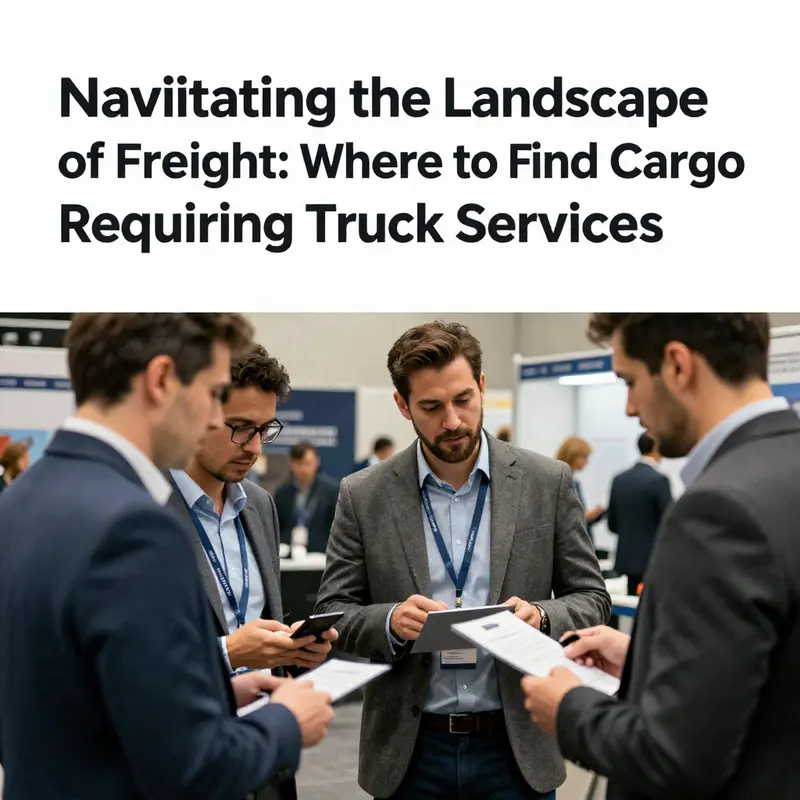
In the competitive realm of truck services, personal relationships and networking are not just add-ons but vital strategies that can set a service provider apart. In an industry driven by time-sensitive decisions, the ability to rely on a well-cultivated network often means access to high-quality cargo opportunities that might otherwise remain out of reach. From initial introductions at industry events to sustained engagements with logistics managers at major distribution centers, these relationships build the foundation of trust and collaboration that smooths the path from inquiry to delivery.
Building a network of industry contacts begins with a deep commitment to genuine connection. Freight professionals know that every handshake, every shared conversation at trade shows or regional meetups, can open the door to exclusive cargo assignments. Relationships formed over years, nurtured through consistent communication and reliable performance, become the bedrock upon which many carriers rest their business success. It is said that success in trucking sometimes hinges on who you know rather than just what you know. As such, effective networking is as much about demonstrating reliability and attentiveness as it is about exchanging business cards.
Long-standing personal connections play a crucial role in this landscape, enabling a more fluid exchange of information and opportunities. A driver who has cultivated trust with a logistics manager might receive advance notice of upcoming shipments, giving them a competitive edge in planning routes and schedules. Equally important is the ability to share risk information among trusted contacts. In moments of supply chain disruptions or urgent cargo requirements, these established bonds facilitate a rapid flow of essential details, allowing service providers to react quickly and efficiently to fill any gaps in capacity. In this way, personal networks serve as both an early-warning system and a reliable source of cargo leads.
The importance of one’s personal network is underscored by the fact that many logistics decisions still rely heavily on word-of-mouth referrals, even in an era dominated by digital platforms. It’s not unusual for a satisfied shipper or a fellow carrier to recommend a trusted service provider, thereby transferring not only potential business but also a measure of professional credibility. This kind of referral carries a weight that goes far beyond simple transactional relationships; it represents a pledge of performance that can make all the difference, particularly in a market where competition is fierce and margins are thin.
Moreover, relationships fostered over time have a unique ability to bridge the gap between traditional and modern methodologies. Even as advanced digital freight marketplaces streamline the process of matching shippers with carriers through instant algorithms and transparent pricing models, the human element still plays an undeniable role. Carriers frequently find that the nuanced insights provided by a seasoned industry colleague can illuminate factors that algorithms might overlook, such as local market conditions or the reputations of specific logistics hubs. Such insights are invaluable in navigating the complexities of cargo acquisition and delivery.
Beyond the immediate benefits of securing timely shipments, strong relationships have a long-term strategic value. They enable service providers to build a portfolio of repeat business, where the reliability and trust developed over time translate into steady, predictable cargo flows. The industry thrives on mutual confidence, as evidenced by many long-term partnerships wherein shippers continuously rely on the same carriers to maintain the integrity of their supply chains during periods of both high demand and unexpected disruptions. These deep-rooted connections not only safeguard operational continuity but also create opportunities for carriers to renegotiate terms and secure more favorable conditions over time.
Networking in freight is far more than just the act of meeting new people—it is a continuous process of nurturing and reciprocation. Regular attendance at industry expos, local logistics meetings, and informal gatherings contributes to an ever-growing repository of professional contacts. Many service providers set aside time each week to reach out to past collaborators, check in on current partners, and even lend support when others face challenges. This level of engagement is both a personal commitment and a professional strategy, ensuring that when the wheels of commerce turn, one is always among the first to know when a new cargo opportunity arises.
The role of technology in this ecosystem cannot be understated, yet it often complements rather than replaces personal networks. Modern platforms offer convenience—a quick search, a fast match, instant price comparisons—but they do not always replicate the nuanced judgment that comes from human insight. For instance, while digital marketplaces can offer rapid matches based on predetermined criteria, they may not account for subtleties that a seasoned professional might catch during an in-person conversation. In scenarios where unexpected delays or unique cargo requirements present themselves, the assurance provided by a familiar face or a reliable contact can be far more effective than a cold digital confirmation.
It is also essential to recognize that personal relationships extend beyond the boundaries of formal meetings and scheduled events. They evolve organically through daily interactions, often in settings as casual as a phone call or a shared coffee break at a logistics hub. These interactions build rapport and mutual understanding that can become the critical link during high-pressure situations. In many cases, it is the informal check-ins and off-the-record discussions that help carriers anticipate challenges or identify opportunities before they become widely known.
Another dimension of relationship-based networking lies in its capacity to smooth over unforeseen difficulties. Transportation often involves inherent risks—weather disruptions, unexpected regulatory changes, or sudden shifts in market demand. Carriers with robust networks can call on trusted contacts for timely advice or assistance when navigating these challenges. Knowing that a colleague has already managed a similar situation or that a partner can recommend a contingency plan often provides peace of mind and operational resilience. In this regard, personal networks act as a buffer, absorbing shocks and ensuring continuity in the flow of goods and information.
In today’s industry, where logistical challenges are increasingly complex and market dynamics shift rapidly, the value of investing time and effort in personal relationships cannot be overemphasized. Many successful operators have recognized that a simple call to a trusted associate can resolve situations that might otherwise require protracted negotiations through digital platforms. This interpersonal approach is particularly effective in securing cargo assignments in times of urgent demand, where quick decisions are required, and every minute saved can result in significant competitive advantage.
Equally important is the role of trust in these relationships. Without it, even the most advanced technological solutions risk falling short. A relationship built on trust fosters open communication, where both sides can share challenges, opportunities, and even sensitive information regarding market conditions. This two-way communication is particularly vital when handling specialized cargo. Whether the freight involves oversized loads or requires transport of hazardous materials, the mutual respect and reliability that come from long-term personal connections can prove decisive in ensuring that all parties are well-informed and well-prepared for any eventuality.
Sometimes the real power behind personal networks is best exemplified by the willingness of industry professionals to go the extra mile for one another. A logistics manager might recommend a carrier not solely because of competitive pricing but largely due to the carrier’s history of exemplary service and a commitment to shared values in the field. The accumulation of such positive interactions over time contributes to a reputation that is both resilient and marketable. Carriers with a track record of superior service often find that their network naturally expands as satisfied partners introduce them to other key decision-makers across the freight industry.
Looking ahead, the future of cargo acquisition in truck services is likely to see a hybrid model combining the speed and efficiency of digital platforms with the reliability and personalization of long-term relationships. Leading industry reports indicate that while automated matching systems are improving in sophistication, they still work best when supplemented by the insights of experienced, human networkers. For many professionals moving forward, the challenge and opportunity lie in blending these two approaches seamlessly, relying on technology for routine tasks while continuing to invest in the valuable human connections that drive success in more complex situations. In this respect, the call to “invest in people in trucking” has never been more relevant, serving as a reminder that technology works best when it amplifies rather than replaces the human element.
To grasp the enduring importance of relationship-based networking, one need only look at the real-world success stories of many seasoned truck service providers. Their experiences narrate a tale of loyalty, resilience, and mutual support that transcends the transactional nature of modern freight exchanges. Amid the rapid changes brought by digital innovations, those who have maintained the personal touch continue to thrive. These professionals know that each conversation, every meeting face-to-face or virtual, carries the potential to reshape their business outlook, ensuring that when cargo opportunities arise, they are not only prepared but also well-positioned to capitalize on them.
For anyone in the trucking industry looking to refine their cargo sourcing strategy, it is crucial to remember that technology is a powerful tool but that its greatest potential is realized when combined with strong personal networks. The practice of nurturing relationships, sharing insights, and relying on trusted contacts is indispensable. It is this human dimension that transforms routine transactions into valued partnerships, providing a buffer against the uncertainties of the logistics chain and laying the groundwork for long-term success.
In summary, as the cargo market continues to evolve and digital platforms become increasingly integral to freight logistics, the timeless value of personal relationships remains undiminished. Networking is not merely about expanding one’s contact list but about building a robust web of support that enhances every aspect of the service. Carriers who focus on cultivating genuine connections will not only secure more reliable and favorable cargo assignments but will also build a resilient operational framework that can weather market fluctuations and unexpected challenges. For further insights on the significance of personal investments in the trucking industry, consider exploring the detailed perspective provided by an analysis on the subject of investing in people in trucking. Ultimately, in an industry where both speed and reliability are paramount, the synergy between technology and trust-driven relationships remains the cornerstone of a successful cargo acquisition strategy.
For readers interested in a deeper dive into the dynamics of networking in the freight sector, an informative article on LinkedIn encapsulates these principles well. It offers detailed insights into how trusted professional relationships help shape the modern landscape of the trucking industry. Read more on the role of networking in the freight industry.
Navigating Complex Routes: Harnessing Specialized Channels for High-Risk Cargo Transportation
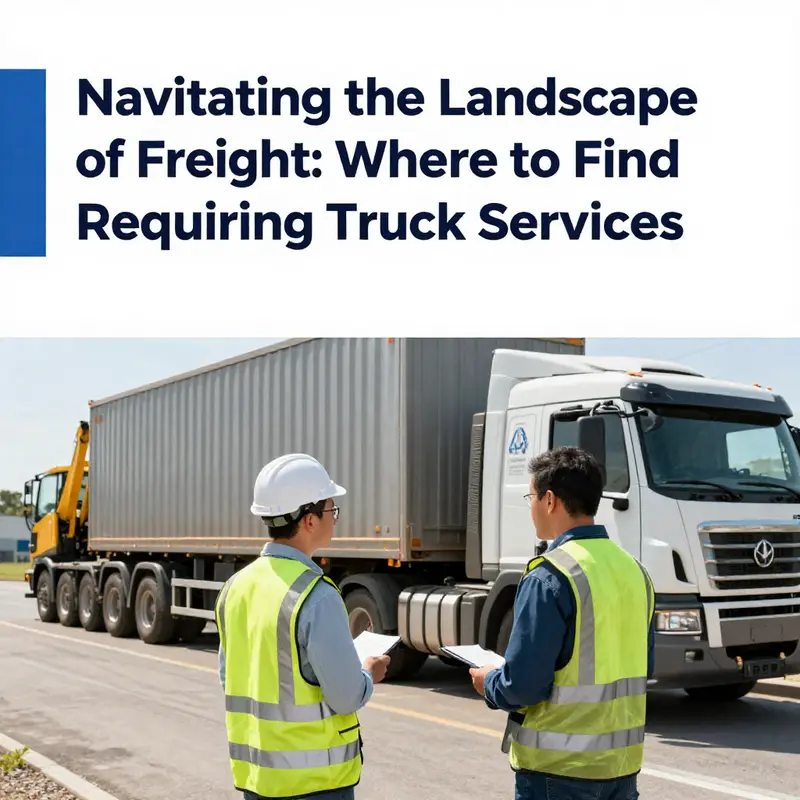
Transporting high-risk and sensitive cargo demands more than just an available truck; it requires a well-coordinated system tailored to meet exacting standards of safety, efficiency, and regulatory compliance. Specialized channels for unique cargo represent a convergence of dedicated infrastructure, advanced technology, and deep industry know-how. These channels are purpose-built to handle cargos that cannot be accommodated by conventional logistics routes, ensuring that shipments such as hazardous materials, oversized loads, temperature-controlled goods, or items with strict legal and regulatory requirements are moved seamlessly from origin to destination. In today’s environment, specialized channels serve as lifelines for industries that depend on the timely and secure delivery of goods that would otherwise pose a significant risk if transported through general freight networks.
A case in point is the sophisticated operation embodied by the Hong Kong Zhongshan Sensitive Cargo Special Line, a dedicated corridor developed to manage shipments originating from Zhongshan—a prominent industrial hub—and destined for the international markets connected via Hong Kong. This specialized channel is designed to tackle the challenges inherent in transporting sensitive cargo that spans a wide spectrum, including electronics containing lithium batteries, powder-based compounds, liquid chemical substances, and even branded merchandise requiring stringent intellectual property verification. By streamlining processes that encompass pre-approved packaging, expedited customs clearance, and customized documentation protocols, this channel sidesteps many of the bottlenecks that can plague conventional supply chains.
At the operational core of these specialized channels is an unwavering commitment to meticulous cargo classification. Each shipment is evaluated on parameters that include its physical composition, chemical stability, regulatory restrictions, and the precise conditions required for safe transit. Once a cargo’s profile is established, the subsequent steps become a matter of aligning the right asset with the appropriate handling methodology. This alignment is not merely about matching a truck to a load; it involves deploying equipment engineered for the purpose. Trucks befit for such tasks often feature specialized fixtures like anti-static interiors, enhanced climate controls, and reinforced suspension systems to handle heavy, bulky, or sensitive items. They are equipped with emergency shut-off valves, real-time monitoring systems, and even remote diagnostics to ensure that any deviation from expected conditions is addressed immediately.
In addition to the physical assets, the effective management of sensitive freight involves rigorous adherence to documentation and packaging standards imposed by national and international regulatory bodies. For example, shipments that incorporate battery-powered devices must comply with UN certification guidelines, while hazardous materials require appropriate hazard labels and accompanying documentation such as Material Safety Data Sheets (MSDS) or hazardous cargo permits. These requirements are non-negotiable in a context where even minor oversights can lead to severe penalties, delayed shipments, or accidents that could compromise safety on a wider scale. The specialized channels excel by integrating these layered rules into a fluid operational process, ensuring that every stage from packing to final delivery is compliant with industry best practices.
The engine of their effectiveness is often technology, which plays a pivotal role in reducing operational friction. Many specialized logistics channels have embraced state-of-the-art tracking systems and automated documentation processes, enabling them to monitor cargo in real time from the moment it leaves the loading dock until it reaches its final destination. This level of scrutiny not only simplifies regulatory oversight but also builds trust among the involved stakeholders. A detailed tracking mechanism acts as an assurance that the cargo is being handled with the necessary care, and any discrepancies are annotated and flagged immediately for corrective action. Technology, in this sense, becomes a bridge between compliance and operational efficiency, ensuring that specialized cargo does not face the typical challenges of delays or oversight errors.
Moreover, the specialized nature of these channels extends to their operational frequency and route optimization. Unlike general freight corridors that might operate on a flexible but loosely organized schedule, dedicated channels like the Hong Kong Zhongshan Sensitive Cargo Special Line operate on fixed, high-frequency routes. This operational model minimizes waiting times and increases throughput, a critical consideration when time-sensitive shipments are at stake. Fixed routes reduce the uncertainty associated with ad-hoc scheduling and create opportunities for establishing long-term, stable working relationships between shippers and carriers. The predictability of these channels means that logistics coordinators can plan with confidence, knowing that the specialized transport network has been optimized to handle specific types of cargo consistently and efficiently.
Another layer that elevates the performance of these specialized channels is the deep reservoir of expertise possessed by industry professionals who work within them. These professionals, ranging from logistics managers to on-site inspectors and truck operators, are not only versed in standard practices but are also trained to handle unique challenges related to sensitive cargos. Their hands-on experience and continuous training ensure that nuances in handling unusual cargo types are not overlooked. For instance, navigating the intricate customs regulations of cross-border transportation becomes straightforward when conducted by individuals who have spent years refining their understanding of both local and international logistics laws. In many cases, seasoned professionals serve as both advisors and troubleshooters, fine-tuning each process step to accommodate changes in regulatory standards and market demands.
The integration of specialized channels into broader logistics strategies additionally fosters stronger networking and collaborative practices among stakeholders. Carriers within these channels benefit from solid relationships with logistics hubs, distribution centers, and even local warehouses and manufacturing sites. Establishing direct communication lines with logistics managers or key decision-makers at distribution points enhances the reliability of the operation and opens up avenues for additional cargo opportunities. This facet of the network is particularly valuable in regions where personal relationships and industry reputation play significant roles in securing consistent work. A robust internal network, along with online platforms dedicated to freight services, can augment specialized channels by ensuring that each link in the chain is as efficient as the next. For a broader perspective on how regulatory matters can intersect with the granularity of specialized trucking operations, one might refer to insights provided on discussions related to cross-border regulatory issues in modern logistics.
Apart from the technological and operational strides, the economic implications of using specialized channels are significant. By leveraging dedicated routes and assets specifically designed for high-risk cargo, shippers can expect enhanced reliability that translates into fewer delays, reduced waste from spoilage, and less overall risk of non-compliance. This improved reliability can lead to cost savings over time, not only through reduced insurance premiums and lower fines but also through a minimized need for last-minute corrective actions. The efficiency of these channels benefits all parties: shippers gain timely deliveries, carriers build reputations for dependability, and regulatory bodies can anticipate and streamline inspections based on preset operational protocols. In this way, the economic benefits feed back into the overall sustainability of these transportation models, reinforcing their value proposition in a highly competitive market.
Environmental considerations also play a role in the evolution of specialized channels. In many cases, high-risk cargo operations are linked with products and industries that have strict environmental standards. Using dedicated channels may allow for the implementation of greener practices, such as optimized route planning to reduce fuel consumption, or the use of trucks with lower emissions. Moreover, specialized freight vehicles are often designed with modern engines and incorporated environmental control technologies that further align with sustainability objectives. This dual focus on safety and environmental stewardship helps companies meet regulatory mandates while also enhancing their corporate social responsibility profiles.
A notable challenge addressed by these specialized channels is the management of documentation and real-time communication across international borders. When cargo moves between different regulatory jurisdictions, every step—from pre-loading checks to final delivery inspections—must be documented meticulously. Technology bridges the gap by facilitating real-time updates and digital verifications. Automated systems ensure that once a package is scanned at the point of origin, its journey is documented and tracked at each checkpoint. This minimizes human error and ensures that all regulatory mandates, such as those required by the International Air Transport Association for dangerous goods or equivalent bodies, are met thoroughly. The reliability of such an integrated system is further enhanced by ongoing training for personnel and periodic audits conducted in collaboration with regulatory agencies.
In scenarios where specialized cargo requires unique handling—such as oversized loads or materials that are inherently volatile—the expertise extends to the design and modification of vehicles. Trucks assigned to these tasks often incorporate custom modifications that not only protect the cargo but also ensure the safety of the driver and the public. Examples include reinforced chassis, specialized anchoring systems, and enhanced braking mechanisms. These vehicles represent a significant investment in safety and reliability. Their design is the result of extensive research and iterative improvements that draw upon decades of experience in transporting high-risk materials. Their role in the broader supply chain cannot be overstated, as they transform uncertain and high-stakes shipments into predictable, manageable operations.
Collaborative frameworks often underpin the efficiency of specialized channels. Carriers engaged in transporting sensitive cargo are typically part of wider networks that include dedicated freight marketplaces and industry-specific platforms. These marketplaces contribute to a transparent operating culture, where shippers and carriers connect effortlessly thanks to advanced algorithms and real-time bidding systems. Such systems ensure that shippers receive competitive pricing while drivers can secure work quickly. These digital platforms have revolutionized the logistics industry by merging traditional practices with digital efficiencies. For those interested in exploring advanced solutions in the logistics industry, additional insights can be found on discussions about cross-border regulatory challenges.
Ultimately, the success of specialized channels for high-risk cargo hinges on the unyielding commitment to precision, compliance, and continuous improvement. By combining dedicated shipping lanes, state-of-the-art tracking technology, specialized freight vehicles, and a network of seasoned professionals, these channels have redefined what it means to transport sensitive goods. They transform inherent challenges into opportunities, ensuring that even the most demanding cargo is delivered safely and efficiently. Given the intricate nature of these operations, each pathway is deliberately crafted to align with regulatory standards and market expectations.
For stakeholders involved in sectors where the cost of non-compliance or mishandling could be catastrophic, the benefits of utilizing these specialized channels are clear. These networks offer not only a solution to the logistical challenges posed by high-risk freight, but they also serve as a strategic asset that can mitigate risks and drive operational excellence in an industry where reliability is paramount. In modern logistics, where every minute and every detail matters, specialized channels stand out as the premium option for transporting cargo that requires more than a conventional approach.
For further detailed and authoritative insights on industry logistics standards and best practices, the China Logistics Association provides comprehensive resources for professionals involved in managing specialized cargo transport (visit the China Logistics Association website at https://www.clac.org.cn for more details).
Final thoughts
In summary, finding cargo that requires truck services is critical for optimizing logistics and maintaining business flow. By leveraging dedicated freight marketplaces, utilizing logistics hubs, exploring online classifieds, fostering networking relationships, and understanding specialized channels for unique freight types, businesses can effectively navigate the logistics landscape. As the demand for efficient freight solutions continues to evolve, staying informed and adaptable is paramount for success in the trucking industry.