
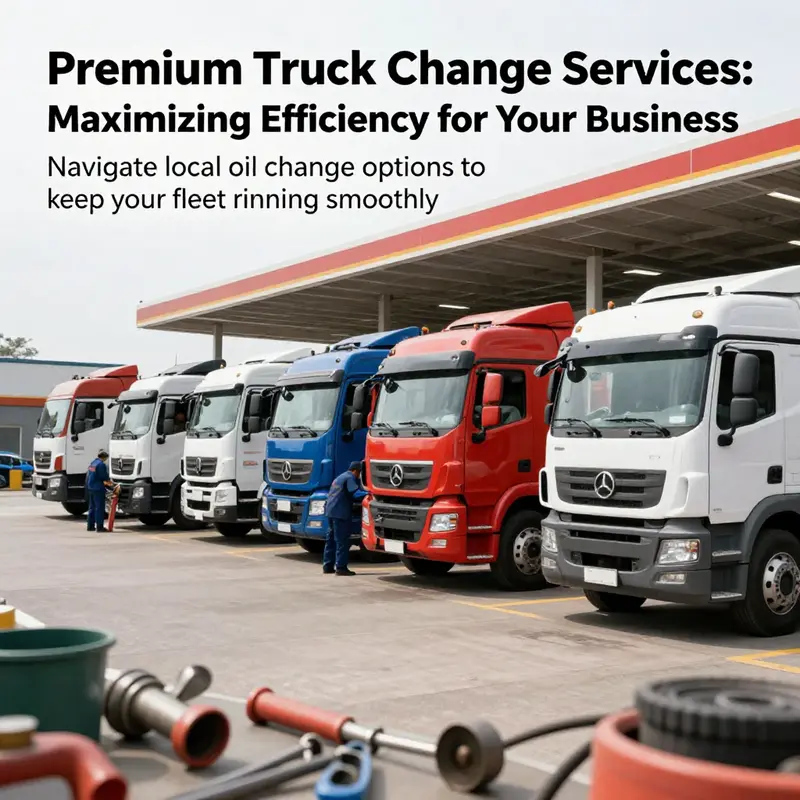
Whether your business is focused on manufacturing, e-commerce, construction, or shipping, keeping your trucks in optimal condition is critical. Regular oil changes serve as a cornerstone for diesel engine maintenance, ensuring efficient operation and reducing the risk of costly breakdowns. This article explores essential strategies to locate reliable truck oil change services tailored to your business needs. Each chapter will delve into proactive ways for manufacturing firms, construction companies, and retail businesses to identify the best services, assess their quality, understand the necessity of regular maintenance, leverage digital resources, and appreciate the local advantages of choosing nearby service providers.
Locating Reliable Truck Oil Change Services: A Fleet Manager’s Guide to Keeping Engines Running
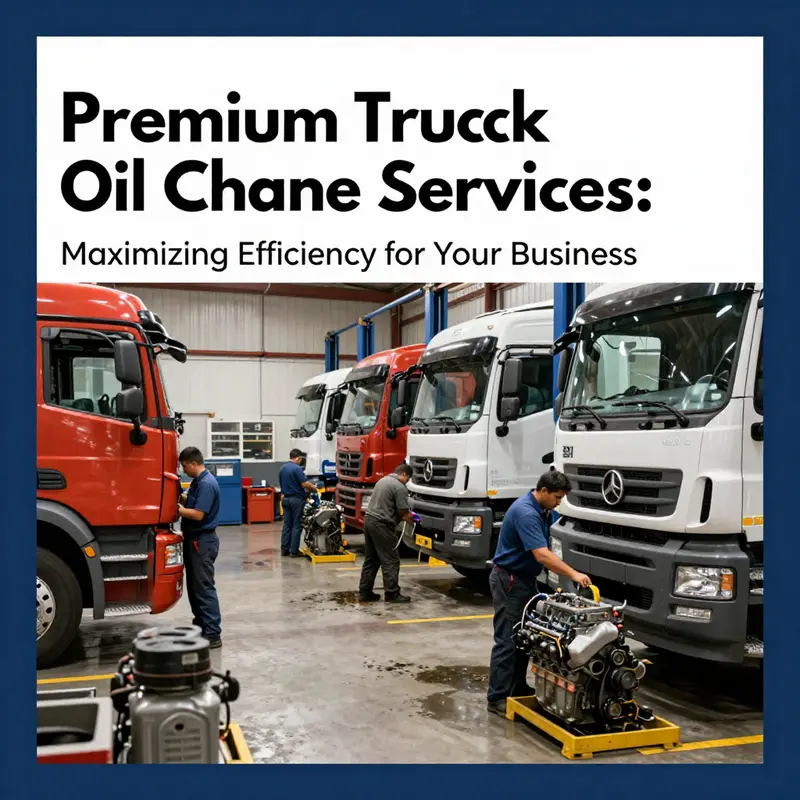
Finding dependable truck oil change services is more than a matter of proximity. For fleets that depend on minimal downtime and predictable maintenance costs, the choice of where and how you get an oil change can influence engine longevity, uptime, and total cost of ownership. The search begins with clearly defined needs: diesel engines, appropriate oil specifications, the right filtration, and an understanding of service scope. In many markets, effective options include local service shops that specialize in commercial trucks, mobile on-site oil changes that come to your location, larger national networks with standardized procedures, and fuel stations that offer basic maintenance bays. Each path has distinct strengths, and a balanced strategy often blends several options to keep wheels turning across routes, terminals, and loading docks. When you are evaluating options, the emphasis should be on reliability, knowledge of heavy-duty or fleet-specific requirements, and the ability to handle unexpected disruptions without sacrificing service quality.
Local service providers still form the backbone of fleet maintenance in many regions. A practical approach is to search with the same diligence you apply to parts procurement: use keywords such as truck oil change near me or mobile oil change service and then validate the results through maps, reviews, and direct inquiries. The most trustworthy local shops are those that regularly handle commercial vehicles, maintain current diesel certifications where applicable, stock heavy‑duty filters and the oils you use, and can perform standard oil changes within a predictable time window. Fleet managers often find that a strong local partner not only delivers routine service on a scheduled cadence but also provides the flexibility to address quick turnarounds when traffic, weather, or a late arrival disrupts a planned route. In conversations with these providers, it’s essential to confirm their familiarity with the specific engine models in your fleet, the correct oil viscosity range, and whether they offer synthesized or conventional oils as needed. A competent shop will ask for the engine type, oil capacity, and the preferred maintenance interval, then align that with a documented service protocol and a transparent price range. Such exchanges lay the groundwork for consistent service quality and enable better forecasting of maintenance windows in dispatch schedules. For fleets that want to stay on top of trends and best practices, a thoughtful read on the broader landscape can be gained through industry discussions such as Private Fleets Trends in Trucking Maintenance, which provides context on how ongoing maintenance strategies contribute to reliability and efficiency over time.
Mobile on-site oil change services have grown in popularity for fleets facing tight schedules or limited terminal space. The appeal is straightforward: the technician comes to your yard, shop, or loading dock with the right oil, filters, and the tools to complete the service efficiently. This model reduces the downtime associated with trucking to a shop, eliminates the need to coordinate a tow when a truck is already in a yard, and minimizes the risk of waiting in line at an impound-like service area. When considering mobile options, it’s important to verify coverage, service hours, and the range of maintenance tasks they can perform on-site. A true on-site option will not only drain the old oil and replace the filter but also confirm oil level accuracy post-service and dispose of waste oil in an approved manner. Look for mobile teams that can handle heavier pour weights, perform quick engine checks after the oil change, and provide a simple, verifiable receipt or maintenance record that integrates with your fleet maintenance software. Preparation pays off here: have the truck’s exact engine model, year, oil capacity, and preferred oil grade ready, as well as the job site details, access instructions, and any site safety requirements. The advantage, of course, is reduced downtime, but you should also ensure the on-site team has reliable communication channels and a clear expectation for the scheduling window so dispatch can plan routes around the service time.
National chains and online maintenance platforms offer another layer of consistency and scalability for fleets that operate across multiple regions. The strength of these networks lies in standardized procedures, trained technicians, and the ability to book services across cities or provinces with similar service levels. However, the tradeoff can be variability in price, scheduling availability, or differences in the scope of what is included in a routine oil change. When engaging with a nationwide option, fleets should seek confirmation of the oil specification compatibility with their engines, the filtration options offered, the recommended service interval, and whether the chain can provide an integrated maintenance record for each vehicle. In many cases, these providers will also present bundled maintenance offerings that align with longer-term fleet health goals, which can streamline budgeting and reporting.
Gas stations and service bays at larger fueling networks represent another viable channel, particularly for fleets that require quick top-offs or mid-range maintenance while on long hauls. In practice, these facilities can perform basic maintenance tasks, including oil changes, during down times or while awaiting other services. Yet, for heavy-duty trucks with specialized engines and high-mileage wear, the service bays at general gas stations may not always have the capacity, tools, or trained staff to complete the job with the same thoroughness as a dedicated truck repair shop. If a fleet uses this path, it’s prudent to confirm the station’s experience with diesel engines, the availability of appropriate filter types, and the ability to adhere to a defined maintenance checklist. Clear communication about the vehicle’s make, model, and oil capacity helps prevent miscommunications and ensures the right parts are on hand.
In circumstances where a truck breaks down or is stranded due to low oil or a related issue, emergency or roadside assistance services can be a critical lifeline. These services are designed to get a truck back on the road quickly or tow it to a suitable facility when immediate repair is needed. While roadside options are invaluable in urgent situations, they should not be treated as a substitute for planned maintenance. An on-call roadside response is typically designed for urgent responses and may not offer the comprehensive diagnostics or routine maintenance checks that a scheduled oil change provides. For fleets, the important takeaway is to establish clear expectations with roadside partners: what they can provide on the hook, how quickly they can mobilize, and whether they can coordinate with a preferred service provider to ensure the right oil and filters are used when the truck is serviced later.
No matter which path you choose, the process of locating and validating oil change services benefits from a disciplined due-diligence routine. Start with a regional map of available providers and branch out by calling or emailing to confirm capabilities. Request a written service scope that specifies the oil grade, filtration, oil capacity, and whether a post-service check is included. Ask about waste oil disposal and recycling practices, as environmental responsibility is increasingly a factor in choosing a partner. A reliable shop or mobile technician will provide a maintenance report or receipt, ideally with a record of machine hours, mileage, and service milestones that align with your fleet’s maintenance program. For fleets that operate across multiple locations, keeping a centralized ledger of approved providers and service records helps maintain consistency and enables better performance tracking. Finally, leverage local networks and peer recommendations. Conversations with other fleet managers can reveal which shops have earned reputations for accuracy, speed, and dependable parts handling, reducing the guesswork that often accompanies routine maintenance.
To conclude, locating truck oil change services is not merely about finding the closest option. It is about building a reliable ecosystem that supports engine health, uptime, and cost predictability. By weighing local specialists, mobile on-site providers, national networks, and service bays at gas stations against the specifics of your engines and operation, you can assemble a flexible maintenance matrix that keeps every tractor in service longer. Remember to document your preferred channels, ensure the supplier can meet diesel-specific needs, and keep the maintenance records neatly aligned with your fleet management system. This approach—clear expectations, verified capabilities, and a documented audit trail—transforms a routine oil change into a strategic element of fleet reliability. For ongoing learning, you can explore broader industry trends and maintenance strategies in the piece on Private Fleets Trends in Trucking Maintenance, which offers deeper context on how maintenance choices shape fleet performance over time.
External resource: https://www.google.com/maps/search/Commercial+Truck+Oil+Change+Dallas,+TX
null
null
From the Highway to the Lube Bay: A Practical Guide to Finding Reliable Truck Oil Change Services
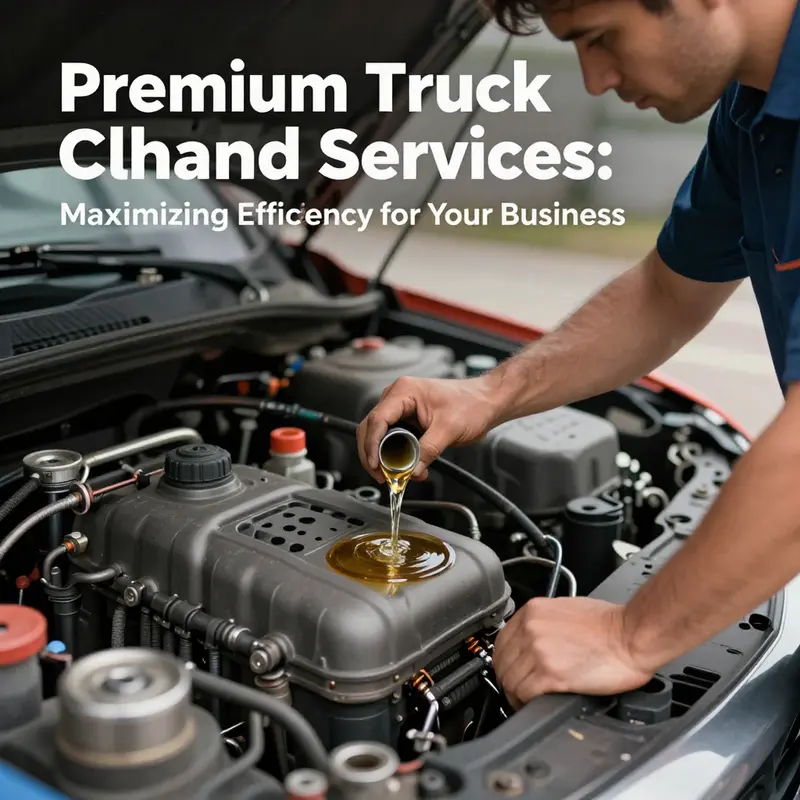
The heartbeat of a long-haul operation is the engine, and the engine runs best when its oil never sees a dry moment. In the world of heavy-duty trucks, an oil change is more than a routine swap of used oil for fresh. It is a critical maintenance procedure that protects bearings, bearings, and injectors from heat and particulates, preserves fuel efficiency, and minimizes the risk of roadside breakdowns. For fleets and independent drivers alike, knowing where to find trustworthy truck oil change services is a practical skill with tangible consequences on uptime, safety, and the bottom line. In dense urban markets like Dallas, Texas, the landscape is dense with options, ranging from point-to-point quick-lube operations to full-service fleet maintenance shops that treat oil changes as a structured, data-driven process. The challenge is less about locating a shop and more about identifying providers that can handle the specialized demands of diesel engines, heavy loads, and the varied climates trucks encounter on the road. The first step is to look beyond a simple line item price and toward service depth. A reputable shop will approach an oil change as part of a broader lubrication and diagnostics program. They will inspect the lubrication system, verify filter integrity, and check ancillary systems that influence engine health. This is not just about draining oil and replacing a filter; it is about ensuring the entire circulation loop remains clean, sealed, and correctly charged with the proper viscosity oil chosen to meet the manufacturer’s specification for each engine. In practice, a professional oil change begins with a warm-up to raise the oil’s viscosity and release particulates more effectively. The technician then drains the old oil, removes and replaces the filter with a serviceable unit that meets OEM or equivalent standards, and torques the drain plug and filter to the exact specifications. The next step is to refill with the specified oil type and viscosity, then reset maintenance indicators and document the service for fleet records. This level of precision matters because using the wrong oil or overtightening a filter can compromise filtration efficiency, cause leaks, or, in the worst case, contribute to engine damage. It is here that the value of professional service becomes clear: trained technicians understand the tolerances and the subtle cues that reveal more than just an oil condition. They can identify early signs of internal wear during the same visit, such as coolant losses indicating a potential leak, unusual crankcase pressure, or minor gasket seepage that might warrant further inspection. The investment in a thorough oil change, therefore, extends well beyond the glossy time ticket. It translates into reduced downtime, fewer unexpected maintenance events, and more predictable operation days. For fleets managing multiple units, consistency is the bedrock of reliable operation. Standardized procedures, traceable service logs, and verifiable parts procurement are not luxuries; they are essential for compliance, safety, and performance benchmarking. A dependable service partner will offer a documented workflow that captures the exact oil grade, capacity, filter type, and torque values used in each truck. They will also maintain reminders aligned with the vehicle’s maintenance schedule and provide a clear, auditable trail for regulators and insurers. The environmental dimension of modern truck maintenance should not be overlooked. Cartridged-type filters and selective oil technologies reduce waste and simplify recycling—an important consideration for fleets seeking to minimize environmental impact alongside cost. In practice, this means choosing a shop that respects proper disposal practices, uses recycled oil handling where feasible, and communicates waste-management steps as part of the service offering. When evaluating shops in a city like Dallas, there are practical indicators that help separate the proficient from the merely convenient. Look for shops that advertise diesel engine expertise and emphasize OEM-aligned parts and fluids. Ask about the ability to source and certify the appropriate filters and oils for your make and model without improvising. The best technicians will describe how they tailor their oil change procedures to the engine family you operate, whether that means a diesel-predominant fleet or a mixed-portfolio operation with multiple brands and configurations. A further indicator is the facility’s equipment footprint. Do they offer at least one dedicated lube bay with calibrated torque wrenches, waste oil containment, and an inspection lane where technicians can perform a quick visual sweep of the cooling system, belts, and air intake? Are they equipped to handle the typical volumes of a fleet without sacrificing quality or speed? In addition to the core service, consider how the shop supports scheduling and accessibility. For trucking operations, time is money. A capable provider will accommodate drop-off and pickup while offering transparent lead times and, where possible, on-site or mobile service options for urgent intervals. They may also provide a diagnostic follow-up option to confirm that the oil change restored normal engine behavior, with no leaks and no abnormal noise or temperature anomalies. For fleet operators, the value proposition extends to data. Some service partners integrate with fleet-management platforms, pushing service records into a central system and enabling maintenance history to drive future decisions. This traceability is not only prudent for safety and reliability but also a competitive advantage when negotiating routes, insurance terms, or regulatory compliance. In Dallas and comparable markets, the most effective approach is to research options through local directories and reviews and then reach out with a concise, targeted checklist. Confirm that the shop can service your engine family and model years, confirm their ability to supply OEM- or equivalent-quality filters and oils, and verify their waste-disposal practices. Ask about their process for oil sampling or any routine testing they might offer to monitor engine wear or lubricant condition over time. A helpful way to frame the conversation is to treat the oil change as the first line of defense in a broader maintenance strategy rather than a routine chore. If you view it through that lens, you’ll naturally prioritize shops that invest in the people, the data, and the procedures that keep engines clean and efficient for longer periods of time. For readers curious about broader industry trends, there is value in considering how fleets are evolving in their maintenance philosophies. The private fleets that regularly service multiple units tend to favor partners who offer standardized, scalable solutions and robust documentation. This trend underscores the importance of consistency and reliability over the cheapest possible service. For fleet operators, it is also worth noting the environmental and regulatory edges, which are increasingly shaping maintenance choices and supplier selections. In short, the road to finding a trustworthy truck oil change service in a busy market like Dallas starts with clarity about your engine and your needs, followed by due diligence across capability, process discipline, and data discipline. The path is not just about getting fresh oil into an engine; it is about embedding oil-change events within a disciplined maintenance regime that guards uptime, safety, and profitability. If you want a practical starting point in your market, consider consulting local resources and industry-focused articles that discuss how fleets are adapting to maintenance realities in their regions. For deeper insights on how private fleets are approaching maintenance practices, you can explore the topic at the linked article: private fleets trends in trucking maintenance. For further technical context on oil-filter specifications and their role in engine protection, refer to external standards and manufacturer guidance available through official resources. This broader perspective reinforces the point that choosing a professional oil-change service is an integral part of a proactive, future-ready maintenance strategy that keeps heavy-duty trucks on the road when it matters most.
Finding the Right Truck Oil Change Services Online: A Practical Roadmap for Diesel Fleets
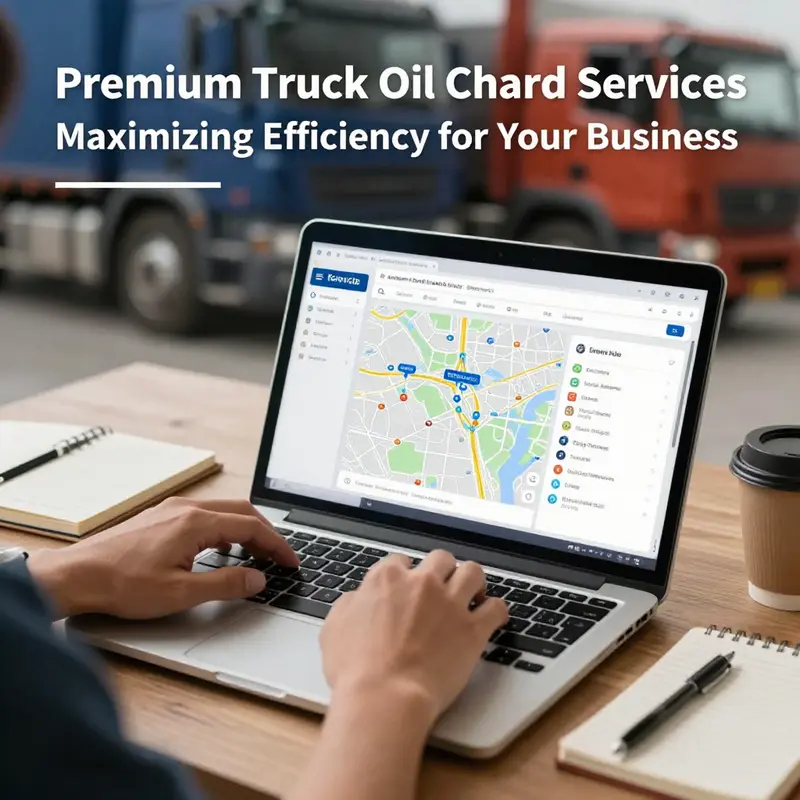
Locating trustworthy truck oil change services has evolved from a grind of phone calls and door-to-door inquiries to a navigable, online landscape that rewards diligence and a clear sense of your own fleet needs. As the starting point of any reliable maintenance plan, an efficient oil change is more than a routine task; it is a line of defense against costly downtime and performance decline. The online world helps you cut through the noise by connecting you to service providers who specialize in diesel maintenance, align parts with precise engine specifications, and offer flexible scheduling—whether you operate a single rig or a rolling fleet. The core advantage is not merely finding someone who can drain and fill oil, but locating a partner who understands diesel engines, knows which oil and filters are appropriate for your particular make and model, and can deliver the service with minimal disruption to your operations. In practice, the search becomes a process of aligning your truck’s needs with a provider’s capability, then validating that match through reliable digital signals such as up-to-date inventory data, transparent pricing, and verifiable customer feedback. This is where online resources shine, offering a way to gauge reliability before a technician ever arrives and to schedule work around mission-critical dispatch windows rather than around office hours alone.
Specialized diesel maintenance platforms form a central backbone of this online ecosystem. They do more than list shops; they guide you through the decision process. A nationally scoped platform, for example, aggregates truck specifications with the oil grades and filters that are compatible with each engine family, then maps nearby service centers that stock the right parts. The benefit is twofold: you avoid the common frustration of arriving at a shop only to learn that the requested oil or filter is not in stock, and you gain confidence that the center you choose has a track record of service quality for diesel fleets. The result is a more predictable maintenance cycle, reduced idle time, and a clearer sense of total cost of ownership over the life of a vehicle. In practice, this approach also helps fleets plan preventive maintenance by locating service options that offer quick turnaround or on-site visits, which is especially valuable for high-demand periods or when delaying a fluid change could cascade into more serious system issues.
Beyond the engine-specific considerations, online discovery of oil change services hinges on two practical capabilities: availability of mobile service options and the trustworthiness of peer feedback. Mobile oil changes—where a technician comes to your location—are increasingly common and can dramatically shrink downtime for a commercial operation. The ability to book a technician who can perform the service at your yard or loading dock aligns with the reality of fleet management, where time is as precious as the quality of the work performed. Online platforms that present real-time appointment windows, technician qualifications, and the expected duration of service empower fleet managers to integrate maintenance into daily dispatch plans rather than reframe schedules around shop hours. Real-time feedback loops, through platforms like maps and review sites, further sharpen the decision-making process. You can read about other diesel operators’ experiences with a particular shop, noting consistency of oil type recommendations, thoroughness of filter changes, and the clarity of post-service reports. In many cases, these online narratives reveal patterns—shops that routinely offer quick turnarounds, or those that provide detailed service documentation that fleets demand for compliance records.
To ground this discussion in practical action, consider how a fleet or independent operator might approach online discovery in a structured yet fluid way. Start with a specialized diesel maintenance resource that guides you to compatible oil and filter selections and directs you to nearby service centers with stock visibility. This kind of platform reduces the “guesswork” factor that often accompanies a traditional shop call, where you describe your engine and hope the parts are on hand. As you compare options, a helpful cue is to watch for shops that emphasize alignment with your fleet’s maintenance philosophy—whether that means prioritizing rapid turnaround for high-mileage units or partnering with centers that routinely service the exact makes you operate. The online decision becomes less about chasing the cheapest price and more about securing a reliable, predictable service experience that fits your operational tempo.
Alongside specialized platforms, the world of user reviews remains a critical compass. Google Maps, Yelp, and other reputable business pages give you a window into how diesel operators experience particular shops in real-world settings. Look for reviews that mention parts availability, technician expertise with heavy-duty engines, and the transparency of the invoice. A common thread in favorable feedback is a consistent ability to diagnose issues accurately on the first visit, a feature that helps you avoid repeated downtime and extra labor charges. Fleet managers often report that the most valuable reviews come from peers who operate similar equipment or have comparable maintenance demands, making those endorsements especially relevant to your decision. The combination of precise oil and filter guidance, verified part availability, and credible user stories creates a triad of confidence that makes the online search worthwhile rather than merely convenient.
In this context, the online ecosystem also offers a practical route through which fleets can stay aligned with ongoing maintenance trends and regulatory expectations. A well-curated online approach helps you connect not only with shops that can perform an immediate oil change but also with locations that can handle more complex diesel maintenance as part of a broader preventive plan. For readers of this chapter, one productive avenue is to explore resources that focus on fleet maintenance patterns and the evolving needs of private fleets. These sources emphasize that maintenance strategy is increasingly data-driven, with fleets tracking miles since last oil change, scheduling intervals based on duty cycles, and coordinating parts procurement to minimize downtime. The emphasis on data-driven planning makes the online search for oil change services more than a one-off task; it becomes a strategic element of fleet reliability and cost control. For readers who want to delve into these broader maintenance considerations, a catchline worth following is the ongoing discussion around private fleets trends in trucking maintenance, which you can explore in the linked resource: Private Fleets Trends in Trucking Maintenance.
As you refine your search, keep in mind the practical steps that convert online signals into a concrete service appointment. First, enter your truck’s exact make, model, and year, along with the engine family if possible. Even a small misalignment between engine type and recommended oil can cascade into less-than-optimal performance or warranty concerns. Second, filter results by proximity and mobile capability, because distance matters when minutes of downtime translate into dollars. Third, verify stock at the shop or through the platform’s inventory feeds. A shop that promises quick turnaround but cannot confirm the availability of the required oil and filters risks turning a smooth appointment into an extended wait. Fourth, read through the posted service scope and any posted maintenance packages. Some providers bundle oil changes with filter replacements, lubrication of accessories, and a quick system check, which can yield incremental savings and ensure that related system components receive timely attention. Finally, examine the payment and pricing model—whether the platform provides transparent pricing or if there are variable charges for emergency responses, travel time, or disposal fees. Transparent pricing reduces friction at the point of service and helps you forecast maintenance costs more accurately.
In the broader picture, online discovery of truck oil change services is not simply about locating a shop; it is about establishing a reliable maintenance workflow that respects the needs of diesel fleets and single-owner operators alike. It is about building a network of trusted partners who understand the specific demands of heavy-duty engines, the criticality of clean oil and proper filtration, and the need for rapid response when the schedule tightens. The online tools that inform this process do more than list options—they empower you to compare, validate, and schedule with confidence. They also invite you to consider the broader maintenance ecosystem, including local and regional service centers that may offer special arrangements for fleets, on-site services, and documentation that supports compliance and uptime reporting.
To close this practical loop, remember that an effective online search for oil change services hinges on three pillars: accurate engine specifications, real-time service availability, and credible, fleet-relevant feedback. When these elements align, you gain more control over downtime and a clearer path to consistent engine performance. The end result is a maintenance routine that doesn’t feel like a gamble but rather a measured, data-informed component of your fleet’s operational strategy. For those who want a broader perspective on how these online discovery methods intersect with fleet maintenance philosophy and industry trends, the linked resource on private fleets trends in trucking maintenance offers additional context and a thoughtful synthesis of how fleets are evolving in their maintenance programs. External resources can complement your internal checks by pointing you to networks that aggregate parts knowledge, service capabilities, and regional shop availability in one navigable interface: https://www.dosdiesel.com.
Close-By Care: The Strategic Edge of Local Truck Oil Changes
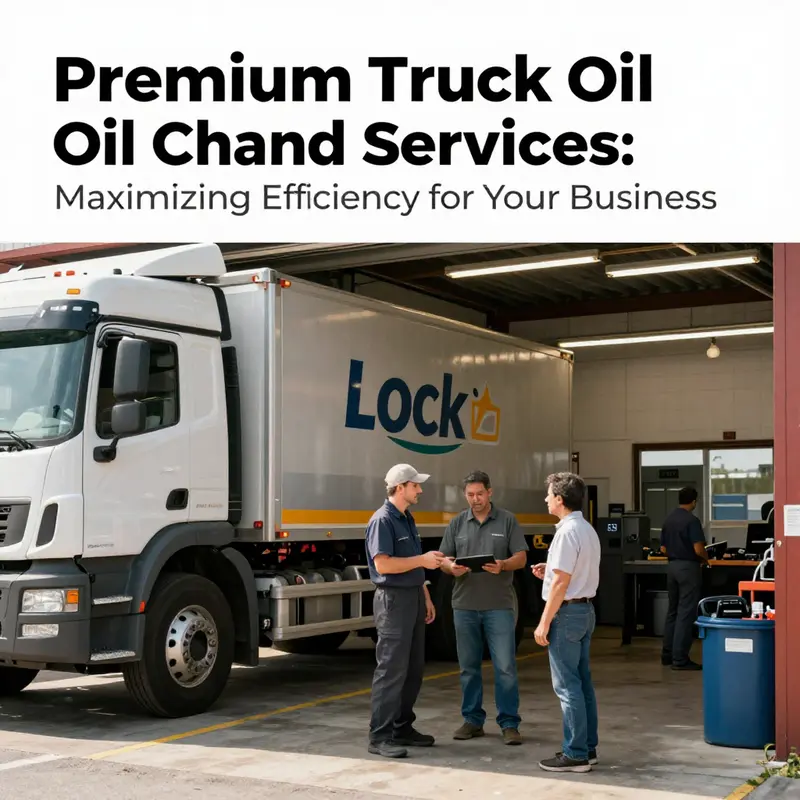
When you manage a trucking operation, every hour on the road matters. An oil change is more than a routine service; it is a protective act that determines engine longevity, fuel efficiency, and uptime. For fleets and independent drivers alike, the case for local, nearby oil-change service is powerful enough to deserve careful consideration. A shop that sits within a short drive of your yard or frequent hauls can shave hours from downtime and keep your drivers moving on schedule. In practice, the decision to choose a local shop shapes maintenance culture, price structure, and the kinds of relationships a fleet builds with its mechanics. The value of proximity becomes especially clear when you measure the ripple effects of simple maintenance on the entire logistics chain—delivery windows, driver retention, and the ability to predict and plan around routine wear and tear rather than react to breakdowns in the middle of a run.
Cost savings and pricing transparency. Local shops tend to have lower overhead than large dealerships and national chains. This doesn’t mean cutting corners; it means leaner operations, faster turnover, and clearer bills. Labor rates can be more competitive, and the price of essential items like coolant, filters, and high-quality diesel oil often comes in with less markup than in bigger facilities. The combination of affordable parts and straightforward labor charges creates a scenario where fleets can budget more predictably. For many operators, the bottom-line impact of a few tenths of a mile per gallon saved by efficient maintenance is dwarfed by the savings from reasonable oil-change pricing and fewer surprises on invoices. And because local shops depend on repeat business, they tend to offer transparent pricing, upfront quotes, and loyalty discounts to regular customers. As a result, you’re more likely to receive a written estimate that stays stable through the job and reflects the actual work performed, reducing the kind of billing surprises that can derail a maintenance budget mid-quarter.
Convenience and scheduling. A locally based operation is typically installed within trucking corridors—near freight hubs, yard facilities, or major arterials. That proximity reduces travel time and minimizes the time a truck spends off the road for routine service. Flexible scheduling matters even more for drivers with tight delivery windows. Many shops offer early-morning or late-evening appointments, and some will coordinate pickup and drop-off in the yard if a fleet manager requests it. The result is a smoother logistics chain, fewer wait periods, and more time for drivers to log miles rather than paperwork. In practice, a quick pre-check while the truck is in the yard and a same-day oil change can turn a potential idle-day into a productive revenue day, especially when coordinated with other preventive maintenance tasks in a single visit. A nearby shop also makes routine inspections more routine, so technicians can spot issues beyond the oil pan—air filters, drivetrain seals, and cooling system checks—that keep fleets on schedule without costly detours.
Expertise in heavy-duty applications. Specialization matters when the subject is diesel power and its lubrication needs. Reputable local shops dedicate their training to heavy-duty engines, recognize the nuances of prolonged highway operation, and can recommend the right oil grade and filter for a given truck class and climate. They understand the demands of high engine temperatures, frequent starts and stops, and long idling periods, and they stay up to date on the latest emissions-compliant lubricants. For example, they will select appropriate high-performance oils and compatible filtration for extended drain intervals when your operation calls for it, helping keep wear within expected limits and maintaining efficient fuel use. These shops often maintain deep familiarity with the cooling and lubrication ecosystems of long-haul and regional fleets, which translates into more precise recommendations about drain intervals, oil viscosity options for extreme temperatures, and the best filter geometry to minimize bypass risks during high-mileage runs.
Personalized service and relationship. Beyond the technical fit, the local touch matters. The staff who see your fleet repeatedly begin to learn its patterns, maintenance history, and preferred service windows. This continuity lets them flag potential issues early, suggest preventive maintenance, and schedule oil changes in line with the most critical miles of your operation. Drivers often report greater comfort discussing concerns with a technician who knows their rig, which translates into faster diagnostics and fewer miscommunications. Small shops can tailor standard procedures to your fleet’s needs, from recommended drain intervals to preferred lubrication brands and verification steps before release. Over time, the relationship grows into a proactive maintenance partnership rather than a transactional service touchpoint. When a technician understands a truck’s history—past oil types used, filter changes, and any recurring wear patterns—the likelihood of catching a problem before it becomes a failure rises significantly.
Faster turnaround and reduced downtime. Local shops are built for speed without sacrificing quality. They can usually complete a routine oil change well within a few hours, and some offer same-day service for urgent cases. Because the operation is specialized yet scaled to a manageable size, technicians can focus on the job at hand, maintain efficiency, and double-check critical elements like oil pressure, filter seating, and gasket integrity to avoid callbacks. For fleet managers, this translates into lower downtime costs, more predictable maintenance windows, and the ability to reclaim unplanned road time for revenue-generating miles. The best local shops also streamline the process with efficient chassis access, clean waste-oil handling procedures, and on-site disposal that complies with environmental regulations—an indicator that they take maintenance seriously from intake to exit.
Local economy and community. Choosing nearby service supports the local economy and keeps dollars circulating within the community. It also makes it easier to cultivate a trusted network that can handle related maintenance tasks—brakes, tires, and cooling systems—so your fleet can benefit from a coordinated maintenance plan rather than fragmented service experiences across multiple providers. The cumulative effect is a more resilient operation, less exposure to supply-chain delays for parts, and a sense of accountability that comes from working with neighbors who see your trucks in their own streets each day. When a shop’s success hinges on community reputation, technicians are more likely to stay current with training and certifications, a factor that indirectly boosts reliability across your entire maintenance program.
What to look for when selecting a local shop. To maximize the benefits described, approach a local oil-change partner as a strategic supplier rather than a one-off service. Look for qualifications that align with heavy-duty work, such as technician certifications specific to diesel engines and a demonstrated track record with commercial fleets. Ask about oil and filter compatibility and whether the shop can accommodate API CK-4 or FA-4 lubricants, high-quality filters, and extended-service intervals if you pursue longer drain cycles. Request a transparent estimate that itemizes parts and labor, and confirm whether the shop provides a warranty on workmanship for the oil-change service. In addition, verify that the provider can perform the service with your current preventive maintenance schedule and can integrate notes into your fleet-management system for easier tracking. A reliable local partner will also be proactive about scheduling compatibility with your drivers’ routes and yard operations, offering updates that help you avoid unnecessary idle time. The right shop will show flexibility around the timing of the service, the method of payment, and documentation such as service reports that feed back into your maintenance history—elements essential for a scalable fleet program.
A broader perspective. As private fleets increasingly lean toward closer maintenance partnerships, it becomes clearer that the maintenance ecosystem is evolving away from generic, one-off servicing toward continuous, locally integrated care. For fleets that want to understand how this trend plays out across the industry, consider exploring the trend line in private fleets trends in trucking maintenance. This shift toward ongoing relationships makes it easier to predict maintenance costs, plan capital expenditures, and keep engines within warranty limits while still saving on total maintenance spend. Local partners are uniquely positioned to help fleets move from reactive fixes to preventive routines, aligning maintenance with operational planning rather than letting maintenance dictate pace.
Closing thought and resources. Finally, remember that lubrication is the lifeblood of a diesel engine. High-quality oils and properly matched filters are not optional extras; they are essential to engine longevity, fuel efficiency, and lower emissions. The Engine Oil Institute offers authoritative guidance on how to pair lubricants with engines and service intervals. For additional reading, see The Engine Oil Institute: https://www.engineoilinstitute.org/.
Final thoughts
Selecting the right truck oil change services is paramount for the longevity and performance of your fleet. Each chapter has illustrated how you can identify the best providers, assess their expertise in diesel engines, understand the critical nature of professional maintenance, harness online tools for finding services, and appreciate the local benefits of community-focused providers. By prioritizing quality service, you can ensure your trucks remain efficient, reducing the potential for costly downtime and enhancing your overall operational efficiency.