
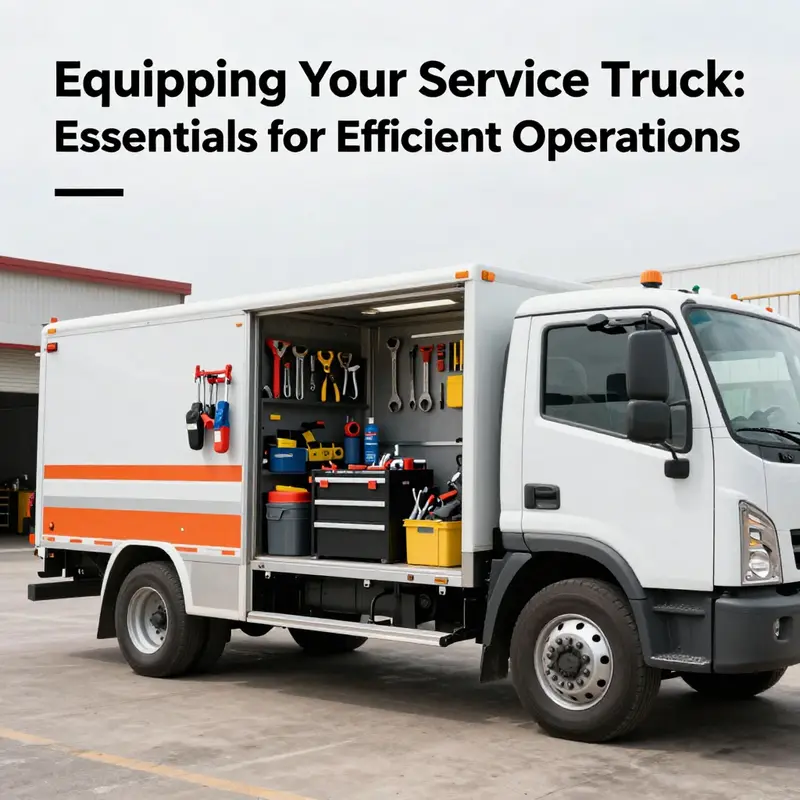
Equipping a service truck with the right tools, supplies, and safety equipment is crucial for success in various industries, including manufacturing, retail, construction, and logistics. A well-organized and stocked service truck not only enhances operational efficiency but also prepares professionals to tackle common issues they may encounter on the job site. This guide delves into four critical aspects: essential tools, common parts and supplies, safety gear, and diagnostic and communication equipment. By understanding what to carry on a service truck, businesses can strengthen their capabilities and ensure seamless operations on the road.
The Right Kit for the Road: Building a Service Truck That Keeps You Moving
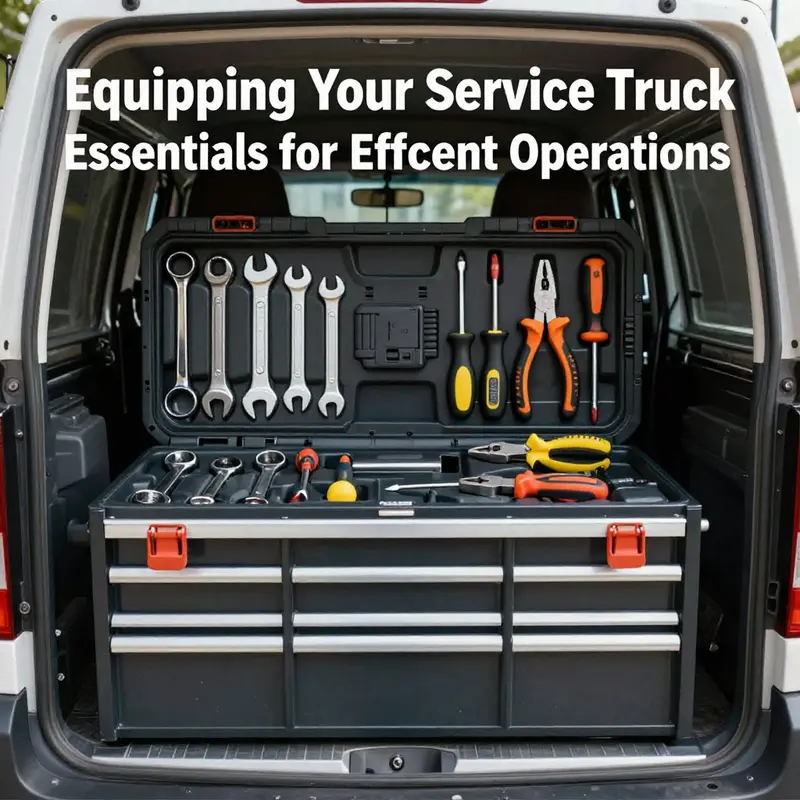
A service truck is more than a vehicle; it is a portable workshop that travels to the heart of a problem and stays there until the job is done. The challenges you face in the field—tight spaces, varying weather, shifting job requirements, and the pressure to keep customers satisfied—make the contents of that truck more than a convenience. They determine how quickly you diagnose a problem, how cleanly you execute a repair, and how safely you operate on site. The goal is not to carry every possible tool under the sun but to curate a responsive kit that is comprehensive enough to handle common issues across your trade, organized enough to find what you need in a heartbeat, and resilient enough to survive the real world of road and job-site life. When done well, the right kit becomes a partner in your day, reducing downtime, improving accuracy, and keeping your crew moving from one call to the next with confidence.
The logic of a service truck kit starts with balance. You must balance breadth and depth with mobility and speed. You balance redundancy with efficiency. You balance what is essential for your core services with what your local client base demands. This isn’t a static checklist; it is a living system that evolves with the jobs you do, the equipment you support, and the lessons you learn along the way. Any discussion of what to carry should begin with three intertwined ideas: the core tools that define your ability to work, the parts and consumables that keep the system running, and the safety and diagnostics that protect you and your customers while you work. Each element reinforces the others, and every choice affects the next trip out of the shop.
First, the core tools form the backbone of your capabilities. A well-stocked toolbox should cover a spectrum of hand tools that are designed to withstand the daily rigors of field service. Think of wrenches in both adjustable and fixed varieties, screwdrivers in multiple sizes and types, a sturdy collection of pliers for gripping and bending, and a reliable hammer that you can rely on without worrying about deformation or looseness after rain-washed days on the road. A tape measure and a level are not luxuries; they are everyday necessities that prevent misalignment that could cascade into larger problems if left unchecked. A utility knife, with sharp replacement blades, is essential for on-the-spot trimming or cutting tasks. For electrical work, a multimeter and wire strippers sit at the core of your diagnostic toolkit. The multimeter is your first line of evidence for voltage, current, and resistance, while wire strippers prepare conductors for secure connections without damaging insulation. A dependable flashlight or headlamp with extra batteries rounds out the essential visibility you need in cramped spaces or dim service bays.
But the toolbox is only a starting point. A well-rounded service truck requires a deliberate set of specialized tools aligned with the trades you serve. If you are an electrician, you will lean into voltage testers and compact oscilloscopes; for a plumber, pipe wrenches, adjustable wrenches, and tubing cutters rise to the top; for HVAC technicians, manometers and refrigerant gauges become indispensable; for a mechanic, a diagnostic scanner that covers the common vehicle platforms you service becomes mission-critical. The common thread is that you choose tools not merely because they exist, but because they reliably solve the problems you encounter with the least disruption to the workflow. The goal is to minimize the back-and-forth between trips to the shop while you are on a call, and every additional tool you add should be able to justify its space by reducing the time or risk of a task.
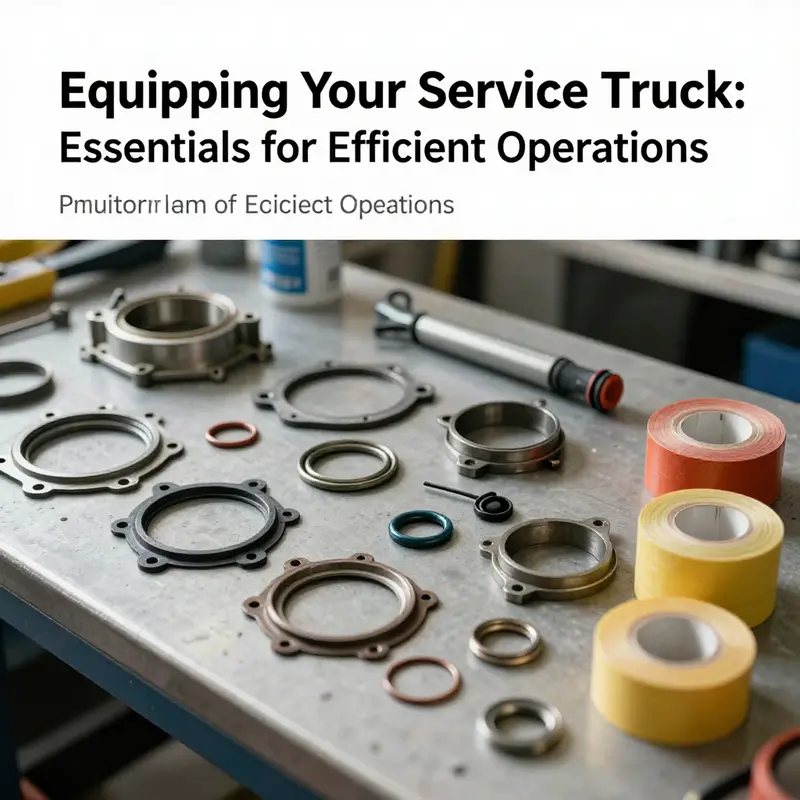
Next comes the practical matter of parts and supplies. A thoughtful inventory of consumables makes the difference between a successful repair and a return visit. The steady drumbeat of field work relies on replacement gaskets, O-rings, washers, and seals for a broad range of equipment and piping systems. Duct tape and zip ties are not throwaway comforts; they are integrated into the way field work is performed, used to secure temporary fixes, seal minor leaks, or bundle cables in a way that keeps them out of the way without creating a safety hazard. Electrical tape and pipe thread sealant, including Teflon tape, are small items with outsized impact when applied correctly. Spare fuses, connectors, and standard sizes of tubing, hoses, and fittings ensure you can adapt on the fly to variations in municipal supplies or customer installations. The idea is to stock the basics in quantities that reflect your typical call volume and the most common system configurations you encounter, while keeping enough flexibility to handle a few unexpected twists in your day.
This is also where organization becomes a production discipline. The best service trucks have inventory that is visible, labeled, and easy to access. Small parts live in clearly marked drawers or bins with removable dividers. Larger components are stored on racks that permit quick scanning and retrieval. The moment you can see what you have, and where it sits, you save both time and mental energy. The human brain loves patterns. A consistent layout—tools on the left, fasteners on the right, consumables in the middle—reduces cognitive load and keeps your crew focused on the task at hand. A robust labeling system, color-coding for different trades, and a routine like a weekly audit help ensure what you plan to carry stays aligned with what you actually use. Over time, you begin to recognize which items consistently sit idle and which items are first to disappear from the shelves after a busy week, and you adjust accordingly.
Safety gear is not an add-on; it is a daily requirement that anchors your work in compliance and responsibility. ANSI-compliant safety glasses protect the eyes from flying debris when cutting, grinding, or drilling. Gloves come in multiple flavors: cut-resistant for sheet metal work, chemical-resistant for handling solvents or sealants, and insulated for electrical tasks. Hearing protection helps shield you from the cumulative risks of noisy compressors, impact tools, and highway noise on long drives with the engine running. Steel-toed boots provide a stable base for footing when stepping in wet, uneven, or cluttered work areas. A first-aid kit is essential for addressing minor injuries promptly, while a fire extinguisher (Class B for flammable liquids) offers a critical line of defense in the presence of fuel or solvent-related fires. High-visibility vests enhance safety when you are working near traffic or when visibility is compromised by weather or dust. These elements are not merely compliance add-ons; they are investments in the confidence and capability of your crew, enabling you to work more efficiently and safely, even when conditions are less than ideal.
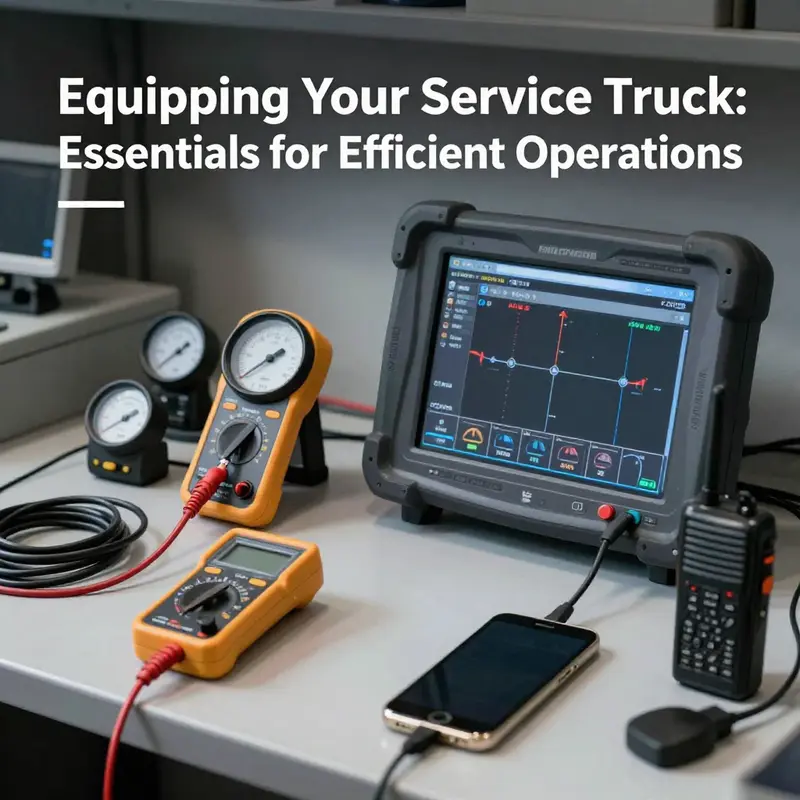
Diagnostic and communication equipment round out the final layers of readiness. In the field, accurate data can save a call and confirm a suspicion before you begin disassembly or replacement. A digital multimeter, a pressure gauge, and perhaps a moisture meter become part of a minimal diagnostic suite that lets you verify system states without unnecessary guesswork. Communication is the connective tissue of field work. A fully charged mobile phone or a reliable two-way radio ensures you can coordinate with the shop, call for backup, or get direction when you are unsure of the next step. A portable power bank keeps your devices alive when power sources are scarce, turning a potential downtime moment into a brief, controlled pause rather than a crisis. The value of this equipment lies not just in what it can measure or transmit, but in how quickly it can bring you to a confident decision in the field.
Vehicle-specific items are the few pieces of equipment that bridge the gap between a mobile workshop and a car maintenance bay at the curb. A spare tire, a jack, a lug wrench, jumper cables, and a compact tire inflator kit form a safety net for the most common roadside contingencies. A basic toolkit for minor vehicle maintenance—oil filters, clamps, spare belts, light bulbs, and a small assortment of lubricants—ensures you can address the simple, common matters that would otherwise stall a repair or force an expensive tow. The craft of stocking for vehicle-specific needs rests on a simple rule: anticipate what will leave you stranded and remedy it before you roll to the next job. The practical upshot is fewer road miles wasted and greater certainty that your customers receive timely service.
All of this, however, requires a running system of guidance and standards. When you design or refine a service-truck kit, consult established guidelines that address safety, health, and workplace practices. Organizations such as the National Institute for Occupational Safety and Health (NIOSH) and the U.S. Department of Labor’s Occupational Safety and Health Administration (OSHA) offer resources that can shape your stocking decisions, ensuring you cover the fundamentals without compromising on efficiency or safety. A disciplined approach to compliance helps you build a kit that you can stand behind, day after day, call after call. In practice, this means not just collecting tools, but building a living framework around how you store them, how you move them through your workflow, and how you audit what you actually use. A well-tuned system reduces waste, minimizes downtime, and makes room for the additions you discover as your service lines evolve.
The chapter on the specifics of carries does not stop with a rigid list. It invites a broader reflection on how a service-truck kit becomes part of a larger enterprise—how it supports faster response times, higher first-fix rates, and better customer satisfaction. Job-specific toolsets, in particular, remind us that the work of a service technician is not a one-size-fits-all enterprise. The right mix of tools will reflect the trades you serve, the types of installations you maintain, and the usual configurations you encounter in your local market. You may begin with a core set for plumbing and electrical tasks, then add HVAC or mechanical capabilities as your service footprint grows. The philosophy remains constant: equip for the typical, prepare for the unexpected, and maintain a clean, navigable field environment so you can stay focused on solving the problem rather than rummaging through a cluttered box.
As you refine your kit, consider the value of learning from others who manage sizable field fleets. Industry discussions about how fleets optimize stocking and maintenance often highlight the benefits of adopting a disciplined, data-informed approach. In particular, Private Fleets Trends in Trucking Maintenance discusses how larger fleets balance purchase decisions, inventory turns, and the reliability of field equipment. This perspective can help you scale your own kit thoughtfully, without losing the nimbleness that makes service work effective in the field. Private Fleets Trends in Trucking Maintenance. Such resources can illustrate patterns you might translate into your own shop, from how you forecast demand for common fittings to how you schedule routine replenishments for critical wear items. The goal is not to imitate a distant standard but to learn a proven rhythm that can be adapted to your local conditions and customer base.
In balancing content and context, it is useful to borrow lessons from broader references while resisting the urge to overbundle. The temptation to carry a full complement of every tool imaginable can be strong, especially when you want to be ready for anything. Yet the most reliable strategy is to carry a curated set with the confidence that you can improvise with the rest. This means maintaining a lean core that travels well, with optional modules that can be added in response to a known project or a contractor’s specification. For example, a plumbing call might require specialized cutters and gaskets, while an electrical call might demand sealed connectors and a set of weatherproof fittings. If you anticipate a job ahead of time, you can stage the extra components in a dedicated lockbox or on a modular rack that slides into place. If you encounter an unplanned assignment in the field, you can rely on your core toolkit and a quick access path to the most commonly required spare parts.
The ultimate test of any service-truck kit is not how many pieces you can fit inside, but how quickly you can deploy the right combination of tools, parts, and safety measures to complete a job with a quality result. It is a discipline of practice—of pairing the right tool with the right task at the right moment. That is the art of maintaining a mobile workshop. It requires ongoing attention to inventory discipline, ergonomic storage design, and a culture of safety that begins the moment you step into the cab. The chapter that follows will address how to translate these principles into a practical, implementable plan for your team, including a suggested framework for periodic audits, a system for labeling and retrieval, and a simple set of criteria to decide when a tool should stay in the truck or be swapped out for a newer model. In the meantime, the recurring message remains clear: the more deliberate you are about what you carry, the more reliable your service becomes, and the more you protect your time, reputation, and livelihood on the road.
External reference for further reading: https://www.maintenancepro.com/blog/essential-tools-for-a-service-truck
Rolling Essentials: The Common Parts and Supplies That Keep a Service Truck Ready
From the moment the dawn light hits a service yard, a well-prepared service truck is less a vehicle and more a mobile workshop. Its value lies not just in the engine under the hood but in the quiet discipline of carrying the right parts, the right supplies, and the right safety gear, all arranged so that a technician can walk onto a site with confidence and solve problems quickly. The broader article on what to carry on a service truck hinges on this idea: readiness is a function of thoughtful selection, organized stocking, and a respect for the realities of the job sites—whether you’re up against stubborn seals, tight spaces, or weather that slows rather than freezes time. In this sense, the chapter on common parts and supplies becomes the backbone of service-truck preparedness, linking the mud-splashed urgency of fieldwork with the precision of in-shop practice. It’s not only about having a catalog of items; it’s about translating that catalog into a living system—a kit that breathes with the rhythm of the day’s calls and the shifting demands of the industries served by a portable trades operation.
The core idea behind any service truck—across plumbing, electrical, HVAC, and mechanical repair—is to align the inventory with the kinds of challenges that appear on jobsites. This begins with the structural frame of the vehicle itself. Heavy-duty truck bodies, designed for utility, construction support, or equipment transport, set the stage for how efficiently a crew can work once they arrive at a site. An enclosed van configuration can protect sensitive tools and materials from weather, while a boom-equipped truck offers the capability to lift and position heavier items with a level of precision that reduces the risk of accidents or damage. The choice of body shape and interior layout directly influences how many spare parts can be carried, how they’re organized, and how quickly a technician can access them during a live job where every second counts. In practice, that means planning space not just for the obvious big-ticket components but for the often-overlooked consumables that keep a workflow moving when the clock is ticking.
One of the most critical categories in this planning is the set of consumables that keep the day-to-day work flowing. Among these, diesel exhaust fluid (DEF) emerges as a linchpin in maintaining clean, efficient diesel operation. Modern diesel engines rely on DEF to reduce emissions, and for many fleets, DEF supply becomes as essential as the oil or coolant in the system. The practicalities of DEF are surprisingly nuanced: DEF freezes at -11°C, a detail that matters far beyond a trivia box. Freezing itself does not damage the fluid, but the behavior of frozen DEF can delay jobs if the supply is not properly managed in cold climates. A technician who plans for this will buffer ice-prone storage with insulated containers or heated compartments, ensuring the truck’s engine can run without interruption when temperatures plummet or when a stretch of delays on the highway churns the clock. The lesson here is not to fetishize a single component but to anticipate the seasonal rhythms of a fleet’s itineraries and stock DEF in frost-ready packaging, along with quick-thaw strategies and a small reserve for those stretches when weather turns against the day’s schedule.
Beyond DEF, the anatomy of a service truck’s common parts is as much about the muscles of organization as it is about the items themselves. Toolboxes should be rugged and modular, containing a core set of hand tools—wrenches both adjustable and fixed, screwdrivers in flathead and Phillips, pliars of several types, a reliable hammer, a flexible tape measure, a level, and a utility knife. For electrical work, a multimeter and wire strippers become essential, and a robust flashlight or headlamp with spare batteries keeps the workspace visible in dim or awkward lighting. The key is to design these tools as a seamless system: each item has a designated place, labels are clear, and a quick-reference map helps a technician feel at home on a site even when the layout is unfamiliar. It’s surprising how often a small reorganization at the end of a day reduces setup time the next morning, creating a virtuous cycle of readiness that compounds over weeks and months.
Stocking the right common parts also depends on the specific service profile. In many trucks, a well-curated bin of replacements—gaskets, O-rings, washers, seals, duct tape, zip ties, and electrical tape—keeps the job moving when a leak, a rattle, or a misfit component appears. Pipe thread sealant or Teflon tape becomes indispensable when joints are threaded rather than welded, a common reality in field work where a quick seal is more practical than a full repair. Meanwhile, spare fuses, tubing, hoses, fittings, or connectors of standard sizes reduce trips back to a shop and minimize downtime. The practical ethic here is to stock the essentials in multiple sizes and variations so that a technician can improvise with a guaranteed compatibility window rather than scavenge a dormant stock elsewhere.
Supplies extend beyond the mechanical and into the everyday realities of fieldwork. Safety gear is not optional; it is the baseline of responsible practice. ANSI-compliant safety glasses, a range of work gloves (including cut-resistant and chemical-resistant variants), hearing protection, and steel-toed boots form the first line of defense for technicians who approach loud, corrosive, or physically risky environments. A well-rounded kit also includes a first-aid supply that can handle common on-site injuries, a fire extinguisher appropriate to potential hazards, and high-visibility vests to keep workers conspicuous in busy zones or dark conditions. These items are not merely about compliance; they are about enabling technicians to work with focus and confidence, knowing that safety protocols are built into the fabric of the day rather than treated as external add-ons.
Diagnostic and communication equipment completes the circle of readiness. A digital multimeter, pressure gauge, or moisture meter may be required, and the truck should carry a fully charged mobile phone or two-way radio for reliable communication. A portable power bank is a prudent companion to keep devices alive during long jobs, especially in remote locations where outlets are scarce. The modern service truck becomes a mobile command center, where data collection, on-site analysis, and remote collaboration knit together in real time. This is not a luxury but a practical response to the complexity of today’s installations and repairs, where a quick test can prevent a misdiagnosis and a misdiagnosis can cost hours on a clock that already runs tight.
The vehicle’s own health is equally important. Vehicle-specific items—spare tires, a jack, lug wrench, jumper cables, and a tire inflator kit—can turn a potential outage into a minor inconvenience. A small, well-maintained toolkit for basic vehicle maintenance protects the service truck’s uptime, enabling quick fixes on the move and ensuring that the truck can always respond to the next call with maximum reliability. The maintenance mindset here mirrors the broader philosophy of the fleet: plan for contingencies, stock for the variables, and maintain equipment with the discipline that keeps a mobile operation from slipping into downtime. When a truck is on the road, it is not merely transporting tools; it is delivering the capacity to repair, restore, and uphold the critical infrastructure that keeps communities thriving.
An integrated approach to parts and supplies also means recognizing the interdependence of components and the value of documentation. A standard operating procedure for restocking can prevent overstocking of rarely used items while ensuring that every essential item has a home and a replenishment signal. Seasonal considerations demand that the stock mix shift with the weather and the workload: more antifreeze and winter sealants in cold months, more cooling-system consumables in hot seasons, and more spare hoses and fittings when outdoor projects dominate. The inventory should be reviewed periodically with the same rigor that a technician applies to a diagnostic checklist—question what’s in stock, confirm what’s worn or near end-of-life, and adjust with the calm confidence of a plan that has been proven in the field.
The practical value of these common parts and supplies extends beyond the job at hand. A well-thought-out stock supports not only speed but safety and accuracy. The ability to perform a proper seal or a precise electrical connection on the first attempt reduces the risk of back-to-back callbacks, which are costly both in time and in the wear on the crew. It also reinforces a culture of craftsmanship in which the right tool, the right part, and the right protective gear are part of a single, choreographed routine rather than a scramble. In this sense, the work becomes less about improvisation and more about disciplined execution—an approach that teams across plumbing, electrical, HVAC, and mechanical services increasingly adopt as they adapt to larger work orders and tighter schedules.
As industries evolve, so too do the patterns of parts and supplies that service trucks carry. The rise of more sophisticated diesel fleets, for instance, underscores the importance of stockpiling components that support fuel-system maintenance, sensor replacements, and harness repairs. Electrical harnesses and connectors, once a purely in-shop concern, have become essential on-site resources as systems grow more integrated and modular. Hydraulic systems, too, demand robust seals, fittings, and fluid-management items that can be deployed quickly to keep a machine running in the field. And tires—long a critical component—are increasingly treated as a strategic asset. Wear-resistant tires reduce the frequency of roadside emergencies, while a tire inflator kit and a reliable spare help avert delays when the unexpected puncture arrives on a remote site. Each category connects to a larger objective: to sustain continuous, reliable service that keeps customers satisfied and contracts intact, even when the weather, traffic, or equipment throws a curveball.
To ground these reflections in practical reality, consider how a technician might prepare for a typical week. The toolbox is restocked with the core hand tools and the small-goods used most often—the seals and gaskets that appear with surprising frequency, the Teflon tape for threaded joints, the zip ties that organize cables, and a roll of duct tape that can save a leaking seal or helpless wiring scenario. The safety gear is checked and rotated, ensuring that glasses remain clear, gloves stay supple, and boots offer the right level of protection for the terrain. The diagnostic set is tested, with the multimeter calibrated if needed, and a charge kept on the phone and the radio to sustain two-way communication. The DEF inventory is monitored for temperature stability, with a contingency plan for cold snaps that might require forced thawing or alternate routes to avoid distribution delays. The tires, including additional wear parts like inner tubes or new flaps, are inspected and rotated if necessary. Even the storage strategy—the way tools and parts are grouped into labeled bins in the van—receives a weekly review to prevent the creeping inefficiencies that accumulate when a vehicle becomes a loose collection of items rather than a coherent system.
This holistic approach to common parts and supplies is not purely speculative. It reflects the realities of a modern service operation that must balance speed, safety, and reliability. It also aligns with the broader shifts in trucking and field service management described in industry discussions and maintenance trends. As fleets grow more sophisticated, there is a concerted push toward standardized, reorderable inventories that can be cross-referenced with repair histories and predictive maintenance schedules. Techs who master this inventory discipline find themselves poised to handle a wider range of issues without backtracking to a shop, which translates into fewer delays, higher first-visit resolution rates, and improved customer satisfaction. For readers seeking more insight into how maintenance practices are evolving in the trucking sector, the ongoing conversation around private fleets trends in trucking maintenance provides a useful lens for understanding these shifts in practice, tools, and expectations. Private fleets trends in trucking maintenance.
In the end, the common parts and supplies for a service truck are more than a checklist. They are a disciplined system that mirrors the complexity of the modern field environment. The truck becomes a portable workshop whose interior organization, safety culture, and stocking strategy determine not just what gets done, but how efficiently and safely it gets done. The chapter’s emphasis on heavy-duty bodies and the specific components that support them—DEF handling in cold climates, robust tool storage, reliable diagnostic tools, and a thoughtfully curated range of consumables—embeds a practical philosophy: readiness arises from preparation that is both strategic and granular. It is about designing a vehicle that anticipates the job, not one that merely reacts to it. As you progress through the rest of the article and encounter deeper dives into the processes of planning, procurement, and on-site execution, this chapter’s core message remains crystal clear: carry what you need, organize it so you can reach it without delay, and keep the system adaptable enough to evolve with the work. When that alignment happens, a service truck stops being a mode of transport and becomes a reliable partner in keeping communities functioning, facilities running, and projects moving forward, one well-stocked call at a time.
External reference: For a comprehensive catalog of heavy-duty parts and service supplies, see the external resource that provides detailed listings and guidance on parts for trucks: https://www.partsfortrucks.com/.
On the Road, Safe and Ready: The Essential Safety Gear Every Service Truck Must Carry
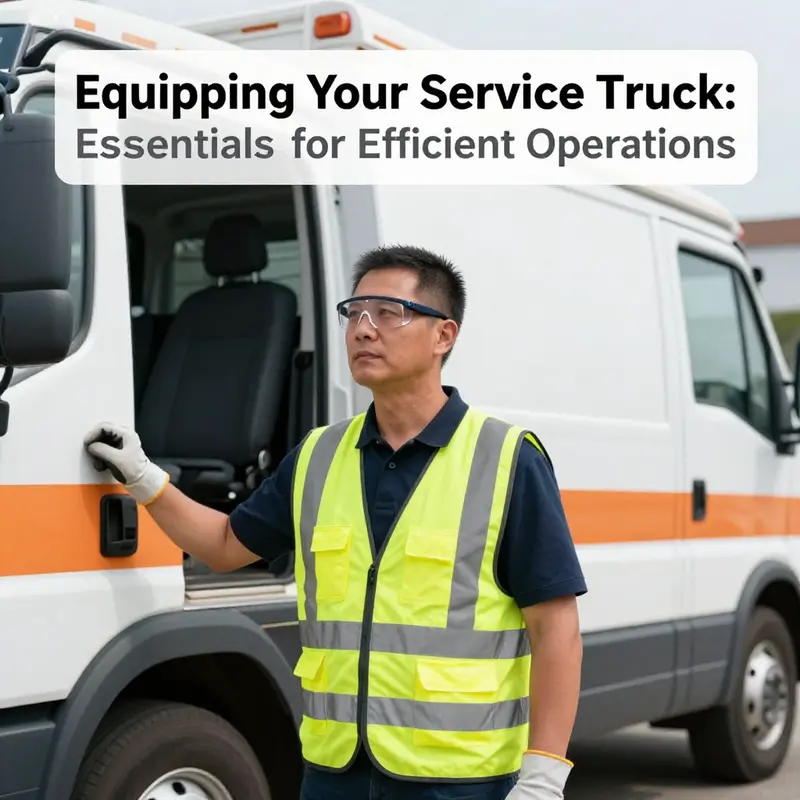
A service truck moves between sites with the frequency of a heartbeat, and in that rhythm safety gear becomes more than a checklist item. It is the line between a productive day and a preventable accident. The equipment you carry should reflect not just the tasks you perform but the real risks you encounter on the road, in cramped utility spaces, and in emergency moments. When you plan what to carry, you are designing resilience into your operation. You are also creating a culture where safety is visible, practical, and integrated into daily routines. The core idea is simple: protect the people who work on the truck, protect the public who share the road, and protect the job at hand from derailment caused by an avoidable misstep. This approach starts with core personal protective equipment, extends through vehicle safety and emergency gear, and culminates in work‑specific protections that align with the trades most often served by service fleets. In practice, this means thinking through how gear is worn, how it is stored, how it is inspected, and how it is organized so that every crew member can access the right item at the exact moment it is needed. The effect is a fleet that is safer, faster, and more reliable, because safety gear is not an afterthought but a mechanical part of the workflow.
The first major layer is the personal protective equipment that sits closest to the worker and travels with them through every job. PPE is the shield that keeps critical body areas safe from unpredictable hazards. Hard hats are not just for construction sites; they protect against overhead hazards in cramped ceilings, in belfry-like crawl spaces, or when a ladder shifts unexpectedly. Safety glasses or goggles protect eyes from sparks, dust, sharp particles, and chemical splashes that can occur when you cut, seal, or test lines. In road work or roadside service, high-visibility vests or shirts become non-negotiable to ensure drivers notice crews in active work zones. Steel‑toed boots provide a secure base when the ground is uneven or when heavy parts need to be moved with respect to load-bearing edges. Work gloves, chosen for cut resistance and chemical protection, come in a few flavors to cover different tasks—thin gloves for dexterity when wiring or assembling small parts, thicker ones for handling rough or hot surfaces, and latex-free options for sensitive tasks. PPE is not static; it wears out, tears, or loses its protective properties, and you must replace it before you rely on it for a critical moment. Maintenance of PPE means training on proper use, understanding when to replace a worn item, and maintaining a straightforward process for inspecting PPE at the start of each shift. This is not simply compliance; it is about confidence. A crew that feels protected operates with less hesitation, makes safer decisions, and communicates more clearly under pressure.
Beyond the individual items, the kit on the truck must include equipment that covers the vehicle and the immediate scene of work. A well‑stocked fire extinguisher, typically rated for fires involving flammable liquids, should be easily accessible and inspected on a regular schedule. A roadside emergency triangle or reflective warning triangles helps create visibility for passing traffic and gives other drivers a clear cue to slow down and exercise caution when a breakdown occurs. The first‑aid kit is more than a box of bandages; it is a portable medical center with gauze, antiseptics, scissors, and gloves ready for immediate response in the event of a minor injury or a more serious situation until care arrives. A tire repair kit with a portable air compressor can save hours on the roadside and reduce the risk of being stranded in hazardous conditions. Jumper cables are critical for when a battery fails, and a reliable flashlight or headlamp with extra batteries ensures you can work in low light without fumbling for tools. Reflective cones or flares, when used in combination with warning triangles, help establish a safety perimeter around the truck and work area. The key is redundancy and accessibility: several layers of visibility and safety that can be deployed quickly, with no digging through a toolbox to find the right item. The truck design matters here. Compartments that are clearly labeled, drawers that snap shut with a tactile click, and a default layout that places the most-used items within easy reach create a workflow where safety gear enhances, rather than interrupts, the job.
In many service contexts, certain gear becomes work‑specific safety gear that protects workers from the unique hazards of the trades you serve. If the job involves electrical work, you might carry insulated gloves, a voltage tester, and a small isolation mat. If plumbing or gas lines are involved, you verify the presence of appropriate oxygen‑deficient or high‑pressure equipment safety measures, including lockout/tagout materials so that a system cannot be reenergized or restarted during maintenance. Where ladders or elevated surfaces are common, ladder safety gear such as tie‑downs or harnesses can be essential to prevent accidental slips or shifts when climbing. Fall protection is not only for roof work; it can be necessary for elevated platforms or stairwells in older facilities where a misstep could lead to a dangerous fall. The intent is not to overload the truck with every possible tool but to map the most likely risks to your typical jobs and ensure those items are on hand and ready to use. When you review your inventory, think about how often you encounter a particular hazard, how long it takes to address it, and what a practical response looks like in the field. This approach aligns with the broader philosophy of service‑truck readiness: minimize downtime caused by emergencies, and maximize the time spent doing the job well.
Organization and inspection are as important as the items themselves. A service truck that runs smoothly is one where safety gear is organized, labeled, and reviewed regularly. A labeled tool bag with tools grouped by function reduces the chance that a critical item is forgotten or misplaced. This practice extends to the safety gear itself. Each PPE item should have a defined place, a documented inspection interval, and a simple sign‑off process to confirm it is in good condition. For example, safety glasses should be cleaned and inspected for scratches or cracks before every shift, gloves should be checked for tears, and the fire extinguisher should have its pressure gauge tested monthly with an annual professional service. The same discipline applies to extinguishers, first‑aid kits, and jacks. A well‑maintained kit not only protects workers but also communicates a professional standard to clients. It also reduces the cognitive load on crew members, freeing mental bandwidth for the task at hand rather than the worry about whether the safety gear is ready.
Consistency across the fleet matters, but so does the ability to adapt. The layout that works for one technician may need adjustment for another, depending on the typical job profile, the weather, and the geography you cover. If you frequently service tight, cluttered spaces, you might favor smaller, more nimble PPE and compact safety tools. If you work in remote areas with longer response times, you might emphasize redundancy and battery backups—multiple flashlights, spare batteries, extra PPE sets, and robust first‑aid provisions. A culture of safety also means training and reinforcement. New crew members should receive hands‑on onboarding that demonstrates where each item lives, how to perform quick inspections, and how to respond if a PPE item fails. Regular safety briefings, short drills, and periodic reviews of near‑miss reports reinforce the idea that PPE is not merely a regulatory checkbox but a living, working system that protects lives and productivity alike. In this sense, the truck is not just a vehicle for parts and tools; it is a mobile safety station that travels with the crew to every job.
To connect the broader maintenance picture with day‑to‑day practice, some fleets are starting to view safety gear as part of a continuous improvement loop. They track the usage of PPE, the rate of inspection pass‑rates, and the correlation between well‑stocked safety kits and job completion times. This perspective recognizes that safety gear has a measurable impact on uptime, morale, and the bottom line. It also invites consideration of how you derive value from your safety investments: fewer injuries, faster incident response, less downtime, and a more professional image that can win client confidence. For a broader look at how safety considerations intersect with ongoing fleet maintenance and management practices, see maintenance trends for private fleets. The link offers context on how fleets balance maintenance with other priorities while keeping safety front and center. maintenance trends for private fleets.
A final note on the practical flow of safety gear on a service truck. Plan the day with a quick pre‑shift check that includes a round of PPE and equipment verification. As part of this, reserve a moment for inventory control—count the gloves, confirm the fire extinguisher is in date, verify the first‑aid kit is stocked, and ensure that all lighting and communication devices are charged. If a crew member calls in a late change of plan and you will shift tasks, take a moment to assess whether the safety gear aligns with the new job profile and weather conditions. If you are moving from a dry, urban setting to a wetter, more off‑road environment, you may need different gloves, traction aids, or additional rain protection. The goal is not to thin the safety net but to ensure it is robust, accessible, and practical for the moment. When you build this into your daily routine, the truck becomes a reliable ally—not a risk vector—capable of delivering the service your clients expect while protecting the people who do the work.
External resource: https://www.osha.gov/ppe
null
null
Final thoughts
Equipping a service truck with the proper tools, parts, safety gear, and communication equipment is essential for businesses striving to maintain operational efficiency and ensure safety. By investing in these essentials, manufacturing and distribution companies, retailers, heavy industry firms, and small business owners with shipping needs can better navigate challenges, reduce downtime, and enhance overall productivity. A well-prepared service truck not only supports immediate problem-solving but also fosters long-term business growth.