
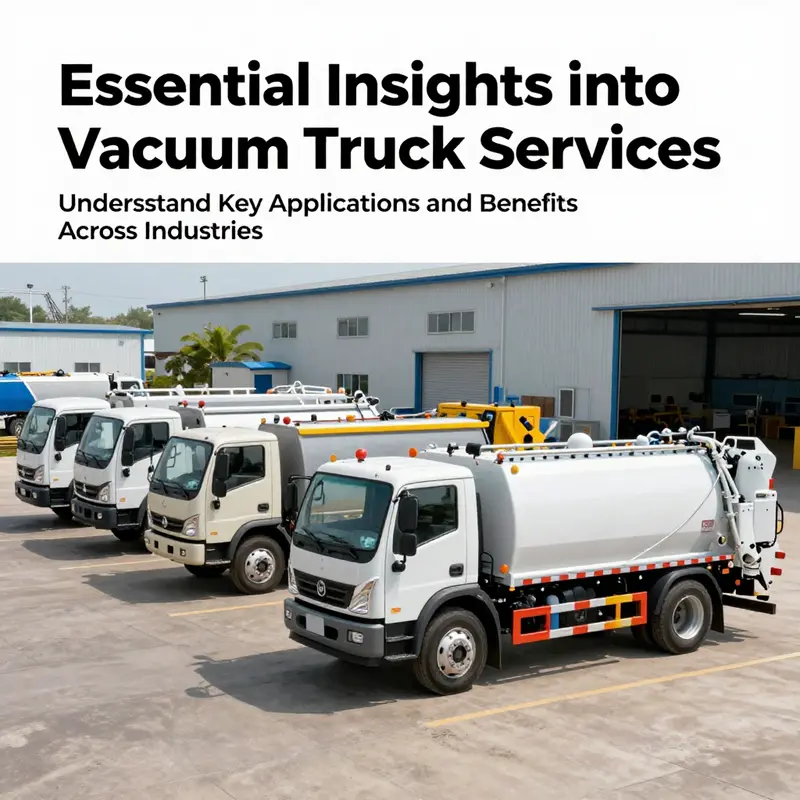
Vacuum truck services play a pivotal role in waste management and environmental safety for numerous industries, including manufacturing, retail, and construction. Equipped with specialized vehicles, these services are essential for efficient collection, transport, and disposal of various waste types. This article explores the multifaceted applications of vacuum trucks, delving into sewer and drain cleaning, septic tank pumping, bulk material handling, environmental remediation, and road cleaning. Each chapter provides in-depth coverage of these applications, demonstrating their significance in maintaining sanitation, compliance, and operational efficiency across various business sectors.
Keeping Pipes Flowing: How Vacuum Truck Services Restore and Protect Sewers and Drains
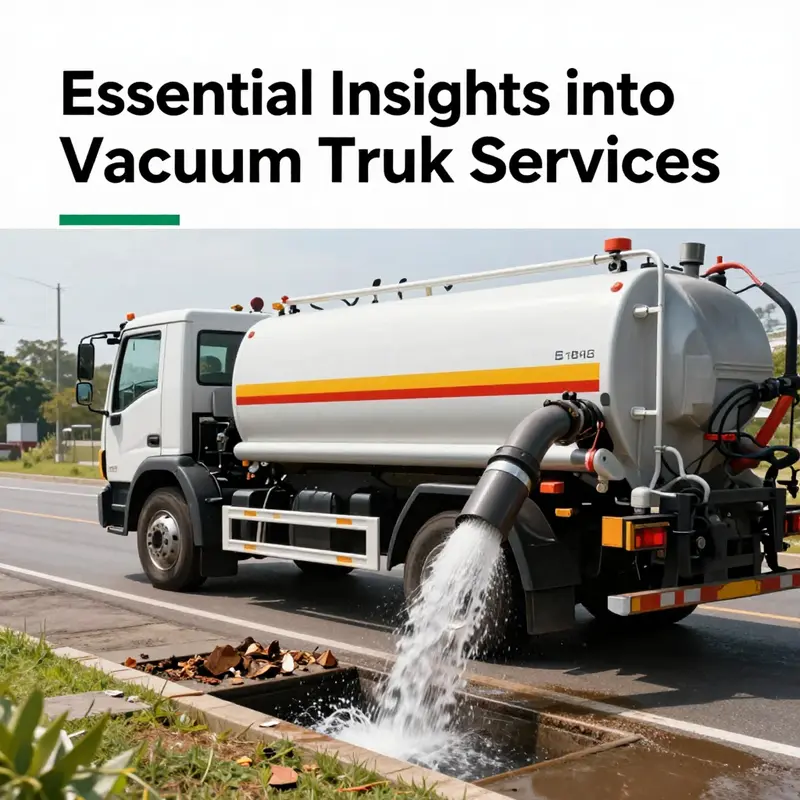
Vacuum truck services form a backbone for sewer and drain maintenance. They use high-capacity suction combined with specialized tools to remove solids, liquids, grease, and debris from underground networks. That capability makes them indispensable for routine care, rapid emergency response, and complex remediation tasks. This chapter explains how vacuum trucks operate in sewer and drain contexts, the practical advantages they deliver, and the operational practices that keep urban plumbing networks reliable and safe.
A vacuum truck does more than empty a clogged line. Operators begin with a site assessment that identifies pipe size, access points, and the nature of the blockage. Visual inspections, CCTV surveys, and flow measurements guide tactics. For routine maintenance, crews schedule periodic cleanouts to remove accumulated solids and grease. Regular cleaning prevents progressive buildup that narrows flow capacity and increases the risk of backups. Scheduled vacuum work thus protects infrastructure and reduces disruptive emergency repairs.
When blockages occur suddenly, the speed of vacuum trucks matters. Emergency unclogging teams can arrive with the tools to extract the obstructing mass quickly. Rather than disassembling pipeline sections or exposing workers to hazardous material, vacuum trucks pull debris into sealed tanks. This minimizes exposure risks and restores service in hours rather than days. Rapid response also reduces secondary damage, such as sanitary sewer overflows, pavement undermining, and property contamination.
Flood and disaster scenarios show another vital application. After heavy rains or infrastructure failure, debris and sediment can choke storm drains and combined sewers. Vacuum systems remove water, mud, and foreign objects from catch basins and channels. Doing so re-establishes conveyance and prevents standing water that can breed pests and disease. In these situations, vacuum trucks are often paired with temporary pumping and bypass systems to reroute flows while crews clear critical nodes.
Hydro-excavation is a precise, low-impact method that pairs high-pressure water with vacuum suction. Operators use pressurized water to loosen soil or deposits around utilities. A vacuum pick-up then removes the slurry. This method allows excavation near pipes, cables, and other buried assets without heavy mechanical digging. The result is targeted cleaning or trenching with minimal risk of cutting or crushing existing infrastructure. Hydro-excavation is especially valuable in congested urban settings and near older pipe networks where the margin for error is slim.
Cleaning manholes and inspection chambers is simple to overlook, but it matters a great deal. Manholes are collection points for solids and grease, and they are critical for access during inspections. Vacuum trucks empty and flush these chambers, removing sediments that impede flow and obscure inspection cameras. Clear manholes improve system monitoring and reduce the need for costly, invasive repairs later.
Septic systems also benefit from vacuum services. Regular septic tank pumping prevents overflow and limits leachate migration into soil and groundwater. Vacuum trucks extract accumulated sludge and scum layers, returning systems to optimal capacity. Proper handling and transport of the removed material are essential to prevent contamination during transit. Vacuum truck operators follow containment protocols and disposal regulations to keep waste streams controlled and documented.
Beyond immediate cleaning tasks, vacuum trucks play a preventive role in environmental protection. By maintaining free-flowing sewers and storm drains, they reduce the chance of overflows that can contaminate surface water and soil. Contamination risks include microbial pathogens, chemical residues, and nutrient loads that harm ecosystems. Effective vacuum cleaning contributes to public health and environmental compliance by lowering instances of illicit discharges and block-related spills.
Technological evolution has increased both the power and the precision of vacuum truck operations. Modern systems include features such as multi-stage separation, solids handling augers, and baffled tank designs that limit sloshing and improve safety. On-board filtration and odor control systems reduce emissions during suction and transport. Remote controls and integrated CCTV displays let operators monitor conditions without leaving the cab. These enhancements speed work, reduce manpower requirements, and limit the environmental footprint of each job.
Operational workflows emphasize safety and regulatory compliance. Before any job, crews secure permits where needed and coordinate with municipal authorities. Traffic control, atmospheric testing, and confined-space procedures protect workers and the public. Waste manifests and tracking ensure the material removed is delivered to approved treatment or disposal facilities. Documentation also supports compliance with local and national wastewater regulations and can be critical if post-event inspections follow major incidents.
Access constraints and urban density shape how vacuum services are deployed. Narrow alleys, parked vehicles, and overhead utilities demand flexible equipment and skilled crews. Some trucks are designed with compact bodies and articulated suction arms for tight locations. When direct access is impossible, crews may use portable suction hoses and temporary containment to reach remote inlets. Choosing the right combination of tools and tactics starts with field reconnaissance and an experienced crew capable of adapting to site conditions.
Cost considerations are often a driver of service strategy. Regular, scheduled vacuum cleaning reduces the incidence of catastrophic failures that cost far more to repair. Non-destructive methods like hydro-excavation avoid collateral damage with long-term savings. Insurance claims and public disruption decline when sewer systems are proactively managed. Fiscal planning for municipal and industrial operators should weigh the predictable cost of maintenance against the unpredictable cost of system failure.
Training and fleet upkeep sustain performance over time. Vacuum trucks are heavy equipment that require routine mechanical maintenance. A well-maintained vehicle has fewer breakdowns and operates more efficiently. This reduces downtime and avoids the expense of emergency rentals or substitute services. For organizations managing multiple trucks, staying current with maintenance best practices improves fleet longevity and reliability. See Private Fleets: Trends in Trucking Maintenance for context on fleet management approaches and standards.
Finally, the human element matters. Trained operators apply judgment during complex jobs. They balance environmental risk, public safety, and the technical limits of their equipment. Their decisions determine whether a repair can be temporary, or whether a full excavation and replacement are necessary. Good operators also document conditions and recommend follow-up actions to system owners.
Vacuum truck services are not a single fix. They are a suite of capabilities that maintain flow, limit contamination, and extend infrastructure life. In sewer and drain work, their combination of suction power, precision tools, and trained teams turns reactive emergency work into predictable maintenance. That shift saves time, reduces environmental harm, and protects public health. For further technical reference on vacuum tanker specifications and operational uses, consult this technical resource: https://www.madisonhill.com/technical-resources/vacuum-sewage-suction-tanker-truck/
Keeping Systems Clear: How Vacuum Truck Services Redefine Septic Tank Pumping
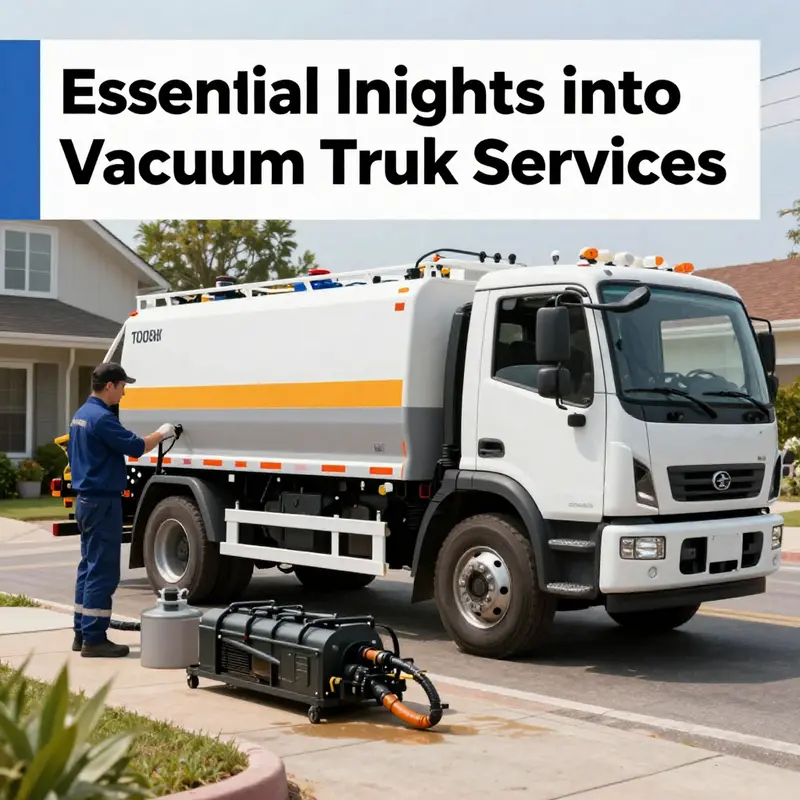
Keeping Systems Clear: How Vacuum Truck Services Redefine Septic Tank Pumping
Vacuum truck services have become the backbone of reliable septic tank pumping. These specialized vehicles combine powerful suction, secure containment, and mobile transport to remove sewage, sludge, and solids from on-site wastewater systems. The process begins long before a tank is opened. Technicians perform an assessment, confirm access points, and evaluate the waste characteristics. This preparation ensures the right truck configuration, hose diameter, and filtration are used. Attention to these details prevents overflows and minimizes costly delays.
A typical vacuum truck reduces a complex task to a controlled sequence. After locating the access lid, operators use high-capacity hoses to draw out liquids and semi-solids. Cyclonic and positive-displacement vacuum pumps enable safe, continuous suction. Employees monitor flow rates and tank levels to avoid overfilling the truck. Suction continues until the septic tank reaches a safe residual level, leaving enough settled solids to maintain the biological balance. The captured material is transported to permitted facilities for treatment or disposal, following local regulations.
The value of this approach shows up in day-to-day advantages. Vacuum trucks operate without excavation, preserving landscaping and pavement. They are fast, which reduces service time and customer disruption. In colder climates, their suction capability handles frozen or compacted material more effectively than manual methods. Built-in odor control systems and filtration reduce nuisance smells and airborne contaminants, improving safety for operators and residents alike. Modern fleets often include sealed tanks and secondary containment, which decreases spill risk during transport.
Operational efficiency is only part of the story. Health and environmental benefits make vacuum truck services indispensable. Regular pumping prevents solids from migrating into drain fields and clogging leach lines. That prolongs system life and lowers the probability of costly emergent repairs. From a public health perspective, controlled removal and secure transport prevent pathogens from entering groundwater. On a community level, this reduces pollution of surface waters and protects local ecosystems.
Yet vacuum trucks are not a one-size-fits-all solution. They are not built for excavation or heavy debris removal from major construction sites. Highly corrosive industrial streams or certain hazardous chemicals require specialized handling beyond standard septic service scope. Access limitations can also constrain use; narrow lanes, low bridges, and tight site layouts sometimes prevent a truck from reaching a riser. Capacity matters: truck tanks fill and require offload at approved facilities. When planning service, technicians must confirm disposal options and permits in advance.
Maintenance and operational discipline keep vacuum truck services effective. Routine cleaning of tanks, testing of vacuum seals, and inspection of pump components prevent downtime. Technicians must follow confined-space and waste-handling protocols. Personal protective equipment and safe work procedures protect crews during suction and transport. For companies, investing in crew training and scheduled preventive maintenance pays off in lower repair costs and consistent service. Fleet managers benefit from tracking maintenance cycles and equipment life cycles to reduce unexpected failures. For businesses operating private fleets, understanding current trends in maintenance helps keep equipment reliable and compliant; see this discussion on private fleet maintenance trends for additional context: private fleets trends in trucking maintenance.
Regulatory compliance drives many vacuum truck decisions. Waste classification determines where material can be disposed of and how it must be transported. Service providers often classify wastes on-site to prevent illegal dumping and fines. Documentation helps: manifests, load tickets, and disposal receipts are standard. These records also support client transparency and can be required during audits. Additionally, some jurisdictions mandate periodic inspection intervals for septic systems. Vacuum truck companies often partner with property owners or municipalities to establish compliant service schedules.
Technological improvements are reshaping septic pumping operations. Real-time sensors and telematics now monitor tank fill levels, route progress, and equipment health. This data improves scheduling and reduces unnecessary service calls. Advances in filtration and pretreatment on trucks reduce odors and improve discharge options for treated liquids. Modular tank designs and interchangeable hose assemblies allow rapid adaptation between residential and industrial jobs. These innovations enhance safety and make it easier to meet stricter environmental rules.
In practice, the decision to use a vacuum truck depends on several factors: tank size, age, soil conditions, season, and access. For a small rural home, routine pumping every three to five years prevents solids accumulation. For commercial properties such as restaurants or automotive shops, more frequent service is common due to grease and solids. In cold weather, vacuum trucks can extract material that would otherwise freeze in place, avoiding costly thawing or excavation. Emergency calls for backing up systems also rely on vacuum trucks for rapid response and containment.
Service providers follow best practices to maximize system longevity. They advise clients on pump schedules and record initial tank condition. During pumping, technicians avoid over-cleaning the tank, which could remove beneficial bacteria. Post-service, they provide recommendations for maintenance, including grease interceptor management and water use reduction. Clear communication about what substances should never enter a septic system—solvents, paints, and harsh chemicals—reduces the likelihood of system failure.
The market outlook for vacuum truck services reflects growing demand. Urban expansion, aging decentralized sewer systems, and heightened environmental oversight create steady work for qualified operators. Growth also arises from environmental remediation projects, stormwater management, and infrastructure upgrades. Market participants who emphasize safety, compliance, and modern fleet maintenance will fare better as regulations tighten and customer expectations rise.
Ultimately, vacuum truck services are more than a method for moving waste. They integrate field expertise, equipment design, environmental stewardship, and regulatory compliance. When managed properly, these services protect property, preserve treatment systems, and safeguard water resources. For technical details on truck specifications, tank configurations, and common applications, consult this technical guide to septic tank trucks for a deeper understanding: https://www.septictruck.com/technical-guide-8000l-septic-tank-trucks-for-sale/.
Harnessing Vacuum Power: Mastering Wet and Dry Bulk Material Handling with Vacuum Truck Services
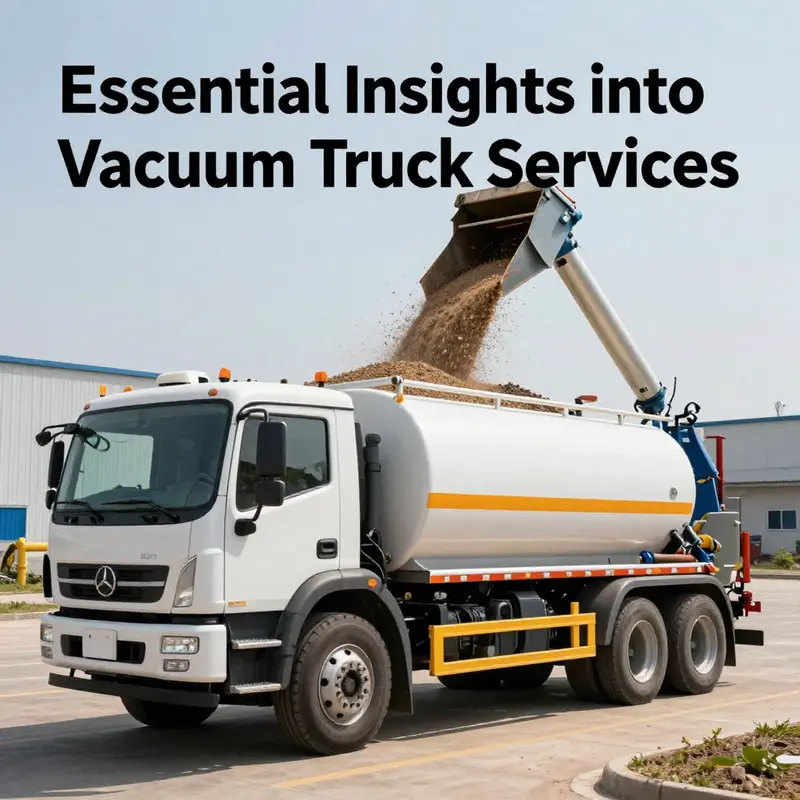
Vacuum truck services sit at the crossroads of sanitation, safety, and efficiency. They are not simply about moving waste from one place to another; they are about managing complexity with a machine that acts like a mobile processing plant. A vacuum truck combines a powerful suction system, a large storage tank, and a suite of attachments designed to handle both wet materials—such as liquids, sludge, and slurry—and dry bulk materials, including powders, sand, gravel, and various industrial byproducts. The ability to switch between wet and dry work without changing fleets or compromising containment makes these vehicles uniquely versatile. In practice, that versatility translates into cleaner sewers, safer transfer of hazardous residues, and a reduced risk of cross-contamination as materials are collected, transported, and disposed of in a controlled, on-site or off-site environment. The result is more reliable project timelines, tighter regulatory compliance, and lower long-term costs when compared with ad hoc or mixed-method approaches to waste and bulk material handling.
The heart of the capability lies in the vacuum system itself: a high-powered blower or pump that generates suction, a tank that acts as both reservoir and containment chamber, and a network of hoses and nozzles engineered to minimize spillage and exposure. Wet materials demand resilience from the tank layout and pump, as well as robust filtration and separation mechanisms to prevent solids from clogging lines and to ensure that liquids can be managed without backflow. Dry bulk materials require precise loading and unloading dynamics, with considerations for dust suppression, material compatibility, and safe containment of fine powders that could pose inhalation or environmental risks if mishandled. Modern systems address these concerns by integrating smart controls that monitor pressure, vacuum levels, and tank contents in real time, triggering alerts when parameters drift outside safe ranges.
The operational model behind wet and dry bulk handling emphasizes continuous, clean transfer and meticulous containment. In municipal contexts, vacuum trucks are deployed to clear blockages, extract sludge from drainage networks, and remove accumulated sediment from stormwater channels. They can also be used to pump septic systems, where the challenge is not just suction but containment and proper disposal of hazardous and odorous materials. In industrial settings, the same vehicle can collect residues from cleaning operations, transport spent brines, or recover dry residues from processing lines. The common thread across these applications is the imperative to prevent environmental release, safeguard public health, and maintain the integrity of surrounding infrastructure. That requires thoughtful equipment selection, including tank volume, nozzle configuration, filtration, and the capacity to adapt to different substances without cross-contamination.
From a design perspective, the interplay between a truck’s tank capacity, vacuum power, and the connectivity of hoses and attachments determines how seamlessly a project proceeds. Bigger tanks can store more material but add weight and affect maneuverability; higher vacuum power accelerates loading but can increase energy demand and noise. Operators craft configurations that balance these trade-offs with the specific demands of a job. For wet work, features such as integrated filtration to capture particulates, mud separators, and knockdown mechanisms to manage viscous sludges are common. For dry work, dust suppression, accessory chutes, and gentle handling systems help preserve the integrity of bulk materials and prevent runaway dust from escaping into the environment. The outcome is a system that can be deployed quickly, with predictable handling characteristics, and with contingencies in place for unexpected material properties.
A critical element of effectiveness in wet and dry bulk handling is the control ecosystem that accompanies the physical hardware. Real-time monitoring of tank levels, internal pressure, and hose integrity reduces the likelihood of overfilling, blockages, or hose kinks that can compromise performance. Modern fleets increasingly rely on connectivity—GPS routing, cloud-based telemetry, and maintenance dashboards—that enable not only safer operations but more efficient scheduling. Predictive maintenance becomes feasible when technicians can anticipate wear on seals, hoses, or pumps before a failure occurs, thereby reducing downtime and extending the lifespan of expensive equipment. This convergence of mechanical robustness and digital oversight is transformative in environments where time is money and regulatory scrutiny is intense.
The environmental and regulatory dimensions of wet and dry bulk handling cannot be overstated. Containment is the core safeguard against soil and groundwater contamination, and effective containment hinges on the entire workflow—from loading practices to transport routes to disposal procedures. When dealing with hazardous industrial by-products, the presence of specialized containment measures, inerting protocols, and emission controls helps ensure that workers and bystanders are protected. In many jurisdictions, stricter standards drive the adoption of high-efficiency filtration, closed transfer systems, and rigorous recordkeeping. The same standards spur the adoption of advanced filtration and emission-control technologies within the vacuum system itself, enabling operators to meet stringent air quality and environmental protection requirements while maintaining productivity.
The market dynamics behind this continued expansion are telling. Global analyses describe steady growth in vacuum truck services, supported by urbanization, stricter environmental rules, and a growing appetite for sustainable waste and material management. Market data suggests that the global market for vacuum truck services and hydraulic vacuum vehicles reached a substantial scale in the mid-2020s and is projected to rise steadily through the end of the decade. The Asia-Pacific region, with its burgeoning infrastructure programs and policy initiatives focused on environmental performance, is a particularly active growth frontier. For operators and investors, this translates into opportunities to optimize fleets through leasing models, secure long-term municipal contracts, and partner on industrial waste treatment projects that span chemicals, energy, and pharmaceuticals. In this landscape, efficiency, reliability, and regulatory compliance are not optional add-ons; they are core differentiators that shape a service provider’s ability to compete and scale.
Technology is inseparable from strategy in this field. Real-time monitoring of tank levels, pressure, and filtration status feeds into route optimization and maintenance planning, often via cloud-based platforms. Smart systems can flag anomalies, automatically adjust loading parameters to protect delicate materials, and provide traceability for disposal streams—essential for audits and environmental reporting. Filtration, emission-control modules, and sealed transfer points reduce fugitive emissions and cross-contamination, addressing both worker safety and public health concerns. The result is a service that is not only effective but auditable, reproducible, and aligned with evolving environmental mandates. In this sense, vacuum trucks do more than move waste or bulk goods; they enable a responsible, evidence-based approach to industrial operations that communities and regulators increasingly expect.
In practical terms, the value proposition for agencies and businesses comes down to reliability, safety, and bottom-line impact. Reliability means consistent uptime, predictable performance, and minimal delays caused by equipment failures or material incompatibilities. Safety encompasses robust containment, proper PPE usage, spill prevention, and procedures designed to protect workers and the environment from exposure to hazardous materials. Bottom-line impact emerges from optimized routes, reduced disposal costs through on-site processing options, and the ability to manage complex material streams without switching equipment. For organizations operating a private fleet of heavy equipment, understanding private fleets trends in trucking maintenance becomes part of the calculus, ensuring that vacuum trucks remain dependable workhorses rather than high-maintenance liabilities. Practical considerations—such as preventive maintenance schedules, parts availability, and technician training—are part of a coherent strategy that keeps projects on track and compliant with the strictest standards.
The narrative of wet and dry bulk material handling through vacuum trucks is, ultimately, a story of adaptation. Operators tailor configurations to meet site-specific demands, whether cleaning clogged sewer lines in dense urban cores, pumping out slurries from remediation sites, or transporting dry aggregates for civil construction projects. Each scenario tests the synergy between mechanical capability and procedural discipline. The best operators fuse thoughtful hardware choices with disciplined workflows: pre-job risk assessments, real-time monitoring, dust and spill prevention, and meticulous disposal planning. When executed well, the result is not merely a faster or cleaner job; it is a safer, more accountable approach to managing the materials that keep cities running, factories productive, and environmental cleanup programs credible. The chapter of wet and dry bulk material handling is thus a chapter about responsibility as much as efficiency, where the vacuum truck serves as both instrument and guardian—facilitating progress while protecting people and the planet.
External resource for broader context: Global and China Industrial Vacuum Truck Services Market Outlook 2025-2030. https://www.baojiaogu.com/report/2025-2030-china-industrial-vacuum-truck-market-research-report.html
Internal reading cue: For organizations managing a private fleet of vacuum trucks, understanding private fleets trends in trucking maintenance can be crucial to uptime and safety. See more here: private fleets trends in trucking maintenance.
Cleaning Up the Clockwork of Industry: Environmental Remediation Fueled by Vacuum Truck Services
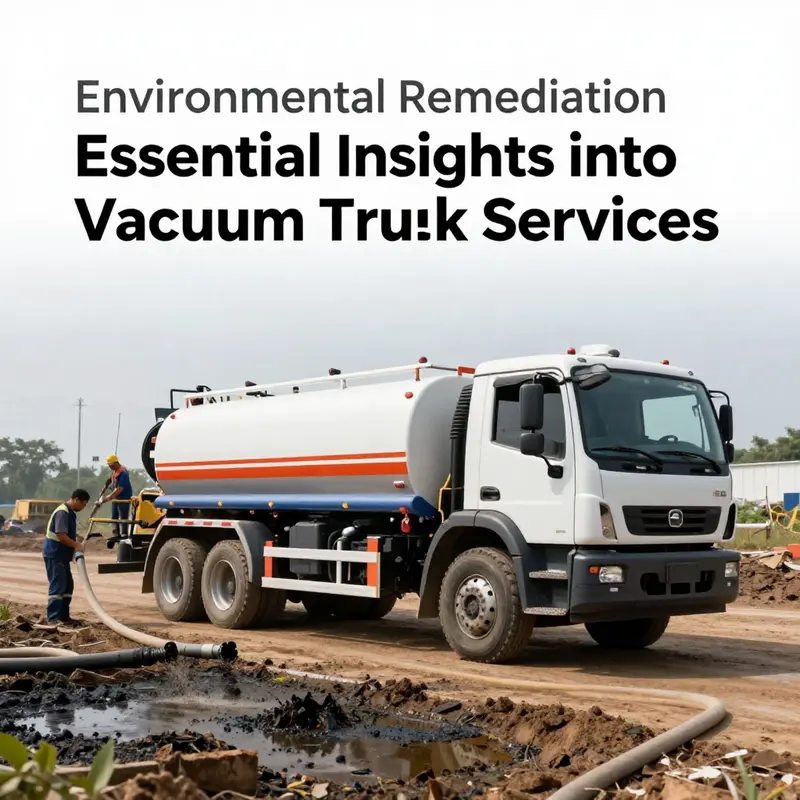
Environmental remediation is less about dramatic headlines and more about the patient, methodical work that protects people, ecosystems, and long-term community health. In this quiet but essential labor, vacuum truck services stand as one of the most versatile and reliable tools. They do not merely move waste; they orchestrate a carefully controlled process that converts a hazardous site into a safer, rehabilitated space. The vehicles themselves are specialized, purpose-built platforms trained to extract contaminants, transport them securely, and support a remediation strategy that respects regulatory boundaries, soil and groundwater integrity, and the surrounding population. When a spill, a leak, or a legacy contamination emerges, the vacuum truck becomes the first line of defense and the backbone of the cleanup plan, enabling responders and engineers to move from containment to restoration with measurable progress.
The core of vacuum truck remediation rests on a blend of capabilities that are both powerful and precise. The most visible feature is the vacuum system itself—a robust suction mechanism designed to pull liquids, slurries, sludge, and semi-solid wastes from a site with high efficiency. But suction is only part of the story. In many remediation operations, operators pair suction with high-pressure jetting to pre-clean surfaces and break loose stubborn materials that would otherwise resist extraction. This combination, sometimes called hydro-vacuuming, allows teams to prepare a site for deeper cleanup without resorting to aggressive mechanical excavation that could disrupt soil structure or destabilize nearby utilities. The result is a remediation workflow that is safer for workers and more respectful to the environment, because it minimizes secondary disturbance while accelerating the removal of contaminants.
Non-destructive excavation, where feasible, is a particularly valuable aspect of vacuum truck work. Hydro-vacuuming enables clean access to soil, manholes, tanks, and containment areas without the heavy-handed trenching that can create new exposure vectors or destabilize underground infrastructure. In sensitive settings—near groundwater sources, in urban ecosystems, or adjacent to historical sites—the goal is to remove contaminants while preserving the footpath of the earth that supports local flora and fauna. The hydro-vacuum method helps achieve this balance by using controlled suction to separate soil from liquids and to delineate contaminant zones with higher precision than older, more invasive methods. In practice, this means less soil dispersion, reduced turbidity in nearby water bodies, and a clearer path to long-term site restoration.
Filtration technologies inside modern vacuum trucks are a quiet but crucial ally in environmental protection. As waste is drawn from a site, advanced filtration systems segregate solids from the airflow, capturing hazardous particulates and preventing them from re-entering the environment. By keeping solids out of the exhaust stream and the surrounding atmosphere, these systems reduce the risk of secondary contamination and extend the operational life of the truck’s blower and hoses. The ability to maintain continuous operation while handling diverse waste streams—ranging from oily sludges to dry, silica-laden debris—helps remediation teams meet tight schedules and regulatory deadlines. In practice, filtration translates into fewer interruptions, more predictable timelines, and a more defensible waste management record that stakeholders can review with confidence.
The applications of vacuum truck services in environmental remediation are broad and interconnected. In emergency spill response, speed is essential. A vacuum truck can be deployed rapidly to contain and extract leaked fluids, preventing them from seeping into soil or reaching storm drains. This immediacy buys time for the containment and recovery plan, while specialized crews assess the nature of the contaminants and coordinate disposal through compliant channels. In industrial cleanup, vacuum trucks excel at removing residual liquids and sludges from manufacturing floors, filtration systems, storage tanks, and drainage networks. The ability to transport hazardous liquids safely to a treatment or disposal facility helps facilities meet environmental obligations and reduce liability. For long-term site restoration projects, vacuum trucks contribute by removing ongoing sources of contamination and enabling staged remediation. They can be used to excavate pockets of polluted soil, extract contaminated liquids from porous soils, and facilitate subsequent stabilization, capping, or bioremediation steps. Across these contexts, the consistent thread is control—control of access, control of dispersion, and control of risk.
Safety and compliance are inseparable from the practical capabilities of vacuum truck services. Environmental regulations demand careful waste characterization, proper transport, and traceable disposal. The operators who plan and execute remediation campaigns must be trained not only in operative techniques but also in the regulatory frameworks that govern hazardous waste, air emissions, and groundwater protection. The disposal chain has to document every move: the waste type, volumes, concentrations, routing, and final destination. In this light, the equipment becomes a compliance platform as much as a cleanup tool. Filtration and containment safeguards reduce the likelihood of airborne exposure and soil wipe-off, while double-hull or lined containment bodies and secure transfer interfaces minimize spill risk during loading and unloading. Together, these features convert a potentially chaotic site into a managed system where every step is auditable and audibly compliant with environmental protection standards.
In the broader remediation ecosystem, vacuum trucks do not operate in isolation. They are often parts of an integrated toolkit that may include soil vapor extraction, molecular sortation, and controlled excavation, all orchestrated under a remediation plan crafted by engineers and environmental scientists. Vacuum trucks complement these methods by providing a non-invasive means of removing liquids and semi-solids before or during excavation. This synergy reduces the volume of material that requires handling, lowers transport costs, and decreases exposure for workers. A well-planned program uses hydro-vacuuming to daylight contaminants and to isolate hot zones, after which other technologies can be applied more efficiently. The result is not just a cleaner site, but a faster transition from assessment and containment to restoration and monitoring.
The economic and logistical realities of remediation projects also shape how vacuum truck services are deployed. Capacity planning becomes a strategic exercise: how many trucks are needed at a given site, how quickly can they cycle through phases of extraction, and how will waste be characterized and routed to secure facilities? In this context, a pragmatic appreciation for the broader trucking ecosystem matters. The industry’s ongoing conversations about capacity, regulation, and resilience influence decisions about emergency response readiness, maintenance scheduling, and partner selection. For professionals overseeing remediation, even the choice of a service provider can hinge on the provider’s ability to adapt operations to evolving regulatory demands, traffic patterns, and local infrastructure constraints. In this sense, the timeline of a remediation project is inseparable from the health of the broader trucking landscape. As the industry navigates these dynamics, it is helpful to consider the key economic trends impacting the trucking industry, which you can explore here: https://fritzke-truckinginc.com/key-economic-trends-impacting-the-trucking-industry/.
Beyond the immediate cleanup benefits, vacuum truck remediation supports communities by accelerating the return of land to safe and usable conditions. Restored sites support local reuse, reduce long-term environmental liabilities, and preserve drinking water quality by limiting the spread of contaminants. The process also strengthens public trust: communities see a disciplined approach to remediation, transparent waste handling, and a clear plan for ongoing monitoring. When remediation teams demonstrate that they can contain, extract, and transport hazardous materials with rigor and accountability, they set a standard for how industrial activities should respect public health and the environment. In this light, the vacuum truck is more than a machine; it is a facilitator of accountability, a bridge between industrial capability and ecological stewardship, and a dependable partner for communities seeking to reclaim and reuse impacted spaces.
For practitioners and planners, the promise of vacuum truck services lies in predictability coupled with adaptability. Modern operations emphasize remote monitoring of load and pump performance, flexible tank configurations, and the ability to tailor equipment to the particular chemical and physical properties of a site. This flexibility matters because contaminants vary in viscosity, volatility, and reactivity. A well-matched configuration can minimize downtime, reduce the need for secondary handling, and lower overall remediation costs. In addition to technical customization, service models that offer 24/7 availability, rapid mobilization, and transparent post-cleanup reporting help clients meet tight project schedules and regulatory milestones. The result is a remediation workflow that is not only effective but also durable in the face of complex site conditions and shifting compliance expectations.
The environmental payoff of vacuum truck remediation is tangible and cumulative. By enabling targeted, non-destructive cleanup, these services help prevent cross-contamination and preserve soil structure so that ecological processes can resume more quickly. They also support water quality protection by limiting the transport of contaminants through runoff and stormwater systems. In urban areas, where space is constrained and utilities networks are dense, the precision of hydro-vacuuming reduces the risk that cleanup activities will disrupt critical infrastructure. In rural settings, it helps protect sensitive aquifers and wetlands by allowing teams to isolate and remove pollutants without broad-scale disturbance. Across all contexts, the underlying goal remains consistent: to deliver a safer site, a clearer path to restoration, and a defensible record of stewardship that institutions, regulators, and communities can rely on.
For readers seeking deeper technical insight into how these machines perform under demanding conditions, an external technical guide offers extensive details on high-pressure jet capabilities, suction performance, and filtration efficiencies. This resource complements the practical knowledge described here and helps bridge the gap between field practice and equipment theory: https://www.madisonhill.org/vacuum-truck-guide.
Cleaner Streets, Safer Cities: How Vacuum Truck Services Elevate Road and Street Cleaning
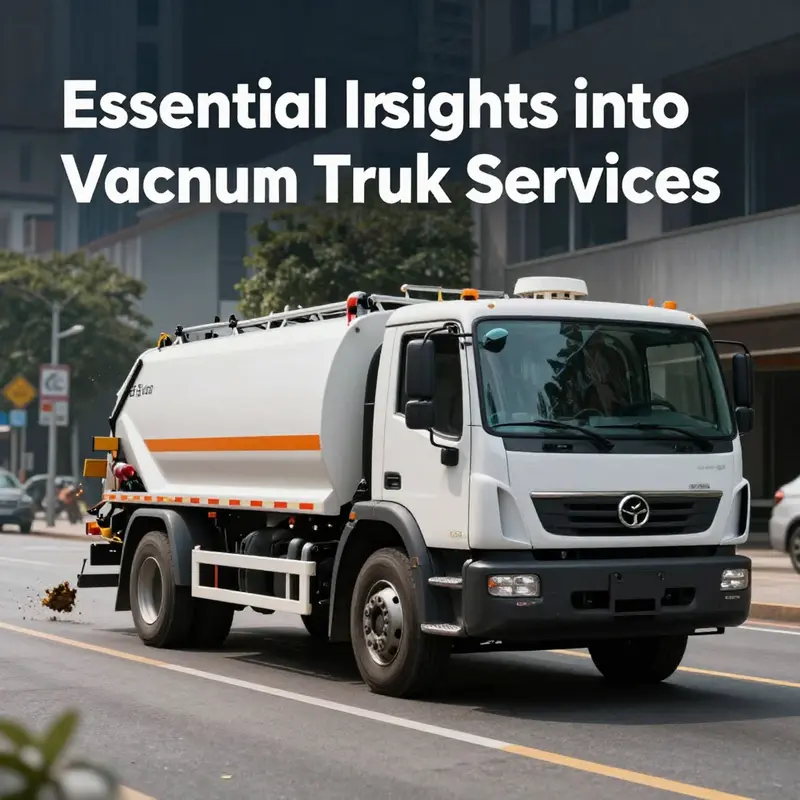
Vacuum truck services change how municipalities and private operators approach road and street cleaning by combining deep-cleaning capability with environmental safeguards. These specialized vehicles use strong suction, integrated filtration, and secure containment to remove solid debris, fine dust, and liquids from paved surfaces. This is not simple cosmetic cleaning. It reduces slip hazards, cuts down airborne particulates, and prevents contaminants from entering storm drains and waterways.
The practical efficiency of vacuum trucks is evident in their ability to collect mixed materials in one pass. Where traditional sweepers push grit and litter to curblines, vacuum systems extract particles directly from the road surface. This removes abrasive materials that damage pavements, reduces sediment accumulation in gutters, and limits the need for repeated manual cleanups. A single well-configured run can pick up sand, grit, small stones, leaves, paper, and even thin layers of spilled liquids. That consolidated collection saves crews time and fuel and lowers the frequency of disruptive street closures.
Air quality benefits follow directly from the method of collection. Instead of stirring dust into the air, vacuum trucks trap particulates inside sealed tanks. Many units include misting or fogging systems that dampen dust at the source, preventing a secondary plume of particles. This detail matters in high-traffic urban corridors and near sensitive sites such as schools, hospitals, and open-air markets. Reduced dust means fewer respiratory irritants for residents and workers, and it helps cities meet local air quality standards with less reliance on temporary traffic reductions or costly mitigation measures.
Containment and filtration systems are central to the environmental value of these services. Modern vacuum trucks route collected material through screens, cyclones, and filters before depositing waste into secure tanks. Liquids can be separated from solids, allowing for proper treatment or disposal. When the work involves potentially hazardous residues—such as oil drips, chemical runoff, or contaminated sediment—tight containment prevents migration into sewer networks and natural waterways. That containment reduces cleanup complexity and lowers liability risks for municipal agencies and private contractors.
Versatility is another strong point. Vacuum trucks can shift between routine street sweeping and more specialized tasks without major retooling. Crews can clear storm grates and manholes, remove sediment from drainage basins, and handle spill response using the same platform. The adaptability shortens response times after accidents and storm events, and it streamlines fleet requirements for agencies that must cover both scheduled maintenance and emergency remediation. For sites where both solids and liquids are common—construction zones, industrial yards, and port areas—this flexibility translates directly into fewer trucks, fewer personnel, and lower operating costs.
Operational considerations make vacuum services attractive to procurement managers. Faster collection means less time parked on busy roads and reduced exposure for maintenance crews. Fewer passes translate into lower fuel consumption and decreased wear on both vehicles and pavement. Equipment modularity allows teams to choose tank sizes, hose lengths, and filtration levels that suit the application. Some operators add remote controls, CCTV, or wider-reaching booms to improve accuracy and safety during operations in tight urban spaces.
The shift toward low-emission and electric-powered cleaning platforms strengthens the case for integration of vacuum services into sustainable fleets. Electric configurations reduce noise and tailpipe emissions, enabling effective cleaning during early morning or late-night shifts when reduced traffic maximizes efficiency. Public agencies exploring electrification can pair vacuum systems with new vehicle architectures to meet emission reduction targets. For an example of market movement toward electric heavy equipment, see Harbinger electric trucks Canada, which illustrates trends in cleaner commercial vehicle deployment within urban services (Harbinger electric trucks Canada).
Beyond immediate operational gains, vacuum-based street cleaning supports broader infrastructure goals. Removing sediment and debris helps keep stormwater systems functioning. Clean gutters and drains reduce localized flooding risk and lessen pollutant loads entering treatment facilities. Over time, this preventative maintenance extends the life of drainage assets and lowers capital expenditures on repairs. For cities pursuing green infrastructure or low-impact development strategies, vacuum services complement planting, infiltration, and permeable paving projects by keeping conveyance systems clear.
Public safety and perception also improve with effective vacuum cleaning. Streets free of loose debris are less likely to cause vehicle damage or bicycle accidents. Quick removal of slick substances reduces the chance of multi-vehicle collisions. Visually clean streets contribute to a sense of civic pride and can deter littering when residents see regular maintenance. That civic signal is a small but real component of urban management, supporting broader efforts to improve public spaces and encourage responsible behavior.
Cost-effectiveness emerges when managers compare total lifecycle expenses. The up-front cost of specialized equipment can be offset by reduced labor hours, lower fuel use, and fewer repeat operations. When vacuum trucks prevent costly stormwater treatment surges or mitigate environmental fines, their value becomes part of the risk management equation. Many operators also benefit from after-sales support and customizable configurations that allow a single chassis to serve multiple functions across seasons.
Training and safety protocols are necessary complements to equipment capability. Proper operation and maintenance preserve suction power, prevent cross-contamination, and ensure filters and tanks function as intended. Clear procedures for waste handling and disposal maintain regulatory compliance, especially when hazardous materials are involved. Well-documented practices reduce downtime and protect crews, which sustains service reliability and public confidence.
Integrating vacuum truck services into urban cleaning regimes delivers measurable advantages in cleanliness, health, and resilience. Their ability to remove both particulate and liquid contaminants, contain waste securely, and adapt to varied tasks makes them a powerful tool for modern municipal maintenance and industrial site management. When paired with emission-reducing vehicle platforms and smart deployment strategies, vacuum services help cities operate more efficiently and responsibly while protecting public health and infrastructure.
For more technical details on vacuum truck configurations and examples of equipment specifications, see this resource: https://www.made-in-china.com/products/16000-Liters-vacuum-Truck-Suction-Dry-Wet-for-Draange-and-Sewer-Cleaning.html
Final thoughts
Vacuum truck services are an integral component of effective waste management and environmental protection across various industries. From sewage and septic operations to industrial bulk handling and street maintenance, these specialized vehicles ensure high standards of sanitation and compliance. Businesses engaging vacuum truck services reap benefits in safety, operational efficiency, and environmental stewardship, making these solutions crucial for sustainable operations.