
Introduction to the New Postal Service Truck
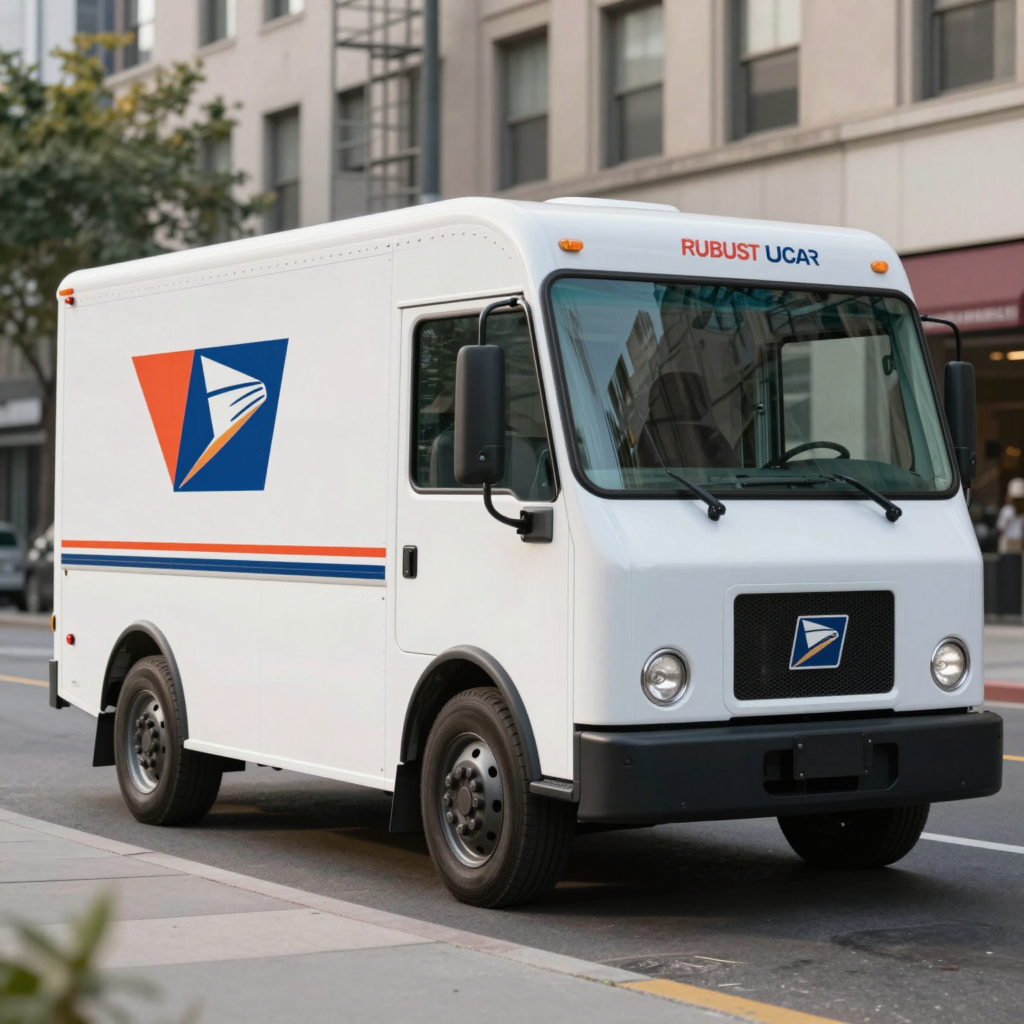
In a significant move towards modernization, the U.S. Postal Service (USPS) has unveiled its new electric delivery truck, set to make a lasting impact on postal operations and the industries it serves. Designed in collaboration with Oshkosh Corporation, this new vehicle embodies a sleek, aerodynamic form that enhances fuel efficiency while reducing environmental impact. With a commitment to sustainability in mind, the truck features a zero-emission design aimed at phasing out older diesel models by 2040.
This innovative vehicle is not just about looks; it is purpose-built for the needs of modern businesses, offering increased cargo capacity and advanced safety features such as automatic emergency braking and lane departure warnings. Such enhancements make it particularly relevant for sectors including manufacturing, distribution, e-commerce, and construction. As USPS continues to adapt to evolving market demands, this new delivery truck stands as a testament to its commitment to service – ushering in a new era of reliable, efficient, and eco-friendly mail delivery. For insights into similar innovations, check out our piece on the impact of 25% tariff on heavy trucks.
Key Design Features of the New Postal Service Truck
Exterior Design of the New Postal Service Truck
The new postal service truck embodies a striking exterior design that prioritizes both aesthetics and functionality. Its unique “duck-bill” shape, characterized by a low front and a spacious, elevated body, sets it apart from traditional delivery vehicles. Measuring an impressive height of approximately 111 inches-around two feet taller than older models-this design ensures enhanced visibility for drivers, allowing them to easily navigate potential obstacles such as pedestrians and road impediments.
Innovative Aesthetics and Color Scheme
The exterior is primarily finished in a clean, professional white color, symbolizing reliability and cleanliness. This choice reflects not only the postal service’s commitment to effective service but also aligns with contemporary aesthetics favored in modern logistics. The large panoramic windshield enhances visibility while providing a sleek, modern appearance.
Durability is a core feature of this design; constructed from high-strength plastics and rubber, the truck’s body resists wear and tear, ensuring longevity in service conditions, particularly for businesses in manufacturing and retail that require robust delivery solutions.
Space and Functionality
One of the most noteworthy innovations is the truck’s cargo capacity, which has more than doubled to 330 cubic feet. The interior height reaches 78.5 inches, accommodating taller personnel and allowing for a more efficient loading and unloading process. This is a crucial element for manufacturers and retailers, as it enables the transportation of larger volumes of goods without compromising on speed and safety. Furthermore, the vehicle is equipped with regenerative braking systems and optional all-electric capabilities, appealing particularly to businesses looking to reduce carbon footprints and enhance efficiency.
Relevance to Businesses
The incorporation of advanced safety features and ergonomic space not only aligns with the operational needs of companies in the manufacturing and retail sectors but also signifies the postal service’s adaptation to e-commerce’s evolving demands. By emphasizing both design and utility, the new postal truck stands as an impressive logistical innovation, meeting the needs of businesses focused on efficiency and reliability while contributing to a sustainable future.
For insights into market adaptations of electric trucks in logistics, consider exploring economic trucking trends that detail the influence of these innovations on supply chains.
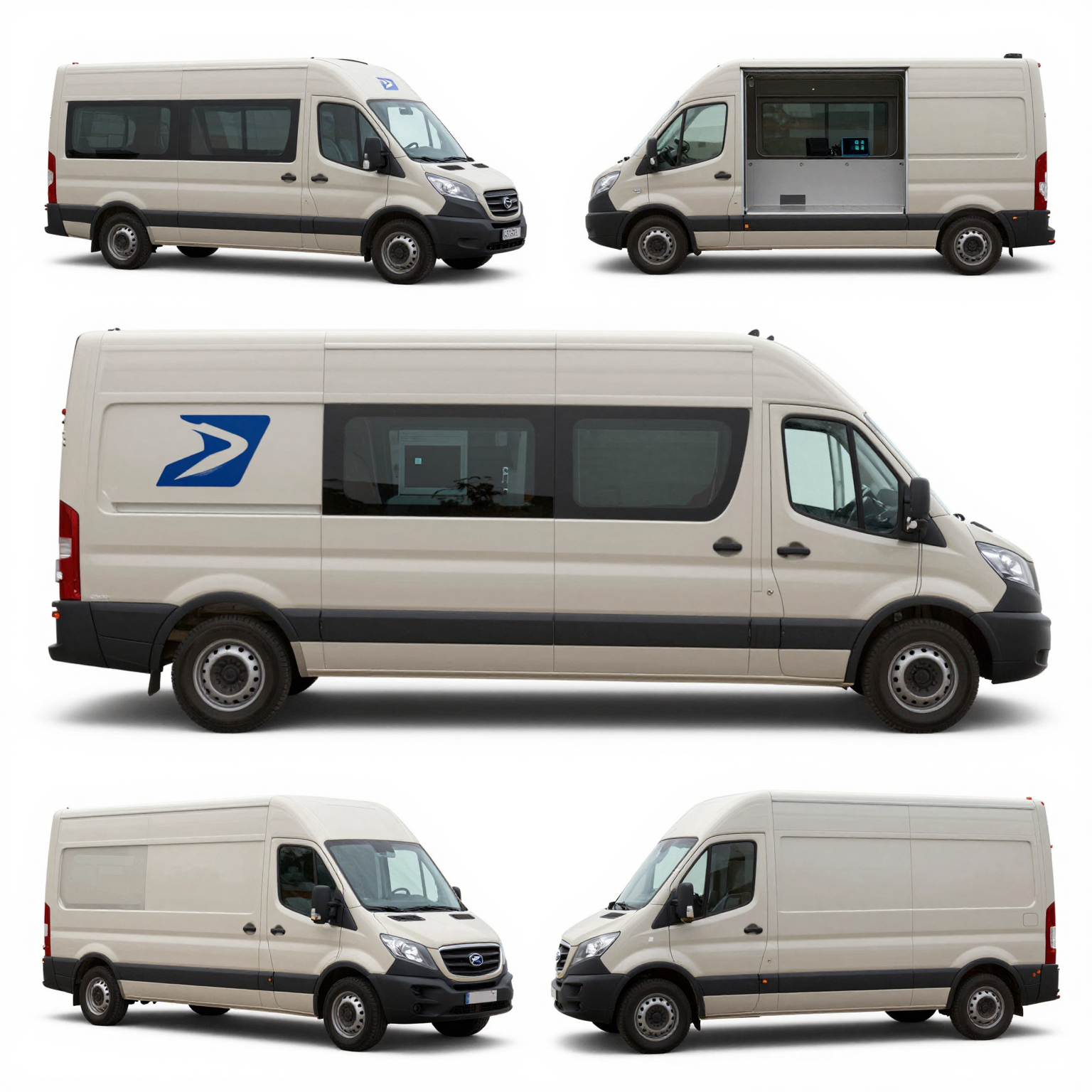
A simple visual image showing a new postal service truck from multiple angles to highlight its modern design. The truck features a sleek, aerodynamic shape, large windows, and a spacious cargo area, demonstrating its functionality for postal services.
For additional insights on the impact of modern vehicles in the trucking industry, you might find this article on investing in people in trucking relevant.
Interior Features of the New Postal Service Truck
The interior of the new postal service truck is meticulously designed to enhance driver ergonomics, provide ample cargo space, and integrate cutting-edge technology. Each aspect has been carefully considered to benefit users, especially those in distribution and shipping industries.
Ergonomics for Enhanced Comfort
Driver ergonomics are at the forefront of the design, prioritizing comfort and reducing fatigue during long shifts. The truck features adjustable and supportive seating systems, allowing drivers to customize their positions for optimal comfort. These enhancements lead to fewer instances of musculoskeletal disorders, with studies indicating that ergonomic designs can reduce the risk of such issues by up to 40% (source: American Trucking Associations). Furthermore, an intuitive dashboard layout significantly simplifies control access, thereby enhancing driver retention and satisfaction while minimizing distractions.
Spacious Cargo Capacity
The vehicle’s interior is engineered to maximize cargo space without compromising driver comfort. The design allows for a spacious cargo area that can handle diverse shipping needs. With a generous capacity accommodating various package sizes, the truck meets the demands of modern distribution challenges efficiently. Enhanced cargo space ensures that businesses can optimize their shipping processes, reducing the need for multiple trips and facilitating faster deliveries, crucial for operations in competitive sectors such as retail and e-commerce.
Advanced Technology Integration
Incorporating advanced technology, the truck features a smart infotainment system that encompasses voice command capabilities and navigation assistance. This minimizes the cognitive load on the driver during operations, enhancing focus and improving route planning. Such innovations are significant for last-mile delivery fleets aiming to boost efficiency; reports indicate that companies have experienced up to a 15% increase in delivery capacity due to streamlined processes enabled by these technologies (source: Logistics Management). Additionally, systems that reduce cabin noise levels provide a more pleasant working environment, directly influencing driver productivity and comfort.
Conclusion
Overall, the interior features of the new postal service truck represent a substantial leap forward in meeting the ergonomic, space, and technological needs of modern distribution and shipping companies. These innovations not only enhance driver satisfaction but also improve operational efficiency, making them invaluable assets in an increasingly demanding market.
Comparison Table of Old vs. New Postal Service Truck
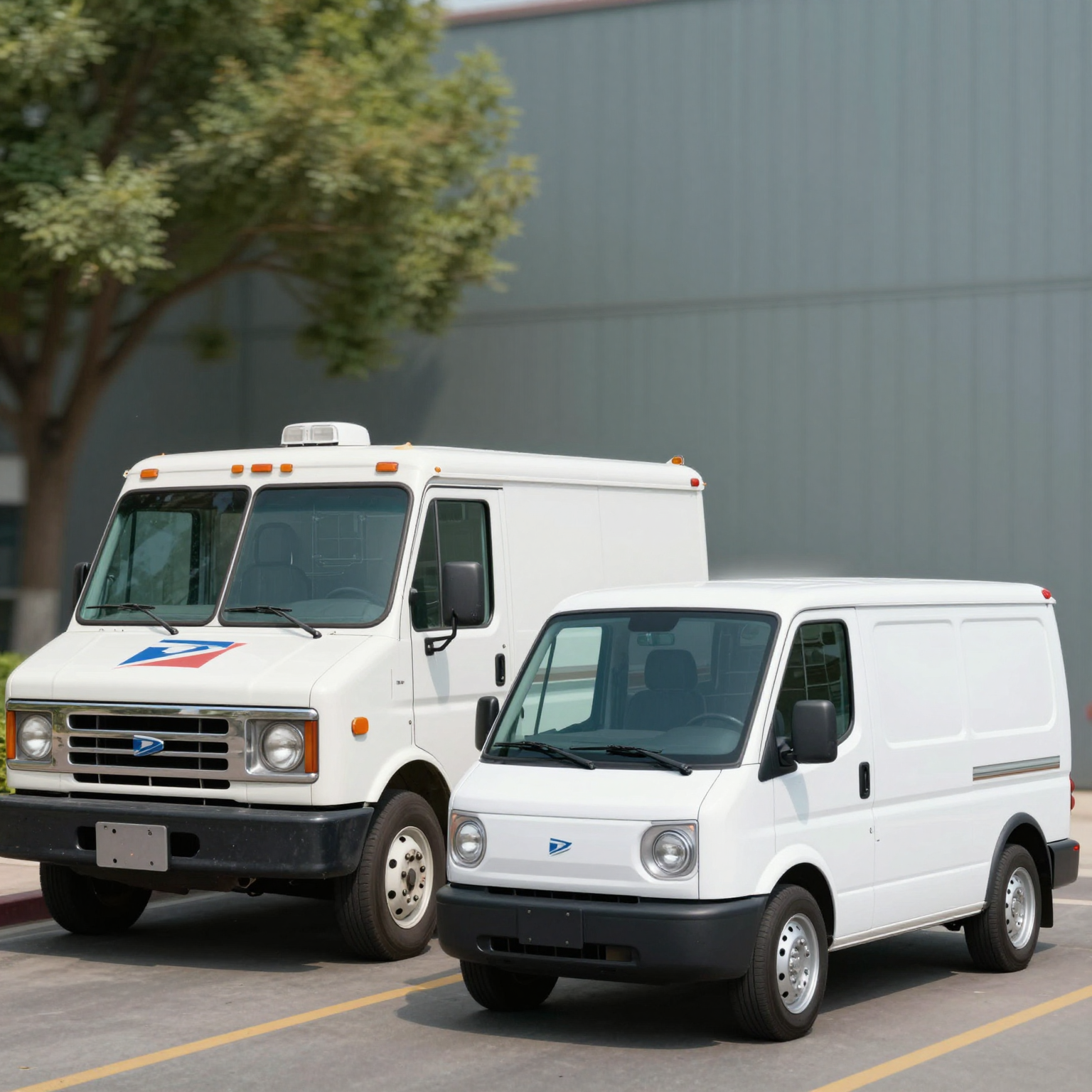
The modernization of the United States Postal Service (USPS) fleet has transitioned from the iconic Ford E-Series vans to the new Next Generation Delivery Vehicle (NGDV). Below is a comparison table outlining the key specifications and features of both old and new models.
| Feature | Old Postal Service Truck | New Next Generation Delivery Vehicle (NGDV) |
|---|---|---|
| Design | Ford E-Series van | Sleek, modern look with improved aerodynamics |
| Safety Features | Minimal safety features, no seat belt interlocks | Advanced safety technology, mandatory seat belts, automated parking brakes |
| Payload Capacity | Variable | Varies by model, higher than old trucks |
| Visibility | Small windows, limited visibility | Larger windows, improved lighting for visibility |
| Eco-friendliness | Fuel-inefficient | Options for electric and hybrid models, lower emissions |
| Driver Comfort | Basic ergonomics | Redesigned interior for improved driver ergonomics |
| Maintenance | Higher costs due to older technology | Reduced maintenance costs with durable construction |
| Fuel Efficiency | Less efficient, gas-powered | Improved fuel economy, available electric variants |
For further details on the new NGDV, you can learn more about its features and the evolution of USPS delivery trucks in this historical overview.
Technological Advancements in the New Postal Trucks
The new postal trucks represent significant technological advancements that are poised to transform postal services and support small business owners in their shipping needs. These advancements primarily focus on enhancing fuel efficiency, safety features, and navigation systems.
Fuel Efficiency
The latest models of postal trucks are designed with fuel efficiency in mind, incorporating electric and hybrid technologies to reduce the reliance on fossil fuels. According to recent data, some of these vehicles exhibit a remarkable reduction in fuel consumption of approximately 30% compared to earlier models. This not only lowers operational costs for postal services but also offers small business owners a more reliable logistics option, helping them manage their shipping expenses more effectively. For instance, businesses relying on rapid and frequent deliveries can benefit significantly from the enhanced fuel economy of these trucks.
Safety Features
Safety is paramount in the transport industry, and the new postal trucks are equipped with advanced safety technologies, including automatic emergency braking, adaptive cruise control, and pedestrian detection systems. These features play a crucial role in reducing accidents, thus ensuring the safe delivery of packages. For small business owners, ensuring that their products reach customers without incidents contributes to maintaining a good reputation and customer trust.
Navigation Systems
Furthermore, the integration of state-of-the-art navigation systems allows for real-time traffic updates and route optimization. This capability improves delivery times and enhances overall operational efficiency. For small business owners, timely deliveries can significantly impact customer satisfaction and repeat sales. Tracking systems also provide transparency and assurance to customers about their orders, which is vital in today’s e-commerce-driven market.
In conclusion, the technological advancements in new postal trucks not only enhance operational efficiency and safety but also enable small business owners to thrive by providing better shipping solutions. By leveraging these innovations, small businesses can optimize their logistics strategies and respond more effectively to their customers’ needs. To learn more about the impact of advancements in trucking on small businesses, check out this resource.
User Testimonials and Expert Feedback on the New Postal Service Truck
User Testimonials
“The new delivery vehicles from USPS aren’t going to win a beauty contest, but their functionality and performance have received high marks from carriers. The focus on practical design and safety is commendable!”
- USPS Mail Carrier, September 12, 2024, source
“I shared a TikTok taking a deeper look at the USPS’s new electric mail truck and how it’s revolutionizing delivery. The eco-friendly design and enhanced delivery efficiency are game changers. It’s clear the USPS is committed to innovation!”
- TikTok User @bbyegan_, November 14, 2025, source
Expert Feedback
“The Automotive Service Association has raised serious concerns about the proposed privatization of the U.S. Postal Service’s truck fleet. While there may be potential cost savings, the risks of increased maintenance costs, job loss, and reduced service reliability are significant. It’s essential to maintain a strong public postal system for rural delivery success and consumer affordability.”
- Expert from ASA, March 25, 2026, source
“In a recent report, the Government Accountability Office highlighted the risks associated with outsourcing USPS truck services. Although privatization might reduce administrative burdens in the short term, long-term challenges could emerge, including inconsistent service quality. There should be a pilot program to evaluate impacts before any full-scale transition occurs.”
- GAO report, March 18, 2026, source
“While the modernization of the USPS fleet is vital, we advocate for transparency in the process. Bidding should be clear, there must be accountability mechanisms, and vehicles must adhere to sustainability standards. Regardless of whether trucks are publicly or privately managed, we need assurance they’ll contribute positively to workforce training and development.”
- ATA Expert, March 24, 2026, source
These testimonials and expert insights provide a comprehensive view of the public perception and potential implications surrounding the new postal service truck, reflecting both enthusiasm for innovation and cautionary notes regarding operational changes.
Potential Industry Impacts of the New Postal Service Truck
The introduction of the new postal service truck, designed with advanced capabilities, has significant implications for various industries, particularly manufacturing, retail, and construction. This innovation is poised to enhance shipping efficiency in numerous ways, likely leading to a transformation in logistics operations across these sectors.
Manufacturing Industry
- Increased Efficiency: The new postal trucks are expected to optimize logistics and improve delivery speeds, facilitating a more efficient supply chain for manufacturers. With better routing technology and larger cargo capacities, manufacturers can expect quicker turnaround times for components and products.
- Lower Transportation Costs: Enhanced fuel efficiency and reduced maintenance needs mean manufacturers could see savings in shipping costs. Learn more about key economic trends impacting the trucking industry.
Retail Sector
- Improved Customer Satisfaction: As shipping becomes faster and more reliable, retailers can offer improved customer experiences with timely deliveries. This change is especially beneficial for e-commerce businesses, which thrive on efficient logistics.
- Flexibility in Operations: Retailers can adapt to fluctuations in demand more effectively, leveraging the postal service’s capabilities to scale operations based on consumer behavior. The likelihood of reduced delivery times can also drive more sales, enhancing overall revenue.
Construction Industry
- Seamless Supply Chain Management: The construction sector, which often operates on tight timelines, stands to gain from improved delivery schedules. The new trucks will enable construction firms to better manage inventory and equipment logistics, ensuring that materials are available when needed without unnecessary delays.
- Enhanced Responsiveness to Projects: With advancements in postal logistics, construction firms can respond more dynamically to project changes, optimizing workflows and enhancing project completion times. This could ultimately lead to cost savings and greater project efficiency.
Conclusion
The introduction of the new postal service truck represents a significant evolution in the logistics landscape. By enhancing shipping efficiency and operational flexibility, industries such as manufacturing, retail, and construction are likely to experience transformative changes that could redefine their operational frameworks. Companies within these sectors need to start evaluating how these changes can be integrated into their own logistics strategies to remain competitive in this rapidly evolving environment.
For more insights into the impact of recent trends on shipping efficiency and logistics, please refer to this article that elaborates on the current trends in the sector.
Conclusion: Embracing the Future of Logistics with New Postal Trucks
The introduction of new postal service trucks represents a significant evolution in the logistics landscape, particularly for manufacturing, distribution companies, and e-commerce businesses. These advanced vehicles are not merely a means of transportation; they embody a holistic approach to enhancing efficiency, safety, and sustainability.
Key features of the new postal trucks include:
- Increased Efficiency: The new models, particularly electric and hybrid variants, reportedly improve delivery times by up to 15% while reducing operational costs (as seen in recent deployments by various postal services).
- Sustainability: The adoption of electric vehicles and advanced logistics solutions aids businesses in achieving sustainability targets, aligning with global environmental initiatives.
- Safety and Comfort: Enhanced ergonomic designs ensure that postal workers experience improved comfort during their routes, with features such as better visibility and advanced safety systems.
As these vehicles revolutionize the way postal services operate, businesses can leverage their capabilities to enhance their own logistics strategies. Integrating similar advanced technologies can not only streamline operations but also significantly reduce the carbon footprint of fleet activities.
Call to Action
Are you ready to elevate your vehicle fleet? At Summit Fairings, we specialize in providing solutions that enhance vehicle performance and aesthetics. Explore our offerings today and discover how you can transform your logistics capabilities. Learn more about our products and take the first step towards a more efficient and sustainable future for your business.
Embracing these innovations can lead to operational excellence and reinforce your commitment to sustainability in this rapidly changing market. Don’t wait-invest in the future of your logistics today!