
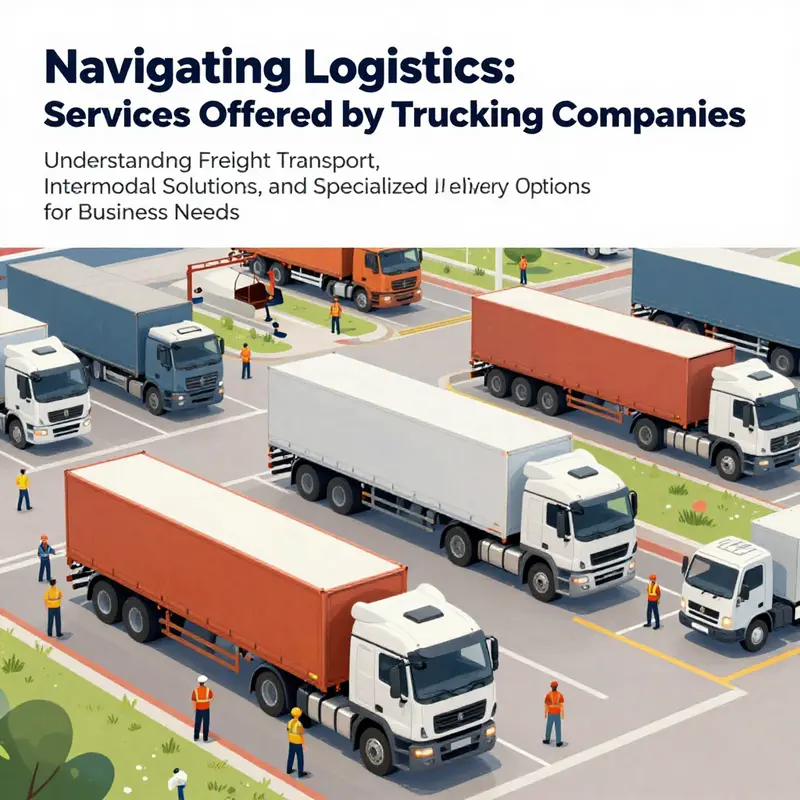
Trucking companies play a vital role in the logistics and transportation sector, providing essential services that cater to a diverse range of businesses. Manufacturing and distribution companies, retail and e-commerce businesses, construction and heavy industry firms, as well as small business owners with shipping needs all rely on trucking firms to deliver goods swiftly and safely. This comprehensive guide delves into the various services offered by trucking companies, exploring key areas: freight transport services that form the backbone of their operations, intermodal transportation solutions that enhance efficiency, and specialized delivery options for unique cargo needs. Each chapter provides insights into how these services can be leveraged to address specific business challenges, ensuring that you are informed to make the best logistics decisions for your operations.
Beyond Movement: The Full Spectrum of Freight Transport Services That Trucking Companies Offer
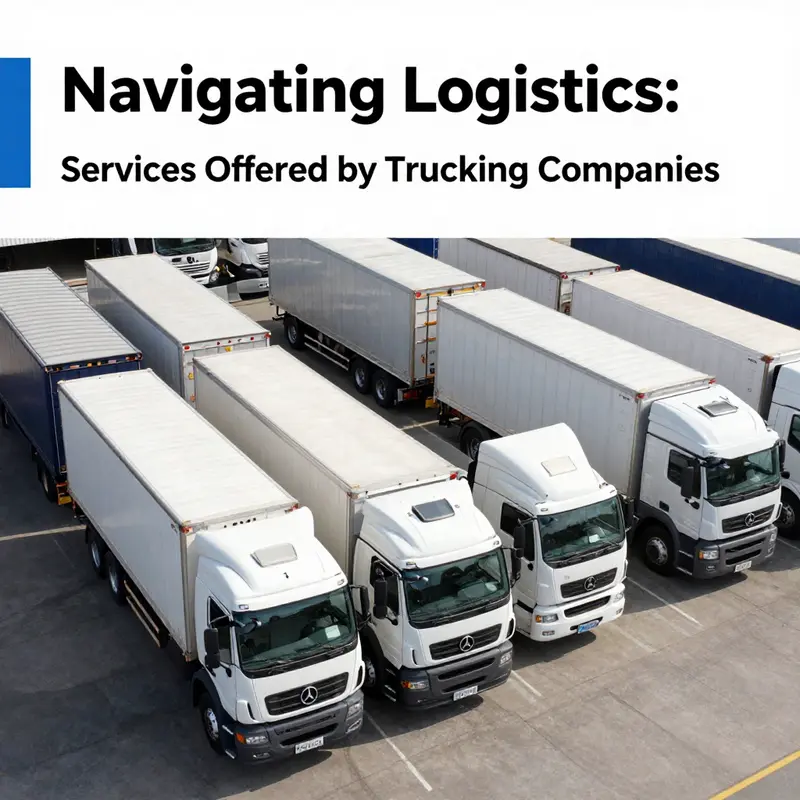
When people ask what trucking companies do, the knee-jerk answer is simple: they move goods from point A to point B. But the truth runs far deeper. Modern trucking firms operate as integrated logistics partners, orchestrating a continuum of services designed to fit a wide array of shipping needs. The core task remains freight transport, but the value they add comes from how they tailor that movement to the specifics of cargo, timing, destination, and the broader supply chain in which the shipment lives. This is not just about covering distance; it is about shaping the entire journey so goods arrive where they are needed, when they are needed, in the right condition, and at the right cost. As such, the freight transport services offered by trucking companies form a layered ecosystem, built from a handful of essential modes that interlock with warehousing, visibility, and digital marketplaces to create reliable, responsive, and scalable solutions for shippers of all sizes.
At the most fundamental level, freight transport services encompass the decision between LTL and FTL, or less-than-truckload and full-truckload shipping. LTL is the art of collaboration on the road. Multiple shippers share the same trailer, each contributing a portion of space proportionate to their shipment. This model optimizes capacity and reduces freight costs for smaller loads, but it demands sophisticated scheduling and careful coordination. Freight is dynamically consolidated with other shipments along the route, and each stop along the way adds a layer of handling and potential delay. The payoff is cost efficiency and enhanced network flexibility, especially for businesses that do not move enough volume to justify dedicating a full trailer to every shipment.
FTL, by contrast, provides exclusive use of a trailer for a single shipment. This is the choice when cargo is sizable, time-sensitive, or requires a direct, uninterrupted path from origin to destination. FTL minimizes the handoffs that can introduce delays or damage and often yields faster transit times. In practice, many carriers blend these approaches, offering both options and a spectrum of hybrid services to accommodate seasonal peaks, promotional campaigns, or routes with volatile demand. The decision between LTL and FTL is rarely a binary one; it is a calculated trade-off between cost, speed, risk, and service level that reflects the cargo’s characteristics and the shipper’s priorities.
Specialized hauling represents another pillar of freight transport services. The fleet and driver skill set expand to match the cargo’s unique requirements. Temperature-controlled transport is a cornerstone for perishables and certain pharmaceuticals, where maintaining a precise climate is essential to preserve quality. Oversized and heavy machinery shipments demand specialized equipment, permits, route planning, and sometimes escort vehicles or pilot cars. Hazardous materials transport, with its stringent regulatory framework and heightened safety protocols, requires trained personnel, appropriate containment, and meticulous documentation. High-value cargo adds another layer of security and accountability, with enhanced chain-of-custody practices and enhanced monitoring. Each specialized service carries its own risk profile and compliance considerations, and trucking companies cultivate depth in these areas to serve industries that cannot tolerate compromise.
Time sensitivity further expands the repertoire through expedited or same-day delivery options. When speed is the top priority, carriers leverage dedicated fleets, strategic lane knowledge, and responsive scheduling to compress the transit window. Expedited service often relies on streamlined handoffs and prioritized loading, with contingency plans for weather or traffic disruptions. The ability to mobilize resources quickly and maintain clear, constant communication with customers distinguishes true expediters from standard freight haulers. This capability aligns with a broader trend toward speed-to-market in modern supply chains, where even modest reductions in lead times can yield competitive advantage for manufacturers and retailers alike.
Beyond the door-to-door act of moving goods, trucking companies increasingly assume roles in the wider logistics framework. Integrated logistics and supply chain management have evolved from value-added services to essential components of a comprehensive transportation strategy. Warehousing facilities provide space for temporary storage, cross-docking, or reverse logistics, acting as hubs that smooth demand fluctuations and improve service levels. Inventory management services help shippers control stock levels, forecast needs, and reconcile physical goods with digital records. The ability to track inventory in real time, down to lot numbers or serialized items, reduces discrepancies and improves planning accuracy. For cross-border or international shipments, customs clearance support, documentation management, and regulatory compliance expertise further extend the value proposition. In short, a trucking company can be a one-stop partner that not only moves freight but also coordinates the surrounding elements that keep the supply chain flowing.
Technology plays a central role in enabling this expanded service set. Telematics and elevation of visibility dashboards turn static transit times into dynamic, actionable information. Customers can observe location, temperature, humidity, vibration, and route deviations in real time, enabling proactive interventions if conditions drift outside acceptable ranges. This visibility is not merely a luxury; it’s a risk-reduction tool and a decision-support resource. It supports proactive service recovery, accelerates root-cause analysis after disruptions, and improves customer trust through transparency. In practice, the best trucking firms couple this data with predictive analytics to anticipate maintenance needs, optimize fuel usage, and identify capacity surges before they happen. The result is a more reliable network that can adapt to emergencies, demand spikes, and evolving regulatory landscapes without sacrificing service quality.
An increasingly important frontier is intermodal transportation, where freight is moved using more than one mode—most commonly combining trucking with rail or maritime transport. Intermodal solutions leverage the strengths of each mode: the efficiency and lower cost of rail for long-haul legs, the flexible reach of trucking for final-mile delivery, and the buffering capacity of warehouses for efficient handoffs. Standardized containers simplify transfers and reduce the risk of damage or loss during transitions. For shippers, intermodal options unlock significant cost savings and environmental benefits, as rail typically delivers higher payload efficiency per mile. The logistics decision then becomes not merely which route is fastest, but which sequence of movements minimizes total landed cost while meeting service commitments. Intermodal adoption is often a strategic lever for firms seeking to balance reliability, cost containment, and sustainability goals within their broader supply chain strategy.
A newer dimension within freight transport services is access to digital marketplaces that connect shippers with carriers through bid-based load postings. These platforms introduce a marketplace dynamic where loads posted by shippers are visible to a network of carriers, who can bid on the opportunity in real time. This model injects competitive pricing into the procurement process while preserving the focus on service quality, reliability, and capacity. Shippers gain a broader pool of qualified carriers and can compare bids on a transparent basis, while carriers gain access to a steady pipeline of opportunities that match their equipment and lanes. The upside is a more agile market where capacity can scale with demand and where pricing reflects current conditions rather than solely historical norms. For carriers, these platforms can help diversify revenue, reduce empty miles, and optimize asset utilization—yet they also require rigorous fleet management, dynamic routing, and robust customer service to stand out in a crowded field.
In practical terms, this constellation of services creates a pipeline for shipments that must be tailored to the cargo, the destination, and the business constraints of the shipper. A parcel-sized, time-critical shipment across a regional corridor is not the same as a bulk, temperature-controlled, cross-border project with strict documentation requirements. The trucking company that thrives in this environment does not rely on a single set of capabilities; it maintains a flexible fleet with different trailer types, a trained workforce capable of handling complex loads, and a technology stack that harmonizes scheduling, dispatch, and tracking. It also cultivates relationships with customers by translating complex logistics language into meaningful service levels—transparency in pricing, clear communication about expected transit times, and predictable performance across peak seasons and weekend hours. The goal is to align service characteristics with customer value: reliability and speed when needed, cost efficiency where possible, and a robust safety and compliance posture across every mile.
Cost and value are inextricably linked in this landscape. The decision to select LTL versus FTL, to add a refrigeration module, to opt for expedited shipping, or to pursue intermodal routing hinges on a careful analysis of landed cost and risk. For a small retailer, a well-structured LTL program might deliver the right balance of affordability and timely delivery for multiple SKUs. A manufacturer with high-volume, time-sensitive parts orders might prefer FTL for speed and direct control. A multichannel business with diverse product lines may rely on warehousing and inventory management services to synchronize stock across e-commerce, brick-and-mortar stores, and distribution centers. In each case, the value proposition extends beyond the act of transportation. It encompasses the provider’s ability to secure capacity in advance, manage variability, and keep the customer informed as the shipment traverses its journey.
The interplay between freight transport services and broader supply chain management is also shaped by regulatory and safety considerations. Transport of certain goods requires adherence to safety standards, documented chain of custody, and continuous monitoring. Carriers invest in training and compliance programs to ensure that drivers, equipment, and processes meet or exceed these expectations. This is not merely a regulatory checkbox; it is a risk-management discipline that reduces incidents, mitigates liabilities, and sustains service levels under changing conditions. The most capable firms embed compliance into day-to-day operations as a core competency, integrating it with route optimization, asset maintenance, and driver performance monitoring. In a world where cross-border shipments, customs frameworks, and environmental standards evolve rapidly, the ability to adapt while preserving reliability becomes a differentiator.
To return to the question of what trucking companies offer, it is helpful to view the portfolio as a living system rather than a static menu. Freight transport services are the backbone, but the surrounding services—warehousing, inventory management, and supply chain visibility—provide the connective tissue that turns movement into meaningful business outcomes. The emergence of integrated logistics offerings reflects the growing demand from shippers for partners who can manage end-to-end flows, not just legs of the journey. When a carrier can move goods, store them if needed, track them continuously, and adjust plans on the fly in response to real-world conditions, it becomes easier for a company to forecast demand, reduce stockouts, and optimize working capital. This is why many trucking firms position themselves not merely as transporters but as strategic collaborators capable of shaping the entire logistics strategy around a given product line or market.
Another sign of evolution is the increasing emphasis on data-driven decision making. Real-time visibility feeds performance dashboards that translate into concrete actions. If a shipment experiences a delay, the system can reallocate capacity, switch modes where appropriate, or adjust delivery windows to preserve customer commitments. If a temperature excursion is detected in a refrigerated load, proactive alerts trigger contingency steps—insulated packaging checks, adjusted routing, or expedited handoffs to restore product integrity. The data also feeds continuous improvement programs. By analyzing patterns in transit times, loading efficiency, and route performance, carriers can optimize vehicle utilization, reduce dwell times at facilities, and lower the total landed cost for customers without sacrificing service quality. In this sense, technology becomes not just a convenience but a driver of reliability and resilience across the freight ecosystem.
A final thread worth noting is the role of intermodal and multi-modal strategies in achieving sustainable outcomes. For companies striving to reduce emissions and improve energy efficiency, intermodal options deliver meaningful gains by leveraging the efficiency of rail for long-haul segments and reserving trucking for the final mile. The decision to blend modes is not simply about cost; it is about meeting environmental targets while maintaining service levels in the face of volatility in fuel prices, driver availability, and infrastructure constraints. In practice, this means designing routes, schedules, and capacity plans that maximize the strengths of each modality. It also means communicating these choices clearly to customers, who may care about carbon footprint as much as delivery speed. The trucking industry is increasingly measured not only by on-time delivery and damage rates but also by its progress on sustainability metrics, and this is shaping how services are packaged and marketed to the market at large.
As readers contemplate these facets of freight transport, it becomes clear that the trucking company of the present is a multi-disciplinary partner. The service portfolio is not a static catalog but a living architecture designed to absorb shocks, seize opportunities, and align with the strategic aims of shippers across industries and regions. The ability to mix, match, and tailor these services—LTL or FTL, specialized hauling, expedited options, intermodal routing, warehousing, inventory management, and digital marketplace access—allows carriers to support a wide spectrum of customer needs without forcing a one-size-fits-all solution. With the right combination, a shipper can ensure that a single carrier handles the complexity of the entire journey, from origin to destination, while providing visibility, governance, and accountability along the way. In this sense, freight transport services are not merely the muscle of the supply chain; they are its nervous system, conveying movement, insight, and control across a network that keeps commerce in motion.
For readers who want to explore how these trends translate into practical decision-making, the next steps often involve a closer look at the economic environment and how it shapes capacity, pricing, and service level expectations. A useful lens can be found in recent analyses that examine how macroeconomic factors influence trucking operations, capacity constraints, and demand cycles. Key economic trends impacting the trucking industry offers a concise frame for understanding how shifts in freight demand, labor markets, fuel costs, and policy direction ripple through service choices. This context can help shippers and carriers calibrate their strategies, from choosing between LTL and FTL to weighing the value of warehousing and real-time visibility against the price of premium expedited service. Taken together, the body of services described here reflects a transportation system that is increasingly capable, flexible, and connected—a system that has learned to treat freight not as a one-off transaction but as a component of a broader, continuously optimized value chain.
External reference for further reading: ScienceDirect provides a comprehensive overview of trucking company operations and market dynamics, including discussions of service diversification, digital freight platforms, and the evolving role of logistics providers in modern supply chains. https://www.sciencedirect.com/topics/engineering/trucking-company
Intermodal Pathways: The Seamless Bridge Between Road, Rail, and Global Trade
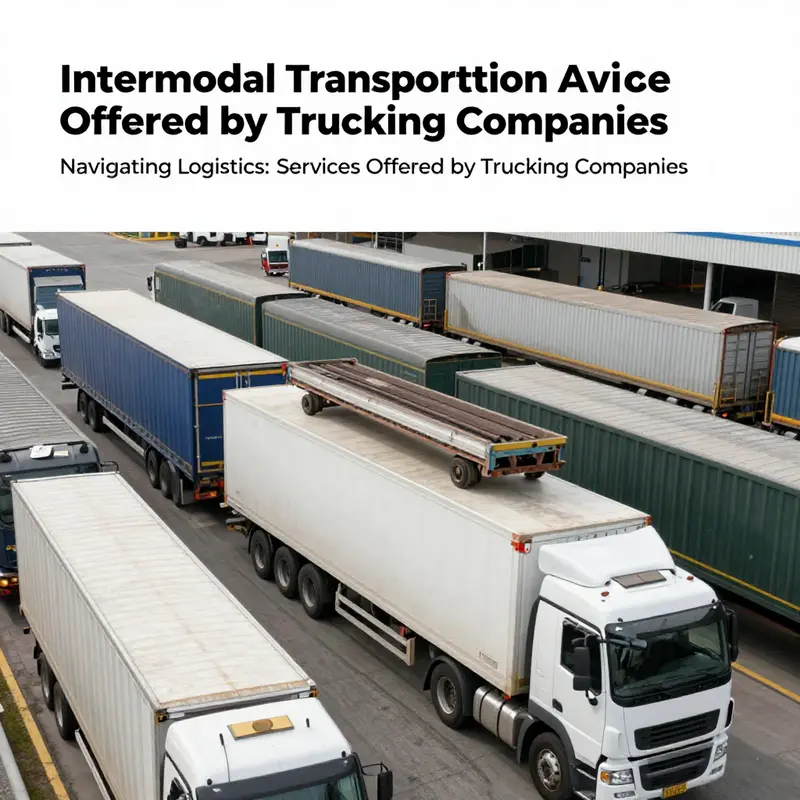
Intermodal transportation is more than a tactic in the logistics playbook; it is a foundational approach that reframes how goods move from origin to destination. At its core, intermodal involves using more than one mode of transport within a single, coordinated plan. Trucking companies act as the essential connective tissue in this system, because they do the critical work of loading, unloading, and managing the transitions between modes. They pick up shipments at the source, deliver them to rail yards or ports, coordinate handoffs with rail or ocean carriers, and then arrange the final mile to the customer’s facility. This orchestration is not a simple relay; it is a dynamic choreography that requires real-time data, precise timing, and deep collaboration across multiple players in the supply chain. In a world where speed, reliability, and cost balance are constantly recalibrated, the intermodal approach offers a way to optimize all three by leveraging the strengths of each transport mode in a single corridor of movement.
The logic of intermodal transportation rests on a straightforward premise: trucks excel at flexibility and last-mile delivery, while rail and maritime options often deliver cost efficiency and scale that trucking alone cannot match over long distances. For long-haul routes, a shipment might begin its journey within a regional distribution network that feeds into a rail corridor. A truck might move the freight from the shipper’s dock to a nearby rail terminal, where it is placed into a container or a trailer that can travel on rails for hundreds or thousands of miles. Upon reaching another terminal near the destination, a second truck takes over for the final mile into a warehouse or retail location. This seamless handoff hinges on meticulous planning, real-time visibility, and standardized containers that travel between modes with predictable interchangeability. The result is a transportation solution that preserves the pace of road movement while taking advantage of rail’s efficiency at scale, and even tapping into ocean or air legs where geography and demand make those modes advantageous.
A key feature of successful intermodal operations is the role of trucking firms as integrators. They are not merely haulers; they are interface builders that connect disparate networks. They coordinate pickup windows, ensure that freight is properly documented for cross-border or customs clearance when international movement is involved, and align the timing between the end of one leg and the start of the next. Modern intermodal solutions increasingly rely on sophisticated data platforms that provide end-to-end visibility. Shipments are tracked across trucking legs, rail yards, and port facilities, with real-time alerts if a delay arises. This degree of transparency is a critical driver of reliability in supply chains where a small delay can cascade into production stoppages or stockouts.
The advantages of intermodal transportation extend well beyond a single shipment. For many companies, the ability to shift substantial portions of long-haul movement from trucking to rail translates into meaningful reductions in fuel consumption and emissions. Rail, with its higher ton-mile efficiency, can move large volumes over long distances with lower per-ton energy use. The environmental dividends become particularly compelling in regions with mature rail infrastructure and stringent emissions standards. By moving freight to rail where feasible, carriers help lighten the load on highways, reduce congestion, and extend the life of road networks. This alignment of cost, reliability, and sustainability resonates with shippers seeking to balance price pressures with their own corporate sustainability commitments.
Intermodal networks do not merely offer a greener option; they also unlock capacity in tight markets. When truckload capacity tightens, shippers can turn to a well-integrated intermodal solution to maintain service levels without paying steep premiums for expedited trucking. The demand elasticity available through intermodal can act as a ballast in volatile cycles, helping to stabilize schedules and protect delivery commitments. For manufacturers with seasonal spikes or retailers facing peak periods, intermodal capacity can provide a scalable alternative that preserves service quality while controlling incremental expenses. The ability to modulate the mix of road and rail based on price, transit time, and service commitments makes intermodal a flexible tool in the logistics manager’s repertoire.
To realize these benefits, robust infrastructure and technology are essential. Intermodal success rests on a network of terminals, interchanges, and specialized equipment designed to handle containers and trailers in a way that minimizes handling time and damage risk. Double-stack containers, for example, maximize rail efficiency by stacking two containers in the vertical plane, effectively increasing tonnage per railcar and reducing the number of trips required. Terminal facilities must support efficient transfers between modes, including gate procedures, secure yard management, and synchronized scheduling with both rail and trucking partners. The integration of advanced tracking technologies, such as RFID tagging, GPS-based location services, and predictive analytics, enables the supply chain to anticipate bottlenecks, optimize routing, and provide customers with granular, near real-time visibility into where their freight sits in the network. This visibility is not merely a luxury; it is a practical necessity for coordinating complex multi-leg journeys where every delay can ripple across multiple stakeholders.
The strategic benefits of intermodal transportation extend to the structure of the service itself. For businesses seeking predictable cost structures, intermodal can offer more stable pricing than pure trucking in markets with volatile fuel surcharges and driver shortages. The shared workload between modes can smooth out peak demand periods and reduce the risk of service disruptions. Additionally, intermodal arrangements enable more precise forecasting and inventory planning. With better visibility into transit times and potential delays, manufacturers can align production schedules with delivery windows, reducing the need for safety stock and enabling more efficient use of warehouse capacity. The long-term value is not just cost savings but a smoother, leaner, and more resilient supply chain.
A crucial dimension of intermodal strategy is the role of data and digital platforms. Digital platforms enable carriers to access loads posted by shippers and bid for business in real time, creating a transparent, competitive marketplace that can drive more efficient capacity utilization. This bid-based marketplace access is more than a pricing tool; it is a mechanism for optimizing network flows, aligning the right combination of mode and route, and uncovering opportunities for capacity that would be difficult to uncover through traditional channels. The result is greater service reliability and a more responsive logistics network. In intermodal contexts, digital tools help manage the complexity of coordinating multiple legs, each with its own constraints, schedules, and handoff points. When coupled with proactive capacity planning, these tools enable shippers to secure space in advance and reduce the risk of last-minute disruptions.
The intermodal model also requires thoughtful cargo compatibility and mode-appropriate handling. Not all freight is equally suited to multi-leg movement. Dry van shipments can often transition smoothly between trucking and rail, while refrigerated goods require careful temperature control across interfaces and during transloading. Flatbed or oversized cargo demands specialized handling and routing to avoid damage and ensure compliance with weight and dimension limits. The design of intermodal solutions must consider dimensional constraints, load securement, and regulatory requirements across borders and across states or provinces. In practice, the most successful networks tailor their intermodal offerings to the types of freight most commonly required by their customers, while maintaining the flexibility to accommodate exceptions when high-priority items demand expedited service or specialized equipment.
The Montreal port expansion and similar investments in port and terminal infrastructure illuminate how intermodal networks adapt to changing geography and trade patterns. As a regional hub grows and new facilities come online, intermodal operators reassess transfer times, lane profitability, and the distribution of traffic flows. The expansion can alter the appetite for certain corridors, shifting the balance between rail-oriented routes and more road-centric options. For businesses tracking these developments, the implications are practical: shorter transfer times at key gateways, improved access to inland markets, and the potential for more reliable service in regions where bottlenecks once constrained capacity. See the discussion around the Montreal port expansion impact on supply chains for a concrete example of how port-level changes ripple through the intermodal ecosystem. Montreal port expansion impact on supply chains.
Looking ahead, the continuum of intermodal transportation is likely to become more pronounced as global supply chains intensify their focus on sustainability, resilience, and cost discipline. Regions with robust rail networks, ship-to-rail options, and efficient terminal operations will become increasingly attractive nodes in the logistics web. The strategic convergence of policy, technology, and network design will push more freight into intermodal lanes, especially for long-haul movements where the economics of rail are compelling and the environmental benefits are measurable. Yet the push toward intermodal is not a simple substitution; it is an optimization problem that requires continuous tuning. Route selection, mode mix, timing, and capacity forecasting must be integrated into a single, cohesive plan. In this sense, intermodal transportation represents not a trend but a maturity in logistics that recognizes the interdependence of roads, rails, and global supply chains.
For shippers, the practical takeaway is clear: when building a transportation strategy, examine how intermodal options can align with cost targets, service level requirements, and sustainability goals. The value lies not in choosing one mode over another, but in orchestrating a multi-modal journey that leverages the strengths of each leg. This requires a collaborative approach across shippers, trucking partners, rail carriers, terminal operators, and customs authorities in international logistics. The outcome is a network that adapts to volume shifts, regulatory changes, and market volatility with a pace and reliability that pure trucking sometimes cannot achieve alone. It also enables companies to maintain lean inventories, reduce capital tied up in warehousing, and respond with agility to demand signals from customers and partners.
As supply chains continue to evolve, intermodal transportation will likely become an increasingly standard component of broad logistics strategies. The ongoing modernization of terminals, the expansion of multi-modal corridors, and the deployment of digital control towers will amplify the advantages described here. The capacity to visualize the entire freight journey, predict delays before they occur, and re-route flows in real time embodies the next frontier in freight movement. For executives evaluating capital allocation, intermodal investments can offer a strategic hedge against volatility by delivering more stable transit times, lower per-ton costs, and a smaller environmental footprint—all while maintaining the ability to deliver service commitments that drive customer satisfaction.
External Resource: Intermodal transportation insights from a leading carrier demonstrate how the practicalities of transfer points, equipment, and scheduling come together to create reliable, scalable networks. https://www.jbhunt.com/intermodal
Precision in Motion: How Specialized Delivery Options Elevate Trucking for Unique Cargo Needs
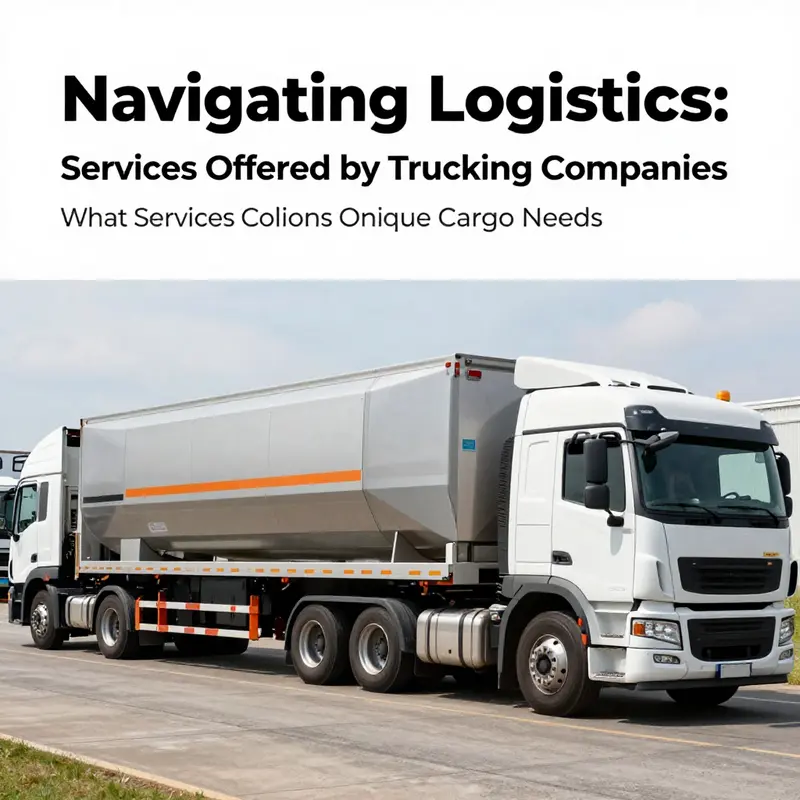
Specialized delivery options are the quiet workhorses of modern trucking. They expand what a carrier can responsibly and reliably move, enabling businesses to protect value, ensure safety, and meet tight timelines without sacrificing compliance or service quality. When a shipment defies the ordinary—whether it carries perishable products, oversized machinery, hazardous materials, or delicate equipment—standard freight handling often falls short. Through specialized services, trucking firms adapt their fleets, procedures, and monitoring technologies to suit the cargo itself, the origin and destination infrastructure, and the regulatory landscape that governs the movement. The result is a cohesive, end-to-end transport solution that blends physical power with meticulous planning, data visibility, and trained personnel. In this light, specialized delivery options are not merely add-ons; they are strategic capabilities that broaden a carrier’s capability while reinforcing the trust customers place in logistics providers to protect goods and time, even in the most demanding scenarios.
Temperature-controlled transport sits at the top of this spectrum for many shippers. Perishables—ranging from fresh produce to frozen delicacies and pharmaceutical products—demand precise environmental control throughout the journey. Modern refrigerated units are more than insulated boxes on wheels. They are connected ecosystems that monitor temperature, humidity, and door activity in real time, often transmitting data back to the carrier and the customer. This telemetry supports proactive decisions: adjusting routes to minimize door openings, scheduling rest breaks that prevent temperature excursions, and alerting operators to minor deviations before they become spoilage. The rationale is straightforward: spoilage erodes margins, undermines safety, and damages reputation. Real-time visibility, backed by robust data logging and chain-of-custody documentation, helps ensure compliance with food safety and pharmaceutical guidelines while maintaining product integrity across long hauls and complex intermodal legs. The value becomes most evident in industries that hinge on shelf life and efficacy, where even hours can reshape a shipment’s viability.
Beyond temperature control, specialized hauling recognizes that not all cargo fits neatly onto a standard trailer. Specialized equipment hauling responds to demand for moving oversized or irregularly shaped items, from large machinery to heavy industrial components. Flatbed trailers, step decks, and other open configurations enable the transport of equipment that would be compromised or disallowed on a standard dry van. Yet moving such loads is not simply a matter of strapping materials down. It requires careful route planning, permits for oversized loads, sometimes pilot cars or escort vehicles, and coordination with facilities at the pickup and delivery points to ensure access and safe handling. The planning phase often begins well before the truck leaves the yard. It includes a careful assessment of gross vehicle weight, height and width restrictions, bridge clearances, and the availability of appropriate rigging and handling equipment at both ends. The result is a service that can dock at a construction site, a manufacturing floor, or a remote industrial facility with the same assurance as a standard shipment but with the added certainty that the cargo will arrive intact and ready for immediate use.
Hazardous materials transport represents another tier of specialization that sits at the intersection of risk management and operational discipline. Hazmat carriers are not just carriers; they are compliant ecosystems staffed by trained personnel who understand the regulatory frameworks that govern the transport of dangerous goods. This includes proper packaging, labeling, and documentation, as well as adherence to security and emergency response protocols. The responsibilities extend beyond the highway to the shipper’s responsibility for providing the correct classification and packing groups, and to the receiver’s readiness to handle and store dangerous goods once they arrive. In practice, hazmat shipments are supported by specialized containment solutions, spill kits, and robust contingency plans. Drivers receive ongoing compliance training and participate in drills that simulate accidental release scenarios. The aim is not to fear the transport of risk but to demonstrate that any risk is mitigated through rigorous standards, transparent communication, and coordination with regulatory agencies. For industries that rely on hazardous materials—from chemical manufacturing to energy infrastructure—the value of certified hazmat transport lies in predictability, safety, and the avoidance of regulatory pitfalls that can disrupt supply chains for days or weeks.
Liftgate service addresses a more practical facet of access and handling. Many shipments do not live in a docked, warehouse-like environment, and not all facilities provide dock access or forklift availability. A liftgate acts as a portable loading mechanism that lowers the barrier between curbside delivery and interior placement. It enables safe offloading of heavy freight at residences, small commercial sites, or urban locations where dock facilities are scarce. Liftgate operations require careful coordination with the recipient and adherence to safe lifting practices to minimize the risk of injury or cargo damage. The benefit is clear for small businesses and facilities with limited receiving capabilities: it unlocks new markets and expands delivery options without forcing customers to invest in additional handling equipment or personnel.
Inside pickup and delivery services further extend the reach of specialized options into the interior of buildings. Offloading cargo into a loading dock is one thing; bringing items through corridors, elevators, or lobby spaces is another level of service. Inside pickup and delivery involves trained personnel who handle the cargo from the back of the truck to the interior space, protecting goods from weather exposure, theft, or accidental damage along the way. It is particularly valuable for high-value, sensitive, or bulky items that require controlled handling and precise placement. In some cases, the service includes routine assembly or placement, further reducing the client’s post-delivery workload. This approach aligns with a broader shift toward turnkey logistics, where value is created not only by moving goods but by integrating handling, placement, and even setup into one seamless process.
Courier services represent the fastest lane of specialized delivery in the sense of time sensitivity and direct customer engagement. When shipments demand speed and certainty, courier fleets provide door-to-door delivery with enhanced tracking, signature confirmation, and dedicated routes. These services are frequently deployed for high-value electronics, documentation with strict timelines, or samples that require rapid, guaranteed arrival. The courier model highlights a broader trend in supply chains: the fusion of reliability, speed, and visibility. Even as larger carriers move freight across continental spans, courier affiliates or dedicated courier units within a trucking organization can deliver on-menu options that emphasize speed and precision.
White-glove delivery rounds out the most intricate tier of specialized options. White-glove is about care as well as transit. It encompasses unpacking, assembly, calibration, and placement of items in a space that the customer has already chosen. The value proposition is most apparent for delicate medical devices, high-end furniture, art, or equipment requiring precise environmental or ergonomic setup. White-glove teams bring trained technicians who understand the product’s nuances and the risks of mishandling during delivery. They work through client-approved instruction sets and maintain meticulous records of the delivery process, including any on-site assembly steps and verification checks. The common thread across white-glove and the other specialized options is not simply the physical act of moving a load, but the orchestration of people, processes, and protections that ensure the cargo reaches its destination in the intended condition and configuration.
Taken together, these specialized options illustrate how trucking firms translate their core transportation capacity into tailored solutions for a broad spectrum of industries. In healthcare, precision delivery of temperature-sensitive devices and sterile components demands an ecosystem that guarantees uptime and traceability. In manufacturing and retail, oversized machinery and high-value goods require careful loading, route flexibility, and on-site handling to minimize downtime. E-commerce and consumer electronics benefit from courier and white-glove services that bridge the gap between warehouse fulfillment and final placement in a living or working space. The growing demand for speed and reliability means that carriers must blend transport prowess with risk management, real-time monitoring, and a deep understanding of the regulatory terrain that governs each cargo class. In effect, specialized delivery options are the practical embodiment of a carrier’s ability to solve complex logistics puzzles while maintaining fairness, accountability, and predictability for shippers and recipients alike.
One practical implication of this specialization is the heightened importance of maintenance and readiness. The equipment and teams behind these services must operate at peak efficiency to avoid delays that ripple through the supply chain. This is where trends in private fleets and maintenance practices play a critical role. A carrier that emphasizes specialized delivery options typically invests in proactive maintenance programs, driver training, and fleet modernization to sustain reliability across diverse workstreams. For readers curious about how fleet health informs service quality, a closer look at Private Fleets Trends in Trucking Maintenance can illuminate the strategies that keep specialized equipment ready and compliant—insights that matter for shippers evaluating carriers with robust specialized capabilities.
The ecosystem surrounding these services extends beyond the yard and the highway. A carrier’s ability to coordinate with origin and destination facilities depends on the integration of technology, documentation, and people. Digital platforms are increasingly used to manage the complexity of specialized assignments. For instance, real-time status updates, electronic proof of delivery, and digital load tracking contribute to the transparency that customers expect when cargo is high value or time critical. Workflows become more predictable when operations teams can see potential bottlenecks in advance—whether that is a need for extra equipment at a pickup site, a required escort for an oversized load, or a dock with the appropriate receiving equipment at the destination. In turn, customers gain a greater sense of control over their supply chain, knowing that the specialized option selected is not simply a service add-on but a well-orchestrated capability embedded in the transport plan.
Industry standards and best practices underscore the value of specialized delivery options. The emphasis is not only on moving goods from point A to point B but on ensuring that every step in the journey aligns with safety, compliance, and customer expectations. This involves rigorous documentation practices, robust training regimes for drivers and handlers, and ongoing collaboration with regulatory bodies and industry associations. The practical effect for buyers and planners is clear: choosing a carrier with proven capabilities in these niche areas reduces the risk of misdelivery, damage, or regulatory violations. It also expands the available carrier pool for complex shipments, enabling supply chains to respond with agility to changing demand and new product introductions. The sophistication behind specialized delivery options, then, lies in the constant balancing of speed, safety, and service quality across a wide array of cargo types and handling requirements.
For readers seeking a broader perspective on industry standards and the evolving landscape of specialized services, the official guides and industry resources provide essential context. These sources capture shifts in regulatory expectations, technology adoption, and the emergence of digital marketplaces where shippers and carriers connect through transparent, competitive processes. By engaging with these resources, practitioners can better assess how a carrier’s specialization aligns with their own supply chain objectives and compliance obligations.
In sum, specialized delivery options are a defining attribute of modern trucking. They transform cargo handling from a routine transport task into a strategic extension of a business’s operations. They enable companies to move high-value, sensitive, or technically complex shipments with the same confidence as everyday freight, while also expanding the geographic and logistical possibilities available to shippers. The choice to work with a carrier that offers these specialized services signals a commitment to resilience, accuracy, and value creation across the supply chain. It is a reminder that the road is not just a path between locations, but a carefully managed sequence of events designed to protect goods, timelines, and relationships that rely on dependable transportation.
External references and industry authorities offer additional validation of these principles. For a structured look at standards and guidance that influence specialized delivery practices, consult the official industry resources, such as the American Trucking Associations, which provide comprehensive information on best practices, safety, and regulatory expectations across the trucking sector. American Trucking Associations.
Final thoughts
In conclusion, understanding the array of services provided by trucking companies is crucial for any business that depends on logistics. From freight transport that forms the core of operations, to intermodal solutions that enhance efficiency, and specialized delivery options that cater to unique cargo needs, trucking companies are integral to facilitating smooth supply chains. Businesses in various sectors can benefit from these services, ultimately ensuring timely delivery and customer satisfaction. Armed with this knowledge, companies can strategically leverage trucking services to suit their specific logistics requirements, fostering growth and operational efficiency.