
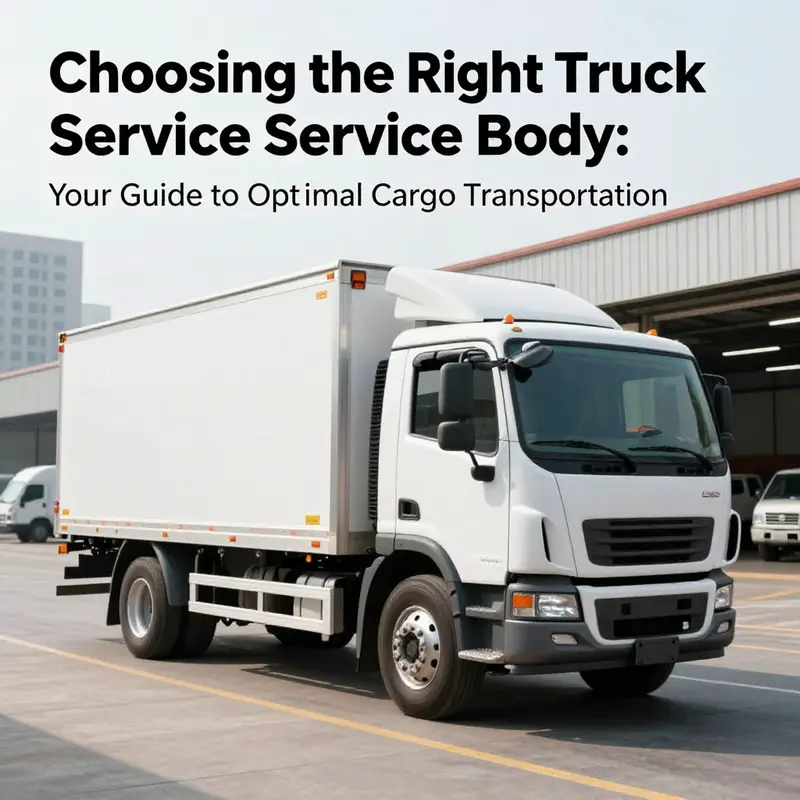
Selecting the right truck service body is crucial for businesses aiming to enhance operational efficiency and ensure cargo safety. Different industries have unique transportation requirements, influenced by factors such as cargo type, operational environments, and business goals. This article outlines three key areas: identifying cargo needs, operational strategies, and customization and compliance in truck service body selection, providing a comprehensive framework to make informed decisions on vehicle purchases or leases.
Matching Cargo Realities to the Right Truck Service Body: A Practical Path Through the Fleet-Decision Maze
Choosing the correct truck service body is more than matching a load to a deck. It is a careful alignment of cargo characteristics, handling needs, and environmental sensitivities with the operational realities of your fleet. The end goal is not only to protect the product but to streamline loading, optimize fuel use, minimize risk, and sustain margins over time. When you embark on this decision, you begin a process that factors in how goods move, where they move, and how your drivers interact with the equipment. The practical outcome should be a body type and a configuration that feel almost inevitable once you map the cargo to the daily workflow. In practice, cargo type is the strongest determinant, but it sits within a broader framework that includes efficiency, service models, and long-term costs. The conversation starts with cargo and ends with a digitally enabled, service-backed solution that can evolve as your business grows. This is the core idea behind a modern, cargo-aware truck body strategy: build from the goods outward, then layer in connectivity and care through a comprehensive service model.
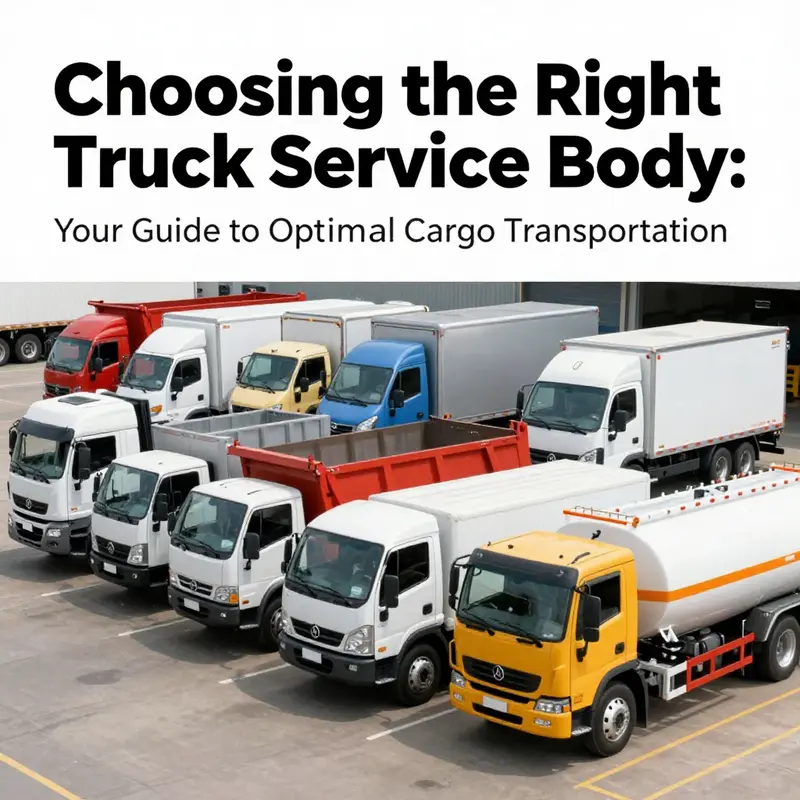
To begin, identify cargo by its physical and environmental needs. Bulk or loose materials, such as sand, gravel, or coal, demand a dump body with reliable self-unloading capability. The goal is to minimize manual handling and speed up distribution while maintaining safe containment. Perishable goods, including certain foods and pharmaceuticals, require temperature control and often humidity management. Here the interpretation of the cargo becomes a decision about insulation, refrigeration technology, and the stability of the internal climate throughout loading, transport, and unloading. General freight—boxes and pallets—benefits from an enclosed, weatherproof interior that guards against rain, dust, theft, and the vagaries of transit. For heavy or oversized equipment, open loading access and secure mounting by cranes or forklifts point toward a flatbed with appropriate lash points and, when needed, a low-deck or extendable configuration to handle unusual shapes or dimensions. Liquid or gaseous cargo then calls for a tank or tanker body designed with seals, anti-contamination measures, and compliance features that address regulatory requirements. The logic is straightforward: the form should be dictated by the way the cargo behaves on the move.
This cargo-driven approach sits inside a broader operational picture. The rise of Truck as a Service (TAAS) reflects how fleets are shifting away from large upfront capital expenditure toward integrated, digitalized models. When a TAAS arrangement is in place, the body, chassis, maintenance, telematics, and even insurance are bundled into a single offering. The fleet owner pays for the capacity and service level needed, while the provider handles parts, routine maintenance, and remote diagnostics. The effect is to turn the decision about a body type into a decision about service level and reliability. A successful TAAS relationship means less downtime, faster access to parts, and a clear line of accountability for performance. In this context, the right body type becomes part of a broader, data-driven operating model where the vehicle and the service ecosystem function as a single system rather than two separate purchases.
We also see, in practice, that the best long-term solution emphasizes customization and modularity. Modular bodies let operators swap between uses when demand shifts, without buying a new chassis every time a market segment changes. Lightweight materials—aluminum or composite panels—help to reduce tare weight, thereby increasing payload capacity and improving overall fuel efficiency. Safety and compliance remain non-negotiable; the body should meet current highway and loading regulations, with features like LED lighting, reflective strips, stable tie-down points, and robust lashing systems integrated into the design from the start. This is not a cosmetic concern. A design that anticipates loading operations, vibration, and securement needs reduces product damage and driver fatigue, which in turn lowers insurance costs and boosts on-time delivery metrics.
The conversation also naturally turns to efficiency and lifecycle cost. Total Cost of Ownership (TCO) is rarely anchored solely in the sticker price. It includes maintenance frequency, downtime, fuel consumption, and resale value, all of which are influenced by the chosen body type and its materials. A refrigerated body, for example, preserves product quality but imposes higher maintenance requirements and energy costs. A well-insulated box body minimizes temperature loss, but bulkier builds add weight and reduce payload. A flatbed offers unrivaled versatility for large items, but it demands careful load securement and potentially more frequent checks for wiring and rails. Tank bodies must contend with regulatory compliance and corrosion protection, and their maintenance regime is highly specialized. In other words, the economics of a body choice are not simply about purchase price; they hinge on how often the vehicle will be in service, the skill and availability of local maintenance networks, and the availability of replacements during peak seasons.
In the realm of design and customization, suppliers increasingly offer modular and light-weight options that preserve payload and improve efficiency. A modular body can be reconfigured to adapt to different tasks without a full vehicle replacement. This flexibility is valuable in a business that handles multiple product lines or negotiates seasonal contracts. Lightweight materials, particularly aluminum or composites, make a measurable dent in tare weight, translating directly into more usable payload per trip and better fuel economy. Safety features evolve beyond basic compliance to include smarter tie-down systems with integrated load tracking, as well as smarter lighting and fault-detection systems that illuminate potential issues before they manifest as breakdowns. The goal is not just to protect the cargo but to protect the operation by reducing risk and simplifying the driver’s job. A driver who can secure a load quickly, with clear visual cues and reliably locked anchor points, will spend less time tying down and more time delivering.
Operational efficiency is further enhanced by digital integration. Telematics platforms gather data on vehicle performance, load status, route efficiency, and maintenance needs. Fleet managers can see patterns—certain routes that impose unusual vibrations, loads that demand extra securing time, or periods when refrigeration units work overtime. With this data, a fleet can optimize routes, anticipate maintenance, and schedule driver rotations to reduce fatigue. A truly modern body solution integrates with the broader fleet-management ecosystem to provide a seamless flow of information from the truck to the back office, from the warehouse to the customer site. In this sense, the right body is not just a storage solution; it is a node in a digital logistics network that helps teams see and respond to factors that affect on-time delivery, product integrity, and customer satisfaction.
It is also worth acknowledging the practical realities of maintenance and service availability. The ideal body and powertrain combination is one that a local network can support with prompt parts and skilled technicians. A robust service footprint matters as much as a sleek engineering specification. When a breakdown occurs, the ability to source parts quickly and to have technicians who understand the system reduces unplanned downtime and protects service-level commitments. This is a core advantage of modern, digitally empowered service models, where maintenance is scheduled with predictive analytics and the vendor or provider coordinates the entire care lifecycle. The business outcome is straightforward: higher uptime, lower operational risk, and a smoother path to meeting customer expectations.
The question then becomes how to choose in a way that aligns with your unique cargo realities and your broader business strategy. Start by mapping your typical loads, their fragility or sensitivity, and the environmental conditions they require. Consider not only the present needs but the anticipated evolution of your business. If you expect a growing share of perishables, for example, a refrigerated or multimodal capable body with reliable climate control becomes more attractive. If you anticipate more oversized equipment moving through the network, a modular flatbed with scalable tie-down infrastructure may be the prudent route. Once cargo needs are clearly defined, layer in the service dimension. Decide whether a TAAS-style arrangement makes sense for your capital plan, and evaluate providers on the strength of their maintenance network, Telematics offerings, and the transparency of pricing. In this light, the body is a conduit to reliability rather than a single asset to be defended or replaced when luggage changes hands. The best solutions are those that deliver predictability—the ability to plan capacity, fuel, and personnel around a known and controllable set of variables.
The practical integration of these ideas is visible in a narrative you can carry through the procurement process. Begin with cargo characterization and end with a comprehensive service contract that includes ongoing diagnostics, remote monitoring, and proactive maintenance. The body selection should be described as a strategic capability that supports not just current shipments but the future of the fleet. A reader of industry insights will recognize patterns: customers want fewer delays, better product quality, and a fleet that can adapt to shifting demand without expensive reconfigurations. This perspective reframes the body choice as a core component of service design, not merely a mechanical asset. The most successful operators design with this framing in mind. They choose a body that complements their driver techniques, harmonizes with their route structures, and pairs with a service ecosystem that can grow with the business. The result is a cohesive, resilient operation where cargo-specific needs and service sophistication reinforce one another, delivering consistent, efficient deliveries and a professional customer experience that protects margins over time.
For readers who want to explore how this philosophy translates into practice in the field, consider the ongoing conversation around private fleets and maintenance trends. These discussions deepen the understanding that the right truck body is an enabler of reliability and efficiency in ways that extend beyond the vehicle itself. You can read more on this topic at: Private Fleets: Trends in Trucking Maintenance. As you review this material, you’ll see how maintenance discipline, modular design, and service integration come together to shape the long-term value of your investment. The chapter’s synthesis remains consistent: cargo needs shape the body, and a connected service model protects your cargo, your people, and your bottom line. With this approach, the decision about which body to buy becomes less about chasing trends and more about aligning capability with operational reality, so every mile travels with confidence and purpose.
External validation and practical references can be found in industry resources that discuss freight service selection and the role of service providers in maintaining fleet readiness. For broader guidance on choosing freight service, refer to a reputable external resource that outlines how customers evaluate options, manage risk, and optimize cost across the life of a shipment. FedEx Ground – Choosing the Right Freight Service
Operational Strategies to Match Your Truck Service Body to Business Needs
Choosing the right truck service body starts with treating the body as an operational asset, not merely an add-on. That shift in perspective changes the questions you ask. Instead of focusing only on initial purchase price, you evaluate daily workflows, seasonal demand, maintenance cadence, regulatory exposure, and how the asset ties into your wider logistics system. This chapter walks through a practical, strategy-driven approach to align body selection with measurable business goals.
Begin by clarifying exactly what you move and how often you move it. Cargo type dictates basic form factors: open decks for heavy machinery, enclosed bodies for weather-sensitive goods, refrigerated boxes for perishable products, and dump bodies for loose materials. But operational strategy goes deeper. Consider loading frequency, the typical number of stops per route, handling equipment available at pickup and drop-off sites, and whether drivers need immediate access to tools or inventory. Those details determine whether integrated ramps, lift gates, built-in storage, or compartmentalized interiors create measurable time savings. Time saved at each stop compounds across a shift, and small efficiencies quickly justify mid-range upgrades.
Material choice plays a central role in that calculation. Light materials like aluminum and composite reduce tare weight and raise payload capacity. This improves fuel efficiency and revenue per trip on high-mileage routes. Steel, particularly high-tensile or treated variants, offers superior abrasion resistance and impact strength. In abrasive or high-wear environments, a steel body may outlast a lighter alternative, reducing replacement and repair cycles. The strategic rule is to match material properties to operating stressors. If salt, moisture, or corrosive loads are common, prioritize corrosion resistance. If payload weight limits drive revenue, prioritize lighter constructions. Properly modeling expected load profiles and environmental exposure helps you pick the material that minimizes total cost of ownership over the vehicle’s useful life.
Customization is where operational strategy converts into daily gains. Modular or purpose-built configurations let you tailor shelving, lighting, tie-downs, and access points to actual tasks. For example, field service fleets that carry both tools and parts benefit from compartmentalization and tool mounts that reduce search time. Delivery operations with tight windows gain from rear- and side-door access patterns that match curbside conditions. The incremental cost of intelligent customization is often small compared with labor savings, fewer damaged goods, and reduced downtime. Always design custom elements around the principle of repeatability: changes should streamline the most common tasks, not the rare exceptions.
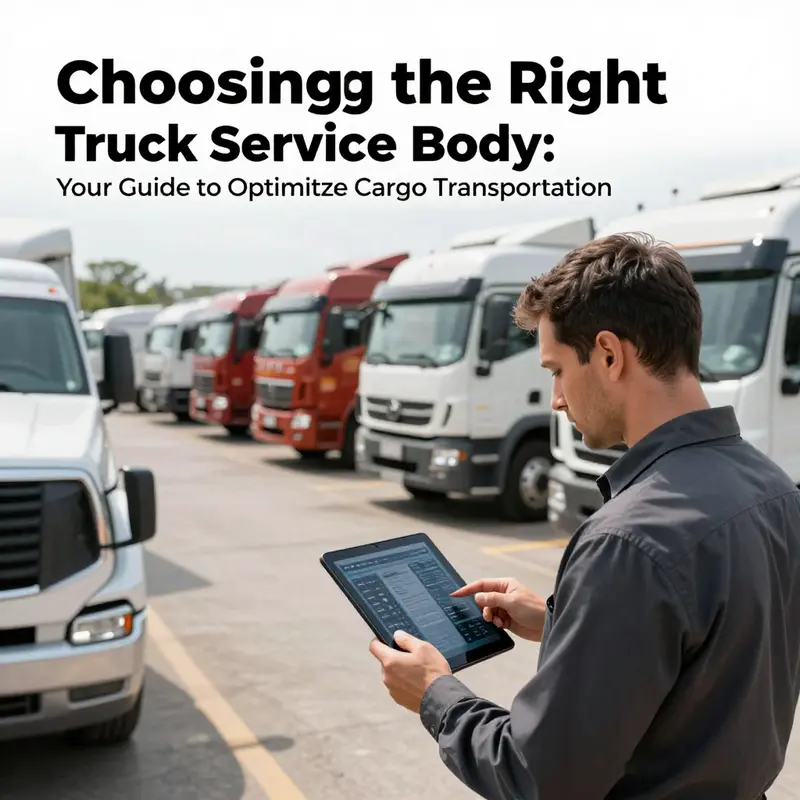
Integration with telematics and maintenance systems is no longer optional for fleets that want predictable uptime. Telematics feeds provide runtime hours, idling patterns, and route efficiency. When combined with body-specific sensors, they alert you to issues like temperature excursions in refrigerated units or hydraulic fluid alerts in lift gates. Pairing hardware with fleet software enables scheduled, condition-based maintenance. That reduces emergency repairs and fits service windows into low-impact times. If you work with a maintenance partner or service provider, ensure your bodies are compatible with remote diagnostics and standard telemetry interfaces. Integration capability should be a procurement criterion, because it directly affects repair turnaround and dispatch reliability.
Total cost of ownership should be quantified across five categories: purchase, fuel and operating costs, maintenance and repairs, regulatory compliance costs, and end-of-life value. Take a scenario-based approach. Model best, expected, and worst-case operating conditions over the estimated service life. Include downtime costs, using conservative labor rates for drivers and technicians. In many cases, a higher upfront investment in a lighter, digitally enabled body pays for itself through lower fuel use and reduced unscheduled maintenance. Conversely, in rugged applications, spending more on abrasion-resistant builds cuts repair frequency and keeps trucks on the road longer. Use actual route data when possible to feed these models.
Maintenance strategy ties directly to design choices. Modular bodies speed repairs because damaged panels or components can be swapped without taking the vehicle out of service for extended periods. Standardized components across your fleet reduce spare-part inventories and simplify training for technicians. Where possible, align body specifications to common parts families. That makes roadside fixes easier and keeps repair costs predictable. Also consider service network density. A manufacturer or upfitter with local support reduces transit times for parts and technicians. When evaluating vendors, map their service coverage against your operating geography to ensure rapid response where you need it.
Safety and regulatory compliance are constants in operational planning. Bodies must meet weight distribution and structural standards for your jurisdiction. Safety features such as LED work lights, reflective material, secure lashing points, and proper access handholds reduce accident risk and legal exposure. Consider how body design affects vehicle center of gravity, braking performance, and driver visibility. In many regions, documentation proving compliance will be required during audits. Keep build records and compliance certificates organized and accessible. Non-compliance has real cost implications, including fines and lost operating days, so incorporate compliance checks into procurement and post-delivery inspections.
Operational flexibility is frequently underrated. Businesses change faster than fleets. Modular or convertible bodies let you reassign trucks between roles without replacing the chassis. That is valuable for seasonal demand or business pivots. For example, a fleet with a mix of modular flatbeds and lockable modules can serve construction sites in summer and move enclosed freight in winter. Strategic fleets plan for reassignment at the point of purchase, favoring bolt-on solutions and standard mounting systems. Flexibility reduces capital risk when market conditions shift.
Digital services and Truck-as-a-Service models reshape financing and operational exposure. Leasing or subscription options with integrated maintenance transfer variability in repair costs and downtime to the provider. These models often include telematics, insurance, and scheduled maintenance bundled together. Evaluate these offers on two metrics: total predictable monthly cost, and the provider’s performance guarantees for uptime. If predictable cash flow and minimal in-house maintenance are priorities, a full-service arrangement may yield better net performance than an owned, self-maintained fleet. However, retained control over customizations and end-of-life decisions can be more limited under these agreements. Weigh the flexibility needs of your operation against the benefits of outsourced certainty.
Procurement should follow a structured decision framework. Start with a clear definition of operating requirements: cargo dimensions, maximum payload, typical route profile, access constraints, and environmental factors. Build a feature priority list separating must-haves from nice-to-haves. For each candidate body, score it against the priority list and compute a lifecycle cost per year. Include expected downtime, maintenance intervals, and fuel impact. Ask vendors for real-world performance data and references. Validate claims with fleet peer case studies when available. Where possible, test a prototype in your operation to see how it performs under real conditions.
Driver ergonomics and serviceability also deserve attention. Features that ease loading reduce injury risk and speed operations. Consider step locations, handholds, and the layout of frequently accessed compartments. For maintenance, ensure technicians can access wear items like door hinges, seals, and hydraulic lines without extensive disassembly. Accessibility reduces labor hours and encourages preventive care. Training drivers on specific body features and daily checks pays dividends by catching small issues before they escalate.
Resale value factors into long-term planning. Some specialized bodies retain market value better than generic units. Refrigerated bodies often command higher resale prices if well documented and maintained. Conversely, bodies that are heavily customized for a single niche may limit the buyer pool. Balance the benefits of customization against the potential of reduced resale value. Maintain meticulous service records and perform cosmetic upkeep to preserve value. A disciplined refurbishment schedule before sale can significantly increase return on investment.
Finally, build measurable KPIs around body performance. Track metrics such as cost per mile, uptime percentage, average time per load, and maintenance cost per operating hour. Use these KPIs to feed continuous improvement. If a body underperforms expectations, analyze whether the root cause is design, driver behavior, or maintenance. Continuous monitoring lets you iterate on specifications and procurement practices, improving outcomes with each purchasing cycle.
Operational strategy turns technical choices into business outcomes. When you think like an operator, not a buyer, you choose a service body that fits workflows, reduces risk, and supports growth. Link procurement decisions to measurable goals. Prioritize integration, durability, and serviceability. Plan for flexibility and insist on data-driven vendor comparisons. That approach aligns your fleet investment with real operational value and keeps trucks working where they earn money.
For additional guidance on regulatory requirements and safety standards, consult the relevant federal carrier safety authority: https://www.fmcsa.dot.gov. For insights into trends in private fleet maintenance and how maintenance strategy shapes fleet performance, see trends in private fleet maintenance here: https://fritzke-truckinginc.com/private-fleets-trends-in-trucking-maintenance/.
Tailoring Truck Service Bodies: Balancing Custom Features with Regulatory Certainty
Customization and Compliance: how they shape the right service truck body
Choosing a truck service body is never simply about styling or capacity. The decision weaves together precise job requirements, regulatory constraints, lifecycle costs, and the realities of operations. Customization promises a truck built for the task. Compliance guarantees that the truck stays legal, safe, and reliable over its service life. When the two are considered together, the result is a vehicle that improves productivity, reduces risk, and protects your bottom line.
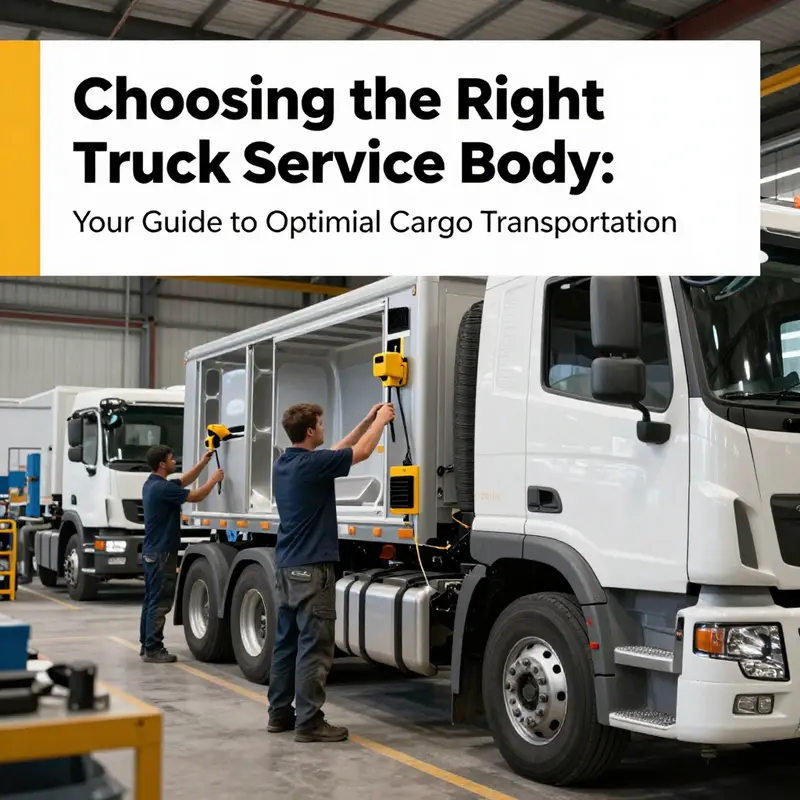
Customization begins with a clear map of use. Know what tools sit in the bed, which compartments must lock, and where access must be fastest. Trades such as electrical, plumbing, or HVAC share needs for organized storage, lockable drawers, and secure shelving. Utility crews may require reinforced tie-downs and integration points for aerial lifts. Mobile service units want workbenches, inverter power, and on-board lighting for night shifts. Each addition affects weight, balance, and electrical load. Treat every custom item as a systems change, not a simple add-on.
Material choices drive a large portion of the outcome. Steel brings strength and cost efficiency. Aluminum cuts tare weight and improves fuel economy. Composites resist corrosion and can lower maintenance. But each material has trade-offs for repairability, long-term durability, and initial cost. Heavier steel bodies may withstand rough use and impacts. Lightweight aluminum or composite bodies increase payload allowance. When payload matters for revenue, lighter materials pay back through higher usable capacity.
Customization adds complexity beyond material choice. Built-in power systems, refrigeration units, or hydraulic pumps alter the vehicle’s electrical and thermal profile. Those systems demand correct wiring, dedicated fusing, and ventilation. Poorly integrated electrical systems create fire hazards, reduce reliability, and complicate inspections. Every power draw must be matched to alternator capacity and battery reserves. Plan for peak demand, not just average usage. Do not assume off-the-shelf wiring will meet heavy accessory loads.
Integrated storage and access solutions change how crews work. Sliding drawers and modular shelving reduce time searching for tools. Lockable external compartments protect inventory at customer sites. Yet, each locker and slide adds weight and moving parts. Sliding components require robust bearings and regular maintenance. Exterior compartments need proper sealing and drainage to prevent water intrusion. Small details, like gasketing, hinge design, and latching mechanics, influence long-term performance more than initial appearance.
Customization also affects aerodynamics and center of gravity. Tall cabinets or extended racks alter airflow and stability. Free-body dynamics shift with every kilogram added away from the chassis center. That affects braking, handling, and tire wear. Keep the center of mass close to the chassis centerline when possible. When using roof racks or ladder carriers, choose low-profile designs and secure mounting systems. Balance payload distribution to avoid axle overloads and to maintain predictable handling.
Compliance starts with structural integrity. Bodies must attach correctly to the chassis. Mounting systems designed for a specific make and model prevent stress points and premature failure. Aftermarket fitment varies across truck models. Accurate engineering specifications are essential. Confirm hole patterns, load paths, and frame compatibility before finalizing a build.
Safety standards include more than structural checks. Electrical systems must meet national and regional wiring standards. Work lights, area lighting, and auxiliary power must use approved devices and wiring methods. For vehicles carrying flammable materials, fire resistance and compartment ventilation become critical. Regulatory bodies set guidelines for tanking, seals, and containment that prevent leaks and reduce ignition risk.
Visibility and marking regulations matter for any street-operated service vehicle. Reflective striping, LED lighting, and conspicuous hazard markers reduce accident risk. Some jurisdictions set precise requirements for striping dimensions and color placement. Lighting locations for scene illumination and for signaling must follow local codes. Addressing these early avoids costly retrofits and keeps vehicles in service without delay.
When sourcing parts, especially from international suppliers, quality verification is non-negotiable. Hinges, locks, door frames, and rain roofs must meet corrosion resistance standards. Cheap metal parts may save cost initially, but they often fail sooner. Corroded hinges or weak latches can lead to downtime and safety incidents. Ask suppliers for certificate of conformity documents. Request material test reports and corrosion protection specifications. Verify compatibility with the vehicle’s intended environment, whether coastal, industrial, or cold-climate.
Aftermarket components require careful vetting for fit and finish. Fitment tolerances can vary by a few millimeters across truck makers. That variation causes doors to bind, seals to fail, or mounts to crack under load. Work with fabricators who provide exacting engineering drawings and reference the target chassis. If possible, test-fit components before mass adoption across a fleet.
Balancing customization and compliance is an exercise in trade-offs. The most durable configuration might be heavier and reduce payload. The lightest design may raise repair costs or fail under abuse. The best approach aligns build choices with strategic business goals. If fast response beats maximum payload, favor layout and lighting that speed job completion. If hauling heavier materials generates profit, prioritize payload and payload protection.
Total cost of ownership matters more than purchase price. Consider maintenance frequency and downtime risk when adding complex systems. Hydraulic hoists, refrigeration units, and electric power systems demand scheduled service. Training for operators and technicians lowers misuse and repairs. Predictive maintenance systems and telematics reduce surprises by showing component trends. With the right data, you can repair before failure, not after.
Resale value responds to how useful and well-maintained a body remains to buyers. Highly specialized bodies retain value within tight markets. A well-preserved refrigerated unit will fetch better resale among food transport buyers than a similarly-aged generic service body. Conversely, a custom utility body might not find a broad buyer pool. Choose specialization carefully if resale is a planned part of your fleet strategy.
Regulatory complexity increases if operations cross borders. Cross-border operations impose additional compliance layers. Customs inspections, safety certificates, and emissions tests vary by country. Equipment that passes one jurisdiction’s standards may need modification in another. For operators who move vehicles internationally, factor cross-border regulatory considerations into design and certification. For more on managing in-house maintenance trends and fleet oversight, see the analysis on private fleets trends in trucking maintenance.
Documentation is often the undervalued piece of compliance. Maintain a clear build record with engineering drawings, part numbers, and material certifications. Keep service logs for all installed systems. Those records prove compliance during inspections and simplify troubleshooting. Digitalizing documentation eases access during audits and supports condition-based maintenance programs.
Training and human factors should be part of the compliance plan. Complex systems demand trained operators. Provide clear operation manuals and safety checklists. Train crews on load distribution and proper latching. Teach basic electrical safety and how to spot early signs of wear. A crew that understands the vehicle reduces accidents and avoids costly mistakes.
Integration with fleet management systems amplifies both customization and compliance benefits. Telematics track location, load, battery status, and equipment fault codes. Remote diagnostics shorten repair cycles and prioritize parts. Data from telematics help you model duty cycles. Use that insight to refine future builds and to choose components that fit real-world use rather than theoretical load tables.
When choosing a builder or provider, evaluate their after-sales support. Fast parts delivery, local service partnerships, and responsive technical support reduce downtime. Consider a service agreement that includes scheduled checks for structural mounts and electrical systems. These agreements often cost less than unscheduled repairs and lost revenue.
Cost management should consider both scheduled and unscheduled events. Plan a maintenance calendar that matches expected duty cycles. Budget for consumables such as seals, bearings, and electrical connectors. Keep a spare parts inventory for wear items that are critical to operations. A small investment in common spares prevents long delays when a unique component fails.
Finally, design for flexibility. Modular systems allow changes as business needs evolve. Removable racks, adjustable shelving, and universal mounting points let you reconfigure the body for new tasks. When modularity is cost-effective, it lengthens the useful life of the vehicle by adapting it to changing workloads.
Balancing tailored features with rigorous compliance produces trucks that serve for years. Careful material choices and accurate engineering prevent early failures. Proven suppliers and thorough documentation speed inspections and repairs. Trained operators reduce accidents and prolong component life. Telematics and predictive maintenance lower downtime and support smarter upgrades.
In most cases, the right path blends bespoke design with standardized safety. Build only the features you need. Insist on quality parts and test fitment. Keep records and plan maintenance. Ensure training and monitor vehicle health digitally. These steps yield a service truck body that is both fit for purpose and resilient under real-world demands.
For authoritative standards and more detail on regulatory requirements, consult the industry guidance on service truck body standards and compliance.
https://www.truckbodyindustry.org/standards-and-compliance-in-service-truck-bodies-2026
Final thoughts
The selection of a truck service body significantly impacts the efficiency of cargo transportation and operational success. By thoroughly assessing cargo needs, operational strategies, and the importance of customization and compliance, businesses can make informed choices that align with their logistical objectives. This guide empowers manufacturers, distributors, and business owners to navigate the complexities of truck service body selection, ultimately enhancing their capacity to meet customer demands effectively.