
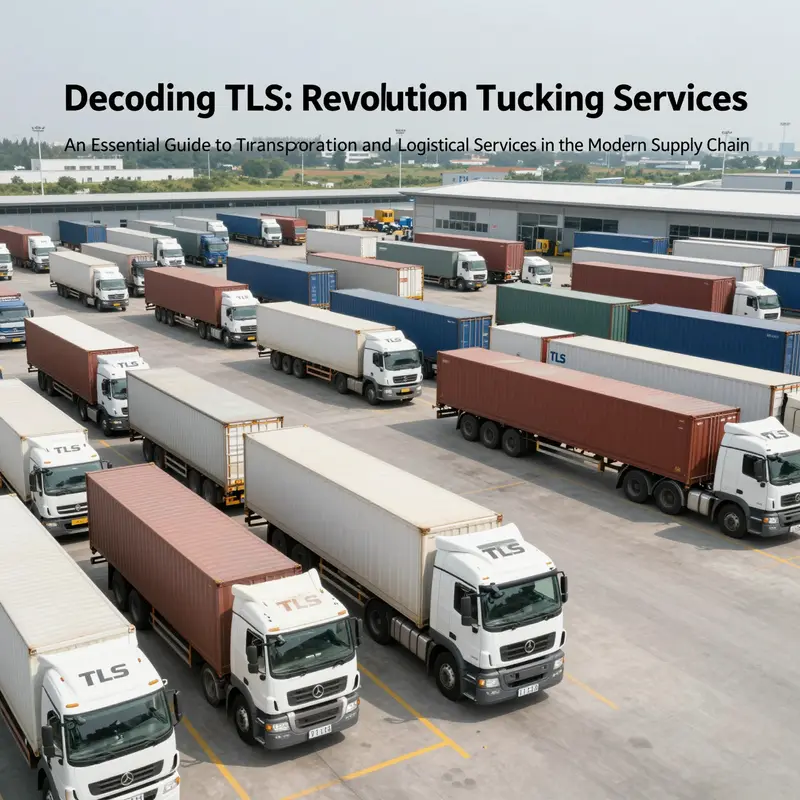
Transportation and Logistical Services (TLS) have emerged as decisive facilitators of efficiency and cost-effectiveness in the trucking industry. Particularly for manufacturing and distribution companies, retail and e-commerce businesses, construction firms, and small business owners, understanding TLS is vital for optimizing freight transportation. As we delve into the purpose, functions, and economic significance of TLS, we will explore its essential role in supply chain management, its economic impacts, and forthcoming trends that shape its future. Each chapter will provide valuable insights, drawing a comprehensive picture of TLS’s role in transforming logistics and trucking services today.
Moving Beyond the Miles: How Transportation and Logistical Services Orchestrate Modern Trucking Success
In the evolving landscape of freight movement, TLS—standing for Transportation and Logistical Services—emerges as the nervous system of the trucking world. It is not merely a single mode of transport but a holistic approach to moving goods with precision, speed, and accountability. TLS encompasses third-party logistics capabilities that orchestrate a complex network of carriers, warehouses, and information systems to deliver reliable results for shippers of every size. At its core, TLS is about turning scattered, sometimes competing, transportation needs into a harmonized supply chain where each link knows its role, timing, and cost. This orchestration matters because the cost of not knowing can ripple across a business: delayed products, mismatched inventory, and missed customer expectations. As a philosophy and a practice, TLS reframes trucking from a series of point-to-point moves into a responsive, scalable logistics solution that can adapt to demand signals, seasonal volatility, and regulatory constraints without sacrificing service levels.
A defining feature of TLS in trucking is its strategic network of carriers. Rather than relying on a single fleet or a narrow set of routes, TLS providers cultivate a broad, diversified pool of carriers across regions and modes. This diversity enables capacity planning that cushions clients against shortages, peak season spikes, or disruptions in one corridor. It also allows for route optimization that minimizes empty miles and reduces environmental impact, a growing consideration for shippers seeking sustainable supply chains. The network approach is complemented by robust governance—clear performance standards, transparent pricing models, and ongoing risk assessment. The result is not merely a faster bolt-on service but a platform that aligns carrier performance with customer expectations, drawing a direct line from procurement choices to on-time delivery metrics and total landed cost.
Behind the scenes, TLS is deeply grounded in the practical realities of trucking operations. One cornerstone is the management of less-than-truckload shipments, or LTL, which TLS providers handle by consolidating multiple small consignments onto a single trailer. This hub-and-spoke model capitalizes on economies of scale while preserving the flexibility customers require. For many businesses, LTL is the sweet spot: it avoids the capital outlay of a full truckload, supports frequent shipments, and integrates smoothly with just-in-time and lean inventory practices. The cost advantages come from spreading the trailer space across several customers, yet the discipline required to maintain service quality remains significant. Freight is staged, staged again, and then delivered with visibility that travels with the shipment through each handoff. While LTL can entail longer transit times and additional handling compared with a direct FTL move, the overall value proposition—lower per-unit costs, improved predictability, and scalable capacity—resonates with markets that prize flexibility and speed in equal measure.
From a client’s vantage point, TLS provides a suite of value-added capabilities that extend beyond transportation. Sophisticated 3PL platforms offer end-to-end supply chain management, warehousing, and cross-border support, transforming a fleet into a living component of a broader logistics strategy. Real-time tracking and exception alerts give shippers insight into where goods are at any moment, enabling proactive communication with customers and more precise demand planning. Customs clearance and regulatory compliance services help ensure that shipments move smoothly across borders, a feature increasingly important as trade lanes grow more complex and the pace of global commerce accelerates. Such capabilities are not luxury add-ons; they are essential accelerants that drive faster time-to-market, improved inventory turns, and ultimately greater customer satisfaction. The TLS model thus weaves together transportation and administration in a way that reduces administrative load on the shipper, allowing businesses to focus on core competencies while still maintaining tight control over costs and service levels.
A closer look at LTL within TLS reveals how nuance shapes the overall experience. Consolidation earns its economies through careful scheduling, routing, and yard operations. Each shipment is assigned to a lane that optimizes space, reduces dwell time at terminals, and mitigates damage risk through thoughtful handling practices. TLS providers often invest in specialized equipment, standardized packaging guidelines, and carrier performance dashboards that track damage rates, claims cycles, and loading/unloading efficiency. The result is a more predictable shipping experience, even when individual shipments pass through multiple hands. Still, the trade-offs are real. LTL shipments are vulnerable to multi-stop delays and more touches on the trailer, increasing the potential for damage if handling is not meticulous. To counterbalance these risks, TLS combines carrier reliability with enhanced packing standards, secure loading procedures, and robust insurance coverage. The net effect is a more resilient transportation option that remains economically attractive for steady, moderate-volume freight, particularly for e-commerce-driven logistics where rapid restocking and flexible replenishment cycles are crucial.
Technology is the connective tissue that underpins TLS’s promise. A modern TLS operation relies on a transport management system (TMS) that integrates order capture, rate negotiation, route optimization, and real-time visibility into a single workflow. The TMS becomes a centralized cockpit from which logistics managers steer the entire shipment lifecycle: from carrier selection and rate quotes to pickup, cross-dock, and last-mile delivery. Automated alerts and exception management enable teams to respond to disruptions with minimal latency, thereby protecting delivery windows and customer commitments. These capabilities matter most for busier corridors and time-sensitive goods, where a few minutes of delay can cascade into missed appointments or canceled orders. The stronger the visibility, the more confident a shipper can be that promises made at the point of sale translate into promises kept in the finished delivery. TLS platforms often extend beyond hardware and software into analytics that reveal patterns in transit times, dwell points, and carrier performance. Over time, data-driven insights inform strategic decisions about network changes, service-level agreements, and investment in capacity—decisions that echo across the balance sheet in lower costs and steadier revenue streams.
Operational discipline is the heartbeat of TLS in trucking. The most effective TLS providers do not simply move freight; they optimize it. They continuously test new carrier combinations, reevaluate route calendars, and refine pricing models to reflect true cost drivers, such as congestion, fuel price volatility, and regulatory overhead. The discipline extends to risk management: proactive screening of carriers for safety records, insurance coverage, and compliance with hours-of-service regulations, coupled with continuous monitoring of shipments for unusual delays or damage incidents. In a world where goods traverse multiple jurisdictions, TLS becomes an integrator of compliance practices, ensuring that each link in the chain adheres to the appropriate standards. In practice, this means better audit trails, clearer accountability, and fewer surprises when a shipment reaches its destination. The human element remains critical here, even as automation advances. Skilled logisticians translate data into action, negotiating with carriers, resolving disputes, and coordinating with warehouses to align inbound schedules with outbound demand. It is this blend of data-driven rigor and professional judgment that makes TLS not just a service, but a strategic capability for businesses navigating uncertain markets.
The strategic value of TLS is most evident in how it supports evolving business models, especially in an era shaped by rapid e-commerce growth, shifting inventory philosophies, and heightened emphasis on resilience. TLS enables firms to decouple ownership of assets from the necessity of always having them on hand while preserving the confidence that goods will arrive where they are needed, when they are needed, and in good condition. By absorbing variability in demand, TLS helps companies maintain lean inventories and reduce carrying costs without sacrificing service. In sectors where product life cycles are short and speed to market is a competitive differentiator, this capability becomes a decisive advantage. The ability to scale up or down with minimal friction—adding capacity in a peak period or reining it in during a lull—lets businesses maintain service levels without committing to permanent capital expenditures or long-term commitments to fixed routes. This flexibility often translates into stronger partnerships with customers, who gain reassurance that the supply chain can bend without breaking under pressure.
An essential thread through TLS’s value proposition is its role in cross-border and global trade. Even within a predominantly regional trucking framework, the reality is that many shipments traverse multiple countries and customs regimes. TLS providers bring together documentation accuracy, regulatory awareness, and freight forwarding know-how to smooth the passage of goods across borders. They coordinate with customs brokers, consolidate documentation, and track the status of shipments as they move through inspection and clearance processes. The outcome is more predictable transit times and fewer bottlenecks at border points, which is especially critical for perishable or time-sensitive products. This capability reinforces TLS’s relevance in markets where supply chains are stretched across long distances and where small delays can yield outsized impacts on customer satisfaction and cost of goods sold. In other words, TLS serves as a bridge between the speed of trucking and the complexity of international logistics, turning potential friction into predictable flow.
As with any sophisticated operation, TLS does not exist in isolation from broader economic and industry forces. The trucking ecosystem is increasingly attentive to market signals that influence capacity, pricing, and regulatory posture. The balance of demand and supply for capacity shapes the terms under which TLS providers can secure reliable service at predictable costs. Trends in fuel prices, equipment availability, driver labor pools, and regulatory developments all feed into the cost structure that TLS must manage. For readers tracking these broader contours, the topic of Key Economic Trends Impacting the Trucking Industry offers a compact map of the forces shaping TLS strategies and investment priorities. Key Economic Trends Impacting the Trucking Industry This interconnection underscores a simple truth: TLS is as much about anticipating change as it is about executing a plan. The most effective TLS arrangements embed flexibility into contracts, maintain diverse carrier relationships, and stay nimble in the face of shifting lanes and corridors.
Ultimately, TLS in trucking services is a philosophy of service design. It treats freight as a dynamic asset to be managed with foresight and accountability rather than as a one-off transaction. It asks the hard questions about how to balance cost, speed, and risk, and then builds a fabric of processes, technology, and people to meet the answer. It turns the sometimes chaotic nature of freight movement into a well-coordinated operation where warehousing, routing, and last-mile delivery are parts of a continuous, observable system. For the shipper, that translates into a tighter supply chain with measurable improvements in on-time performance, lower damage incidence, and better inventory stewardship. For carriers, TLS creates stable demand, clear expectations, and performance-based incentives that drive investment in reliability and safety. For the broader economy, TLS helps sustain the flow of goods that underpins consumer confidence and business growth, especially when connected to responsible, resilient logistics practices. The chapter has explored how LTL embodies the efficiency and flexibility TLS promises, how technology compounds visibility and control, and how cross-border capabilities extend TLS’s reach beyond domestic boundaries. It has also connected these ideas to the larger currents of industry and policy, showing how TLS is not a niche service but a central element in the modern freight ecosystem. As the conversation about supply chains continues to evolve, TLS stands out as a framework for transforming trucking into a strategic asset—one that can adapt, compete, and endure in an increasingly interconnected world. External resource: https://www.tlslogistics.com
Guarding Every Mile: TLS as the Cornerstone of Secure Trucking Supply Chains
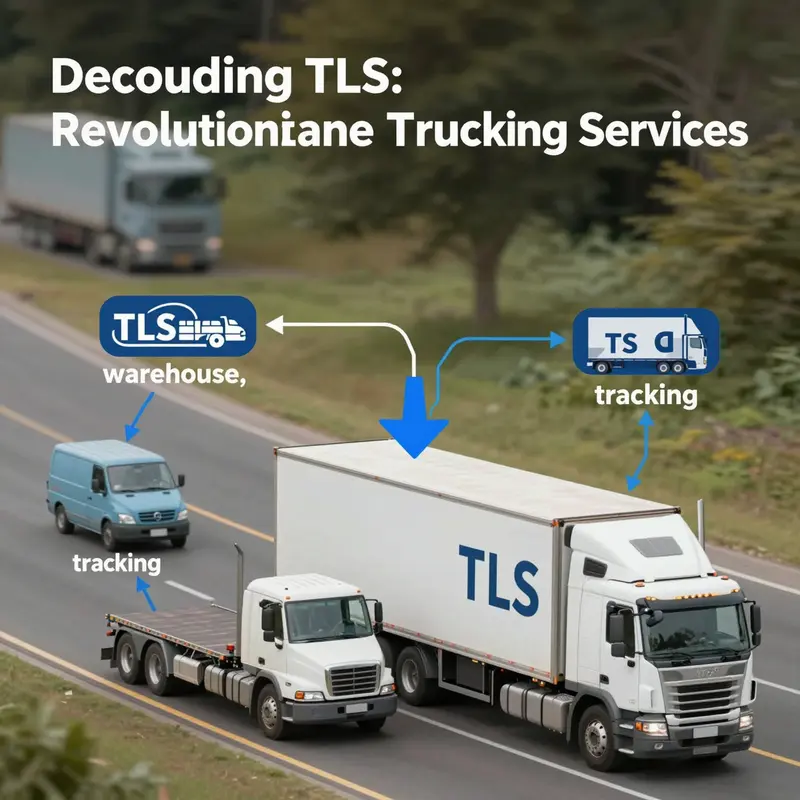
In the modern trucking ecosystem, TLS is not just a technical standard layered onto software. It is the invisible oath that underpins trust across every mile of a freight journey. Transportation and Logistical Services hinges on the secure, reliable movement of information as much as the physical movement of goods. When a shipper places an order, a carrier receives that instruction, a fleet management system pulls live data from telematics devices, and a driver’s uploads a delivery receipt from a roadside app, all of these interactions ride on the protections afforded by transport layer security. TLS creates encrypted, authenticated channels that ensure data travels only between legitimate endpoints and arrives intact, unread by anyone who lacks the keys.
This security fabric begins at the edges of the network and threads through the entire supply chain. A dispatcher in a back-office TMS relies on remote connections to a cloud-based planning layer, while a driver’s handheld device communicates with the vehicle’s telematics and with the carrier’s scheduling portal. TLS negotiates a trusted handshake between client and server, establishing an encrypted tunnel before any business value is transmitted. In practical terms this means that a shipment manifest, a route adjustment, a customs clearance directive, or a payment instruction is shielded from eavesdropping and tampering as it traverses public networks, private networks, and the often volatile routes trucks must navigate. The result is a more resilient operation where real-time decisions can be made with confidence, knowing that the data informing those decisions is credible and secure.
This security fabric then continues with the role of TLS in safeguarding identity and access. In a field where many actors collaborate across borders, organizations must be certain that the devices, applications, and platforms participating in the flow are legitimate. TLS uses a certificate-based mechanism to authenticate servers and, in many configurations, the clients themselves. This authentication helps prevent man-in-the-middle attacks, where an attacker could intercept, modify, or inject data into the communication. Even in a sector where connectivity is often patchy and devices range from rugged onboard units to consumer-grade mobile apps, TLS remains a disciplined, scalable approach to verifying who is speaking to whom. With proper certificate management, organizations can enforce that only authorized vehicles, drivers, brokers, and facilities exchange data through their network, closing a category of risk that historically has been difficult to police in the field.
Another crucial dimension is end-to-end security. In trucking, the journey of data is rarely linear. A driver might receive an electronic waybill via a mobile app and later upload a proof of delivery from the same device. In parallel, a fleet manager tracks the live position of dozens of assets, updates routing instructions in real time, and reconciles fuel receipts and maintenance records in the background. TLS provides the encryption and integrity checks that ensure these discrete interactions can be trusted when viewed together in the back-end systems. This is what creates a digital supply chain that behaves consistently under stress. If a link in the chain becomes compromised, TLS often preserves the integrity of the rest of the chain by limiting the blast radius of any breach to a single session or endpoint, rather than allowing an attacker to contaminate multiple data streams across the enterprise.
No discussion of TLS in trucking would be complete without addressing compliance. The transport sector intersects with a broad spectrum of data protection and privacy rules that govern how sensitive information is stored, transmitted, and processed. In Europe and many other regions, data protection regimes require encrypting personal data when it is transmitted, particularly across public networks or to third-party platforms. Similar concerns appear in other jurisdictions where organizations collect driver identities, client information, and financial details. TLS provides a foundational layer for meeting these obligations by preventing unauthorized access to data in transit, thereby reducing the risk of breaches that could trigger regulatory penalties, contractual remedies, and reputational damage. Beyond legal compliance, TLS also helps organizations uphold internal security standards that dictate how data should move through the supply chain. When a carrier, shipper, warehouse, and customs partner exchange information via a TLS-protected channel, they can demonstrate a consistent commitment to data protection that strengthens trust and streamlines audits.
The practical benefits extend into operational efficiency as well. A digitally enabled trucking network cannot function without reliable, timely data flows. Real-time tracking, electronic manifests, and automated invoicing all rely on data that must be both accurate and confidential. TLS helps reduce the risk of data corruption during transit, which in turn lowers the frequency of reconciliation errors and disputes. When carriers and shippers exchange information through secure channels, the likelihood of late rework due to data tampering or misrouted communications declines. This enables planners to optimize routes with higher confidence, allocate capacity more effectively, and respond to disruptions with clarity rather than guesswork. The cumulative effect is a more agile supply chain where information flows with the same disciplined reliability as the physical movement of freight.
The social dimension of TLS in trucking should not be underestimated. Partnerships between shippers, carriers, warehouses, and customs authorities rely on a shared commitment to data protection. Demonstrating TLS-enabled security is a signal to all parties that an organization takes cyber risk seriously and is prepared to meet the standards expected in modern logistics ecosystems. This, in turn, fosters stronger collaboration with customers who mandate robust data protection as a condition of engagement. When partners know their information is safeguarded, they are more willing to share telemetry, container status, and access controls, which further enhances visibility and decision-making across the network.
From a governance perspective, TLS requires disciplined processes. The most successful trucking operations treat TLS not as a one-off configuration but as an ongoing program that covers certificate lifecycle management, cipher suite selection, and continuous monitoring for evolving threats. The lifecycle includes provisioning, renewal, revocation, and secure storage of private keys—activities that demand clear ownership, robust controls, and auditable records. Because truck fleets span multiple jurisdictions and partner networks, governance must account for diverse regulatory expectations and contractual requirements. An organization must maintain an up-to-date inventory of all TLS-enabled endpoints, ensure encryption is enforced where data travels, and implement automated alerts for expired certificates or weak cryptography.
The story of TLS in trucking also invites reflection on the cost side of security. Investment in cryptographic infrastructure is an investment in reliability. While some teams might worry about the performance cost of encryption, the reality is that modern TLS configurations are designed to be efficient, even in mobile and edge environments where bandwidth is limited and latency is variable. The real economic value comes from the reduction in risk exposure and the smoother flow of data across heterogeneous networks. When a late shipment becomes late not because data was misrouted but because a breach forced an investigation, the cost is measured in both dollars and trust. TLS helps prevent those costs by preserving the integrity of data and the confidence of every participant in the supply chain.
In addition to its core protections, TLS can support more nuanced security objectives in trucking. For instance, by enforcing strong authentication and encrypted channels, TLS helps protect sensitive operational data when it moves between the vehicle and back-office systems. This matters for fleet maintenance histories, driver performance metrics, and compliance records, all of which may be scrutinized during audits or regulatory reviews. TLS also enables safe integration with external services such as customs brokers and cross-border clearance platforms, where data reciprocity and verified identities are essential. The more an organization extends TLS-protected interfaces into its ecosystem, the more resilient the network becomes to the accidental exposures that can occur as businesses scale, diversify, and export into new markets. The result is not merely a more secure operation, but a more scalable one—able to absorb growth and complexity without compromising the protection that keeps the chain intact.
As we consider the practical path forward for TLS in trucking, it becomes clear that the technology is most effective when paired with disciplined, strategic security practices. A mature TLS program in a trucking 3PL or fleet context will articulate clear policies on when and how to use encrypted channels, specify minimum cryptographic standards, and implement routine risk assessments that adapt to changing threats and regulatory expectations. It will also include vendor and partner risk management that ensures the entire network upholds the same level of security as the core organization. In this sense, TLS becomes a shared responsibility across the extended supply chain, a common language that all participants speak to protect their mutual interests. The collaboration it enables is not just about reducing risk; it is about creating measurable value through safer data exchange, faster decision cycles, and stronger relationships anchored in trust.
For readers who want to explore concrete perspectives on how TLS intersects with broader trucking trends and maintenance strategies, consider exploring related industry insights on private fleets and maintenance, which highlight how digital modernization and data protection intertwine with ongoing cost control and reliability. Private Fleets Trends in Trucking Maintenance. This resource helps connect the security layer to day-to-day operational realities, illustrating how TLS complements broader governance and asset-management efforts in a way that translates into fewer disruptions and more predictable service levels. On the topic of security governance and practical guidance for secure communications in enterprise contexts, practitioners should also consult authoritative documentation that outlines TLS best practices, cipher suite guidance, and certificate management workflows. An external resource that provides foundational guidance on TLS configurations and risk management can be found at a leading security documentation hub, which offers structured explanations suitable for teams implementing TLS across a federated logistics network. https://www.ibm.com/support/pages/ibm-i-access-tls
TLS and Regional Growth in Trucking
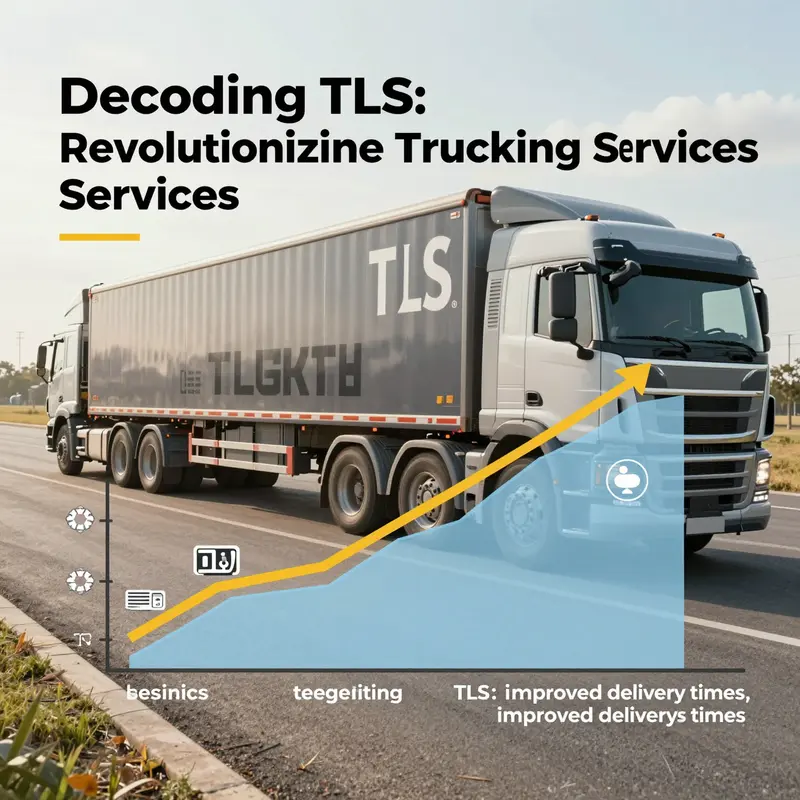
TLS in trucking is a framework, not just a service. It describes the orchestration of freight movement, warehousing, and cross-border coordination that underpins regional economies.
In this chapter we unpack how TLS enables reliability, efficiency, and resilience by linking carriers, technology, and infrastructure. Rather than viewing TLS as a simple middle layer, we see it as a strategic ecosystem that translates road, port, and border activity into economic value for communities and businesses. TLS providers manage a network of carriers and service partners, covering full-spectrum transportation needs: from LTL to TL, intermodal movement, and specialized freight. They combine contract terms, capacity access, and regulatory compliance, while layering in warehousing, inventory management, cross-docking, customs clearance, and real-time tracking. The result is lower landed costs, shorter transit times, and higher service clarity, enabling manufacturers and retailers to operate leaner with less risk of stockouts. When TLS works well, regional economies benefit through faster market access, steadier manufacturing throughput, and fresher inventories for retailers. The economic arc extends beyond boxes moved; it is about speed, certainty, and visibility that support planning and investment.
A useful lens is to view TLS as a nervous system for the regional economy. It senses demand signals, interprets them with data analytics, and coordinates routes, dock appointments, and warehouse slots to fulfill those signals. Together with road networks and traffic information, TLS data can anticipate congestion or weather disruptions and adjust routes in real time, reducing idle time and late deliveries. The ripple effects include lower operating costs, better asset utilization, and stronger capacity to respond to shocks.
Research in regional economics underscores the impact. A 2025 study on Transportation, Distribution, and Logistics links robust TLS infrastructure to higher productivity and regional competitiveness, especially where road corridors and logistics parks align with demand centers. In such regions, TLS-enabled trucking acts as a growth engine, compressing lead times, easing supply chain frictions, and allowing firms to scale operations with confidence. The blend of integrated services and data-enabled planning supports investment in manufacturing, warehousing, and cross-border trade, while stronger policy environments and workforce development reinforce these benefits.
Policy and regulatory contexts matter. Trade, safety, and cross-border rules shape costs and ease of movement, and TLS partners translate policy into practical day-to-day decisions. In periods of tightening rules, experienced TLS providers help firms stay compliant while maintaining service levels. The connection between policy and regional growth is central to how quickly and efficiently freight can move across jurisdictions.
Looking ahead, TLS strategies must balance reliability with cost discipline. Diversified carrier networks, modular service design, and technology-enabled visibility help reduce risk and optimize performance. Real-time tracking and predictive analytics enable proactive decisions, from rerouting to reduce dwell time to adjusting service levels to maintain throughput. Together these capabilities support lower total landed costs, shorter lead times, and greater confidence to invest in growth. For policymakers and business leaders, the message is clear: invest in TLS-enabled infrastructure, develop logistics skills, and craft regulatory environments that reward efficiency while safeguarding safety.
In closing, TLS in trucking serves as both a practical operational framework and a strategic growth engine for regions. The right balance of stable LTL options and scalable TL capacity, along with intermodal options where economics permit, creates a resilient yet expansive logistics fabric. As demand patterns evolve and technology and policy converge, TLS will remain a central driver of regional prosperity, guiding investment, employment, and competitiveness.
Note: For readers seeking additional context, an external resource on regional economies and transportation policy offers a complementary perspective on how logistics infrastructure shapes growth: https://www.sciencedirect.com/science/article/pii/S096669232500047X.
Steering the Horizon: How Transportation and Logistical Services Are Rewriting Trucking Through Data-Driven Logistics and Proactive Planning
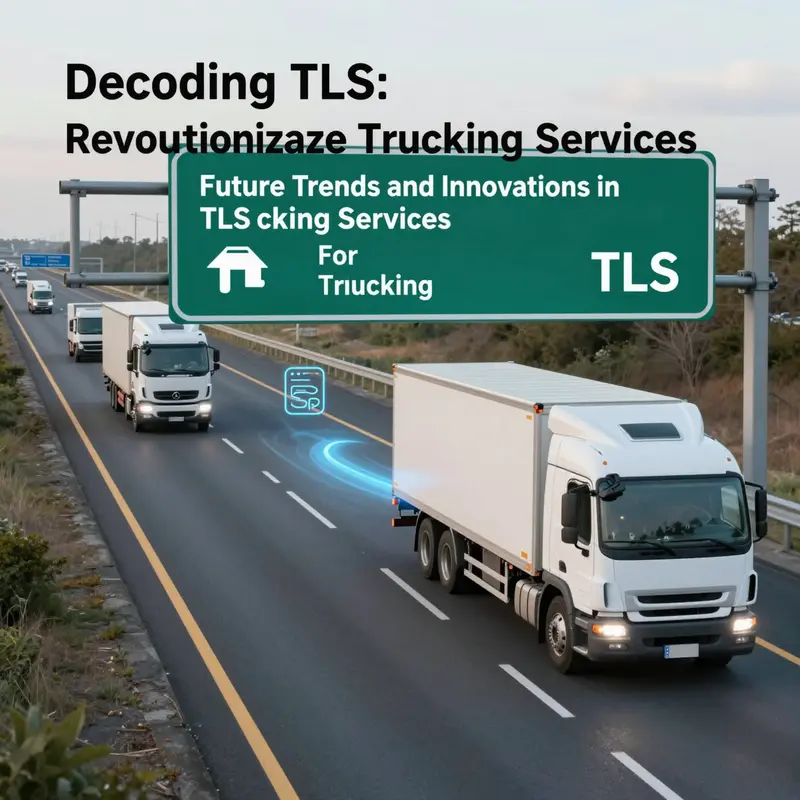
In the trucking world, Transportation and Logistical Services, often shortened to TLS, function as the orchestration layer that binds freight flows, carrier networks, and customer requirements into a cohesive, high-performing supply chain. The idea is simple in theory but complex in practice: a TLS-based approach treats freight movement not as a single shipment but as an end-to-end service that spans planning, execution, visibility, and continuous optimization. When a business needs to move goods across regions, TLS providers step in as strategic partners who can assemble a scalable network of carriers, negotiate capacity during tight markets, manage the complexities of full truckload and less-than-truckload equivalents, intermodal options, and specialized transport—while keeping a close eye on costs, compliance, and delivery promises. This is not just about moving boxes from point A to point B. It is about designing a logistics solution that aligns with a customer’s production schedules, inventory strategies, and service level agreements while adapting to shifting market conditions and regulatory landscapes.
What makes TLS particularly transformative is the way it reframes the logistics problem from a transactional exchange into a multi-layered service ecosystem. A TLS-enabled operation leverages an integrated mix of warehousing, freight brokerage, terminal management, and real-time visibility tools to offer clients a seamless experience. In a market where capacity is frequently the bottleneck, TLS providers manage a portfolio of carriers with the flexibility to allocate capacity where and when it is needed most. They also offer value-added services beyond pure transport, such as consolidated shipments, cross-docking, and inventory management, which can shave days off lead times and reduce the need for excessive safety stock. The result is a more resilient and responsive supply chain that can adapt to demand spikes, seasonal peaks, and unexpected disruptions without collapsing service levels.
The evolution of TLS in trucking is inseparable from the broader digitization of logistics. Real-time tracking, predictive analytics, and AI-driven route optimization have moved from intriguing add-ons to core capabilities. For carriers and shippers alike, the potential gains are not solely measured in lower transit times or higher asset utilization. They also encompass improved predictability, enhanced customer experience, and greater transparency across the entire transport process. When a freight move is visible from origin to gate, stakeholders can anticipate delays, reallocate resources, and communicate more effectively with customers. This is especially valuable for industries with strict compliance needs or tight production windows where a single delay can cascade into a multi-day disruption for downstream operations.
Tight capacity in both truckload and LTL markets further accelerates the shift toward efficiency and optimization. In 2026, the cargo landscape is expected to be characterized by leaner carrier benches and higher demand for reliable, data-driven decision-making. Carriers will need to extract more value from every mile they run, and TLS providers are uniquely positioned to orchestrate that value. Real-time visibility is the backbone of this effort, but it is the combination of visibility with advanced analytics that turns data into decisive action. Predictive analytics, for example, can forecast capacity constraints days or even weeks in advance, enabling proactive rerouting, dynamic pricing adjustments, and smarter crew scheduling. AI-powered route optimization can weigh a complex mix of factors—weather, traffic patterns, driver hours of service, vendor lead times, and regulatory constraints—to propose routes that minimize risk and maximize on-time performance. It is a shift from reacting to conditions as they occur to anticipating and shaping outcomes before they unfold.
Within this transformation, capex and opex dynamics are also changing. TLS providers recognize that modest rate increases may accompany the broader adoption of digital tools and service offerings, but the emphasis is squarely on value rather than on price alone. Clients increasingly look for end-to-end value: improved transit times, higher reliability, better asset utilization, and more predictable cost structures that support budgeting and forecasting. In response, TLS offerings are evolving to bundle transportation with warehousing, cross-docking, customs support, and even some degree of post-delivery services such as reverse logistics. This bundling is not merely a convenience; it is a strategic approach to reduce handoffs, cycle times, and information latency across the supply chain.
A notable theme in the frontier of TLS is the emergence of forward-looking planning tools that enable proactive decision-making. In the academic and practitioner spheres, specialized logistics simulators have become more common as laboratories for testing policy changes, infrastructure investments, and regulatory scenarios in a risk-free environment. These simulators model regional nuances, such as the regulatory landscape, highway capacity constraints, and seasonal demand patterns, helping stakeholders anticipate how a shift in policy or infrastructure could ripple through freight flows. While specifics vary by region, the core idea remains consistent: simulate, anticipate, and adapt. In practice, this means a TLS-led strategy can test a corridor risk before it becomes a live disruption, estimate the downstream impact of a port expansion or a new toll regime, and align carrier networks, equipment mix, and scheduling with projected conditions. The Alberta example, in particular, illustrates how regional peculiarities—such as infrastructure constraints and regulatory idiosyncrasies—can be studied through these advanced planning tools. Such simulations encourage a move away from purely reactive logistics toward a more proactive, data-informed planning culture that looks weeks or months ahead rather than days.
This is not a distant future fantasy. Digital platforms and automation are already reshaping how TLS providers operate. The industry is witnessing an acceleration in the integration of transport management systems, warehouse management systems, and advanced telematics to create end-to-end visibility across the supply chain. With these systems, a TLS operator can monitor vehicle performance, detect deviations in real time, and trigger automated responses. For example, if a shipment encounters an unexpected delay, a rule-based or AI-driven workflow can automatically re-route the freight to an alternative carrier, adjust the service level, or adjust inventory placement in a nearby facility to preserve downstream production schedules. The net effect is a reduction in transit times, fewer missed milestones, and an elevated level of customer satisfaction. Yet these gains are not solely about speed. They also reflect a deeper commitment to reliability and compliance, particularly as cross-border trade expands and customs and regulatory requirements evolve.
In this evolving context, the cross-border dimension of TLS becomes increasingly central. North American trade corridors, in particular, demand a careful balance of speed, cost, and regulatory compliance. TLS providers are investing in capabilities that simplify cross-border movements, from documentation and tariff classifications to pre-clearance and automated risk assessments. The goal is to minimize friction at borders while maintaining strict adherence to safety and compliance standards. For teams managing complex supply chains that span Canada, the United States, and beyond, the ability to forecast border wait times, manage driver credentials, and coordinate with multiple agencies can translate into measurable reductions in dwell times and improved service levels. It is here that the TLS framework demonstrates its value by weaving together transportation, logistics, and regulatory stewardship into a single, coherent orchestration platform. For teams navigating these waters, a practical touchstone is the growing emphasis on proactive compliance, where rules are interpreted and anticipated rather than discovered in the moment of entry or exit.
The human element remains essential amid this technological acceleration. Investing in people—the drivers, dispatchers, planners, and support staff who operate TLS-enabled networks—continues to be a foundational pillar of success. Training programs, ongoing education, and career development opportunities help ensure that the workforce can harness new tools while maintaining the high standards of safety and customer service that define professional trucking. In parallel, TLS operators are rethinking workforce models to accommodate the realities of modern logistics—flexible schedules, better succession planning, and data-informed decision-making that empowers frontline staff to act decisively. The result is a culture that values reliability, continuous improvement, and a shared commitment to delivering on customer promises, even as market dynamics evolve.
As capacity tightens and margins compress, TLS will increasingly be judged by the quality of the service experience it delivers, not merely by the price of a shipment. Customers expect end-to-end visibility, accurate ETAs, and transparent cost structures. They also expect responsiveness when plans change, whether due to weather, traffic disruptions, or regulatory delays. In this sense, TLS is less about a single touchpoint and more about building a resilient ecosystem that can absorb shocks and maintain performance under stress. The focus shifts to value-added capabilities that translate into real outcomes: lower total landed costs, higher on-time delivery rates, reduced damage or loss, and more predictable inventory flows. These are not abstract metrics; they represent the difference between a supply chain that barely keeps pace and one that consistently outperforms market expectations.
To put this in a broader strategic frame, TLS is emerging as a critical enabler of synchronized supply chains. When multiple parties share data in near real time, a chain of activities—from supplier procurement through manufacturing, warehousing, transport, and last-mile delivery—becomes more tightly coupled. The benefits cascade: reduced inventory buffers, improved manufacturing uptime, faster new-product introductions, and a more agile response to demand variability. The TLS approach thus aligns with a larger trend toward end-to-end supply chain orchestration, where data transparency and cross-functional collaboration unlock efficiencies that no one link could achieve alone. In a world where forecasts carry increasing weight and precision, TLS becomes the backbone that translates forecast accuracy into reliable delivery performance.
For readers who want to explore concrete pathways for embracing these shifts, the literature highlights several practical steps. First, invest in data governance and interoperability. If data from routing engines, telematics, warehouses, and customs systems can be integrated into a single pane of glass, planners can generate insights with confidence rather than speculation. Second, adopt a modular approach to service design. Rather than a one-size-fits-all offering, construct flexible bundles of transportation, warehousing, and compliance support that can be tailored to industry needs, lane characteristics, and customer constraints. Third, emphasize scenario planning and policy testing through simulation tools. Even without naming specific products or vendors, the ability to explore alternative futures—such as the impact of a new border policy, a port congestion scenario, or a regional infrastructure improvement—helps executives invest more wisely and steer capacity toward the most value-added routes.
The practical upshot is clear: TLS in trucking is moving from a tactical, booking-focused function to a strategic, analytics-driven enterprise capability. The organizations that succeed will be those that combine robust carrier networks with strong data systems, a culture of continuous improvement, and a steadfast commitment to customer outcomes. They will also remain vigilant about regulatory developments and regional differences, recognizing that a successful cross-border strategy depends as much on policy insight as on asset utilization. In the end, TLS is about turning a complex web of moving parts into a coherent, proactive system that consistently delivers on time and at the right cost, while also promoting safety, compliance, and sustainable practices across the supply chain.
For those seeking a more structured view of how these trends are taking shape in the broader industry, consider the evolving literature on truckload and LTL market dynamics. The consensus points to a market that remains competitive, with capacity constraints ceding some ground to technology-enabled optimization and smarter service design. The combination of real-time visibility, predictive planning, and consumer-grade transparency is reshaping expectations on both sides of the equation: shippers demand reliability and speed, while carriers seek efficiency and predictable utilization. This alignment is precisely where TLS, as a framework and practice, proves its value by enabling both sides to win through better planning, smarter execution, and collaborative problem-solving across the supply chain.
As the industry continues to adapt, one overarching takeaway stands out. The future of TLS in trucking is not a single technology adoption or a one-time upgrade. It is a continual evolution that blends data, automation, policy awareness, and human judgment into a living system. The strongest TLS-enabled networks will be those that anticipate disruption, cultivate resilient capacity, and encode a culture of service excellence. They will be the ones that see beyond the current shipment and recognize the longer-term implications of decisions made today—from driver scheduling and route design to cross-border compliance and capital allocation. In this sense, TLS is less about moving freight and more about moving the entire business forward with confidence and clarity.
For teams navigating cross-border operations, a practical starting point is to explore how policy and regional infrastructure shape freight flows. The tools and approaches described above can illuminate where capacity will tighten next and which routes will offer the most value under different scenarios. Those who actively model, test, and refine their TLS-enabled strategies will be better positioned to capitalize on opportunities as markets shift. In this sense, TLS becomes not just a service category but a strategic discipline that helps trucking companies and shippers alike align operations with the realities of a dynamic, data-rich, and regulation-driven world. To learn more about cross-border regulatory issues as part of this broader planning, you can explore resources that discuss regulatory considerations and practical implications for trucking teams. cross-border regulatory issues.
External resource: for a detailed industry analysis of truckload and LTL trends in 2026, see the insights from CH Robinson at https://www.chrobinson.com/insights/trends-2026-truckload-ltl
Final thoughts
Understanding Transportation and Logistical Services is essential for any business seeking to enhance their freight capabilities. As we have explored, TLS significantly influences supply chain management, offers substantial economic advantages, and continues to evolve through technology and innovation. To thrive in today’s competitive marketplace, companies must leverage TLS to optimize their logistics, ensure consistent delivery, and remain compliant with regulations. The future of trucking and logistics unfolds a landscape rich with opportunities for collaboration and advancement.