
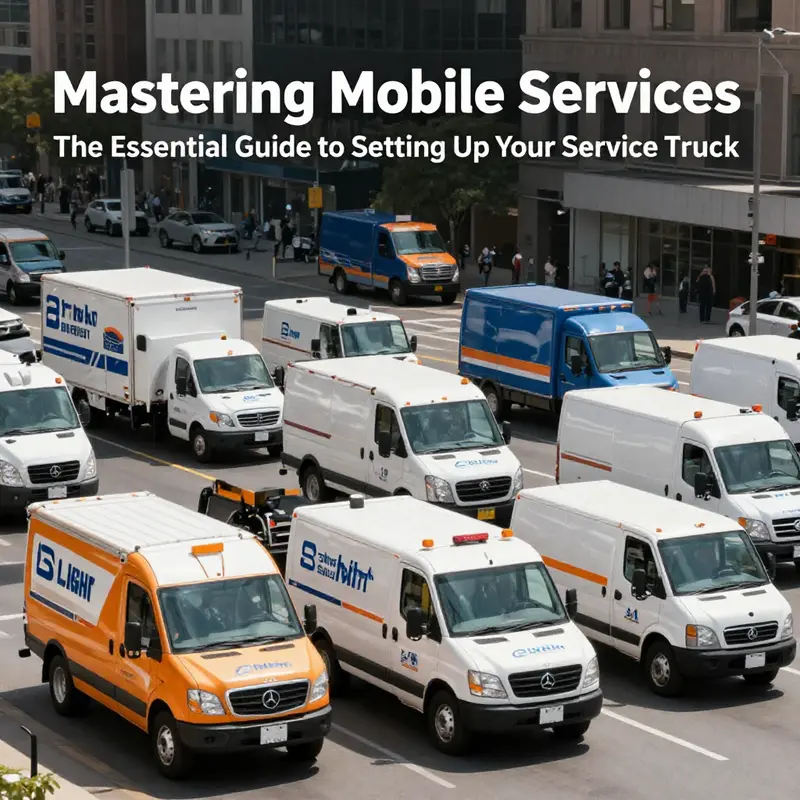
The modern business landscape often requires agility and adaptability, particularly for manufacturing, distribution, retail, construction, and small businesses with shipping needs. Setting up a service truck is a strategic move that offers a mobile workspace tailored to your specific operations. It serves as a hub for service delivery, bringing goods or services directly to your customers. Each chapter of this guide details crucial steps including defining your truck’s primary purpose, designing an efficient interior layout, installing essential infrastructure, customizing the vehicle for specific applications, and ensuring compliance with safety regulations. By following this structured approach, you can maximize the potential of your service truck to meet your operational goals efficiently.
The Pulse of the Rig: Defining Your Service Truck’s Primary Purpose to Guide Every Detail

A service truck is more than a vehicle with tools on board. It is a mobile workshop, a storefront, and sometimes a face of the brand all in one. The single, most consequential step in turning a truck into a productive, durable worksite is to define its primary purpose with clarity. This purpose acts like a compass, guiding every subsequent decision about layout, equipment, power, water, connectivity, safety, and even branding. Without a clearly defined purpose, the design drifts, costs stack, and the workflow falters as the crew hops between ad hoc configurations instead of a thoughtfully engineered system. When you name the core function—whether it is repair, beauty services, advertising, or a government service station—you unlock a cohesive driver for every square foot of space and every pound of gear carried.
This defining step is not a mere exercise in terminology. It shapes the chassis choice, the internal zoning, and the rhythm of daily operations. For a mobile beauty or personal care unit, the purpose centers on client comfort, privacy, and a serene atmosphere. The interior becomes a sanctuary on wheels: a dedicated wash station, a private client lounge, soft lighting, and sound-attenuating features that keep conversations discreet and the space uncluttered. The work zone then adjusts to support stylists and technicians with ergonomic stations, counter-height work surfaces, and easy access to clean towels and supplies. In contrast, a mobile repair truck centers its purpose on durability and utility. Here the workbench, tool cabinets, and storage for spare parts sit in close reach, while access to power tools, air compressors, and hydraulic lifts is prioritized. The interior adopts a practical, shop-like efficiency, where every tool has a defined home and rotation is smooth, predictable, and safe under road vibrations.
Mobile advertising or product display trucks operate on a different axis. Their primary aim is visibility and engagement, so the exterior becomes a living canvas, with fold-out display panels and digital signage designed to captivate passersby. Inside, the layout must support quick reconfiguration for demonstrations, sampling, and brief customer interactions. A government or public service vehicle, meanwhile, leans toward security, privacy, and compliance. The interior space becomes a public-service counter with designated fast lanes, private consultation zones, and secure storage for sensitive documents. In each case, the primary purpose dictates not just what tools to carry, but how the space is organized, what utilities are nonnegotiable, and how the team moves through a typical day.
From purpose flows layout and infrastructure in a tightly linked sequence. The interior is typically divided into three broad zones: the client service area, the work or operation zone, and the storage zone. The client area is where first impressions are formed and comfort matters most. It should accommodate a seating arrangement that invites conversation, a privacy option such as retractable curtains or a discreet partition, and a layout that keeps the customer within arm’s reach of essentials like intake forms or a digital screen displaying services and pricing. The work zone is the core engine of the truck, the space where technicians perform their craft. It requires dedicated workstations or benches, a clear path for moving heavy equipment, and ample room for the necessary power, lighting, and ventilation. The storage zone is the backbone of reliability. Modular shelves and labeled bins keep parts, consumables, and tools organized, so a technician can locate a part in seconds rather than spend minutes rummaging. It is here that the difference between a flawless service call and a lost hour is measured.
But the conversation cannot stop at borders of the cabin. Advanced layouts offer dynamic solutions that expand the utility of a single vehicle without requiring a different chassis. Some trucks use integrated models where the driver’s cab connects seamlessly to the work area, maximizing usable space. Others offer foldable features like a bed that converts to a work surface or a compact bed that unfolds into a work desk, ensuring that travel time doubles as productive downtime when needed. There are also modular designs that permit a nested or stacked configuration—the cabin slides out from the main body to create temporary spaces for demonstrations, consultations, or private work sessions. These options align with a single guiding principle: the space must flex without compromising safety or workflow, because the primary purpose can evolve with demand, seasonality, or client needs.
Infrastructure choices are the practical bridges between concept and execution. A robust power system is indispensable, especially for mobile operations that rely on laptops, diagnostic devices, lighting, and climate control. A large-capacity battery bank is often the core, with solar panels as a supplementary source for sunny routes. Careful wiring and a consideration for peak loads ensure safety and reliability. Water and waste systems become non negotiable for service types that require hygiene, sample provision, or drinking water. A freshwater supply and an efficient waste management process support long days on the road and a strong commitment to cleanliness and compliance. In regions where connectivity is essential for real-time updates, a dependable communication network is the invisible backbone of success. A resilient mix of Wi‑Fi and cellular access supports remote diagnostics, order updates, and customer communications, ensuring the mobile unit can stay in touch with the home office or the field team. The goal is a workspace that remains functional as a moving business, not a parked machine.
One of the most revealing steps in this journey is how the primary purpose influences the choice of equipment and the layout’s emphasis. Consider the four archetypes often discussed in this context. A mobile beauty or hair service truck places privacy and comfort at the forefront, with a dedicated wash station, a welcoming client area, privacy curtains, and well-lit, ergonomic workstations for hairdressers. A mobile repair service truck emphasizes maximum utility and tool storage, with a clearly defined workbench, tool cabinets, and space allocated for hydraulic lifts, air compressors, and generators. A mobile advertising or product display truck prioritizes exterior visibility and versatile interior layouts that can convert from showroom to sales kiosk in moments. A government or registration service station requires secure, professional spaces for document handling, computers, printers, and lockable storage, all designed to meet regulatory and privacy standards. Reflecting on these archetypes demonstrates how the primary purpose is not simply a matter of what you carry, but how you present it, how you move through your day, and how you adapt to changing demand without sacrificing safety or quality.
Alongside layout and equipment, the brand and customer experience should flow from the defined purpose. Exterior branding, interior decor, and the choice of materials should reinforce the service story told by the primary function. A beauty unit may lean toward warm tones, tactile fabrics, and intimate lighting, while a repair truck could favor durable finishes, easy-to-clean surfaces, and a rugged aesthetic that signals reliability. A showroom or display vehicle benefits from flexible furniture and displays that can be reconfigured to suit a range of demos and events. Even in a mobile regime, the customer should feel they are stepping into a purpose-built space that mirrors the service quality delivered on the road. The emphasis on branding in turn informs the selection of signage, decal placement, and even the sequence in which technicians interact with clients, reinforcing the professional identity at every touchpoint.
As you move from concept to concrete planning, the purpose also shapes the management layer of the operation. A comprehensive planning framework helps align procurement, scheduling, and maintenance. Where the primary purpose mandates specialized equipment, a careful budget and a staged procurement plan reduce risk and ensure that the most critical items arrive first. Scheduling tools and inventory management systems—designed to run from a tablet or laptop—can streamline appointments, track maintenance orders, monitor spare parts, and generate performance metrics. In this sense, the service truck becomes a living system, with the purpose acting as the governing rule that keeps the parts, people, and processes in harmony. When the team understands the mission, training becomes more efficient, safety protocols are easier to follow, and maintenance becomes routine rather than reactive.
To weave these ideas into a tangible path forward, it helps to review the larger market context while keeping the focus on the specific needs of your operation. The broader economic environment, regional regulations, and industry trends will shape demand for mobile services, the pace at which clients adopt on-site solutions, and the design tolerances that best balance cost with performance. For instance, shifts in supply chain dynamics and regional infrastructure investments can influence the vehicle types chosen for different markets, the scale of onboard capabilities, and the expected lifetime of a mobile unit. Keeping a finger on these trends informs choices about expansion, partnerships, and the potential to scale a single truck into a small fleet over time. This is not a distraction from the core task; it is a practical reminder that the primary purpose must be adaptable enough to stay relevant as conditions evolve. For further reading on how macroeconomic trends are shaping trucking and mobile service operations, see the discussion on key economic trends impacting the trucking industry.
Ultimately, defining the primary purpose is the first and most consequential act of designing a service truck. It is the anchor that coordinates space, systems, and sequence of work. It answers questions that would otherwise stall progress: What tools must be immediately accessible? How should customers experience the visit? What power and water capabilities are non negotiable? Which storage configurations will sustain a week of fieldwork without resupply? When these questions are answered, the rest can be approached with a measured, consistent methodology. The vehicle becomes not just a means of transport but a purpose-built environment where every instinct and decision points back to the service you intend to deliver. In the end, the primary purpose is the pathway to efficiency, safety, and professional presence on the road. It is the quiet engine behind every successful mobile service operation.
External resource: For safety guidelines and best practices applicable to mobile workplaces, see OSHA guidelines at https://www.osha.gov
Inside the Service Truck: Designing an Efficient Interior that Turns a Vehicle into a Flexible Mobile Workshop
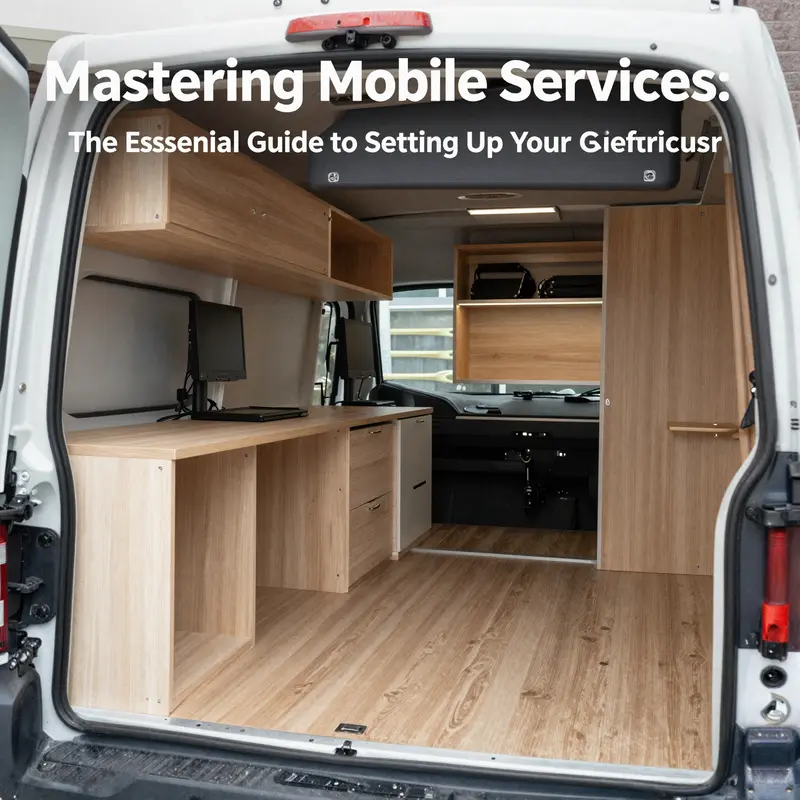
The interior of a service truck is more than a workspace on wheels; it is a carefully engineered ecosystem where every inch of space serves a purpose and every movement supports a smoother, safer workflow. The goal is not to cram in more gear but to orchestrate a harmonious, adaptable environment that elevates service quality, protects staff, and delights customers. A well-planned interior begins with a clear mental map of how a mobile operation will run—from the moment a client steps aboard to the final checkout and clean-down at day’s end. This begins with defining functional zones that balance accessibility, safety, and ergonomics, and then builds outward with infrastructure, storage, and flexible configurations that respond to varying use cases.
At the heart of efficient design is functional zoning. The client service zone should feel welcoming and calm, yet practical. It typically features a dedicated counter or desk that staff can approach without stepping into the work zone. In a mobile beauty setup, for instance, the zone might host a seating area for clients, a compact tea bar, and privacy options such as retractable curtains. The counter should be equipped with a reliable POS system, a compact cash drawer, and easy access to receipts and forms, all positioned at a comfortable height for quick transactions. In automotive service contexts, this same zone becomes a brief consultation space where technicians discuss the plan, pricing, and timelines with the client before any work begins. The critical idea is that the client area reduces friction, communicates professionalism, and allows staff to begin the service with clear direction.
Adjacent to the client-facing space lies the work zone—the operational core where tasks are performed. Ergonomics governs layout here. Work surfaces must be set at comfortable heights, with tools and equipment within easy reach to minimize bending, twisting, or reaching over damaged or hot components. For auto repair trucks, this translates to strategically placed workbenches, tool storage cabinets, and equipment such as hydraulic lifts or air compressors located along safe, clear pathways. In a medical transport or mobile clinic, the work zone emphasizes rapid access to life-support devices, monitors, and essential supplies, arranged to support swift patient assessment and care. The objective is a logical sequence of steps: assess, prepare, perform, document, and wrap, with each action flowing into the next without unnecessary travel or detours.
The storage/supply zone completes the trio of zones by keeping everything organized, protected, and easy to inventory. A robust storage system uses multi-functional shelves, modular drawers, and labeled racks so staff can locate items instantly. Frequency of use guides placement: the most commonly used items sit at eye level, heavier items lower down for safety, and rarely used gear tucked away yet still accessible. This zone should be adaptable, allowing shelves to slide or hinges to fold as needs change. A well-designed storage system reduces downtime, minimizes tool loss, and supports quick reconfiguration for different jobs.
These zones are not rigid boxes but fluid spaces that can adapt to the vehicle type and the task at hand. The interior layout can feature integrated models, where the driver’s cab flows into the work area, maximizing usable space. Foldable elements add further versatility: a bed that folds into a storage cabinet, or a worktable that collapses to free floor space for a temporary workshop setup. Modular designs—think stacked compartments or a smaller cabin that slides out—offer temporary space for meetings, demonstrations, or a quick rest between calls. The result is a mobile unit that remains efficient whether it conducts simple inspections in a parking lot or carries advanced, multi-step service in remote locations.
The specific vehicle type often dictates the most impactful layout choices. Mobile hair salon trucks illustrate how interior design evolves through generations. Early configurations might place a tea bar at one side and a basin at the rear. Modern designs, by contrast, emphasize connectivity between the driver’s cab and the work area, a generous sleeping space, and high-end features such as LED-lit mirrors and a lounge with a television. The stacked model offers a clever solution: a compact inner cabin that extends outward when parked, creating additional space for living or performing tasks. These evolutions show how interior layout must prioritize client comfort and staff efficiency without compromising the vehicle’s mobility.
Medical transport vehicles demand a different emphasis. The interior becomes a mobile intensive care unit, where patient safety and medical stability are paramount. A padded, secure stretcher or reclining seat, integrated life-support systems, and climate control that maintains a stable environment are essential. Clear, unobstructed pathways enable medical personnel to monitor and treat patients during transit, even under dynamic driving conditions. General-purpose service trucks benefit from a flexible, modular approach: foldable tables, convertible seating that becomes sleeping space, and hidden compartments that can be repurposed for a technician’s workshop, a field office, or a small kitchen. Across these variations, the through-line is adaptability—space that can morph to support a changing set of tasks without compromising safety or performance.
Infrastructure is the backbone that makes these interior arrangements viable. A high-capacity power system is essential for uninterrupted operation, with a large battery bank and, where possible, solar supplementation for off-grid use. Wires and circuits must be meticulously planned to balance load, protect personnel, and prevent overloads. For water-dependent services like salons or kitchens on wheels, a clean water supply and a reliable waste management system are non-negotiable. Hygiene and safety also hinge on robust climate control, especially in extreme environments; a consistent temperature protects both staff and clients and helps maintain equipment performance.
Connectivity completes the mobile workspace. A strong, reliable network supports real-time data transfer, scheduling updates, and remote diagnostics. The ability to maintain Wi-Fi and cellular access during transit ensures staff can consult digital manuals, access inventory systems, or coordinate with dispatch centers. In practice, this means a system that can seamlessly switch between networks, with built-in redundancy to prevent downtime during critical service windows. Such connectivity is not a luxury but a core productivity tool that keeps work moving, reduces delays, and improves customer experience.
Beyond the technical, a service truck’s interior should also reflect brand identity. Interior and exterior styling, consistent color schemes, and branded signage reinforce professionalism and trust. The workstation aesthetic matters; clean lines, integrated lighting, and minimal clutter help staff focus. In addition to aesthetics, practical branding—glossy logos on exterior panels and matching interior decor—supports a stronger, more cohesive business image. The vehicle concepts discussed here can be aligned with broader brand strategies and operational goals to ensure a consistent customer experience across every engagement.
The chapter’s design logic also extends into management and maintenance. Modern mobile operations benefit from integrated software platforms that handle appointments, orders, and inventory from a single interface. For fleets seeking efficiency gains, linking interior design to management systems reduces friction between the shop floor and the back office. With careful configuration, a service truck becomes a data-driven hub as well as a physical workspace. As a reference point for maintenance and long-term operational health, many operators consider industry trends in fleet upkeep and adaptation of mobile units. For broader industry perspectives, consider exploring industry trends such as those reflected in recent maintenance best practices for private fleets.
Inside the broader ecosystem of mobile service design, professionals can draw practical lessons from ongoing industry shifts. The evolving needs of clients and technicians alike demand layouts that minimize travel within the cabin, maximize tool accessibility, and provide clear, safe egress paths. The choice between through-cab integration versus standalone cabins will hinge on the required footprint, anticipated load, and the nature of services delivered. In practice, teams may begin with a lean, modular configuration and then scale up with additional cabinets and foldaway surfaces as demands grow. The CL5031XDW6BZ reference, for example, reminds designers and operators to consult manufacturer guidelines when selecting high-mobility, durable options. While specific models may vary, the core principles—efficient zoning, ergonomic workstations, and adaptable storage—remain universal.
Finally, the human element ties all these considerations together. An intelligent interior layout respects the well-being of staff and customers. Seating, lighting, and acoustics should create a calm, focused environment for technicians while offering a welcoming, professional demeanor to clients. A well-designed space reduces fatigue, improves accuracy, and boosts morale, translating into higher service quality and repeat business. In the end, a service truck is a mobile workshop shaped by thoughtful space planning, robust infrastructure, and a commitment to continuous refinement as technologies, services, and client expectations evolve. For operators seeking a practical read on how these design choices interact with daily fleet management, a useful perspective can be found in industry discussions on private fleets trends in trucking maintenance, which emphasizes the ongoing value of keeping mobile assets reliable and well-equipped. Private Fleets Trends in Trucking Maintenance.
Powering a Mobile Workshop: Installing Essential Infrastructure for a Service Truck
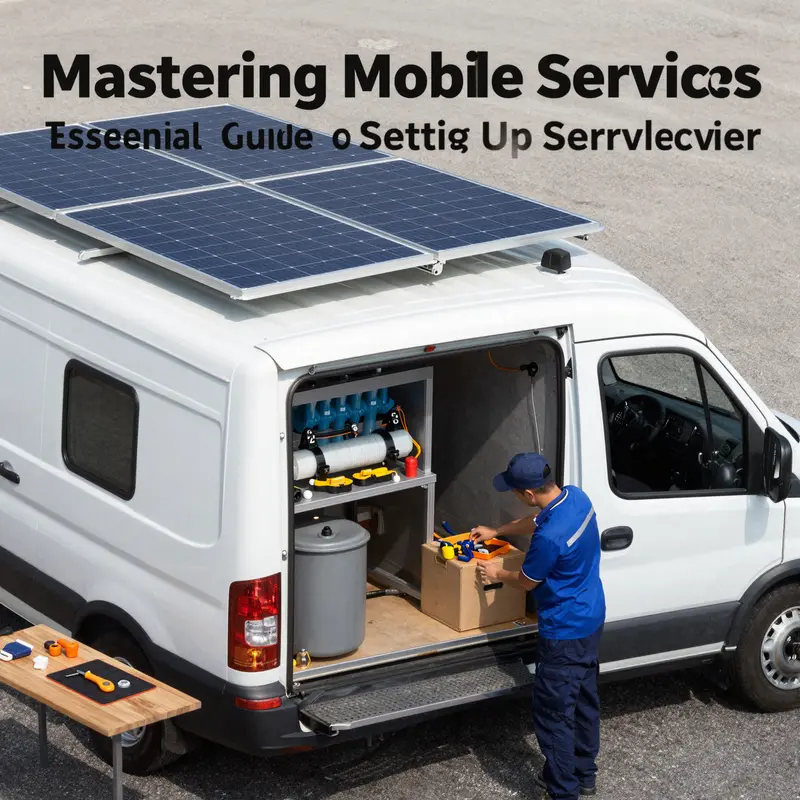
A service truck is only as capable as the infrastructure you install inside and around it. Turning a standard vehicle into a reliable, efficient mobile workspace demands more than clever interior design; it requires a holistic approach to power, water, connectivity, climate, and safety. When planned with discipline, the truck becomes a self-contained micro-factory or studio that supports continuous operation, regardless of location. This chapter traces a cohesive path from fundamental energy systems to the nuanced needs of different service profiles, weaving practical considerations into a narrative that keeps pace with evolving industry standards and the realities of day-to-day field work. The goal is to create a working environment where tools, devices, and people operate in harmony, with a clear emphasis on reliability, safety, and respect for regulatory requirements.
A robust power system sits at the heart of this setup. A high-capacity battery bank, preferably lithium-based, serves as the primary energy reservoir. The choice of a battery chemistry is not merely about capacity; it is about cycle life, efficiency, temperature tolerance, and the ability to sustain demanding loads over long shifts. Solar integration is a natural companion for sunny locations and for reducing the engine idling footprint. Roof-mounted panels or side-mounted arrays can replenish the battery during downtime between jobs, extending operating windows without sacrificing fuel economy or introducing unnecessary noise. The electrical distribution inside the vehicle must be thoughtfully engineered. A dedicated distribution panel with clearly labeled circuit breakers, surge protection, and properly rated conductors reduces the risk of overload and makes troubleshooting straightforward in the field. Heavy-duty outlets that support both 110V and 220V usage, coupled with GFCI protection in wet zones like wash areas, protect workers and equipment alike. The backbone should include a sophisticated control scheme such as an automatic transfer switch that seamlessly toggles between power sources—the grid, a generator if one is present, and the battery bank—so that operations aren’t interrupted by a single source’s failure. Real-time power monitoring completes the loop: a centralized display or app that tracks voltage, current draw, state of charge, and load balance helps prevent outages and enables proactive maintenance. This level of visibility reduces guesswork and gives the team confidence to push through busy days without sacrificing safety or performance.
The water and waste systems are another pillar of a service truck’s infrastructure, especially for mobile grooming, food service, or any operation that involves cleaning or handwashing. A potable water tank paired with a reliable filtration system ensures the availability of clean drinking water for staff and, when relevant, clients. A hose connection to a municipal supply at a fixed site can supplement or refill the tank as needed. In parallel, a gray water holding tank captures used water from sinks and wash stations, while a black water system, if a toilet is included, requires a pump-out connection and compliant disposal. Heating options for hot water—electric or propane-powered—enable comfortable wash areas and efficient cleaning routines. Proper drainage channels and venting are essential to prevent odors, blockages, and moisture buildup, which can degrade materials and create sanitation concerns. In practice, the layout should place the water system in a dedicated, easily accessible zone with minimal cross-traffic to avoid spills during vehicle movement. The result is a hygienic, sustainable operation that supports long days on the road without compromising client comfort or staff wellbeing.
Connectivity, the lifeblood of modern field work, must be robust and redundant. A dual-path network strategy—cellular (4G/5G) and a reliable Wi-Fi hotspot—ensures continuous data access for diagnostics, dispatch, inventory management, and customer communications. A multi-carrier SIM setup or an advanced router can provide seamless handoffs when moving between coverage areas. Ruggedized onboard computers or tablets should be tied into the network to support real-time work orders, digital signatures, and inventory checks. For truly remote or challenging locations, a satellite communication option or an emergency beacon offers a safety net that keeps teams connected when cellular service drops. From a security perspective, the network should be protected by firewalls and encrypted connections, with secure login protocols for sensitive business data. This integration of connectivity and data security keeps invoicing accurate, prevents errors in maintenance logs, and allows managers to monitor fleet performance from anywhere. The aim is not to overwhelm the workspace with gadgets but to create a frictionless information flow that supports decision making, reduces downtime, and enhances the client experience.
Climate control and interior environment are not luxuries but practical necessities. A high-efficiency, vehicle-mounted HVAC system provides comfortable working conditions in extreme weather and supports air quality in enclosed work zones. For larger vehicles, a rooftop HVAC unit with generator backup can maintain stable temperatures even when idle or during peak loads. Insulation and weather sealing reduce energy loss and create a calm, productive interior, while well-planned ventilation—exhaust fans and fresh-air intakes—prevents heat buildup and keeps air clean in spaces where fumes or moisture may be generated. A thoughtfully designed interior also accounts for the sounds of equipment, vibrations, and the need for quiet moments with clients. The goal is a space that feels predictable and safe, not like a confined cabin where staff and clients compete for air and light. In practice, the interior should balance lighting, power accessibility, and ergonomic placement of workstations to minimize fatigue and movement fatigue during long shifts.
Beyond the core systems, the vehicle should be adaptable to the service profile it carries. Specialized infrastructure tailored to the business helps translate the truck into a true mobile solution. An automotive repair truck, for instance, benefits from a rolling tool cabinet layout, a compact diagnostic bay, and organized air and electrical lines. A mobile beauty or spa truck requires a sink with hot and cold water, a shampoo station with drainage, and lighting that makes fine details visible without causing glare. A food service truck demands a fully vetted kitchen footprint with proper ventilation, heat recovery, and waste handling designed to minimize odors and grease buildup. An advertising or showroom truck could use external display panels and internal flexible furniture that can reconfigure for demonstrations or client consultations. Throughout these adaptations, branding remains a key element: cohesive interior and exterior styling that reinforces professionalism and trust while ensuring the functional elements do not clash with the company’s visual identity. When the layout is aligned with the business model, the truck becomes an extension of the brand rather than a temporary worksite.
Safety and compliance are not afterthoughts but foundational requirements. Vehicles must meet applicable safety standards and certifications relevant to the regions where they operate. This includes ensuring electrical systems are protected against short circuits and moisture intrusion, and that ventilation and waste practices comply with environmental regulations. Regular durability tests—on tires, drivetrain, and critical components—are essential, especially given the high utilization and constant movement typical of mobile service work. Documentation for inspections, maintenance schedules, and repair histories should be integrated into the broader fleet management system, ensuring traceability and accountability across the workforce. The operational bottom line is simple: a safer truck means fewer downtime events, lower risk of damage to expensive tools, and a more professional image when meeting clients in the field.
Management and workflow integration complete the picture. Modern mobile operations rely on software platforms and data-driven processes to manage appointments, inventory, and service performance. A cohesive system ties job dispatch to parts availability, technician assignments, and real-time updates. This creates a closed loop where the truck’s infrastructure, from power and water to connectivity, feeds directly into the daily rhythm of work. It also supports sustainability goals by offering visibility into energy and resource consumption, enabling smarter choices about when to deploy solar charging, how to optimize load distribution, and where to route visits to minimize fuel use. For teams looking to maintain a competitive edge, keeping a pulse on maintenance trends and fleet health is key; the ongoing evolution in private fleets and mobile operations underscores the importance of proactive upkeep and scalable infrastructure upgrades. Private Fleets Trends in Trucking Maintenance.
As you contemplate the installation sequence, it helps to keep the big picture in mind: the service truck should feel like a trusted workshop that travels with you. Every corner of the interior, every connection point, and every control interface should be designed for ease of use under pressure. The goal is to minimize setup time between jobs while maximizing reliability and safety. The truck must weather the demands of long days, off-grid locations, and the occasional rainstorm or heat wave without compromising performance. The discipline of planning, paired with careful installation, yields a mobile workspace that supports your people, your processes, and your promise to clients. When you step back and look at the finished configuration, the impression is clear: this is not merely a vehicle with tools inside; it is a thoughtfully engineered platform for service excellence on wheels.
In the end, the work of installing infrastructure is an exercise in balancing capability with practicality. It requires precise electrical work, careful plumbing, dependable climate control, and resilient connectivity, all harmonized with specific service requirements. It also demands vigilance about safety, compliance, and future adaptability. As you move from concept to reality, keep the design simple where possible, document every decision, and test each subsystem in a controlled scenario before full deployment. The reward is a service truck that delivers consistent performance, supports growth, and communicates a strong professional narrative to clients and partners alike. For those steering multiple mobile units or evolving their service offerings, the infrastructure you install today becomes the foundation for tomorrow’s innovations and for the continued expansion of a mobile business model that’s capable of meeting tomorrow’s needs with confidence.
External reference: https://afdc.energy.gov/vehicles/power_systems
Customization in Motion: Tailoring a Service Truck to Industry and Workflow

A service truck becomes more than a vehicle; it is a mobile workshop that must bend to the demands of the work it performs, the expectations of clients, and the realities of the locations it serves. When you embark on setting one up, the core principle guiding every decision is purpose. The primary function of the truck — whether it is a full-service automotive repair rig, a mobile beauty studio, a compact advertising showcase, or a hybrid that slides between several service lines — sets the blueprint for every square inch of space, every power draw, and every interaction a technician or stylist will have with a client. The interior should unfold like a well-planned room, not a van stuffed with equipment. The result is a cohesive, efficient workspace that travels with the business, not a passive transport of tools scattered across a cabin and a cargo hold.
The most natural way to approach this is through functional zoning, a concept that keeps the vehicle legible and responsive under pressure. In practice, this means designating a client service area that feels welcoming and calm, a work area where technicians can perform their tasks with minimal friction, and a storage zone that keeps tools, consumables, and spare parts organized and accessible. The client zone is not merely a waiting space but a preparation ground for trust: clear sightlines to the service desk, privacy features for conversations, and a touch of comfort that communicates professionalism. In a mobile beauty setup, for instance, the client area might include a comfortable lounge, a long sofa, and retractable curtains that offer privacy without isolating clients from the room’s flow. For automotive services, the client area becomes a consultation space where options, timelines, and pricing can be discussed with the client present, enriching transparency and collaboration. The work area, by contrast, is the engine of the operation. It should host dedicated workstations, with space for computers, printers, and the day’s essential devices, while still leaving room for the actual service tasks. In a mobile shop, this might translate to two compact stations with adjustable lighting and integrated tool rails. In more hands-on trades, a durable workbench, clamps, and modular storage become the backbone of daily productivity. The storage zone then anchors the entire system. Multi-functional shelving and modular units keep items categorized by type and quickly retrievable. It is the quiet hero of the truck, the place where every screwdriver, hose, and spare part has a clear home. A well-planned storage system also anticipates expansion: a nesting or stacked configuration that can slide out a smaller cabinet or an extension panel when additional space is needed. The result is a vehicle that behaves like a well-organized workshop rather than a moving jumble of gear.
Beyond these basic zones, the interior design can embrace more advanced layouts that unlock additional space without enlarging the chassis. Integrated models that connect the driver’s cab to the work area create a seamless, through-flow interior. Foldable features, such as beds that convert into workspaces or televisions, allow the truck to transform between roles during the day. A modular design mindset also includes the possibility of a compact cabin that slides or unfolds to reveal temporary spaces for brief consultations or demonstrations. These concepts are not mere gimmicks; they are practical solutions to maximize utility in the constrained footprint of a service vehicle, especially when operating in dense urban cores or tight customer sites.
To power this agile setup, infrastructure upgrades are indispensable. A large-capacity battery bank serves as the backbone of a mobile, electronics-rich environment. In areas with abundant sun, solar panels can supplement this reserve, smoothing the peaks of demand created by lighting, displays, and charging stations. Yet the electrical architecture must be planned with care. Wiring should be robust, properly fused, and routed to minimize heat buildup and interference with essential systems such as the drivetrain or communications gear. A well-designed power system reduces downtime and extends the truck’s ability to operate in locations without reliable external power sources. Water and wastewater are not afterthoughts either. A freshwater supply is essential for client services that require hygiene practices or beverages, while a clean, well-designed wastewater disposal system ensures that any liquid waste is managed safely and legally. In a mobile beauty studio, for example, a compact water supply and a sanitary drainage plan support a clean, professional experience. The last major infrastructure pillar is connectivity. A reliable internet and cellular setup enables real-time data transfer, remote diagnostics if a component begins to falter, and smooth communication with clients and back-office teams. The modern service truck in this sense is a connected workspace, not a brick-and-mortar analog brought along for the ride.
Customization of the vehicle must address the needs of the specific trade while preserving reliability and safety. In an automotive repair configuration, the interior might feature horizontal partitions that separate the storage zone from the work zone, ensuring that heavy equipment, generators, and air compressors remain stable and isolated from delicate tasks. A mobile repair unit may use a compact, exacting arrangement of tool cabinets and tire racks near the back, with the workbench and clamps within easy reach for on-site tasks. In a mobile kitchen for a hypothetical mixed-use truck, the layout would prioritize ventilation, proper exhaust, and a dedicated prep area, with easy cleanup routes and sealed, easy-to-sanitize surfaces. An advertising or showroom truck, by contrast, emphasizes external visibility and interior flexibility: fold-out display panels, electronic screens, and a seating arrangement that doubles as a demonstration area when the vehicle is stationary. Inside, interactive displays and flexible furniture support an engaging client experience and can be reconfigured to host product demonstrations without a full rebuild.
Brand integration ties the interior and exterior into a single narrative. Exterior branding—logos, colors, and a consistent visual language—helps create recognition as the truck moves through neighborhoods and job sites. Inside, a cohesive decor language reinforces the brand’s values and mission. The interior might adopt a consistent color palette, material finishes, and signage that aligns with the overall brand identity. Digital interfaces inside the cabin offer a modern, customer-centric experience: a touchscreen for service selections, real-time status updates, and simple payment workflows. The idea is to provide an intuitive, pleasant experience for clients while keeping operators grounded in a highly productive environment. These features contribute to a sense of professionalism that travels with the truck everywhere it goes.
Safety and compliance form the non-negotiable framework within which all this customization must occur. The vehicle must meet the safety standards applicable to the markets in which it operates, and the installation should be evaluated for compliance with electrical, plumbing, and fire-safety regulations. It is prudent to conduct pre-deployment durability tests on critical components such as tires and the drivetrain to confirm reliability under frequent use and on varied terrain. A careful emphasis on ergonomic design reduces operator fatigue, which, in turn, minimizes the likelihood of accidents or mistakes when handling heavy equipment or sharp tools. The goal is a system that is not only capable but also trustworthy after thousands of miles and hundreds of customer encounters.
Technology is the connective tissue that makes customization practical, scalable, and manageable. A centralized software platform can orchestrate appointments, track maintenance orders, monitor inventory, and analyze business performance. When a truck serves multiple services, this kind of platform becomes essential for coordinating different workflows, ensuring that the client-facing processes align with on-site operations. In fleet contexts, remote monitoring and alerts for vehicle health, charging status, and battery reserves help prevent unexpected downtime. Rather than relying on scattered spreadsheets or manual logs, a unified digital layer can reduce friction and improve service consistency. This is not a luxury but a strategic capability, allowing a service truck to operate with the same reliability as a stationary shop while offering the mobility that is central to its appeal. For deeper context on how private fleets navigate maintenance and upkeep, see Private Fleets Trends in Trucking Maintenance.
As with any mobile enterprise, the design must consider both the day-to-day rhythms of service delivery and the longer arc of growth. A well-tailored truck remains adaptable as the business expands or shifts focus. It might begin as a straightforward repair or beauty service but could evolve into a hybrid model that hosts client consultations, product showcases, and on-site demonstrations. The modular approach to interior construction supports this evolution, enabling you to slide in new workstations, relocate storage modules, or swap out display panels without a full rebuild. The aim is a vehicle that possesses a future-ready flexibility, not a fixed instrument that outlives its usefulness. In this sense, the service truck becomes a strategic asset, a portable flagship for the brand, a platform for human connection, and a reliable workhorse that reconciles the demands of the road with the precision of a well-tuned workshop.
Finally, while the sector’s specifics demand tailored layouts and specialized equipment, the core discipline remains constant: design for efficiency, safety, and experience. The journey from concept to configuration should distill the work into a space that feels both purposeful and humane. When the interior is organized around people—clients waiting comfortably, technicians working with precision, and owners watching dashboards that reveal real-time performance—the truck ceases to be a mere vehicle and becomes a credible, mobile extension of a professional business. In this light, customization is not eccentric ornament but a disciplined practice of converting a portable asset into a durable differentiator. It is through thoughtful zoning, robust infrastructure, targeted specialization, branding, and smart technology that a service truck earns its keep wherever the road leads.
External resource: External resource
Mobile Workshop in Motion: Building a Safe, Compliant Service Truck That Delivers
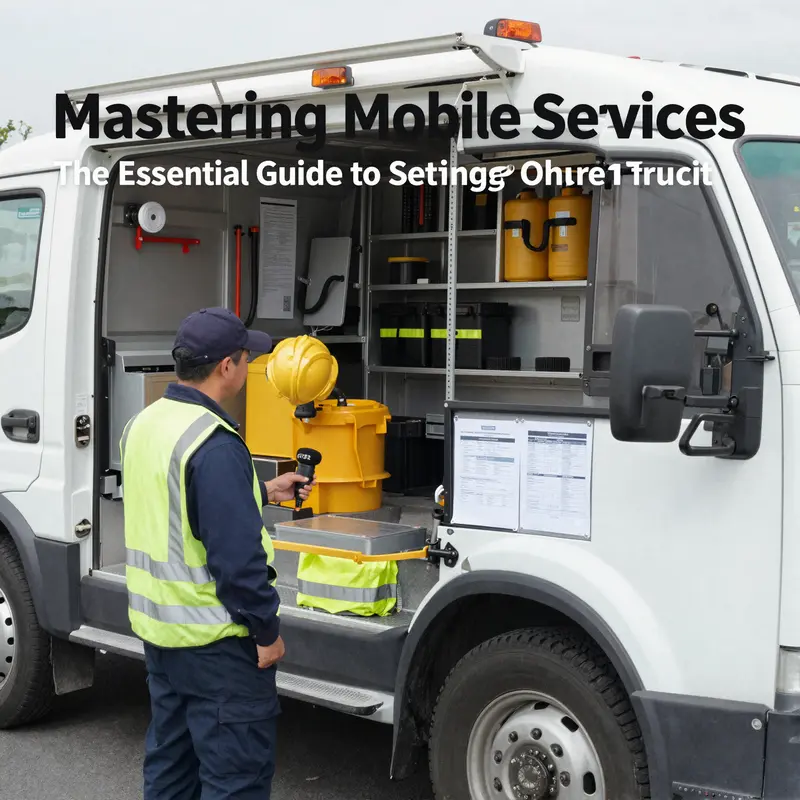
A service truck is more than a vehicle with tools. It is a moving, purpose-built workspace that must protect people, assets, and the trust of every client it serves. To turn a standard truck into a reliable mobile service unit, you begin with safety and compliance as the nonnegotiable core. You lay a foundation that informs every choice—from the interior layout to the way the truck interacts with roads, customers, and weather. This chapter guides you through that foundation, weaving together the practicalities of design, the rigor of regulations, and the discipline of ongoing management. It is not about chasing the latest gadget or a flashy build; it is about crafting a durable system that works wherever you park it and whatever service you provide.
The first anchor is a clear understanding of safety and regulatory requirements. National and local laws govern every aspect of operating a service vehicle on public roads. Vehicles must meet prescribed safety standards, emissions requirements, and fuel-efficiency criteria, and they typically need some form of type certification before they can be registered for use. Any modification—whether for energy efficiency or convenience—must be scrutinized to ensure it does not compromise safety. This is where the idea of internal audits becomes essential. A routine, rigorous review of the vehicle’s safety features, emissions integrity, technical specifications, and current certification status helps close gaps before they become problems. Maintaining meticulous maintenance records—covering production dates, ownership changes, part replacements, service histories, and repair notes—creates a transparent trail that protects both the operator and the client. When inspectors or customers ask for documentation, you can answer with confidence rather than with a defensive shrug.
The operational heartbeat of a compliant fleet is a robust management system. A service truck does not run on intuition; it runs on standardized procedures. These procedures should cover every stage of a vehicle’s life: how you acquire new units, what insurance coverage looks like, how preventative maintenance is scheduled and documented, how fueling and refueling are handled, and how you respond to accidents or incidents. A real-time monitoring platform enhances this system by offering visibility into location, engine parameters, and critical health indicators like oil pressure and coolant temperature. When a dashboard flags an anomaly, you can intervene immediately rather than react after a breakdown. Importantly, a strong management system includes a fair, transparent reward-and-punishment mechanism to reinforce compliance, driver safety, and professional conduct. It creates a culture where following the rules is not a bureaucratic burden but a common-sense practice that protects people and profits.
The human element—drivers and technicians—demands equal attention. Training is not a one-and-done event; it is an ongoing commitment. Drivers need the right license for their vehicle type and must meet physical fitness standards that ensure safe operation under varied conditions. Beyond those basics, they should receive training in customer service etiquette, emergency response procedures, and safe driving practices—skills that reduce risk and improve client satisfaction. Technicians who service the trucks must understand electrical systems, hydraulic components, and welding basics, along with fire prevention and incident response. Regular training sessions and periodic drills keep skills sharp and knowledge current. Equally important is the pre-departure inspection, a disciplined ritual that checks the exterior for damage, tire condition and inflation, fluid levels, lights and mirrors, and the presence and readiness of safety equipment such as fire extinguishers and first-aid kits. Skipping this step is a common path to avoidable incidents; the inspection is the moment when responsibility becomes visible and actionable.
A well-planned truck also respects the realities of the work environment. Roadside scenarios present unique hazards, so a structured safety protocol becomes a practical tool. Before you engage with a roadside task, perform a scene risk assessment and set up appropriate warning signs to create a safe working zone. On highways, you deploy multilayer warning strategies and keep hazard lights on to alert passing traffic. You plan routes with rest stops and fatigue management in mind, recognizing that long days demand a pause to maintain judgment and reaction times. When you arrive at a service area, park in designated zones and secure the vehicle so it cannot be moved accidentally. The driver should never leave passengers unattended, and a final sweep ensures nothing is left behind or forgotten. These steps may seem like routine rituals, but they are the glue that prevents accidents, protects the crew, and preserves the vehicle’s integrity.
Interior design and space planning contribute heavily to safety and efficiency, even though the chapter’s focus remains on compliance. A well-ordered interior is a direct line to fewer accidents and quicker, higher-quality work. Think in terms of functional zoning: a client service area that is comfortable and private when needed, a work/operation zone where technicians can access tools without stepping over cords or climbing over loose gear, and a storage zone with modular shelving that keeps items categorized and within easy reach. Modern interior concepts often include integrated models such as through-cab layouts that maximize space by linking the driver’s area to the work zone, foldable features that convert beds into work surfaces or entertainment screens, and modular designs that let you extend or retract space as tasks demand. These choices must be weighed against safety codes and load-bearing considerations, so consult vehicle manufacturers’ guidelines and local regulations as you plan. The aim is a workspace that feels orderly and calm, because a well-organized environment reduces errors, speeds service, and minimizes risk.
Power, water, and communication systems inside the truck create the reliability backbone that lets a mobile unit function as a legitimate workshop. A large-capacity battery bank paired with solar panels can deliver quiet, renewable power for recharge cycles and critical equipment. The electrical layout must be designed with perimeter protection, proper fusing, and safe routing to avoid short circuits or heat buildup. If you operate in areas with limited utilities, water systems become essential for drinking water and for certain trades that require wash-down capabilities or cooling. A freshwater supply, coupled with a reliable waste-management solution, ensures you can work cleanly and in compliance with health regulations. Likewise, a robust communications network—stable Wi-Fi and cellular connectivity—keeps your crew connected, enabling real-time data transfer, remote diagnostics, and constant contact with clients and dispatchers. These infrastructure elements are not luxuries; they are prerequisites for delivering consistent, safe service in varied locations and conditions.
In tandem with the mechanics of the truck, branding and professional presentation matter, but not at the expense of safety. Brand integration should reinforce trust and clarity—your color scheme, logo, and interior decor should be cohesive and legible, projecting professionalism and reliability. The emphasis remains on safety and compliance as non-negotiable features. A well-branded truck is easier to recognize as a legitimate service vehicle, which helps establish credibility with clients and regulators alike. The branding should be tasteful and unobtrusive, ensuring that safety signs, hazard markings, and emergency equipment remain visible and accessible. This approach balances aesthetics with practicality, ensuring the vehicle remains a trusted workspace rather than a spectacle on the street.
Technology ties the elements together in a way that makes compliance feasible rather than burdensome. Modern fleets can leverage a centralized management platform to orchestrate appointments, track maintenance orders, monitor inventory, and analyze performance—all from a single interface. The goal is not to replace human judgment but to augment it with visibility and data. For example, real-time monitoring can flag a coolant temperature rise before it becomes a failure, trigger preventive maintenance, and inform route optimization to avoid delays caused by traffic or weather. A coherent program also includes rules for fuel management, insurance coverage, and incident response, with clear, documented procedures that staff can follow under pressure. The result is a responsive, accountable system that scales as the business grows.
The journey to a compliant service truck is not a one-time build but a continuous process of refinement. It requires staying current with evolving regulations, conducting regular audits, and investing in people as much as in equipment. A disciplined approach to pre-trip checks, risk assessments, and fatigue management pays dividends in safety and uptime. The small, often overlooked practices—the way a toolbox is organized, the way cables are secured, the way a route is planned—become the quiet backbone of reliability. And when a client experiences timely, professional service delivered from a vehicle that operates with precision and care, compliance ceases to be a legal obligation and becomes a competitive advantage. For those who want to explore broader industry dynamics, trends in private fleets maintenance are increasingly shaping how operators structure their upkeep and standardize processes across multiple units.
maintenance trends in private fleets
For a deeper dive into safety procedures and best practices for operating service vehicles, refer to the external training resource that outlines comprehensive guidance on vehicle classification, pre-trip inspections, safe driving norms, emergency response, and driver training requirements. This external reference complements the practical, on-the-ground guidance described here and supports the aim of turning a mobile workshop into a safe, compliant, and resilient operation.
Final thoughts
Setting up a service truck is a multifaceted endeavor that requires strategic planning and execution tailored to your specific industry requirements. By defining your truck’s purpose, designing an efficient layout, installing essential infrastructure, customizing for specialized needs, and ensuring compliance with safety standards, you can create a formidable mobile service platform. Investing time and resources into each of these components can significantly enhance the functionality and effectiveness of your service truck, ultimately leading to improved customer satisfaction and operational success. Embrace the possibilities that arise from a well-established mobile service unit.