
The ‘Service Airbag’ alert on your truck is not merely a message; it signifies a critical safety concern that demands immediate attention, especially for enterprises that rely heavily on trucks for manufacturing, distribution, and logistics. This article delves into the implications of this alert, the common causes leading to its manifestation, the importance of prompt action, and practical steps for resolution. Each chapter aims to provide targeted insights that help you understand the underlying issues and ensure the safety of your fleet, emphasizing the broader implications for your business operations.
Reading the Service Airbag Light: What That Warning Really Means for Your Truck and Your Safety
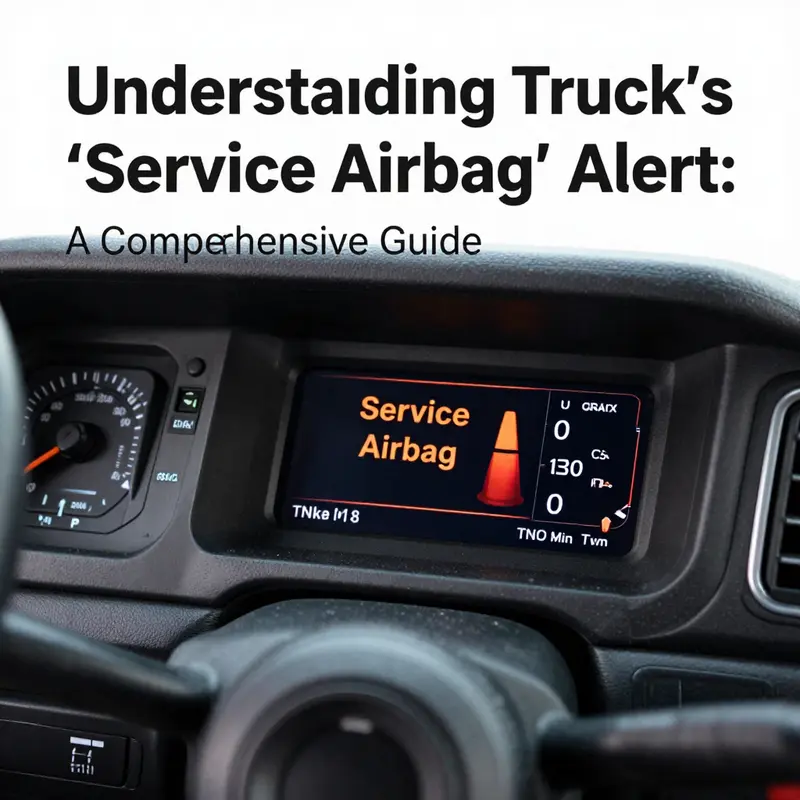
When a truck suddenly lightens the cabin with a bright Service Airbag warning, it is not a decorative glow or a mere nuisance. It is a safety alert that travels through the vehicle’s electronic nervous system, signaling that something in the Supplemental Restraint System (SRS) is not performing as intended. The SRS includes airbags, seat belt pretensioners, and the sensors and computer that coordinate their timing. The warning does not indicate that an airbag has already deployed; instead, it tells you that a fault has been detected and that, in a crash, the system may not function correctly. In the fog of daily duties, many drivers treat this message like a maintenance light that can wait, but the stakes are considerably higher here. A properly working airbag system can mean the difference between life and serious injury in a crash, which is why the Service Airbag light should be treated with gravity, prompt diagnosis, and a clear plan for repair.
Understanding the scope of the warning helps ground our response in safety rather than fear. The SRS monitors a network of components that work together to protect occupants. Collision sensors placed at strategic locations detect sudden deceleration or impact forces. Seat sensors track occupancy and the readiness of the seating configuration. Airbag triggers and the electronic control unit (ECU) parse signals from all these parts to decide if inflation is necessary. When the system detects a fault—whether a sensor is out of range, a wiring connector is loose, or a module is failing—the ECU triggers the Service Airbag light to warn the driver. This light may be accompanied by diagnostic trouble codes (DTCs) that technicians retrieve with a scan tool. The presence of codes makes the diagnosis more precise, but the absence of obvious damage does not guarantee the system is safe. A hidden fault can still compromise deployment in a crash, so a thorough inspection remains essential.
In the world of trucking, a Vehicle Inspection is more than a routine check. It is a line of defense for drivers who must operate their rigs daily across varied terrains and weather conditions. The Service Airbag warning becomes a reference point for a fleet’s maintenance strategy. It prompts a closer look at connections that are often overlooked, and it invites technicians to verify the integrity of the harnesses that weave through seats, door pillars, and beneath the dashboard. It also calls for an audit of the power supply; even something as simple as a recent battery disconnection can reset or confuse the system, triggering a fault code that may not appear when the battery is reconnected. In fleets where preventive maintenance is a core discipline, the alarm accelerates the timeline from curiosity to action. It is not merely a signal to fix one part; it is an invitation to verify the reliability of an entire safety architecture, from the sensors tucked behind trim panels to the airbag modules tucked into the steering wheel and dash. To put it plainly, a Service Airbag warning is a beacon that helps maintainers preempt a failure that could leave occupants unprotected in a crash.
The process of diagnosing and repairing a Service Airbag warning is not something a layperson should undertake with DIY gusto, even though some fault codes may point toward easily addressed issues. This caveat is not aimed at discouraging drivers from learning but at preventing dangerous improvisation. The airbag system is a complex safety network that interfaces with critical vehicle electronics. A loose sensor, for example, is not merely a loose part; it is a potential point of delayed or mis-timed deployment during a collision. A damaged wiring harness is not just a frayed cable; it can create short circuits, false triggers, or complete loss of power to the airbag module. A faulty airbag module or a failed pretensioner could misfire, causing injury or failing to restrain a passenger in a crash. The potential consequences emphasize the need for a qualified technician equipped with the right diagnostic tools to read codes accurately, perform controlled checks, and verify that replacements restore the system to spec.
From the moment the light illuminates, a cautious driver should prioritize safety over rushing back onto the road. The immediate steps are straightforward but nontrivial. First, pull over in a safe location and switch off the engine. It is prudent to avoid restarting the vehicle repeatedly; a cascade of restarts can sometimes clear a code that should remain, or it can mask a developing fault. Once stationary, assess whether there is any visible damage around the airbags or seat areas. Do not move seats abruptly if you suspect wiring damage; movement can aggravate loose connections. If occupants are onboard, ensure everyone remains seated and buckled; do not remove seats or tamper with seatbelts during this phase. Then call for professional assistance or arrange for a tow to a qualified service center. It is common for the Service Airbag light to be accompanied by other indicators, such as the brake warning or ABS lights, especially if the vehicle’s central computer is involved in multiple safety subsystems. In such cases, the vehicle should be treated as unsafe for extended operation.
The diagnostic path is focused yet methodical. A certified technician will retrieve the diagnostic trouble codes with a professional scan tool, then cross-check the codes with the truck’s wiring diagrams and service manuals. They will inspect the sensors at their mounting points, verify the integrity of the harnesses, and test the airbag modules with controlled loads and resistance checks. They may also inspect the seat belt pretensioners, which are part of the same safety framework, to ensure they deploy correctly when needed. A battery recovery or replacement is a frequent culprit in triggering the warning, especially if the service was completed recently without a proper SRS reset. Because the SRS stores crash data and fault history, technicians will review stored data to distinguish a temporary anomaly from a persistent fault. The repair often involves replacing a sensor, reseating a connector, repairing damaged wires, or replacing the airbag module itself. The goal is to restore a state in which the system can be trusted to deploy if a collision occurs, and to prevent false deployment that could endanger passengers unnecessarily.
The discussion of deployment thresholds illuminates why the warning is not a call to expect airbags to go off in routine events. Airbags are designed to inflate in moderate to severe frontal or side impacts where forces exceed pre-programmed thresholds. They are not activated by minor scrapes, low-speed bumps, or slow, controlled stops. Yet, the sensors used to determine deployment are highly sensitive and can be triggered by seemingly minor disturbances when they occur in particular configurations. A significant impact can be required for deployment, but even then, the system’s decision is contingent on sensor input and the ECU’s interpretation of the situation. The hazard is not only the failure to deploy in a crash but the possibility of unintended deployment during normal driving if a fault causes erratic sensor readings. In either case, the safety implications demand a careful, professional assessment rather than a quick, self-guided fix.
For fleet managers and individual owners alike, the Service Airbag warning is a reminder that safety systems are living components of a vehicle. They require ongoing validation, not a one-time replacement. The maintenance plan should integrate SRS checks into regular service intervals, alongside engine, transmission, and brake inspections. A practical approach for fleets is to couple the diagnostic process with preventive measures—verify battery integrity, inspect harness routing behind seats, and ensure that seat tracks and connectors are free from corrosion or moisture. A systematic check reduces the risk of recurrent faults after only a single repair and keeps the truck ready for duty without unnecessary downtime. This is where broader maintenance trends in trucking come into play. In private fleets and larger operations alike, advanced maintenance analytics, proactive wire-loom inspections, and sensor reliability assessments are becoming standard practice, enabling quick triage of SRS concerns and faster restoration of full safety capability. For a broader look at how fleet maintenance is evolving, see the discussed trends in private fleets and maintenance management. Private Fleets Trends in Trucking Maintenance.
Beyond the immediate repair, drivers should also be aware of how the light interacts with daily operations. If the light reappears after a repair, or if it exhibits intermittent behavior, this may point to intermittent faults that require more time to diagnose. It is not uncommon for a fault to be present in one part of the system while others remain functional, which is why a comprehensive diagnostic approach is essential. During the diagnostic window, technicians will not only fix the identified fault but also verify the integrity of the related systems. They may test airbag modules under safe, simulated conditions and check that the event data recorder logs align with the vehicle’s current configuration. The end result should be a system with the same reliability profile as when the truck was new, and a clear, validated plan if future faults arise. For drivers who rely on their trucks for critical freight movements, this assurance translates into confidence and safer operation on long hauls, urban routes, and everything in between.
In the context of broader safety and regulatory expectations, this warning connects to government and industry guidance on airbags and occupant protection. While the immediate action focuses on the vehicle at hand, there is value in staying informed about the official standards and recommendations that govern airbag systems. The National Highway Traffic Safety Administration (NHTSA) provides extensive information on how airbags operate, what can trigger warnings, and safety steps for owners and drivers. This official resource emphasizes the seriousness of airbag faults and the importance of timely service to minimize risk. Reading through authoritative guidance helps reinforce the message that a Service Airbag warning is more than a cautionary light; it is a prompt to secure a safety-critical system that guards lives in crashes. For the official guidance, see NHTSA’s Airbag Safety Information at https://www.nhtsa.gov/vehicle-safety/airbags.
In the end, the Service Airbag warning is a call to action that aligns with a broader ethos of proactive safety and responsible maintenance. It invites drivers to treat safety-critical systems with priority and to seek qualified help rather than improvising. It challenges fleets to integrate SRS checks into their preventive maintenance plans and to recognize that the cost of a proper repair is far smaller than the potential price of a compromised safety system. It also invites reflection on how the modern truck blends mechanical robustness with sophisticated electronics, where a single warning can cascade into a plan that touches procurement decisions, maintenance scheduling, and the reliability of an entire operation. The road to safety is paved not only with good tires and clean brakes but with a disciplined approach to the safety systems that protect the people inside the truck when the road turns unpredictable. By acknowledging the warning, respecting the process, and pursuing professional diagnosis and repair, you maintain the immediate protection of the cabin and uphold a standard of care that benefits every mile you drive.
Beyond the Light: Decoding the Service Airbag Warning on Your Truck and Safeguarding Every Mile
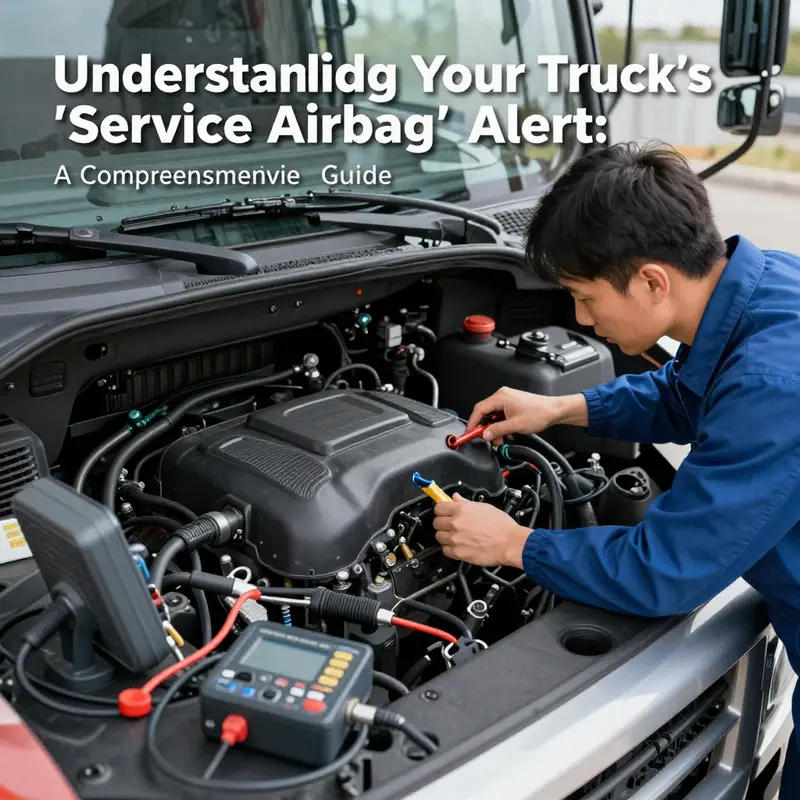
When a truck rolls onto the highway with a stubborn rattle, a squeal from the exhaust, and a bright Service Airbag message lighting up the dash, it’s easy to feel a jolt of anxiety. Yet the warning is not a vague inconvenience; it’s a concrete alert from the truck’s safety system, a system that is designed to protect you and your payload in a crash. In the world of heavy-duty work, the airbag warning sits at the intersection of technology, maintenance discipline, and road safety. It is a reminder that behind the rugged exterior of a heavy vehicle lies a finely tuned safety network that depends on sensors, wiring, and control units working in concert. When the light appears, it signals that an airbag or related restraint system may not deploy as intended, which could increase the risk of injury in a collision. This is why the message demands a careful, methodical response rather than a quick disregard in the name of uptime.
To understand what is happening, it helps to frame the airbag system as part of the broader Supplemental Restraint System, or SRS. The SRS is more than a single switch and a single airbag; it is a distributed safety architecture spread across the truck’s cabin and frame. Sensors placed in strategic locations monitor the vehicle’s behavior in a crash scenario. These sensors feed data to the airbag control unit, a small but crucial computer that decides whether, when, and how to deploy the airbags. Alongside the airbags themselves, the system includes seat belt pretensioners and the wiring harnesses that connect all of these components. When the system detects a fault, the warning light is triggered and the code is stored so a technician can diagnose it accurately. What sounds like a simple alert is actually a snapshot of the health of the entire restraint network. It’s the difference between a system that can protect you in a collision and one that might fail to do so in the moments that matter most.
In trucks, the most common culprits behind a Service Airbag notification mirror the same dynamics seen in passenger cars, but the scale and environmental exposure are intensified. A sensor fault can arise from misalignment, damage, or loose connections. Collision sensors, acceleration sensors, and rollover sensors are all in play, and a single faulty sensor can trigger a fault code that cascades into a warning light. A fault in the electrical system is another frequent trigger. Heavy trucks live with vibration, rough roads, temperature swings, and a labyrinth of wiring that must endure years of wear. Worn or damaged wiring, corroded connectors, or a blown fuse in the airbag circuit can disrupt the signal pathways that the ECU relies on to interpret events and determine proper deployment. The result is a warning light that stays on until the fault is remedied.
Even more technically precise is the possibility that the airbag module, or ECU, itself has failed or became unable to communicate effectively with sensors. The ECU is the brain of the airbag system, collecting data from various sensors, performing complex logic, and issuing deployment commands. If the ECU malfunctions, it may misinterpret sensor data or fail to coordinate the timing of deployment with the crash event, leading to a fault code and a lit warning light. The situation can be compounded if the system has already deployed airbags in a prior crash. Replacing or recalibrating inflators and the airbag module is not simply a matter of swapping parts; it can require precise calibration to ensure correct deployment timing and force. Then there are seat belt pretensioners—the devices that snug the belt tight during a crash so the occupant is properly positioned for airbag deployment. A failed pretensioner can not only reduce overall restraint effectiveness but also trigger a fault in the system because the pretensioner is tightly coupled with the airbag’s operation. Finally, improper installation or post-repair work can leave the system out of calibration. Even when the right parts are used, incorrect positioning, non-OEM components, or improper connector seating can introduce faults that arouse the warning light. In many fleets, these causes stack up after a DIY repair, a routine battery disconnect, or unplanned electrical work that briefly disturbed the SRS circuitry.
The good news is that diagnosing a Service Airbag warning does not require guessing. Modern trucks store fault codes that identify which component is problematic, and a trained technician can retrieve these codes with a professional scan tool. The codes point to a sensor, a wiring fault, a particular module, or a pretensioner that needs attention. This is where experience and method matter. A quick visual inspection can reveal obvious culprits—dangling connectors, brittle wires, or corrosion on a sensor housing. More subtle issues require diagnostic testing: checking sensor continuity, measuring resistance values, and verifying proper signal timing. In many cases, technicians will inspect both the harness and connectors for evidence of wear from vibration and exposure to the elements in the long hours trucks spend on the road. Each fault code provides a foothold that narrows the field and guides the repair path.
It is important to act promptly when the Service Airbag light appears, but it’s equally important to manage the process sensibly. The safest course begins with pulling over in a safe location if you are already in motion. Do not drive with a known airbag fault—some drivers worry about leaving the road for an extended period, but continuing to operate with a compromised restraint system can significantly increase injury risk in a crash. A trained technician should perform a diagnostic scan, retrieve the fault codes, and interpret them in the context of the truck’s history. If the light cycles on and off or if it remains steadily lit, the diagnostic approach remains the same: identify the faulty component, verify whether it is a sensor, a module, a seat belt pretensioner, or a wiring fault, and then proceed with the appropriate repair or replacement. It is worth noting that certain fault codes may indicate transient electrical issues, such as a temporary loss of signal caused by a loose connection or a recently disconnected battery. In those cases, a thorough diagnostic session will confirm whether the fault was truly resolved or if a deeper repair is required.
The path to resolution often requires collaboration with a certified service center that understands the truck’s specific SRS layout. While the diagnostic tools can reveal the fault code, the interpretation of that code in the context of a heavy vehicle’s system matters. The service center will typically perform a series of checks: verifying the integrity of sensor placement, confirming that the airbag module has not been damaged by heat or moisture, testing the pretensioners’ functionality, and inspecting the inflator hardware for signs of wear or prior deployment. If an airbag has deployed in a prior incident, that entire assembly may need replacement, and the calibrations tied to the system will require careful reconfiguration. The goal of the process is not just to reset a light but to restore full, predictable protection in the event of a future crash. This is crucial because a non-functional airbag can dramatically increase the risk of severe injury or fatality in a collision, particularly in high-speed highway operations or when the truck is carrying a heavy payload.
That’s where practical maintenance context keeps the issue grounded. The airbag warning is not merely an electrical nuisance; it sits at the core of a vehicle’s safety culture. For private fleets, the emphasis on preventive maintenance can help minimize the occurrence of such faults. The fleet manager’s role becomes not only to maximize uptime but also to safeguard crew safety. When reading this chapter, consider how maintenance schedules, diagnostic routines, and repair protocols shape the likelihood of a service airbag warning appearing in the first place. For a broader look at how maintenance practices and policy changes shape trucking operations, see Private Fleets Trends in Trucking Maintenance. It offers a perspective on how fleets are adapting to evolving risk management needs and the never-ending push to keep vital systems, like the airbag network, in peak condition.
Beyond the immediate repair, there is a broader conversation about upkeep, parts compatibility, and how to minimize recurring faults. One practical insight for fleets is to insist on proper installation practices after any airbag work. The difference between a durable fix and a recurring fault can hinge on using OEM-part-calibrated components and ensuring the system is correctly calibrated after any service. The wiring harness that feeds power to the sensors, the connectors that must resist corrosion in tough environments, and the sensor housings that must be aligned precisely all demand careful attention. Even routine battery work can surprise a system that has learned to rely on precise electrical states. A battery disconnect, for example, may generate a temporary fault as the system re-learns its baseline signals. For operators, this means maintaining a clear record of service events and test-driving the vehicle under controlled conditions after any SRS-related service to confirm stability and reliability.
The road to reliability is paved with a blend of proper diagnostics, deliberate repairs, and thoughtful prevention. If you discover a Service Airbag message, your response should be calm, measured, and aligned with safety. Do not wait for the next long-haul leg to address it. Gather the fault codes provided by the scan tool, note any recent electrical work or impacts to the truck, and arrange a diagnostic appointment with a qualified technician. In conversations with the shop, emphasize that the issue may involve sensors, wiring, the airbag module, seat belt pretensioners, or a combination of these components. Request a thorough check that covers both the technical fault codes and the physical condition of the airbag components, the seat belt pretensioners, and their connections. If the technician uncovers an issue that requires replacement parts, expect a wait for availability and calibration. While this might interrupt a planned trip, it is a far safer outcome than risking airbag failure in a crash.
In reflecting on how to approach this issue in real-world operations, the value of clear, practical maintenance culture becomes clear. Fleet managers can frame conversations with drivers about the Service Airbag warning as part of a broader safety-first ethos. Drivers should report the light promptly, avoid driving when the system is known to be faulty, and document any related symptoms, such as crackling noises, delayed airbag deployment indicators, or dashboard resets. Technicians, in turn, should treat the fault with urgency, executing a disciplined diagnostic workflow and validating the repair with functional testing. When the work is complete, it is prudent to perform a post-repair test drive that checks the system’s behavior under varying steering and braking conditions and ensures that the deployment sequence remains accurate and timely. The end goal is not only to fix an electrical fault but to restore a reliable safety envelope that protects the driver, the payload, and other road users.
In the broader context of road safety and industry best practices, the Service Airbag warning serves as a critical reminder of the interdependence between technology and human factors. The way a fleet handles this warning speaks to its commitment to safety, risk management, and responsible maintenance. It also underscores the importance of ongoing education for drivers and technicians. As technology evolves, the airbag system becomes more sophisticated, with more sensors, smarter software, and tighter integration with the vehicle’s electronic architecture. This evolution brings new opportunities for safer operation but also introduces new avenues for faults. A proactive approach—rooted in consistent inspections, disciplined repair practices, and a culture of safety—helps ensure that the warning light serves its protective purpose rather than becoming a source of uncertainty on the road.
For readers seeking a broader sense of how maintenance narratives are evolving in the industry, consider the emphasis placed on preventative strategies and workforce development in maintenance literature. A deeper dive into how fleets are prioritizing skilled technicians, proactive diagnostics, and standardized repair protocols can provide useful context for understanding why a Service Airbag warning is treated with priority rather than as an annoyance. And for readers who want a broader look at how the industry navigates regulatory and operational shifts while maintaining safety standards, the linked internal resource offers practical context about maintenance strategies and decision-making in modern trucking operations. This chapter does not exist in isolation; it sits within a continuum of best practices that prioritize safety, reliability, and informed, data-backed maintenance decisions.
Finally, while a Service Airbag warning can be a source of concern, it can also be a catalyst for strengthening a fleet’s safety culture. It invites conversations about spare parts inventories, calibration procedures, and the organizational resilience that keeps drivers safe and deliveries on schedule. In the end, the warning light is not a nuisance to endure but a signal that a critical safety system needs timely attention. Treating it with seriousness—engaging qualified technicians, following diagnostic procedures, and embracing preventive maintenance—helps ensure that every mile traveled by the truck is a safer mile for everyone on the road.
External resource for safety guidelines: For broader safety guidelines and formal recommendations, refer to the National Highway Traffic Safety Administration’s airbag information. https://www.nhtsa.gov/road-safety/airbags
When the Service Airbag Light Flickers On: Reading the Warning and Safeguarding Your Truck’s Passive Protection

A dashboard warning that reads Service Airbag is more than a nuisance light. In a modern truck, that symbol signals a fault within the vehicle’s passive safety system, the kind of system that does not wait for your awareness to kick in during a crash. The airbag network, part of the broader Supplemental Restraint System or SRS, is designed to respond within milliseconds when sensors detect a collision or a potentially dangerous deceleration. If the light comes on and stays on, or if it flashes after the initial startup self check, the implication is clear: the airbags may not deploy as intended in the event of an impact, and that shortfall in protection could turn a crash from bad luck into tragedy. Understanding what that warning means, why it appears, and what steps are required to restore full functionality is essential for anyone who spends time behind the wheel of a truck, whether for personal use, work, or fleet operation. The message is not a suggestion to ignore a system that can save lives; it is a directive that demands attention and professional diagnosis before the vehicle is used in any high risk situation again.
The service airbag indicator is typically tied to a network that includes the airbag modules themselves, impact sensors, the clockspring in the steering column, seat belt pretensioners, and the airbag control unit. The exact architecture can vary by make and model, but the principle remains the same: the system monitors its own integrity and the readiness of the components that must deploy in a crash. When the system detects an anomaly, a fault code is generated and stored in the vehicle’s diagnostic memory. A technician using a professional scan tool can retrieve that code, confirm the fault, and begin the process of tracing the fault to a root cause. This is not a job for guesswork or casual tinkering. The airbag system uses high voltage and sensitive electronics; improper handling can cause unintended deployment or further damage, and there is a real risk of personal injury if a component is mishandled.
For most drivers, the first reaction to seeing the Service Airbag light is curiosity mixed with concern. The curiosity comes from wanting to understand whether a simple fix is involved—perhaps a loose connector or a sensor that needs a quick reseat. The concern arises from the knowledge that airbags are the last line of defense in a crash, and a failure to deploy can mean the difference between a survivable crash and a fatal injury. The reality is that no single fault guarantees complete loss of protection, but any nonfunctional airbag system is unacceptable and requires immediate professional assessment. Even if the light goes off after the initial engine start, the underlying fault can still be present and can recur at any time, especially under stress from weather changes, battery voltage fluctuations, or after a repair that altered a circuit path.
A practical way to frame the risk is to think about what the airbag system relies on during a crash. There are sensors that detect the direction and intensity of impact. There are wiring harnesses and connectors that carry signals and, in many cases, power to modules that control deployment. There is a steering column assembly that may include a clockspring responsible for maintaining an electrical connection to the airbag while the wheel turns. There are airbags themselves, which must deploy reliably at the moment of collision. Any break in these links can compromise performance. Because the SRS operates independently of the vehicle’s regular engine and transmission controls, faults in this system are not tied to the typical drive-cycle symptoms. A vehicle can run smoothly with a service airbag light on, but its protective function can be diminished when it matters most.
In the catalog of potential causes, some are straightforward to identify in a shop visit, while others require a careful diagnostic approach. A faulty airbag sensor is a frequent culprit. Frontal or side impact sensors can fail due to mechanical damage, corrosion, or internal wear. A loose or corroded electrical connection in the airbag circuit is another common source of trouble. The clockspring in the steering column can degrade over time, especially in trucks with heavy use and frequent steering angles. A defective airbag control unit or a damaged airbag module can also generate fault codes. Even something as routine as a battery that has recently been disconnected or reconnected can transiently trigger an airbag fault code if the system power falls outside expected parameters. While these causes span a range of complexity, the consistent theme is clear: a fault in any part of the SRS undermines the reliability of the entire safety network.
The diagnostic path that a qualified technician will follow is designed to be methodical and safety minded. First comes the retrieval of fault codes using a professional diagnostic scanner. Those codes point toward a subsystem or component, narrowing the field from dozens of possibilities to a manageable few. The technician will then perform a visual inspection of connectors and harnesses, looking for loose pins, corrosion, or signs of damage that may indicate movement or abrasion in the wiring. In many cases, the clockspring is examined for wear and tear; a faulty clockspring can disrupt the continuity of the airbag circuit as the steering wheel turns, which may be the source of a persistent fault. If a sensor is suspected, test procedures may verify its electrical signal against expected ranges to confirm a fault or to rule it out.
Once the fault has been confirmed, the repair approach follows a strict sequence. Replacing a sensor may be straightforward, but it must be paired with proper calibration and reprogramming of the system to ensure that the new part communicates correctly with the rest of the network. Replacing a faulty airbag module, or the control unit, involves careful handling under the manufacturer’s guidelines, followed by system reinitialization to confirm readiness. When a clockspring is replaced, the steering interaction must be checked for proper operation and alignment. In every case, the repair must be performed in a way that preserves the integrity of the entire SRS, not just a single component. The goal is to restore full function while preserving the system’s redundancy.
The overarching principle that governs this work is safety first. The airbag system is designed to save lives, but only if it is intact and properly calibrated. For that reason, the Service Airbag light should never be treated as a cosmetic warning. If the warning persists after a surgical repair is performed, a recheck is mandatory. Qualified technicians will often re-test the system after the repair to confirm that all fault codes are cleared and that a fresh readiness self-check passes without fault. Even if you cannot identify the fault yourself, you can appreciate the weight of this process: it reflects the complexity and critical importance of airbag deployment when it is required. Without professional confirmation, there is no assurance that the system will perform as intended during a crash.
For fleet operators and individual truck owners alike, sustained emphasis on airbag safety is part of a broader culture of proactive maintenance. Maintenance programs that overlook SRS health can inadvertently multiply risk across a fleet, especially when multiple vehicles share common components or when there is high turnover in maintenance staff. A robust approach treats the service airbag warning as an early alert that invites a professional inspection, not a quick reset or a hopeful reset that might suppress the indicator without addressing the underlying fault. This mindset aligns with a broader commitment to safety that includes regular inspection of seat belts, pretensioners, and related restraint systems, all of which must work in concert to protect passengers and drivers in the event of a crash. In this sense, the Service Airbag light is not an isolated issue but a signal that safety systems demand respect and careful stewardship.
As you consider the steps ahead, it can be useful to connect the dots between airbag safety and the day to day realities of trucking operations. The reliability of a truck is not measured by a flawless dashboard but by the integrity of the safety systems that operate out of sight. A fault in the SRS can point to a broader electrical condition that also affects other systems, including sensors and control modules that feed data to vehicle safety functions. Electrical health matters for more than just a single warning light. Battery voltage, grounding integrity, and the overall health of wiring harnesses all influence how the airbag network behaves. A vehicle that has experienced significant electrical work, such as a battery change, alternator service, or parasitic draw, may be more prone to triggering airbag fault codes if the system has not been reinitialized after the work. Drivers who notice the light after maintenance should inform the shop, as it could indicate a need for recheck or reconfiguration to ensure the system remains synchronized with the vehicle’s other safety features.
In addition to the direct safety implications, there is a practical dimension to caring for the service airbag warning that resonates with fleet management and ownership strategies. Preventive maintenance, when applied to safety systems, reduces the probability of in service downtime, unexpected repairs, and costly recalls. It also supports a vehicle’s readiness for regulatory inspections and safety compliance audits. A fleet that maintains a disciplined approach to SRS health benefits from higher reliability, lower risk of injury, and a stronger reputation for safety. The value of this approach extends beyond the immediate repair bill; it translates into confidence for drivers, customers, and insurers who look for responsible, safety oriented operators.
When it comes to information and guidance, there is a clear mandate to consult authoritative sources rather than rely on anecdotal tips or uncertain do it yourself fixes. Manufacturer guidance and official safety authorities provide the framework for diagnosing and repairing airbag system faults. They outline the importance of using proper diagnostic tools and following calibrated procedures, and they emphasize the potential dangers of handling airbag components outside of trained environments. In addition to official manufacturer guidance, a respected external reference is the National Highway Traffic Safety Administration. NHTSA provides up to date information on airbag system diagnostics and safety standards, which can help you understand why the service light matters and what kinds of steps are appropriate for a professional repair. For authoritative, up to date information on airbag system diagnostics and safety standards, consult NHTSA at their official site.
To anchor this discussion in a practical, fleet oriented context, consider the longer term implications of treating safety warnings as signals for immediate, professional action. In many fleets, a policy that requires a diagnostic check within a defined window after a service airbag light appears has proven effective in maintaining high safety levels without compromising operational uptime. Such a policy recognizes that a non functional airbag system is incompatible with safe operation and with the expectations of customers and regulators. It also acknowledges the reality that airbag faults can have multiple roots, from a simple sensor fault to a more complex malady in the clockspring or control unit. The diagnostic process, therefore, becomes a key part of fleet risk management and quality assurance, weaving safety into the daily routine rather than treating it as a distant ideal.
In the course of a thorough evaluation, technicians will check for a history of prior insurance claims, crash events, and any maintenance performed on the steering column or airbag related components. They will also verify whether any recalls or service campaigns have affected the vehicle. Keeping track of such information helps ensure that the vehicle is brought to a service facility with the full context of its SRS health, which can influence the recommended repairs and calibrations. Vigilance on the part of the owner, operator, and maintenance team is essential. The aim is not merely to remove a light but to restore a system that will function correctly when it counts most, during a collision. In this light, the Service Airbag warning becomes not a mere dashboard blip but a catalyst for renewed attention to safety, quality of maintenance, and steadfast commitment to protecting lives on the road.
For readers who want to explore broader implications of maintenance culture and safety aligned with fleet operations, a study of private fleets and maintenance trends offers a useful context. Maintaining a safety oriented mindset while managing day to day logistics can be challenging, but it also creates opportunities to integrate safety with efficiency. A fleet that treats every warning as a signal to act can reduce downtime and protect drivers and cargo alike. This approach extends beyond airbag systems to a holistic view of vehicle health, including brakes, tires, and electrical systems that support the safe operation of heavy vehicles. Linking safety awareness with fleet management practices helps to create a durable culture that prioritizes prevention over reaction. In this way, the Service Airbag light serves as a reminder that modern trucks require a sophisticated balance of engineering excellence, professional support, and disciplined maintenance discipline to perform reliably under demanding conditions.
The path forward is clear. If the Service Airbag light illuminates and does not disappear after the starting sequence, schedule a diagnostic with a qualified service facility without delay. Do not rely on reset procedures or temporary workarounds, as they can mask a real safety problem. The success of the repair hinges on accurate fault code interpretation, careful inspection of connectors and components, and adherence to the manufacturer’s repair procedures. After the repair, ensure a complete system readiness check is performed so that the warning is extinguished and the system confirms its readiness to deploy if needed. While the specifics of each fault may differ, the underlying principle remains universal: airbag safety is non negotiable, and there is no substitute for professional diagnosis and careful restoration. As you navigate this issue, keep in mind that the role of the owner is to advocate for a thorough, safety centric repair process that respects both the science of the system and the real world of trucking operations. This is how a truck that carries people and precision loads remains trustworthy in the moments that matter most.
Internal link for further context on maintenance considerations in trucking can be found in relation to ongoing fleet care and preventive strategies. See more on maintenance trends for private fleets here: Maintenance trends for private fleets.
External resource for safety standards and diagnostics guidance is available from a national safety authority. For authoritative, up to date information on airbag system diagnostics and safety standards, visit the official site of the National Highway Traffic Safety Administration: https://www.nhtsa.gov
Heed the Warning: What the Service Airbag Message Really Means for Your Truck and Its Passengers
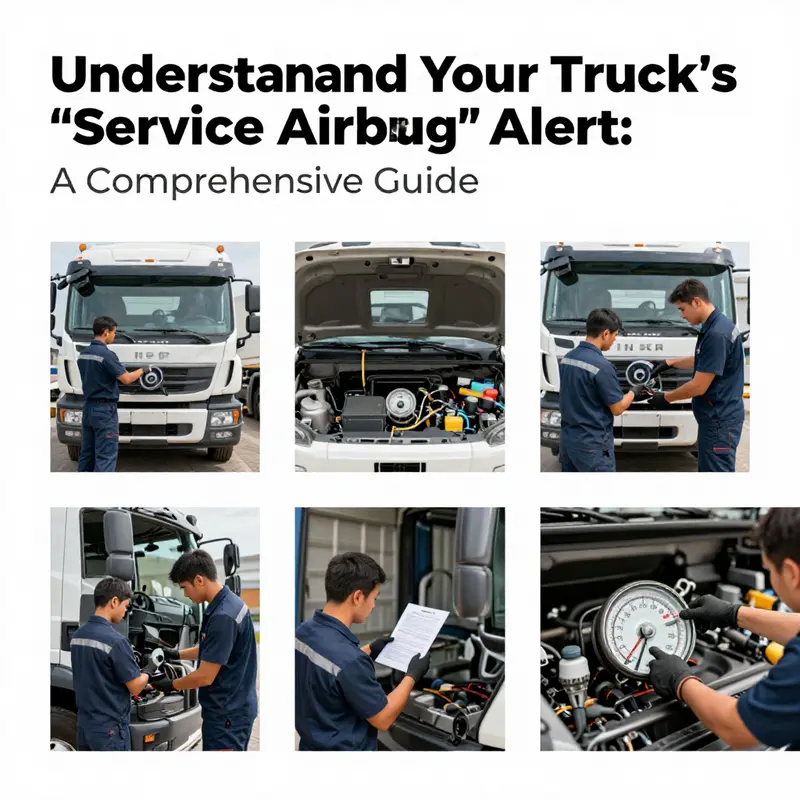
When a truck dashboard lights up with service airbag, it can feel like a minor hiccup in the day’s routine. Yet that single message sits at the intersection of safety, engineering, and a driver’s responsibility to protect lives. Airbags are part of a sophisticated safety system known as the Supplemental Restraint System, or SRS, and the service airbag alert signals that the system has detected a fault that could compromise performance during a crash. This isn’t a warning to be shrugged off or dismissed as a routine maintenance item. It is a call to action, a signal that one or more safety-critical components may not deploy as designed when they are most needed. Understanding what the message means, why it appears, and how to respond creates a practical path from alarm to action, and it keeps you, your passengers, and others on the road safer in unpredictable conditions.
To grasp the significance of the service airbag warning, it helps to picture how airbags function under the hood, tucked away behind dashboards, seats, and body panels. The airbag control unit acts like a conductor, continuously monitoring sensor data from crash sensors placed around the vehicle, seat occupancy sensors, and the integrity of the wiring harness that links every part of the system together. In the moments before, during, and after a collision, the system must decide whether to deploy an airbag, and if so, which ones should deploy and in what sequence. It’s a finely tuned orchestration that depends on a reliable electrical supply, undamaged sensors, secure connections, and intact timing logic. When any piece of that orchestration falters—the sensors fail to read correctly, a connector is loose, a module malfunctions, or the battery voltage dips during a jump-start—the controller flags a fault and stores a diagnostic trouble code. Your dashboard is then updated to reflect that something in the airbag system requires attention. The result is the warning light that says service airbag, a message that travels through the vehicle’s safety computer and out to you as the driver in a direct, unmistakable way.
The gravity of the warning becomes clearer the moment you consider the consequences if the system fails when you need it most. In a crash, the airbag’s purpose is to reduce the risk of serious head, neck, and chest injuries by increasing the time and distance to absorb energy. If the system is not functioning, or if the deployment is delayed or unpredictable, the same crash could carry a higher risk of injury. That reality underscores why ignoring the message is not an option. Some drivers may wonder whether they can simply reset the light themselves after a quick check or a battery reset. But the airbag system intentionally contains explosive gas generators and sensitive electronics. Mishandling can trigger accidental deployment, or it can leave the system completely inoperative. The correct response is to treat the warning as a fault report that requires professional diagnosis and repair.
When you react to the service airbag warning, the first priority is safety and stability. If you are on a highway or in heavy traffic, find a safe place to pull over as soon as possible, away from moving traffic. Do not continue driving in hope that a fault will disappear on its own. In a truck, where cargo shifts and the road can be unyielding, the extra margin of safety offered by a fully functional airbag system can be the difference between a mitigated injury and a life-altering event. Once you’ve pulled over, turn off the engine. This step reduces any potential electrical interference with the system as technicians prepare to diagnose and service it. It also signals to responders and service personnel that the vehicle is not in an active driving state and needs attention without being moved until inspected. From this point, the path forward is clear: diagnosis by a qualified technician, followed by precise repairs, verification, and documentation that the system is ready for safe operation again.
In the moments after you’ve parked, resist the temptation to rummage through wiring diagrams or attempt a DIY fix. The airbag system is a complex safety network built to respond within milliseconds to a crash. A misstep can cause unintended deployment, which could injure you or bystanders, or leave the system in a state where it will not deploy when needed. Professional diagnosis uses a dedicated diagnostic scan tool that connects to the airbag control unit and reads live fault codes stored within the system. This step is essential because it translates a vague warning into a specific failure signal—whether a loose connector, a sensor problem, a degraded airbag module, a wiring fault, or something as simple as a temporary voltage fluctuation. The technician will then verify that the fault is real and not a false alarm caused by external factors like a battery disconnect during maintenance elsewhere in the vehicle. A careful technician will also determine if a battery voltage drop, which can occasionally trigger a transient fault flag, has caused a false positive before moving on to real repairs. The diagnostic process is not just about clearing a light; it is about ensuring that the core safety feature remains reliable across all driving scenarios.
Understanding the possible causes helps paint a more complete picture of what the warning could be telling you. A damaged or loose electrical connector is a common and often straightforward culprit. The airbag system relies on precise electrical continuity to trigger deployment when required. A single corroded pin or a loose harness connector can produce inconsistent readings, which the control unit interprets as a fault. A faulty crash sensor or seat occupancy sensor is another frequent reason for service airbag illumination. Crash sensors are designed to detect rapid deceleration and angle of impact; when they misread due to damage or wear, the system may decide that deployment is unnecessary or delayed, which is exactly the opposite of what you want in a serious crash. The airbag control unit itself can fail or become unresponsive, especially after a collision that didn’t trigger deployment but stressed the system’s electronics. Wiring harness issues, often the result of vibration, temperature changes, or poor routing, can disrupt communication between sensors and the control module. Less intuitive but still possible is a low battery voltage condition. If the electrical system dips below a certain threshold, the controller may set a fault flag or prevent deployment as a protective measure. Each of these causes requires a specific repair path, and only a trained technician has the tools and the experience to distinguish a true fault from a temporary glitch.
After the fault is identified and the necessary repairs are made, the technician must perform a comprehensive verification. The process includes a full system self-test and a deployment test where permissible, and then a recheck of fault codes to confirm that the issue is resolved. The goal is not just to extinguish the warning light but to guarantee that all components function correctly and will deploy when needed. Only after the system passes this verification does it receive a final clearance. This is a crucial stage because a reset without proper validation can leave you with a false sense of security and a real safety risk when a crash occurs. Regular maintenance and documentation of these procedures support a robust safety posture in your truck fleet, especially in units that carry high-value cargo or operate in challenging environments.
To prevent service airbag warnings from appearing unexpectedly, maintenance practices play an essential role. Manufacturer recommendations emphasize the routine inspection of SRS components during service intervals and when other electrical work is performed. The system benefits from attention to the integrity of connectors, sensors, and modules, and from checks that ensure the wiring harnesses aren’t stressed by seat movement or seat belt pretensioner activity. In many fleets, the battery’s health becomes a meaningful variable. A marginally low voltage can generate a false fault code or, in some cases, cause a self-test to fail. Keeping the battery in good condition, ensuring clean power supply, and avoiding voltage drops during engine cranking help reduce spurious warnings. Clean and dry connections, proper routing of wires away from moving parts, and prompt replacement of damaged components are practical steps that pay dividends in safety and uptime.
From a driver’s perspective, the service airbag warning is not merely a mechanical concern; it changes the calculus of daily operations. If your truck is used for long-haul routes, multi-day deliveries, or time-sensitive cargo, the downtime required for safe diagnosis and repair can be disruptive. Yet this disruption is a small price to pay for preserving the integrity of restraint systems and the safety of all occupants. Fleet managers should view this warning as a signal to prioritize safety checks that protect drivers and the public. Documentation of diagnosis, repair steps, and verification tests is essential for accountability and warranty purposes, and it assists technicians who may encounter similar issues in other units within the fleet. Keeping a well-maintained log not only reduces repetitive diagnoses but also supports predictive maintenance programs that seek to identify patterns before a fault becomes a safety-critical event.
As the process unfolds, it becomes clear that the service airbag warning is a multifaceted signal. It is a prompt that safety is not a fixed state but a dynamic condition, one that depends on the reliability of sensors, the integrity of wiring, the health of power supplies, and the accuracy of fault reporting. The right response harmonizes caution with action: stop, secure, seek professional diagnosis, and follow through with the repair and verification steps until the system is back to a state of readiness. This approach preserves the protective promise of airbags and keeps the truck ready for safe operation on the road. When you reflect on the layers behind the warning, you see a system designed not to complicate driving but to safeguard life under conditions that no driver can fully foresee. That perspective helps you engage with the process with the seriousness it deserves, without turning safety into fear or into a bureaucratic hurdle.
For readers who want to explore broader implications of safety maintenance across fleets, consider the ongoing conversation about maintenance trends and how they shape reliability in corporate trucking. Internal maintenance discussions emphasize not just the repair itself but the prevention of surprises that cost time and money. For a focused look at how fleets are adapting maintenance practices in today’s environment, you can read about private fleets trends in trucking maintenance. Private Fleets Trends in Trucking Maintenance.
Alongside these practical steps, it’s useful to anchor decisions in reputable guidance from national safety authorities. The National Highway Traffic Safety Administration provides official information on airbags, their purpose, and safety considerations, which reinforces the seriousness of a service airbag warning and helps drivers understand why professional assessment is non-negotiable. See the authoritative guidance on airbags at https://www.nhtsa.gov/vehicle-safety/airbags for detailed explanations and safety recommendations. Taking this information into account while you plan the next steps helps ensure that every action you take aligns with best practices and regulatory expectations.
In sum, the service airbag message is a critical signal about the reliability of one of the vehicle’s most important safety systems. It requires a careful, methodical response that begins with stopping safely and ends with a verified repair, followed by a formal confirmation that the system has passed its self-test and is functioning as designed. The chain of events—from fault code to repair to verification—safeguards you and your passengers, and it reinforces a broader culture of proactive safety in trucking. As you navigate this issue, remember that time spent diagnosing and repairing a potential airbag fault is time invested in preventing injuries. A well-maintained, properly functioning airbag system is not an optional feature; it is a fundamental part of on-road safety that every fleet and every driver owes to themselves and to others sharing the road. Keeping the system in good shape through vigilant maintenance and timely repairs is a commitment that pays dividends in protection, peace of mind, and overall roadworthiness.
Final thoughts
In conclusion, the ‘Service Airbag’ alert in your truck requires immediate attention to safeguard both personnel and assets involved in your operations. Understanding the causes and effects of this warning, alongside proactive management, can significantly reduce safety risks and enhance operational efficiency. Regular maintenance checks and timely interventions are critical for keeping your fleet safe and operationally prepared.