
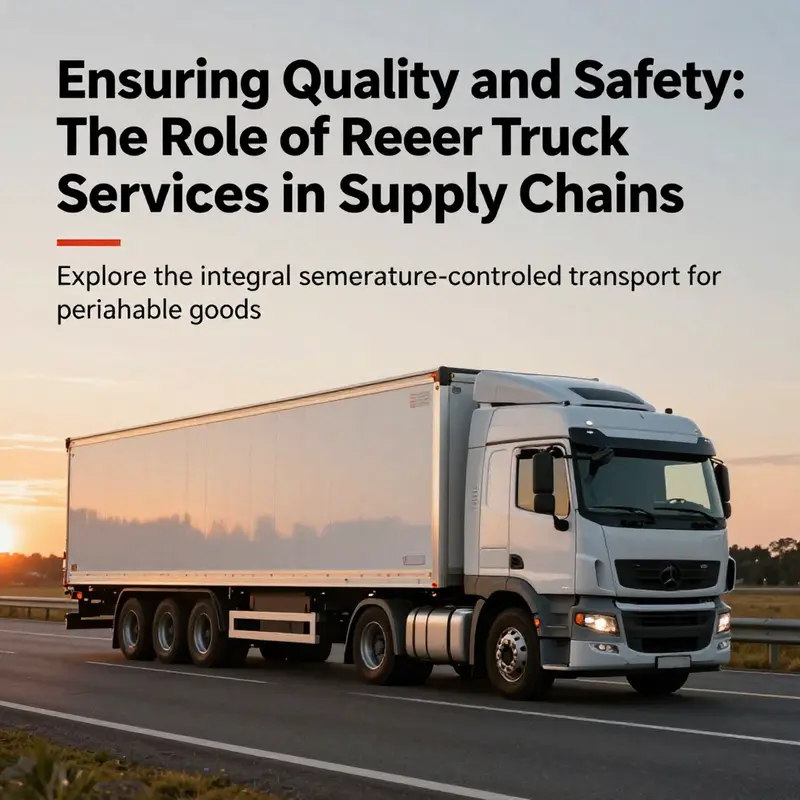
In today’s logistics landscape, the importance of maintaining product integrity cannot be overstated. Reefer truck services are essential for transporting a variety of temperature-sensitive products, ensuring that perishable goods reach their destinations in optimal condition. From fresh produce to pharmaceuticals, every sector benefits from the sophisticated technology and expertise that reefer services provide. This article delves deep into the realms of temperature-controlled transport, specialized fleet management, and global service networks. By examining these crucial elements, manufacturing and distribution companies, retail and e-commerce businesses, construction firms, and small business owners can better understand the advantages of relying on reefer truck services to meet their shipping needs.
Safeguarding Freshness on the Move: The Integrated Mastery of Temperature-Controlled Reefer Truck Services
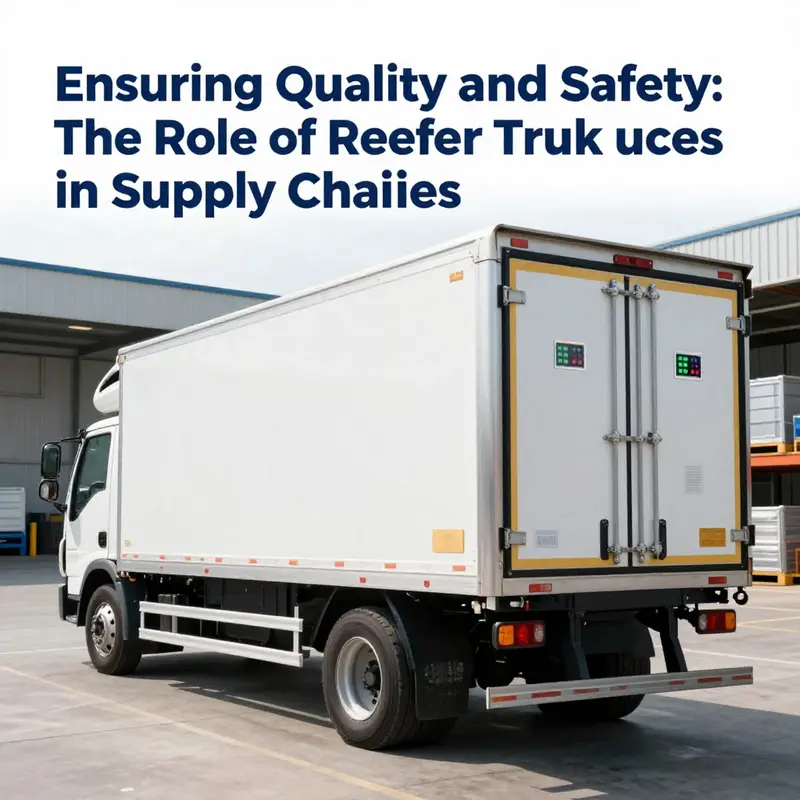
Every mile a reefer truck travels is a guarantee kept. Behind the quiet hum of a refrigerated rig lies a meticulously coordinated system designed to preserve the integrity of perishables and sensitive pharmaceuticals from origin to destination. Temperature control is not a single knob to turn; it is a suite of interlocking technologies, human expertise, and global logistics networks that together form a living cold chain. When viewed as a whole, reefer truck services reveal themselves as a comprehensive, technology driven discipline rather than a mere conveyance service. They are the unseen wind that keeps greens crisp, milk fresh, fish firm, and medicine potent, even as freight lanes stretch across continents and time zones. The essence of these services rests on precision, reliability, and the discipline to sustain exact conditions across diverse cargoes and climates. The result is a shipment that emerges at the other end of a journey with the same core attributes it had at the loading dock: safety, quality, and regulatory compliance.
In practical terms, reefer trucks are designed to maintain specified temperature envelopes throughout a journey. The equipment is built around advanced zoned refrigeration systems. Unlike older, single zone trailers, modern reefer systems can sustain multiple temperature settings within one trailer. A single voyage may carry frozen seafood in one zone, chilled dairy in another, and ambient goods in a third, with intelligent controllers ensuring each zone holds its set point independently. This zoning capability is a game changer for operational efficiency. It means a fleet can consolidate multiple orders within one trailer without forcing shippers to split loads or book separate trucks. Fewer trips, better equipment utilization, and tighter adherence to delivery windows all flow from this capability. In turn, the ecological and economic implications multiply. Denser cargoes, optimized routing, and reduced spoilage translate to lower waste, extended shelf life at the consumer level, and a smaller carbon footprint per unit of product delivered. The technology behind these flex zones often includes precise feedback loops, where sensors report real time data to onboard controllers and remote monitoring platforms. When a zone slips from its target, the system responds automatically, adjusting airflow, compressor output, or heater elements to restore balance. The result is a transport solution that does not merely react to changes in temperature but actively manages them with a level of precision once reserved for controlled laboratory environments.
Beyond zoning, the reliability of reefer services rests on a trifecta of monitoring, compliance, and human expertise. Real time monitoring is not a luxury; it is the backbone of quality assurance. Global position systems and remote temperature sensors feed data into centralized dashboards accessible to shippers, fleet managers, and receivers. Alerts can be triggered if there is a deviation from the agreed temperature range, if a door is left ajar, or if a shipment drifts out of its planned route. These capabilities enable proactive interventions, minimizing the risk of thermal abuse and the associated downstream costs. The monitoring framework often includes geo fencing, tamper detection, and vehicle health analytics, all of which contribute to a transparent, auditable record of how a shipment was treated along the way. This level of visibility is indispensable for demanding sectors, particularly pharmaceutical and perishable food industries, where regulatory expectations are high and the consequences of failure are severe.
All of this operates within a global service network designed to ensure consistent performance regardless of where the load originates or ends up. A robust reefer network does not simply cover a wide geographic area; it maintains uniform standards across borders and across carriers. The best operators invest in trained personnel who understand the nuances of temperature controlled transport and the regulatory landscapes in different jurisdictions. They maintain fleets with meticulous maintenance schedules and have contingency plans for extreme conditions, road closures, or demand spikes. The aim is to deliver reliability that shuns variability and delivers dependable transit times, even when external conditions challenge schedules. That global reach matters for customers who source products internationally and for whom tempo and compatibility across markets are essential to meeting consumer expectations and contractual obligations.
Temperature control in reefer services also intersects with strict regulatory frameworks and quality assurance protocols. For pharmaceutical shipments, compliance with Good Distribution Practice guidelines is increasingly a requirement. These guidelines address everything from the handling and storage conditions to the documentation and traceability that accompany each shipment. Non clinical stock and medicinal materials demand that temperature-controlled transport be managed with the same rigor as manufacturing processes. Similarly, food shipments are subject to standards and certifications that validate the integrity of the cold chain. Internationally recognized quality systems, like ISO 9000 family certifications, provide a framework for consistent process performance and continuous improvement. Some providers pursue CCC certification and other regional recognitions to demonstrate readiness for markets with particular regulatory expectations. Taken together, these standards are not bureaucratic hurdles; they are the infrastructure that supports confidence in cold chain operations and, ultimately, in the safety and quality of every product that travels through these networks.
An integral part of this architecture is the equipment itself, and here the industry has moved well beyond the basic insulated box. Modern reefer trailers and containers are engineered with a focus on reliability under diverse climatic stresses. In configurations that support multiple temperature zones, the system must be able to handle frequent door openings, fluctuating ambient conditions, and extended dwell times at distribution points. Materials used in the insulation, the wiring harnesses, the seals, and the compressors are selected to extend service life and maintain consistency across a broad operating envelope. The refrigeration system balances energy efficiency with the need for rapid response to load changes, ensuring that a shift in cargo needs does not leave other zones underperforming. The result is a fleet that can handle heavy, varied loads while maintaining exacting temperature profiles from the moment cargo enters the trailer to the moment it reaches its final destination.
Alongside the tangible hardware, the human element remains indispensable. Reefer specialists—technicians and operators trained specifically in the handling of temperature-sensitive shipments—bring knowledge that automation alone cannot replicate. They understand how to stage a load to prevent airflow issues, how to manage moisture control to avoid condensation or ice buildup, and how to monitor water ingress in cooler compartments that might otherwise degrade product quality. Their expertise is crucial when shipments involve high value or regulatory sensitive items, where even small missteps can have outsized consequences. The best providers integrate this know-how with data-driven processes, so decisions at the dock or on the highway are informed by a combination of hands-on experience and real time analytics. This synergy between people and technology is what sustains high service levels and keeps the cold chain secure even in the face of demand volatility or infrastructure constraints.
To speak to the breadth of applications, consider the variety of cargo that passes through reefer networks. Frozen seafood and other seafood varieties demand tight temperature control to preserve texture and flavor. Dairy products require a stable cool environment to prevent souring or fat separation. Fresh produce benefits from both cooling and humidity management, which helps extend shelf life and reduce spoilage. Temperature sensitive medications demand precise, stable environments, often with stringent regulatory oversight. Each category places a different emphasis on set points, ramp rates, humidity levels, and monitoring frequency. The same trailer can accommodate these diverse needs through zone control, careful planning, and vigilant oversight. The logistics choreography behind this is intricate, requiring careful orchestration of loading sequences, routing decisions, and timing windows so that products arrive in optimal condition and volumes align with demand. The driving principle is simple in outline, though complex in execution: preserve the product in the exact state required, with a defensible trail of data that proves it was done correctly every step of the way.
Beyond the technical and operational dimensions, reefer truck services are increasingly intertwined with broader supply chain strategies. As global trade patterns shift and consumer expectations evolve, the demand for reliable, compliant, and visibility-rich temperature-controlled transport has grown in tandem. Enterprises facing tight margins, high customer expectations, and regulatory scrutiny see reefer capacity as a strategic asset rather than a mere transport option. This perspective shapes how fleets invest in equipment, technology, and people. It also informs how shippers design contracts, set service level agreements, and structure risk-sharing arrangements with carriers. A robust reefer program becomes a core part of business resilience, enabling firms to weather disruptions without compromising product integrity or customer service levels. The result is a more resilient, more transparent, and more efficient cold chain that supports modern commerce across markets, from local grocers to multinational pharmaceutical distributors.
Economically, the trend is toward greater specialization within trucking fleets and more sophisticated integration with warehousing and distribution networks. Carriers increasingly tailor their reefer capabilities to match the needs of particular sectors, offering configurable zones, enhanced monitoring, and accelerated transit times for time-sensitive loads. This specialization helps reduce waste, lowers the total cost of ownership for temperature-controlled freight, and strengthens relationships with customers who rely on predictable delivery performance. Shippers, for their part, gain greater confidence knowing there is a partner who can translate complex regulatory requirements into a practical, end-to-end solution. The outcome is a more efficient, transparent, and accountable cold chain with fewer breakpoints and more consistent outcomes for products as diverse as leafy greens, fortified foods, and life saving medicines.
As the conversation around temperature-controlled transport continues to evolve, it is worth reflecting on how these systems are integrated at a macro level. The global service network, the continuous improvement mindset encoded in quality management practices, and the seamless interplay between human expertise and automated sensing all contribute to a robust ecosystem. This ecosystem makes it possible to deliver on promises that once seemed aspirational: a shipment that remains within specified temperatures from loading dock to consumer’s door, regardless of the journey’s length or uncertainty along the route. In practical terms, that means less spoilage, tighter inventory control, and stronger compliance narratives that reassure stakeholders across the supply chain. It means better quality for end users and more reliable, sustainable operations for businesses that depend on the integrity of temperature-sensitive goods. It means that the quiet confidence of a properly managed reefer load becomes, in fact, a measurable competitive advantage.
To readers seeking a deeper dive into the technical specifications and industry uses, a detailed guide on reefer trucks for sale explains material composition, technical specifications, and the various uses in industry. This resource provides a technical lens for the more practical observations described here and helps frame how the components of a reefer system translate into real world outcomes. For a broader context on how market dynamics shape the deployment of reefer capacity, consider the ongoing discussion of economic trucking trends. Economic trucking trends (https://fritzke-truckinginc.com/economic-trucking-trends/) illuminate how demand, capacity, and regulatory pressures influence fleet decisions and service levels across the cold chain. External readers can also consult a comprehensive external reference on equipment and specifications to understand the concrete attributes that enable precise temperature control in transit. External resource: https://www.truckpaper.com/reefer-trucks-for-sale-explained-material-composition-technical-specifications-and-uses-in-industry
How Specialized Fleets and Expert Teams Keep Temperature-Sensitive Cargo Intact
Specialized Fleet and Expertise: Vehicles, Powertrains, and People
Reefer truck services depend on a purpose-built fleet and trained personnel who together form the backbone of cold chain reliability. A refrigerated vehicle is far more than a truck with a cold box. It is an engineered system that combines structural insulation, a precise refrigeration unit, power and control systems, and human expertise. When that combination is designed and operated correctly, temperature-sensitive goods arrive in the same condition they left. When it is not, losses multiply quickly and trust erodes.
At the vehicle level, operators choose configurations to match cargo type and route profile. A common example is a mid-sized refrigerated truck with a five-ton payload capacity. This size balances volume and urban accessibility. It supports frequent stops and narrow streets without sacrificing usable load space. Such trucks commonly operate in three basic body styles: fully enclosed insulated vans, box trucks with rear access, and units with side-access doors for rapid curbside distribution. Each shape addresses different demands. Rear-access vans are efficient for palletized freight. Side-access models excel for multi-stop routes and time-sensitive last-mile deliveries.
Thermal performance begins with the shell. High-grade insulation and tight sealing reduce heat ingress and stabilize internal conditions. Interior finishes are selected for hygiene and ease of cleaning. Door designs matter as much as insulation thickness. Roll-up and side doors with well-engineered seals minimize warm air infiltration during loading. Built-in ramps, docks, and lift gates reduce exposure time by speeding cargo transfer. Those small reductions in air change generate measurable gains in temperature stability across a route.
Refrigeration systems are engineered to control temperatures across a broad range. Typical service ranges span deep-freeze conditions up to chilled and controlled positive temperatures. Precision matters; different commodities require different set points. Fresh produce and live seafood may need narrow, constant ranges with humidity control. Frozen foods and certain pharmaceuticals require sustained subzero conditions. Modern units deliver tighter tolerance, lower variance, and faster recovery after door openings. They also include redundant features such as dual compressors or backup power options to protect against single-point failures.
Powertrain decisions increasingly shape fleet strategy. Traditional diesel drivetrains still dominate long-haul routes for their energy density and refueling speed. But electric and hybrid powertrains are becoming viable for urban and regional operations. Battery-electric trucks offer quiet operation and zero tailpipe emissions at the point of delivery. They reduce local air quality impacts and sometimes lower operating costs when duty cycles match battery range and charging infrastructure. For reefer applications, integrating refrigeration with an electric drivetrain changes how auxiliary power is supplied. Electric systems can run refrigeration units directly from traction batteries or use dedicated thermal batteries. Fleet managers must weigh initial acquisition cost against total cost of ownership, maintenance patterns, and available incentives or local regulations. The shift toward electric vehicles also impacts maintenance training, depot charging layout, and scheduling practices. For readers interested in electric truck adoption and market developments, see the discussion of maintenance and fleet trends in this resource: private fleets trends in trucking maintenance.
Fleet reliability depends on more than the vehicle itself. Predictive and preventive maintenance programs keep refrigeration performance within specification. Vibration and wear can degrade compressor efficiency. Refrigerant leaks reduce cooling capacity and may breach environmental laws. Scheduled inspections address seals, door hardware, refrigeration circuits, and insulating panels. Modern maintenance regimes use telematics and analytics to detect early signs of failure. Data from temperature sensors, compressor cycles, and battery state-of-charge enable targeted servicing before a breakdown interrupts a route.
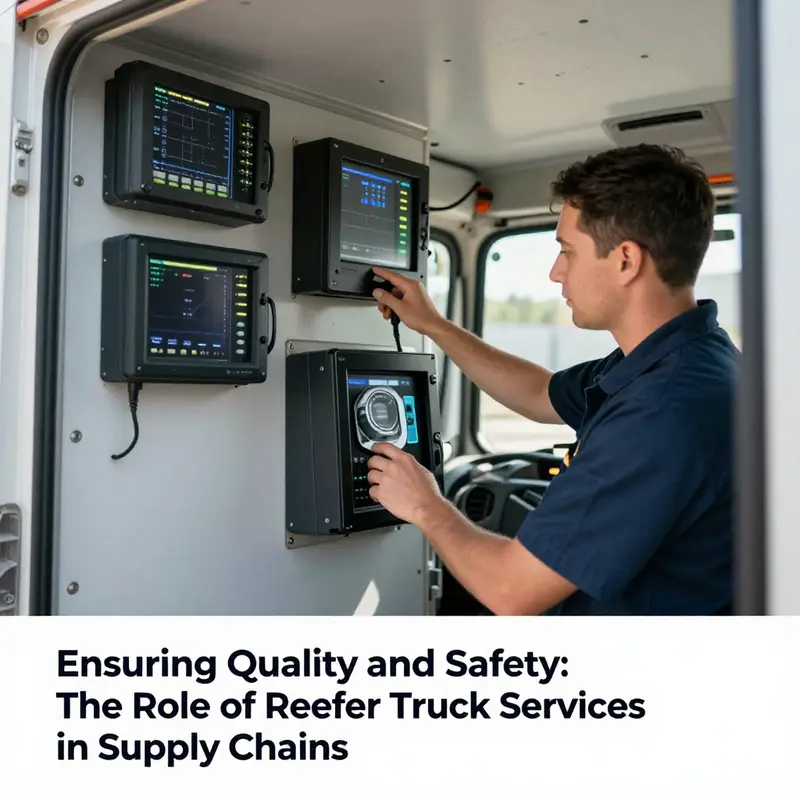
Monitoring technology gives operators real-time oversight of cargo conditions. Telematics systems combine GPS tracking, temperature sensors, door-open indicators, and event logging to create a continuous record. Alerts fire when temperature deviates from allowable thresholds or when a door has been open too long. These systems support both reactive responses and preventive measures. Remote diagnostics can often identify why an alarm occurred. In many cases, a technician can advise a corrective action that avoids spoilage. The recorded data also supports compliance and claims handling by providing a time-stamped audit trail for each shipment.
Human expertise ties the technical elements together. Dedicated reefer specialists are trained in load planning, temperature mapping, cargo handling, and regulatory compliance. They understand how a mixed pallet stack affects air circulation. They know how to segregate incompatible goods and how to set up a container so refrigeration air can flow freely. Expertise extends to packaging choices and palletizing methods that reduce temperature stratification. For higher-value shipments, specialists build tailored plans that account for route timing, transfer points, and contingency options.
Compliance is another core skill area. Temperature-sensitive shipments often fall under strict regulatory regimes. Pharmaceuticals may be subject to Good Distribution Practice standards. Perishable foods must meet safety and traceability requirements. Cross-border shipments introduce additional complexity. Paperwork, customs declarations, and sanitary certifications must align with the physical chain. Specialists coordinate these elements and document adherence. They also ensure vehicles and containers meet required certifications and testing schedules. That documentation is essential for audits and for minimizing risk during inspections.
Risk management is frequently layered into service offerings. Beyond equipment redundancy, companies implement operational measures such as load doubling, scheduled transfer points, and emergency rerouting plans. Insurance structures vary by provider, and some offer broad coverage that protects against many external risks. For shippers, this coverage functions as a practical safety net when independent factors threaten cargo integrity. Risk mitigation also includes validated procedures for temperature excursions. Those procedures define when to quarantine a load, who to notify, and how to arrange repackaging or disposal in accordance with law and customer requirements.
Training and standard operating procedures are the glue that holds fleet and monitoring systems together. Drivers and handlers learn to operate refrigeration controls, respond to alarms, and perform basic troubleshooting. They also master hygiene protocols for food and pharmaceutical cargo. Regular refresher courses and simulated incident drills keep skills current. The best programs tie individual training records to certification management so that every shipment is handled by personnel with the appropriate credentials.
Route planning in reefer logistics is an exercise in timing and control. Planners account for traffic patterns, transfer windows, loading dock availability, and ambient temperature. High ambient heat or prolonged dwell times can compromise a carefully set shipment. Therefore, planners schedule refueling and charging stops, avoid lengthy congestion-prone segments, and sequence stops to minimize door openings and exposure. Sophisticated routing software can integrate real-time traffic and weather to suggest dynamic reroutes that preserve temperature integrity.
Interoperability with other transport modes is another expertise area. Many shipments begin on a refrigerated trailer, transfer to a container on a vessel, and finish on a local truck at the destination. Each transfer point introduces exposure risk. Specialist teams coordinate timings and physical transfer methods to avoid unnecessary wait times. They verify that intermediate storage complies with temperature requirements and that transfer equipment maintains cleaning and traceability standards. When transfers cannot be avoided, they design handoffs that preserve the cold chain and maintain a continuous data record.
Scalability and contingency planning matter for seasonal demand spikes and emergencies. Cold chain demand rises sharply for certain commodities and seasons. During those periods, fleets must scale without sacrificing control. This challenge often leads providers to maintain flexible asset pools and vetted subcontractor relationships. Qualification processes for third-party assets focus on equipment condition, monitoring capability, and personnel competency. Subcontractor units are tested to ensure they meet the same temperature control tolerance as primary fleet vehicles.
Customer collaboration is central to delivering value. Specialized providers work with shippers to tailor packaging, scheduling, and reporting. They recommend temperature set points, humidity levels, and loading patterns appropriate for the cargo and the route. They also provide reporting formats that integrate with customer systems, enabling shared visibility. Transparency reduces dispute and supports faster decision-making during an incident.
Investment in technology and people delivers measurable returns. Better temperature control reduces spoilage rates. Faster recovery after door openings preserves product quality. Remote monitoring and predictive maintenance cut downtime. Well-trained teams reduce handling errors. Combined, these improvements increase customer confidence and reduce total logistics cost. For cargo owners, investing in specialized reefer services shifts operational risk to experts and creates reliable delivery performance.
Ultimately, a specialized fleet and its expert team act as a single system designed to protect value in motion. Vehicles are engineered for thermal stability and accessibility. Powertrains are chosen to match duty cycles and sustainability goals. Monitoring systems provide continuous oversight. Maintenance programs and certifications maintain equipment performance. Trained personnel manage handling, compliance, and contingencies. When these elements align, temperature-sensitive goods flow through the supply chain with predictable quality and traceability.
For a concise overview of a logistics provider’s reefer services and specifications, see this technical reference: https://www.dhl.com/da-dk/home/services/transportation/reefer.html
Building a Reliable Cold Chain: How Global Reefer Networks Protect Temperature-Sensitive Goods
How global reefer networks keep temperature-sensitive shipments secure and compliant
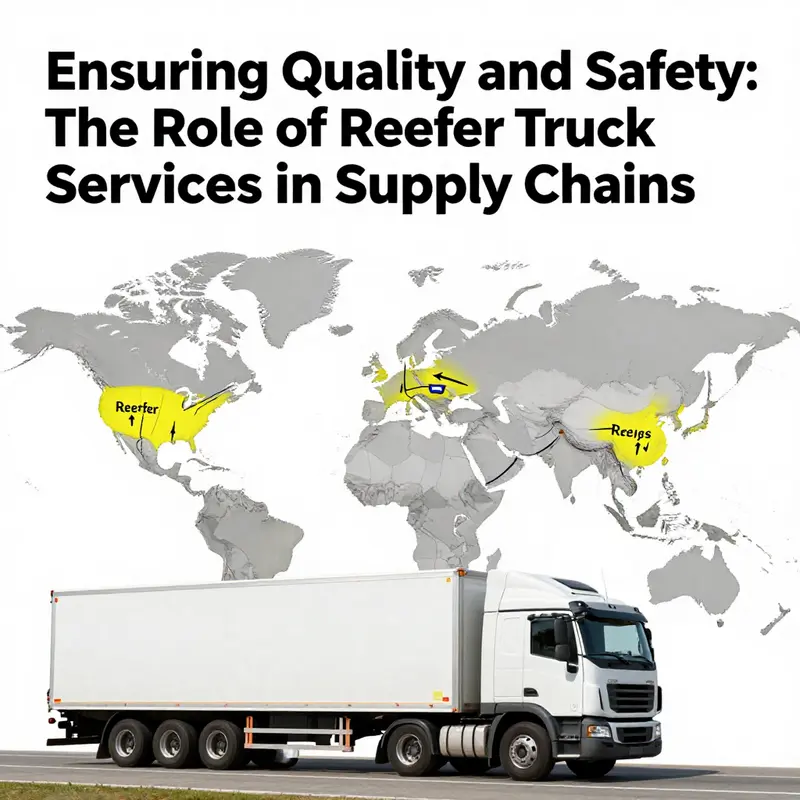
A global service network for refrigerated trucking is more than a map of routes. It is a living system that combines equipment, people, procedures and digital oversight to move temperature-sensitive goods across borders without compromise. For shippers of fresh produce, pharmaceuticals, frozen foods and other perishable cargo, the network’s design determines whether a shipment arrives within tolerance or becomes a total loss. This chapter explains how those networks are built, how they operate, and what makes them resilient and trustworthy.
At the heart of any global reefer network is a distributed fleet and an ecosystem of partners. Fleets include refrigerated tractors and trailers, marine reefers, and temperature-controlled containers. But equipment alone is insufficient. Operators layer robust standard operating procedures (SOPs), trained personnel, certified handling points, and lane-level planning over hardware. These elements work together to maintain temperature integrity from pickup to delivery, wherever the route travels.
Networks are organized around hubs, lanes and service corridors. Hubs concentrate specialized resources such as temperature-controlled storage, calibrated equipment, and trained handling teams. They are strategically placed at ports, major inland terminals and near pharmaceutical clusters. Lanes connect these hubs with predictable transit times. On busy lanes, providers assess risk by season, route, and commodity to size capacity, assign the best equipment, and define contingency options. This lane-level focus reduces surprises and sets expectations for customers.
SOPs and compliance frameworks are essential across every node in the network. These documents cover pre-shipment checks, trailer and container preparation, cargo loading and segregation, required documentation, temperature set points, alarm thresholds and deviation responses. For regulated industries, networks embed Good Distribution Practice and other regulatory protocols into SOPs. Audits and periodic reviews ensure SOPs are current and that staff are competent. The result is a consistent, repeatable operation that regulators and customers can trust.
Monitoring and visibility form the operational backbone. Modern networks layer IoT sensors, GPS tracking and centralized visibility platforms to provide continuous oversight. Sensors record temperature, humidity and door events. Telemetry uploads to cloud platforms where operations teams and shippers can view live and historical data. Alerts trigger when parameters stray from set limits. This real-time picture enables immediate intervention—rerouting, refrigeration adjustments or expedited customs clearance—reducing product exposure and financial risk.
Digital platforms also deliver audit-ready records. For pharmaceuticals and biotech, maintaining tamper-proof logs is a compliance requirement. Networks capture time-stamped sensor data, chain-of-custody events and handling notes. These records support temperature excursion investigations and regulatory submissions when necessary. Transparency drives trust: when a shipper sees end-to-end data, they can quantify risk and validate supplier performance.
A global footprint depends on local competence. International networks succeed by partnering with vetted carriers, cold stores and customs brokers in each market. Local partners provide regional knowledge—permit requirements, import controls, and last-mile constraints. Central operators maintain quality standards and require partners to meet training, equipment and reporting criteria. This partnership model scales the network without diluting control, as operators enforce consistent service levels across jurisdictions.
Cross-border movement adds complexity in permits, documentation and customs procedures. Networks embed customs expertise to pre-clear shipments when possible and manage temperature-controlled inspections that cannot tolerate delays. Understanding harmonized commodity codes, sanitary requirements and permit windows is critical. When customs procedures are unpredictable, networks build buffer time into transit plans and maintain contingency capacity to avoid exposure risks.
Contingency planning separates resilient networks from fragile ones. Operators design playbooks for common disruptions: equipment failure, port congestion, extreme weather, and documentation issues. Contingency measures include standby equipment pools, alternate routings, local cold storage options and expedited customs lanes. Exercises and scenario planning validate these options and train teams to execute under pressure. The goal is to limit the time cargo spends outside its required conditions.
Capacity management is another vital capability. Demand for temperature-controlled transport fluctuates with harvest seasons, promotional cycles and public health needs. Networks forecast demand using historical data and market intelligence. They align fleet allocation and partner capacity to match peak windows. Flexible contracts and surge resources help absorb spikes without compromising service to core customers.
Sector-specific requirements shape how networks operate. For instance, fresh produce often requires tight time windows and dynamic routing to maintain freshness. Frozen goods need consistent sub-zero temperatures and robust insulation during transits. Pharmaceuticals and biologics impose strict documentation, validated equipment and controlled-chain procedures to comply with regulatory bodies. Networks create tailored service tiers to match these requirements, enabling shippers to choose the right level of oversight and protection.
Training and personnel competence are continuous investments. Temperature control relies on humans as much as on cooling units. Drivers, handlers and terminal staff need training in cargo-specific handling, alarm response, and documentation protocols. Certifications and refresher programs ensure frontline teams implement SOPs consistently. The most effective networks also empower staff with digital tools that simplify recording actions and reporting deviations in real time.
Data and analytics drive continuous improvement. Operators collect sensor data, on-time performance, temperature excursion incidents and handling exceptions. Analytics identify recurring weak points—specific lanes with frequent delays, terminals with handling issues, or equipment models prone to failures. By addressing these root causes, networks reduce spoilage, improve on-time delivery, and lower overall cost. Predictive analytics can flag likely equipment problems before they fail, enabling preemptive maintenance and avoiding disruptions.
Customer integration is an overlooked capability that differentiates providers. Leading networks offer APIs and portals that integrate with shipper systems for booking, tracking and documentation. This integration reduces manual entry, shortens processing times and improves transparency. Shippers that require audit trails can retrieve certified logs directly. Integration also enables automated exception handling and triggers for supply chain partners downstream.
Service contracts and performance metrics clarify expectations. Contracts define temperature ranges, liability for deviations, allowed drift, response timelines and reporting obligations. Service level agreements (SLAs) include on-time delivery rates, data availability, and equipment reliability measures. Clear metrics align incentives and provide a basis for continuous improvement.
Sustainability and energy efficiency are becoming core design factors. Refrigeration consumes fuel and electricity. Networks optimize equipment selection and routing to reduce energy use. Innovations include higher-efficiency refrigeration units, improved insulation, and route optimization to minimize idle time. Transition plans for lower-emission tractors and electrified yard equipment are on many operators’ roadmaps. These approaches lower operating costs and reduce the environmental footprint of cold chains.
Integration with other modes is essential for true global reach. Cold chains commonly cross sea, air, and land. Smooth handoffs between modes preserve temperature integrity. This requires synchronized timing, compatible equipment interfaces and pre-coordinated handling plans. For transoceanic moves, refrigerated containers are staged and pre-cooled. For air shipments, cold storage at airports and rapid handling are prioritized. Intermodal contracts often include explicit specifications for temperature continuity across every transfer.
Scaling the network internationally also raises questions about governance and oversight. Centralized control centers monitor global flows and coordinate responses. Regional operation centers manage local execution. Governance frameworks set standards for partner selection, incident escalation, and audit frequency. Regular third-party audits and certifications validate system integrity and provide external assurance to shippers.
Pricing and commercial models reflect the complexity of global refrigerated services. Rates account for equipment, energy, specialized handling, monitoring, and regulatory compliance. For high-risk or regulated cargo, pricing often includes premium services such as dedicated units, enhanced validation, and guaranteed audit trails. Transparent pricing models help shippers understand trade-offs between cost and risk.
Finally, network resilience is tested during disruptions. When ports congest, weather closes routes, or demand spikes unexpectedly, networks with diversified lanes, partner redundancy and strong contingency plans maintain service continuity. Resilient operators continually invest in scenario planning and infrastructure upgrades to adapt to changing market dynamics.
A strong global reefer network is a strategic asset for any shipper of temperature-sensitive goods. It blends physical infrastructure with digital oversight, local expertise and rigorous procedures. The network’s architecture—its hubs, lanes, partnerships, SOPs, and monitoring systems—determines the level of risk a shipper faces. For procurement teams, evaluating providers means assessing more than trucks and containers. It requires scrutinizing lane plans, contingency readiness, data capabilities, and partner governance.
For teams managing cross-border shipments, networks that offer integrated customs support and pre-clearance options make a measurable difference. For a deeper look at regulatory complexities that affect international transport and how operators navigate them, see this discussion of cross-border regulatory issues.
Operational transparency and documented compliance are non-negotiable in many industries. When every degree matters, shippers rely on networks that provide real-time oversight, validated equipment, and audit-ready records. The best global reefer networks make temperature control visible, repeatable, and defensible—turning a vulnerable shipment into a predictable outcome.
For more detail on how leading global providers structure ocean-aware refrigerated services and control platforms, visit the external resource below.
https://www.thermonet.com/services/ocean-reefer
Final thoughts
In conclusion, the integral role of reefer truck services in transportation cannot be overlooked. By maintaining strict temperature controls, utilizing specialized fleets, and leveraging global networks, businesses can ensure their temperature-sensitive goods remain safe and high-quality throughout their journey. Whether you are a manufacturer, retailer, or small business owner, understanding these services can significantly enhance your shipping processes and product integrity. Investing in reliable reefer truck services leads to better customer satisfaction and compliance with industry standards, ultimately boosting your business’s reputation and success.