
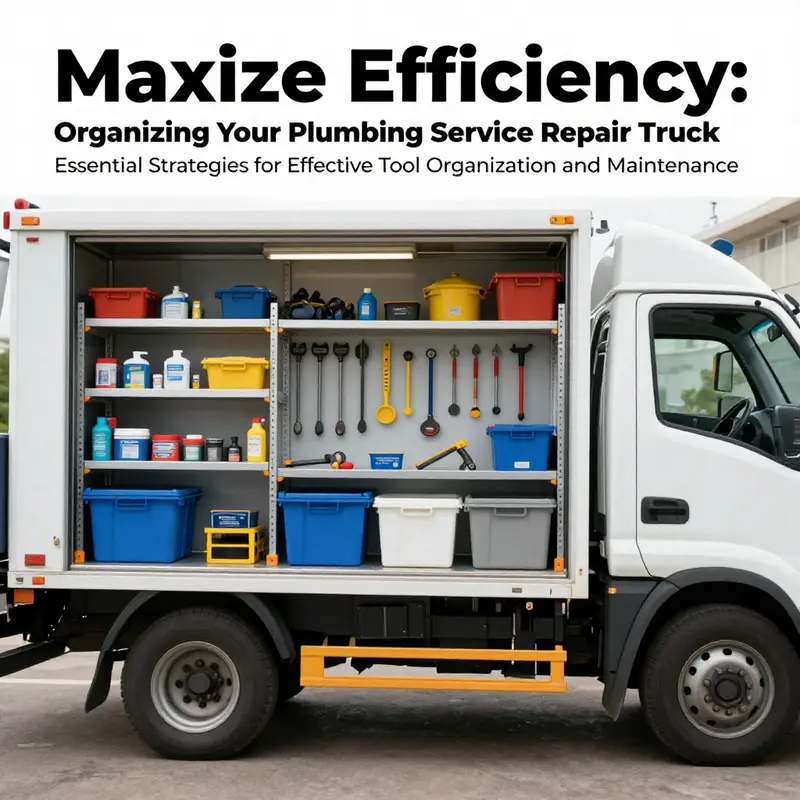
Organizing a plumbing service repair truck is essential for maximizing efficiency and ensuring quick access to tools and materials. This systematic approach not only facilitates prompt service delivery but also contributes to a professional image, enhances customer satisfaction, and boosts overall operational effectiveness. This guide will take you through four crucial strategies: customizing the interior with a shelving system, utilizing a zone-based layout to streamline operations, prioritizing accessibility and safety, and maintaining a digital inventory with regular maintenance. Together, these strategies form a comprehensive framework for optimizing your plumbing service repair truck.
Turning a Plumbing Service Truck into a Mobile Workshop: The Power of a Customized Shelving System
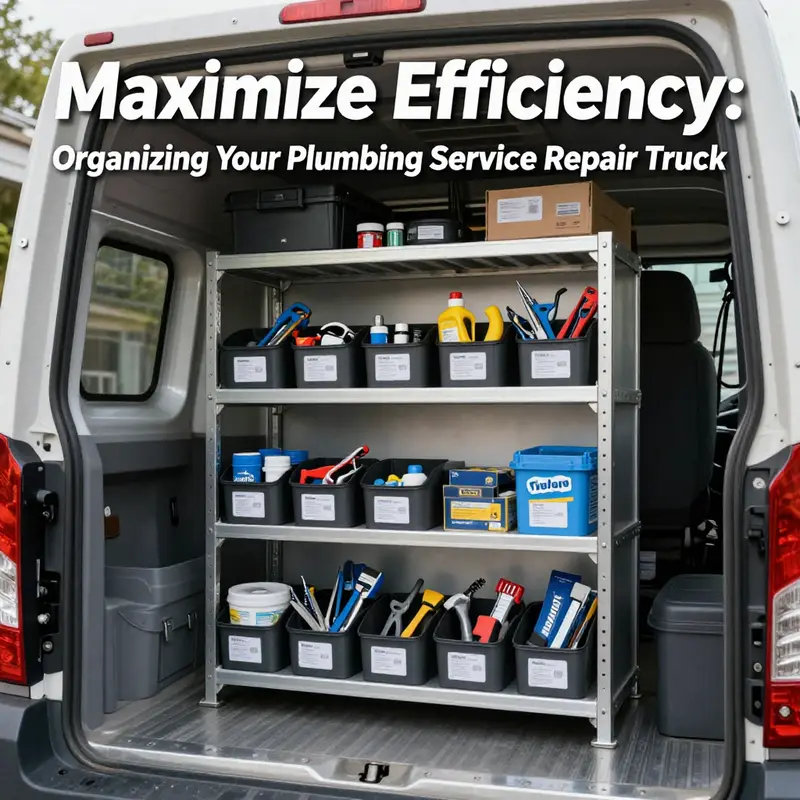
A plumbing service truck is more than a transport vehicle; it is a mobile workshop that travels from job to job, carrying everything needed to diagnose, repair, and restore systems on the spot. Getting the interior right is not a luxury; it is a productivity multiplier. A customized shelving system does more than hold tools. It creates a logical rhythm to the entire day, reduces search time, protects fragile components, and projects a professional image to customers who are watching how you arrive, what you carry, and how quickly you work. The approach starts with a clear assessment of what you actually use and ends with a modular system that can grow with your business. The path from assessment to a practical, adaptable layout is not a single magic trick but a sequence of deliberate choices that align with how you work, what you carry, and how you want your van to perform on every call.
Begin with a thorough inventory of tools, parts, and supplies. This is not a decorative exercise: it is the backbone of the entire design. Group items by function and frequency of use. For example, pipe fittings, washers, and O-rings sit alongside sealants and adhesives in a supply zone; wrenches, pliers, and cutters belong in the tool zone; a compact workstation for on-site repairs sits in the work zone; and estimate pads, contracts, and invoices live near the customer service area. When you inventory, you must also note the size, weight, and vulnerability of each item. Small parts require clear labeling and quick access, while heavy components—pipes, pumps, or large containers—need sturdy supports low in the vehicle to maintain balance. This initial step is essential because it informs every subsequent decision about shelving, drawers, and secure mounting.
With that inventory in mind, design a modular shelving system that can be customized as needs shift. Seek adjustable shelves that slide or tilt, removable trays for fast access to common fasteners, and heavy-duty materials that can withstand the vibrations of travel. Powder-coated steel is a practical baseline; it resists corrosion and keeps equipment secure for years. Non-slip inserts under tools and on shelf surfaces help prevent shifting during transit, which protects both the gear and the driver. Consider the use of shallow bins for small parts and deeper bins or drawers for larger components. The goal is to create a flexible skeleton that can be reconfigured in minutes as workloads change, enabling you to rotate the most used items to the most accessible locations while keeping less frequently used items out of the way but still within reach.
A zone-based mindset strengthens the logic of the interior. The tool zone should sit toward the middle of the van so heavy items are not perched high where they could topple. The top shelves can hold rarely used items or seasonal tools; the middle shelves should house frequently used pliers, pipe cutters, gauges, and inspection mirrors—items you reach for repeatedly. The bottom shelves and floor bins are ideal for heavy pipes, water pumps, and large containers that would be cumbersome to lift off a high shelf. A separate work zone, ideally adjacent to natural standing space, functions as a folding table or bench that supports on-site assembly and test fittings. The customer service zone, with a clean, accessible surface for estimates, contracts, or invoices, reinforces a professional image and speeds the paperwork process on-site. Grouping similar tools by function in distinct sub-sections—soldering equipment in one area, drainage tools in another—reduces the mental load and shortens search time when you are under time pressure.
Thoughtful drawer systems add a final layer of organization for small parts. Label drawers or bins clearly with printed tags or a simple color-coding system so that a quick glance tells you where a particular item lives. This is not a vanity project; it is a safety and efficiency measure. When you are on a call with a customer who is watching you work, the ability to grab exact components in seconds can translate to more completed repairs and less downtime. Transparent or clear containers can further reduce the time you spend searching, because you can visually confirm stock levels at a glance rather than pulling each bin out to peek. The labeling should also be consistent with your digital inventory so that what you see in the truck matches the records on your tablet or phone.
Security and safety extend beyond making things easy to find. Everything in a mobile workshop needs to stay attached during transit. Straps, latches, bungee cords, and locking mechanisms all have a role, but the quality and positioning of those fasteners matters most. Place heavy items low and secure them with anti-tip brackets or floor anchors. Use anti-vibration mounts for electronic testers or compact diagnostic tools so that sensitive equipment can survive rough roads without becoming miscalibrated. A robust mounting system protects your equipment, prevents potential injuries, and reduces the likelihood of expensive repairs after a trip to a job site.
Beyond static storage, a well-designed mobile workstation adds real value. A foldable workbench can be deployed when there is space to lay out pipes or assemble components. Integrated lighting—such as a slim LED strip along the edge of a work surface—improves visibility in dim crawl spaces or garages. Magnetic strips and tool holders along the work zone edge enable quick access to common metal tools, while dedicated places for torque wrenches, multimeters, or small power tools keep them from becoming lost in a larger bin. These features do not just serve productivity; they shape a professional, confident service impression that customers notice. When combined with clean, organized surfaces, they convey competence and preparedness that can translate into repeat business and referrals.
Pairing physical organization with digital inventory management closes the loop between what you see and what you have. A simple app or spreadsheet that tracks stock levels, restock dates, and usage frequency helps you preempt shortages, ensuring you do not miss critical items on the job. The digital log should mirror the physical layout: the most frequently used items should be easy to order and restock when the system indicates low levels. This integrated approach reduces the cognitive load on you and your crew and creates a reliable feedback loop that improves the reliability of every repair. The beauty of the system is that it scales with the business. If you add crew members or take on more complex jobs, you can expand shelves, add modules for new tools, or reallocate existing space to support the broader service offering.
A critical phase in bringing this to life is testing and refinement. After installing the shelving and the workstations, simulate real job scenarios to assess whether you can grab the right tool in under ten seconds, as a practical benchmark. If you cannot, revisit the layout, move items closer to the center of the zone, or reduce the number of subcategories to minimize confusion. This testing mindset is not about perfection at first try; it is about iterative improvements that align with actual field conditions. You will learn which areas are consistently overtaxed, where weight distribution needs adjustment, and how the workflow feels when your hands are full with a toolbox and a pipe press simultaneously. Document these adjustments and re-test until the cadence of work feels effortless.
The cleanliness and upkeep of the interior matter as much as the layout itself. Regular maintenance and cleaning sessions should become a built-in habit, not an afterthought. A quick wipe-down at the end of each day keeps grime from building up, while periodic checks identify worn straps, frayed rubber mats, or loose mounting points that could compromise safety. Cleanliness has a direct impact on effectiveness: a tidy space reduces the chances of misplacing a critical part and minimizes the risk of slipping on residual liquids. As you maintain the system, you also refine it, turning your truck into a resilient workshop that travels with you rather than fighting you on every call.
The decision to adopt this approach is not only about operational efficiency; it is also about sustaining a professional image across a fleet. A well-organized truck communicates reliability to customers and signals that the business cares about its work environment as seriously as it cares about the work itself. This perception matters, because customers frequently equate tidiness and preparedness with competence and accountability. When a client sees a neatly arranged truck, a labeled inventory, and a ready-to-work technician, they gain confidence that your service will be punctual, accurate, and thorough. The logistics of organization ripple outward, shaping scheduling, dispatch, and the overall customer experience. A streamlined truck layout can also influence your pricing strategy by reducing on-site time, which in turn improves margins and enables you to take on more work.
For teams that move between markets and fleets, keeping cost in mind is essential. A modular shelving system limits capital expenditure to components that you know will work in the long term. It enables you to reconfigure rather than replace as the service mix shifts. In practical terms, this means you can adapt to different call profiles—emergency repairs, routine maintenance, new installations—without purchasing an entirely new setup. The same framework can guide decisions about a future vehicle replacement, since the modular approach transfers between trucks with minimal friction. You can, for instance, replicate a successful shelf layout in a larger or smaller vehicle, adjusting only the dimensions but preserving the logic that makes the system effective.
As you implement this approach, you may find value in looking at broader industry trends that touch private fleets and maintenance practices. For example, crews operating private fleets increasingly emphasize maintenance planning and standardized toolkits as routes to reliability and cost control. A thoughtful reference point is the ongoing discussion around private fleets trends in trucking maintenance, which highlights how fleets balance accessibility, durability, and cost. This context reinforces what you already know in practice: a well-planned interior is not a luxury; it is an operational necessity that underpins consistent service delivery. See more about these trends at this resource: Private fleets trends in trucking maintenance.
In parallel with physical organization, you should anchor the process in safety and ergonomics. An ergonomically sound vehicle layout reduces fatigue, lowers the risk of strain while handling heavy parts, and supports longevity in your driving career. This is not just about comfort; it is about sustaining a high level of performance across countless jobs. The National Institute for Occupational Safety and Health offers evidence-based guidance on vehicle-based work environments that can help you optimize posture, reach, and load distribution in the truck. For practical safety and ergonomics context, explore their vehicle work guidelines: https://www.cdc.gov/niosh/topics/ergonomics/vehiclework.html. The combination of a physically optimized interior and a disciplined operational process creates a durable competitive advantage that is as replicable as it is scalable.
In sum, turning a plumbing service truck into a mobile workshop through a customized shelving system is a deliberate investment in speed, accuracy, and professionalism. It starts with a precise inventory, moves through a modular design that adapts to changing needs, and culminates in a cohesive workflow that lives both in the truck and on the digital record you keep. The result is a vehicle that not only transports your gear but amplifies your capability, turning every call into a well-executed service experience that reinforces trust and grows your business. The practical details—adjustable shelves, secure mounts, labeled drawers, and a small, efficient work zone—are not merely logistics; they are the backbone of a consistently reliable service offering. As you refine the layout and test it against real-world scenarios, you learn how to shrink the distance between your plan and the actual repair, making your truck an extension of your craft rather than a compromise between tool storage and field performance. This integrated approach—physical organization, digital tracking, safety, and continuous refinement—will keep you ready, responsive, and professional on every job, season after season.
Zone-by-Zone Mastery: Turning Your Plumbing Service Truck into a Mobile, Pro Workshop
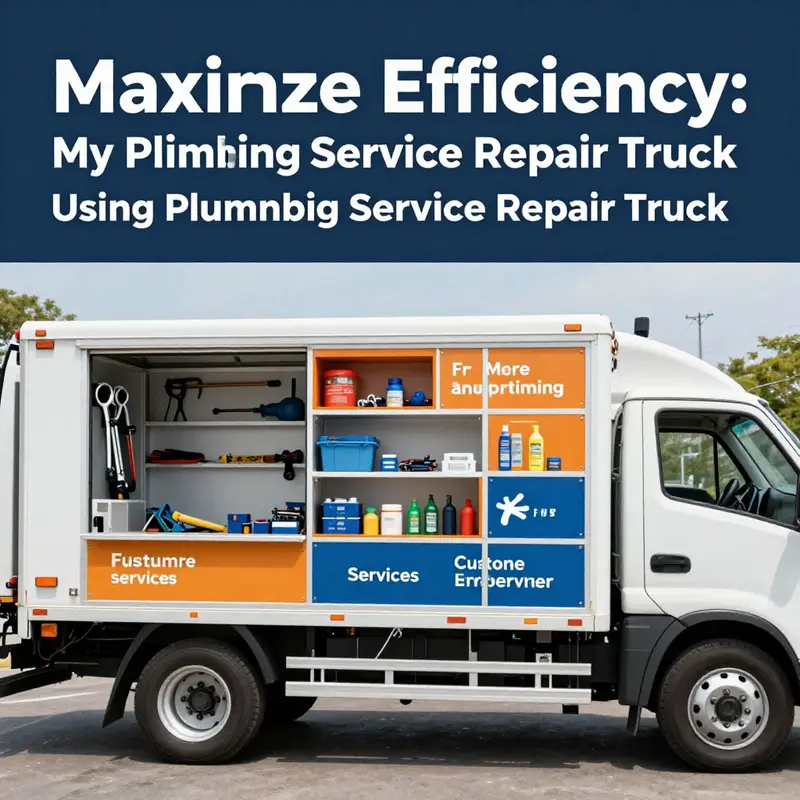
A plumbing service truck is more than a storage box on wheels; it is a compact, dynamic workshop that must respond to a busy day. When you treat the interior as a living system rather than a jumble of tools, the daily routine shifts from chasing parts to delivering fast, professional service. A zone-based layout makes that shift possible. It creates a mental map that aligns every tool, every part, and every work surface with the step in the job where it will be used. The result is not simply tidier gear; it is a more predictable workflow, safer handling of heavy items, and a customer experience that feels seamless from first contact to final invoice. In this mindset, the truck becomes a mobile shop floor that supports the technician, the customer, and the business as a whole.
The essence of the approach lies in dividing the interior into distinct functional zones that correspond to the real tasks performed on site. This is not a rigid blueprint but a flexible framework you tailor to your typical jobs, vehicle size, and inventory. The goal is to minimize the time spent searching, reduce the risk of shifting loads during transit, and present a calm, professional workspace to clients when you arrive. A well-planned zone system also makes routine maintenance and cleaning part of the job rather than an afterthought, which in turn extends tool life and preserves your professional image. Think of the zones as the stages of a typical service call: preparation, on-site repair, material handling, and post-service administration. Each stage has its own dedicated space, so the moment you step into the truck, your body knows where to reach, what to pull, and where to place it.
Begin with a layout that respects weight distribution and the vehicle’s center of gravity. This matters just as much in a mobile shop as it does on a worksite. Place the heaviest items low and secure, never high where a sudden stop or uneven road can cause them to shift. A zone-based approach makes this easier because it creates natural compartments whose primary purpose is to keep weight properly distributed. It also supports a smaller footprint of clutter. When every drawer, bin, and panel has a clearly defined purpose, there is less temptation to repurpose a spare corner for temporary storage. Over time, this consistency becomes second nature, and the daily routine begins to move with a quiet efficiency that clients can feel the moment you pull up to their property.
The front of the truck often serves as the first impression point with the client, so the zone system starts there with a dedicated Service and Client Zone. This area should feel approachable, clean, and uncluttered because it is the space that clients associate with professionalism. A foldable workbench or compact table near the door provides a surface for jotting notes, displaying estimates, or showing up-to-date invoices. It is wise to equip this zone with a digital tablet or mobile laptop, a clipboard, a small, easy-to-clean printer for receipts, and a portable charger for devices. A clean, comfortable seating option such as a small foldable stool offers a moment of conversation with the homeowner or business client. If you keep this zone free of extraneous items and secure the power cords and cables, you project reliability and preparedness from the moment you step inside.
Directly behind the client-facing area sits the Tool and Equipment Zone, the core of the mobile workshop. This is where the most commonly used hand tools and equipment live, arranged for rapid access without rummaging. Large, heavy-duty drawer units and wall-mounted tool panels can be mounted to the interior walls, allowing for adjustable dividers and clear plastic bins that categorize items like wrenches, pliers, pipe cutters, and clamps. The idea is to keep the tools at eye level whenever possible, so the most frequently used items are reachable without bending or overstretching. Mounting essential tools such as a pipe wrench or hacksaw on a wall panel provides instant grabbing power. With this zone, the technician enters a rhythm: unscrew, cut, fit, tighten, and move on. The data and the layout work together to reduce the cognitive load of the job, letting the hand do what the mind already knows.
At the rear of the truck, the Material and Supply Zone becomes a curated library of parts and consumables. When you store bulkier materials here PVC pipes, fittings, sealants, plumber tape, and replacement washers deep shelves or stackable bins help you maximize vertical space while keeping items visible and easy to restock. Placing heavier items on the lowest shelves supports stability and safety, which is particularly important when you are driving through varying terrain or sudden stops. Transparent containers with clear labeling enable quick visual confirmation of stock levels, so planning for the next call becomes a matter of a quick glance rather than a scavenger hunt. This zone is where bulk inventory meets practical order; it should feel organized enough to pass a quick audit but robust enough to endure daily use. A simple digital note or physical checklist near this zone can be your best friend, signaling when stock runs low and when reordering is necessary.
Incorporating space beneath the main workbench is the Mobile Workstation and Storage Zone, a clever use of gravity and space that often goes underutilized. The lower levels are ideal for a built-in, lockable storage compartment designed to hold larger tools like a drill, a compact power saw, or even a small generator. Keeping these items low helps stabilize the vehicle’s center of gravity, improving handling and safety during transit. This zone can also house backup batteries, extension cords, and other bulky accessories that do not require frequent movement. The goal is to keep the heavy gear tucked away securely, while still allowing quick retrieval when a job demands it. The under-bench space becomes a cradle for reliability: a place where the toughest gear sits ready without rattling or shifting in transit.
Finally, the Emergency and Safety Zone nests near the entry for rapid access in an urgent moment. A clearly marked cabinet or bin houses gloves, safety glasses, a first-aid kit, a fire extinguisher, and a flashlight. This zone is not just about compliance; it is about reducing response time in case of an accident or a hazard on site. Labeling is essential here so any technician can locate the gear in a moment of stress. Beyond legal obligations, prioritizing safety builds trust with clients who see you as a professional who values their welfare and the welfare of your team.
The beauty of the zone-based concept lies in its simplicity and its flexibility. It is not about perfect replication of a single layout but about a system you can adapt as inventory shifts, job types change, or truck configurations evolve. Regular maintenance and cleaning are the glue that holds the system together. A scheduled cadence monthly checks on drawer slides, wall panels, and locks; quarterly reviews of the labeling system; and annual updates to the digital inventory keeps the setup functioning smoothly. Cleaning aligns with maintenance; it reduces the spread of grime that can damage seals and tools and reinforces your professional image when you arrive at a home or business with a tidy workspace.
Tracking what you have, when you last restocked, and what’s missing is as important as having the right tools. A simple digital inventory log or a straightforward spreadsheet can do wonders. It turns a daily routine into data, enabling you to forecast shortages before they disrupt service and to understand which zones see the most turnover. This awareness translates into smarter restocking trips, better purchase decisions, and less downtime on the road. Consider this an invisible asset one that quietly amplifies your efficiency without changing how you operate on a given call.
To support the continuity of operations, plan for the unexpected by including an Emergency Kit zone with spare batteries, a portable light, a compact first aid kit, and a few basic spare parts for common issues. This zone acts as a buffer against disruption, ensuring you can handle minor hiccups without sprinting back to base or chasing a supplier mid job. And while the zone based layout is practical, it should also be humane: keep the workspace at a comfortable height, ensure adequate lighting, and provide a cleanable surface so that the customers home or business is not exposed to oil, grime, or residue from the repair.
As you implement this approach, you gain more than a tidy truck; you gain a consistent, professional routine that translates into faster service, fewer mistakes, and a stronger customer impression. You also gain a repeatable, scalable system. Whether you are expanding your fleet, adjusting to different job mixes, or simply upgrading equipment, the zone based framework remains a reliable backbone for transforming a plumbing service truck into a true mobile workshop. The end result is a vehicle that not only carries tools but embodies the efficiency and reliability you promise on every call. For broader context on fleet upkeep and maintenance trends in the industry, many operators find it helpful to explore ongoing discussions about private fleets trends in trucking maintenance. This perspective can inform how you structure your own truck in a way that scales with growth and changing service patterns, without sacrificing the clarity and discipline that a zone based layout provides.
In practice, this approach is about turning a vehicle into a purpose built workspace. You are not simply storing things; you are engineering a flow. You set down a plan, you measure, and you implement. You choose modular and stackable containers to adapt to inventory shifts, you label everything to reduce search time, and you secure loads so nothing shifts during transit. The digital log becomes your internal compass, guiding replenishment, audit readiness, and future improvements. The maintenance habit keeps the system in fighting shape, extending tool life and preserving your professional edge. Ultimately, the zone based layout is more than a method; it is a philosophy of organization that aligns with the pace of a busy plumbing service business. When you arrive at a call with a calm, clean, and deliberately organized truck, you communicate confidence before you ever say a word. The customer feels that confidence, and the work proceeds with minimal friction, minimal delay, and maximal satisfaction.
Accessible, Safe, and Ready: Designing a Plumbing Service Repair Truck for Peak Efficiency
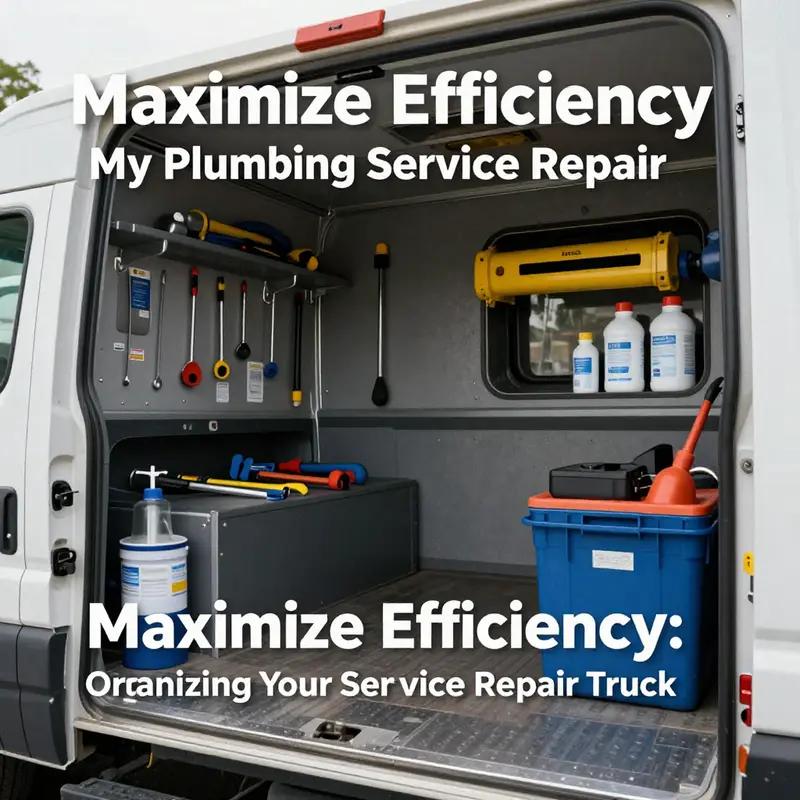
The essence of a successful mobile plumbing operation is a vehicle that acts as a fully functional workshop. A truck that supports workflows saves time, protects tools, and elevates service quality at every client site. When the cab becomes a true workspace, decisions about tool placement, securing equipment, and maintaining clean pathways gain real importance. The interior should be treated as a network of zones designed around how you work and what you grab first. The right storage is not about chasing capacity alone; it is about visibility, accessibility, and security. Build safety and compliance into daily habits so each stop becomes safer for your crew and your customers.
The first step is to designate zones for tools and materials in a way that mirrors your pace and pattern of work. The Primary Access Zone lives at the front and center, within easy reach while you’re seated at the wheel or crouched at a curb repair. Wrenches, pliers, pipe cutters, tape measures, and the basic sealants belong here. The Secondary Access Zone sits in the middle racks for less frequently used but essential items like specialty fittings and backup hoses. The Storage Zone rests toward the rear or overhead for heavier or seldom-used items such as drain snakes, longer pipe sections, or spare water heaters. This zoning minimizes search time, reduces the risk of tools shifting during transit, and helps keep your center of gravity stable for safer driving.
To turn zones into a reliable system, you need rugged, adaptable storage. Invest in purpose-built toolboxes that fit your van precisely and use modular drawers you can rearrange as inventory changes. Pegboards enable quick visual checks of what’s on hand, while foam inserts and soft mats cushion delicate instruments to prevent damage and dampen noise. A well-thought-out layout reduces rattling, speeds tool identification, and keeps you moving when every minute counts.
Beyond organization, secure every item to prevent movement or injury. Use a combination of locking latches, tie‑down straps, and bungee cords, especially for heavier equipment like pipe threading machines or bulky chemical containers. Place chemicals and fuels in spill‑proof compartments with secondary containment where possible, and tether portable pumps and generators. The goal is simple: nothing should become a projectile in a sudden stop. A quick pre‑departure check—doors closed, latches engaged, straps snug—helps protect people, equipment, and your investment.
Safety and compliance form the backbone of a professional mobile shop. Follow OSHA and DOT guidelines as practical guardrails. Label chemical containers, store flammable or corrosive materials in approved containers away from heat, and maintain accessible fire extinguishers. Ensure adequate ventilation where needed and use approved spill containment for liquids. A well‑organized truck facilitates inspections and reduces delays or citations. The cleaner the interior and the more consistent your labeling, the easier it is to demonstrate responsible operation to customers and regulators alike.
Cleanliness is more than neatness; it is a safety and reliability habit. Daily wipe-downs, debris disposal, and returning tools to their designated spots keep pathways clear and reveal wear or leaks early. Clear walkways reduce tripping risks and make it easier to spot corrosion or damage on tools. When the truck feels like a workshop rather than a cluttered closet, maintenance becomes part of the daily routine and service quality improves.
A disciplined pre‑use routine is essential. A brief daily checklist confirms all tools are present, storage units are closed, and fluids and lubricants are topped up. Check lighting and mirrors for tight spaces and early or late shifts. Verify emergency equipment so you are prepared for the unexpected. A crew that trusts the truck can diagnose and solve client problems faster without hunting for missing items.
Plan for the unexpected with a compact emergency kit. Include spare batteries, a portable light, a basic first‑aid kit, and a few commonly needed spare parts. Stock this kit in a dedicated corner so it’s easy to access on every call. This mindset—being prepared without becoming cluttered—keeps the truck agile and responsive.
Finally, track-keeping matters. Maintain a simple digital inventory that records what you have, when you restocked, and what’s missing. A basic app or spreadsheet reduces downtime from stockouts and helps you plan replacements before a run. This isn’t about replacing habit with digital ritual; it’s about weaving data into decision‑making so you can deliver faster, more precise service.
The payoff is tangible: faster response times, fewer tool losses, safer operations, and a stronger professional presence at every job. With zones, robust storage, secure anchoring, and disciplined routines, your plumbing service repair truck becomes a true, mobile workshop that travels with you and works as you work.
The Mobile Workshop Playbook: Digital Inventory and Proactive Maintenance for a Plumbing Service Truck
A plumbing service truck is more than a vehicle; it is a compact, mobile workshop that must adapt to every job while projecting professionalism. The moment a technician climbs inside, the truck either supports swift, clean repairs or becomes a maze of misplaced parts that eats into billable time. Treat the truck as a living system that blends digital precision with disciplined, hands-on organization. When you align digital inventory management with a disciplined maintenance routine, you not only speed repairs but also reduce the risk of missing parts, returns trips, and downtime. This chapter outlines a practical day-to-day rhythm that keeps the operation reliable, on-time, and professional in customers’ eyes.\n\nDigital inventory sits at the heart of this approach. Use an FSM platform to track parts, tools, and consumables; label items with barcodes or QR codes; a scan reveals description, part number, location, and expiry. Real-time alerts help when stock dips or items approach expiry. With centralized data, you can see which parts move, which linger, and when to reorder.\n\nThe truck layout reinforces the digital backbone. Create zones: Tool Zone with adjustable racks and magnetic strips for hand tools; Work Zone with a fold-out bench for testing; Supply Zone with modular containers for pipes, fittings, sealants; Customer Zone with a clean counter and customer-facing signage. Group items by task to guide technicians to the correct bin quickly. Return each tool to its spot after use and consider color-coding handles for family-of-tools to reduce search time.\n\nFIFO matters: place older stock forward so it is used first, aiding quality control during monthly audits. A well-marked interior reduces fatigue when juggling multiple tasks.\n\nDigital maintenance planning complements the physical setup. The inventory log tracks usage, forecasts restocking, and flags items nearing expiry. A quick post-job scan can trigger automatic updates and reorder recommendations, preventing last-minute trips to supply houses. A centralized database provides visibility across mobile devices, dashboards, and warehouses to optimize where to store parts and what to reorder each month.\n\nJobs flow more smoothly when dispatch assigns a task with suggested tools and parts based on typical scope, reducing last-minute scrambles. After the job, reconciled usage informs restocking decisions and supports smoother future deployments.\n\nBeyond the truck, data-driven insights show which parts are used most, allowing smarter stocking, pricing, and proactive customer outreach before parts fail. This is not about gadgets but about robust processes that scale with the business: fewer trips, shorter job times, and higher margins because techs spend less time hunting and more time delivering.\n\nThe human side is clear: technicians gain confidence when they know where everything sits; dispatchers gain better inventory visibility; customers enjoy reliable service windows and predictable outcomes. The end result is a professional image and a well-run mobile operation that travels with you and adapts to each job without chaos.\n\nAs you implement these ideas, remember that consistency and clarity matter: zone maps, labeled items, and a routine that makes digital logs part of the day-to-day work. Start small, then scale. The mobile workshop becomes a strategic asset that elevates every repair.
Final thoughts
Efficient organization of your plumbing service repair truck is vital for enhancing operational efficiency and customer satisfaction. Implementing a customized shelving system, utilizing a zone-based layout, prioritizing accessibility and safety, and maintaining a digital inventory alongside regular maintenance ensures that you are well-prepared to tackle any plumbing challenge. By focusing on these strategies, you enhance not only your efficiency but also your professionalism. The right organization can significantly transform your service delivery, guaranteeing that you remain competitive in the plumbing industry.