

In today’s turbulent economic landscape, the specter of tariff uncertainty looms over global supply chains, creating a climate of anxiety and unpredictability for shippers and third-party logistics providers (3PLs). With fluctuating trade policies and the threat of escalating tariffs, these stakeholders find themselves in a relentless struggle to adapt and remain competitive.
Each day brings new challenges, as they navigate complex regulatory environments and strive to meet the evolving demands of their customers. The stress of uncertain costs, along with the need for strategic pivots, weighs heavily on their operations, forcing many companies to reassess their relationships with suppliers and rethink their sourcing strategies. For many, the emotional toll is palpable—lost opportunities, strained partnerships, and the fear of inefficiencies hampering their ability to deliver on time.
In this high-stakes environment, the resilience of shippers and 3PLs is tested like never before, as they grapple with not only financial implications but also the human element of their operations. The path forward is fraught with obstacles, yet it also presents opportunities for innovation and growth, urging industry leaders to rethink and reshape the way they approach logistics in an era defined by ambiguity and change.

In a changing and often unpredictable trade environment, third-party logistics providers (3PLs) play an important role. 81% of shippers believe that 3PLs are crucial for improving service levels, particularly during tariff uncertainty. This shows that 3PLs help navigate complex supply chain operations effectively.
Shippers face the challenge of maintaining efficiency and service quality while managing costs as tariffs change unpredictably. 3PLs provide essential expertise to help navigate these turbulent waters. Their understanding of regulations and innovative solutions allow shippers to adjust quickly to changes. This partnership supports better decision-making, enabling shippers to manage known challenges and anticipate potential disruptions caused by future tariffs.
Moreover, the strong relationships between shippers and 3PLs lead to high satisfaction rates. 88% of shippers describe their interactions with 3PLs as successful, indicating the trust shippers have in these partnerships during uncertain times. A responsive and dependable 3PL acts as an extension of the shipper’s capabilities, enhancing both responsiveness and sourcing strategies.
The bond between shippers and 3PLs is not just transactional but symbiotic. As 3PLs advance their technologies and capabilities—such as AI and machine learning, used by 67% of shippers—shippers gain operational efficiencies. This technology provides insights that streamline processes and improve service delivery. Clearly, building a strong and adaptive relationship with a 3PL can yield significant advantages, not just for surviving but thriving in the marketplace during tariff uncertainty.
To conclude, as shippers face tariff-related challenges, they must value working collaboratively with 3PLs. Forming strategic partnerships with these providers is essential for navigating economic uncertainties, leading to sustained improvements in service throughout the supply chain.
| Statistical Category | Shippers (%) | 3PLs (%) |
|---|---|---|
| No plans to implement short-term strategies | 41% | 30% |
| Considering alternative sourcing approaches | 45% | 29% |
Evidence of AI and Machine Learning Utilization
In a landscape marked by tariff uncertainty, the reliance on artificial intelligence (AI) and machine learning (ML) technologies has surged significantly among shippers and third-party logistics providers (3PLs). Recent industry reports reveal that 67% of shippers and a staggering 73% of 3PLs are now implementing these technologies as key tools for navigating the complexities of tariff changes, emphasizing their essential role in maintaining competitive advantage and operational efficiency.
AI and ML enable real-time data analysis, predictive modeling, and automated decision-making processes, allowing organizations to respond swiftly to shifting trade policies and mitigate potential disruptions.
Specific Implementations of AI and ML
-
Toro Company’s AI-Driven Supply Chain Resilience:
Facing the challenges posed by fluctuating tariffs and the disruptions caused by global events, the Toro Company has embraced AI to optimize its inventory management. The company leverages AI solutions to fine-tune its “just-in-time” approach, ensuring that it does not overstock goods while remaining responsive to market needs. AI tools analyze vast datasets to detect trends, enabling efficient procurement decisions that help shield the company from tariff-induced volatility. According to reports, this integration of AI allows Toro to automate routine decisions and swiftly assess external factors impacting its supply chain operations. This proactive stance not only improves efficiency but also enhances overall resilience against tariff fluctuations. (Source: Reuters)
-
GEP’s AI Tools for Retail:
The consultancy firm GEP provides AI-driven tools designed to assist retail clients in navigating the complexities of tariff variability. These tools facilitate the analysis of evolving trade policies and optimally adjust procurement strategies accordingly. The increasing request for GEP’s AI solutions illustrates how retailers are proactively seeking to buffer their supply chains against the impacts of tariffs, confirming that AI applications are not solely reactive but strategic in nature to improve operational performance amidst uncertainty. (Source: Reuters)
The Impact of AI and ML
Statistics demonstrate that the impact of AI and ML on supply chain operations is substantial. The projected adoption of AI technologies in supply chains is set to reach 85% by 2025, allowing for significant improvements in demand forecasting accuracy—potentially reducing errors by up to 50%. Furthermore, predictive analytics powered by AI has the potential to decrease supply chain disruptions by an impressive 30%. Overall, the integration of AI not only drives efficiency but also translates directly into cost savings, with companies reporting operational cost reductions by as much as 25-45% through AI-led automation in warehouses.
The adoption of AI and ML technologies is not merely a response to current challenges posed by tariff changes, but rather a comprehensive approach to building a resilient supply chain that can adapt to future uncertainties. As shippers and 3PLs continue to invest in these advanced technologies, they pave the way for smarter, more agile operations capable of thriving in a complex and ever-evolving trade landscape.
In conclusion, embracing AI and machine learning is a critical step for shippers and 3PLs looking to navigate tariff uncertainties effectively. The synergy between advanced technology and operational strategy is essential for achieving sustained success in today’s dynamic supply chain environment.
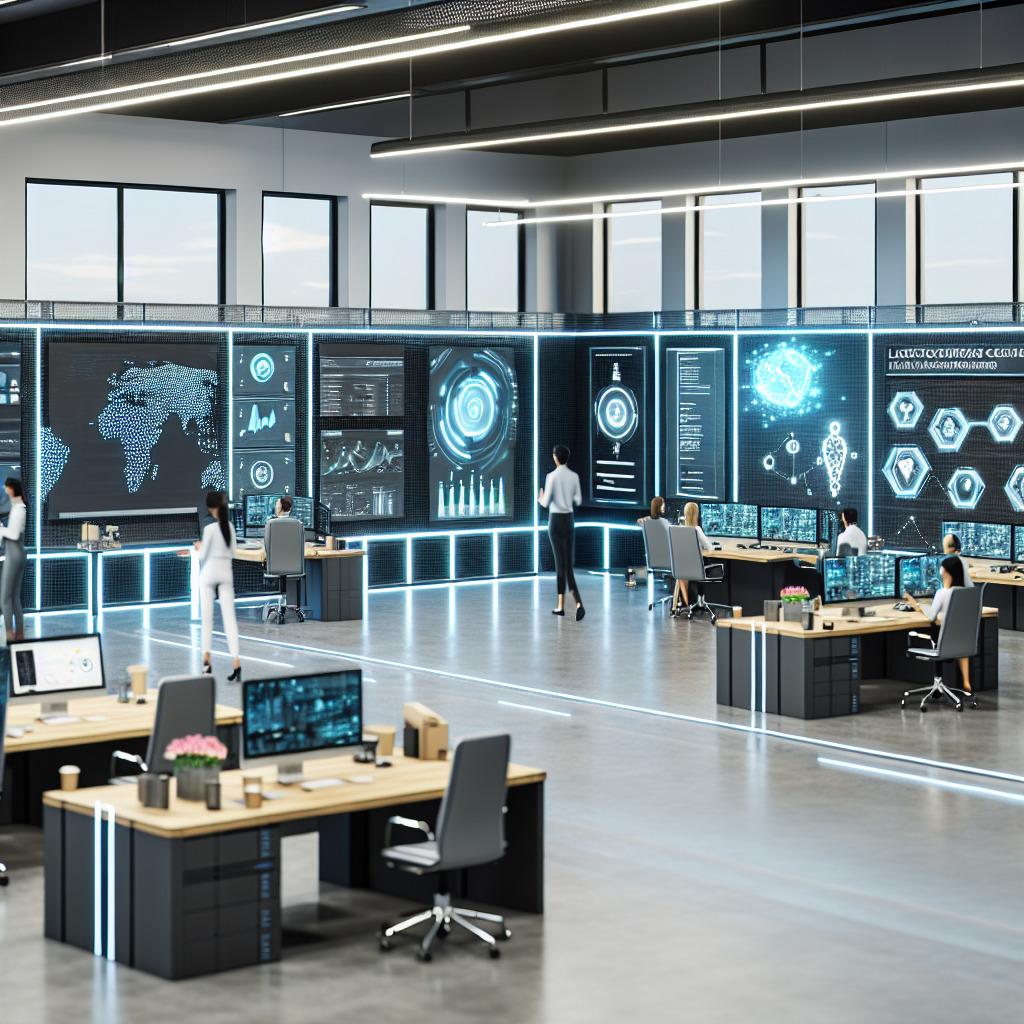
As we look ahead in the uncertain landscape shaped by fluctuating tariffs and evolving trade policies, it is clear that third-party logistics providers (3PLs) and shippers must adopt innovative strategies and forge resilient partnerships to navigate these challenges effectively. The persistent uncertainty demands a proactive approach: companies should prioritize the development of flexibility within their supply chains, enabling them to respond quickly to both changes in tariffs and market conditions.
Harnessing technology will be a cornerstone of this future. The adoption of advanced technologies, such as artificial intelligence and machine learning, can empower shippers and 3PLs to analyze data efficiently, ascertain trends, and make informed decisions. By investing in these technologies, companies can improve operational efficiencies, optimize inventory management, and mitigate the risks associated with tariff-related disruptions.
Moreover, the relationships shippers build with their 3PL partners will be essential for long-term success. As the data reveals, a significant percentage of shippers acknowledge that their collaboration with 3PLs is successful. This mutual investment in relationships and shared goals will cultivate a more robust network capable of adapting to unforeseen challenges.
Innovations in sourcing strategies are also imperative; exploring alternatives and diversifying suppliers can offer greater stability. Shippers must be prepared to pivot and reassess their supply chain strategies, ensuring they are not overly reliant on a single source or region.
In conclusion, the future for 3PLs and shippers amidst tariff uncertainty is filled with potential, provided they commit to continuous innovation and cooperation. By fostering strategic partnerships and leveraging technological advancements, these stakeholders can build resilient operations that not only withstand the current volatility but also thrive in an ever-changing global market. Encouragingly, the path to resilience lies in adaptation, collaboration, and an unwavering focus on improvement, ensuring that businesses remain competitive and services optimal, regardless of external pressures.
Success Rates in 3PL Relationships
In the realm of supply chain management, third-party logistics providers (3PLs) are increasingly recognized for their strategic value. A staggering 88% of shippers report that their relationships with 3PLs are generally successful, underscoring the importance of these partnerships in navigating the complexities of modern logistics. This high success rating can be attributed to several key factors that contribute to effective collaboration between shippers and their 3PL partners.
Firstly, a fundamental aspect of successful 3PL relationships is communication. Open and transparent lines of communication foster trust, enabling both parties to share vital information regarding inventory levels, shipping schedules, and potential disruptions. When shippers and 3PLs maintain a robust dialogue, they are better positioned to respond quickly to changes in demand and manage potential challenges effectively.
Secondly, the integration of technology plays a significant role in enhancing the effectiveness of 3PL engagements. Innovative tools such as cloud-based supply chain management systems, artificial intelligence, and machine learning not only facilitate real-time data sharing but also improve operational decision-making. With 67% of shippers employing AI and machine learning technologies, the collaboration becomes more efficient, allowing for smarter logistics strategies and responsive adjustments as trade conditions evolve.
Furthermore, the adaptability of 3PLs contributes to the overall success of these relationships. As market conditions fluctuate and legislative landscapes shift, shippers increasingly rely on 3PLs to provide flexible solutions tailored to their specific needs. This adaptability means 3PLs are not just service providers; they become strategic partners who can pivot operations to align with changing circumstances, ensuring continuity and efficiency for shippers.
Additionally, the expertise that 3PLs bring to the table cannot be overlooked. With their extensive knowledge of logistics, regulatory requirements, and best practices, 3PLs enable shippers to navigate challenges more effectively. This expertise helps to minimize risks associated with tariff uncertainties and ensures that shippers remain compliant while optimizing their logistics processes.
In summary, the impressive figure of 88% of shippers viewing their relationships with 3PLs as successful highlights the value of these partnerships. Elements such as effective communication, technological integration, adaptability, and industry expertise all play integral roles in fostering robust 3PL relationships. As shippers continue to face the uncertainties of tariffs and changing trade policies, nurturing these partnerships will be critical to achieving operational success and resilience in the supply chain.
Challenges in Adaptation
In the current economic climate characterized by constant disruptions, companies are facing significant challenges when it comes to rapid adaptation. Reports reveal that up to 90% of organizations encounter difficulties adapting quickly to market changes, underscoring a widespread struggle in responsiveness. The data suggests a deep reliance on external resources for strategic insights, with 74% of businesses depending on outside expertise due to a critical internal capability gap. This indicates that many firms lack the requisite skills and knowledge internally to navigate sudden changes, a situation heightened by a notable skills shortage in leadership roles. For instance, 67% of Chief Information Officers have reported that the rapid emergence of new technologies, including artificial intelligence, is leading to a lack of necessary skills among the workforce. This deficiency negatively impacts customer experience initiatives, resulting in delays in product development and quality issues that can compromise competitive advantage.
Moreover, the challenges companies face extend to their digital transformation efforts. According to a recent survey, only 47% of executives feel their organizations are sufficiently resilient in the face of disruptions, yet a staggering 97% of them acknowledge the importance of addressing resilience. Many executives express feelings of being underprepared for disruptions, particularly regarding technology innovation and data security, which further emphasizes the internal expertise gap that firms must address. Organizations often encounter barriers to adopting disruptive technologies, as evidenced by historical failures like Blockbuster’s inability to pivot toward digital streaming. Such resistance to change can stem from outdated processes, lack of decision-making authority, and inadequate infrastructure to nurture innovation within. To overcome these challenges, companies must prioritize investments in training and skill development to enhance their internal capabilities, positioning themselves better to adapt to the ongoing uncertainties of the marketplace.
Addressing these internal expertise gaps is essential for companies aiming to improve their adaptability and resilience amid continual disruptions.
Alternative Sourcing Strategies
As tariffs continue to pose challenges for global supply chains, 45% of shippers are actively exploring alternative sourcing strategies to buffer against uncertainty and mitigate risks. The following approaches represent key strategies being evaluated by shippers in response to this complex landscape:
Diversifying Suppliers
Prevalence: Approximately 80% of U.S. fashion companies plan to diversify their sourcing geographically.
Benefits:
- Risk Mitigation: By reducing dependency on a single region, shippers can lessen the impact of tariffs that may arise from geopolitical tensions or trade disputes.
- Supply Continuity: Accessing multiple suppliers helps ensure a steady flow of products, even if one source faces disruptions.
Drawbacks:
- Complexity: The logistical challenges of managing relationships across numerous suppliers can increase the operational burden on shippers.
- Quality Control: Ensuring consistent product quality can be problematic when dealing with a diverse supplier base.
Nearshoring
Prevalence: The “China + 1” strategy expands to include nearshoring options to Mexico and the U.S.
Benefits:
- Reduced Tariff Exposure: By sourcing from nearby countries with favorable trade agreements, companies can lower their tariff liabilities and costs.
- Shorter Lead Times: Being closer to suppliers facilitates quicker shipping times, enhancing responsiveness to market demands.
Drawbacks:
- Limited Supplier Base: The available options for sourcing may be fewer, which can impact competitiveness regarding pricing and innovation.
- Infrastructure Quality: Different countries have varying levels of infrastructure proficiency, which can affect transport efficiency.
Insourcing
Prevalence: Approximately 17% of U.S. fashion companies are increasing domestic sourcing amid tariff concerns.
Benefits:
- Control Over Production: Insourcing offers greater oversight of manufacturing processes, ensuring quality standards are met.
- Simplified Logistics: Consolidating operations domestically can streamline logistics and reduce supply chain complexity.
Drawbacks:
- Higher Costs: Often associated with increased labor and operational expenses that domestic production entails.
- Capacity Constraints: Domestic facilities may struggle to keep up with demand if they are operating at maximum output capacity.
Engaging Local Suppliers
Prevalence: About 44% of companies plan to expand sourcing through suppliers in the Western Hemisphere.
Benefits:
- Tariff Advantages: Local sourcing can minimize tariff implications, especially when suppliers are within free trade zones.
- Enhanced Collaboration: Proximity allows for better communication and collaboration between shippers and suppliers.
Drawbacks:
- Supplier Limitations: Local suppliers might not have the capacity or technological sophistication found in international supply chains.
- Potential Cost Increases: There may be a disparity in cost-effectiveness compared to sourcing from overseas, leading to higher overall expenses.
In summary, while diversifying suppliers, nearshoring, insourcing, and engaging local suppliers present notable benefits in addressing tariff-related risks, each strategy carries its respective challenges. Thus, shippers must carefully weigh these factors in their strategic sourcing decisions to navigate the complexities of today’s tariff landscape effectively.
In today’s turbulent economic landscape, the specter of tariff uncertainty looms over global supply chains, creating a climate of anxiety and unpredictability for shippers and third-party logistics providers (3PLs). With fluctuating trade policies and the threat of escalating tariffs, these stakeholders find themselves in a relentless struggle to adapt and remain competitive. Each day brings new challenges, as they navigate complex regulatory environments and strive to meet the evolving demands of their customers. The stress of uncertain costs, along with the need for strategic pivots, weighs heavily on their operations, forcing many companies to reassess their relationships with suppliers and rethink their sourcing strategies. For many, the emotional toll is palpable—lost opportunities, strained partnerships, and the fear of inefficiencies hampering their ability to deliver on time. In this high-stakes environment, the resilience of shippers and 3PLs is tested like never before, as they grapple with not only financial implications but also the human element of their operations. The path forward is fraught with obstacles, yet it also presents opportunities for innovation and growth, urging industry leaders to rethink and reshape the way they approach logistics in an era defined by ambiguity and change.
In a changing and often unpredictable trade environment, third-party logistics providers (3PLs) play an important role in enhancing logistics strategy and building supply chain resilience. 81% of shippers believe that 3PLs are crucial for improving service levels, particularly during tariff uncertainty. This shows that 3PLs help navigate complex supply chain operations effectively.
Shippers face the challenge of maintaining efficiency and service quality while managing costs as tariffs change unpredictably. 3PLs provide essential expertise to help navigate these turbulent waters. Their understanding of regulations and innovative solutions allow shippers to adjust quickly to changes. This partnership supports better decision-making, enabling shippers to manage known challenges and anticipate potential disruptions caused by future tariffs.
Moreover, the strong relationships between shippers and 3PLs lead to high satisfaction rates. 88% of shippers describe their interactions with 3PLs as successful, indicating the trust shippers have in these partnerships during uncertain times. A responsive and dependable 3PL acts as an extension of the shipper’s capabilities, enhancing both responsiveness and sourcing strategies in the face of tariff uncertainty.
The bond between shippers and 3PLs is not just transactional but symbiotic. As 3PLs advance their technologies and capabilities—such as AI and machine learning, used by 67% of shippers—shippers gain operational efficiencies. This technology provides insights that streamline processes and improve service delivery. Clearly, building a strong and adaptive relationship with a 3PL can yield significant advantages, not just for surviving but thriving in the marketplace during tariff uncertainty.
To conclude, as shippers face tariff-related challenges, they must value working collaboratively with 3PLs. Forming strategic partnerships with these providers is essential for navigating economic uncertainties, leading to sustained improvements in service throughout the supply chain.
Evidence of AI and Machine Learning Utilization
In a landscape marked by tariff uncertainty, the reliance on artificial intelligence (AI) and machine learning (ML) technologies has surged significantly among shippers and third-party logistics providers (3PLs) striving to enhance their logistics strategies for supply chain resilience. Recent industry reports reveal that 67% of shippers and a staggering 73% of 3PLs are now implementing these technologies as key tools for navigating the complexities of tariff changes, emphasizing their essential role in maintaining competitive advantage and operational efficiency.
AI and ML enable real-time data analysis, predictive modeling, and automated decision-making processes, allowing organizations to respond swiftly to shifting trade policies and mitigate potential disruptions.
Specific Implementations of AI and ML
-
Toro Company’s AI-Driven Supply Chain Resilience:
Facing the challenges posed by fluctuating tariffs and the disruptions caused by global events, the Toro Company has embraced AI to optimize its inventory management. The company leverages AI solutions to fine-tune its “just-in-time” approach, ensuring that it does not overstock goods while remaining responsive to market needs. AI tools analyze vast datasets to detect trends, enabling efficient procurement decisions that help shield the company from tariff-induced volatility. According to reports, this integration of AI allows Toro to automate routine decisions and swiftly assess external factors impacting its supply chain operations. This proactive stance not only improves efficiency but also enhances overall resilience against tariff fluctuations. (Source)
-
GEP’s AI Tools for Retail:
The consultancy firm GEP provides AI-driven tools designed to assist retail clients in navigating the complexities of tariff variability. These tools facilitate the analysis of evolving trade policies and optimally adjust procurement strategies accordingly. The increasing request for GEP’s AI solutions illustrates how retailers are proactively seeking to buffer their supply chains against the impacts of tariffs, confirming that AI applications are not solely reactive but strategic in nature to improve operational performance amidst uncertainty. (Source)
The Impact of AI and ML
Statistics demonstrate that the impact of AI and ML on supply chain operations is substantial. The projected adoption of AI technologies in supply chains is set to reach 85% by 2025, allowing for significant improvements in demand forecasting accuracy—potentially reducing errors by up to 50%. Furthermore, predictive analytics powered by AI has the potential to decrease supply chain disruptions by an impressive 30%. Overall, the integration of AI not only drives efficiency but also translates directly into cost savings, with companies reporting operational cost reductions by as much as 25-45% through AI-led automation in warehouses.
The adoption of AI and ML technologies is not merely a response to current challenges posed by tariff changes, but rather a comprehensive approach to building a resilient supply chain that can adapt to future uncertainties. As shippers and 3PLs continue to invest in these advanced technologies, they pave the way for smarter, more agile operations capable of thriving in a complex and ever-evolving trade landscape.
In conclusion, embracing AI and machine learning is a critical step for shippers and 3PLs looking to navigate tariff uncertainties effectively. The synergy between advanced technology and operational strategy is essential for achieving sustained success in today’s dynamic supply chain environment.
Challenges in Adaptation
In the current economic climate characterized by constant disruptions, companies are facing significant challenges when it comes to rapid adaptation in their logistics strategies. Reports reveal that up to 90% of organizations encounter difficulties adapting quickly to market changes, underscoring a widespread struggle in responsiveness. The data suggests a deep reliance on external resources for strategic insights, with 74% of businesses depending on outside expertise due to a critical internal capability gap. This indicates that many firms lack the requisite skills and knowledge internally to navigate sudden changes, a situation heightened by a notable skills shortage in leadership roles. For instance, 67% of Chief Information Officers have reported that the rapid emergence of new technologies, including artificial intelligence, is leading to a lack of necessary skills among the workforce. This deficiency negatively impacts customer experience initiatives, resulting in delays in product development and quality issues that can compromise competitive advantage.
Moreover, the challenges companies face extend to their digital transformation efforts. According to a recent survey, only 47% of executives feel their organizations are sufficiently resilient in the face of disruptions, yet a staggering 97% of them acknowledge the importance of addressing resilience. Many executives express feelings of being underprepared for disruptions, particularly regarding technology innovation and data security, which further emphasizes the internal expertise gap that firms must address. Organizations often encounter barriers to adopting disruptive technologies, as evidenced by historical failures like Blockbuster’s inability to pivot toward digital streaming. Such resistance to change can stem from outdated processes, lack of decision-making authority, and inadequate infrastructure to nurture innovation within. To overcome these challenges, companies must prioritize investments in training and skill development to enhance their internal capabilities, positioning themselves better to adapt to the ongoing uncertainties of the marketplace.
Addressing these internal expertise gaps is essential for companies aiming to improve their adaptability and resilience amid continual disruptions. As tariffs continue to pose challenges for global supply chains, 45% of shippers are actively exploring alternative sourcing strategies to buffer against uncertainty and mitigate risks. The following approaches represent key strategies being evaluated by shippers in response to this complex landscape:
Alternative Sourcing Strategies
-
Diversifying Suppliers: Approximately 80% of U.S. fashion companies plan to diversify their sourcing geographically to enhance logistics strategy and bolster supply chain resilience.
- Benefits: Risk mitigation from geopolitical tensions and continuous supply flow.
- Drawbacks: Logistical challenges and ensuring product quality.
-
Nearshoring: The “China + 1” strategy includes nearshoring options to Mexico and the U.S.
- Benefits: Reduced tariff exposure and shorter lead times.
- Drawbacks: Limited supplier base and differing infrastructure quality.
-
Insourcing: Approximately 17% of U.S. fashion companies are increasing domestic sourcing amid tariff concerns.
- Benefits: Greater control over production and simplified logistics.
- Drawbacks: Higher costs and capacity constraints.
-
Engaging Local Suppliers: About 44% of companies plan to expand sourcing through suppliers in the Western Hemisphere.
- Benefits: Minimized tariff implications.
- Drawbacks: Possible supplier limitations and potential cost increases.
In summary, while diversifying suppliers, nearshoring, insourcing, and engaging local suppliers present notable benefits in addressing tariff-related risks, each strategy carries its respective challenges. Thus, shippers must carefully weigh these factors in their strategic sourcing decisions to navigate the complexities of today’s tariff landscape effectively.
As the reliance on artificial intelligence (AI) and machine learning (ML) technologies becomes increasingly prevalent among shippers and third-party logistics providers (3PLs), there emerges a direct correlation between these advancements and the overall success of their partnerships. The implementation of AI and ML is not only about leveraging technology for efficiency; it fundamentally enhances how shippers and 3PLs interact, collaborate, and ultimately achieve their shared goals.
Evidence of AI and Machine Learning Utilization
In a landscape marked by tariff uncertainty, the reliance on artificial intelligence (AI) and machine learning (ML) technologies has surged significantly among shippers and third-party logistics providers (3PLs). Recent industry reports reveal that 67% of shippers and a staggering 73% of 3PLs are now implementing these technologies as key tools for navigating the complexities of tariff changes, emphasizing their essential role in maintaining competitive advantage and operational efficiency.
AI and ML enable real-time data analysis, predictive modeling, and automated decision-making processes, allowing organizations to respond swiftly to shifting trade policies and mitigate potential disruptions.
Specific Implementations of AI and ML
-
Toro Company’s AI-Driven Supply Chain Resilience:
Facing the challenges posed by fluctuating tariffs and the disruptions caused by global events, the Toro Company has embraced AI to optimize its inventory management. The company leverages AI solutions to fine-tune its “just-in-time” approach, ensuring that it does not overstock goods while remaining responsive to market needs. AI tools analyze vast datasets to detect trends, enabling efficient procurement decisions that help shield the company from tariff-induced volatility. According to reports, this integration of AI allows Toro to automate routine decisions and swiftly assess external factors impacting its supply chain operations. This proactive stance not only improves efficiency but also enhances overall resilience against tariff fluctuations. (Source)
-
GEP’s AI Tools for Retail:
The consultancy firm GEP provides AI-driven tools designed to assist retail clients in navigating the complexities of tariff variability. These tools facilitate the analysis of evolving trade policies and optimally adjust procurement strategies accordingly. The increasing request for GEP’s AI solutions illustrates how retailers are proactively seeking to buffer their supply chains against the impacts of tariffs, confirming that AI applications are not solely reactive but strategic in nature to improve operational performance amidst uncertainty. (Source)
The Impact of AI and ML
Statistics demonstrate that the impact of AI and ML on supply chain operations is substantial. The projected adoption of AI technologies in supply chains is set to reach 85% by 2025, allowing for significant improvements in demand forecasting accuracy—potentially reducing errors by up to 50%. Furthermore, predictive analytics powered by AI has the potential to decrease supply chain disruptions by an impressive 30%. Overall, the integration of AI not only drives efficiency but also translates directly into cost savings, with companies reporting operational cost reductions by as much as 25-45% through AI-led automation in warehouses.
The adoption of AI and ML technologies is not merely a response to current challenges posed by tariff changes, but rather a comprehensive approach to building a resilient supply chain that can adapt to future uncertainties. As shippers and 3PLs continue to invest in these advanced technologies, they pave the way for smarter, more agile operations capable of thriving in a complex and ever-evolving trade landscape.
In conclusion, embracing AI and machine learning is a critical step for shippers and 3PLs looking to navigate tariff uncertainties effectively. The synergy between advanced technology and operational strategy is essential for achieving sustained success in today’s dynamic supply chain environment.
Success Rates in 3PL Relationships
In the realm of supply chain management, third-party logistics providers (3PLs) are increasingly recognized for their strategic value. A staggering 88% of shippers report that their relationships with 3PLs are generally successful, underscoring the importance of these partnerships in navigating the complexities of modern logistics. This high success rating can be attributed to several key factors that contribute to effective collaboration between shippers and their 3PL partners.
Firstly, a fundamental aspect of successful 3PL relationships is communication. Open and transparent lines of communication foster trust, enabling both parties to share vital information regarding inventory levels, shipping schedules, and potential disruptions. When shippers and 3PLs maintain a robust dialogue, they are better positioned to respond quickly to changes in demand and manage potential challenges effectively.
Secondly, the integration of technology plays a significant role in enhancing the effectiveness of 3PL engagements. Innovative tools such as cloud-based supply chain management systems, artificial intelligence, and machine learning not only facilitate real-time data sharing but also improve operational decision-making. With 67% of shippers employing AI and machine learning technologies, the collaboration becomes more efficient, allowing for smarter logistics strategies and responsive adjustments as trade conditions evolve.
Furthermore, the adaptability of 3PLs contributes to the overall success of these relationships. As market conditions fluctuate and legislative landscapes shift, shippers increasingly rely on 3PLs to provide flexible solutions tailored to their specific needs. As illustrated earlier, this adaptability is further enhanced through the application of AI and ML technologies, allowing 3PLs to adjust operations quickly and efficiently in accordance with changing circumstances.
Additionally, the expertise that 3PLs bring to the table cannot be overlooked. With their extensive knowledge of logistics, regulatory requirements, and best practices, 3PLs enable shippers to navigate challenges more effectively. This expertise, coupled with technological advancements, helps to minimize risks associated with tariff uncertainties and ensures that shippers remain compliant while optimizing their logistics processes.
In summary, the impressive figure of 88% of shippers viewing their relationships with 3PLs as successful highlights the value of these partnerships. Elements such as effective communication, technological integration, adaptability, and industry expertise all play integral roles in fostering robust 3PL relationships. As shippers continue to face the uncertainties of tariffs and changing trade policies, nurturing these partnerships, enriched by technology, will be critical to achieving operational success and resilience in the supply chain.
Call to Action: Steps for Shippers to Engage with 3PLs Amid Tariff Uncertainties
As shippers navigate the turbulent waters of tariff uncertainties, it is essential to take proactive measures in engaging with third-party logistics providers (3PLs). Here are some practical steps that can be implemented immediately:
- Assess the Current Partnership: Review existing relationships with 3PLs to understand their capabilities in adapting to tariff changes. Evaluate their technological advancements, particularly in AI and machine learning, to ensure they can provide real-time data analysis and predictive insights.
- Communicate Effectively: Establish open lines of communication with 3PL partners. Share your supply chain challenges and collaborate to create tailored strategies that address both current and future tariff implications. Regular meetings can help anticipate changes and strategize effectively.
- Leverage Technology: Actively seek 3PLs that utilize advanced technologies that can provide actionable insights based on data analytics. This can result in smarter logistics strategies and response mechanisms that counteract the effects of tariff fluctuations.
- Diversify Sourcing Strategies: Work with 3PLs to explore alternative sourcing options. This may include diversifying suppliers or nearshoring to mitigate risks associated with tariffs and create a more resilient supply chain.
- Invest in Training and Development: Ensure your internal team has the necessary skills to adapt to changes. This means investing in training on new technologies and collaboration strategies that improve communication with 3PLs.
- Monitor and Adapt Strategies Regularly: The landscape of tariffs and trade policies is constantly changing. Regularly review and adjust your logistics strategies in collaboration with your 3PL partners to remain agile and responsive to market conditions.
By taking these practical steps, shippers can enhance their operational resilience and maintain competitive advantages in the face of ongoing tariff uncertainties. Engaging effectively with 3PLs can lead to improved service delivery and supply chain efficiency, ensuring that businesses navigate these challenges successfully.