
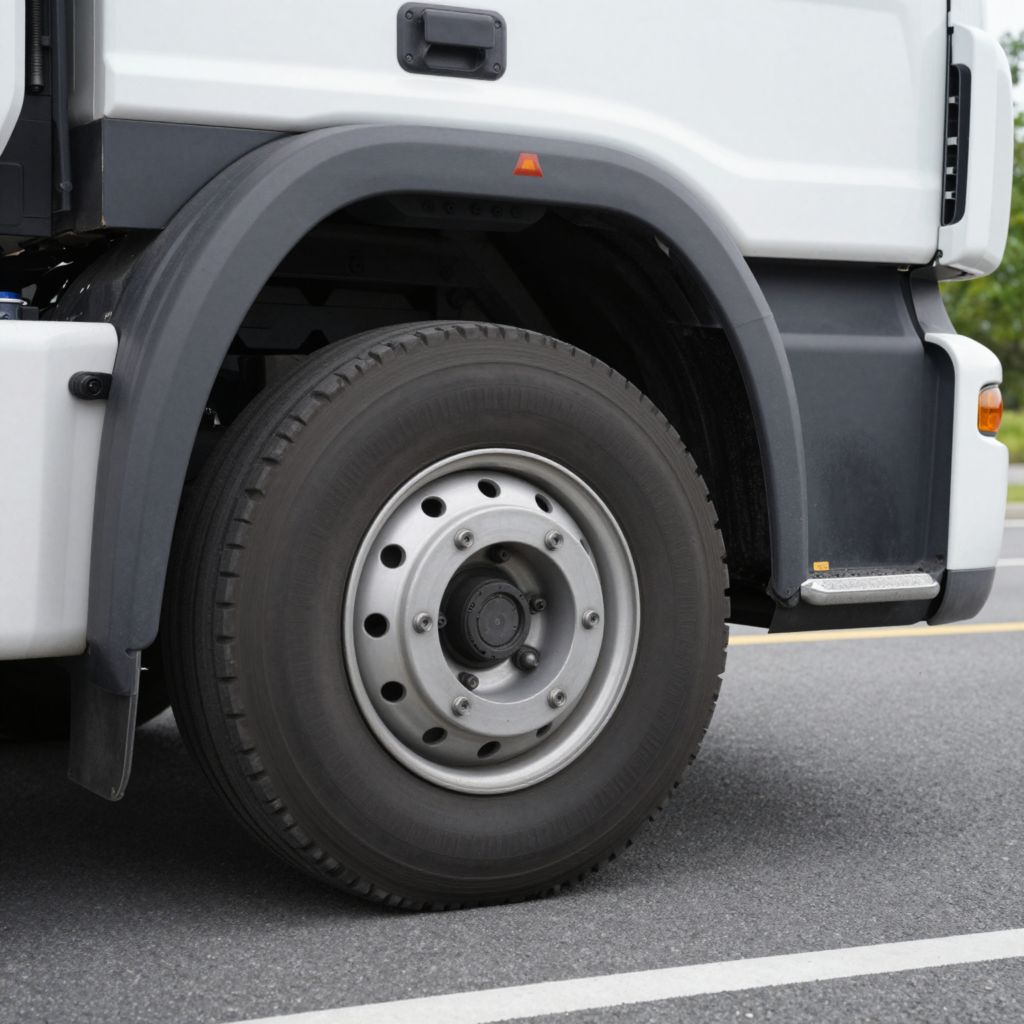
Introduction to Service Brakes on Semi Trucks
Service brakes are a critical component of semi trucks, ensuring both safety and performance on the road. These brakes are specifically designed for regular stopping and are crucial for managing the immense weight and size of heavy-duty trucks. The efficiency and reliability of service brakes directly impact not just the vehicle’s operation but also the safety of the driver, cargo, and other road users. Within this article, we will delve into the features and maintenance of service brakes in semi trucks, exploring how they function, what they look like, and the technological advancements in brake systems that are enhancing safety standards. Additionally, readers can expect insights on how maintaining optimal brake performance can benefit their operations, especially for businesses in the manufacturing and distribution sectors, retail and e-commerce, and construction industries. Understanding these elements is essential for any small business owner or fleet manager looking to ensure the reliability of their transport assets.
Understanding Service Brakes in Semi Trucks
Service brakes are integral components of a semi truck’s braking system, playing a crucial role in ensuring safety and control during operation. Specifically, these brakes are the primary means by which truck drivers can decelerate or halt their vehicles while on the road.
The service braking system typically employs air-operated mechanisms that utilize compressed air stored in tanks. Here’s how they function:
- Air Pressure Activation: When the driver presses the brake pedal, it opens a valve that releases compressed air into the brake chambers located at each wheel.
- Mechanical Force Application: This pressurized air pushes against a diaphragm, which in turn activates a system of slack adjusters and pushrods. The pushrod then applies force to the brake shoes inside the truck’s brake drum.
- Friction Creation: As the brake shoes press against the drum, friction is generated, effectively slowing down or stopping the truck.
A key feature of service brakes is their redundancy. If one circuit fails, a secondary circuit can still provide adequate braking power, thereby enhancing safety for both the driver and other road users. This design is especially critical given the size and weight of semi trucks, which require significantly more stopping power compared to standard vehicles.
Additionally, service brakes are distinct from parking brakes, which are separate systems meant to keep the truck stationary when parked. The service brakes require continuous air pressure to remain engaged; should air pressure drop significantly, the brakes automatically engage as a safety measure, preventing unintended movement.
Understanding the operation of service brakes is crucial for truck drivers and fleet managers alike. This knowledge not only promotes safer driving practices but also highlights the importance of regular maintenance to ensure these systems function optimally. For more information on related topics such as economic trends impacting the trucking industry, feel free to explore our resources.
Key Components of Service Brake Systems in Semi-Trucks
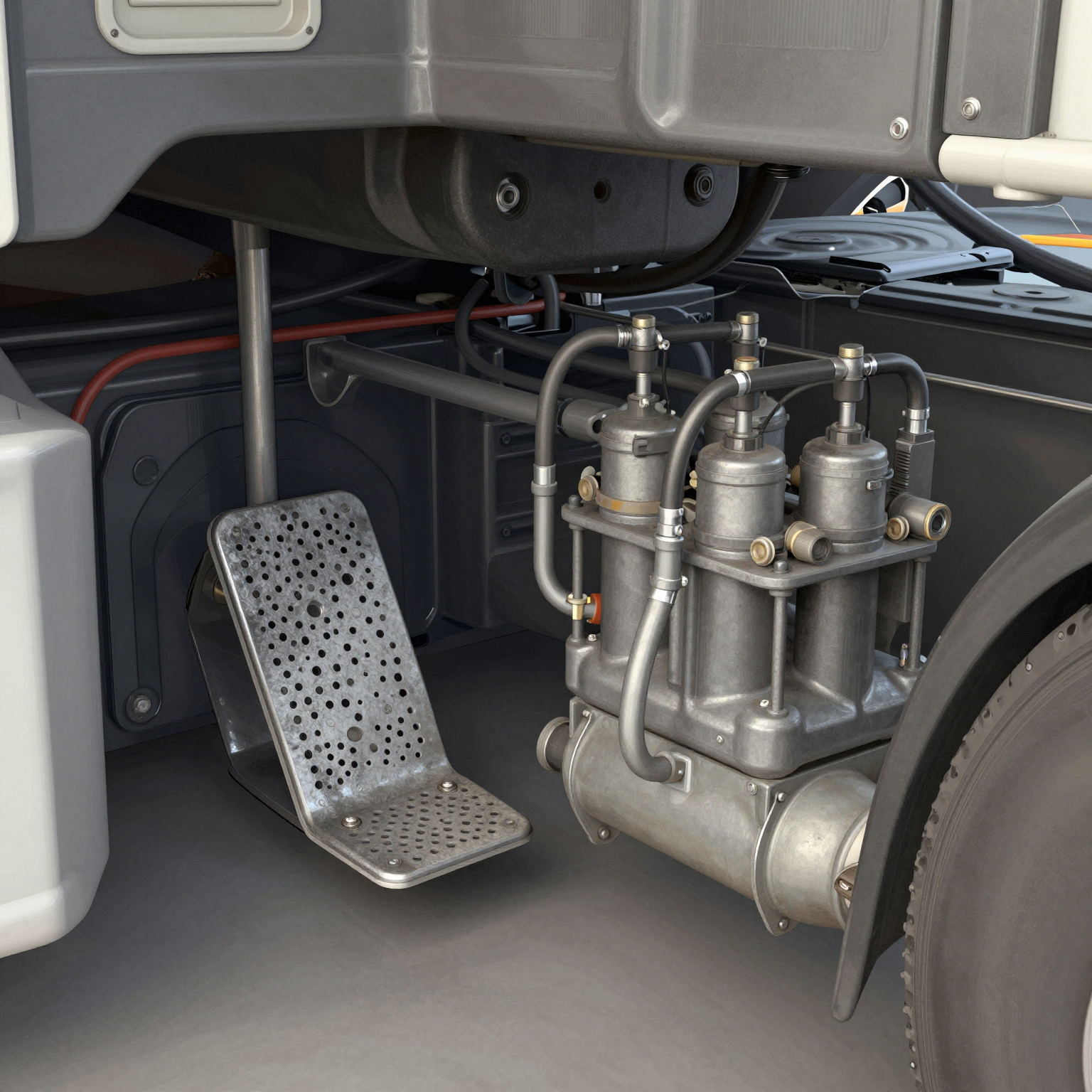
Service brake systems in semi-trucks are crucial for ensuring safety and control during operation. Here are the key components involved:
- Air Compressor: Generates compressed air to operate the brake system.
- Air Storage Tanks: Store compressed air until needed for braking.
- Brake Pedal (Foot Valve): Activates the braking system when pressed by the driver.
- Brake Chambers: Convert compressed air into mechanical force.
- Slack Adjusters: Adjust the positioning of brake shoes.
- S-Cams: Rotate to push the brake shoes against the brake drums.
- Brake Drums: House the brake shoes and create friction to stop the vehicle.
- Brake Linings: Provide the surface for friction against the brake drums.
For more insights into the workings of these systems, you can learn more about how air brake systems work.
Identifying Issues with Service Brakes
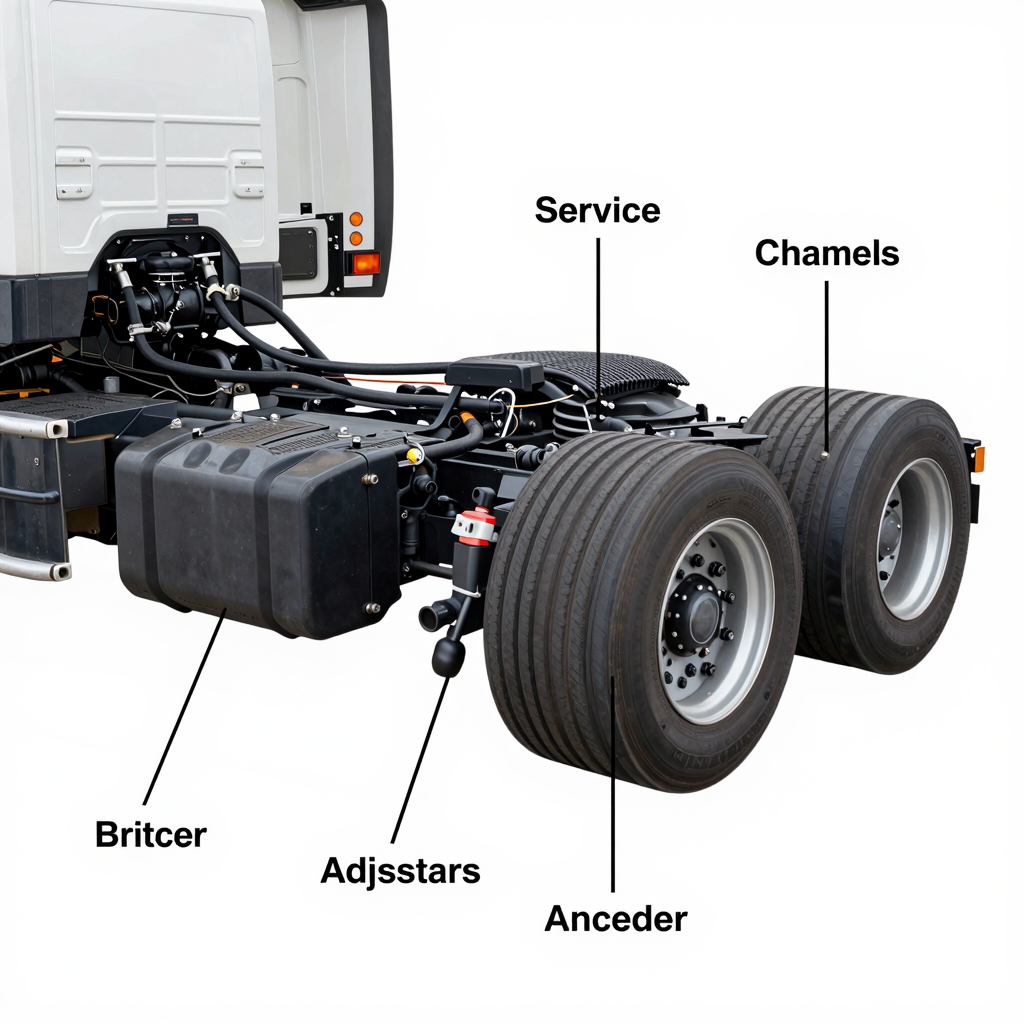
Service brakes are critical for the safety and operational efficiency of semi-trucks. Identifying potential issues early can prevent accidents and costly repairs. Here are some common signs of malfunction to look out for:
1. Unusual Noises
One of the first indicators of service brake issues is unusual noises when applying the brakes. These can include:
- Grinding or screeching sounds: This may indicate worn brake pads or potential rotor damage. These noises should prompt immediate inspection.
- Spongy or soft brake pedal: If the brake pedal feels less responsive or spongy when pressed, it could be a sign of air in the brake line or a brake fluid leak, which can lead to decreased braking power.
2. Decreased Braking Efficiency
Noticing a decline in braking performance should raise alarm bells. Key symptoms include:
- Longer stopping distances: If your truck requires more distance to come to a complete stop, it indicates a problem with the brake system. This necessitates immediate assessment to ensure the safety of the vehicle and its cargo.
- Pulling: If the truck pulls to one side while braking, this imbalance could indicate that one brake is more worn than the other, suggesting maintenance is needed.
3. Warning Lights
Dashboards in modern semi-trucks are equipped with various warning lights. A brake warning light can signal:
- Low air pressure: Particularly in air-braked trucks, a drop below safe levels can trigger the warning. This may also indicate issues with the anti-lock braking system (ABS) or a malfunctioning brake switch.
- Maintenance required: Any illuminated warning light should not be ignored; it is essential to pull over safely and investigate the issue. This is crucial for maintaining safe driving conditions.
For more in-depth information on the potential impacts of delayed maintenance, learn more about the effects of tariffs on heavy trucks and key economic trends impacting the trucking industry.
Regular inspections and timely repairs are the best defense against brake system malfunctions.
Statistics on Semi Truck Accidents Caused by Brake Failure
Brake failure is a significant factor in semi truck accidents, contributing to an alarming percentage of total incidents on the road. According to a report from the National Highway Traffic Safety Administration (NHTSA), brake failure played a role in roughly 8% of large truck crashes in the United States in 2024. Among these accidents, about 35% resulted in serious injuries or fatalities. Common causes of brake failure include inadequate maintenance, worn brake linings, air system leaks, and improper brake adjustments. Notably, trucks with failed trailer brakes were involved in nearly half of all brake-related accidents.
Further analysis by the Federal Motor Carrier Safety Administration (FMCSA) reveals that 12,347 commercial vehicles inspected in 2024 were cited for brake system defects, which marked a 9.5% increase from the previous year. Within this figure, actual brake failure during operation occurred in 2,103 cases, leading to property damage (42%), injuries (38%), and fatalities (20%). Alarmingly, over 70% of these failures arose from trucks that did not undergo required pre-trip inspections.
Moreover, the American Trucking Associations (ATA) found that brake failure accounted for approximately 7.1% of all truck-related deaths, making it responsible for approximately 1 out of every 14 fatal accidents involving semi-trucks. The analysis pointed out that human error, namely missed maintenance checks, was responsible for 68% of these failures, while mechanical defects accounted for 22%. The importance of routine inspections and proper maintenance cannot be overstated, as adherence to safety regulations can significantly reduce brake-related incidents. For companies dependent on trucking, investing in telematics for real-time monitoring of brake systems could enhance safety and operational efficiency.
For more insights into how regulatory frameworks impact the trucking industry, you can learn more about current economic trends impacting trucking and the significance of proper fleet maintenance.
Comparison of Service Brake Brands for Semi Trucks
When choosing service brake systems for semi trucks, various brands stand out due to their performance characteristics. Below is a comparison table that highlights the pros and cons of major service brake brands available on the market.
| Brand | Pros | Cons |
|---|---|---|
| Akebono | – High durability and performance – Advanced friction technology – Great heat resistance |
– Higher initial cost compared to some competitors |
| Bendix | – Reliable performance – Integration with electronic braking systems – Good thermal stability |
– Can generate more dust compared to others |
| Meritor | – Excellent for heavy-duty applications – Longer service life – Favorable under extreme loads and temperatures |
– Price can be on the higher side for some types |
| Wagner | – Cost-effective – Consistent performance – Low noise operation |
– May not have the same durability as premium brands |
Conclusion
Selecting the right service brake for your semi truck is crucial to ensuring safety and efficiency. Companies should consider the pros and cons outlined above, weighing performance against cost, to find the most suitable option for their specific needs.

Maintenance Tips for Service Brakes
Ensuring the service brakes on semi-trucks are in optimal condition is crucial for safety and compliance. Here are actionable maintenance tips to help keep your service brakes functioning effectively:
1. Daily Pre-Trip Inspections
- Conduct thorough before-trip inspections focused on brake systems. Check for:
- Brake linings: Ensure they are not worn below the minimum thickness (usually 1/4 inch).
- Air pressure levels: Ensure pressure is maintained at the required minimum of 100 PSI to ensure effective braking.
- Brake function: Test brakes for responsiveness and listen for unusual noises, such as squeaking or grinding.
2. Regular Schedule of Inspections
- According to FMCSA guidelines, a thorough brake inspection should occur at least once every 12 months by a qualified technician. Additionally, the American Trucking Associations recommends biannual detailed checks including:
- Inspecting drum and rotor wear, as well as slack adjuster strokes.
- Ensuring proper adjustment of brakes to prevent premature wear.
3. Monitor for Early Signs of Trouble
- Be alert to signs such as:
- Uneven brake wear
- Increased stopping distance
- Vibrations or pulling during braking
These signals can indicate underlying issues that require immediate attention.
4. Quality Brake Components
- Use high-quality brake components and materials. Cheaper parts may save money initially but can lead to more significant costs in repairs and accidents later on.
5. Educate Drivers and Maintenance Staff
- Ensure that all driving and maintenance personnel are trained to identify potential braking issues. This proactive measure can prevent emergencies and prolong the lifespan of the braking system.
Regular maintenance not only boosts safety but also ensures compliance with federal regulations, reducing the risk of penalties and enhancing overall fleet reliability. For more information on the impact of maintenance practices, check out this article on trucking oversight.
In summary, adhering to these maintenance tips can safeguard your investment in service brakes and enhance operational readiness in the trucking industry.
According to a leading trucking safety expert from the American Trucking Associations (ATA), “Properly maintained service brakes are the single most critical safety feature in a commercial vehicle. Brake-related failures account for a significant percentage of large truck crashes. Routine maintenance-including checking brake pads, rotors, hydraulic pressure, and wear indicators-is not optional but a fundamental responsibility for fleet managers and drivers alike to protect lives and prevent costly incidents.” This highlights the significance of regular brake inspections and adherence to maintenance protocols to ensure safety and compliance in the trucking industry. For more insights on how effective maintenance can impact your fleet, check out our article on trucking oversight during government shutdown.
In summary, understanding the service brake system on semi-trucks is crucial for ensuring safety and efficiency in the transportation sector. This article highlighted key components such as brake pads, rotors, and hydraulic systems, as well as their importance in stopping heavy vehicles effectively. By recognizing the signs of wear and the need for maintenance, companies can save on long-term repair costs and prevent accidents. Fleet operators and shipping businesses must prioritize regular brake inspections as part of their safety protocols, ensuring their vehicles comply with industry standards. As you navigate operational challenges, consider upgrading your fleet with reliable solutions from Summit Fairings. Their tailored solutions enhance durability and efficiency, setting your business up for success in the competitive market.