
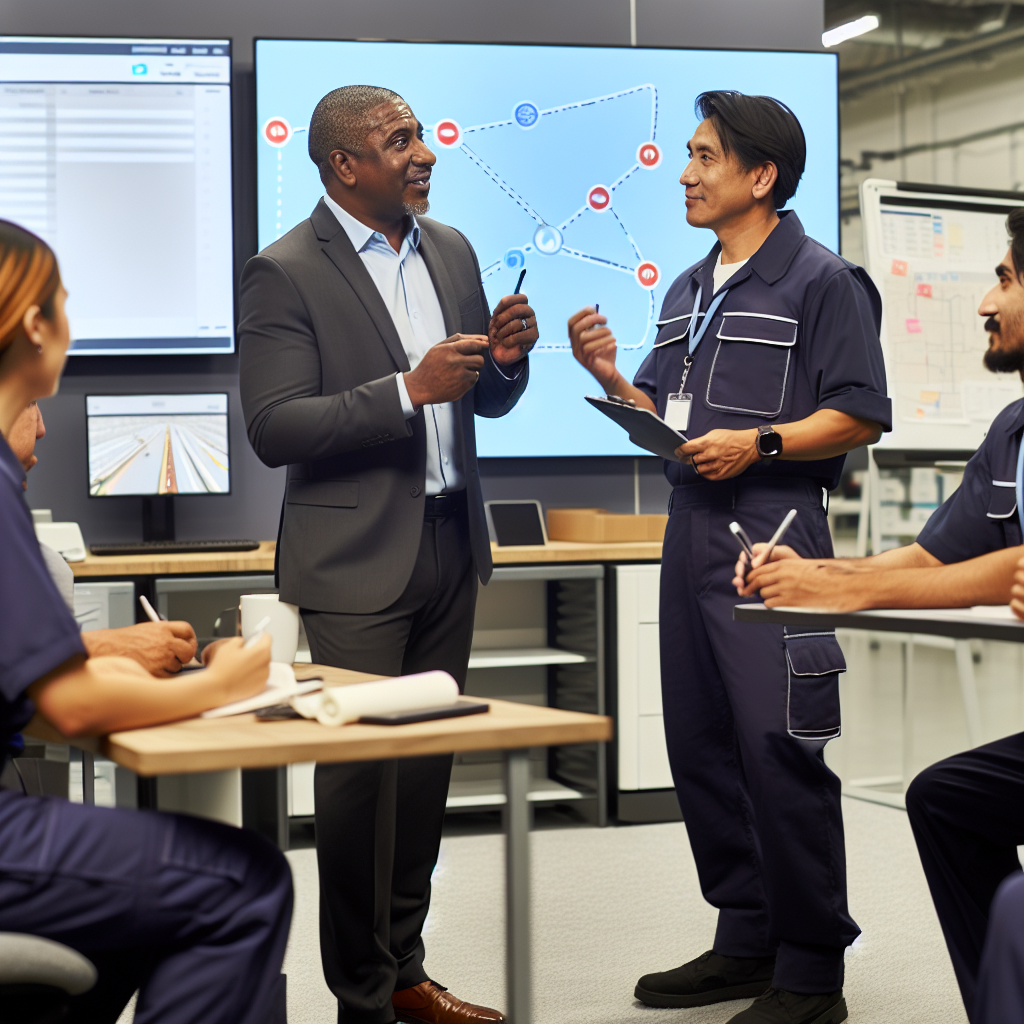
In the rapidly changing world of fleet management, balancing human strategies with digital advancements presents both challenges and opportunities. As technology evolves, organizations must make a critical choice: Should they focus on investing in advanced digital tools or prioritize the human element that drives success? This dilemma highlights a key insight: optimizing fleet operations requires more than just the latest software. It demands a people-first approach that values communication, training, and culture along with technological innovation.
Striking this balance is not merely beneficial; it is essential for thriving in an industry where adaptability and agility can lead to significant competitive advantages. By understanding the importance of integrating these two areas, fleet managers can effectively navigate the complexities of modern logistics, ultimately enhancing performance and improving employee satisfaction.
Benefits of People-First Strategies in Fleet Management
- Influences on Driver Retention: Approaches that focus on driver satisfaction through better communication, training, and working conditions lead to reduced turnover.
- Safety Improvements: A committed focus on driver education fosters a safer work environment, minimizing accident rates which ultimately can reduce insurance costs.
- Boosted Productivity Levels: Engaged drivers are naturally more effective, adhering to schedules and maintaining their vehicles better.
Challenges of Digital-First Strategies in Fleet Management
- Integration Issues: New technologies can complicate operational frameworks, especially when interfacing with established systems, posing potential disruptions.
- Data Management: The digital shift can create overwhelming data volumes, challenging managers to distill useful insights from noise.
- Employee Resistance: Familiarization with new digital tools requires substantial training, and initial resistance from staff can hinder the integration process.
- Cybersecurity Risks: Increased digital access spawns significant concerns regarding data breaches and necessitates fortified security measures.
- Scalability Concerns: Some digital solutions may not effectively adapt as businesses expand, potentially causing bottlenecks in operations.
A Balanced Approach
In conclusion, fleet management that harmonizes people-first strategies with digital advancements is likely to yield the highest operational efficiency and employee satisfaction. By valuing human capital alongside leveraging technology, fleet managers can navigate the complexities of modern logistics effectively.
Industry Perspectives on Balancing Technology and Personal Touch
In the ever-evolving landscape of fleet management, the dialogue surrounding the balance between digital tools and the human element is critical. Industry leaders have voiced their insights, emphasizing the importance of investing in both realms to achieve operational success.
-
David Kelly, President of Innocon articulates a notable perspective, stating, “Some just don’t want to use digital tools.” This highlights the necessity of remaining sensitive to customer preferences, especially as over 30% still favor traditional phone orders, even amidst digital advancements. Understanding such preferences is crucial to maintaining strong customer relationships in a tech-driven era.
[source] - Jason Belgrave, Director of Operations at Purolator, provides a more nuanced view of automation, suggesting, “The first instinct is to see automation as a way to cut costs. But it’s really about redeploying people into higher-value work.” This underscores the idea that technological investments should not come at the cost of workforce downsizing; instead, technology should augment human capabilities.
- Kristen Fess, Executive Vice-President at TFI, highlights the integration of AI as a significant advancement, observing, “AI-supported guides have accelerated onboarding and reduced reliance on senior staff for in-person training.” She stresses that agility requires employees to be included in various business processes, like understanding their roles in profitability, which ultimately enriches the workplace culture.
- Yoav Zilber, Executor at SaverOne calls for a human-centered approach in technology deployment, saying, “Technology must empower rather than overwhelm. Telematics and AI-driven tools can identify issues, but human oversight is critical for meaningful change.” This encapsulates the philosophy that while technology plays a pivotal role, the human judgment still remains irreplaceable.
- Tom Gallogly, Samba Safety, also shares a succinct reminder about the importance of the human factor: “Fleet managers should consider the human element when introducing technology. It’s not just about what tools can do but how drivers will react to them.” This perspective reiterates that successful technology implementation hinges on understanding the users—an essential component of any fleet strategy.
These insights converge on a fundamental principle: the dual investment in people and technology not only fosters operational efficiency but also enriches the overall workplace experience, ensuring that companies remain agile and responsive to both employee and customer needs.
The Importance of Cultural Communication in Fleets
In fleet management, cultural communication plays a vital role in fostering employee satisfaction and enhancing operational efficiency. As workplaces become increasingly diverse, effective communication across various cultural backgrounds is essential for promoting understanding and cooperation among team members.
Cultural communication not only serves to bridge gaps between different workforce segments but also boosts teamwork. For instance, when employees feel understood and respected, they are more likely to collaborate effectively. This sense of belonging leads to innovative solutions and a unified approach to problem-solving within fleets.
Different communication styles can significantly impact how messages are perceived in the workplace. For example, direct communication may be preferred in one culture, while another may favor a more indirect and nuanced approach. Fostering cultural awareness helps employees recognize these differences, thereby reducing the likelihood of misunderstandings that can lead to frustration or conflict. Training programs that emphasize cultural sensitivity can enhance relationships within teams, leading to a more harmonious work environment.
Moreover, a culturally inclusive environment is crucial for boosting employee morale and retention. When fleets prioritize cultural communication, employees feel valued, which positively affects their engagement and commitment to the organization. High morale not only enhances job satisfaction but also culminates in superior performance, as motivated employees are often more productive.
The correlation between effective cultural communication and workforce performance highlights the need for fleet managers to invest in training that nurtures these skills. By making cultural communication a priority, fleets can create a positive workplace culture that attracts top talent, reduces turnover, and drives overall success.
Ultimately, prioritizing cultural communication is not just beneficial for employee satisfaction; it also enhances operational efficiency by cultivating an adaptable and responsive workforce capable of meeting the challenges of the evolving logistics landscape.
Key Statistics on Customer Communication Preferences and Automation Impact
- Over 30% of customers prefer phone orders over digital tools, highlighting the significance of personal interaction in service delivery.
- Automation has reduced onboarding training times from weeks to hours, illustrating its efficiency in streamlining operational processes.
- A significant portion of fleet operators emphasize that at least 60% of their customers appreciate having multiple communication options, indicating the need for flexibility in their service structure.
- Studies suggest that companies that implement automation reduce human errors by approximately 40%, which can lead to enhanced service reliability.
- Feedback mechanisms indicate that over 70% of employees feel more confident in their roles when training incorporates automation and traditional methods equally.
Key Statistics on Customer Communication Preferences and Automation Impact
- Over 30% of customers prefer phone orders over digital tools, highlighting the significance of personal interaction in service delivery.
- Automation has reduced onboarding training times from weeks to hours, illustrating its efficiency in streamlining operational processes.
- A significant portion of fleet operators emphasize that at least 60% of their customers appreciate having multiple communication options, indicating the need for flexibility in their service structure.
- Studies suggest that companies that implement automation reduce human errors by approximately 40%, which can lead to enhanced service reliability.
- Feedback mechanisms indicate that over 70% of employees feel more confident in their roles when training incorporates automation and traditional methods equally.
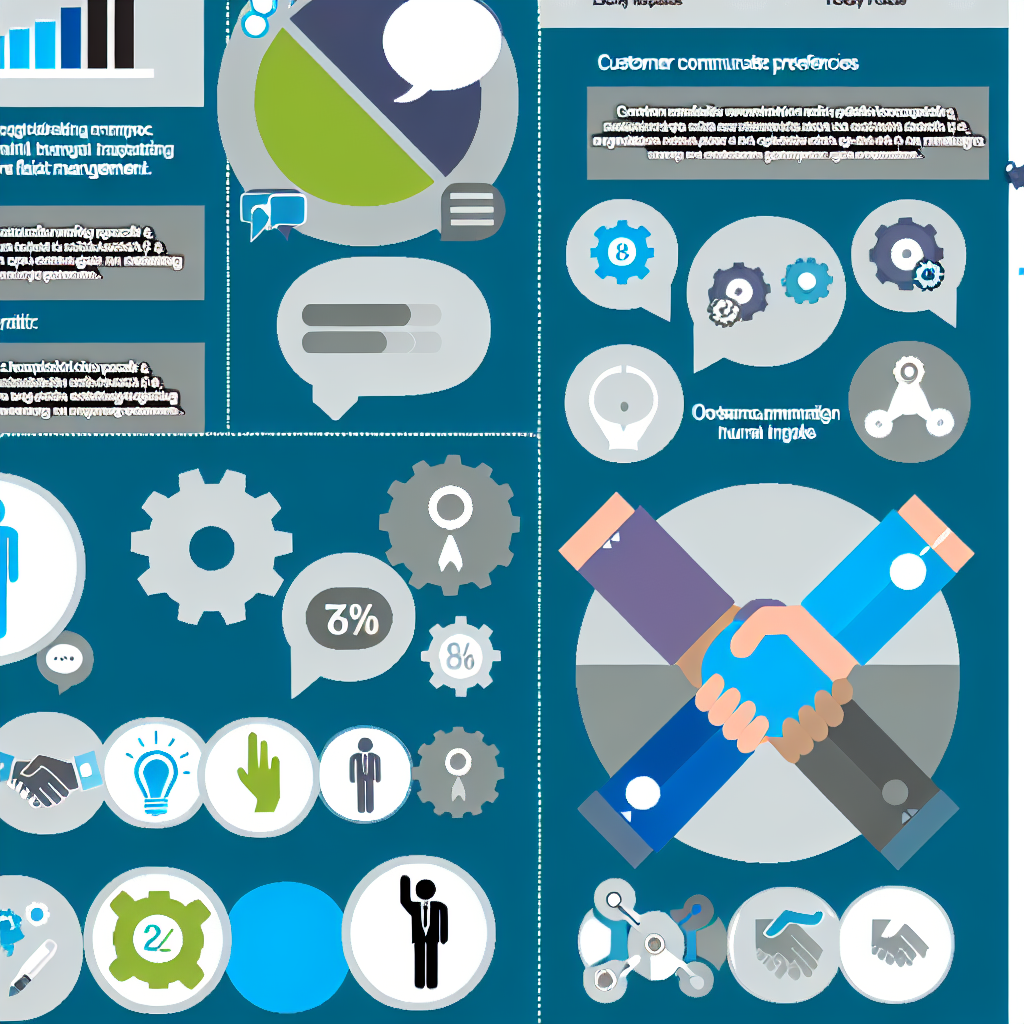
An infographic depicting key statistics on customer communication preferences and the impact of automation in fleet management, highlighting the importance of human interaction alongside digital tools.
In summary, as the landscape of fleet management continues to evolve, the call to invest in people alongside technological advancements has never been more critical. Industry leaders have underscored the dual importance of human resources and digital tools, emphasizing that the most successful strategies are those that harmoniously integrate the two. Insights from executives within the industry highlight the necessity of maintaining a balance—David Kelly points out that a significant portion of customers still favors personal interaction over digital solutions, proving that human touch remains vital even in an increasingly automated environment.
Moreover, as we saw with the advantages of integrating AI in training, while technology can streamline processes, it should never replace the personal engagement that cultivates a supportive workplace culture.
Further supporting this notion, statistics illustrate how a people-first approach can lead to higher employee retention and enhanced productivity. Automation has a pivotal role in efficiency; however, it becomes even more potent when combined with focused employee training and cultural communication practices. Ultimately, investing in people not only leads to operational success but fosters a workplace environment where both employees and customers feel valued.
To excel in the fast-paced world of fleet management, organizations must prioritize both technological growth and the development of their human capital, creating a resilient framework that can adapt to future challenges and drive long-term success.
Recent User Adoption Data and Trends in Fleet Management
The fleet management industry is undergoing significant digital transformation, with an increasing number of companies adopting digital tools to enhance operational efficiency, safety, and sustainability. Here is a summary of the recent data and trends in the adoption of these technologies:
User Adoption Trends:
-
Artificial Intelligence (AI) Integration:
Nearly 56% of commercial transportation vendors have deployed AI technologies, with an additional 40% planning implementation within the next 12 months. AI is primarily driven by the goal of enhancing safety. [source] -
Telematics and the Internet of Things (IoT):
The adoption of telematics has seen a 21% increase between 2020 and 2022, indicative of growing reliance on connected devices for fleet management. [source] -
Cloud-Based Management Platforms:
The cloud-based segment now holds a 68.7% market share in fleet management software, up from 54.2% in 2021. This transition to the cloud allows for better flexibility and scalability. [source] -
Electric Vehicles (EV):
Although over 80% of fleets currently report no EVs in operations, challenges such as range limitations and high costs continue to hinder adoption. [source]
Successes in Adoption:
-
Improved Safety and Compliance:
Digital tools have enhanced driver safety, with 58% of fleets reporting increased safety due to the implementation of digital driver behavior monitoring systems. [source] -
Operational Efficiencies:
The use of maintenance software has increased to 68% in 2025, compared to 45% in 2021, showcasing a growing trend towards real-time analytics in fleet management. [source] -
Sustainability Efforts:
Adoption of digital fleet management solutions has led to a 30% reduction in fuel consumption, underscoring the environmental benefits of these technologies. [source]
Challenges Faced During Integration:
-
Integration with Legacy Systems:
The integration of AI and other digital tools into outdated systems can be complex, particularly due to issues with interoperability and high costs. [source] -
User Resistance to Change:
Many users resist transitioning to new digital tools, which can hinder effective implementation and utilization. [source] -
Data Security Concerns:
Concerns related to data privacy and security, cited by 37% of transportation providers, can impact the deployment of digital technologies. [source] -
Scalability Issues:
Some digital solutions do not scale effectively as companies grow, presenting limitations to adapting to evolving business needs. [source]
In conclusion, while the adoption of digital tools in fleet management offers numerous benefits in safety, efficiency, and sustainability, organizations must address several challenges during integration. Successful strategies will require ongoing investment in technology alongside supporting employee training and a commitment to cultural change within organizations.
Comparison of Major Companies in the Fleet Industry
| Company | People-First Initiatives | Digital Tools Implementation | Key Metrics and Initiatives |
|---|---|---|---|
| Innocon | Emphasizes employee feedback through regular surveys | Implements AI in training to enhance employee onboarding | Employee retention increased by 15% over last 2 years |
| TFI | Focuses on driver satisfaction through improved communication | Uses telematics for real-time data analytics | Achieved 20% reduction in operational costs in 2023 |
| Purolator | Provides training programs with a personal touch | Integrates automated systems for customer interactions | 30% increase in customer satisfaction ratings |
These companies demonstrate a commitment to striking a balance between prioritizing their workforce and leveraging technology to enhance operational efficiency. By investing in their people while embracing digital advancements, they can create a more resilient and effective fleet management approach.

An engaging visual representation showing the balance between digital tools and human resources in fleet management.
Enhancing Customer Satisfaction Through People-First Strategies
Maintaining customer satisfaction is increasingly reliant on strategies that focus on employee engagement. This begins with driver retention, where approaches prioritizing communication and training lead to happier workers, resulting in improved service delivery. Investing in people will foster safer working conditions, ultimately reducing turnover rates and boosting overall satisfaction among customers.
The Intersection of AI Implementation and Driver Retention
While digital tools like AI and automation streamline operations, the human element remains essential. Proper AI implementation enhances operational processes; however, failure to incorporate adequate employee training may lead to dissatisfaction and resistance. Addressing workforce needs alongside digital advancements is crucial for maintaining drivers’ retention, ensuring employees feel valued, which positively impacts customer interactions and service quality.
The Pillars of Successful Fleet Management: People-First and Digital Integration
Successful fleet management hinges on a synergistic approach that values both AI implementation and the human element. Balancing these priorities will create an adaptable, efficient environment capable of addressing both customer satisfaction and driver retention effectively.
As the industry evolves, recognizing and reinforcing this balance between technological progress and human capital will be vital for sustained success and growth.
Testimonials from the Fleet Management Industry
To illustrate the impact of a people-first approach, here are several testimonials from employees and customers in the fleet management industry that emphasize its importance:
- Fleet Response actively utilizes customer feedback to boost employee morale and reinforce a customer-first culture. After each repair, they solicit comments and ratings from drivers and managers, creating a human connection between their work and the people they serve. Positive comments, often mentioning specific employees, are displayed in the corporate lobby, affirming that “happy employees equal happy clients.” [source]
- Agility Fleet focuses on building long-term, sustainable relationships by prioritizing customer service and maintaining consistent communication. Managing Director Keith Townsend emphasizes the importance of speaking to the same people every time, stating, “Yes, you want a cheap rental – but everyone wants a cheap rental. You want good customer service, you want to speak to the same people every time.” [source]
- NextFleet highlights the significance of understanding client needs and offering tailored solutions. Norman Rhodes, General Manager of TRHC PTY LTD, shares that NextFleet demonstrated the benefits of outsourcing fleet management, leading to cost-effective and resource-efficient operations. He notes, “NextFleet is a great partner, and they really understand our business.” [source]
- Fleet Alliance is commended for its effective and responsive account management. Clive Hevey, Fleet and Procurement at CareTech, states, “Fleet Alliance provide us with effective, responsive and all-round excellent account management. Our needs as a business are their absolute priority.” [source]
- FleetBoss has been recognized for improving fuel savings, payroll, and productivity. A testimonial from Pirtek, USA, mentions, “FleetBoss has improved fuel savings, payroll and productivity. I welcome FleetBoss and its programs as a trusted advisor.” [source]
These testimonials underscore the value of a people-first approach in the fleet management industry, highlighting how prioritizing human resources alongside technology leads to enhanced employee satisfaction and customer service.