
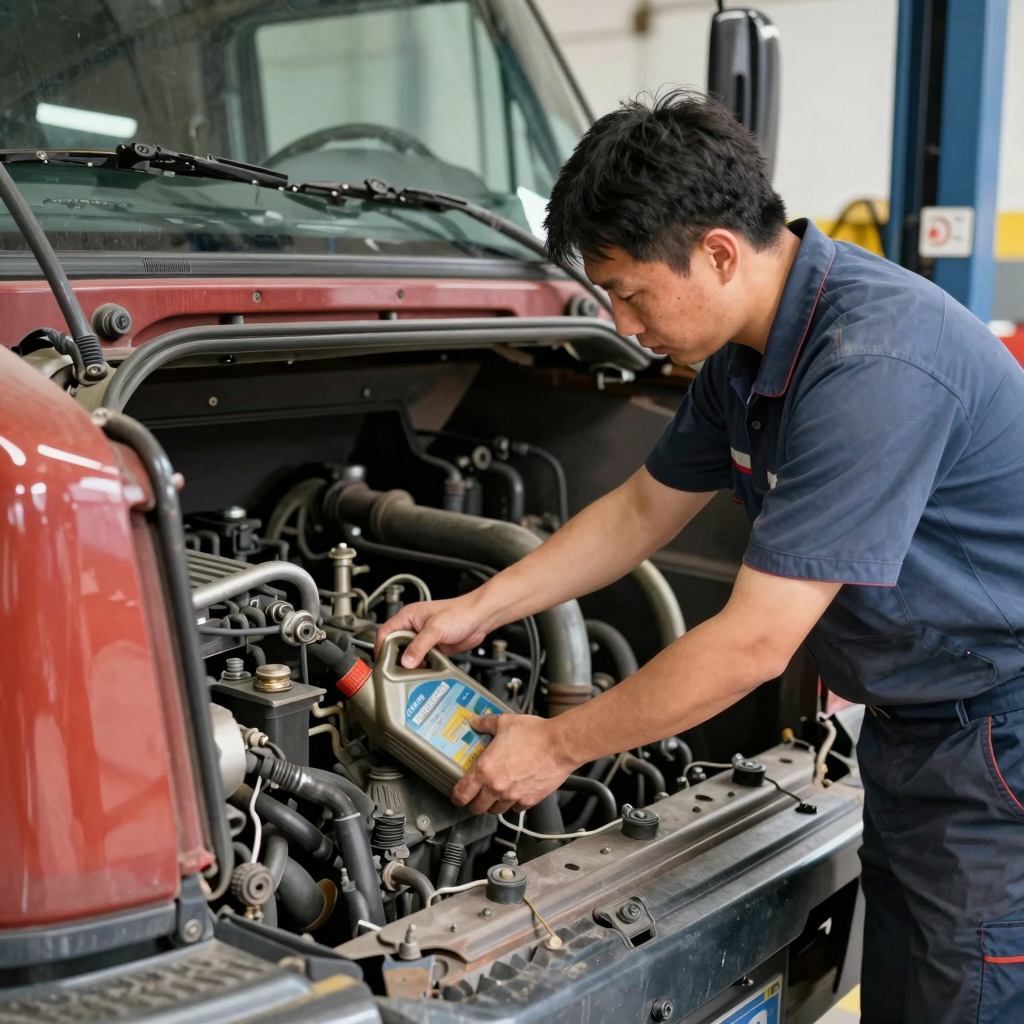
Ensuring the reliability and performance of your truck fleet is critical for businesses in manufacturing, distribution, retail, and construction. Regular servicing not only enhances safety but also boosts operational efficiency and prolongs the lifespan of your vehicles. When pondering the question, “how often should a truck be serviced,” it’s essential to recognize that systematic maintenance can prevent costly repairs and downtime, thus safeguarding your bottom line. The consequences of neglecting service schedules can be dire, potentially endangering both drivers and cargo. Understanding the factors influencing service frequency, such as the type of cargo and operating conditions, can help companies make informed decisions. In an industry where every moment counts, knowing the best practices for truck maintenance is indispensable.
Common Truck Service Intervals
Maintaining a truck’s performance and safety is crucial for any business reliant on transportation. Here is a list of standard service intervals for trucks:
- Oil Change: Every 5,000 to 7,500 miles (8,000 to 12,000 km), depending on oil type and driving conditions.
- Brakes Inspection: Every 10,000 miles (16,000 km); more frequent checks may be needed under heavy load or in harsh environments.
- Air and Fuel Filters Replacement: Every 15,000 miles (24,000 km) or as required based on operational factors.
- Tire Rotation: Every 5,000 miles (8,000 km) to ensure even wear.
- Suspension Inspection: Every 6 months, especially important for trucks operating in urban environments or on rough roads.
- Comprehensive Inspection: Annually, including checks on the cooling system, belts, and hoses.
Factors Affecting Service Frequency
- Driving conditions: Dusty, salty, or mountainous areas increase wear.
- Vehicle load: Heavier loads or frequent towing may require more frequent inspections.
- Climate variations: Extreme temperatures can accelerate wear and fluid breakdown.
For a deeper understanding of how these factors impact maintenance, learn more about the effects of driving conditions and key economic trends impacting the trucking industry.
Table Comparing Service Intervals by Truck Type
Understanding the service intervals for various types of trucks is crucial for maintaining their performance and safety. Below is a detailed table outlining the recommended service intervals for different truck types based on their gross vehicle weight ratings (GVWR):
| Truck Type | GVWR Range | Recommended Service Interval (Mileage) | Recommended Service Interval (Time) |
|---|---|---|---|
| Light-Duty | Up to 10,000 lbs | Every 15,000-20,000 miles | Annually |
| Medium-Duty | 10,001-26,000 lbs | Every 10,000-15,000 miles | Every 6 months |
| Heavy-Duty | Over 26,000 lbs | Every 7,500-10,000 miles | Every 4-6 months |
Source: Industry guidelines from the American Trucking Associations (ATA), National Institute for Automotive Service Excellence (ASE), and manufacturer maintenance schedules (as of 2026).
For more insights into the importance of truck maintenance, check out our articles on trucking industry trends and service costs for heavy trucks.
The Benefits of Regular Truck Servicing
Regular servicing of your truck is not just a maintenance necessity; it is a commitment to safety, cost efficiency, and enhanced longevity of your fleet. For manufacturing and distribution companies, retail and e-commerce businesses, as well as construction and heavy industry firms, the importance of an efficient and reliable vehicle fleet cannot be overstated.
Safety First
One of the primary benefits of regular truck servicing is improved safety. A well-maintained truck is equipped to handle the road’s challenges, reducing the risk of breakdowns and potential accidents. Regular inspections of critical components like brakes, tires, and lights ensure that your drivers can operate with the utmost confidence. This commitment to safety helps foster a culture of care within your organization, allowing employees to feel that their well-being is prioritized.
Cost Efficiency
Moreover, engaging in a regular maintenance schedule can significantly boost cost efficiency. According to industry insights, regular maintenance costs around $3,800 annually per truck, whereas reactive maintenance can skyrocket to $7,200 due to unexpected breakdowns and repairs (LinkedIn, 2025). By proactively servicing your trucks, your company can avoid hefty repair costs and reduce operational downtimes drastically.
Enhanced Longevity
Additionally, regular servicing extends the longevity of your vehicle. A truck’s lifespan can be dramatically increased when it receives timely checks and necessary repairs. This not only reduces the need for frequent replacements but also enhances the overall sustainability of your trucking operations.

By investing in regular truck servicing, you not only secure the trucks themselves but also protect your bottom line and foster a more reliable operation. For further insights on maintaining an effective fleet, check out our section on cross-border regulatory issues.
Conclusion
In conclusion, regular truck servicing represents a small investment with considerable returns, ensuring safety, cost savings, and longer vehicle life – essential factors for any business that relies on efficient transport solutions.
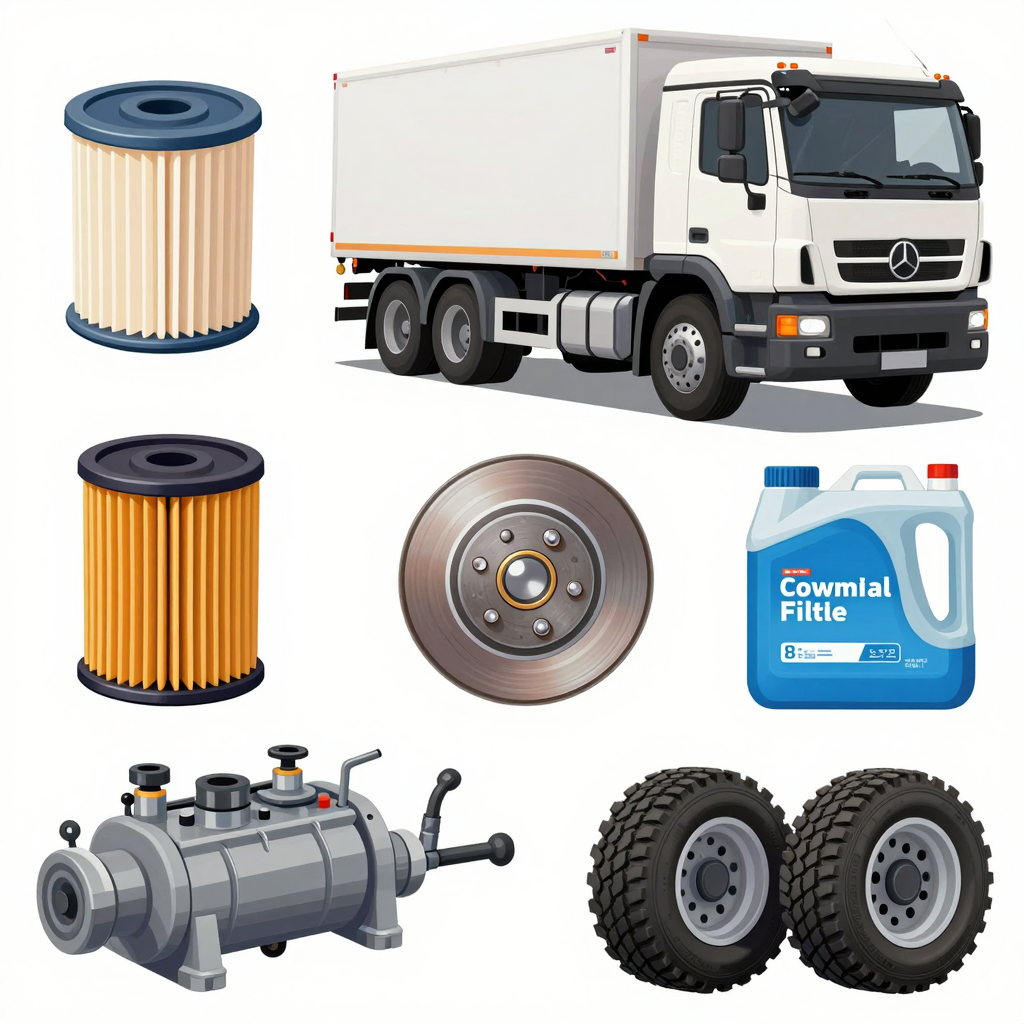
Signs a Truck Needs Servicing
Understanding the signs that a truck needs servicing is crucial for maintaining efficiency and safety on the road. When trucks exhibit certain warning indicators, it is important for business owners to respond promptly. Here are some common signs to watch for:
-
Warning Lights: The most obvious clue is the illumination of dashboard warning lights. These may include the “Check Engine” light, oil pressure warning, or even a specific service alert. Ignoring these signals could lead to serious mechanical failures.
-
Unusual Noises: Drivers should pay attention to strange noises like grinding, squeaking, or rattling sounds, which can indicate imminent issues with brakes or engine components.
-
Reduced Performance: If the truck shows a noticeable decline in acceleration, has difficulty shifting gears, or starts consuming more fuel than usual, it may require servicing. These changes often signal that performance-related components are wearing out.
-
Fluid Leaks: Any sign of fluid leaks, such as oil or coolant, beneath the vehicle is a cause for concern. Regular levels should be maintained to avoid overheating or engine damage.
-
Vibration or Handling Issues: Excessive vibration or an inability to maintain a straight path can signify problems with tires, suspension, or alignment.
Operations should also consider routine servicing intervals. According to industry standards, trucks should typically be serviced every 15,000 to 30,000 miles or every 6 to 12 months, depending on usage. Staying aware of these signs not only upholds safety but also ensures that businesses operate efficiently without unexpected downtimes.
By proactively addressing these warning signs, companies can avoid costly repairs and extend the lifespan of their fleet.
Recommended Truck Service Frequency
Regular maintenance of trucks is crucial to ensure longevity, safety, and optimal performance. Industry experts have made several recommendations regarding service frequency, which varies based on the type of truck and its usage conditions.
According to the Ministry of Transport of China, light trucks (weighing ≤3500 kg) should undergo primary service every 10,000 kilometers or 30 days, while secondary service is recommended every 40,000 kilometers or 120 days. For heavier trucks (weighing >3500 kg), the primary service interval is set at 15,000 kilometers or 30 days and secondary service at 50,000 kilometers or 120 days. This guidance serves as the core recommendation for truck maintenance across the industry.
“轻型货车的一级维护建议在行驶10,000公里或30日内进行。”
Source: Ministry of Transport of China
For heavy-duty vehicles such as long-haul trucks, experts recommend more frequent services, at every 5,000 kilometers for oil changes and a complete maintenance every 6 months. It is also advised to check brake systems bi-weekly and rotate tires every 30,000 kilometers. This tailored approach considers the higher loads and longer distances typical for such vehicles.
“建议每5,000公里进行一次常规油液更换。”
[Source: China National Heavy Duty Truck Group]
Implementing these expert recommendations can lead to reduced downtime and improved operational efficiency, particularly for fleets in manufacturing and distribution as well as retail and e-commerce sectors.
| Service Frequency | Average Annual Maintenance Cost (per truck) | Key Insight |
|---|---|---|
| Reactive Repairs Only | $15,000 | High long-term costs due to unexpected breakdowns and major repairs |
| Regular Preventive Maintenance | $10,500 | 30% lower annual repair costs compared to reactive approach |
Data Source: Industry benchmark report from Fleet Management Today (2026)
https://www.fleetmanagementtoday.com/fleet-maintenance-cost-analysis-2026
Note: The chart illustrates that consistent preventive maintenance significantly reduces overall maintenance expenses. Fleets implementing regular service schedules experience a 30% reduction in annual repair costs, highlighting the financial benefits of proactive maintenance over reactive fixes.
In conclusion, the significance of adhering to regular servicing intervals for your truck fleet cannot be overstated. Key insights indicate that routine maintenance not only improves operational efficiency and reduces unplanned breakdowns by up to 40% but also extends the lifespan of your vehicles and enhances fuel efficiency by as much as 8% (Truck Maintenance Guide). Furthermore, neglecting maintenance can lead to a staggering 30% increase in breakdowns and legal issues due to safety violations (Fleetio Blog). Therefore, it becomes essential for businesses to prioritize truck servicing to safeguard their fleets and bottom lines. For professional and dependable services, consider partnering with Summit Fairings for all your maintenance needs.
Ensure Peak Performance with Summit Fairings
Maintaining your truck is not just a routine task; it is a commitment to ensuring smooth operations and maximizing productivity. Regular servicing enhances engine performance, improves fuel efficiency, and extends the lifespan of your vehicle. At the heart of comprehensive truck maintenance is the solution offered by Summit Fairings, which provides high-quality fairings designed to reduce drag, enhance aerodynamics, and further improve performance. These improvements can lead to significant savings on fuel costs and contribute to reliable transportation. Don’t let neglect compromise your business’s efficiency. Invest in regular maintenance and the right enhancements to keep your trucks performing at their best.
Learn more about the impact of proper maintenance and take the next step towards ensuring your fleet’s reliability and success!