

The significance of the electric truck market is rapidly growing as companies look towards sustainable alternatives to traditional fuel sources. This development is crucial not just for the environment, but also for shifting the logistics and manufacturing industries towards greener practices.
Harbinger’s entry into the Canadian market represents a pivotal moment in this evolution, providing businesses with access to innovative electric medium-duty trucks that are tailored to modern needs. Their motives for market entry are clear – to meet the increasing demand for zero-emission vehicles and to respond to federal EV mandates in Canada, which advocate for cleaner transportation solutions.
This move not only aligns with global sustainability goals but also places Harbinger at the forefront of an important industry shift. The growing electric vehicle market further complements this transition, driving innovation and expansion within the sector.
Overview of Harbinger’s Electric Trucks
Harbinger’s electric trucks are engineered for the medium-duty sector, catering to a diverse range of applications such as delivery vans, walk-in vans, and utility service vehicles. They are available in various configurations to meet the specific needs of fleet operators. Key features include:
Wheelbases
Harbinger offers several wheelbase options, specifically 158, 178, and 208 inches. This range allows customers to select the configuration that best suits their operational needs, optimizing maneuverability and cargo space.
Power Ratings
The electric trucks are equipped with battery packs ranging from 140 kWh to 210 kWh. This power range ensures adequate energy to support various applications, from urban deliveries to fleet operations.
Range
Customers can expect an operational range of between 225 and 338 kilometers on a single charge, making these trucks practical for daily routes without frequent recharging.
Applications
Designed for medium-duty tasks, Harbinger’s trucks are perfect for applications like box trucks for shipping, distribution, disaster response, and other logistical requirements. Their configuration is suitable for approximately 80% of current medium-duty applications, positioning them as a versatile choice for modern fleets.
Durability and Warranty
Harbinger stands behind its vehicles with a robust 10-year warranty that covers the battery, motor, and frame, providing peace of mind to fleet owners.
This combination of features makes Harbinger’s electric trucks a reliable solution for businesses looking to transition towards sustainable transportation alternatives.
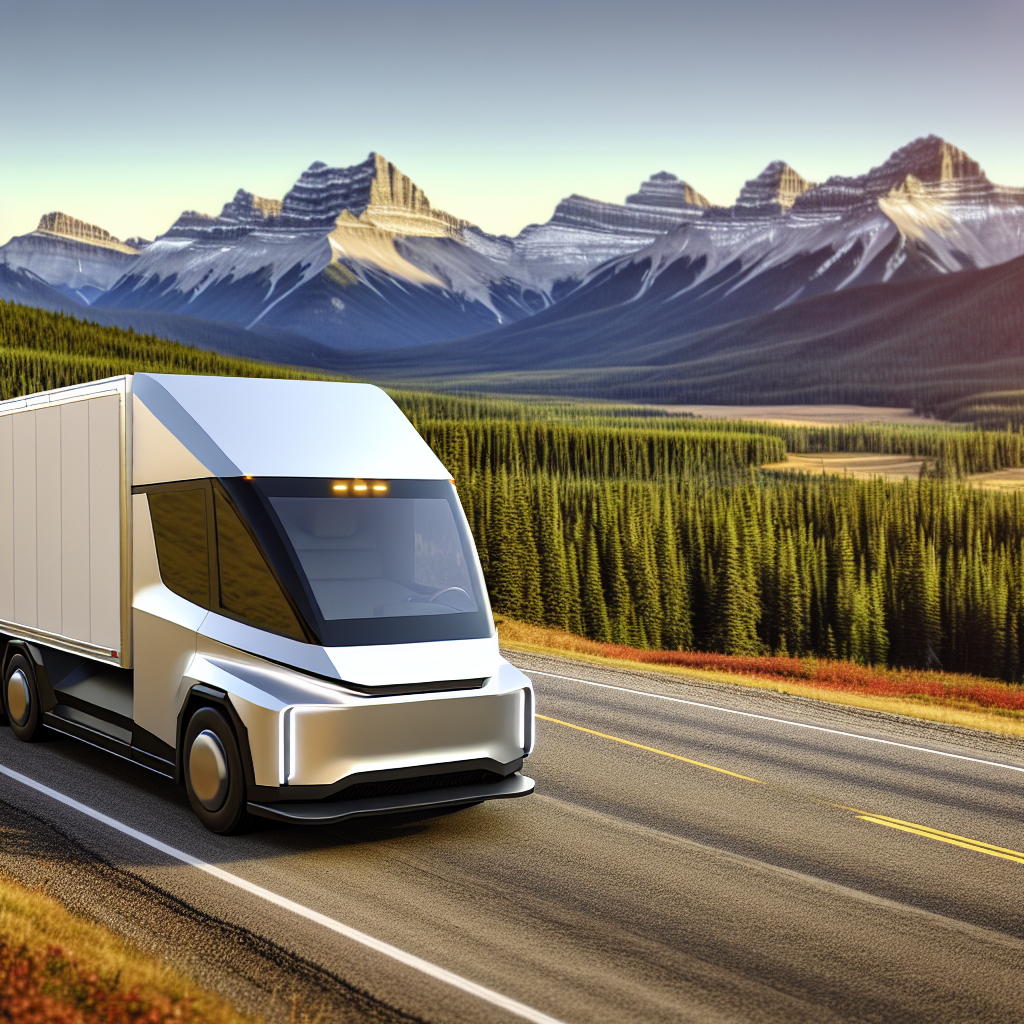
This image showcases the modern design of Harbinger’s electric truck set against a picturesque Canadian backdrop, highlighting its presence in the electric vehicle market.

This image showcases a picturesque Canadian landscape that highlights the natural environment where Harbinger’s electric trucks will operate.
The medium-duty electric truck market in Canada is growing due to higher demand for sustainable transportation and supportive government policies. In 2023, electric vehicle (EV) sales rose sharply, highlighting the appeal of medium-duty electric trucks for urban delivery applications.
Demand Trends
A report from Statistics Canada showed that medium-duty vehicle sales exceeded 1.5 million units in 2023, indicating a strong interest in eco-friendly transport. Notably, medium-duty electric truck sales rose over 245% compared to previous years, showcasing a significant consumer shift towards electrification (Statistics Canada, 2024).
Consumer Preferences
Canadian fleet operators increasingly seek reliable, cost-effective, and environmentally friendly transport solutions. Surveys reveal that about 65% of fleet managers prioritize sustainability in their purchasing decisions. This trend indicates a growing acceptance of electric trucks as viable alternatives to diesel vehicles. Consumers value features like operational cost savings, reduced carbon emissions, and advancements in battery technology that enhance performance.
Federal EV Mandates
The Canadian government has set ambitious electric vehicle targets to cut greenhouse gas emissions. New standards require 20% of commercial vehicle sales to be electric by 2026. This prompts manufacturers to invest in electric truck technology. Additionally, government incentives encourage consumers to consider electric trucks, further driving market growth.
Conclusion
As Harbinger enters the medium-duty electric truck market in Canada, it highlights shifting dynamics in the truck manufacturing industry. Strong demand, evolving consumer preferences, and supportive federal mandates position this market for rapid growth. Advances in battery technology and charging infrastructure also promise a bright future for electric trucks.
As Harbinger moves into the electric truck landscape, key stakeholders within the company have shared pivotal insights regarding its strategic positioning and the industry’s direction. John Harris, CEO of Harbinger, emphasizes, “The commercial EV space is ripe for disruption, and our approach allows us to address multiple use cases without reinventing the wheel for each variant.” This reflects the company’s intention to leverage its unique platform design for versatility across various applications.
Furthermore, Harris underscores the significance of entering markets with strong regulatory support, commenting on the attractiveness of the Canadian market.
Phillip Weicker, Chief Strategy Officer, adds context by stating, “Canada’s commitment to net-zero emissions and its incentives for EV adoption make it a strategic entry point for our North American growth.” He stresses the competitive landscape, remarking, “We’re not just competing with other EVs; we’re competing with the total cost of ownership of diesel trucks, and we’re confident we can win on that front.” Through these perspectives, Harbinger’s leadership highlights the vital connections between innovation, sustainability, and strategic market entry in the burgeoning electric truck sector.
Competitive Advantages of Harbinger
Harbinger’s entry into the electric truck market is marked by several competitive advantages that align closely with the values and preferences of Canadian consumers.
- Durability: Designed to withstand the rigors of medium-duty applications, fleet owners can rely on vehicles that offer robust performance over long operational lifetimes. This reliability is critical for industries requiring dependable transport solutions. Harbinger backs this with a comprehensive 10-year warranty covering the battery, motor, and frame, providing peace of mind to customers making substantial investments.
- Affordability: Positioned to compete on the total cost of ownership, Harbinger electric trucks provide a compelling case for fleet operators who want to reduce operating expenses. As fuel prices fluctuate, the cost savings derived from electric powertrains become increasingly attractive, allowing Canadian businesses to operate more efficiently while enjoying lower maintenance expenses.
- Environmental Benefits: The environmental benefits associated with electric trucks resonate strongly with Canadian consumers. With rising awareness of climate change and governmental support for zero-emission vehicles, many fleet operators are responding positively to the chance to reduce their carbon footprint. By choosing Harbinger trucks, businesses not only meet regulatory standards but also contribute to a more sustainable future, aligning operations with the ecological values held by their customers and communities.
| Feature | Harbinger | Rivian | Tesla | Ford |
|---|---|---|---|---|
| Power Ratings | 140-210 kWh | 135 kWh (R1T) | 1020 HP (Cybertruck) | 67 kWh (E-Transit) |
| Battery Range | 225-338 km | 314+ km | 500+ km (Cybertruck) | 126 km |
| Warranty | 10 years battery, motor, frame | 8 years/175,000 miles | 8 years/150,000 miles | 3 years/Unlimited miles |
| Market Segment | Medium-duty trucks | Light-duty trucks | Light-duty trucks | Light-duty trucks |
| Current Sales | 200+ (2025) | 25,000 vans (2024) | High demand | Sales declining |
In conclusion, Harbinger’s entry into the Canadian electric truck market represents a significant shift towards sustainability in the medium-duty sector. With robust features, competitive pricing, and a commitment to durability, Harbinger’s electric trucks present a credible alternative to traditional fuel-powered vehicles, aligning with the increasing consumer demand for environmentally friendly transport solutions.
The ongoing evolution of federal mandates supporting electric vehicle adoption further emphasizes the economic viability and environmental necessity of transitioning towards electrification in logistics and fleet operations. As businesses navigate the complexities of reducing their carbon footprints and managing operating costs, the adoption of Harbinger’s trucks could not only enhance fleet efficiency but also contribute meaningfully to broader sustainability goals.
Encouragingly, as more Canadians consider electric options for their transportation needs, the market is poised for growth, and Harbinger stands ready to lead the charge towards a greener future in commercial vehicle manufacturing.
Seeking Insights from Industry Analysts on Harbinger’s Market Entry
To gather insights and opinions from industry analysts regarding the implications of Harbinger’s entry into the Canadian market and its potential future developments, consider the following strategies:
- Surveys: Design and distribute surveys targeted at analysts specializing in electric vehicles and medium-duty trucks. This will help in gauging their expectations and forecasts concerning the market dynamics influenced by Harbinger’s presence.
- Direct Outreach: Engage industry analysts through direct communication channels such as phone calls or personalized emails. This offers an opportunity for in-depth discussions and allows analysts to share their perspectives on market shifts and future trends.
- Roundtable Discussions: Organize roundtable discussions or focus groups with selected analysts. These gatherings can facilitate collaborative conversations and yield diverse opinions about Harbinger’s strategies and its impact on the market.
- Webinars: Host webinars that delve into Harbinger’s market entry strategies. Inviting analysts to participate can foster constructive dialogue and offer real-time input on market dynamics.
- Social Media Engagement: Utilize platforms like LinkedIn to connect with industry experts and influencers. Engaging with them through discussions or posts can draw insightful critiques and predictions relevant to Harbinger’s entry and its implications.
By employing a multi-channel approach, the outreach efforts can provide a well-rounded understanding of expert opinions on Harbinger’s impact in the Canadian medium-duty electric truck market.
As we explore the competitive advantages that Harbinger brings to the electric truck market, it is essential to consider how these strengths strategically position the company in comparison to its rivals. The durability, affordability, and environmental benefits of Harbinger’s electric trucks not only resonate with the values of Canadian consumers but also enhance their competitiveness when measured against other key players in the industry.
Now, let’s delve deeper into how Harbinger’s offerings stack up against those of its competitors, examining critical features and market performance that highlight its standing in the medium-duty electric truck landscape.
External References
To further enhance the credibility of this article on Harbinger and the electric truck market, consider the following external sources:
- Zero-Emission Medium- and Heavy-Duty Vehicle Sales in Canada: A 2023 Market Update – Electric Autonomy Canada (2023-09-15). Report showing significant growth in medium-duty electric truck registrations, with a 45% increase year-over-year in 2022.
- Canadian Zero-Emission Vehicle Infrastructure Program – Medium and Heavy-Duty Vehicle Data – Natural Resources Canada (2023-11-01). Government data tracking medium and heavy-duty zero-emission vehicle deployments.
- 2023 Canadian Consumer EV Survey: Adoption Trends and Preferences – KPMG Canada (2023-06-20). Survey revealing growing preference for electric vehicles among Canadians and factors influencing their choices.
- Medium-Duty Truck Electrification in Canada: Market Analysis and Forecast – Deloitte Canada (2023-08-10). Analysis projecting medium-duty electric truck sales to reach 15% of the total medium-duty market by 2025.
- Electric Vehicle Consumer Report: Canadian Attitudes and Purchase Intentions – Clean Energy Canada (2023-10-05). Research showing 71% of Canadians would consider an electric vehicle, emphasizing the commercial sector’s growing acceptance.