
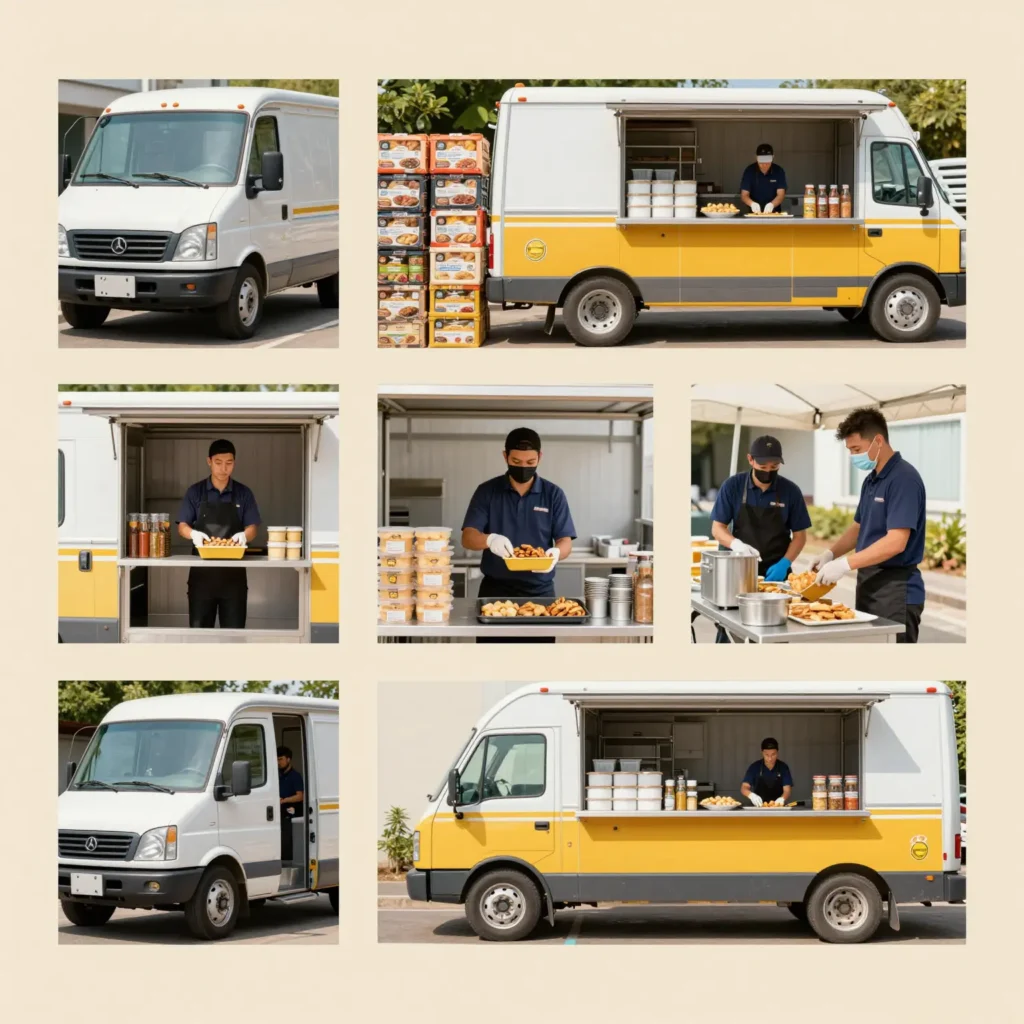
In the bustling world of manufacturing and distribution, the role of food service truck workers emerges as pivotal yet often overlooked. These dedicated individuals are not only responsible for delivering essential food supplies to various sectors, including retailers and hospitality, but they also ensure that freshness and quality are maintained throughout the supply chain. With an emphasis on speed and reliability, food service truck workers face myriad challenges-from navigating complex logistics and regulatory requirements to managing the physical demands of their jobs. Their efforts contribute significantly to the efficiency of food distribution, directly impacting businesses and consumers alike. As we delve deeper into the article, we aim to highlight the crucial functions these workers perform and the obstacles they encounter daily. Their experiences resonate across industries, making it essential for companies and small business owners to recognize and support their invaluable contributions. For a more thorough understanding of how economic factors affect trucking, learn more about current economic trends impacting the trucking industry. Additionally, navigating the intricacies of cross-border regulations can pose additional hurdles for food service truck workers, prompting the need for strategies to address these challenges.
Roles and Responsibilities of Food Service Truck Workers
Food service truck workers engage in a variety of tasks that ensure efficient operation and customer satisfaction within mobile food units. Here’s a comprehensive list of their key roles and responsibilities:
-
Meal Preparation:
-
Prepare ingredients for cooking, ensuring freshness and quality.
-
Cook meals using commercial-grade kitchen equipment, following standardized recipes to maintain consistency.
-
Food Safety and Sanitation:
-
Adhere to strict food safety standards, including proper food storage, handling of perishable goods, and cleanliness protocols.
-
Maintain a sanitary environment by cleaning and sanitizing the kitchen and service areas frequently.
-
Inventory Management:
-
Monitor and manage food inventory to ensure sufficient supplies for daily operations.
-
Conduct regular inventory checks and place orders to replenish stock, focusing on minimizing waste.
-
Customer Service and Interaction:
-
Engage with customers to take orders, provide menu recommendations, and handle inquiries regarding food ingredients and allergens.
-
Deliver prompt, courteous service to enhance customer experience and encourage repeat business.
-
Truck Management and Operations:
-
Operate the food service truck in various locations, ensuring compliance with local regulations and permits.
-
Carry out pre- and post-trip vehicle inspections, ensuring that all equipment is functional and safe to use.
-
Record Keeping:
-
Maintain accurate records for daily sales, inventory usage, and compliance reporting as required by health officials.
-
Assist in preparing reports regarding truck operations and food service delivery performance.
-
Team Collaboration:
-
Work closely with other team members to coordinate tasks and streamline food services during busy periods.
-
Participate in training and professional development to enhance skills in food service and truck management.
These responsibilities highlight the multifaceted role of food service truck workers who play a crucial part in mobile food delivery and customer satisfaction. For further insights, learn more about the impact of tariffs on trucking and the trends in trucking maintenance.
Industry Challenges Faced by Food Service Truck Workers
Food service truck workers often navigate a myriad of challenges that can significantly impact their operations and overall working experience. The complexities of this mobile food industry necessitate a deep understanding of the unique hurdles that these employees confront daily.
Long Hours and Unpredictable Schedules
One of the most pressing challenges is the demanding nature of the job. Food service truck workers commonly experience long hours that stretch into the late night or early morning, often characterized by irregular schedules. These unpredictable hours can lead to fatigue, which not only affects the workers’ health but can also compromise the quality of service offered to customers. A study from the U.S. Bureau of Labor Statistics indicates that workers in mobile units endure adverse conditions including prolonged standing and the physical demands related to food preparation while managing customer interactions during busy periods.
Regulatory Compliance
Regulatory compliance poses another significant challenge for food service truck workers. According to the FDA’s guidelines on food truck regulations, mobile food vendors must adhere to strict food safety standards that are on par with brick-and-mortar restaurants. This includes maintaining proper food temperatures, preventing cross-contamination, and ensuring proper hygiene among staff. However, many food truck operators struggle with the logistics of compliance due to the variable environments in which they operate. A report from the National Restaurant Association noted persistent compliance issues, including inadequate personal hygiene practices and inconsistent temperature control during transport.
Working Conditions
The working conditions for food service truck workers are often less than ideal. Workers are typically exposed to extreme weather conditions, from heatwaves to rain, while operating their trucks. The limited workspace also results in physical strain from repetitive movements and carrying heavy equipment, as highlighted by the National Restaurant Association. Furthermore, access to basic facilities such as restrooms can be scarce, adding to the discomfort during long shifts.
Inadequate Support and Resources
Lastly, food service truck workers frequently lack adequate support and resources to manage the multifaceted challenges they face. Educational programs and training on health and safety compliance are often not accessible, which can leave them ill-prepared for navigating regulatory landscapes. This lack of support can perpetuate a cycle of non-compliance and operational difficulties, thereby impacting the sustainability of their business.
In conclusion, the challenges faced by food service truck workers, including long hours, regulatory compliance, and tough working conditions, not only affect their personal well-being but also hinder their operational success. Addressing these issues through better regulations and support can lead to a healthier work environment and improved service quality for customers.
| Equipment/Tool | Description | Purpose |
|---|---|---|
| Cooking Equipment | Includes stoves, fryers, and ovens that enable on-the-go meal preparation. | Essential for cooking and heating food. |
| Refrigeration Units | Includes refrigerators and freezers to store perishable ingredients. | Maintains food safety and quality through refrigeration. |
| Preparation Stations | Work surfaces used for slicing, chopping, and assembling food items. | Streamlines food assembly and preparation process. |
| Cleaning Supplies | Includes sanitizers, mops, and cleaning cloths for maintaining hygiene standards. | Ensures food safety and prevents contamination. |
| Ice Makers | Equipment for producing ice used in drinks and food preservation. | Keeps beverages cold and preserves food quality. |
| Food Warmers | Equipment for keeping food at safe serving temperatures prior to serving. | Maintains food temperature and quality. |
| Cooking Utensils | Various kitchen tools like knives, cutting boards, and cooking pots. | Essential for food preparation and cooking processes. |
| Point-of-Sale Systems | Digital systems for processing transactions and managing orders. | Enhances customer service and operational efficiency. |
| Serving Equipment | Includes trays, plates, and disposable containers for serving food to customers. | Facilitates efficient food service and presentation. |
Best Practices for Food Service Truck Operation
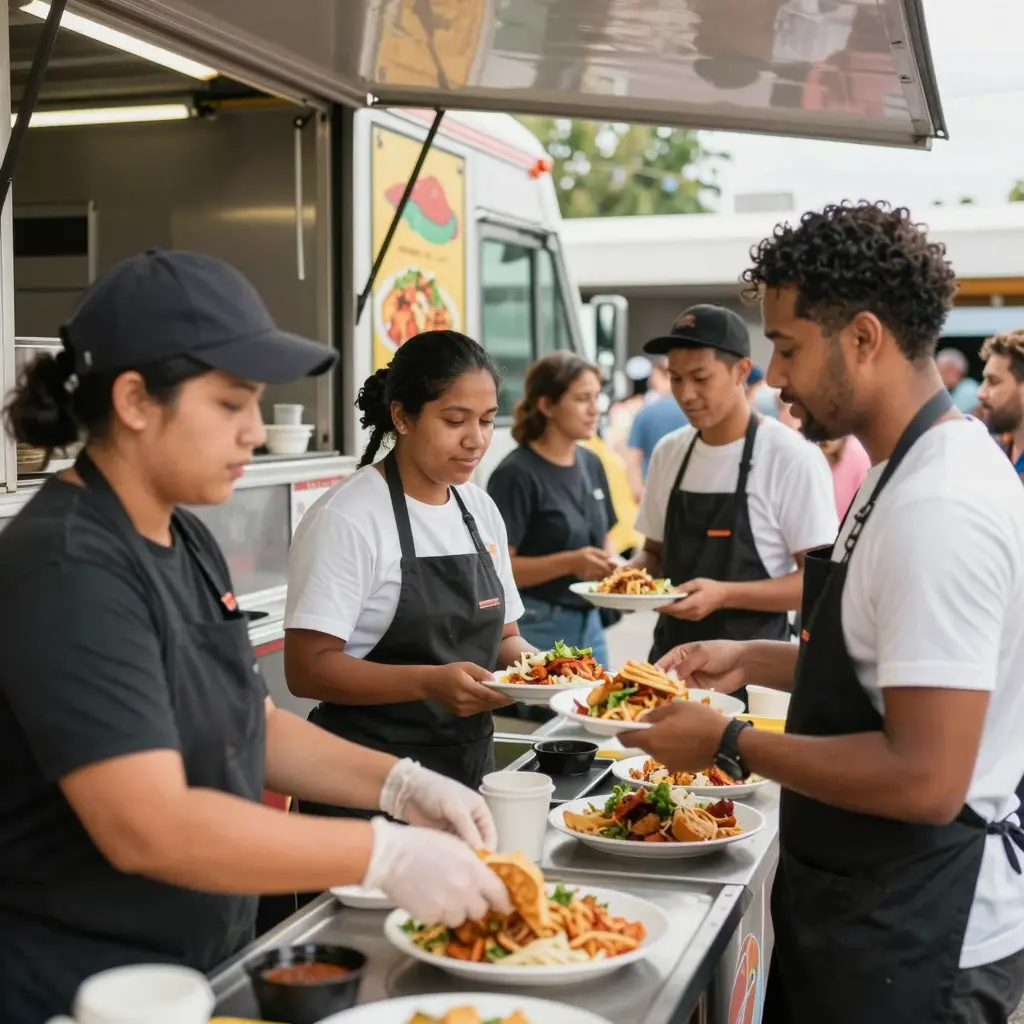
Operating a food service truck can be a rewarding venture, but it requires strategic planning and execution to ensure efficiency, safety, and optimal customer service. Here’s an overview of best practices that small business owners should consider:
Efficiency
- Streamlined Menu Design: Simplifying the menu can enhance operational efficiency. Focus on fewer items that can be pre-prepared, reducing cooking times while still offering variety. This approach can cut down unnecessary wait times, improving customer satisfaction.
- Smart Route Planning: Utilize GPS and real-time traffic data to optimize delivery routes. This strategy not only reduces fuel costs but also decreases wait times for customers, ensuring timely service.
- Batch Preparation: Prepare ingredients in bulk when possible to minimize daily prep time. Having key components ready can significantly streamline the cooking process during peak hours.
Safety
- Health Compliance: Ensure that your food truck is compliant with local health codes. Regular inspections should be scheduled to avoid penalties and ensure that health standards are consistently met. Compliance includes maintaining proper food storage temperatures and cleanliness.
- Staff Training: Train staff on critical safety practices, including proper food handling techniques, the use of kitchen tools, and allergen awareness. This training is vital for minimizing risks related to food safety and accidents in the truck.
- Daily Cleaning Logs: Maintain daily cleaning logs to ensure that all equipment and surfaces are regularly sanitized. This not only improves food safety but enhances the overall quality of service offered to customers.
Customer Service
- Friendly Interaction: Exceptional customer service begins with staff training focused on creating engaging interactions. Staff should be encouraged to offer personalized experiences, remembering regular customers and their preferences.
- Digital Ordering Systems: Implementing mobile ordering and payment options can greatly enhance the customer experience. It reduces the need for long lines at the truck and allows customers to order at their convenience.
- Feedback Mechanisms: Utilize social media and in-person feedback opportunities, such as QR code surveys, to gather customer input on service and food quality. This feedback can inform improvements and help build customer loyalty.
By focusing on efficiency, safety, and customer service as outlined above, food truck operators can create a thriving business that resonates well with visitors and stands out in the competitive landscape of mobile food service. For more insights on the broader operational context in the trucking industry, you may want to explore key economic trends impacting the trucking industry.
Successful Case Studies in Food Service Truck Operations
The food service sector is continuously evolving, driven by innovation and the need for increased efficiency. Below are detailed case studies that highlight how food truck operations have strategically enhanced their business efficiency, paving the way for better service delivery and greater profitability.
1. Taco Loco Express: Streamlining Operations
Overview: Taco Loco Express, a popular food truck specializing in Mexican cuisine, faced challenges related to long service times during peak hours. By addressing these inefficiencies, the business successfully improved its customer satisfaction and overall profitability.
Strategic Choices Made:
- Menu Simplification: The team conducted a thorough review of their menu, opting to simplify offerings and focus on a curated selection of items. This standardized recipes allowed for quicker preparation and service.
- Pre-Packaged Ingredients: To further enhance speed and consistency, Taco Loco Express began utilizing pre-packaged ingredients. This change not only reduced preparation time but also minimized waste, as they could accurately forecast ingredient usage.
- Real-Time Data Utilization: By integrating a point-of-sale system that offered real-time data analytics, the business was able to track customer preferences, peak hours, and inventory levels. This allowed managers to adjust staffing and supplies dynamically.
Results: Service times were reduced by 38%, significantly improving customer satisfaction and increasing daily sales. The operational changes also helped Taco Loco Express identify popular menu items, which led to focused marketing efforts that resulted in a broader customer base.
2. Burger Bash: Data-Driven Success
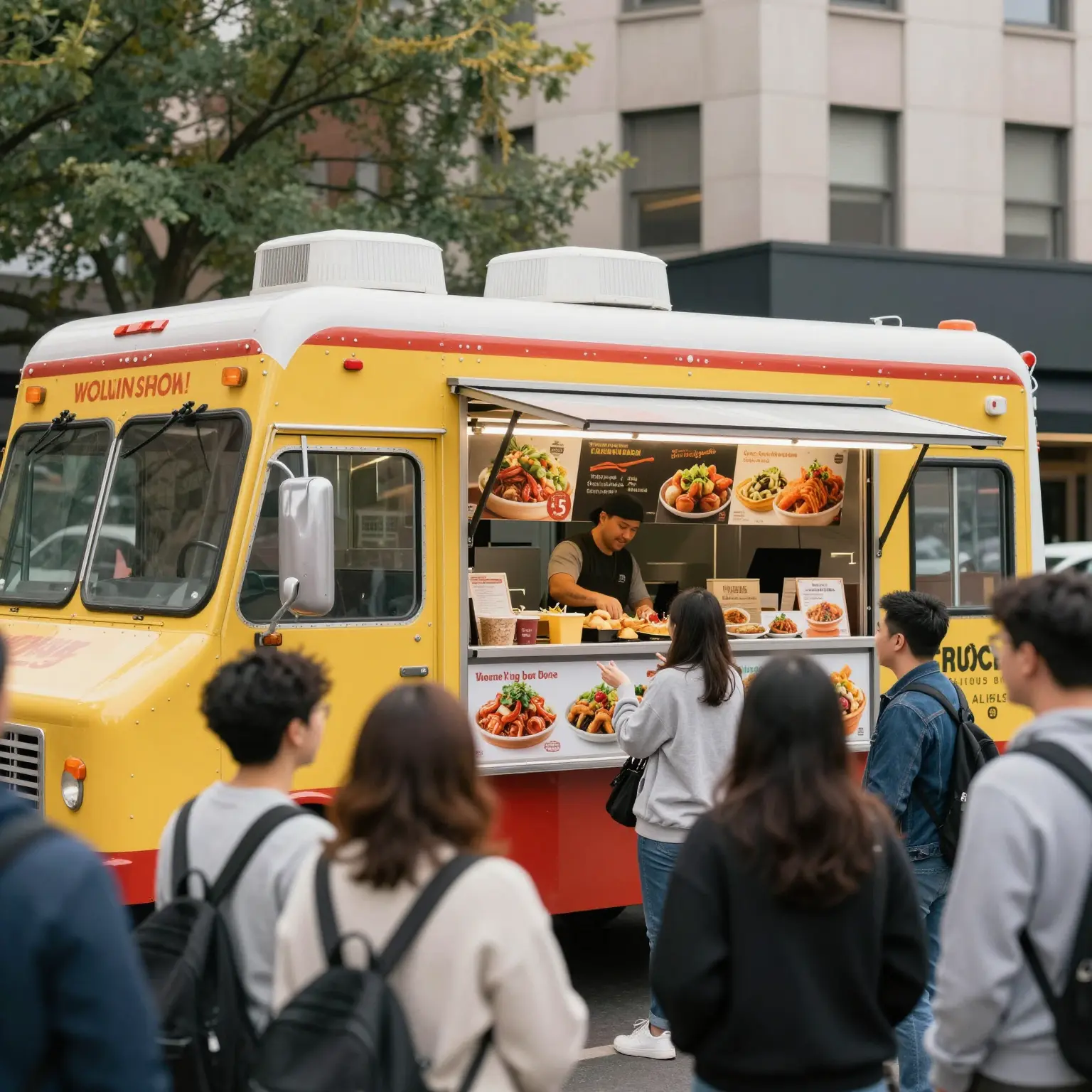
Overview: Burger Bash, a regional food truck chain, was struggling with identifying optimal locations for service. Utilizing technology, they implemented a data-driven strategy that dramatically improved their revenue.
Strategic Choices Made:
- Location Analytics Software: The company adopted a sophisticated location analytics solution to analyze foot traffic patterns. This allowed them to pinpoint high-footfall areas during peak hours and adjust their operational strategy accordingly.
- Event-Driven Scheduling: By closely monitoring local event calendars, Burger Bash tailored their operating days to coincide with large community events, festivals, and gatherings, ensuring maximum exposure and customer engagement.
- Mobile Pre-Ordering: To reduce on-site wait times, they launched a mobile app that allowed customers to pre-order their meals. This not only improved customer experience but also optimized the cooking schedule for staff.
Results: Within a year, Burger Bash reported a stunning 60% increase in revenue, along with a remarkable 42% reduction in idle time during service hours. The integration of technology not only enhanced operational efficiency but also allowed for better planning and customer service.
3. Green Bite Mobile: Emphasizing Sustainability
Overview: Green Bite Mobile adopted sustainable practices while focusing on operational efficiency, showing that eco-friendliness can align with profitable business outcomes.
Strategic Choices Made:
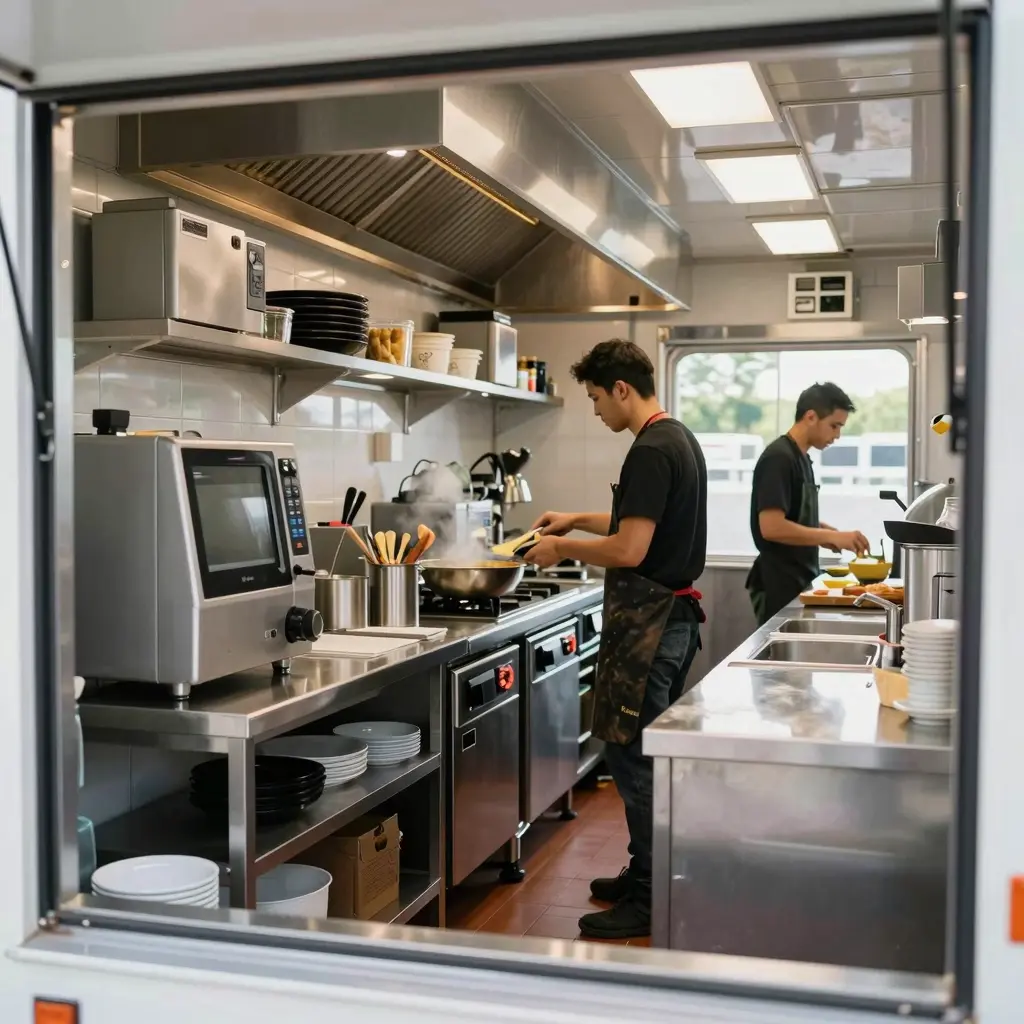
- Eco-Friendly Equipment: Transitioning to solar-powered refrigeration and propane-efficient cooking equipment helped lower overall fuel costs. This initiative not only appealed to the environmentally conscious consumer but also reduced operational expenses.
- Digital Operations Management: By leveraging digital point-of-sale systems, they improved transaction efficiency and enhanced inventory management. This reduced administrative time, allowing staff to focus more on customer service.
- Sustainable Ingredient Sourcing: Partnering with local farms for organic produce minimized transportation costs and helped in building a strong community rapport while ensuring product freshness.
Results: Green Bite Mobile saw a 30% decrease in fuel costs and a 22% increase in repeat customers due to their commitment to sustainability. This successful integration of sustainable practices set a benchmark in the food truck industry, showcasing that operational efficiency and environmental responsibility can coexist.
In conclusion, these case studies demonstrate that strategic operational decisions in food service truck operations can lead to significant improvements in business efficiency. By embracing technology, simplifying service models, and focusing on sustainability, food trucks are not just surviving but thriving in a competitive market.
For more insights into how to optimize your logistics in the food service sector, learn more about key economic trends impacting the trucking industry.
Trends in the Food Service Truck Industry
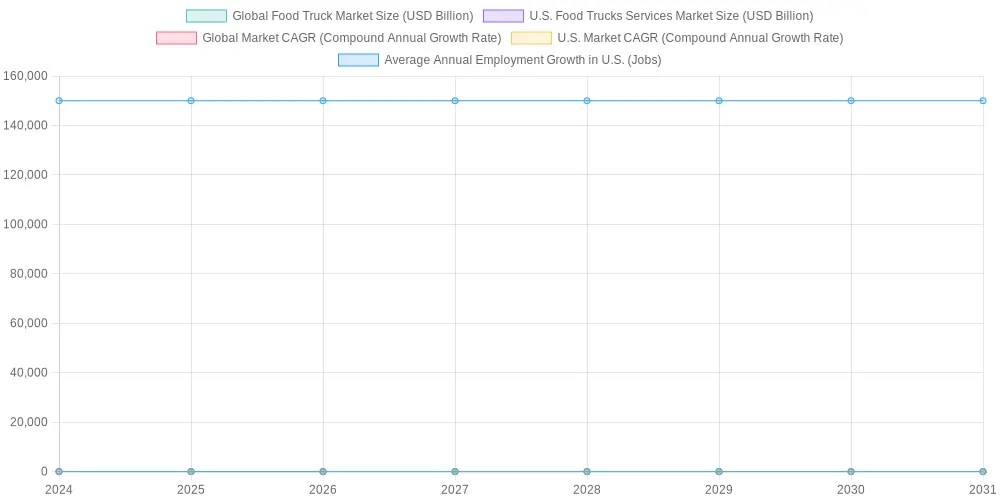
The food service truck industry has been experiencing significant growth in recent years, driven by increasing demand for convenient and high-quality food options. The following chart illustrates key trends in the industry, including market growth projections and employment statistics:
Key Insights from the Chart:
- Market Growth: The global food truck market is projected to grow from $5.42 billion in 2024 to $7.87 billion by 2031, with a compound annual growth rate (CAGR) of 6.3%.
- U.S. Market Trends: The U.S. food truck services market is expected to rise from approximately $1.8 billion in 2024 to around $3.1 billion in 2031, demonstrating a robust CAGR of 8.4%.
- Employment Opportunities: The food truck industry is projected to create around 150,000 jobs annually in the U.S., highlighting its role as a key player in the employment landscape.
For more detailed insights and related trends in trucking and logistics, you can learn more about the impact of tariffs on heavy trucks or explore trends affecting the trucking industry.
The Importance of Food Service Truck Workers
“Food service truck workers are the backbone of the cold chain and last-mile delivery network. Without their consistent presence and reliability, especially during peak demand periods like holidays or emergencies, the entire food distribution system would face critical disruptions. Their role ensures that perishable goods reach restaurants, hospitals, schools, and retailers safely and on time.”
- Dr. Elena Martinez, Supply Chain Logistics Expert, University of California, Davis (source)
In conclusion, food service truck workers play a pivotal role in the operations of various industries, particularly in manufacturing and distribution. They are not just responsible for delivering products; they ensure food safety and maintain high-quality service standards. As outlined, their flexibility in deployment allows businesses to enhance their market presence and maximize revenue during events and busy seasons. Moreover, their skills-ranging from cooking to handling logistics-are essential for businesses aiming to thrive in a competitive landscape. As noted in previous discussions, investing in personnel and acknowledging their contributions leads to better operational efficiency and customer satisfaction in the long term.
For businesses looking to improve their logistics and supply chain management, collaborating with professional food service truck providers is vital. This not only ensures timely deliveries but also maintains the integrity of the products throughout the transportation process. If you’re interested in optimizing your food service operations, learn more about how Fritzke Trucking Inc. can help your business succeed.