
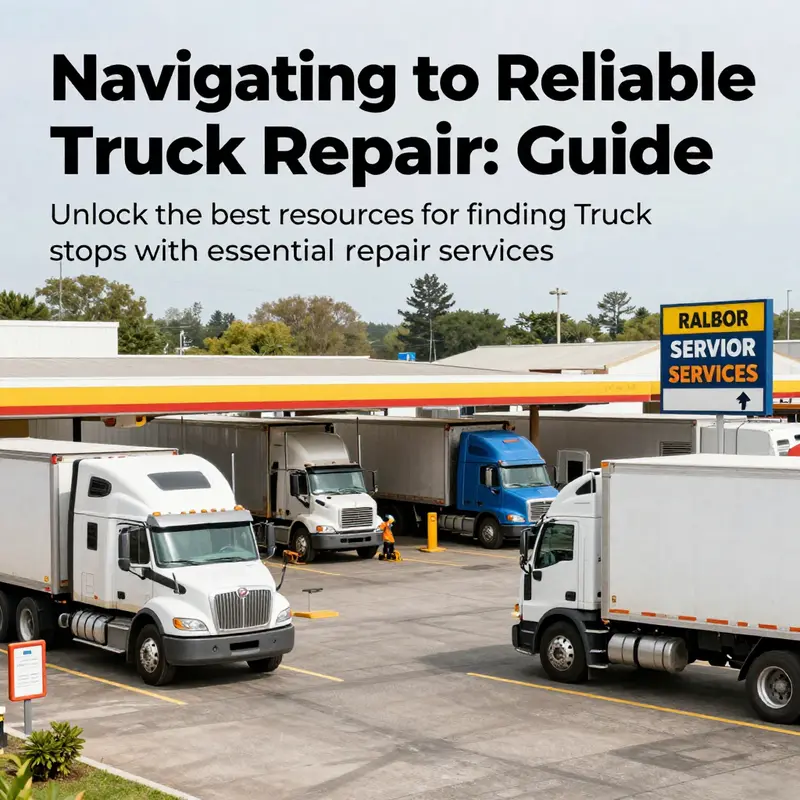
Finding truck stops that offer reliable repair services is critical for manufacturing and distribution companies, retail businesses, construction firms, and small business owners reliant on shipping. Efficient operations hinge on minimizing downtime during road travel, and knowing where to locate necessary repair services can make all the difference. This article will explore various methods—including dedicated directories, navigation applications, manufacturer resources, mobile apps, and assistance from insurance providers—that together empower businesses to ensure their trucks are well-maintained and operational. Each explored chapter will provide valuable insights into enhancing service accessibility and operational efficiency for all heavy vehicle users.
Using Dedicated Trucking Directories to Find Truck Stops Offering Repair Services
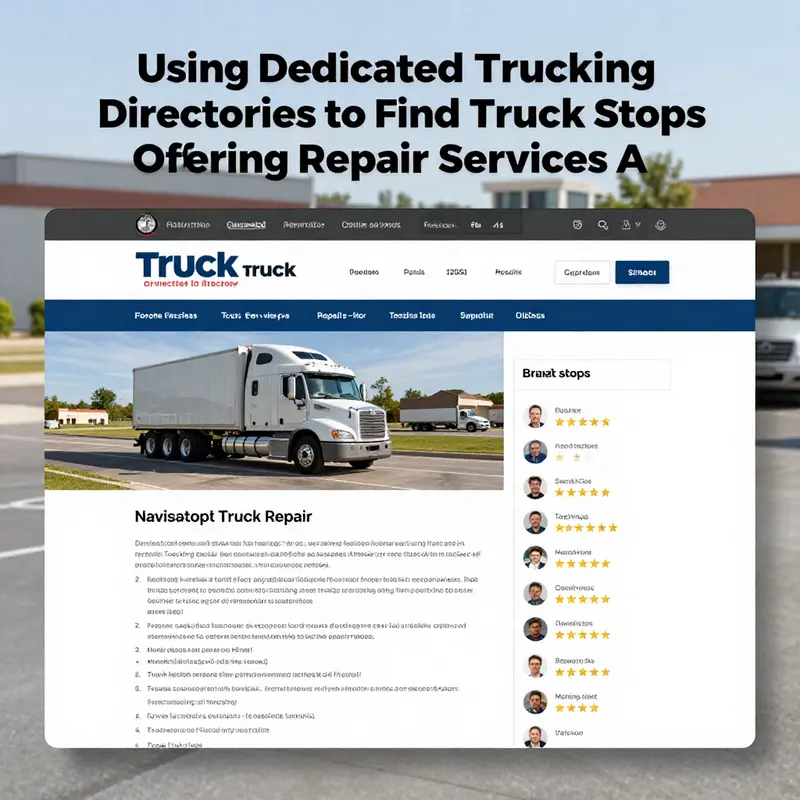
When the road stretches long and the clock is ticking, every mile between service stops matters. For truckers and fleet managers alike, the challenge is not just finding a place to refuel or rest, but locating a stop that can handle repair needs with minimal downtime. Dedicated trucking directories have grown into essential tools for this task. They compile extensive listings of stops across vast regions, including details on the maintenance capabilities each location offers, from tire changes and brake inspections to engine diagnostics and fluid replacements. Rather than scattering searches across multiple apps and websites, a single directory can become a practical routing companion, guiding decisions in real time and helping operators plan mercy stops that keep schedules intact and safety uncompromised. The value lies not only in the breadth of coverage but in the clarity of the service types and the freshness of the information. For fleet planners, the ability to filter for repair capabilities along a route translates into fewer unexpected delays and more predictable delivery windows. For independent drivers, it creates a map of reliable options that can be trusted in unfamiliar territory. In this landscape, a leading approach is to lean on an interactive map and search filters that expose truck-specific services, and to read user remarks that hint at current realities—whether a shop can handle a diagnostic issue on the spot, or if a bay is taken by a local fleet overnight. The practical upshot is straightforward: when you know where to stop for repairs, you spend less time stuck on the shoulder and more time moving toward your destination. The directories that matter organize information in a way that aligns with the realities of long-haul operations. You’ll typically see fields for location, service types (such as diesel service, brake work, tire changes, engine diagnostics), hours of operation, amenities, and sometimes real-time service availability. For drivers who operate across borders, these platforms often extend into Canada as well, giving a sense of continuity that helps when planning cross-border legs where service networks can differ markedly from those in the United States. The map interface is particularly valuable. You can zoom in along your current corridor or plan ahead for a multi-day trek, and the map will reveal which stops have repair capabilities and how far off the main route they lie. This is not a mere convenience; it is a practical risk management tool. A well-curated directory will also present user reviews and current notes about wait times, technician accessibility, and the general throughput of the repair bays. This kind of social verification is invaluable because a shop with a polished brochure may not reflect the realities of a busy weekday or a late-night breakdown. On a long-haul journey, the difference between a well-chosen stop and a poor one can translate into hours saved, not just dollars. One of the core strengths of dedicated trucking directories is their ability to present service categories in a way that matches the trucker’s needs. Tire services, brake work, and diesel or fuel system maintenance are common, but many directories also list more specialized offerings, such as electronics diagnostics, cooling system checks, or transmission service. When planning a route, you can quickly filter to show only locations that offer the exact repairs you anticipate might be needed on this leg of the trip. The value of this approach deepens when you consider fleet maintenance planning. For fleets, repair stops that can accommodate larger vehicles, provide vehicle height clearances, and operate with bays compatible with fleet maintenance rhythms become strategic nodes on the map. Having a reliable repair stop along a corridor reduces the risk of derailment into costly detours or emergency dispatches. In practice, a driver or planner might begin by identifying a few dependable regional hubs and then threading a line of backups, so if one shop is closed or too busy, another nearby facility can take over. When you use dedicated trucking directories, you also gain access to the maintenance history and service records associated with each location in some cases. This capability helps fleets analyze which stops consistently deliver quality work and quick turnarounds, while independent drivers can reference past experiences to select shops that align with their vehicle type and typical service needs. Of course, no directory is a silver bullet. The true value emerges when you synthesize directory data with other tools in your toolkit. For example, optional integration with navigation apps that offer truck-specific filters can augment the map view with real-time traffic, road conditions, and detour guidance. You might discover that a repair bay is available within a reasonable drive time of a shutdown point, or uncover a nearby facility that offers a drop-in diagnostic while you wait. When you’re on a tight schedule, even a few minutes saved by avoiding a non-functional shop can translate into meaningful gains. In this context, the reliability and timeliness of the data become critical. Reputable directories publish routine updates about service availability and hours, and user feedback can flag temporary closures or resource constraints. The dynamic nature of trucking means a shop that was open last week may not be today, and a directory that reflects that reality becomes an operational asset rather than an afterthought. Another practical aspect is the relationship between maintenance services and manufacturer-specific or fleet-aligned networks. If you drive a particular make or model, certain repair centers offer technicians trained on that line, with access to manufacturer-recommended repair procedures and parts. Directories that note affiliations or on-site capability for brand-specific service can guide decisions when a breakdown threatens to snowball into a larger issue. In this space, one reliable approach is to treat the directory as a starting point for a broader validation workflow. Check the posted service types and hours, scan the reviews for consistency, and then corroborate with a quick call to the shop to confirm bay availability and the expected turnaround. This layered strategy reduces the odds of arriving to a closed facility or facing a long wait, and it keeps the mission-critical flow of the trip intact. For readers who want to dig deeper into how directories shape maintenance decisions within the broader trucking ecosystem, consider exploring related industry perspectives on maintenance trends and fleet management. There is value in understanding how private fleets adapt their maintenance strategies in response to evolving demand and regulatory environments, as these factors influence where and when drivers stop for repairs. In practice, the most effective use of dedicated trucking directories blends navigation, maintenance awareness, and route-risk management into a single, coherent process. Begin with a quick scan of service capabilities along the intended route, then align those findings with your schedule by prioritizing sites that offer the exact repairs you anticipate. Next, check hours and availability, reviewing any recent notes from other drivers about wait times or unexpected closures. Finally, confirm logistics with the shop before arrival, and keep a contingency plan ready in case a preferred stop cannot accommodate you. This approach not only keeps you moving but also reinforces safety by ensuring that the vehicle is properly maintained and ready for the next leg of the journey. For more context on how fleets are adapting to current maintenance dynamics, see the broader discussion on private fleets trends in trucking maintenance. You can explore that resource here: private-fleets-trends-in-trucking-maintenance. As you become proficient with dedicated trucking directories, you’ll develop a mental map of trusted repair hubs that align with your typical routes and vehicle profiles. When a sudden issue arises, you’ll know where to turn with confidence, minimizing downtime and keeping cargo moving. If you want a practical starting point for the most up-to-date listings on repair-capable stops, look for an interactive map and search filters that provide location, service type, and real-time status. And as the landscape evolves, remember that the purpose of these tools is to help you stay ahead of problems before they derail a trip. For ongoing education about the broader factors shaping trucking maintenance and route planning, consider cross-referencing the related industry insights that accompany this topic. For the most up-to-date information on truck stops with repair capabilities, you can visit external resources such as https://www.truckstop.com.
Guided by the Road: Using Navigation Tools to Locate Truck Stops with Reliable Repair Services
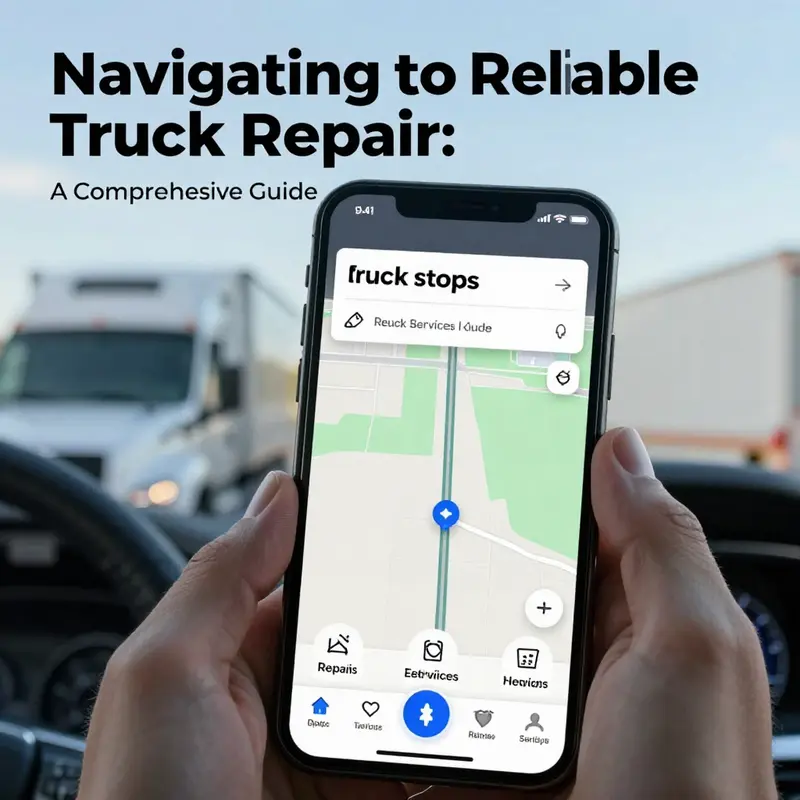
Finding dependable repair options along a long-haul route hinges on more than luck or memory. It requires you to harness the best of modern navigation tools and repair networks in a way that keeps the wheels turning and downtime to a minimum. The journey to a repair-ready stop begins with a simple search, but the path from initial results to a productive stop involves verification, cross-checking, and a clear understanding of what each option can actually deliver. When you’re facing a mechanical issue, the clock becomes a formidable opponent, and the right navigation strategy can shave hours off the repair time while reducing the risk of detours that waste fuel, increase risk, and compound fatigue. The core idea is straightforward: use location-aware tools to identify nearby facilities that offer the specific services you need, confirm their capacity, and choose the option that keeps you moving with the least friction.
Navigation tools, in their broadest sense, function as your first filter. They let you search for terms like repair, maintenance, service center, or tire and brake work in the immediate area and along your planned corridor. The most practical advantage of these tools is their ability to tie together three essential factors: proximity, capability, and real-time status. Proximity ensures you aren’t chasing a distant shop when a nearby option exists. Capability filters can reveal which facilities actually perform the work you require, whether that is a diesel system diagnostic, a tire change, or a brake overhaul. Real-time status, increasingly available through driver reports and live feeds, tells you whether a shop is currently able to take on your truck and how long you might be waiting. Used together, these elements turn a potentially stressful breakdown into a manageable contingency that preserves your schedule.
Beyond generic mapping, there are specialized resources built around heavy-duty fleets and long-haul routes. A comprehensive trucking directory, for example, aggregates locations that offer on-site repair bays or affiliated service providers. Such directories often present a concise picture of location, hours, and the range of services, along with driver reviews that can reveal day-to-day reliability and whether a shop can handle the model and equipment you’re running. The value of these directories lies not just in the raw list of options, but in the cross-referencing they enable. A repair facility that appears in a trusted directory is more likely to have standardized procedures, trained technicians, and access to parts that keep you moving rather than waiting in line for a back-ordered component. When you couple directory findings with dealer or manufacturer locator tools, you can identify authorized centers that specialize in your truck’s make and model. Authorized shops tend to be staffed with technicians who understand your specific diagnostics and repair procedures, which translates into quicker, higher-quality service and fewer callbacks.
In practice, you’ll operate in a mode of parallel search and verification. Start with a broad scan for nearby options, then apply filters for the exact services you need—diesel performance, tire and wheel work, brake repairs, electrical diagnostics, or full-service bays. Check operating hours and the ability to receive parts on short notice. If you’re on the road at odd hours, it’s worth noting which shops offer emergency or after-hours service, as well as whether they provide mobile repair capabilities. Some fleets and service networks offer on-site or near-site mobile technicians who can perform a subset of repairs without towing. This can be a game-changer when a truck can’t safely be moved, or when a repair requires specialized tools that are only available at a shop.
A practical strategy is to cross-check results across two or more sources. Use a dedicated directory to confirm the existence and general capabilities of a facility, then verify the specific services and part availability through the shop’s official site or dealer locator. If you’re dealing with a manufacturer-specific concern, a dealer locator can point you toward authorized repair centers, ensuring technicians are trained on the exact configurations of your truck. Pair that with a local repair platform that emphasizes transparency about quotes, repair histories, and manuals for multiple truck models. The combination of these channels reduces the likelihood of being sent to a shop that can’t actually handle what you need or that cannot source the necessary parts promptly.
Regional differences matter, too. In many markets, map services that are optimized for commercial drivers can interpret queries like “truck repair” or “heavy-duty maintenance” with localized results. These tools often integrate with other freight-friendly resources such as nearby fuel stops, parking areas, and rest zones, which becomes especially valuable during long legs of a journey. In regions where language and local business ecosystems differ, it’s helpful to adapt your search terms to the local vernacular or to switch to services that support regional dialects. This approach broadens the pool of viable options and reduces the risk of overlooking a capable facility just because an English-language query didn’t match their listing.
Where the search truly shines is in the integration of real-time updates from fellow drivers. Community-driven alerts can flag current wait times, service delays, or equipment-specific issues at nearby shops. When a shop is experiencing a line or a shortage of a critical part, a timely alert can prompt you to either reroute to a nearby alternative or adjust your schedule to accommodate the extra time. The best practice is to treat these updates as temporary signals rather than fixed promises. A shop can go from a five-minute fix to a several-hour ordeal if a critical component is missing or a bay becomes occupied by a larger maintenance project. Thus, it’s wise to keep a short list of backup stops within a reasonable range and to verify the status again before committing to a final stop.
To augment navigational searches, consider platforms that offer on-demand repair services or diagnostic support. These systems can connect you with mobile technicians who come to your location, perform a diagnosis, and, if feasible, carry out the necessary repairs on-site. The advantage is obvious: reduced downtime and the elimination of the move that can complicate an already delicate situation. Even when you don’t require mobile service, having access to remote quotes and repair histories—that track what work was performed and what parts were used—helps you make smarter decisions about where to go and how to plan your next leg. This level of data nutrition matters when you’re balancing on-road reliability with a tight delivery schedule.
The strategic use of these tools naturally points back to broader industry dynamics. The networks that support repair access are shaped by millions of miles of hauling, by the availability of parts, by regional economic conditions, and by the evolving mix of vehicle technologies. If you want a broader lens on how these trends affect maintenance planning and the structuring of service networks, consider this: key-economic-trends-impacting-the-trucking-industry. This internal perspective helps you anticipate when certain regions might experience service bottlenecks or when fleets should preemptively store a broader set of spare components at key depots. It isn’t a substitute for live data, but it provides a strategic framework for when to lean on more aggressive routing to repair hubs or to rely more heavily on mobile repair capabilities.
As you assemble your route and your list of candidate stops, plan with two objectives in mind: minimize downtime and maximize repair reliability. Start by curating a short, prioritized sequence of near-term options with clear notes about service capabilities, hours, and whether they can accommodate your model promptly. Then, before you depart, validate the conditions with a quick call or a live chat if the facility offers it. A terse confirmation—“Can you handle a 12.7-liter engine with a five-hour turnaround on a turbocharger remanufacture?”—can save you hours if the shop truly can do what you need. Don’t overlook the value of a backup plan, either. If your primary option can’t accommodate you, a nearby directory entry that checks the same service boxes and is within a short detour can become a lifesaver. The goal is to transform the search from a hopeful guess into a confident, action-ready sequence that keeps the journey on track.
Finally, the practical note of ongoing optimization. Maintain a concise, portable record of the shops you’ve used, the services they performed, and the outcomes. This repository becomes especially valuable on future trips when you’re traversing familiar corridors and want to rely on proven partners. It also feeds into your broader maintenance strategy, ensuring that the data you collect translates into smarter planning, fewer unscheduled stops, and less risk of being stranded far from a suitable repair stop. In this way, the act of finding truck stops with repair options becomes not a one-off problem solving exercise but a repeatable, learnable process that strengthens your overall reliability on the road.
External resource: for real-time, location-based options consolidated in a widely used map-guided interface, you can consult https://www.google.com/maps/search/truck+repair+near+me/. This external reference complements the internal and directory-based approaches, offering another channel to corroborate availability and proximity as you prepare for the next leg of your journey.
Locating Brand-Trusted Repair Hubs: How Manufacturer and Fleet Networks Direct You to Trusted Truck Service
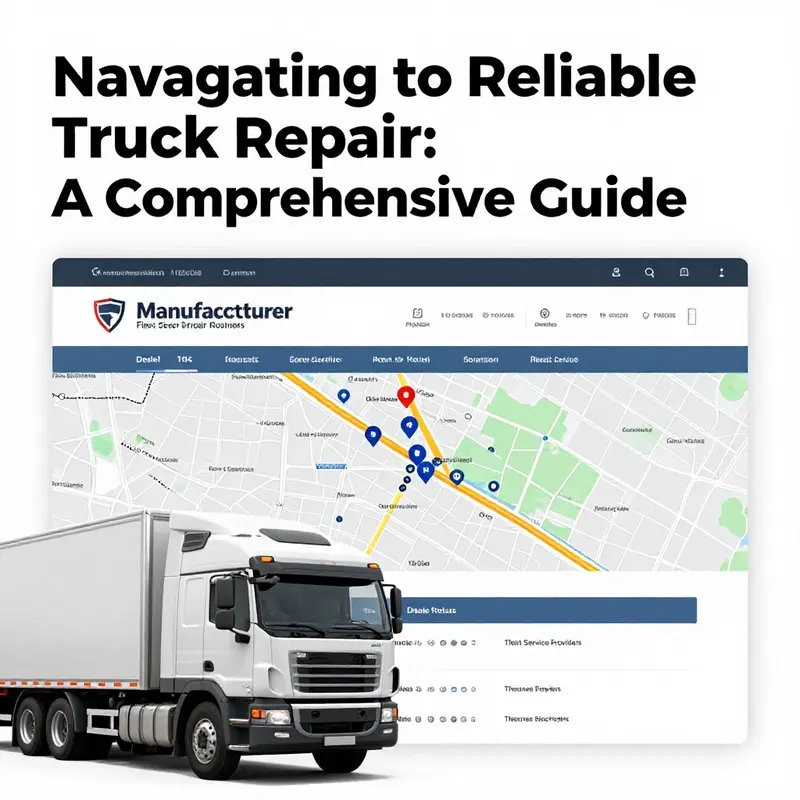
When a long-haul rig slips from service, the first question isn’t just where to fix it, but where to fix it right. In the trucking world, a repair is not a mere inconvenience; it can ripple through a schedule, affect delivery windows, and even touch warranty and long-term reliability. The most dependable approach to finding capable hands often begins with the manufacturer’s own service network and the formal support structures that fleets rely on day in and day out. These networks exist precisely to streamline repairs, safeguard OEM standards, and preserve the performance expected from modern trucks. They work as a kind of compass for drivers navigating unfamiliar routes or late-hour breakdowns, pointing toward centers that have earned the trust of the vehicle’s engineering team and the fleets that depend on it.
At the heart of this approach is the concept of an authorized repair center. Manufacturer-led service networks are built around trained technicians who understand the intricacies of a given brand’s systems, from powertrain control modules to electronic braking and telematics. The aim is not merely to fix what is broken but to restore the truck to factory specifications, with genuine parts and the kind of precision that aligns with warranty terms and long-term performance expectations. When you locate a repair center via an official network locator, you are tapping into a vetted ecosystem rather than a generic shop with variable parts inventory and inconsistent training. This matters far beyond a single service visit. It strengthens the vehicle’s resale value, reduces the risk of recurring failures, and helps fleets maintain predictable maintenance cycles that keep aging assets roadworthy longer.
The process is straightforward yet powerful in its consequences. Start with the official service network Locator provided by the manufacturer or the OEM’s aftermarket arm. Enter regional details, or simply use your current location, and the system returns nearby authorized facilities. What you gain is more than proximity; you gain access to a center with a documented capability in that specific truck family, including the correct service hours, a history of repair work on similar models, and technicians who have training on your vehicle’s architecture. The benefit of OEM-aligned training cannot be overstated. Technicians trained on your exact model are more likely to diagnose subtle issues that could be overlooked by a generalist shop. They also adhere to the service procedures that preserve warranty coverage and ensure that maintenance intervals are respected according to the vehicle’s telematics and built-in diagnostic data.
In practice, the locator experience often includes a blend of practical details. You can confirm location, hours of operation, whether the center offers full-service bays, and whether they stock OEM parts or are authorized to order and install them. Some networks provide additional assurances through manufacturer-affiliated telematics or maintenance support, which can be especially valuable on the road. If you run a fleet, these features help you schedule repairs in a way that minimizes downtime, since your maintenance history is visible and can be referenced in real time. This is where the fusion of fleet operations and manufacturer networks becomes especially advantageous. Telematics data can flag approaching service windows, and a certified center can pull up your vehicle’s service history, ensuring repairs align with the truck’s lifecycle plan.
For drivers dealing with a breakdown far from home base, the locator’s value extends into triage and triage support. A center with OEM knowledge can order the correct part swiftly, guide the on-site technician through a difficult repair, or arrange for a tow to a nearby authorized facility if on-site repair isn’t immediately feasible. In many cases, these official pathways also streamline the invoicing and warranty process. When a repair is performed at an authorized center, the documentation travels with the vehicle’s service history, making future claims smoother and easier to audit. This is especially critical in a landscape where reimbursement and warranty claims can hinge on whether a repair was performed by an approved technician using OEM parts.
As you explore the landscape of manufacturer and fleet networks, consider the broader ecosystem in which these centers operate. A number of manufacturers maintain service locator tools that go beyond simple listings. They often provide verified contact information, service hours tailored to regional deployment, and notes about capabilities in specialized systems. For fleets that rely on a mix of brands, these networks can also help identify crossover support or brand-specific service priorities that could affect maintenance decisions on the road. It is worth noting that even when your truck is not a direct match for a particular manufacturer’s flagship service network, the locator still serves as a starting point for identifying the closest qualified center that has the right tools, the right procedures, and the right training to handle that family of vehicles.
The practical routine of using these resources becomes even more efficient when you pair them with a simple, strategic mindset. First, determine whether the truck is under a manufacturer warranty or a maintenance agreement that requires or favors OEM-certified service. If so, the authorized center option becomes not just convenient but a protective measure for your warranty terms. Second, assess the center’s stated capabilities against your specific repair needs. Some centers specialize in diagnostics and complex systems—engine management, fuel systems, electronic control networks—while others are excellent for routine maintenance, parts replacement, and quick-turn tire or brake work. Third, leverage the service hours and the center’s ability to accommodate after-hours needs. On long-haul runs, flexible scheduling can be the difference between a late arrival and a well-timed service stop.
To illustrate how this approach translates into real-world reliability and efficiency, consider the dual advantage of a fleet-focused maintenance framework and an OEM-aligned repair capability. A fleet operator can route trucks through authorized centers that have pre-negotiated service terms, standardized pricing with OEM-part integrity, and technicians who record repair data in a centralized system. This creates a predictable maintenance cadence, reduces the risk of counterfeit or inferior parts, and supports a clearer view of lifecycle costs. It also enables better planning for downtime in route design, maintenance windows, and logistics costs. In other words, the manufacturer or fleet network approach is not just about fixing a problem; it is about orchestrating maintenance in a way that sustains uptime and protects asset value.
For those who want to deepen their understanding of maintenance trends among private fleets, there is value in looking at related industry reflections. See the discussion on private fleets trends in trucking maintenance private fleets trends in trucking maintenance to situate the manufacturer-network approach within broader operational strategies. This broader context complements the precision offered by OEM service centers, because it highlights how fleets balance the advantages of brand-specific expertise with the realities of regional coverage, aging equipment, and the need for rapid response in varying road conditions. Even when a truck is not currently on a maintenance plan aligned to a single manufacturer, the discipline of using an official locator helps ensure that any necessary repair aligns with industry best practices, reduces risk, and keeps the vehicle’s performance at the standard engineers designed.
On the topic of availability, another widely recognized option is the service center finder offered by major manufacturers. For instance, some brands publish a dedicated finder that reveals nearby authorized repair shops with verified contact details, service hours, and the exact areas where they excel—often with notes that reflect a center’s deeper expertise in specific systems. The knowledge embedded in these tools reflects a broader commitment to quality control and customer support that fleets value when navigating long routes or encountering unfamiliar terrain. The result is a smoother experience for the driver and more predictable outcomes for the fleet. The locator experience is not a one-off lookup; it is the first step in a service plan that keeps the truck aligned with the brand’s engineering standards, helping to ensure that every repair upholds the integrity of the vehicle’s design and performance.
As you incorporate this approach into your routine, you may also consider the complementary role of the broader network of fleet service providers. These providers often maintain their own locators and partnerships that extend the reach of authorized repair capabilities, including regional service partners, maintenance facilities, and parts distributors that understand the nuances of a fleet’s operational model. The combined effect is a robust, scalable route for maintaining a diverse fleet across a wide geography. It is a reminder that finding a truck stop with repair services is not solely about proximity; it is about accessing a trusted ecosystem where OEM standards, trained technicians, and reliable parts come together to restore operation quickly and safely.
External resource: https://www.zf-aftermarket.com/en/service-network
Guided by Screens and Miles: Locating Truck Repair Stops with Truck-Focused Mobile Apps
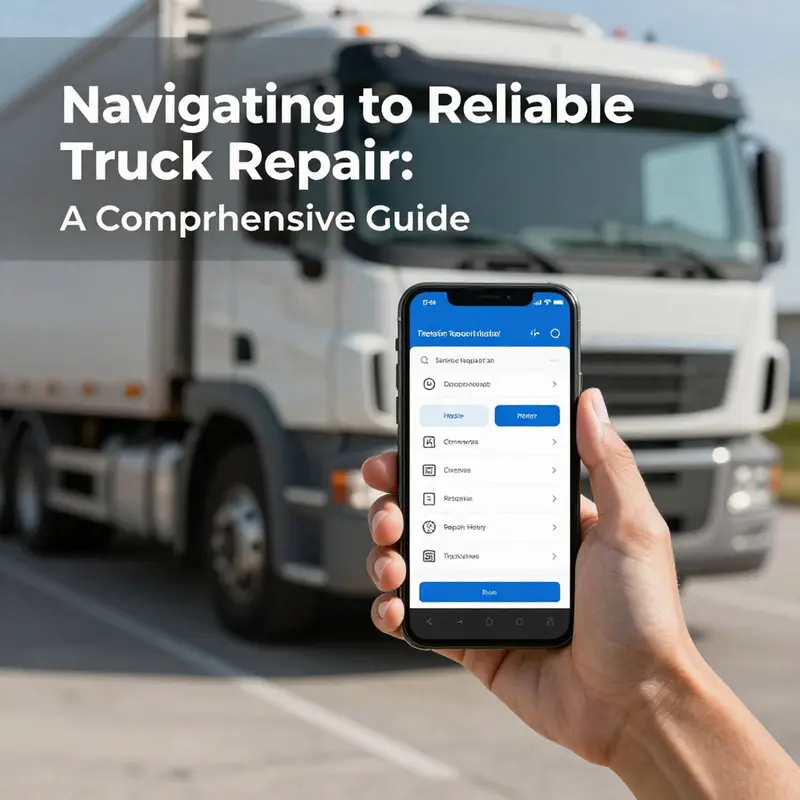
The highway unfolds as a long ribbon of concrete and possibility, and in the cab a driver sits with a map of miles and a pocket full of signals. When a warning light flickers, or a vibration suggests a soft misfire, the instinct is not to panic but to reach for the tools that keep the journey moving. Modern trucking depends as much on the right apps as on the right engine. The challenge is not finding any repair shop; it is locating a shop that speaks your language—one that understands heavy loads, appropriate clearance for a big rig, and the timing that a long-haul schedule dictates. Mobile applications designed for truckers are more than conveniences; they are integrated lifelines that translate road conditions, maintenance needs, and service availability into actionable, on-screen decisions. In practice, these tools reshape how a driver handles a breakdown or routine maintenance, turning a potentially disruptive moment into a manageable one through precise information, real-time updates, and trusted networks.
At the heart of this capability is the way these apps harness location data. Some general auto repair finders rely on GPS to point you toward nearby shops, but truckers require filters that recognize fleet maintenance needs, heavy-duty bays, and service capabilities specific to large vehicles. Google Maps and analogous navigation platforms have become indispensable for many drivers, offering search terms such as “truck repair near me” or “heavy-duty truck mechanic.” The strength of these tools lies in broad reach and real-time navigation, helping you navigate traffic, detours, and weather while you weigh repair options. Yet for those who spend weeks on the road, more specialized solutions emerge that actively crowdsource information from the trucking community and pair it with maintenance-oriented services.
Industry-focused platforms refine the search by categorizing services in terms of truck repair, tire service, diesel maintenance, and brake work. They translate the busy world of a service bay into predictable criteria: is there a heavy-duty lift? are technicians trained for commercial engines? what are the typical wait times, and can a tow be avoided if a repair can be completed onsite? One notable advantage of these platforms is the ability to filter results by service capability and hours, then cross-check with fellow drivers’ reports. This is not merely convenience; it is a form of distributed knowledge that compresses the usually lengthy decision-making process into a few decisive taps.
Beyond generalist maps and catalogues, there are apps built specifically for the needs of trucks and drivers on the move. A popular subset includes on-demand repair services that connect drivers with certified mechanics who will come to the truck’s location. When you cannot tow a vehicle to a shop or you need a quick fix in a hostile weather window, on-site repair can be a lifeline. The process is streamlined: you describe the issue, share your location, and a qualified technician arrives within a defined window, equipped with tools to handle common urban and rural contingencies. The benefit is immediate, especially for urgent fixes that could otherwise escalate into costly downtime.
Another increasingly important category is the manufacturer- and fleet-specific ecosystem. For those driving a particular brand, official dealer or service-center locators can route you to technicians trained specifically on that line. This ensures service continuity and adherence to model-specific diagnostics, software updates, and warranty considerations. In many cases, these channels also offer remote diagnostics that you can view before the technician arrives, a feature that helps you prepare and reduces the time spent on site. For fleets, these relationships often come with defined service networks, maintenance reminders, and technical manuals that are accessible from the driver’s device. The result is a seamless blend of on-site support and remote planning that keeps the vehicle in service longer and with fewer detours.
Community-driven platforms and peer networks complete the ecosystem. In a profession where experience matters, drivers share practical insights about repair shops, the typical quality of service, and the reliability of technicians who travel to trucks in the field. This peer-to-peer element is more than social; it becomes a practical accelerant for problem solving. A driver can search for a nearby repair shop with a reputation for quick turnarounds, then check a few reviews from drivers who faced similar issues at similar hubs. In this sense, mobile apps that host repair requests or maintenance marketplaces transform individual trips into conversations within a wider community. They offer a sense of solidarity and a path to faster answers when time is of the essence.
The practical workflow of using these apps can be surprisingly straightforward, yet it benefits from a disciplined approach. Begin by acknowledging the situation: what is the failure mode, and is it safe to drive to a repair bay or better to request on-site service? If you’re near an exit with multiple options, open a trusted truck-focused platform and apply your filters—heavy-duty capability, hours of operation, proximity to your current position, and the presence of a repair bay or mobile technician. If the vehicle is still drivable but needs non-emergency attention, you can compare options for same-day service and weigh the costs, waiting times, and estimated downtime. If you’re in a remote area, a cross-check with a general map may reveal a port or service cluster with better repair capacity, but you should still verify that the facility can handle your vehicle type.
In practice, many drivers harness multiple tools to triangulate the best solution. A quick search might reveal a repair shop with a full-service bay posted on a truck-focused platform, while another app provides live updates about wait times and a mobile technician who can arrive within a few hours. In these moments, reliability and speed hinge on data integrity: the more accurate the reported hours, the better the estimate for downtime, and the more trustworthy the technician the safer the operation becomes. This is where the value of documented maintenance activity and service history comes into play. Some apps offer the ability to retain repair histories, parts replaced, and technician notes, which helps operators manage fleets more efficiently and plan maintenance windows with fewer surprises. Keeping a comprehensive digital record benefits both solo drivers and fleets, because it creates a transparent trail that technicians and schedulers can use to optimize upcoming service events.
The strategic takeaway is that these mobile tools do more than locate a nearby shop; they shape the entire maintenance cadence of the journey. For fleets and independent drivers alike, these apps are the connective tissue linking road, repair, and uptime. They enable drivers to maximize the proportion of time spent on the road versus in a shop by reducing search time and aligning service capacity with the truck’s current route. In this sense, the value of app-based repair discovery grows with the size of the network and the richness of the data behind it. When a driver the likes of you uses a combination of platform features—GPS, service capabilities, live wait times, and community-sourced insights—the results are tangible: shorter downtimes, better predictability, and a stronger sense of being supported on every mile of the way.
For operational awareness and to illustrate how these tools fit within broader maintenance thinking, consider the broader literature on private fleets and trucking maintenance trends. These studies reveal that the most effective maintenance networks are those that integrate data sharing, standardized service capabilities, and responsive repair channels into daily planning. The capacity to mobilize repair resources quickly, align with preferred service partners, and maintain a transparent log of service events yields measurable benefits in uptime and total cost of ownership. This perspective helps frame the chapter’s core idea: the right mobile apps do not just point you to a repair shop; they accelerate decisions, align scarce resources with what the vehicle needs, and knit together the road, the shop, and the back office into a cohesive system that supports reliable, on-time deliveries. private fleets trends in trucking maintenance.
In the end, the most effective approach to locating truck repair services is not a single app or a one-size-fits-all strategy. It is a layered, situational practice that leverages multiple data streams: real-time location, service capabilities, provider reliability, and your own assessment of urgency. Use a general map as the baseline, but then overlay industry-specific platforms that validate the repair shop’s capacity to handle heavy-duty needs. When you combine on-demand mobile mechanics, manufacturer service networks, and community-driven guidance, you create a resilient, flexible toolkit that keeps the wheels turning, even when the road throws a wrench into your plans. The road can be unpredictable, but your approach to repair discovery doesn’t have to be. It can be precise, proactive, and prepared. And when a trusted app-led workflow succeeds, it’s not just about fixing a truck; it’s about preserving momentum across miles, shifts, and seasons.
External resource: https://www.truckerpath.com
From Incident to Repair: Navigating Insurance and Roadside Help to Locate Repair‑Ready Truck Stops
A malfunction on the highway can feel like a sudden detour from a well-planned route. When a truck breaks down or is involved in an accident, the first moments set the pace for what comes next. Safety becomes the immediate priority: pull to a safe shoulder, switch on hazards, and, if applicable, deploy safety gear and warning signs. Once the scene is secure, the next steps hinge on two intertwined resources that truckers rely on to minimize downtime: insurance coverage and roadside assistance. These two partners do more than process a claim or send a tow; they shape your path to reliable repair options and, ultimately, to a truck stop that can handle the job.
Insurance coverage for commercial operations usually includes protection against damage from accidents, theft, or weather events. The claims process is not a mystery, but it operates like a careful choreography. An adjuster evaluates the damage, communicates with the shop network, and guides you toward approved repair facilities. The goal is not simply to fix what is broken but to restore the truck to a safe, compliant state while keeping cost efficiency in view. This requires documentation, coordination, and timing. Early on, before the bill starts piling up, you’ll want a clear sense of who is authorized to oversee repairs, what parts are covered, and how the process impacts your schedule.
Documentation becomes the backbone of the claim. Photos of the damage, both wide and close-up, help establish the context. If there are witnesses, their statements can support liability or fault assessments. A police report, when appropriate, provides an objective record that can smooth questions from insurers or repair facilities. The more complete your file, the faster the adjuster can gauge the scope of repairs and the conditions under which the vehicle can be safely returned to service. This disciplined approach also reduces back-and-forth with shops that are unsure which repairs are approved or reimbursable.
Meanwhile, roadside assistance services operate as the front line for immediate help. They offer rapid response for common breakdown scenarios: tire issues, battery failures, fuel shortages, or minor mechanical glitches that can be addressed on the spot or with a tow to a shop. A robust roadside partner network is critical. The right provider maintains broad geographic coverage, swift dispatch, and a process for arranging temporary replacements or rental solutions when a vehicle is immobilized for a longer period. For fleets or solo operators alike, the value lies in reliability and the predictability of response times. The best plans combine 24/7 availability with a trusted network of technicians and repair facilities that can handle commercial equipment, not just light vehicles.
These insurance and roadside partnerships do more than solve today’s problem. They help you project what lies ahead and where you can safely stage repairs while keeping the freight moving. With a clear understanding of what your insurer considers an approved repair facility, you can begin to map a route that minimizes risk and downtime. The practical implication for finding a repair‑capable truck stop is straightforward: after initiating contact with your insurer and any roadside partner, use them as your compass to identify nearby truck stops that offer on‑site repair bays or have established affiliations with trusted repair networks. In that search, you will rely on a blend of resources that the trucking community finds indispensable.
First, dedicated trucking directories and reliable mapping tools become essential. These platforms compile locations, services offered, hours, and sometimes even technician specializations. A stop with an on‑site bay can dramatically shorten the time between breakdown diagnosis and a fix, especially when the repair requires a specific skill set or diagnostic equipment. When you are coordinating with an insurer, you can ask for a short list of nearby facilities that fit the network criteria and then cross‑check each option for current availability, parts inventory, and whether the shop can perform the repair within your required window. This cross‑verification is where the practical blend of insurance guidance and locator tools proves indispensable.
In practice, you begin by entering your current position and searching for truck stops with repair capabilities. Filter by services such as tire changes, brake work, diesel service, or full mechanical bays. Look for places that advertise certified technicians or qualified shop staff who understand commercial engines and heavy trucks. If your route includes a particular corridor or stretch of highway, it can be beneficial to identify a couple of options along the way—one for a potential stop and another as a contingency. Reaching out to the shop ahead of arrival can confirm whether the facility has the capacity to take in your unit, whether they can work within your timeline, and if there are any parts or tools they will need to order. Open lines of communication with the shop members of your insurer’s network can prevent last‑minute surprises when the bill arrives.
In the broader picture, this approach aligns with how fleets increasingly manage maintenance and repair risk. The maintenance practices of private fleets, for instance, emphasize proactive planning, the use of certified environments for specific truck models, and the consistent weighing of downtime against cost. This broader trend is not only about avoiding breakdowns but about having a clear, trusted path to repair when one is unavoidable. For readers seeking a deeper dive into maintenance trends across private fleets, a recent exploration of fleet maintenance strategies offers valuable context and data on how fleets balance reliability, cost, and uptime. Private Fleets Trends in Trucking Maintenance.
As you accumulate knowledge about your insurer’s preferred repair network, you’ll recognize how this information can be translated into real‑world choices at your next stop. When you pull into a truck stop that appears to offer on‑site repair, take a moment to verify several practical details. Confirm the repair bays’ operating hours and whether they provide emergency services outside standard business times. Ask whether the bays carry the parts most commonly needed for your truck model and whether they can source anything unusual without delaying the repair. In some cases, it may be more efficient to arrange a temporary fix that allows you to continue to the next scheduled maintenance point, especially if the insurer has authorized a partial repair and a detailed plan for a follow‑up at another facility. If the stop cannot accommodate your fleet’s requirements, the insurer will usually help reposition you to the nearest qualified alternative, preserving the integrity of your route and the contractual service level.
An important dimension of this process is the documentation trail you establish during the repair journey. Keep receipts and work orders, even for small or diagnostic tasks. If a dispute arises over whether a particular repair was necessary or covered, you will need to reference the original incident report, the adjuster’s notes, and the repair facility’s written assessment. In many cases, a well‑documented sequence—from incident to assessment to repair—can shorten future claims or expedite reauthorization for subsequent work. This isn’t just about reimbursement; it is about maintaining a chain of accountability that sustains safety, reliability, and predictable service levels for freight customers.
The terrain of truck repair is broad, and the best approach is to combine strategic planning with on‑the‑ground pragmatism. Your search for repair‑ready truck stops is not a one‑time query but a recurring part of trip planning. When you know your insurer will cover a defined scope of repairs, you can pre‑qualify a set of stops along potential routes. You can then build a plan that matches your schedule to the shop’s capacity, ensuring that a breakdown does not derail the entire timetable. This is why the integration of insurance guidance with locator tools is so powerful. It helps you move from crisis management to route optimization, turning a disruption into a controlled adjustment rather than a chaotic scramble.
In closing, it helps to anchor all these decisions in reliable sources of information. Beyond the immediate insurer network, industry guidance and nationwide resources offer a broader frame for understanding how to navigate repairs and roadside arrangements. For more about insurance and roadside assistance options, professional guidance from the American Trucking Associations can be a useful reference point as you plan and calibrate your own practices: https://www.trucking.org. The goal remains consistent: secure, timely access to competent repair services at truck stops along safe, efficient routes, with documentation and procedures in place that support quick, fair resolution of claims and minimal downtime for freight operations.
Final thoughts
Understanding how to find truck stops with repair services is an essential skill that can significantly enhance operational efficiency in various trucking-related sectors. By utilizing dedicated directories, leveraging navigation apps, checking with manufacturers, utilizing specialized mobile apps, and contacting insurance or roadside assistance, truck drivers can minimize downtime and keep their operations running smoothly. This comprehensive approach ensures businesses can locate the necessary repair services when they need them most, ultimately safeguarding their investment and operational capacity.