
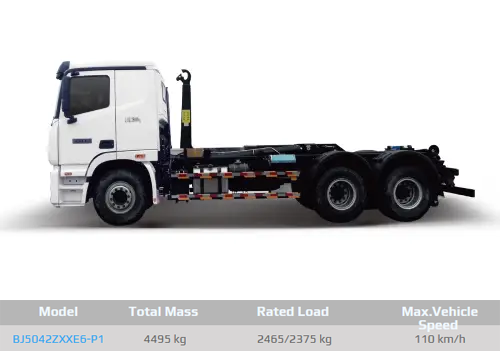
In many developing countries, firefighting efforts face significant challenges due to complex terrains, diverse fire emergency scenarios, and strict budget constraints. Mountainous areas, dense urban environments, airports, and industrial sites each present unique obstacles demanding specialized equipment. Yet, limited financial resources and infrastructure shortfalls often hamper governments and private firefighting companies in securing high-quality, adaptable firefighting vehicles that meet their operational needs.
To address these pressing issues, a series of customizable firefighting vehicles has been designed specifically for the diverse and demanding requirements of developing countries. This comprehensive lineup includes cloud ladder fire trucks, high-rise rescue vehicles, airport firefighting trucks, foam firefighting trucks, among others—each engineered to cover the critical firefighting scenarios encountered across varying environments.
Addressing Core Firefighting Scenarios
- Urban & Industrial Zones: High-rise firefighting and rescue demand powerful ladder and climbing rescue trucks capable of reaching upper floors with stability and safety.
- Airport Fire Emergencies: Specialized airport firefighting vehicles equipped to handle aviation-related fires with rapid foam deployment.
- Rural & Mountainous Areas: Terrain-adapted fire engines designed for maneuverability and robust performance in less accessible regions.
- Mixed-Use Operations: Foam trucks for chemical, fuel, and electrical fires that require tailored extinguishing media.
Core Advantages Designed for Procurement Leaders
1. Highly Customizable Solutions
These firefighting vehicles can be customized extensively to fit the unique landscape features, firefighting demands, and budget limitations present across different developing countries. Customization options include:
- Vehicle chassis and drivetrain adaptations suited to terrain types.
- Configurable firefighting systems including pump capacity, ladder lengths, and foam tanks.
- Modular equipment packages aligning with strategic fire response priorities.
This flexibility ensures that procurement managers can select vehicles that deliver operational efficiency and effectiveness while optimizing capital expenditure.
2. Superior Cost-Effectiveness
Compared to international counterparts, these vehicles are priced over 30% lower while maintaining stringent quality standards. Key factors contributing to cost efficiency:
- Cost-effective sourcing and manufacturing processes tailored for emerging markets.
- Core components backed by a 3-year warranty, significantly reducing maintenance and replacement expenses.
- Streamlined logistics and local partnerships minimizing acquisition lead times and transport costs.
This balance of affordability and reliability enables governments and private entities to expand firefighting capabilities without disproportionate financial burdens.
3. Comprehensive After-Sales Support
Understanding that firefighting vehicle uptime is vital, a robust after-sales service framework is in place:
- 24/7 global technical support accessible via multiple communication channels, mitigating downtime risks.
- Local authorized service centers established in key regions ensure timely maintenance and repairs.
- Free operator training programs enhance user proficiency, ensuring safe effective deployment of firefighting assets.
Through these measures, procurement decision-makers gain assurance of long-term vehicle operability and value retention.
Procurement Engagement
For government firefighting departments and private firefighting companies looking to enhance their operational fleet with adaptable, cost-efficient firefighting vehicles that meet global quality benchmarks, direct engagement is streamlined. Detailed product information, customization options, and pricing can be explored at the official product portal: Customizable Firefighting Vehicle Series.
Decision-makers are encouraged to connect via the contact channels offered on the site to discuss specific requirements, obtain technical consultations, and initiate procurement processes with confidence.
Concluding Remarks
In light of the critical safety imperatives and variable firefighting challenges faced across developing countries, investing in adaptable firefighting vehicles that combine operational versatility, compelling cost-efficiency, and guaranteed expert support is instrumental. Such solutions not only elevate firefighting readiness but also foster sustainable community safety infrastructure.
With this product range, procurement teams can confidently equip their firefighting services with vehicles tailored to their environments—empowering first responders to protect lives and assets more effectively under complex conditions and constrained budgets.