
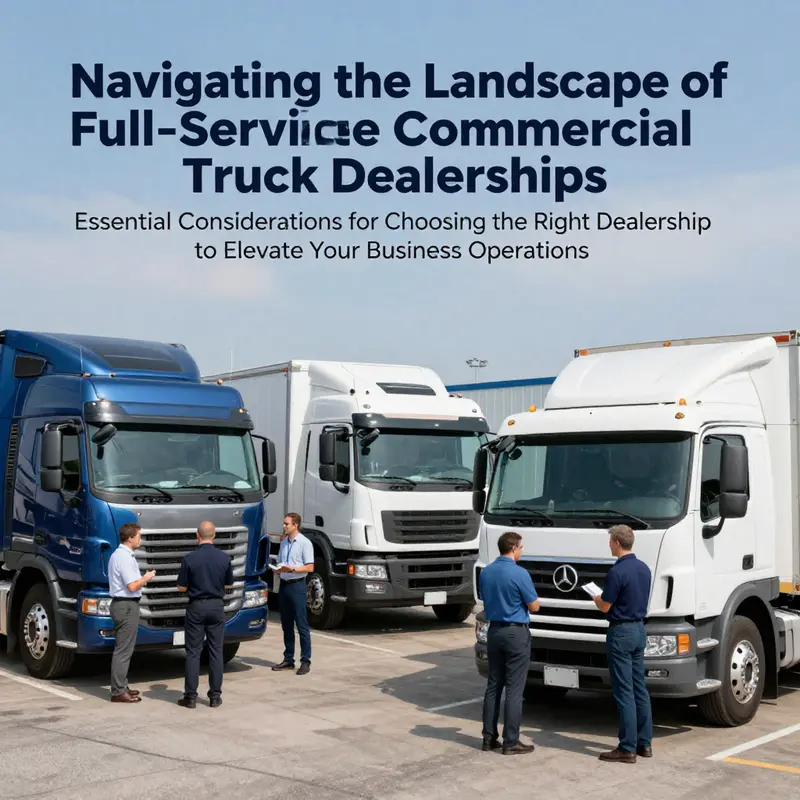
Selecting a full-service commercial truck dealership goes beyond choosing a vehicle; it’s about finding a partner to support your business at every stage of ownership. Manufacturing and distribution companies, retail and e-commerce businesses, construction and heavy industry firms, and small business owners must prioritize key factors in their decision-making process to ensure smooth operations and compliance. This article delves into three critical aspects: end-to-end service integration, licensing and compliance support, and brand partnerships for enhanced flexibility, providing a comprehensive guide to selecting the right dealership.
null
null
Licensing and Compliance as a Strategic Shield: How a Full-Service Truck Dealer Safeguards Your Fleet
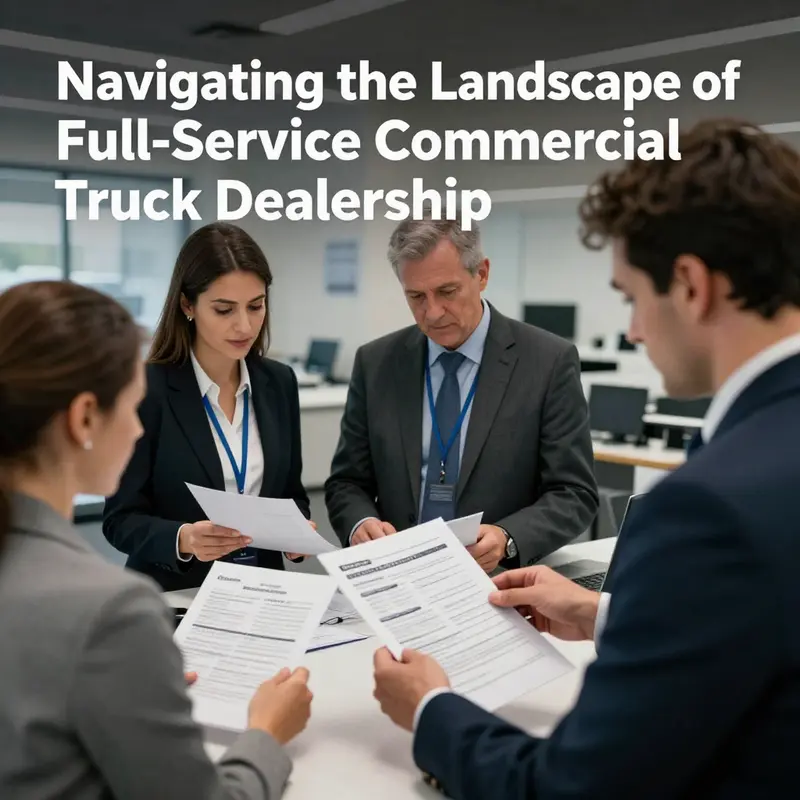
A fleet operates in a landscape shaped by rules as much as by road. When you choose a full-service commercial truck dealership, you are not just buying a vehicle; you are inviting a partner to shoulder a portion of the regulatory burden that comes with moving goods. Licensing and compliance support should be a visible, habitual part of that partnership, not an afterthought tucked into the fine print. In practice, a dealer that is truly full-service builds compliance into every stage of the relationship—from vehicle selection and financing to registration, ongoing maintenance, and even driver training. This is what separates a transactional seller from a strategic ally who helps your operation stay efficient, legal, and resilient over years of use. For operators who manage fleets of varied duty cycles and jurisdictions, the value of strong licensing and compliance support cannot be overstated. It translates into fewer interruptions, lower risk of penalties, and a steadier path to predictable total cost of ownership.
The core of robust licensing and compliance support rests on clear, hands-on regulatory assistance. A reputable dealer understands the federal framework that governs commercial trucking and the state and local nuances that color it. At the federal level, the Department of Transportation (DOT) sets the baseline expectations for safety, accountability, and vehicle operation. The Federal Motor Carrier Safety Administration (FMCSA) supplements those rules with practical standards for hours of service, driver qualification, and vehicle maintenance. A dealer that provides comprehensive regulatory guidance will walk you through the steps required to secure and renew essential credentials, such as operating authority, insurance, and vehicle registrations. This is not a one-off task tucked away in a stack of paperwork; it is a continuous process that aligns with the lifecycle of your fleet. When you inquire about licensing, you should hear more than a list of forms. You should hear a plan—how the dealer will coordinate federal and state filings, how they will monitor regulatory updates, and how they will ensure your documentation remains current as your operations evolve.
Documentation is the lifeblood of compliance, and the right dealership treats documentation as a service. Title transfers, lien filings, and proof of insurance are not mere records; they are the legal scaffolding that keeps your fleet authorized to operate. A dealer with seasoned licensing and compliance support will provide a structured approach to documentation. Expect a clear process for submitting titles and registrations, tracking expiration dates, and flagging documentation that requires renewal well in advance. They should also help you manage lien documentation in a way that protects your interests and maintains clean title status. In addition, a credible partner will ensure your fleet aligns with FMCSA rules on safety audits, maintenance records, and driver qualifications. If your operations include multiple jurisdictions, the complexity escalates, and so does the need for a centralized, accountable process that the dealer stands behind.
One hallmark of a proactive dealership is the ability to translate regulatory changes into practical actions for your operation. Legislation and regulatory interpretations shift over time, sometimes in response to market conditions, safety data, or new technology. A dependable dealer will not wait for you to discover changes on your own; they will monitor developments and deliver timely updates that matter to your fleet. You should receive concise bulletins or briefings that explain what the changes mean for compliance, how they affect existing registrations, and what steps you must take to stay in good standing. This proactive posture not only reduces the risk of fines or shutdowns but also lowers the cognitive load on your team. Instead of chasing down regulatory updates, your team can focus on day-to-day operations, confident that your dealership has your back on compliance.
Beyond monitoring and messaging, training and education are essential components of licensing and compliance support. Regulations are only as effective as the people who implement them. Dealers who invest in driver and fleet-manager training demonstrate a commitment to practical compliance. Look for programs or workshops led by experienced instructors who can translate regulatory language into usable practices on the ground. Training might cover topics such as hours-of-service compliance, driver qualification file maintenance, safe loading and unloading procedures, cargo securement standards, and the specific reporting requirements for incidents or inspections. The best programs are hands-on, scenario-driven, and tailored to your fleet’s profile, whether you operate long-haul routes, urban deliveries, or regional distribution networks. When a dealer provides ongoing education, your operation gains a built-in mechanism to reduce violations, improve inspection outcomes, and cultivate a culture of safety that benefits every stakeholder—from drivers to dispatchers to fleet owners.
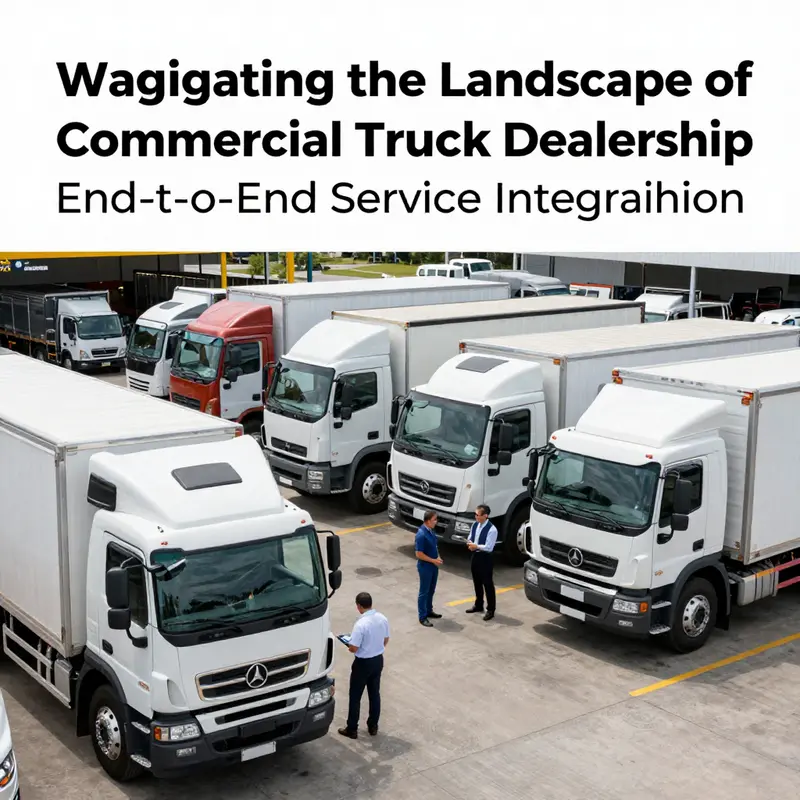
The practical value of licensing and compliance support is most evident in the way it integrates with the broader, end-to-end service model that a true full-service dealer offers. Consider how this integration plays out in daily operations. Your dealer should be able to coordinate not only the purchase or lease of a truck but also the vehicle registration, insurance brokerage, and regulatory filings that enable you to get on the road quickly and legally. They should align the paperwork with the financing structure, ensuring that liens and collateral are properly documented and tracked. They should also connect you with qualified professionals when you require specialized documentation for cross-border movements, vehicle emissions compliance, or tailored operating permits. In practice, many fleets rely on a small, trusted network of partners to manage these tasks. A dealer that embeds compliance services within their core offering reduces fragmentation, minimizes the risk of miscommunication, and accelerates the path from acquisition to revenue production.
When you evaluate potential dealers, a crucial question goes beyond whether they can complete the paperwork. You should ask how they handle ongoing compliance throughout the truck’s lifecycle. Do they provide a centralized dashboard or checklists that flag upcoming renewal dates, regulatory changes, and required inspections? Is there a clear point of contact who can guide your team through complex processes when you expand into new markets or add more vehicles? How do they manage cross-border regulatory issues, if your operation touches more than one country or region? A thoughtful answer will reveal a dealer who views compliance as a continuous service rather than a one-time transaction. In this context, the concept of a “hang-up” relationship—where a trusted transporter and a dealer share regulatory accountability—can be a practical model. Such arrangements can streamline licensing procedures and help you demonstrate to regulators that your fleet maintains the required standards consistently.
In cities and regions where regulatory regimes are evolving rapidly, the value of proactive, transparent licensing support becomes even more pronounced. A dealer that communicates anticipated regulatory shifts well ahead of enforcement cycles helps you budget for compliance costs and prepare your fleet for upcoming changes. That foresight protects not only your margin but your uptime. Penalties for noncompliance, even minor ones, can erode margins and disrupt service level agreements with customers. A strong licensing and compliance program reduces exposure to these risks by ensuring that your fleet is prepared, compliant, and auditable at every touchpoint—from purchase to maintenance records to renewal documentation. The discipline of compliance also dovetails with quality assurance in maintenance. When inspections and regulatory checks are predictable, preventative maintenance planning becomes more efficient, uptime improves, and you gain a more stable supply chain footprint.
For operators who cross borders or operate in multiple jurisdictions, a dealer’s licensing and compliance capability becomes even more essential. Cross-border operations introduce additional layers of regulatory complexity, including customs declarations, border-specific permits, and local emissions regimes. A dealer that can provide guidance or even direct coordination with trusted partners in other regions helps you maintain a seamless flow of goods while avoiding delays. To illustrate the breadth of this capability, imagine a dealership that offers end-to-end support: it helps you select the right vehicle for a given duty cycle, arranges financing with favorable terms, handles registration and insurance, assists with lien documentation, and coordinates with compliant transportation and regulatory entities in cross-border routes. It also continuously updates you on regulatory developments, and offers driver training to ensure your team understands the nuances of cross-border cargo security, hours-of-service rules, and port-side inspection procedures. This is the benchmark of a full-service partner who treats licensing and compliance as a strategic shield protecting your fleet rather than a series of administrative hurdles to endure.
As you sift through proposals, listening for tangible evidence of licensing and compliance maturity can be more telling than any glossy brochure. Ask for case studies or client references that demonstrate how the dealer has helped fleets navigate DOT compliance, keep registrations current, or implement driver training tied to regulatory requirements. Seek practical demonstrations—whether it’s a sample regulatory update newsletter, a documented process map for title transfers, or a calendar showing renewal deadlines and responsible parties. A dealer who can offer these artifacts is signaling that they own the compliance experience end-to-end and are prepared to scale it as your business grows.
In the broader arc of your relationship with a full-service dealer, licensing and compliance support is not a peripheral benefit; it is a central capability that constrains risk, stabilizes operations, and clarifies cost structure. It enables your team to plan with confidence, knowing that the regulatory dimensions of fleet operation are managed with discipline and foresight. It also aligns with the goal of sustainable, compliant operations—where safety, efficiency, and legal authority converge to deliver reliable service to customers and predictable returns for owners. When these elements cohere, a dealership moves from being a supplier of equipment to a strategic partner in risk management and operational excellence. That is the hallmark of the full-service experience you should expect in today’s trucking market.
For fleets that operate across borders or in complex regulatory environments, the importance of licensing and compliance support is even more pronounced. In such contexts, the dealer’s role expands from paperwork facilitator to regulatory navigator, helping you interpret the landscape, prepare for shifts in law, and ensure that every vehicle and every driver remains within the frame of legality while meeting safety and performance expectations. The best partners do not merely react to regulatory changes; they anticipate them, translate them into actionable guidance, and equip your team with the knowledge to stay compliant with minimal disruption to service.
If you are evaluating a dealership today, consider framing your questions around three outcomes: clarity on what regulatory tasks the dealer will handle, visibility into how compliance is tracked and updated, and evidence that licensing support has tangible, time-bound benefits for your operations. You may not control every external factor, but you can control the degree to which your dealer integrates compliance into every facet of your relationship. The more robust and proactive their licensing and compliance program is, the more resilient your fleet will be against fines, delays, and regulatory friction. In the end, licensing and compliance support is not merely a service; it is a strategic capability that can determine how smoothly your trucks move, how reliably you meet customer commitments, and how efficiently you steward capital across cycles of depreciation, maintenance, and renewal.
For operators seeking further context on regulatory considerations beyond one region, a useful starting point is to consult cross-border regulatory issues, which many fleets encounter as they expand or streamline freight corridors. Cross-Border Regulatory Issues can provide a lens into the kinds of regulatory coordination that a capable dealership understands and facilitates. While every fleet has its own regulatory map, the principle remains clear: a true full-service dealer makes compliance a competitive advantage, not a cost of doing business. As you move through the procurement process, let licensing and compliance support be the benchmark against which you measure every other aspect of the partnership. If the dealer cannot articulate a confident, scalable approach to regulatory needs, you should consider how they will protect your fleet from the consequences of noncompliance in the long run. The DOT itself remains a critical anchor for this conversation, and you can access authoritative guidance at the official site for ongoing reference: https://www.dot.gov.
Partnership Power and Service Flexibility: The Hidden Value in a Full-Service Truck Dealership
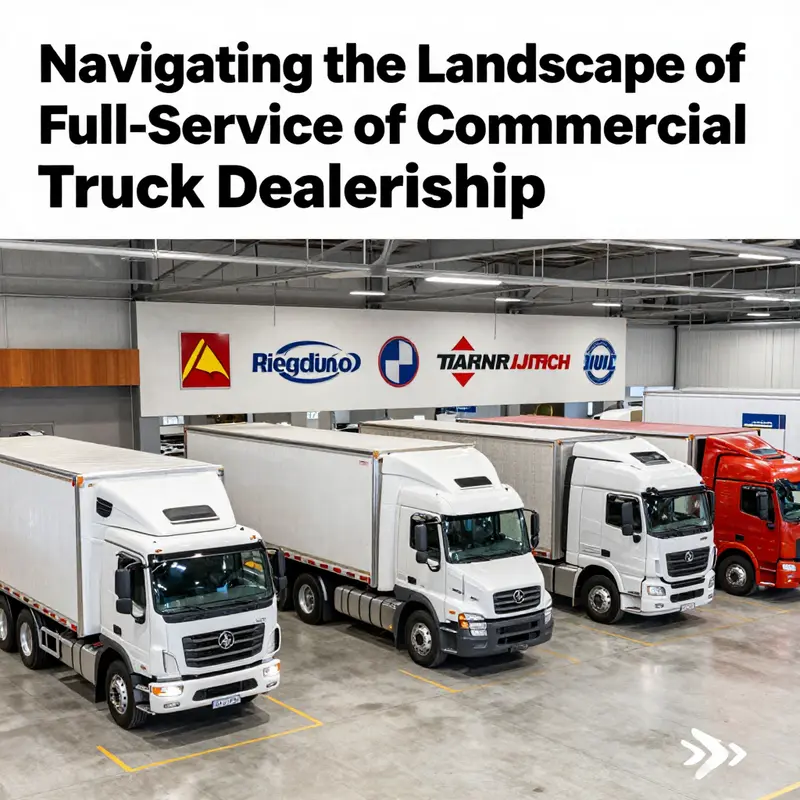
Choosing a full-service commercial truck dealership is about more than the upfront cost of a chassis or the appeal of a showroom model. For operators of a 4.2-meter high-side cargo truck—or any commercial vehicle whose uptime, compliance, and total cost of ownership matter—the true value lies in the dealership’s network and its willingness to bend services around your business. At the core of that value are two interlocking capabilities: deep, reliable partnerships with manufacturers and the operational flexibility to adapt services to changing needs. When those two elements work together, a dealership becomes a strategic extension of your fleet rather than simply a point of sale.
A dealership with strong manufacturer partnerships brings tangible, day-to-day advantages. Access to authentic replacement components is not a convenience; it is a precondition for predictable maintenance costs and consistent vehicle performance. Genuine parts maintain factory tolerances and materials, which preserves fuel efficiency, load capacity, and crucial safety systems. When parts are available through established channels, turnaround times shorten, planned maintenance remains on schedule, and the ripple effects of delayed service—missed deliveries, overtime costs, and customer dissatisfaction—are minimized. In practical terms, this means a truck spends fewer hours off the road and more hours earning revenue.
Beyond parts, partnerships often result in a reliable pipeline of dealer-trained technicians. Mechanics who receive manufacturer-endorsed training are fluent in model-specific systems, including modern electrical architectures, emissions hardware, and telematics platforms. This expertise translates to more accurate diagnoses and fewer repeat repairs. For fleet managers, that reduces the soft costs associated with misdiagnosis: idle drivers, rerouted shipments, and the administrative overhead of follow-up claims. The benefit compounds when a dealership maintains a culture of continuous technician education, ensuring staff competence keeps pace with the rapid adoption of new engine controls, driver-assist features, and fuel-management systems.
A strong alliance with manufacturers also keeps a dealership abreast of model updates and technical service bulletins. Vehicle platforms evolve quickly; software patches, updated calibration maps, and revised maintenance intervals can materially affect reliability and operating costs. A dealership that channels those updates directly into its service bays and into conversations with customers prevents small issues from becoming costly downtime events. It also positions the dealer as a credible advisor when it’s time to upgrade or standardize a fleet. This advisory role is especially valuable for operators who manage mixed fleets or who need to balance payload, fuel economy, and route profiles when selecting the next truck acquisition.
Yet partnerships alone are insufficient if a dealership cannot translate them into flexible, customer-centered services. Flexibility here means the ability to design financial packages, maintenance programs, and operational support that reflect the realities of your business. For many small and mid-size operators, capital is limited and cash flow is variable. A dealer that only offers a single purchasing route will exclude otherwise viable owners. Conversely, a dealer with a range of financing and leasing options, trade-in programs, and tailored repayment plans can lower the barrier to entry and allow businesses to scale responsibly.
Importantly, financial flexibility must be paired with transparent terms and clear performance metrics. Flexible payment schedules lose their value if hidden fees, punitive clauses, or ambiguous warranty conditions create downstream costs. A trustworthy dealership will present scenarios: how a lower down payment affects monthly costs, what trade-in allowances look like, and how residual values adjust maintenance obligations. Those scenarios let fleet managers model cash flows and make decisions based on predictable outcomes rather than sales pressure.
Service-side flexibility is equally vital. A dealership should be able to adapt maintenance plans to operational rhythms: offering night or weekend appointments, scheduled express lanes for routine inspections, and preventive-maintenance programs calibrated to actual mileage and load patterns rather than one-size-fits-all intervals. For the owner of a high-side cargo truck operating in mixed urban and regional routes, that means maintenance schedules that respond to stop-and-go patterns, increased wear on brakes and suspension, and the timing of weight inspections tied to regional regulations. When maintenance is proactive and tailored, defects are caught early and expensive corrective repairs are avoided.
Flexibility also shows up in the ways a dealership extends service beyond its physical location. Mobile repair units and 24/7 roadside assistance transform a vendor into a partner. A mobile team equipped to handle common failures on-site—brake replacements, roadside wiring repairs, or fuel system troubleshooting—can return a vehicle to service faster than towing it to a central garage. The option to dispatch technicians for onsite diagnostics is particularly valuable for companies operating remote routes or multiple depots. Similarly, around-the-clock support reduces the operational risk of out-of-hours breakdowns and allows dispatchers to make contingency plans with confidence.
Modern dealerships that combine partnership depth with flexibility also invest in digital tools that empower fleet managers. Real-time appointment booking, inventory visibility dashboards, and remote diagnostic portals change how decisions are made. Imagine receiving an automated alert that a truck’s telematics flagged a pending emissions fault, seeing the availability of the required part at the closest service center, and booking the shortest downtime slot without back-and-forth calls. Those capabilities shorten repair cycles and reduce idle time, but they also create transparency: service histories, warranty coverage, and parts traceability are accessible in a few clicks, supporting compliance audits and insurance claims.
Operational flexibility extends beyond repairs and finance to include body customization and regulatory support. A full-service dealer should be able to coordinate the fabrication and installation of cargo bodies suited to a 4.2-meter high-side truck, while ensuring weight compliance and load-security best practices. Whether a customer requires foldable sides for variable cargo or reinforced enclosures for high-volume loads, the dealer’s role is to marry the chassis capabilities with the body design in a way that does not compromise safety or roadworthiness. This requires a stable supply chain for body components, skilled fabricators, and an understanding of load distribution principles. If a dealer can also handle the associated paperwork—vehicle registration, plate transfers, and local operating permits—the process becomes a single continuum rather than a fragmented set of vendor interactions.
Legal compliance is another area where partnerships and flexibility converge. Many operators stumble on permit issuance or fleet affiliation requirements. A dealer with verified ties to accredited transport operators and clear processes for fleet registration can prevent costly mistakes. Such a dealership will offer transparent options for legal compliance without resorting to questionable shortcuts. This reduces the operator’s exposure to fines and preserves reputational capital with customers and regulators.
Reputation plays a complementary role. A dealership that advertises broad partnerships and flexible services must prove those claims in the marketplace. Customer experiences—especially those documented independently—offer insight into whether promises translate into performance. Look for reviews that reference timely part deliveries, technician competence, and straightforward billing. Equally valuable are referrals from peer operators who have similar routes or cargo profiles. A recommendation from another fleet manager about a dealer’s post-sale support is often the clearest proof of reliability.
Finally, the best dealerships use their partnerships to drive continual improvement, not to rest on preferential supplier terms. They measure service-level metrics—turnaround times, first-visit fix rates, warranty claim resolutions—and feed that data back into training, inventory planning, and customer communication protocols. When such processes exist, flexibility becomes a predictable capability rather than an ad hoc feature. The dealership can then offer scalable solutions: a small owner-operator receives a different but equally robust service pathway than a multi-truck fleet, with both benefiting from the same underlying partnership network and technical standards.
For fleet managers and business owners, the practical test of a dealership’s suitability is found in scenarios: how fast can they source a critical part overnight; do they offer realistic financing for seasonal cash flows; will they send a technician to a remote breakdown at 2 a.m.; can they integrate vehicle health data into the fleet management console; and do they handle body customization while ensuring the vehicle meets weight and permit requirements? Answers that align with transparent policies and verifiable customer experiences indicate a dealership capable of supporting long-term operations.
In short, a dealership’s brand partnerships supply the technical backbone—parts, training, warranty pathways—while its service flexibility determines how those strengths are delivered to your business. When both are present, you gain a partner who reduces downtime, controls costs, and helps you scale. Seek dealers who demonstrate both depth of manufacturer relationships and a willingness to adapt services to the realities of your hauling profile. That combination is the difference between buying a truck and securing a resilient business asset.
For insights into how fleet maintenance trends are influencing dealer service offerings and how private fleets are adapting maintenance practices, see this discussion on private fleets and maintenance trends. For additional reference on the role of manufacturer-dealer relationships in service quality, consult this external resource: https://www.freightliner.com/.
Final thoughts
In conclusion, selecting a full-service commercial truck dealership encompasses a multifaceted approach. By prioritizing end-to-end service integration, robust licensing and compliance support, and strategic brand partnerships, businesses can ensure they choose a dealer that aligns with their operational needs and supports long-term success. Understanding these critical elements not only aids in making an informed decision but also solidifies a partnership that fosters growth, compliance, and efficiency.