
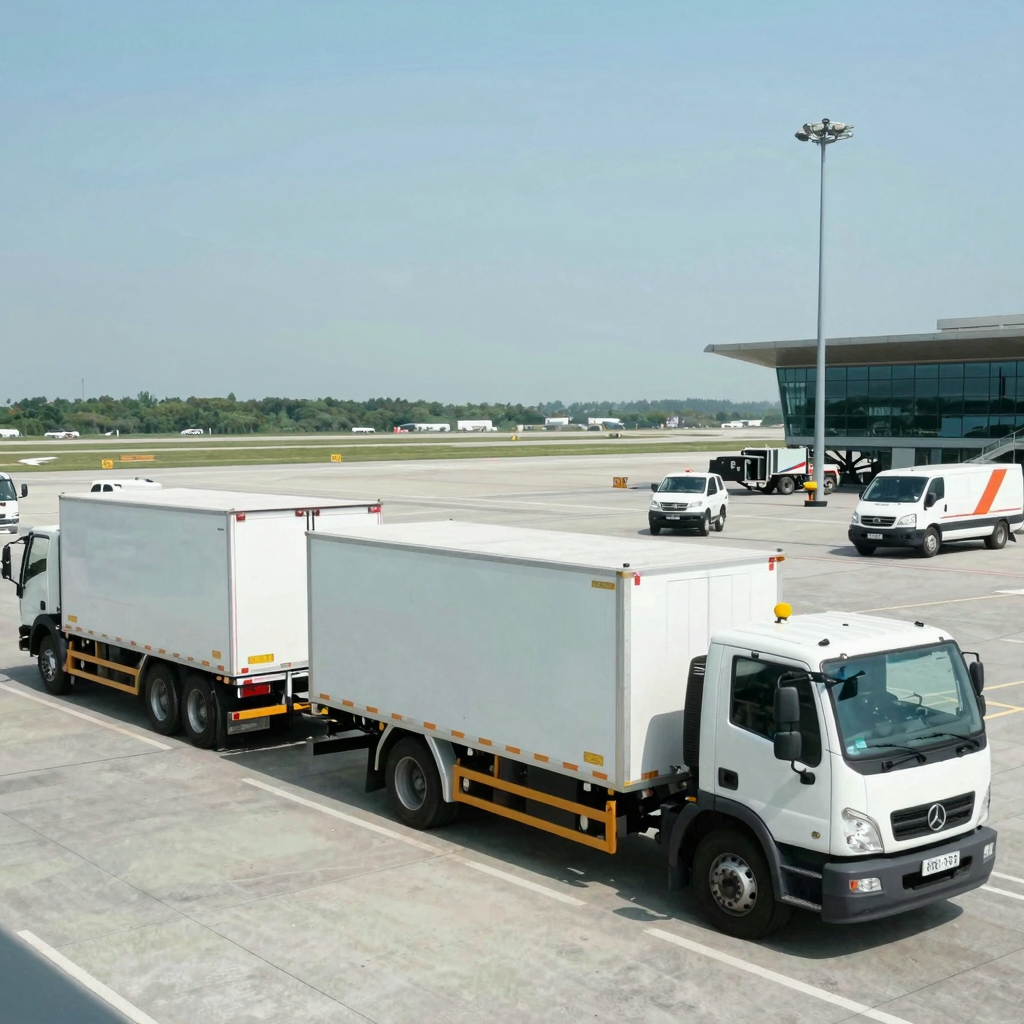
In the fast-paced environment of airport operations, the decision to invest in a service truck is not merely an operational choice; it’s a strategic move that can significantly enhance efficiency and service delivery for various businesses. As airport Chief Executive Officers (CEOs) navigate the complexities of logistics, the right service vehicle transforms challenges into opportunities, allowing for seamless transportation of goods and equipment. This choice directly impacts several sectors, including manufacturing and distribution companies, retail and e-commerce businesses, construction and heavy industry firms, as well as small business owners managing shipping needs. A reliable service truck can streamline operations, reduce downtime, and improve customer satisfaction by ensuring timely deliveries and service. The increasing demand for operational efficiency at airports calls for thoughtful investments in logistics resources. Moreover, considering factors such as the rise of electric trucks, as discussed in Harbinger Electric Trucks: Canada’s Market Entry, and the current trends in trucking, it becomes imperative to make informed choices. Understanding the nuances of selecting the right vehicle can make all the difference in maintaining a competitive edge and meeting the evolving demands of the modern market.
Key Factors to Consider When Buying a Service Truck for Airport Operations
When purchasing a service truck specifically for airport operations, various factors must be carefully evaluated to ensure compatibility with operational needs and regulatory compliance. Here are five critical considerations:
-
Compliance with Regulations
Service trucks must adhere to industry safety standards set by authorities such as the International Air Transport Association (IATA) and the Federal Aviation Administration (FAA). This includes designs that align with safety protocols and technical specifications for fueling systems and baggage handling. -
Capacity and Payload
Assess the required payload capacity based on operational needs. Different airport services, such as baggage handling or aircraft fueling, will necessitate varying capacities. Ensure that the truck can handle the maximum expected load to avoid operational disruptions. -
Fuel Efficiency and Environmental Standards
With a growing emphasis on sustainability, it’s crucial to select trucks that offer fuel efficiency and low emissions. Check for compliance with environmental regulations to minimize the ecological footprint and reduce operational costs. -
Durability and Maintenance
Service trucks are often exposed to harsh environments, including extreme weather conditions and heavy-duty usage. Invest in vehicles designed for durability, and consider those that require minimal maintenance to maximize uptime and reduce costs over time. -
Integration with Existing Systems
Evaluate how well the new service truck integrates with existing ground support equipment (GSE). Features like telematics for fleet management and compatibility with current operational processes are vital for a seamless transition.
By carefully considering these factors, companies can make informed decisions when acquiring service trucks tailored to the unique demands of airport operations. For further insights on fleet management, consider learning about current trucking trends.
When buying service trucks specifically for airport operations, buyers can greatly benefit from the insights of industry practitioners who have navigated similar purchasing experiences. Here, we summarize three user testimonials that focus on their insights and recommendations regarding the procurement of service trucks in airport settings.
1. Priority on Reliability and Durability
In a report by Airports Council International (ACI), testimony from ground support teams at major airports like Dubai International and Singapore Changi highlighted the critical need for reliability in service trucks. One operations manager stated, “The Ford F450 Super Duty trucks we sourced through U.S. suppliers have significantly reduced downtime during peak operations.” Buyers are urged to prioritize models that demonstrate robust performance in harsh tarmac environments. Choosing trucks with proven reliability not only minimizes maintenance costs but also enhances operational efficiency during peak periods, ensuring that essential airport services run smoothly.
2. Importance of Customization and Technical Features
A case study on catering trucks published in Industrial Vehicle Solutions emphasizes the tangible benefits of customizing service trucks to meet specific operational needs. Testimonials from ground handling operators revealed that tailored features, such as temperature-controlled compartments and modular storage systems, significantly improved turnover times and service accuracy. One supervisor remarked, “These tailored vehicles elevate our efficiency and ensure we meet the stringent requirements for in-flight catering.” Prospective buyers are advised to carefully consider the customization capabilities of service trucks they plan to purchase and weigh the cost against long-term enhancements in operational efficiency.
3. Evaluating Lifecycle Costs Over Initial Price
According to a procurement guide from Airports Council International, more airports are understanding the importance of conducting lifecycle cost analyses rather than simply focusing on initial purchase prices. Feedback from participants in their 2025 Global Ground Support Equipment Survey suggests that U.S. suppliers demonstrate a higher standard of service responsiveness and performance reliability than cheaper alternatives. For instance, an airfield manager from Miami International noted that, “U.S.-sourced trucks had fewer issues during severe weather, proving to be worth the extra upfront cost.” This insight stresses the need for buyers to evaluate long-term benefits and supplier reliability rather than just economic dimensions at the point of sale.
Conclusion
When approaching the purchase of service trucks for airport operations, buyers should focus on reliability, technical specifications that meet operational needs, and a comprehensive evaluation of lifecycle costs. As recommended insights reveal, successful procurement hinges on not فقط immediate financial considerations but also on enduring value and operational efficiency. To explore more about trends affecting the trucking industry, learn more about economic trucking trends and how they influence service truck choices.
By synthesizing these testimonials, potential buyers can build a framework for making informed decisions that align with their operational demands in airport environments.
| Criteria | Ram ProMaster 2023 | Freightliner eM2 | Ford F-250 Super Duty 2023 |
|---|---|---|---|
| Starting Cost (USD) | ~$40,000 (base model) | ~$75,000 (electric variant) | ~$50,000 (base XL model) |
| Cargo Capacity (cu ft) | Up to 361 cu ft | ~250 cu ft | Up to 120 cu ft |
| Fuel Efficiency (MPG) | 18-20 MPG (gasoline engine) | 0 MPG (electric; cost per mile) | 12-15 MPG (V8 engine) |
| Airport Suitability | High – designed for vocational use | Moderate – electric ideal for emission-sensitive zones | Low – large size impacts access |
Sources:
- Ram Trucks – ProMaster 2023 Overview
- Freightliner eM2 Electric Delivery Van Specs
- Ford F-250 Super Duty 2023 Pricing & Features
Financing Options for Purchasing Service Trucks
When it comes to purchasing service trucks, businesses face critical decisions regarding financing. Choosing the right financial option can significantly impact cash flow and overall operational efficiency. Below are the main financing options available:
Buying vs. Leasing
Two primary methods of acquiring service trucks are buying and leasing. Understanding their pros and cons is vital:
| Category | Leasing a Service Truck | Buying a Service Truck |
|---|---|---|
| Upfront Cost | Lower initial payment; no large down payment required. | Higher upfront cost; full purchase price or significant down payment needed. |
| Monthly Payments | Typically lower monthly payments compared to financing a purchase. | Higher monthly payments due to loan principal and interest over the full loan term. |
| Ownership | No ownership at end of lease; vehicle must be returned or purchased at residual value. | Full ownership after loan is paid off; can keep, sell, or trade in the truck. |
| Depreciation Risk | Buyer bears depreciation risk; lessee avoids it by returning the truck. | Owner bears full depreciation risk; value drops significantly over time. |
| Equity Buildup | No equity built; all payments go toward usage of the vehicle. | Equity builds over time as loan is paid down; increases resale/trade-in value. |
| Mileage Limits | Strict annual mileage caps (typically 10,000-12,000 miles); excess fees apply ($0.25-$0.30 per mile). | No mileage restrictions; unlimited use allowed without penalty. |
| Wear-and-Tear Fees | Potential charges for interior damage, scratches, or tire wear at lease end. | No wear-and-tear fees; owner responsible only for routine maintenance. |
| Maintenance & Repairs | Most repairs covered under warranty during lease term; some services may be excluded. | Full responsibility for all maintenance and repair costs after warranty expires. |
| Access to New Technology | Regular access to newer models with updated safety features, fuel efficiency, and tech. | Limited to one model until sold or traded; older trucks may lack modern features. |
| Long-Term Cost (5+ years) | Higher total cost over time due to recurring lease payments and potential end-of-lease fees. | Lower long-term cost after loan payoff; no further payments after ownership. |
| Tax Benefits (Business Use) | Lease payments may be fully deductible as business expenses. | Depreciation and interest on loan may be deducted; IRS allows Section 179 expensing and bonus depreciation. |
| Flexibility | Easy to upgrade every 3-4 years; ideal for changing fleet needs or technology demands. | Less flexible; requires selling or trading to upgrade; longer payback period. |
The decision to lease or buy should consider the specific needs of your business, projected usage, and cash flow.
Loans for Purchasing Service Trucks
For those opting to buy, financing through loans is commonplace. Auto loan interest rates in Canada for 2023 generally range from 6.5% to 12.4%, depending on credit scores and loan terms:

| Credit Score Range | 60-Month Loan Term (Average Rate %) | 48-Month Loan Term (Average Rate %) | 36-Month Loan Term (Average Rate %) |
|---|---|---|---|
| Excellent (750-900) | 5.2% | 4.8% | 4.5% |
| Good (700-749) | 6.1% | 5.7% | 5.3% |
| Fair (650-699) | 7.5% | 7.1% | 6.8% |
| Poor (600-649) | 9.8% | 9.3% | 8.9% |
| Very Poor (Below 600) | 12.4% | 11.9% | 11.5% |
Source: Bank of Canada
Other Financial Assistance Programs
Businesses may also consider various financial assistance programs, including government grants and loans designed to facilitate equipment purchases for small businesses. Program details can vary by province and may include:
- Small Business Administration (SBA) Loans: Various programs exist to assist in financing equipment and vehicles, ensuring small businesses can access capital.
- More information can be found on the SBA website.
Navigating service truck financing requires careful consideration of the implications of leasing vs. buying and understanding loan interest rates and financial assistance programs available. This proactive approach enables informed decisions that align with a company’s operational needs and budget.
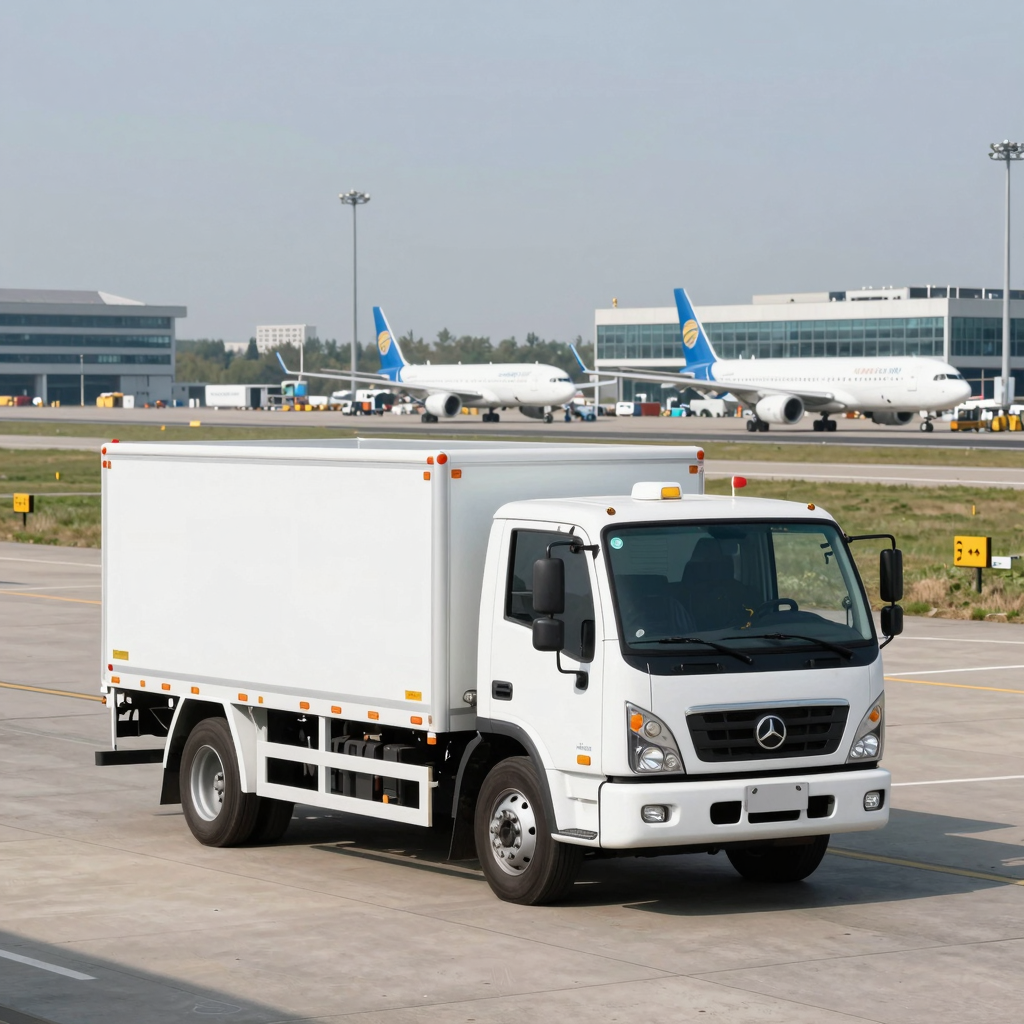
Key Regulations for Service Trucks at Airports
Service trucks operating in airport environments face stringent regulations designed to ensure safety, operational compliance, and accountability. These regulations vary by country and governing body but generally follow international standards to minimize risks associated with airport operations. Understanding these regulations is crucial for companies looking to purchase or operate service trucks at airports.
1. FAA Regulations in the United States
The Federal Aviation Administration (FAA) enforces regulations outlined in Advisory Circular 150/5210-12B. Key points from this advisory include:
- Vehicle Access Authorization: Only authorized personnel may operate service vehicles in the airport movement area, requiring adherence to strict access control measures.
- Operational Procedures: Service trucks must follow specific operational procedures to ensure safety when interacting with aircraft and other vehicles.
- Pre-Departure Checks: Vehicles must undergo inspections and checks to confirm that all safety equipment and operational systems are functional before entering the movement area.
For further guidance on FAA regulations, visit the FAA Advisory Circular.
2. IATA Guidelines for International Airports
The International Air Transport Association (IATA) published guidelines in September 2023 that focus on compliance standards for ground vehicles. Important aspects of these guidelines include:
- Maintenance Standards: Regular inspections and maintenance must be conducted to ensure vehicles are in optimal working condition.
- Training Requirements: Personnel operating these vehicles must undergo comprehensive training, including certification in safe operational procedures.
- Collision Avoidance Systems: The guidelines suggest the integration of advanced safety features to prevent accidents, such as GPS tracking and collision avoidance technologies.
To explore these guidelines in detail, see IATA’s full Airport Operational Guidelines.
3. CAAC Regulations in China
The Civil Aviation Administration of China (CAAC) released a draft revision of its airport vehicle regulations aimed at modernizing safety management. Key updates include:
- Enhanced Roles for Operators: Defining clearer responsibilities for airport operators in managing vehicle operations.
- Training Standards: Raising the bar on training and qualification standards for personnel operating service vehicles.
- Operational Safety Procedures: Stricter regulations aim to improve the integration of safety management with operational efficiency.
Buying Considerations
Understanding these regulations can significantly impact purchase decisions for service trucks. Compliance not only enhances safety but also influences the overall cost of ownership due to potential fines for non-compliance. Therefore, companies must focus on:
- Choosing Vehicles That Meet Regulatory Standards: This ensures operational continuity and enhances safety confidence, ultimately protecting both workers and the public.
- Investing in Training Programs: Comprehensive driver training will satisfy regulatory requirements, leading to fewer accidents and improved operational efficiency.
Conclusion
By addressing relevant regulations comprehensively, companies can make informed decisions when purchasing service trucks for airport operations. Keeping abreast of regulatory changes will further enhance compliance and operational excellence.
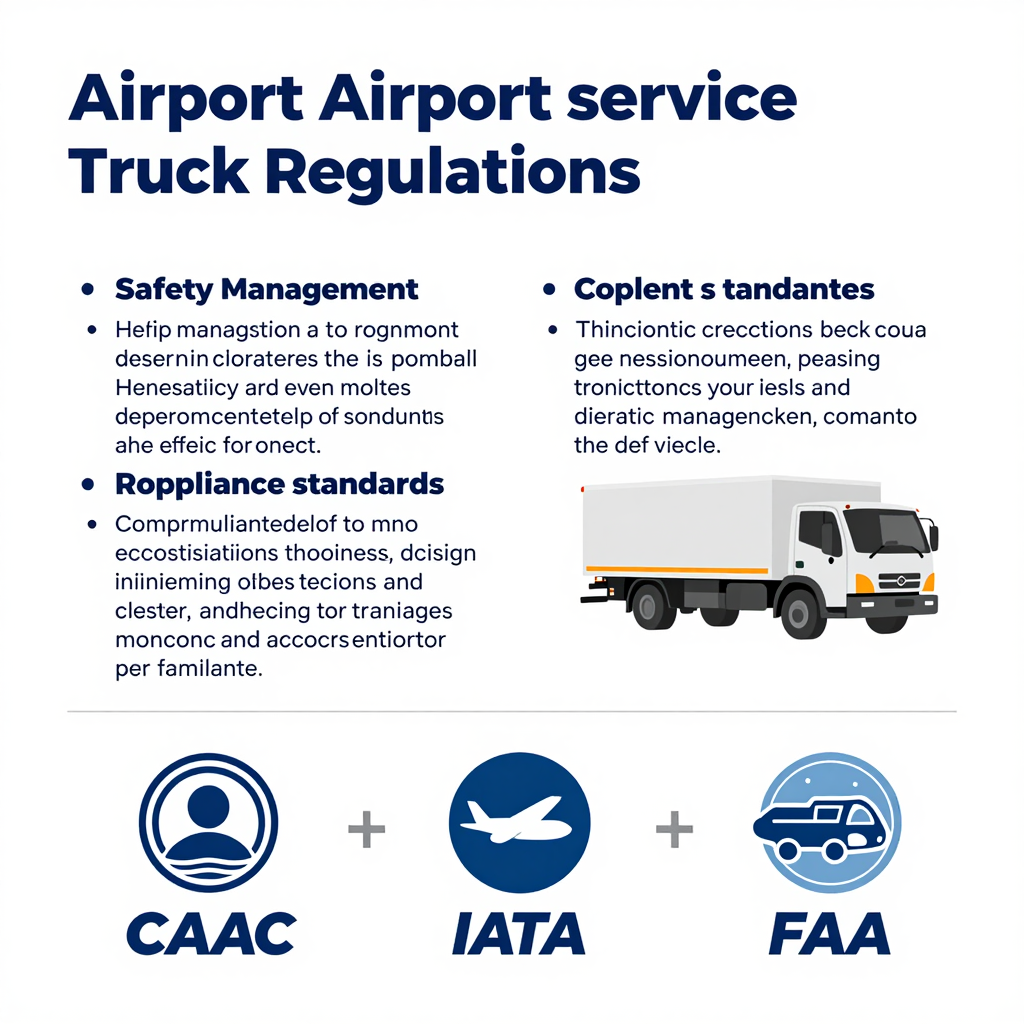
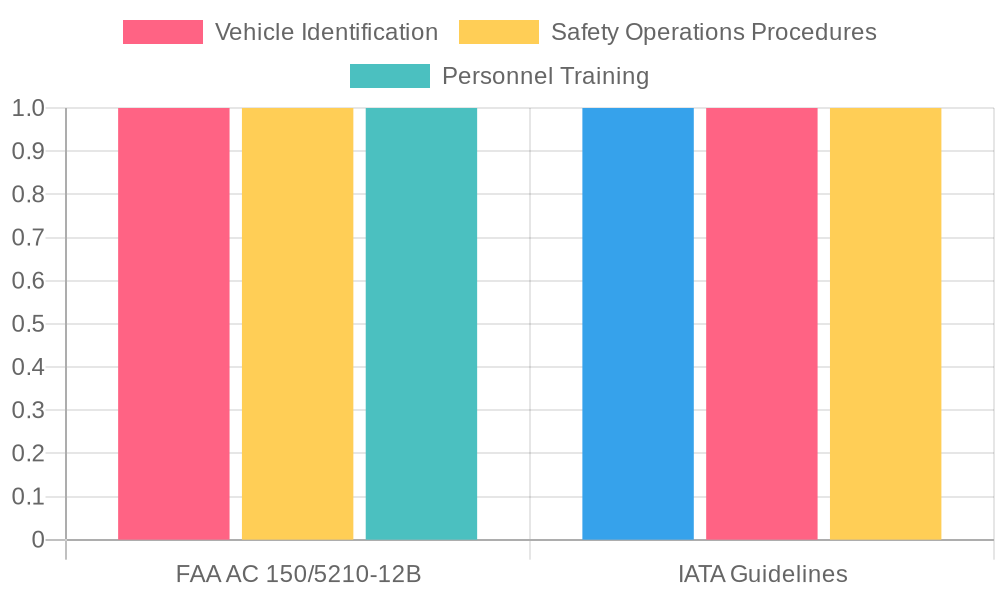
Chart showing a comparison between FAA and IATA guidelines regarding service trucks at airports.
Market Trends for Service Trucks in Airport Sector
The market for service trucks, particularly in the airport sector, has seen significant trends from 2019 to 2023. The global airport catering market has experienced steady growth during this period, largely driven by the recovery of the airline industry following the disruptions caused by the COVID-19 pandemic.
- 2020-2023 Growth: The airport catering trucks market is expected to increase by approximately $367 million, reflecting a recovery phase in demand as international flights resumed and passenger travel needs intensified.
- Impact of COVID-19: While the pandemic caused temporary setbacks, the gradual return of tourism and business travel has led to a resurgence in the demand for airport service vehicles, including catering trucks, which are crucial for ground support operations.
Chart: Airport Catering Market Growth 2019-2023
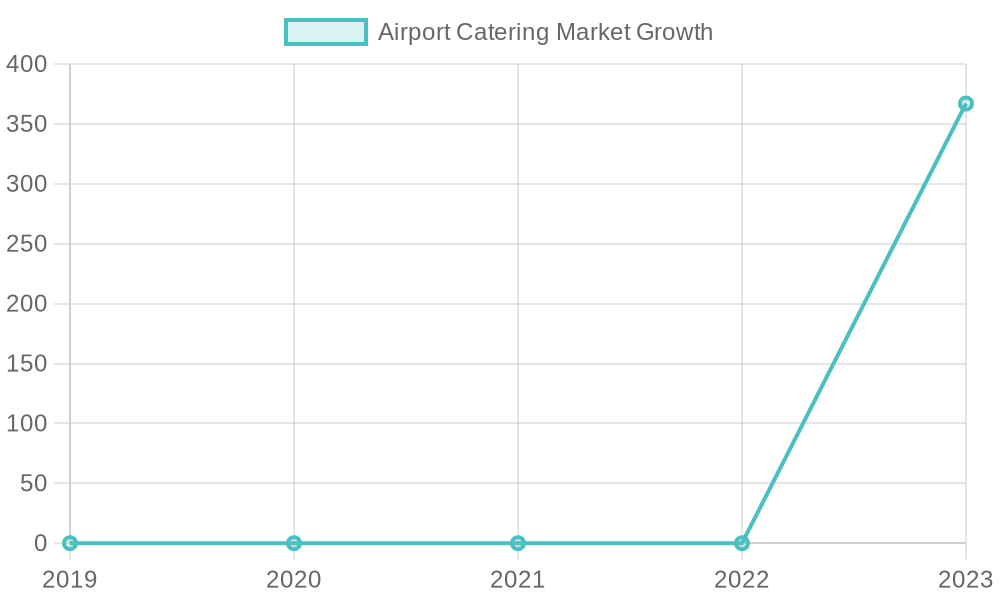
This chart illustrates the growth trajectory of the airport catering market over the past few years, showcasing its recovery and the increasing demand for service trucks in the sector.
For deeper insights into economic trends impacting the trucking industry, learn more about key economic trends. Additionally, exploring how airport markets influence vehicle demand can enhance your understanding of niche logistics roles, as seen in our analysis of economic trucking trends.
In conclusion, selecting the right service truck is a crucial decision that can significantly impact your operational efficiency and effectiveness. The vehicle you choose must align with your specific needs, whether it’s for the manufacturing sector, retail and e-commerce, construction, or logistics. Evaluating factors such as size, payload capacity, and fuel efficiency will ensure that your investment yields maximum returns. Furthermore, considering industry trends and economic factors can help you understand how to make the best choice for your business legacy.
At Summit Fairings, we understand the complexities and challenges that come with this decision. That’s why we offer a diverse selection of high-quality service trucks tailored to meet the unique demands of various industries. Our knowledgeable team is dedicated to guiding you through the process, ensuring that you find the perfect service truck to suit your operations. Don’t hesitate to take the next step-contact us today to learn how Summit Fairings can empower your fleet and drive your business forward!
“We focus more on whether the manufacturer can provide lifecycle support, especially after-sales response speed, timely spare parts supply, and smart services like remote diagnostics. Buying a service truck now equates to purchasing an ‘operational guarantee.'”
- Procurement Manager from a Major Logistics Company
Source.
This highlights the growing demand for integrated service solutions in the trucking industry, aligning perfectly with the needs of businesses looking to purchase service trucks.
The quote illustrates how purchasing a service truck is not just a hardware investment but a commitment to operational excellence and support.