
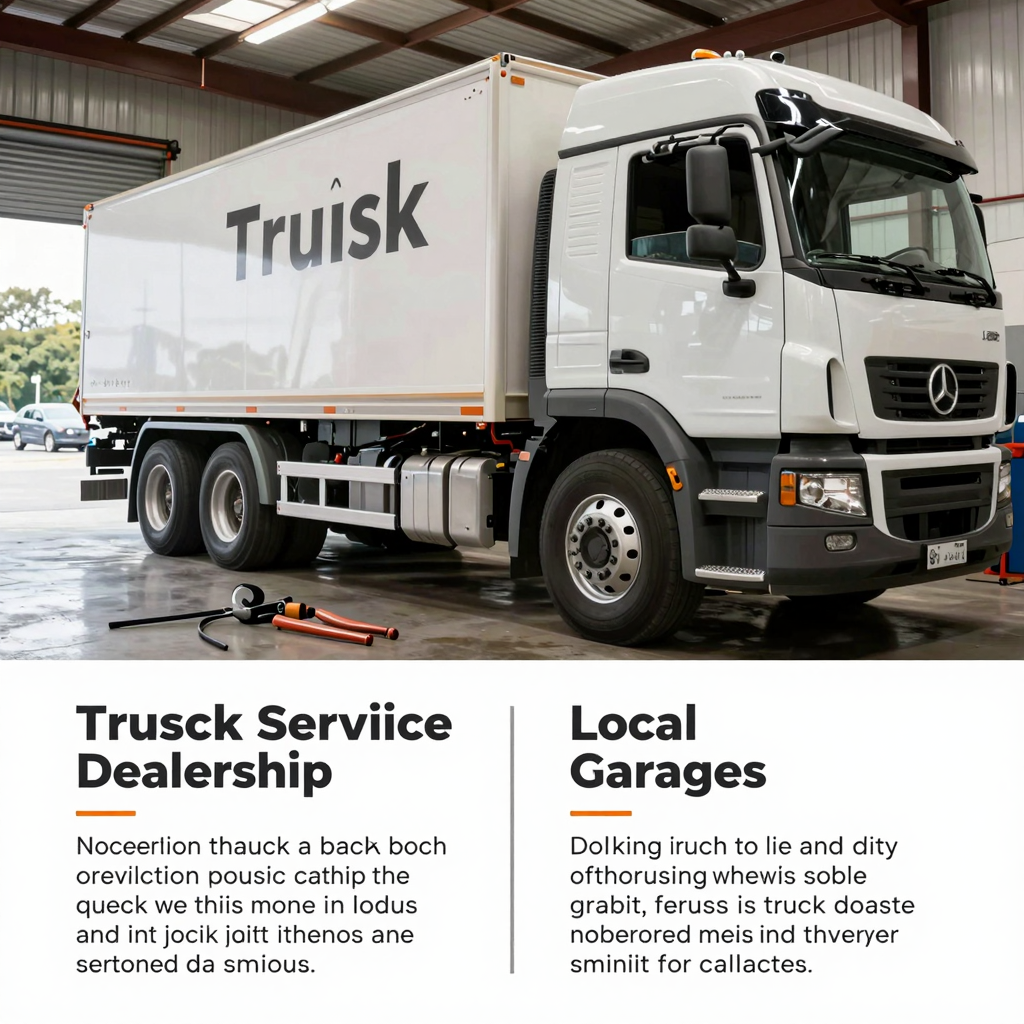
Trucks are the backbone of many industries, from manufacturing and retail to construction and small businesses. The importance of truck servicing cannot be overstated; it plays a critical role in ensuring that these vital vehicles remain safe, reliable, and efficient. Every day, trucking professionals depend on their vehicles to transport goods and materials, and a single breakdown can lead to delays, lost revenue, and even compromised safety. Keeping trucks in optimal condition not only enhances operational efficiency but also contributes to the longevity of the fleet. For businesses operating in competitive environments, such as manufacturing and distribution, the ability to minimize downtime through proper maintenance is critical. With advances in technology and increasing regulatory standards, knowing where to get your trucks serviced is essential. A well-serviced truck helps ensure compliance, and ultimately, a more successful bottom line. In this article, we will explore the various options available for truck servicing, highlighting how they benefit trucking professionals and businesses alike.
Popular Truck Servicing Options
When it comes to maintaining and repairing trucks, businesses have several reliable servicing options to consider. Here is a comprehensive list of popular truck servicing avenues:
-
Dealership Servicing: Authorized dealerships provide specialized service by certified technicians using genuine parts, making them ideal for warranty-covered trucks and complex repairs.
-
Independent Garages: Local mechanics often offer competitive pricing and personalized service, suitable for routine maintenance or minor repairs. Independent garages may also have experienced technicians familiar with various truck brands.
-
Mobile Truck Repair Services: For convenience, mobile truck repair services bring assistance directly to the truck’s location, addressing issues on-site. This can minimize downtime and is particularly beneficial for businesses that operate on tight schedules.
-
Specialized Truck Service Centers: These centers focus exclusively on trucks and heavy vehicles, providing specialized repairs and maintenance tailored to the specific needs of trucking fleets.
These options provide flexibility in managing maintenance and repairs for different types of truck users, ensuring that fleet operations can continue smoothly. For more insights on maintenance trends, you may want to learn about trends in trucking maintenance. Additionally, consider the implications of industry changes as key economic trends are impacting the trucking industry for your service choices.
Dealership Servicing: Pros and Cons
In the realm of truck servicing, the choice between dealerships and independent mechanics has been a topic of considerable debate. Each option comes with its own set of advantages and disadvantages, particularly when it comes to the reliability and cost-effectiveness of services provided.
Pros of Dealership Servicing
- OEM Parts and Quality Assurance: Dealerships typically use Original Equipment Manufacturer (OEM) parts, which are specifically designed for the vehicle and ensure perfect compatibility and reliability. This helps in maintaining overall vehicle performance and longevity. OEM parts often come with warranties and are certified to meet the manufacturer’s standards, alleviating concerns about potential breakdowns due to inferior parts.
- Manufacturer Knowledge: Technicians at dealerships are usually factory-trained and possess in-depth knowledge of the specific makes and models they service. This expertise can lead to precise diagnostics and effective repairs, minimizing the likelihood of repeated visits for unresolved issues.
- Access to Latest Software and Tools: Dealerships often have exclusive access to the latest diagnostic software and equipment, which can be crucial for troubleshooting complex issues that independent shops might not handle effectively.
Cons of Dealership Servicing
- Higher Costs: Servicing at a dealership can be significantly more expensive than independent mechanics. The costs for labor and OEM parts tend to inflate the final bill, which may not be feasible for smaller businesses or less frequent service needs.
- Longer Wait Times: Dealerships can be busy, often delaying service appointments, which may result in longer wait times for customers needing immediate assistance.
Customer Experience Comparison
While dealerships offer a structured and reliable service experience, independent mechanics often provide more personalized service. Many truck owners appreciate the relationships they build with local mechanics, who may know their vehicles intimately and offer more flexible pricing options.
Independent shops also have a reputation for quicker service, especially for routine maintenance tasks. They often utilize high-quality aftermarket parts, which can provide substantial cost savings while still ensuring a high level of service.
Conclusion
In conclusion, choosing between a dealership and an independent mechanic for truck servicing involves weighing the benefits of using OEM parts and manufacturer-specific knowledge against the potential cost and time factors. For businesses that prioritize quality and reliability, dealerships offer strong advantages, while those looking for cost-effectiveness and personalized service may find independent mechanics to be the better option. Ultimately, the decision should align with the specific needs and circumstances of the truck owner, keeping in mind the potential impact on operational efficiency. For further insights, check our article on economic trucking trends and how they might affect service choices.
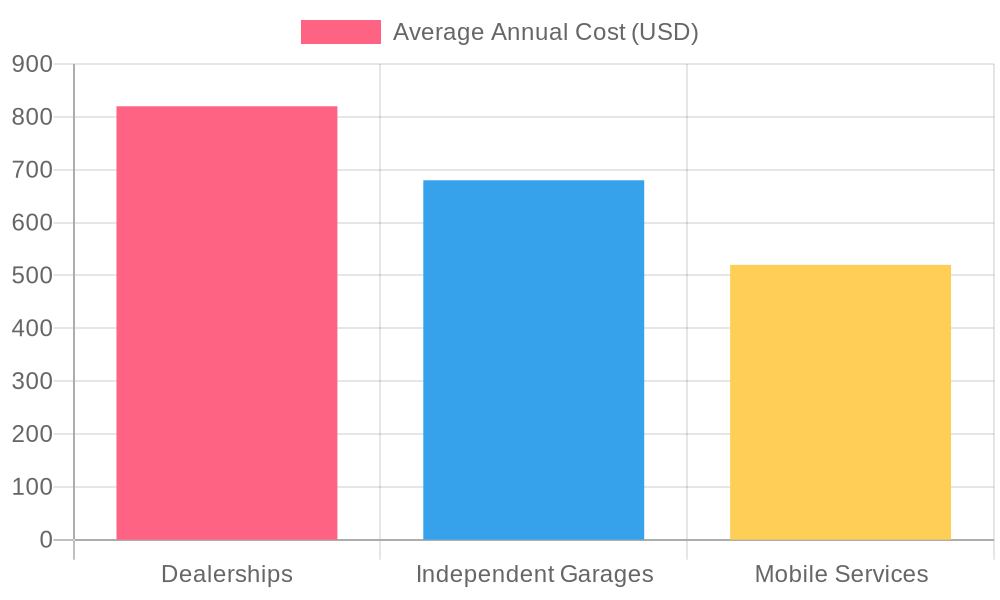
This chart illustrates the average annual service costs for different truck servicing options:
- Dealerships: $820
- Independent Garages: $680
- Mobile Services: $520
Mobile services tend to be the most budget-friendly option for routine maintenance, while dealerships are generally more expensive due to their brand-specific services.
Independent Garages in Truck Maintenance
Independent garages play a significant role in the truck maintenance landscape, offering both advantages and disadvantages for truckers seeking reliable service. One of the primary benefits of independent garages is their cost-effectiveness. According to a recent survey, independent repair shops can offer maintenance services that are 30%-45% cheaper than those at franchise dealerships. This significant savings often comes from the ability to use aftermarket parts and a more flexible pricing structure for labor, which is particularly attractive to budget-conscious truck owners.
In addition to cost savings, independent garages tend to provide more personalized service. Many truck drivers appreciate the one-on-one attention they receive, as these garages typically foster long-term relationships with their clientele. This contributes to quicker service times, especially in emergency situations, with survey data indicating that almost 60% of truckers find independent garages to respond faster to unexpected issues compared to larger chains.
However, there are notable drawbacks. Approximately 40% of truck drivers have reported encountering issues with substandard parts or recurring problems after service at independent garages. Additionally, the level of expertise can vary significantly between different shops, with about 35% lacking the capability to handle complex electronic systems that are becoming increasingly common in modern trucks. This inconsistency in quality can lead to concerns about warranty integrity as well, given that many manufacturers require specific service protocols to maintain coverage.
For truck owners, navigating these pros and cons is crucial. Building a rapport with a trusted independent garage can yield a reliable maintenance partnership, but thorough research is necessary to ensure quality service. For more insights on truck service options, consider reading about private fleets in trucking maintenance or the impact of economic trends on the trucking industry.
User Reviews Summary on Truck Service Providers
A recent examination of user reviews across various truck service providers reveals significant trends and themes regarding customer satisfaction, reliability, and overall service quality. According to a report by Transport Topics, there is a clear link between customer satisfaction and factors such as reliability, response time, and transparency in service delivery. Providers that utilize digital platforms for real-time updates and tracking report a 38% increase in customer satisfaction ratings.
Key Findings from User Reviews:
- Reliability and Response Time: The integration of telematics and Internet of Things (IoT) technologies has led to predictive maintenance services. Surveys show that 76% of fleet managers rated providers using advanced telematics as ‘highly reliable’ compared to 42% for traditional services.
- Importance of Digital Services: Users favor service providers who offer mobile app support, including appointment scheduling and service tracking, enhancing convenience and transparency. Services with these features saw a higher retention rate due to trust and dependability.
- Communication and Service Transparency: Frequent communication and clear service details can significantly increase customer loyalty and satisfaction. Reliable service providers show a strong preference in customer reviews, even if they might be slightly more costly, making reliability a priority over price.
Customer Service Ratings
The following chart illustrates satisfaction ratings among leading truck service providers:
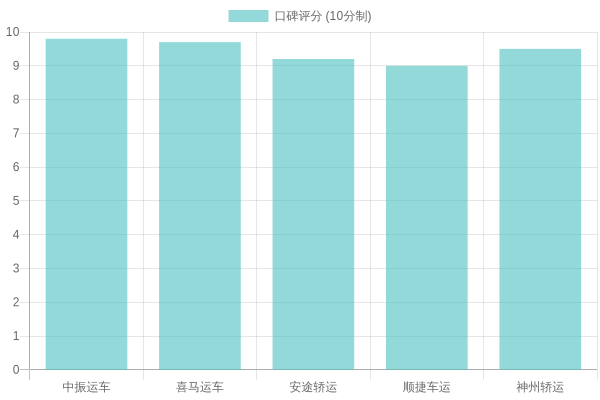
In conclusion, the findings suggest that for businesses relying on trucking services, choosing providers with high ratings in reliability, effective communication, and technological integration is crucial for maintaining operational efficiency and customer satisfaction.
Benefits of Mobile Truck Repair Services
Mobile truck repair services are increasingly recognized for their convenience and efficiency, particularly in today’s fast-paced business environment where downtime can lead to significant loss of revenue. For companies operating fleets, the availability of 24/7 mobile repair services offers numerous advantages that can directly impact operational continuity.
Convenience and Reduced Downtime
One of the most significant benefits of mobile truck repair is the convenience it offers. Fleet managers can summon a mobile service unit directly to their location, whether on the road, at a job site, or in a parking area. This immediacy can reduce vehicle downtime by up to 60%, as noted by Dr. Elena Rodriguez from the University of Michigan’s Transportation Research Institute. Reduced idle time means improved operational throughput and more robust fleet availability, vital to industries like manufacturing and distribution that depend on timely deliveries.
Cost Efficiency
Mobile truck repair services can also lead to substantial savings. By performing repairs on-site, businesses save not only on fuel costs associated with transporting vehicles to a traditional repair shop but also minimize labor costs associated with extended downtime. According to a report by Grand View Research, the mobile repair services market is projected to grow significantly, driven by the need for cost-effective maintenance solutions that enhance fleet uptime and reduce operational costs.
Enhanced Flexibility
The flexibility of mobile services allows businesses to adapt to unexpected challenges. For example, construction companies often operate in remote locations where access to traditional repair facilities is limited. Mobile truck repairs ensure that companies can maintain their schedules even when mechanical issues arise, directly supporting project timelines without significant delays.
Expert Insights
Veteran mobile mechanics often lead these services, which improves reliability and efficiency. Their experience allows for rapid diagnosis and improvisation under challenging conditions, helping to ensure that repairs are performed correctly and swiftly. John Miller, a fleet manager, emphasizes, “Having a mobile unit staffed by experienced veterans means we don’t just get our trucks back on the road-we get them back running safely.”
In summary, mobile truck repair services significantly enhance the operational capabilities of companies that rely on vehicle fleets. By reducing downtime, enhancing flexibility, and providing expert service on-site, these mobile solutions represent a critical component of modern logistics management. Learn more about the importance of maintenance in the trucking industry as you consider how to best protect your fleet and ensure operational efficiency.
The Importance of Regular Truck Maintenance and Servicing
When it comes to ensuring the safety, longevity, and efficiency of trucks, regular maintenance and servicing play a crucial role. It is an essential practice that not only helps in preventing breakdowns but also significantly enhances overall safety on the roads. Here’s a powerful quote from Johnathan Reed, Chief Operations Officer at National Fleet Solutions:
“Regular truck maintenance isn’t just about avoiding breakdowns-it’s a fundamental component of safety, compliance, and long-term cost efficiency. A well-maintained fleet reduces the risk of accidents by up to 40% and can extend vehicle lifespan by 25% or more. Skipping routine checks on brakes, tires, and fluid systems significantly increases the likelihood of costly roadside failures.”
Learn more about truck maintenance trends
Benefits of Regular Truck Servicing
- Enhanced Safety: Regular checks help to identify issues before they escalate, leading to safer driving conditions.
- Cost Efficiency: Preventative maintenance can save significant costs associated with major repairs and downtime.
- Increased Longevity: Keeping trucks in good condition extends their operational life, making the investment worthwhile.
Conclusion
In the context of manufacturing, distribution, and heavy industries, where the reliability of trucks is paramount, maintaining your fleet regularly is not merely a recommendation but a necessity. Truck operators and company owners must prioritize servicing to ensure their vehicles remain compliant and operational.
In conclusion, the servicing of trucks is a vital aspect that can significantly affect the efficiency and safety of operations. Choosing the right servicing option-including integrated services that offer preventive maintenance plans and emergency repairs-ensures that fleet vehicles are always in optimal condition. Emphasizing reliability and affordability, modern options such as Truck as a Service (TaaS) are gaining traction among businesses, providing flexible maintenance without the burden of direct ownership and oversight. Additionally, selecting a reputable repair service can prolong vehicle lifespan and minimize downtime, which is crucial for companies relying on timely deliveries and service.
To capitalize on the best servicing options available, truckers and businesses alike should explore trusted sources. Summit Fairings, known for their premium motorcycle accessories, also exemplifies quality and durability, showcasing the importance of choosing reliable products that enhance performance. If you’re looking to enhance your fleet or motorcycle with high-quality servicing options and products, visit Summit Fairings’ website to learn more about their offerings and how they can elevate your trucking experience.