
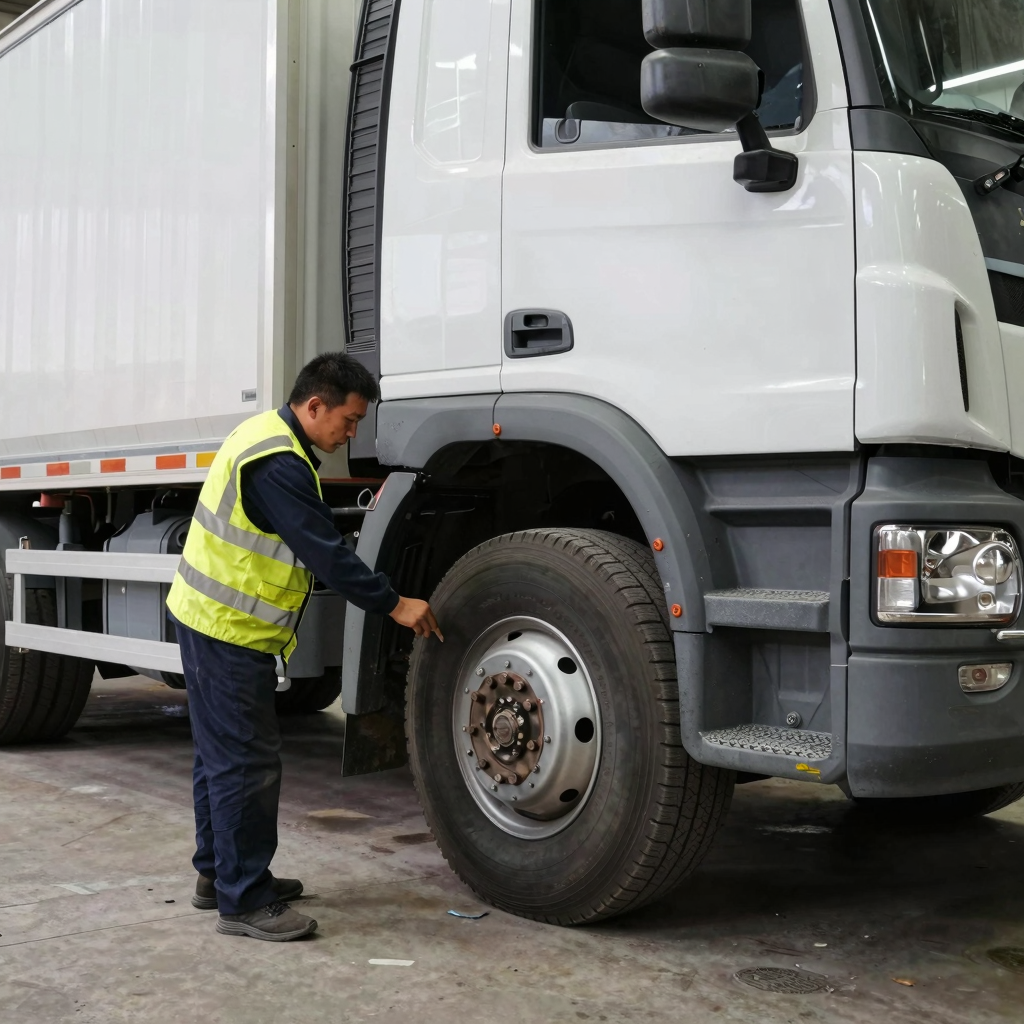
Have you ever considered the implications of a truck being put out of service due to safety concerns? In industries like manufacturing, distribution, and construction, the importance of thorough truck inspections cannot be overstated. A crucial aspect of operational excellence, these inspections are essential for preventing mechanical failures that could lead to costly accidents and extensive downtime. According to a report by Safety and Health Magazine, over 60% of on-site vehicle incidents stem from preventable mechanical issues caught during routine inspections, highlighting their critical role in maintaining safety standards. Furthermore, companies that enforce mandatory daily inspections can experience a remarkable 45% reduction in vehicle-related accidents, as noted in a survey by Logistics Today.
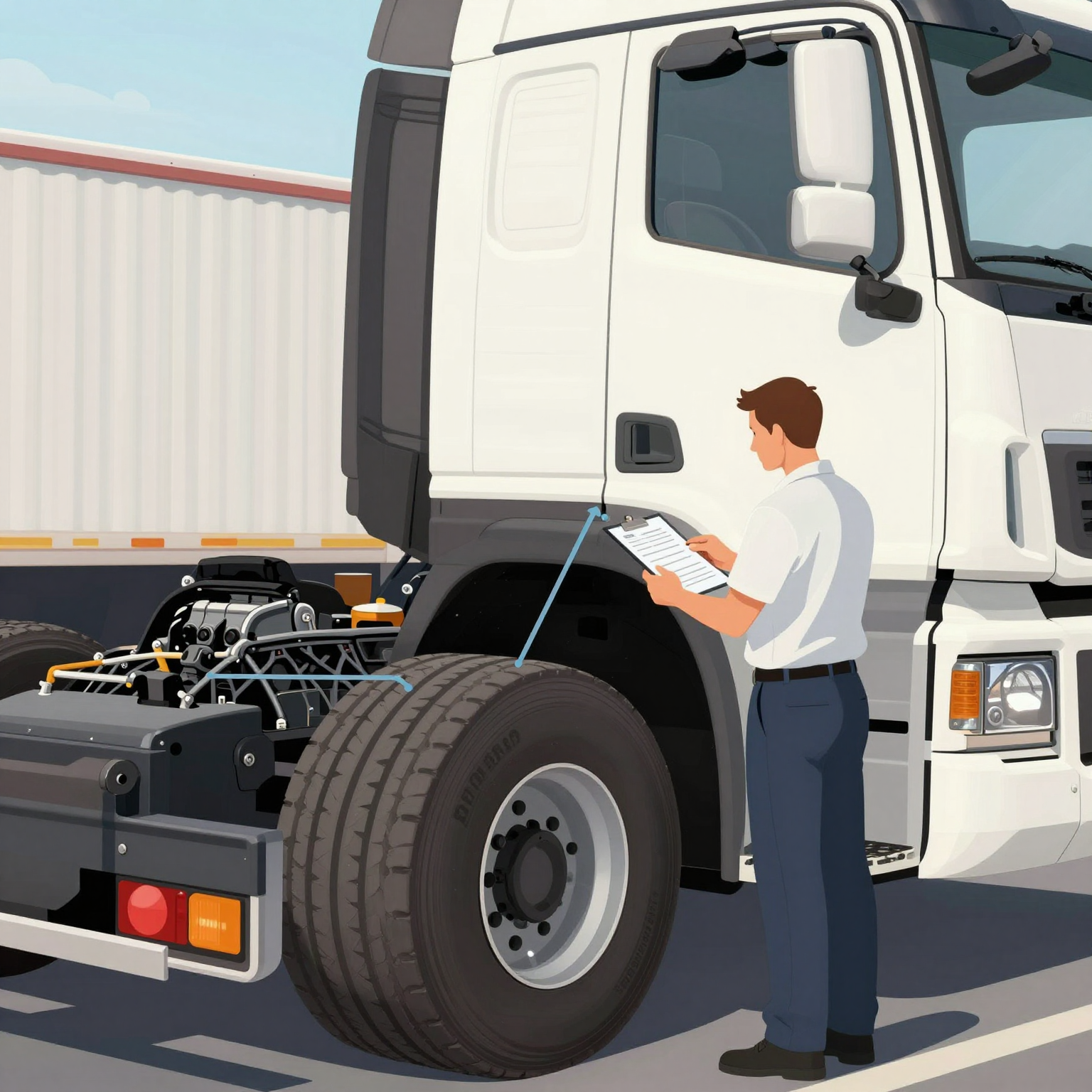
Truck inspections ensure compliance with stringent safety guidelines set forth by governing agencies, such as the Federal Motor Carrier Safety Administration (FMCSA). A vehicle identified as ‘out of service’ is deemed unfit for operation, requiring immediate attention to rectify safety violations such as faulty brakes or worn tires. This article delves into the standards and regulations surrounding truck inspections, exploring what it means for a vehicle to be classified as ‘out of service’ and the implications this classification has on safety and operational efficiency. If you’re a small business owner involved in shipping or logistics, understanding these dynamics is vital for safeguarding your operations and ensuring the well-being of your team on the road. For further insights, consider exploring our article on key economic trends impacting the trucking industry to gain a deeper understanding of how safety and regulations shape our field.
Criteria for Truck Out of Service Determination
In the heavily regulated trucking industry, numerous standards are set by authorities such as the Federal Motor Carrier Safety Administration (FMCSA) and the Commercial Vehicle Safety Alliance (CVSA) to determine if a truck should be deemed out of service. When it comes to enforcement, inspectors employ a precise set of criteria, focusing on the vehicle’s safety aspects. The adherence to these criteria is critical in ensuring safety on the roads, especially for small business owners engaged in manufacturing, distribution, and construction sectors.
Key Defects Leading to Out of Service Status
Inspectors categorize defects into three distinct classifications: Critical, Major, and Minor. Here’s a breakdown based on FMCSA and CVSA guidelines as follows:
| Category | Defect Description | FMCSA/CVSA Criteria | Source |
|---|---|---|---|
| Critical | Brakes not functioning properly | Any brake system defect that prevents the vehicle from being safely operated is considered critical. | FMCSA |
| Critical | Tire defects including tread depth less than 4/32″ | Tires below the minimum depth or showing significant damage are classified as critical defects. | CVSA |
| Critical | Steering and suspension component failures | Any defect that compromises steering ability or vehicle stability is considered critical. | CVSA |
| Major | Missing or malfunctioning lights | Lights must be operational. Failure can constitute a major defect that may need correcting within a specified period. | FMCSA |
| Major | Faulty windshield wipers | Non-functional windshield wipers can impair visibility and are classified as major defects necessitating timely repair. | CVSA |
| Minor | Minor body damage | Non-safety-related cosmetic issues do not trigger an out-of-service status but must be noted. | FMCSA |
Note: Vehicles with one or more Critical defects are placed out of service immediately until corrected. Major defects require rectification within a 72-hour period, while Minor issues will not affect the serviceability unless exacerbated.
Implications for Small Business Owners
For small businesses, especially within the manufacturing and construction sectors, being vigilant about these inspection criteria is imperative. An out-of-service designation can halt operations and lead to financial loss. This impacts delivery schedules, shipping commitments, and ultimately, customer satisfaction. Therefore, proactive maintenance and adherence to vehicle regulations cannot be overemphasized.
Additionally, small business owners should stay informed about current economic trends affecting trucking, such as government regulations, tariffs, and market fluctuations. Awareness can help in strategizing for better compliance and operational efficiency. For further insights into navigating the complexities of the trucking industry, read about key economic trends impacting the trucking industry.
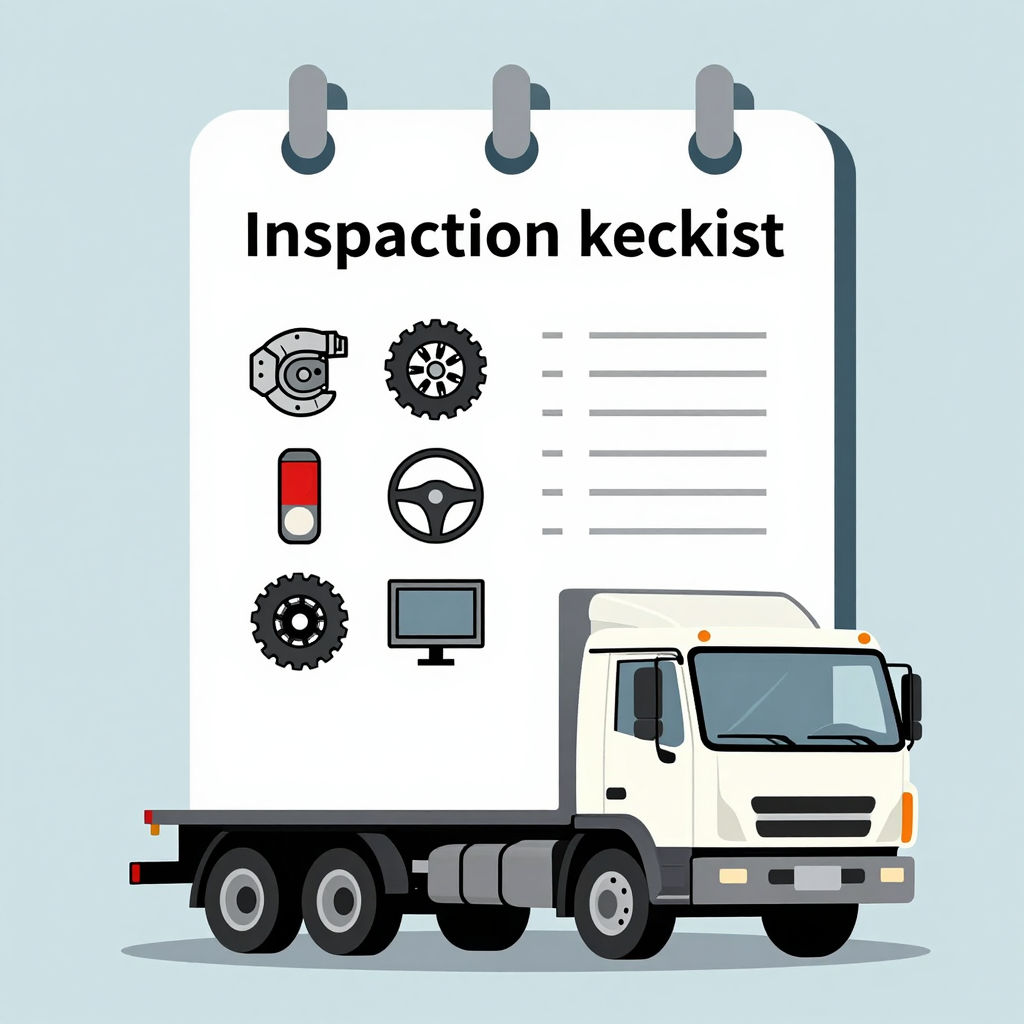
As the industry evolves, understanding these out-of-service criteria ensures that small business owners are better equipped to operate efficiently and remain compliant with the law. Emphasizing safety will not only protect assets but also enhance the overall productivity and sustainability of freight operations.
| State | Brake System Defects | Tire Issues | Defective Lighting | Seatbelt Non-Compliance | Cargo Securement |
|---|---|---|---|---|---|
| California | Requires inspection of all brake components; air brake systems must pass pressure loss tests. Critical defects include missing or damaged brake linings, excessive wear, and malfunctioning slack adjusters. | Tires must have minimum tread depth of 4/32″ on steering axles and 2/32″ on other axles. No bald spots, cuts, or bulges allowed. | Headlights, taillights, turn signals, and hazard lights must be operational. Defective or missing lights result in out-of-service orders. | All occupants must be secured with seatbelts. Failure to comply results in an out-of-service violation if the driver is not buckled. | Cargo must be properly secured using straps, chains, or other devices. Overhang beyond vehicle limits or unsecured loads are prohibited. |
| Texas | Air brake systems must meet specific pressure drop requirements. Defects like brake fade, leaking lines, or improper adjustment lead to out-of-service status. | Minimum tread depth: 4/32″ on steering tires, 2/32″ on drive and trailer tires. Tires with sidewall damage or delamination are not allowed. | Lights must be clean, properly aimed, and functional. Missing or non-operational lights cause immediate out-of-service orders. | Drivers and front-seat passengers must wear seatbelts. Non-compliance results in a violation and potential out-of-service citation. | Cargo must be secured so it does not shift or fall during transit. Overhanging cargo exceeding legal dimensions is grounds for out-of-service. |
| Florida | Brake system inspections focus on proper function, adjustment, and wear. Defects such as worn brake shoes, air leaks, or improper slack adjuster settings trigger out-of-service actions. | Tread depth must be at least 4/32″ on steer tires and 2/32″ on others. No tire with exposed steel belts or damage is permitted. | All lighting devices must be intact and working. Any failure to illuminate is considered a critical defect. | Seatbelts must be available and functional. Failure to use them leads to citations and possible out-of-service if deemed unsafe. | Cargo must be secured using appropriate restraints. Unsecured or improperly loaded cargo that could shift or fall is a primary out-of-service violation. |
| New York | Brake systems must pass comprehensive inspection including stopping distance tests. Defects like air leaks, insufficient pressure, or mechanical failures lead to out-of-service status. | Minimum tread depth: 4/32″ on steer tires, 2/32″ on other tires. Tires with cracks, punctures, or bulges are not allowed. | All exterior lights must be operational. Defective or misaligned lights result in out-of-service violations. | Drivers and passengers must use seatbelts. Non-compliance can lead to out-of-service citations, especially if safety is compromised. | Cargo must be secured to prevent shifting. Overhang beyond legal limits or insecure loads are subject to out-of-service orders. |
Sources:
- California Department of Motor Vehicles (DMV) – https://www.dmv.ca.gov
- Texas Department of Public Safety (DPS) – https://www.dps.texas.gov
- Florida Department of Highway Safety and Motor Vehicles (DHSMV) – https://www.flhsmv.gov
- New York State Department of Motor Vehicles (DMV) – https://dmv.ny.gov
Implications of an Out-of-Service Designation for Businesses
When a truck is designated as out of service (OOS), the ramifications can be dire for businesses relying on transportation for operational continuity. An out-of-service designation typically occurs due to safety violations detected during inspections. The operational delays, financial impacts, and legal ramifications of this designation can severely affect manufacturers, distributors, and other stakeholders.
Operational Delays
Operational delays are among the most immediate consequences of a truck being placed out of service. Affected businesses often face the following challenges:
- Disruption of Supply Chains: Each truck off the road leads to delays in deliveries, impacting customer promises and supply chain reliability. For instance, if a truck transporting key goods is halted, the entire logistics chain may be disrupted, causing delays that can ripple through manufacturing processes and retail operations.
- Increased Dependence on Third-party Services: Businesses may need to rely on expedited shipping services to meet deadlines, which can be less predictable and more expensive. This reliance can also divert resources from other essential business operations.
Financial Impacts
The financial impacts of an out-of-service designation can accumulate quickly:
- Revenue Loss: Direct losses can occur as businesses miss out on delivery contracts. According to a Logistics Management article, the inability to deliver goods on time can lead to penalties and loss of customer trust.
- Increased Costs: Beyond lost revenues, businesses face increased overheads. This can include costs associated with hiring replacement vehicles and paying overtime wages to employees to cover logistical gaps. Additionally, as highlighted by Tow4Tech, missed deliveries can trigger financial penalties imposed by clients.
Legal Ramifications
There are significant legal implications associated with trucks being put out of service:
- Contractual Obligations: If a business fails to meet delivery timelines stipulated within contracts because of truck downtimes, this can lead to claims of breach of contract, as discussed in insights from the American Trucking Associations (ATA). Such breaches might incur hefty fines or even litigation from affected parties.
- Regulatory Compliance Issues: The designation can also expose companies to regulatory scrutiny. If violations led to the OOS status, the business could face repercussions under federal regulations, including fines or operational suspensions.
The consequence of a truck being placed out of service is thus multifaceted, impacting not only the immediate logistics involved but also extending to substantial financial and legal challenges that businesses must navigate carefully. By being proactive about vehicle maintenance and compliance, companies can mitigate these risks and enhance operational reliability.
Common Reasons Trucks Are Put Out of Service
Understanding the reasons trucks are put out of service is crucial for compliance and efficient fleet management. Below is an unordered list of the most common reasons:
-
Mechanical Issues:
-
Brake system failures
-
Tire defects and issues with wheel assemblies
-
Malfunctioning lights or reflectors
-
Steering mechanism problems
-
Safety Compliance Violations:
-
Improper cargo securement leading to potential accidents
-
Expired vehicle registration
-
Missing required documentation during inspections
-
Failure to maintain adequate emergency equipment
-
Driver-Related Problems:
-
Driving while fatigued, exceeding hours-of-service limits
-
Failing drug and alcohol tests
-
Operating without a valid Commercial Driver’s License (CDL)
-
Non-compliance with logbook requirements
These factors together contribute significantly to truck downtime, impacting logistics and operational efficiency. Adhering to regular maintenance schedules and training for drivers can help mitigate these issues and keep your fleet on the road. For comprehensive insights into how regulatory changes may be impacting operations, learn more about key economic trends in trucking.
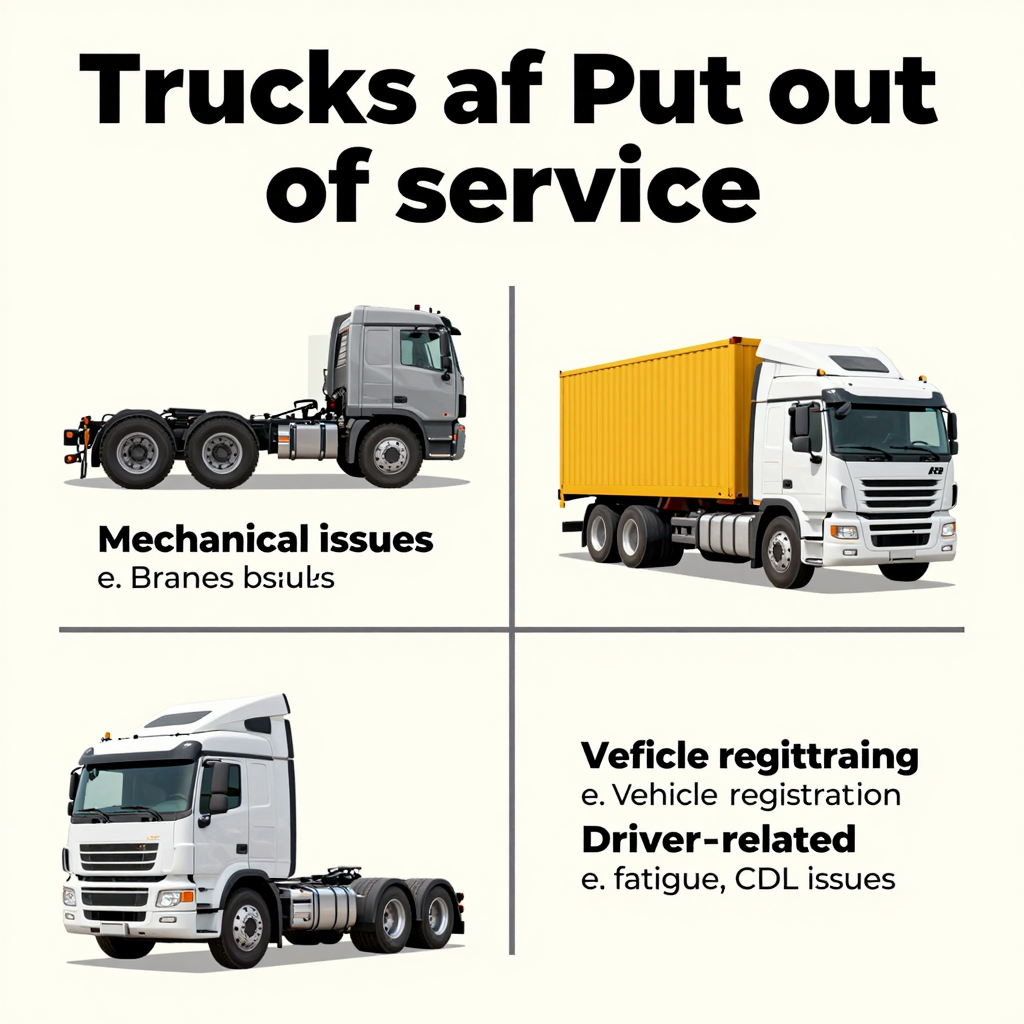
This visual representation highlights the critical areas that fleet managers and trucking companies need to focus on to reduce out-of-service instances effectively.
Tips for Preventing a Truck from Being Put Out of Service
Preventing your trucks from being put out of service is crucial for maintaining efficiency in operations and ensuring safety in the trucking industry. Below are some practical steps that companies can take to avoid this predicament:
1. Implement a Rigorous Maintenance Routine
-
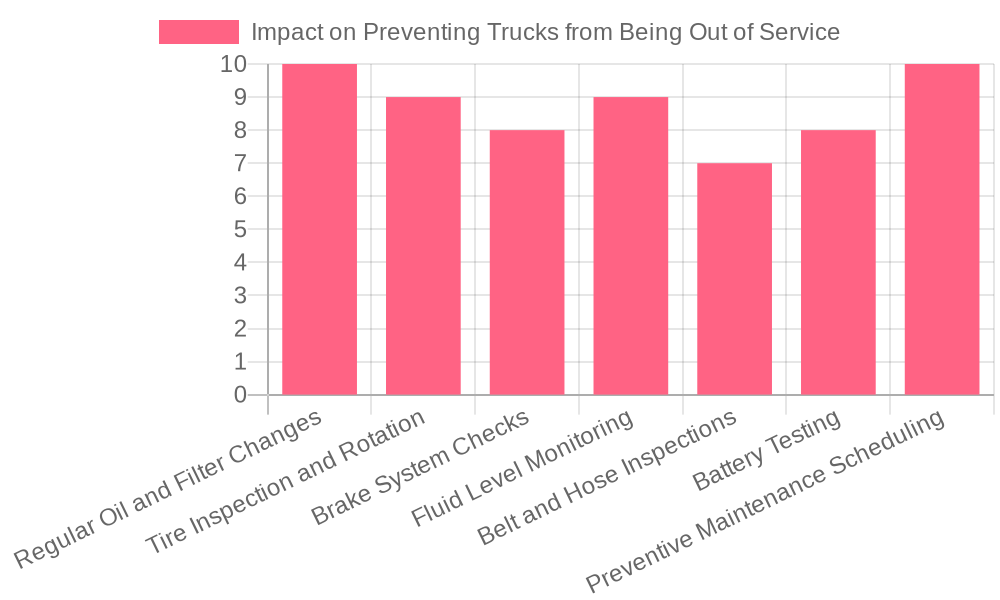
Regular Oil and Filter Changes: Essential for engine longevity, these should be scheduled based on the manufacturer’s recommendations, significantly reducing engine wear and unexpected breakdowns.
-
Systematic Tire Inspections: This helps maintain optimal tire conditions, reducing the risk of blowouts and accidents. Tires should be rotated and checked for proper inflation regularly.
-
Brake System Checks: Regular checks ensure the braking system is functioning effectively, which is essential for both safety and compliance with regulations.
-
Fluid Level Monitoring: Regularly check and replace fluids for cooling, hydraulic systems, and transmission to prevent catastrophic failures.
-
Belt and Hose Inspections: Identify wear before it leads to leaks or breaks. Monitoring these components is vital for the overall health of the engine.
-
Battery Testing: Ensuring that battery and electrical systems are functioning prevents starting issues and further technical problems.
2. Conduct Regular Safety Checks
-
Pre-Trip Inspections: Drivers should perform comprehensive checks before each trip, which includes verifying tire pressure, checking brake functionality, and ensuring all lights work properly. This process can significantly minimize the risks of being put out of service due to preventable mechanical failures.
-
Ongoing Safety Training: Continuous training can help drivers better recognize and respond to potential hazards related to vehicle operation, reducing incidents that could lead to vehicles being put out of service.
According to the FMCSA, all commercial vehicles must meet stringent inspection requirements set forth by federal regulations.
3. Establish and Enforce Compliance Training for Drivers
- Understanding Compliance Regulations: Ensure that drivers are well-informed about both federal and state regulations regarding vehicle operation, safety standards, and maintenance obligations. This knowledge is crucial for compliance and avoids the risks associated with non-compliance.
- Conduct Regular Workshops: Workshops can provide drivers with updates on regulatory changes and reinforce the application of safe operational practices.
- Documentation and Accountability: Maintain detailed logs of inspections and repairs to ensure accountability and transparency. This will help in identifying patterns that may lead to vehicle issues in the future.
Conclusion
By implementing these strategies, companies can not only avoid the costly repercussions of having their trucks put out of service but also enhance the safety and reliability of their operations. Regular maintenance and compliance training can significantly reduce risks associated with the trucking industry, ensuring smoother logistics operations overall.
For further insights on trucking industry compliance, check out our article on key economic trends impacting the trucking industry.
“A single overlooked brake issue or tire defect can lead to a multi-vehicle collision. Regular inspections reduce the risk of mechanical failure by up to 78%, making them not just a regulatory requirement but a moral imperative for protecting lives on the road.”
This quote highlights how critical inspections are for both regulatory compliance and enhancing safety on the roads.
For further insights into the stark role of vehicle inspections in accident prevention, consider reading more from the NHTSA on truck inspections and road safety.
Incorporating expert opinions and data reinforces the necessity of safe practices in the transportation industry, especially for those involved in manufacturing and distribution. Regular inspections should become a non-negotiable practice for ensuring the safety and efficiency of vehicle operations.
Costs Associated with Out-of-Service Trucks
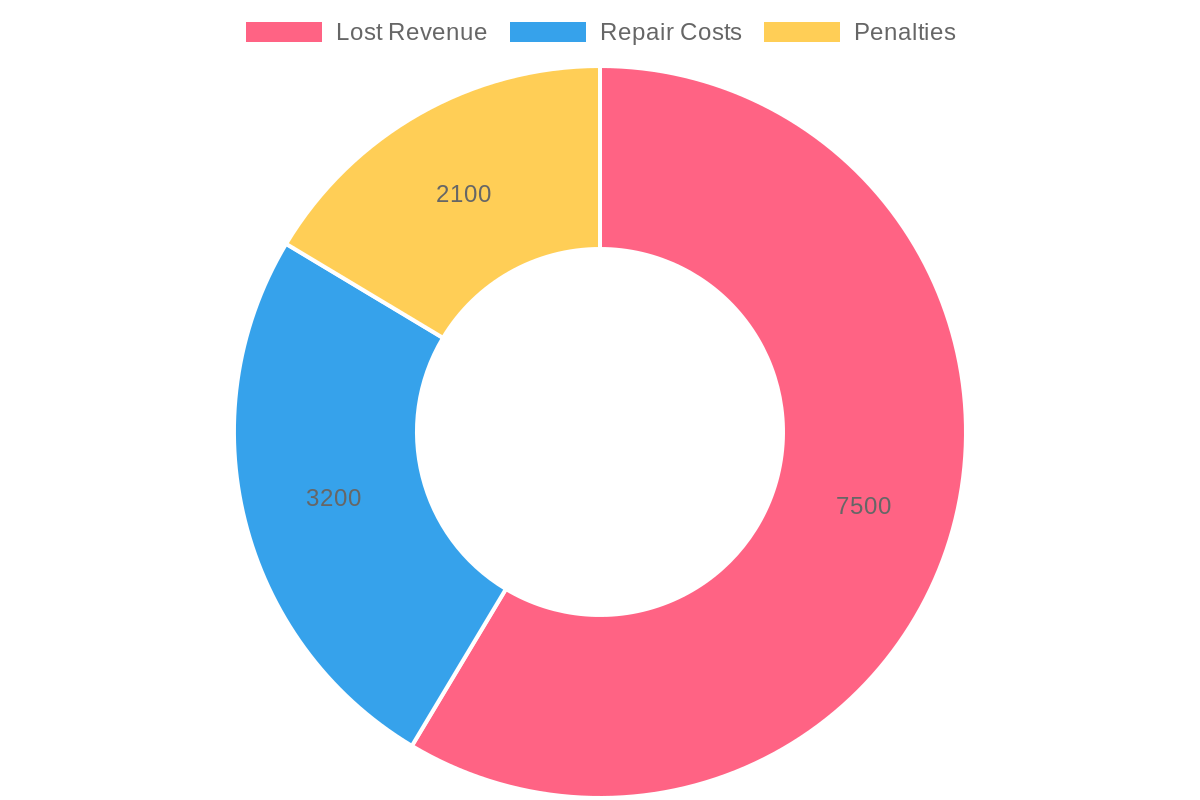
Understanding the financial implications of having trucks out of service is crucial for businesses that rely on efficient logistics. According to research, out-of-service trucks can incur significant costs, which can break down as follows:
| Category | Cost ($) |
|---|---|
| Lost Revenue | 7,500 |
| Repair Costs | 3,200 |
| Penalties | 2,100 |
The total average cost per out-of-service event is approximately $12,800. This includes:
- Lost Revenue: $7,500 due to downtime,
- Repair Costs: $3,200 for various maintenance issues,
- Penalties: $2,100 which can be incurred from regulatory fines.
Sources:
- American Trucking Associations (ATA)
- McKinsey & Company
Businesses that implement preventative maintenance strategies can significantly reduce their out-of-service incidents, positively impacting their bottom line. Learn more about managing fleet costs.
Additionally, understanding the broader economic trends in trucking can further assist in planning and operations. Explore key economic trends in the trucking industry.
In conclusion, the insights gathered about truck inspections and the potential for being put out of service highlight critical considerations for businesses operating in the logistics and transportation sectors. With nearly 20% of roadside inspections leading to trucks being placed out of service, as reported by the American Trucking Associations, it underscores the urgency for companies to prioritize proactive truck maintenance and stringent compliance with safety regulations. Inadequate maintenance can not only cause operational disruptions but can also result in significant safety hazards on the roads.
Ensuring that trucks meet inspection requirements should be viewed as more than just a regulatory obligation; it is a commitment to the safety of drivers and the general public. Common failure points, including issues as minor as a broken lightbulb, can lead to trucks being sidelined, ultimately affecting productivity and revenue. To avoid these pitfalls, regular maintenance checks addressing key compliance issues such as hours of service regulations, maintenance schedules, and driver qualifications are imperative.
Businesses looking for support in enhancing their fleet management and compliance processes can explore solutions offered by Summit Fairings. By investing in reliable maintenance practices, companies can not only mitigate the risks of being put out of service but also promote a culture of safety and efficiency within their operations. Learn more about proactive compliance and maintenance solutions to keep your fleet running smoothly and compliantly.