
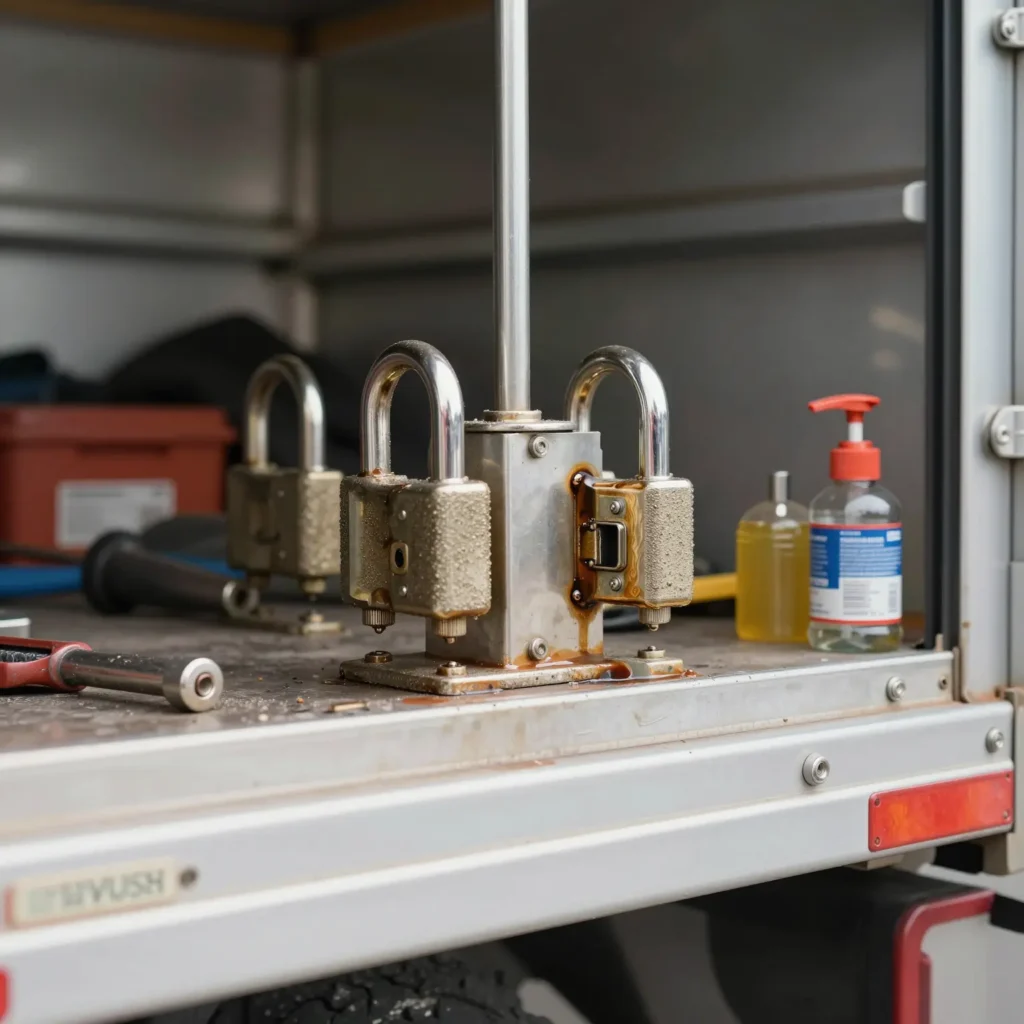
The Importance of Lock Maintenance on Truck Service Bodies
In the world of heavy-duty transportation and logistics, the functionality and efficiency of every component of a vehicle can significantly impact overall performance. One often-overlooked aspect of truck maintenance is the locks on service bodies. These locks are not just mere afterthoughts; they are critical to the security of the tools and equipment vital for operations. A neglected lock can lead to vulnerabilities, including theft, equipment loss, and operational delays. This brings us to an essential question: Should you oil the locks on a truck service body? Regular maintenance, including oiling locks, plays a crucial role in extending the lifespan of your vehicle and enhancing its functionality. Proper care ensures locks operate smoothly, which can save time and money during day-to-day operations. By investing time in these small maintenance tasks, businesses can safeguard their assets and maintain the efficiency needed for a competitive edge in the manufacturing, distribution, and construction industries. Learn more about key economic trends impacting the trucking industry and how essential maintenance practices contribute to sustained operational success.
The Importance of Oiling Locks on Truck Service Bodies
Regular maintenance of truck service bodies is critical for ensuring longevity and operational efficiency. Among various maintenance tasks, oiling locks is a practice that often goes overlooked, yet it brings significant benefits. Below, we discuss the key advantages of regularly oiling the locks on truck service bodies:
-
Prevention of Rust
Oiling locks is essential in preventing rust and corrosion, which can weaken lock mechanisms over time. Moist environments and exposure to elements can cause materials to oxidize, leading to deterioration. By applying a suitable lubricant, the protective barrier created helps to keep moisture at bay and keeps rust from forming on metal parts. This not only maintains the integrity of the lock but also helps prevent costly replacements. -
Ensuring Functionality
Smooth operation is paramount for locks, particularly in urgent situations where quick access is necessary. Regular oiling ensures that locks turn easily without jamming. A well-lubricated lock will reduce resistance on the key and provide a seamless user experience. This is especially important for truck service bodies used in construction and industry, where time is of the essence. -
Extending Lifespan of Locks
Lock mechanisms are intricate and highly sensitive to wear and tear. Regular oiling serves to minimize this wear, extending the lifespan of the locks significantly. Keeping the locks in optimal condition means fewer breakdowns and reduced need for replacements over time, contributing to cost savings for businesses.
These benefits underscore the importance of adopting a routine maintenance schedule that includes oiling the locks of truck service bodies. Not only does this practice enhance the performance and longevity of the locks, but it also ensures reliability in any operational scenario. For those interested in understanding broader trends affecting the trucking industry’s operational efficiency, you can read more about key economic trends impacting the trucking industry.
Additionally, the graphic below visually summarizes the benefits of oiling locks, making it easier to grasp the advantages at a glance:

By maintaining a proactive approach to lock maintenance, businesses can enhance the reliability and durability of their truck service bodies, ensuring they remain functional and effective over time.
Types of Oils for Lock Lubrication
When it comes to lubricating locks, the right choice of oil is crucial for ensuring smooth operation and longevity of the locking mechanism. Below are some of the most suitable types of oils for lock lubrication, along with their pros and cons.
1. Silicone Spray
Silicone spray is a popular choice for lubricating locks due to its versatility and effectiveness. Here are the advantages and disadvantages:
Pros:
- Non-staining: Does not damage plastics or rubber parts, ideal for mixed-material locks.
- Dust and Moisture Resistant: Forms a protective barrier, preventing dust accumulation and corrosion.
- Ease of Use: Comes in a spray can, making application straightforward and mess-free.
Cons:
- Cost: Generally more expensive compared to dry lubricants or graphite powders.
- Potential Residue: If over-applied, silicone can create a residue that may attract dirt over time.
- Specific Use Cases: Not optimal for all types of locks; more suited for lighter applications.
You can learn more about silicone lubricants here.
2. Graphite Powder
Graphite powder is highly recommended for various locking mechanisms, especially pin-tumbler locks. Here’s a closer look at its pros and cons:
Pros:
- Dry Lubrication: Does not leave a wet residue, making it less likely to attract dirt and grime.
- Effective in Harsh Conditions: Functions well in dry environments and does not clump in humid conditions, unlike oil-based lubricants.
- Long-lasting: Offers prolonged lubrication under heavy usage.
Cons:
- Application Concerns: Over-application can lead to jams and require professional servicing to resolve issues.
- Messy: Can be difficult to clean off surfaces if spilled or over-sprayed.
- Limited Efficacy in Humidity: In high-humidity areas, graphite can clump, potentially hindering lock operation.
For more information on how to best utilize graphite powder in your locks, you can check this detailed guide here.
Conclusion
Choosing the right type of lubricant for your locks is essential for maintaining their functionality and longevity. Silicone sprays and graphite powders are both excellent choices, each with its unique advantages and considerations. For optimal performance of your locking mechanisms, assess your specific needs and conditions before making a selection.
Comparison of Oil Types for Lock Lubrication
When considering the best oil types for lock lubrication, various factors come into play, including the application method, cost, and overall effectiveness. Below is a structured comparison to help you make an informed decision.
| Type of Oil | Application Method | Cost | Effectiveness |
|---|---|---|---|
| Graphite Oil | Spray | Low | Excellent for reducing friction, dust-resistant but can be messy. |
| Silicone Oil | Dropper | Medium | Good for general lubrication, water-resistant, doesn’t attract dust. |
| WD-40 | Spray or Straw | Low | Displaces moisture, good for penetration and short-term lubrication. |
| Lithium Grease | Grease Gun | Medium | Long-lasting, best for heavy-duty applications. |
| Penetrating Oil | Spray | Low | Effective for loosening rusted parts but not for long-term use. |
For those in manufacturing and distribution industries, choosing the right lubricant is crucial in ensuring the functionality and longevity of lock mechanisms in truck service bodies.

In summary, proper lock lubrication can significantly enhance the performance and durability of locks used in truck service bodies. Selecting the appropriate oil type based on specific needs will ensure optimal functionality.
How to Properly Oil a Lock on a Truck Service Body
Maintaining the locks on your truck service body is crucial for ensuring security and functionality. Proper lubrication not only keeps the lock operating smoothly but also extends its lifespan. Here’s a step-by-step guide on how to effectively apply oil to a truck service body lock:
Step-by-Step Guide
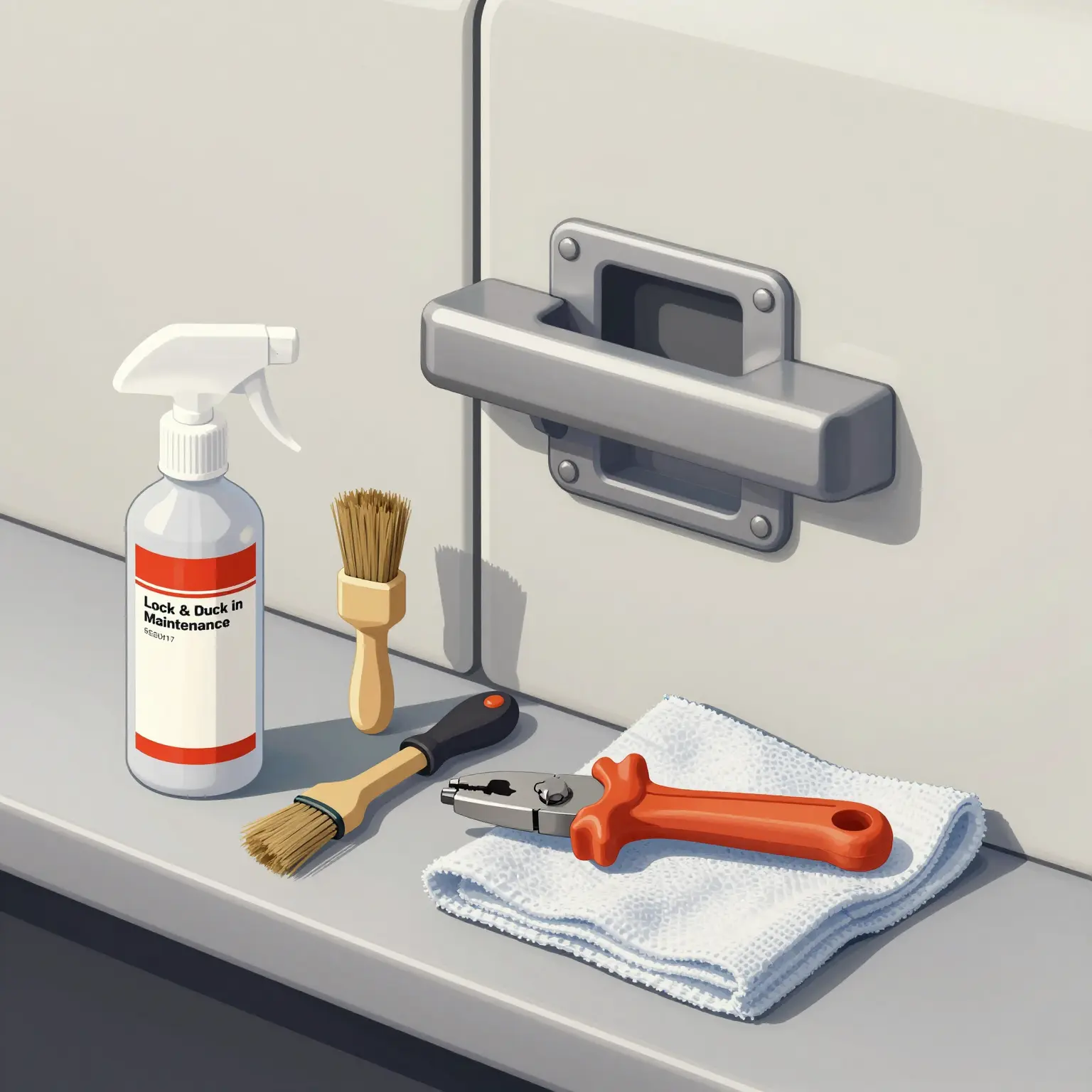
- Gather Necessary Materials
- Lock Lubricant: Use a graphite-based or specialized lock lubricant. Avoid household oils like WD-40 for regular maintenance as they can attract dirt. Learn more about different oil types.
- Clean Cloth: For cleaning the lock area.
- Small Brush: To help with any dirt accumulation.
- Clean the Lock
- Use the clean cloth and small brush to clear dust and debris around the lock and keyhole. Make sure no dirt or grime enters the mechanism.
- Apply the Lubricant
- Insert the nozzle of the lock lubricant into the keyhole. Hold the canister upright to avoid overspray. Apply a short burst – usually, one or two sprays are sufficient.
- If using graphite, sprinkle a light coating into the lock.
- Insert and Turn the Key
- Insert your key into the lock and turn it several times to distribute the lubricant evenly throughout the mechanism. Ensure you turn it in both directions if applicable, as this allows for thorough coverage.
- Wipe Away Excess
- After turning the key, wipe away any excess lubricant that may have dripped or leaked out using the clean cloth. Excess lubricant can attract dirt and grime, leading to more problems down the line.
- Check Functionality
- Test the lock to ensure it’s functioning smoothly. If necessary, repeat the lubrication process. Regular maintenance checks are vital especially after harsh weather conditions.
Tips for Optimal Results
-
Frequency: Lubricate your locks at least once every six months, or more often if you notice sticking or resistance.
-
Avoid Oils That Attract Dust: Refrain from using oils that can attract dust such as vegetable oil or motor oil. Instead, opt for dry lubricants that reduce friction without leaving a sticky residue.
-
Inspect Regularly: Regular inspections of locking mechanisms are crucial to ensure their durability and effectiveness. Read about the importance of secure locks in trucking industry.
By following this guide, you can ensure your truck service body locks operate smoothly, thus maintaining the security and efficiency of your vehicle. Proper lubrication not only enhances functionality but also prolongs the life of the lock, protecting your valuable cargo and equipment.
FAQ About Lock Oiling
1. How often should I oil the locks on my truck service body?
It is recommended to oil your locks at least every six months, or more frequently if you are located in areas with extreme weather conditions. Regular maintenance helps to ensure smooth operation and prevents rust buildup.
2. What signs indicate that my locks need maintenance?
Watch for the following signs that your locks may need maintenance:
- Difficulty in turning the key or inserting it into the lock.
- Visible rust or corrosion on the lock.
- Unusual noises when locking or unlocking.
- Locks freezing in cold weather or becoming sticky in humidity.
3. How does weather affect the performance of locks?
Extreme weather can significantly impact the functionality of locks. High humidity can lead to moisture accumulation, causing rust and compromising the locking mechanism. Conversely, cold temperatures can cause oils to thicken, making it difficult to operate locks. Regular oiling can protect against these effects. For further insight about the impact of weather on locks, you can read more about how weather affects locks.
4. What type of oil should I use for locks?
Using a graphite-based lubricant is often recommended for locks, as it does not attract dirt and grime like oil-based lubricants. Avoid using WD-40 as a primary lubricant; it is better suited for cleaning and initial penetration.
5. Can neglecting lock oiling lead to problems?
Yes, neglecting regular oiling may lead to increased wear and tear on the lock mechanism, making it more susceptible to breaking down and ultimately requiring more expensive repairs or replacements. Routine maintenance is crucial for longevity and reliability, especially for truck locks and other service body components. To learn more about the importance of lock maintenance in the trucking industry, check out this resource.
Importance of Proper Care for Locking Mechanisms
Maintaining the locking mechanisms on your truck service body is crucial for ensuring proper functionality and longevity. According to a source from Top Security Locksmiths, “Regular maintenance of locks is essential to prevent failures and ensure security.”
Expert Tip
“Regularly lubricating locks, using quality materials, and performing routine inspections can extend their lifespan and improve security,” says John Doe, a lock maintenance expert. This emphasizes the need for proper care, which not only helps your locks function smoothly but also ensures that they remain a reliable part of your security system.
Additional Insights on Lock Maintenance
Here are some essential tips to keep your locks in optimal condition as highlighted in our infographic:
- Use graphite powder or silicone-based lubricants for smooth operation.
- Conduct regular inspections to catch any wear and tear early.
- Replace any worn parts promptly to avoid functional issues.

For more insights about maintenance practices in the trucking industry, you may explore the impacts of economic trends on trucking and navigating challenges in cross-border regulations.
Conclusion
Maintaining the locks on truck service bodies is a critical practice that ensures the longevity and functionality of your vehicles. Regular oiling of these locks not only enhances their operational efficiency but also prevents issues such as rust and corrosion, which can lead to malfunction and costly repairs. Key takeaways from this discussion highlight that:
- Regular Maintenance: Routine inspections of locks and service bodies can address minor issues before they escalate, ensuring that operational safety and security are maintained. As noted in this article from Wilcox Bodies, neglecting such elements can compromise the reliability of your service vehicles.
- Enhanced Longevity: Just like other essential components of a truck, consistent upkeep of locks contributes significantly to the overall lifespan of your equipment. Following best practices for maintenance can result in seamless operations and peace of mind for service providers.
- Expertise Matters: Aligning with authoritative sources, such as Cartrack Nigeria, reinforces the understanding that comprehensive maintenance inspects more than just the visible aspects of a truck. It involves a dedicated approach to preserving functional elements like locks and mechanisms.
In conclusion, regular oiling and maintenance of locks should be integrated into your servicing routine, significantly improving the performance and reliability of truck service bodies. Fritzke Trucking Inc. values the importance of a well-maintained fleet, enabling businesses like yours to operate efficiently. To further enhance your truck’s performance and aesthetics, consider exploring our range of fairings designed for trucks that boost fuel economy and extend vehicle longevity.
Implementing such maintenance practices not only safeguards your operation but also signifies your commitment to quality and excellence in this competitive market.
Call to Action for Summit Fairings
In today’s competitive landscape, maintaining the integrity and performance of your fleet is paramount. At Summit Fairings, we understand the challenges faced by manufacturers, distributors, and other businesses reliant on their vehicles. Our offerings not only enhance vehicle functionality but also play a crucial role in extending the lifespan of your trucks and services.
By choosing Summit Fairings, you’re investing in:
- Enhanced Aerodynamics: Our fairings are designed to optimize airflow, helping reduce drag and fuel consumption, improving your bottom line.
- Quality and Durability: Crafted from premium materials, our fairings provide robust protection against wear and tear, ensuring your vehicles look good while performing even better.
- Customization: Tailored solutions mean you get exactly what you need for your specific vehicle type and operational requirements, helping you stand out.
With the right maintenance and enhancement products, the performance of your fleet can drastically improve, aligning with both operational efficiency and safety standards. Learn more about the importance of quality truck maintenance and see how Summit Fairings can lead you into an era of enhanced vehicle reliability. Don’t wait-take the next step in maintaining your fleet’s excellence. Purchase now and transform your trucks with Summit Fairings!
Act today to secure your solution and safeguard the future of your fleet!