
Introduction
In every community, fire trucks symbolize not just the valor of firefighters, but also the safety and security that comes with their presence. These essential vehicles are often a lifeline in emergencies, responding to fires, accidents, and other crises that threaten public safety. However, in recent years, the landscape of fire truck auctions has witnessed significant changes, creating a buzz of excitement and opportunity. For business owners-especially those in sectors closely tied to public safety-the fate of fire truck auctions presents both a challenge and a chance to bolster services within their communities. The auction environment allows them to bid on retired, yet reliable apparatus that can enhance their emergency response capabilities without the hefty costs of new units. As demand grows, understanding the implications of these auctions is crucial, impacting not just operations but the overall commitment to community service. This article delves into the evolving world of fire truck auctions, exploring how they shape the future of public safety and community resilience.
Learn more about fire-rescue vehicles and the significance of community service in today’s landscape.
The History and Evolution of Fire Truck Auctions
The history of fire truck auctions dates back to the early days of fire service when surplus vehicles were sold at local municipal sales or by direct negotiations. Originally, fire departments had limited options for repurposing or selling retired equipment, which resulted in lost revenue and inefficient fleet turnover. Over the years, this paradigm began to shift, especially with the advent of online auction platforms in the early 2010s, which revolutionized how fire trucks were sold.
Historical Significance
The rise of digital platforms facilitated a more transparent and accessible marketplace for old fire apparatus, allowing fire departments to reach potential buyers beyond their localities. According to data from 2023, approximately 1,200 fire trucks are sold annually through major online platforms, with sale prices typically ranging from $20,000 to $120,000 depending on the model and condition. This transformation significantly contributed to the financial sustainability of various departments, particularly smaller or rural ones that may not have access to the latest equipment due to budget constraints.
Community Impact
Fire truck auctions are critical in maintaining and improving public safety in communities. The National Fire Protection Association (NFPA) reported in 2023 that about 38% of U.S. fire departments purchased used fire apparatus in the previous five years, with nearly 60% of those acquisitions happening through public auctions. These statistics illustrate how auction sales provide essential funding solutions, allowing communities to prioritize emergency services without significantly impacting local budgets.
A notable case is the Pine Ridge Volunteer Fire Department in Montana, which saved over $100,000 by purchasing a 2015 Pierce Dash pumper for only $58,000 at a public auction. This case highlights not only the cost savings but also the critical role that auctions play in enabling underfunded departments to acquire necessary equipment responsibly.
Significance of Auctions Today
Today’s fire truck auctions not only provide financial advantages but also promote healthy competition among buyers, ensuring fair pricing and transparency in the acquisition of used fire apparatus. Furthermore, many auction houses now offer detailed inspection reports and warranties, enhancing buyer confidence and reducing the risk of overpaying. In conclusion, fire truck auctions have become a vital resource for communities striving to maintain effective firefighting capabilities while managing tight budgets.
For more information on current fire truck offerings and auction details, you can visit our fire rescue category on CRRC Vehicles.
By understanding the historical significance and community impact of fire truck auctions, business owners can recognize the value these auctions bring to public safety and the operational readiness of emergency services.
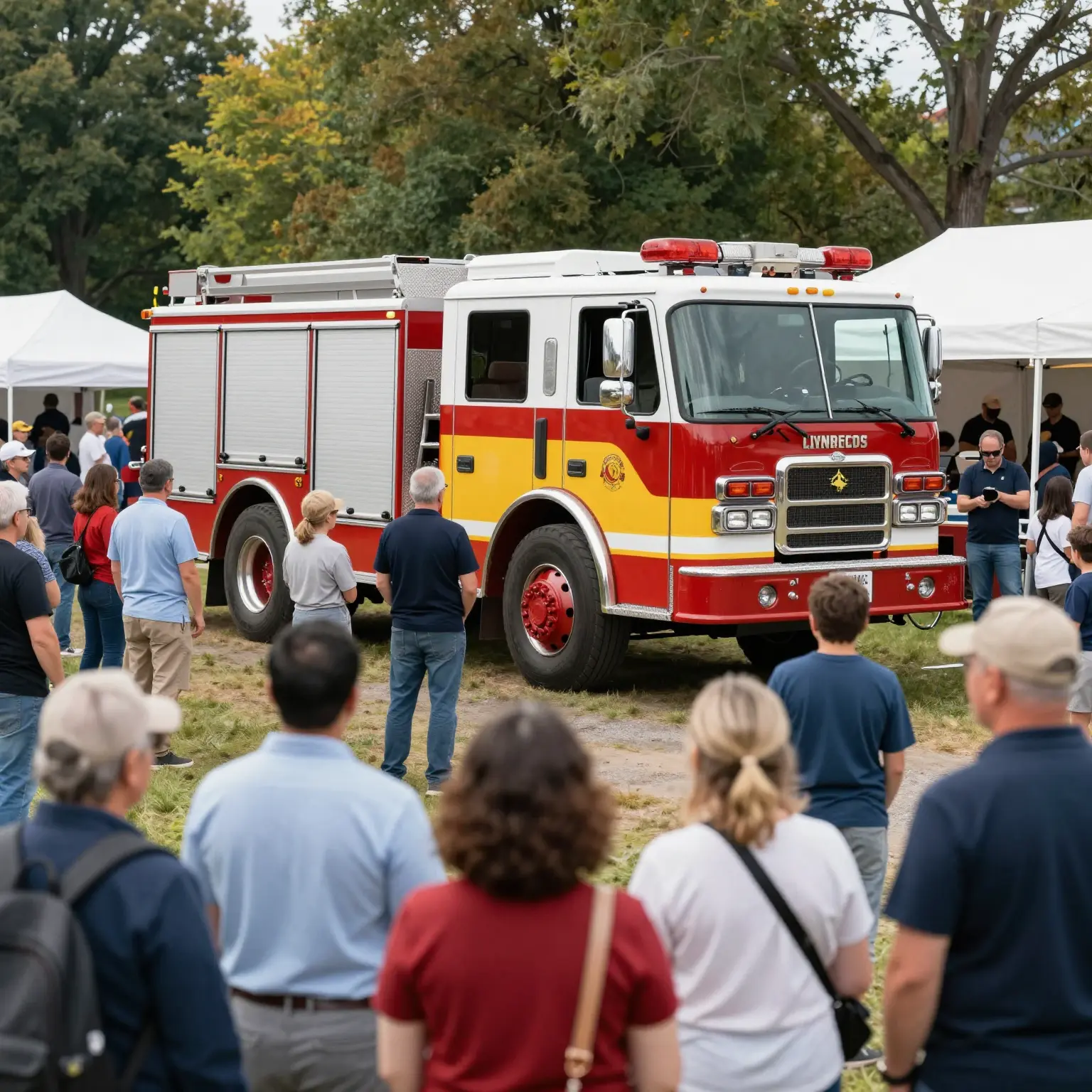
A lively scene of a fire truck auction with a colorful fire truck on display, surrounded by an engaged crowd of community members. This image captures the essence of community involvement in such events, highlighting the significance of local engagement in auctions.
If you want to learn more about fire and rescue vehicles, visit our fire rescue category.
Key Considerations for Bidding at a Fire Truck Auction
Participating in a fire truck auction can be a significant investment for business owners. To ensure a successful bidding experience, consider the following tips:
- Research the Auction: Understand the auction venue, rules, and specific terms of sale. Each auction may have unique procedures, so familiarize yourself beforehand.
- Inspect Before You Bid: Always inspect the fire trucks available for auction. Check for service history, maintenance records, and compliance with current safety standards. Consider hiring a qualified technician for a thorough inspection.
- Understand Bidding Strategies: Establish clear bidding strategies including setting a maximum budget. Stick to your limit to avoid emotional bidding that can lead to overspending, as suggested in this helpful guide on auction strategies.
- Know the Types of Fire Trucks: Familiarize yourself with the various types of fire trucks (like pumpers, tankers, and aerials) and their specifications to determine what best fits your operational needs. For more information about different fire truck categories, check out these options.
- Account for Hidden Costs: Be aware of potential hidden costs involved in the purchase beyond the auction price, such as registration fees, insurance, and any necessary upgrades.
- Get Funding Pre-Approved: Ensure financing is in place before attending the auction, which can give you more certainty in your competitive bidding.
- Network with Other Bidders: Building relationships with other potential bidders can provide insights into successful bidding practices and market pricing.
By following these considerations, business owners can navigate fire truck auctions more effectively and make informed purchasing decisions.
Evaluating Fire Trucks Before Bidding
When it comes to procuring a fire truck, business owners must engage in a thorough evaluation process to ensure they make a sound investment in their firefighting capabilities. In this section, we will discuss key factors to consider when inspecting fire trucks before placing a bid, advocating for effective bidding strategies and comprehensive vehicle evaluation methods.
1. Vehicle Condition
The condition of the fire truck is paramount. A meticulous inspection should cover:
- Structural Integrity: Check for any signs of rust, corrosion, or damage. Ensure that the frame and body are in good condition to maintain operational safety.
- Engine Performance: Assess the engine and transmission for any anomalies. A well-maintained engine is critical for reliability during emergencies.
- Firefighting Equipment: Evaluate the functionality of all firefighting apparatus, including pumps, hoses, and ladders. It’s essential that these components meet the necessary safety standards.
2. Maintenance History
Understanding the maintenance history of a fire truck provides insight into its reliability and potential longevity:
- Documented Maintenance Records: Request complete maintenance logs from the seller. Regular servicing can indicate the vehicle has been well cared for and is less likely to have hidden defects.
- Inspection Records: Look for results from annual inspections to ensure that the truck adheres to safety and regulatory standards set by organizations like the National Fire Protection Association (NFPA). Learn more about fire truck maintenance guidelines.
3. Resale Value
Evaluating potential resale value is an essential aspect of a sound bidding strategy:
- Market Demand: Understand which fire truck models are currently in demand. Recent trends show that fire trucks from reputable manufacturers maintain strong resale values, particularly those under ten years old with verified maintenance records. Factors such as engine type and overall durability will also play a significant role in value retention.
- Future Upgrades: Consider whether the truck is compatible with future upgrades, as modular designs can enhance resale appeal, thereby justifying initial bidding costs. The potential for internal modifications can make a vehicle more versatile, which is attractive to future buyers.
Conclusion
Thoroughly evaluating fire trucks before placing a bid is not just about finding a vehicle; it’s about securing a dependable asset for your firefighting needs. By examining the vehicle’s condition, reviewing its maintenance history, and understanding its resale value, business owners can effectively strategize their bids in a competitive market. Ensuring these evaluations align with industry standards, such as the guidelines provided by the International Association of Fire Chiefs, will enhance the decision-making process and lead to better investment outcomes.
Comparison of Popular Fire Truck Models Available at Auctions
Here’s a table comparing key specifications, pros, and cons of popular fire truck models available at auctions in 2023. This comparison will help business owners understand their options better.
| Model Name | Year | Condition | Estimated Price | Unique Features | Pros | Cons |
|---|---|---|---|---|---|---|
| Pierce Arrow XT Aerial | 2019 | Good | $385,000 | 100′ Aerial Ladder, 1500 GPM pump, 500-gallon tank | High reach, excellent performance | High price |
| KME Innovator Pumper | 2020 | Excellent | $280,000 | Advanced control systems, customizable compartments | Versatile, strong resale value | Requires maintenance |
| E-One Typhoon Aerial | 2021 | Good | $320,000 | 75′ Aerial, 1500 GPM pump, low profile design | Compact size, easy maneuvering | Limited tank capacity |
| Spartan Gladiator Pumper | 2018 | Very Good | $210,000 | 1000-gallon tank, rear mount pump | Reliable, low mileage | Older technology |
| International 4400 | 2017 | Fair | $150,000 | 750 GPM pump, customizable body design | Solid build, good for municipalities | Higher maintenance |
Key Considerations
When considering fire trucks at auctions, it’s essential to:
- Verify specifications such as pump capacities and tank sizes.
- Check the condition report and maintenance history.
- Understand the unique features that could meet your operational needs.
For more detailed information on fire trucks, you can visit this auction guide to help make informed decisions.
The Role of Technology in Modern Fire Truck Auctions
In recent years, technology has shifted the landscape of fire truck auctions, enhancing efficiency and transparency for business owners. From online bidding platforms to digital evaluations, technology plays a pivotal role in transforming how fire trucks are bought and sold.
Online Bidding Platforms
The development of specialized online auction platforms has fundamentally changed the auction experience. Websites such as FireTruckAuctions.com offer features like high-resolution video presentations and 3D scans of fire trucks. This allows potential buyers to thoroughly inspect vehicles from anywhere in the world, breaking geographical barriers that previously limited participation in auctions.
Furthermore, these platforms often incorporate advanced tools for vehicle performance analysis, including diagnostic reports and maintenance records. This digital information contributes to more informed decision-making, enabling business owners to assess the value of a fire truck based on real-time data rather than superficial inspections. It aligns with the principles of smart manufacturing, where data is leveraged for better operational insights.
Digital Evaluations
Another innovative aspect is the digital evaluation tools that utilize machine learning algorithms to analyze various performance metrics of the fire trucks. These evaluations can automatically create detailed reports on the vehicle’s condition, allowing buyers to understand critical aspects such as safety records, wear and tear, and compliance with industry standards. This level of transparency is crucial for business owners, as it reduces the risk associated with investments in used fire trucks.
Enhanced Decision-Making
As more businesses turn to these technologies, the emphasis shifts from traditional inspection methods to data-driven approaches. Decision-making is more strategic, leveraging technology to identify high-quality equipment that aligns with operational needs. For instance, innovations in smart manufacturing are also influencing the production of fire trucks, ensuring that vehicles are built to last and include advanced firefighting technologies-factors that can significantly increase their value in auctions.
In conclusion, the intersection of technological advancements and fire truck auctions fosters a more dynamic marketplace. Whether through real-time bidding, comprehensive digital evaluations, or data-driven insights, technology empowers business owners to make informed decisions that enhance their operational capabilities. To explore a range of modern fire trucks that exemplify these innovations, visit our product category for fire and rescue vehicles.
By embracing these technological enhancements, businesses not only streamline their purchasing processes but also position themselves advantageously in an evolving market.
Importance of Fire Truck Auctions for Community Safety
Fire truck auctions play a critical role in community safety by enabling fire departments to recoup funds through the sale of decommissioned vehicles. This revenue can be reinvested into essential services, providing communities with better resources to ensure public safety.
“These auctions allow departments to repurpose retired equipment, generating revenue that can be reinvested into emergency services,” stated Chief Maria Thompson of the Riverside Fire Department. “The funds raised from auctions have been used to purchase new safety gear, upgrade communication systems, and support youth outreach programs.”
This sentiment is echoed by many fire service officials who recognize that maintaining operational readiness often depends on such financial mechanisms. Fire truck auctions not only alleviate the financial burden on departments but also enhance community safety by ensuring that new equipment is available to frontline responders.
Increase in Fire Truck Auction Participation
A recent analysis has shown a notable increase in participation at fire truck auctions over the years, particularly influenced by economic factors and a growing reliance on auction platforms by fire departments.
Chart: Participation Data Over the Years

| Year | Participants |
|---|---|
| 2019 | 100 |
| 2020 | 115 |
| 2021 | 130 |
| 2022 | 145 |
| 2023 | 185 |
| 2024 | 200 |
From 2019 to 2024, we see a significant upward trend:
- 2019: 100 participants
- 2020: 115 participants
- 2021: 130 participants
- 2022: 145 participants
- 2023: 185 participants
- 2024: 200 participants
This trend indicates an increase of 35% since 2019, underlining the growing interest and participation from fire departments into these auctions. Many departments are leveraging these opportunities to procure essential equipment at lower costs-a strategy that has become increasingly crucial amidst budget constraints.
For more on auction opportunities and municipal spending, learn more about municipal vehicles.
This growth reflects not only a shift in procurement strategies but also a broader industry trend where departments are prioritizing cost-effective solutions to meet their operational needs.
Conclusion
The rise in auction participation signifies a robust market for pre-owned fire apparatus, characterized by a shift in how departments acquire their vehicles. With ongoing economic pressures, this trend is likely to continue, making it essential for business owners in the municipal services sector to monitor auction opportunities closely for budget-friendly acquisition solutions.
Conclusion
Participating in fire truck auctions presents an unparalleled opportunity for business owners looking to enhance their industrial operations. Decommissioned fire trucks, often available at affordable prices ranging from $5,000 to $20,000, can be repurposed into versatile business assets, such as mobile cleaning units or unique service vehicles. The potential benefits are manifold:
- Affordable Entry Point: Auctions provide a cost-effective way to acquire durable vehicles that can serve multiple functions.
- Customization Potential: Once purchased, these vehicles can be tailored to fit niche markets or specific business needs, enhancing brand visibility.
- Strong Resale Value: Fire trucks maintain a robust resale value post-conversion, ensuring that your investment is sound.
- Increased Operational Flexibility: With their built-in capabilities, transformed fire trucks can reach underserved markets, allowing for business expansion.
As a forward-thinking business owner, now is the time to explore these innovative avenues. Partner with CCIG to drive your industrial ventures toward success. Collaboration with CCIG enhances your operational efficiency and opens doors to innovations that keep you ahead in a competitive landscape. For more information, reach out to us at CCIG Contact Page.

Let’s embark on this journey together and turn potential into profit!