
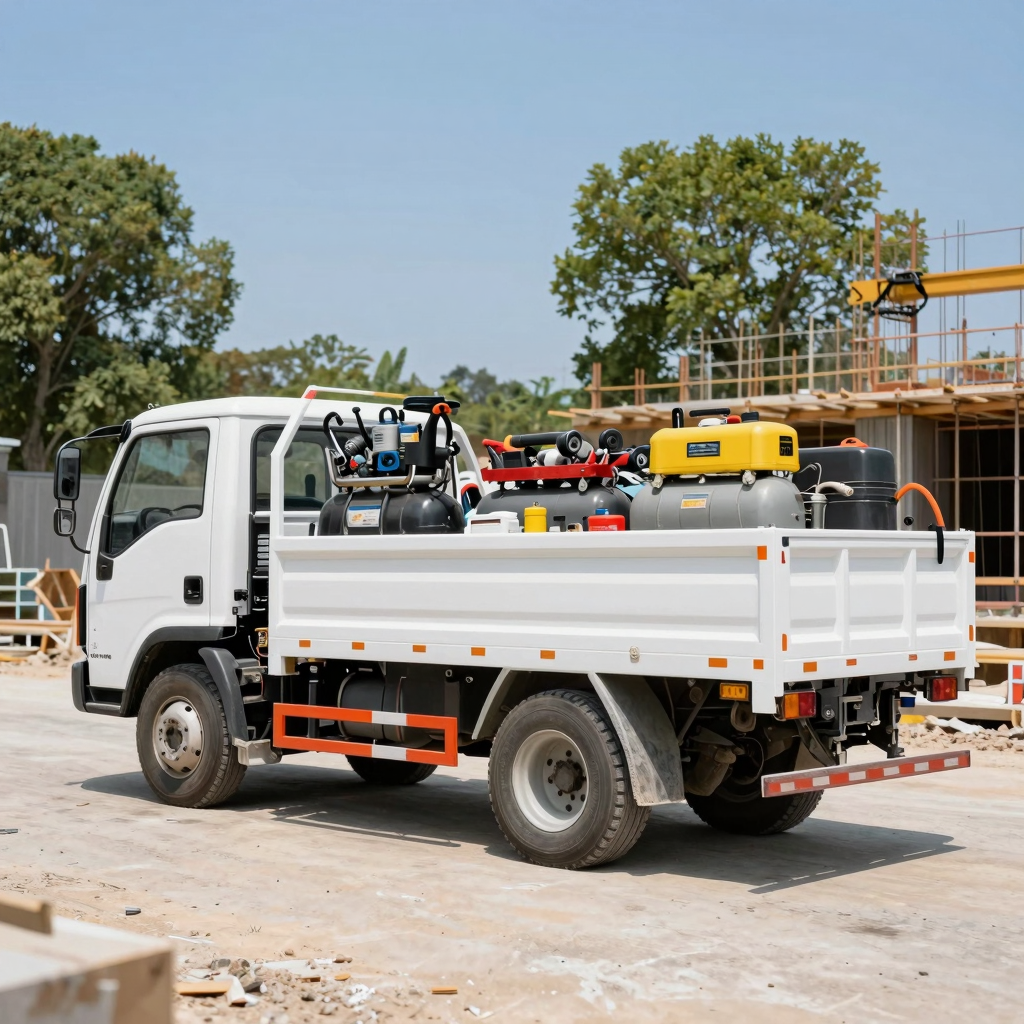
Selecting the right size air compressor service truck is crucial for businesses across various industries, particularly manufacturing, distribution, and construction. These sectors often rely on efficient operations to maintain productivity and maximize profitability. A properly sized air compressor truck can ensure that businesses have the necessary tools and power readily available, significantly reducing downtime and enhancing operational workflow. For manufacturers, a truck that meets their air compression needs can drive production efficiency, while distribution companies benefit from agile delivery capabilities. Similarly, construction firms require reliable air compressors to power their tools on-site effectively. The choice of truck size not only affects the operational efficiency but also has implications for cost management and compliance with industry regulations. As businesses navigate their specific air compression needs, understanding how to select the appropriate truck size becomes critical to their success. Learn more about economic trends impacting the trucking industry to make informed decisions.
Overview of Air Compressor Service Trucks
Air compressor service trucks cater to diverse market needs, ranging from small businesses to large-scale enterprises. Their design and functionality significantly differ based on the target audience, ensuring effective operation across various industries such as manufacturing, construction, and retail.
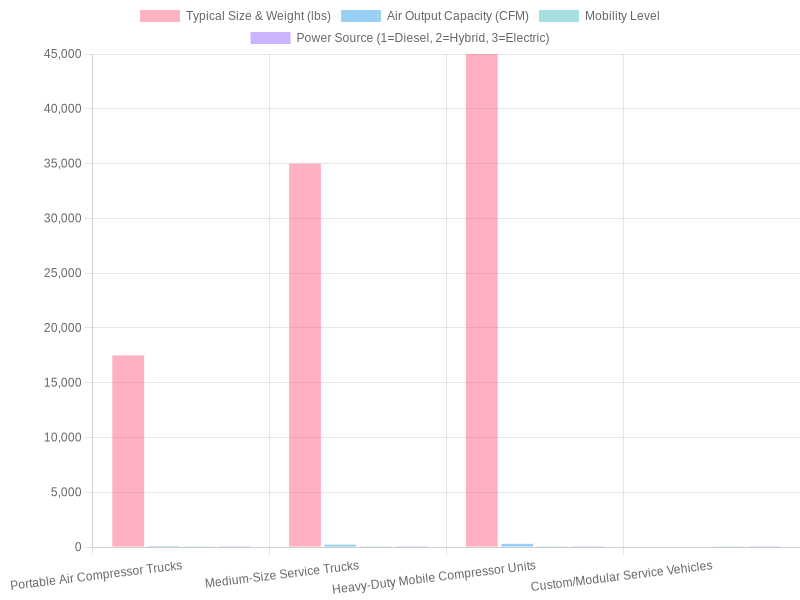
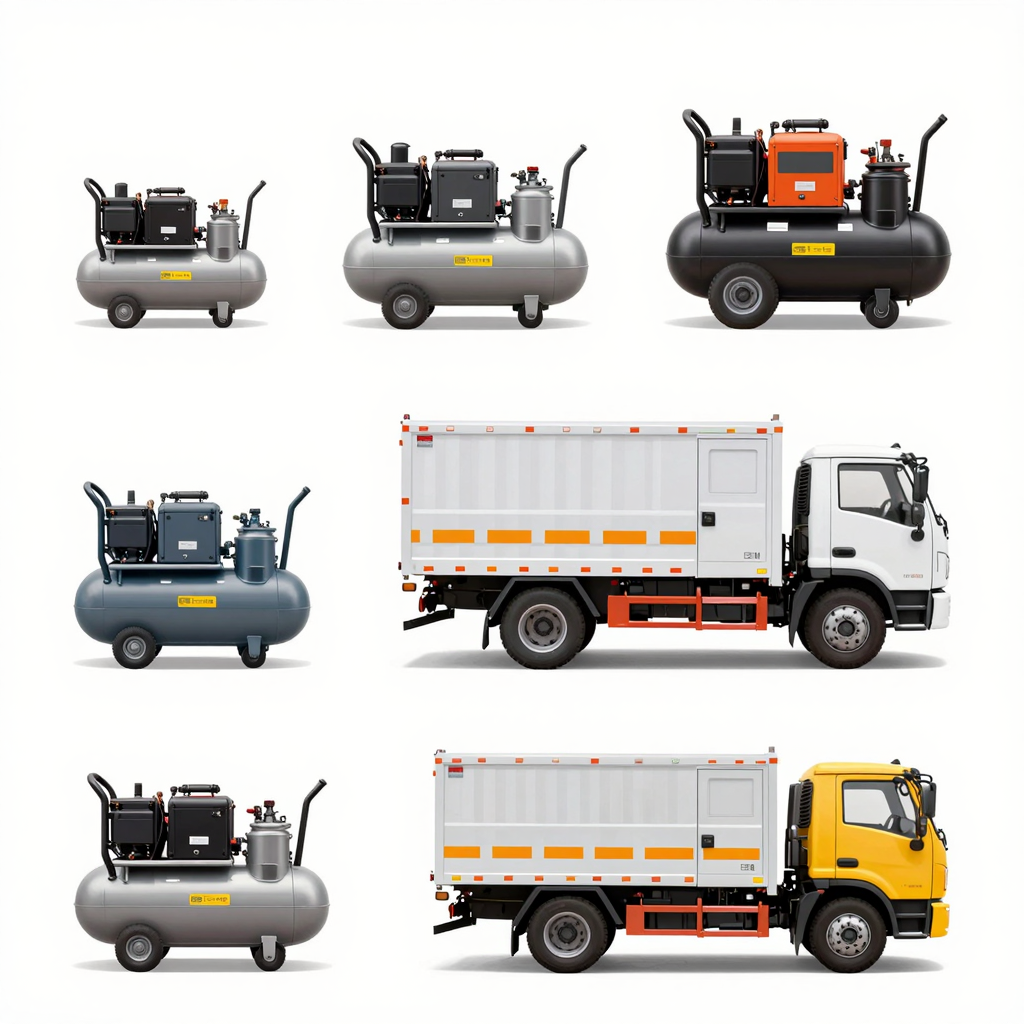
Types of Air Compressor Service Trucks
- Portable Air Compressor Trucks
- Size: 10,000 – 25,000 lbs
- Air Output Capacity: 50 – 150 CFM
- Applications: Ideal for on-site maintenance, small construction projects, and tire inflation.
- Target Audience: Small contractors, utility companies, and landscaping businesses.
- Medium-Size Service Trucks
- Size: 25,000 – 45,000 lbs
- Air Output Capacity: 150 – 300 CFM
- Applications: Suited for industrial maintenance, pipeline work, and large-scale construction.
- Target Audience: Mid-sized industrial contractors and municipal services.
- Heavy-Duty Mobile Compressor Units
- Size: 45,000+ lbs
- Air Output Capacity: 300+ CFM
- Applications: Necessary for heavy industrial operations and large infrastructure projects.
- Target Audience: Large industrial enterprises and mining companies.
- Custom/Modular Service Vehicles
- Size: Varies significantly by application
- Air Output Capacity: Highly variable (customized)
- Applications: Specialized tasks such as emergency response and military support.
- Target Audience: Government agencies, military, and large corporations with unique needs.
Impact of Compressor Size on Productivity
Choosing the right size air compressor is crucial for business operations. An undersized compressor can lead to:
- Pressure drops in the system, affecting performance.
- Reduced productivity due to insufficient air supply.
- Increased wear on equipment.
Conversely, an oversized compressor:
- Results in energy waste and higher operational costs.
- May create frequent cycling, reducing the lifespan of the equipment.
To maximize both productivity and operational effectiveness, ensuring that the compressor system is correctly sized for the specific needs of the business is essential. Regular maintenance and monitoring of air pressure and compressor efficiency can further optimize performance.
For a deeper insight into the factors affecting air compressor sizes, check out our discussion on optimizing air compressor productivity and air compressor sizing impacts.
Conclusion
Selecting the right air compressor service truck aligns with business objectives, impacting overall efficiency and productivity.
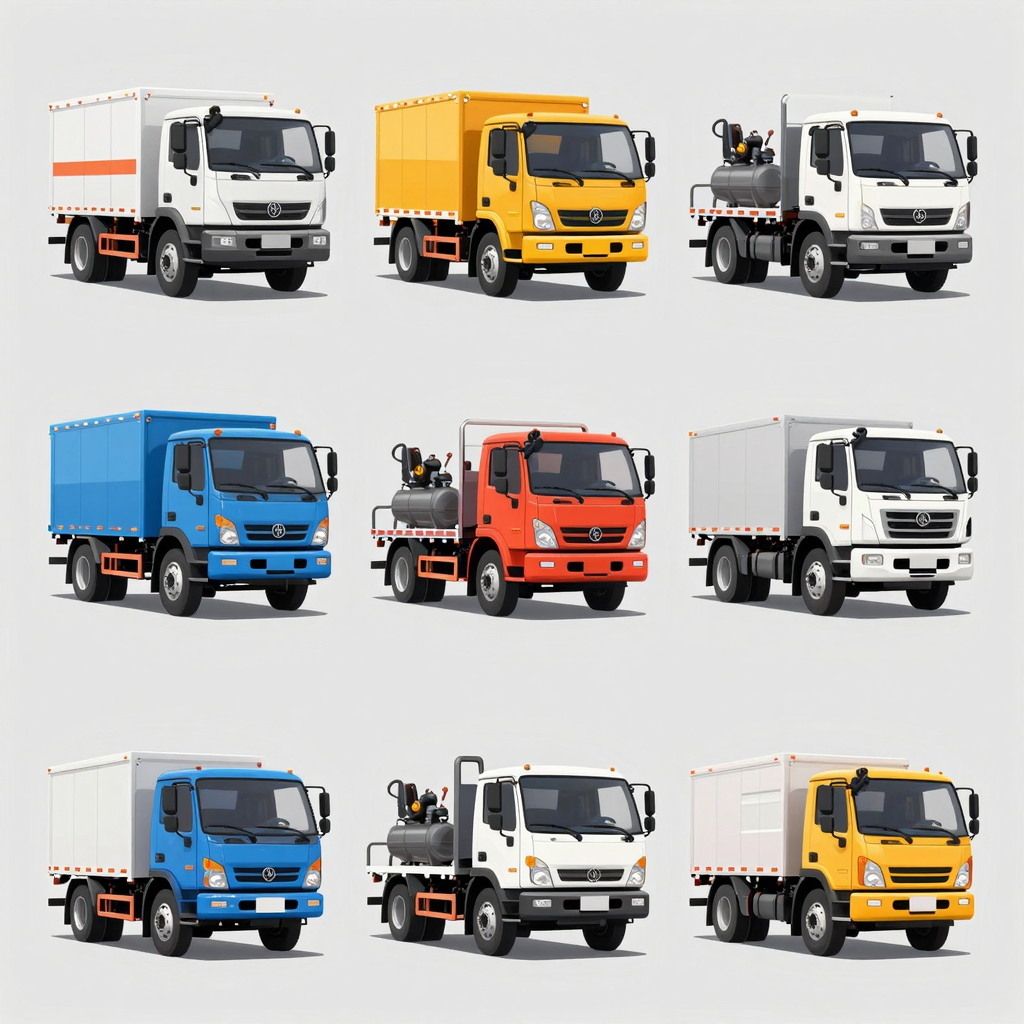
Key Considerations for Choosing the Right Air Compressor Service Truck Size
Choosing the appropriate size of air compressor service truck is crucial for efficiency and cost-effectiveness in various industries. Here are key factors to consider when making this decision:
-
Payload Capacity:
-
Ensure that the truck can safely carry the total weight of the compressors and additional equipment. Payload capacities for air compressor service trucks generally range from 4,500 lbs for medium-duty trucks to over 12,000 lbs for heavy-duty models. Part of this is determining the Gross Vehicle Weight Rating (GVWR), which will indicate how much weight can be safely carried in total.
-
Space Requirements:
-
Assess the dimensions of the compressors and other tools being transported. Different types of compressors (e.g., rotary, piston) require different amounts of space. Enclosed trucks may need extra interior dimensions for secure placements.
-
Types of Compressors being Transported:
-
Recognize the specific needs associated with transporting different compressors. For instance, larger rotary compressors may need more secure and stable mounting than smaller piston compressors. This can influence not just the physical space but also the handling and transport methods employed.
-
Accessibility and Maneuverability:
-
Evaluate if the truck can access job sites easily. Considerations about turning radius, height restrictions (for bridges or tunnels), and overall maneuverability in tight spaces can affect daily operations.
-
Regulatory Compliance:
-
Verify that the truck meets all local regulations regarding transportation of heavy equipment, especially in cross-border operations. This can affect which routes you can take and how you must secure loads.
For a deeper understanding of how these considerations impact your operations, check out our article on key economic trends impacting the trucking industry.
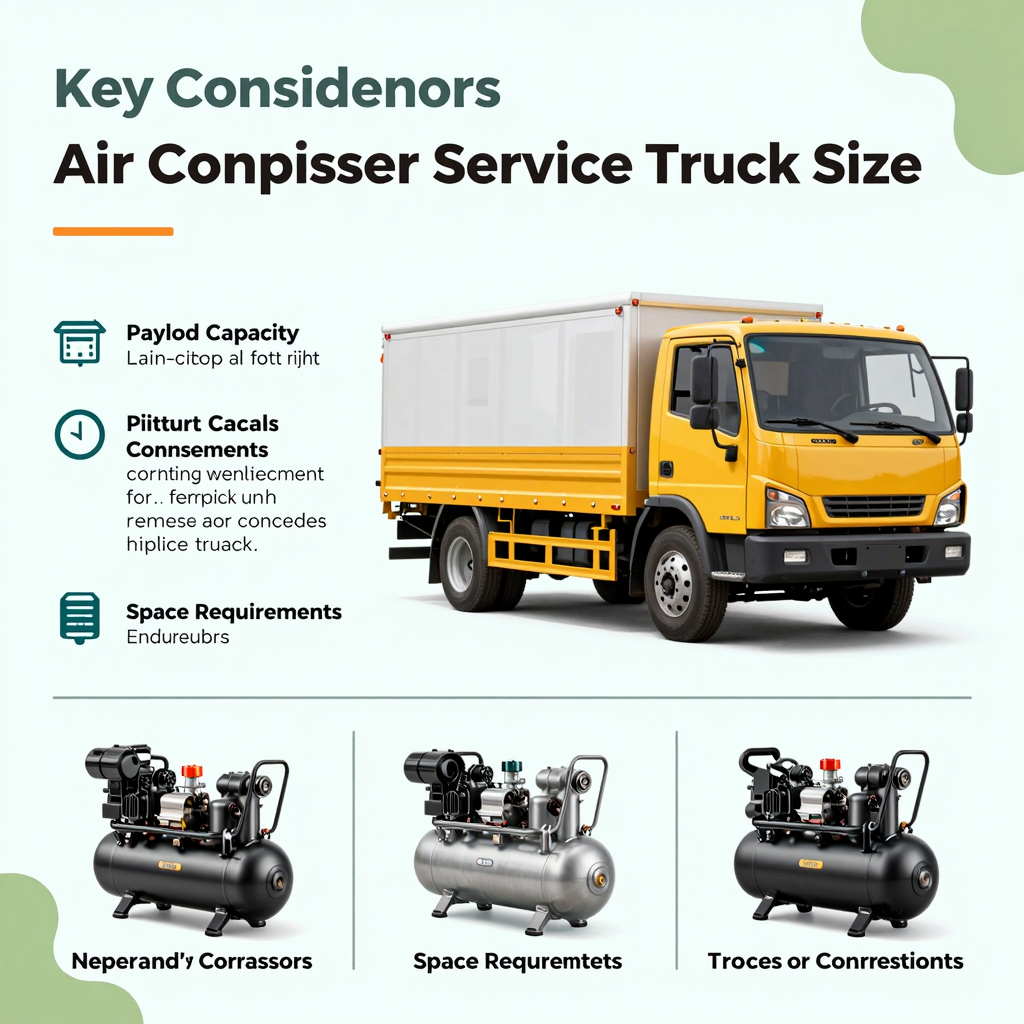
This infographic provides a visual representation of the key factors in selecting the right air compressor service truck.
Comparison of Air Compressor Service Truck Sizes
To help you choose the right air compressor service truck size for your specific business needs, we have compiled a detailed comparison table. This table includes crucial specifications such as truck sizes, typical capacities, and recommended industries.
| Truck Size | Typical Capacity | Recommended Industries |
|---|---|---|
| Small (e.g., 1.5-3 tons) | Up to 200 PSI, 5-10 CFM | Small business, light-duty maintenance, auto repair shops |
| Medium (e.g., 3-6 tons) | 200-300 PSI, 10-20 CFM | Construction, manufacturing, municipal services, fleet maintenance |
| Large (e.g., 6-10+ tons) | 300-400 PSI, 20-40 CFM | Heavy construction, mining, large-scale manufacturing, highway maintenance |
Note: Capacities are based on typical air compressor service trucks used for mobile repair and pneumatic tool support. Actual performance may vary by model and manufacturer.
Additionally, let’s take a closer look at the recommended air compressor capacities and features by truck size:
| Truck Size | Recommended Air Compressor Capacity (CFM @ 90 PSI) | Typical Air Compressor Type | Key Features & Applications |
|---|---|---|---|
| Light-Duty Trucks | 5-10 CFM | Portable/Small Stationary Reciprocating | Ideal for tire inflation, air tools (impact wrenches), minor maintenance. |
| Medium-Duty Trucks | 10-20 CFM | Fixed-Frame Reciprocating or Rotary Screw | Used in fleet maintenance and mobile repair units. |
| Heavy-Duty Trucks | 20-40+ CFM | Industrial Rotary Screw or Variable Speed Drive (VSD) | Essential for brake systems, tire changing, roadside repairs. |
| Ultra-Heavy/Commercial Fleet Trucks | 40+ CFM (up to 100+ HP equivalent) | Large-Scale Rotary Screw or VSD with Centralized Systems | Supports multiple workstations, automatic air line distribution. |
This data showcases the versatility of air compressor truck sizes and their effective utilization across different industries, helping you make an informed choice for your operation needs.
Case Study: Improving Air Compressor Service Truck Operations
A notable example of optimizing operations through the appropriate selection of air compressor service truck size can be demonstrated by a medium-sized construction firm, XYZ Construction. This company faced operational inefficiencies due to inadequate sizing of their air compressor trucks, which ultimately affected their project timelines and costs.
The Problem
XYZ Construction was utilizing air compressor trucks that were undersized for their equipment needs. This resulted in longer project completion times as the equipment often experienced downtime due to lack of suitable compressed air supply. The company observed:
- Increased Fuel Consumption: Smaller compressors required more frequent refueling, leading to higher operational costs.
- Longer Downtime: Equipment waiting for adequate compressed air supply led to project delays.
- Increased Wear & Tear: Frequent strain on equipment due to inadequate air supply caused premature wear, increasing maintenance costs.
The Solution
Recognizing these challenges, XYZ Construction conducted a detailed analysis of their compressor truck sizes and needs. They collaborated with Fritzke Trucking to assess their requirements. The outcome was a strategic investment in appropriately-sized air compressor service trucks, tailored to their operational demands. This included:
- Selection of Higher Capacity Compressors: These compressors provided sufficient air supply, significantly reducing downtime.
- Regular Maintenance Protocols: Implementation of a regular maintenance schedule to ensure optimal performance.
Metrics of Success Post-Implementation
After implementing these changes, XYZ Construction reported impressive metrics:
- Fuel Costs Reduced by 30%: The larger compressors optimized fuel consumption.
- Downtime Decreased by 50%: Key equipment remained operational, leading to faster project completions.
- Maintenance Costs Reduced by 20%: The longevity of the equipment improved due to proper compressor sizing.
This case exemplifies the significant impacts of selecting the appropriate size for air compressor service trucks on overall operational efficiency. For further insights on optimizing your fleet, learn more about the impact of economic trends on the trucking industry.

This chart illustrates the comparison of costs versus benefits across various truck sizes important for air compressor service. The micro, light, medium, and heavy truck categories are analyzed based on parameters such as purchase price, maintenance costs, fuel efficiency, load capacity, and operational efficiency. Having a clear understanding of these factors can assist businesses in making informed decisions aligned with their specific transporting needs.
Customer Testimonials on Air Compressor Service Trucks
Customer experiences with air compressor service truck sizes often illustrate their impact on operational efficiency and business outcomes. Here are some testimonials from diverse industries:
“Switching to a larger air compressor truck has transformed our construction site operations. The increased air flow has allowed us to power multiple tools concurrently, meaning we finish projects ahead of schedule. This has directly influenced our bottom line, as we can take on more jobs during peak seasons.”
- James P., Construction Manager
“We initially opted for a smaller compressor truck, thinking it would suffice for our needs. However, after experiencing frequent downtime due to underperformance, we upgraded to a medium-sized truck, which has been a game changer. The reliability has not only saved us on repairs but also improved our delivery times significantly.”
- Linda T., Logistics Coordinator
“As a small business owner, I was concerned about costs when selecting an air compressor solution. However, choosing the right truck size meant fewer fuel stops and less frequent maintenance, which has ultimately enhanced my service capacity and customer satisfaction.”
- Robert H., Small Business Owner
These testimonials underscore the crucial role that the proper air compressor truck size plays in maximizing operational effectiveness.
Conclusion
In summary, selecting the appropriate size for an air compressor service truck is critical for optimizing operation efficiency and managing costs. As discussed, the different sizes-small, medium, and large-each have unique advantages tailored to specific tasks within the manufacturing, construction, and distribution sectors. A small service truck may be ideal for minor tasks or quick maintenance, while larger units are necessary for more demanding jobs that require substantial air pressure and volume.
It’s crucial for businesses to evaluate their operational requirements carefully. Choosing the right compressor size not only impacts performance but also ensures safety and reliability in various environments, such as construction sites and manufacturing facilities. Misestimating these needs can lead to increased operational costs or inadequate equipment performance, severely affecting your business’s efficiency.
We encourage you to explore your options and find the air compressor service truck size that best meets your specific operational needs. Understanding your requirements will allow you to make an informed decision that enhances productivity and service delivery. Learn more about the implications of choosing the right equipment.
Explore Summit Fairings’ Offerings
As you consider your options for air compressor service trucks, it’s crucial to have reliable accessories that enhance functionality and efficiency. At Summit Fairings, we specialize in providing high-quality fairings and related products that can help optimize your service vehicles. Embrace the opportunity to upgrade your fleet with our exceptional selections.
Take the Next Step
Don’t hesitate! Explore our offerings today and discover how we can meet your specific needs. Let us assist you in ensuring your air compressor service trucks are equipped to perform at their best!