

In the dynamic world of logistics and transportation, truck dispatchers hold an integral role that extends far beyond simply coordinating shipments. A critical facet of their responsibilities includes a thorough understanding of the Hours of Service (HOS) regulations, which govern the driving limits and required rest periods for commercial drivers. This knowledge is not merely for compliance; it shapes the operational efficiency and safety of transportation within various sectors, including manufacturing, distribution, retail, and construction. For instance, manufacturers rely on timely deliveries of raw materials to maintain production lines, while retailers depend on rapid restocking to meet consumer demand. Dispatchers who are well-versed in HOS regulations help mitigate risks such as driver fatigue and regulatory penalties, thereby ensuring that businesses operate smoothly, efficiently, and legally. Understanding these regulations is not just beneficial for dispatchers but is essential for fostering a reliable supply chain for industries that rely heavily on transportation services. As industries continue to evolve, focusing on HOS regulations is key to navigating the complexities of modern logistics.
Key Responsibilities of Truck Dispatchers
Truck dispatchers play a crucial role in the logistics and transportation industry, acting as the primary point of communication between the trucking company, drivers, and customers. Below is a list of their key responsibilities:
-
Route Planning and Coordination: Truck dispatchers are responsible for creating optimal routes for drivers based on cargo type, delivery time, traffic conditions, and vehicle capabilities. This involves using various software tools to assess potential delays and ensure timely deliveries.
-
Monitoring Hours of Service (HOS): A critical aspect of a dispatcher’s role is to ensure compliance with HOS regulations. This includes keeping track of drivers’ working hours, breaks, and rest periods to avoid legal violations and ensure safety on the roads. Understanding these regulations is essential to maintaining a reliable schedule and minimizing the risk of penalties for both the company and its drivers.
-
Driver Communication: Dispatchers must maintain open lines of communication with drivers, providing updates on schedules, route changes, or unexpected issues that arise during transit. Effective communication helps in adjusting plans swiftly and keeps all stakeholders informed.
-
Customer Interaction: Dispatchers often liaise with customers to provide updates on their shipments, answer queries, and resolve any issues that may arise. A strong customer service orientation is essential for maintaining client satisfaction and building long-term relationships.
-
Problem Solving: Dispatchers need to be adept at quickly resolving operational issues, such as delays caused by accidents or vehicle breakdowns. This involves rerouting trucks, adjusting schedules, and coordinating with roadside assistance if necessary.
-
Record Keeping and Reporting: Accurate data entry and record-keeping are crucial for optimizing operations. Dispatchers are responsible for maintaining logs of driver activities, vehicle statuses, and any incidents that occur during transport. They also prepare reports for management analysis.
-
Compliance with Regulations: Apart from HOS regulations, dispatchers must be aware of and ensure compliance with all relevant local, state, and federal transportation laws. This helps in avoiding fines and promoting safety in operations.
Truck dispatchers carry a significant amount of responsibility and must possess a strong understanding of HOS regulations to effectively manage their duties. This knowledge not only safeguards drivers but also enhances the overall efficiency of the logistics operations. For detailed insights on regulatory issues that impact dispatching, you can learn more about cross-border regulatory issues in the trucking industry.

Truck Dispatcher Managing Logistics
Understanding and adhering to these responsibilities ultimately contribute to a thriving trucking operation and foster trust with both customers and drivers.
The Impact of Truck Driver Fatigue and HOS Violations on Safety
Truck driver fatigue is a significant issue in the transportation industry, strongly correlated with Hours of Service (HOS) violations and a heightened risk of accidents. Statistics reveal a troubling landscape regarding driver fatigue and its implications for safety:
- According to the Federal Motor Carrier Safety Administration (FMCSA), over 7% of commercial vehicle inspections in 2023 uncovered HOS violations. Violating HOS regulations correlates with a nearly threefold increase in the risk of being involved in a safety-critical event compared to compliant drivers.
- Notably, driver fatigue contributes to approximately 13% of large truck crashes annually, with incidents peaking in the early morning hours (2 AM to 6 AM), when drivers are most likely to be fatigued.
- A 2023 survey by the National Institute for Occupational Safety and Health (NIOSH) reported that 62% of long-haul truck drivers sleep less than 6 hours per night, exacerbating fatigue levels. Additionally, 41% of drivers admitted to driving while fatigued at least once a week, indicating a concerning trend in sleep-related issues.
- Fatigue is linked to 30% higher accident rates, further emphasizing the direct connection between insufficient rest and increased crash risk. Long work hours, with drivers exceeding 60 hours per week, significantly raise the likelihood of experiencing episodes of microsleep, which can lead to catastrophic events on the road.
- HOS violations significantly impact driver alertness; findings suggest that drivers exceeding their allowed driving hours face a 65% higher risk of safety incidents.
Summary Statistics Table
| Category | Statistic | Source |
|---|---|---|
| Sleep Duration | 62% of long-haul truck drivers get less than 6 hours of sleep per night. | National Highway Traffic Safety Administration (NHTSA) |
| Reaction Time | Fatigued drivers exhibit reaction times that are 40% slower. | FMCSA |
| Accident Risk | Fatigued drivers have a 30% higher chance of being involved in an accident. | NHTSA |
| Fatigue-Related Crashes | 13% of large truck crashes are attributed to driver fatigue. | NHTSA |
| HOS Violations & Safety Incidents | Drivers who violate HOS regulations face a 65% higher risk of safety incidents. | FMCSA |
To ensure safety in operations, it’s essential for trucking companies and their dispatchers to prioritize compliance with HOS regulations and series fatigue management strategies. The introduction of electronic logging devices (ELDs) has been instrumental in reducing HOS violations by 28% since their mandatory implementation in 2017, demonstrating a positive shift towards better compliance and enhanced road safety.
Understanding Hours of Service Regulations and Their Impact on Truck Dispatchers
Overview of Hours of Service Regulations
The Hours of Service (HOS) regulations, established by the Federal Motor Carrier Safety Administration (FMCSA), are critical in maintaining safety in the trucking industry. These regulations dictate the maximum amount of time that truck drivers can operate their vehicles and the required rest periods needed to ensure driver safety. As of May 2023, these rules have undergone some changes aimed at increasing flexibility for drivers while continuing to emphasize safety.
Key Regulations
The current Hours of Service regulations are as follows:
- Maximum Driving Hours: Drivers are allowed to drive a maximum of 11 hours after having been off duty for at least 10 consecutive hours.
- 14-Hour Duty Limit: Drivers must complete all driving within a 14-hour window that begins after coming on duty, following the required 10-hour off-duty period.
- 30-Minute Break Rule: After 8 hours of driving, a driver is required to take a break of at least 30 minutes. This rule ensures that drivers take necessary rest to remain alert.
- Short-Haul Exception: For short-haul drivers operating within a 150 air-mile radius, the rules differ slightly. They are not required to adhere strictly to the 11-hour driving limit if they return to their home terminal within 12 hours of starting their shift. This was recently enhanced to allow for more operational flexibility.
Example Scenario
Consider a truck dispatcher coordinating a route. If a driver begins their shift at 8 AM after taking a required 10-hour rest period, they can drive until 10 PM the same day, given they do not exceed 11 driving hours within the 14-hour limit. If the driver completes 8 hours of driving by 4 PM, they must take a mandatory 30-minute break before continuing their journey.
Impact of HOS Regulations on Dispatchers
For truck dispatchers, understanding HOS regulations is crucial. These regulations influence scheduling, route planning, and the overall logistics of transportation management. Here are some specific impacts:
- Scheduling: Dispatchers must ensure that their drivers’ schedules comply with HOS regulations to avoid violations, which can result in penalties.
- Route Planning: HOS regulations affect how routes are planned, particularly for long-haul versus short-haul deliveries. Dispatchers must calculate driving times strictly according to these regulations to ensure that drivers stay within legal limits.
- Driver Management: Keeping track of drivers’ available hours and ensuring compliance with rest breaks and duty periods is pivotal to maintaining safety and efficiency in operations.
Understanding these regulations not only helps in compliance but also ensures the safety and efficiency of freight operations. In a competitive market, savvy dispatchers who effectively manage these rules can increase operational efficiency, reduce downtime, and enhance driver satisfaction.
For more detailed insights regarding the impact of trucking regulations on logistics and management, learn more about trucking regulations.
Summary
The Hours of Service regulations are designed to protect both drivers and the public by ensuring that truck drivers are well-rested and able to operate their vehicles safely. As the trucking industry evolves, staying informed on these regulations enables dispatchers to make better decisions for their companies. Understanding these rules is essential for any trucking operation aiming to enhance efficiency and maintain adherence to federal regulations.
Comparison of HOS Regulations Across Transportation Industries
This table illustrates the differences and similarities between the Hours of Service (HOS) regulations for trucking, aviation, and rail transportation. Understanding these regulations is critical for various industry stakeholders, especially those involved in dispatching and logistics.
| Category | Trucking (U.S. FMCSA) | Aviation (U.S. FAA – Commercial Air Carriers) | Rail (U.S. FRA – Freight & Passenger) |
|---|---|---|---|
| Maximum On-Duty Time (24-hour period) | 11 hours of driving within a 14-hour window | Varies; typically 8-10 hours of flight duty, up to 16 hours including non-flying duties | No fixed maximum; regulated by total on-duty hours (up to 16 hours in some cases) |
| Minimum Off-Duty/Rest Period | 10 consecutive hours off-duty before starting a new 14-hour work window | 10 hours off-duty between duty periods (more for international flights) | 8 consecutive hours; may be reduced under certain conditions |
| Daily Work Limit (On-Duty) | 14 hours of total on-duty time (driving + non-driving tasks) | Up to 16 hours total duty time depending on flight schedule | Up to 16 hours of on-duty time (operating craft) |
| Breaks During Shift | At least 30 minute break after 8 consecutive hours of driving | Mandatory rest periods based on duty duration (e.g., 30 min after 6 hours) | Rest breaks mandated every 6 hours (30-minute break) |
| Circadian Rhythm Considerations | Yes – considers night driving restrictions | Yes – strict limitations on night flying | Yes – recommended considerations but not fully reflected |
| Regulatory Body | Federal Motor Carrier Safety Administration (FMCSA) | Federal Aviation Administration (FAA) | Federal Railroad Administration (FRA) |
| Key Regulatory Changes (Recent) | 2004 changes introduced 14-hour window; ongoing review | Revised regulations in 2023 increased rest time for long-haul pilots | No major changes since 1990s; NTSB calls for reforms |
| Fatigue Management Approach | Based on time-of-day restrictions, enforced via ELDs | Uses fatigue risk management systems and modeling | Relies on experience and seniority; limited use of fatigue science |
| Industry-Specific Challenges | High fuel costs, declining demand, driver shortages | Pilot shortage, high operational costs, global coordination | Labor-management resistance, tradition of independence, hiring costs |
| Safety Outcomes (Post-2004 HOS Rule) | Collision rates ↓ 3.7%, injury rates ↓ 12.6% | Continuous accidents decline due to strict regulations | NTSB lists fatigue as critical safety issue; no significant incident reduction |
Sources:
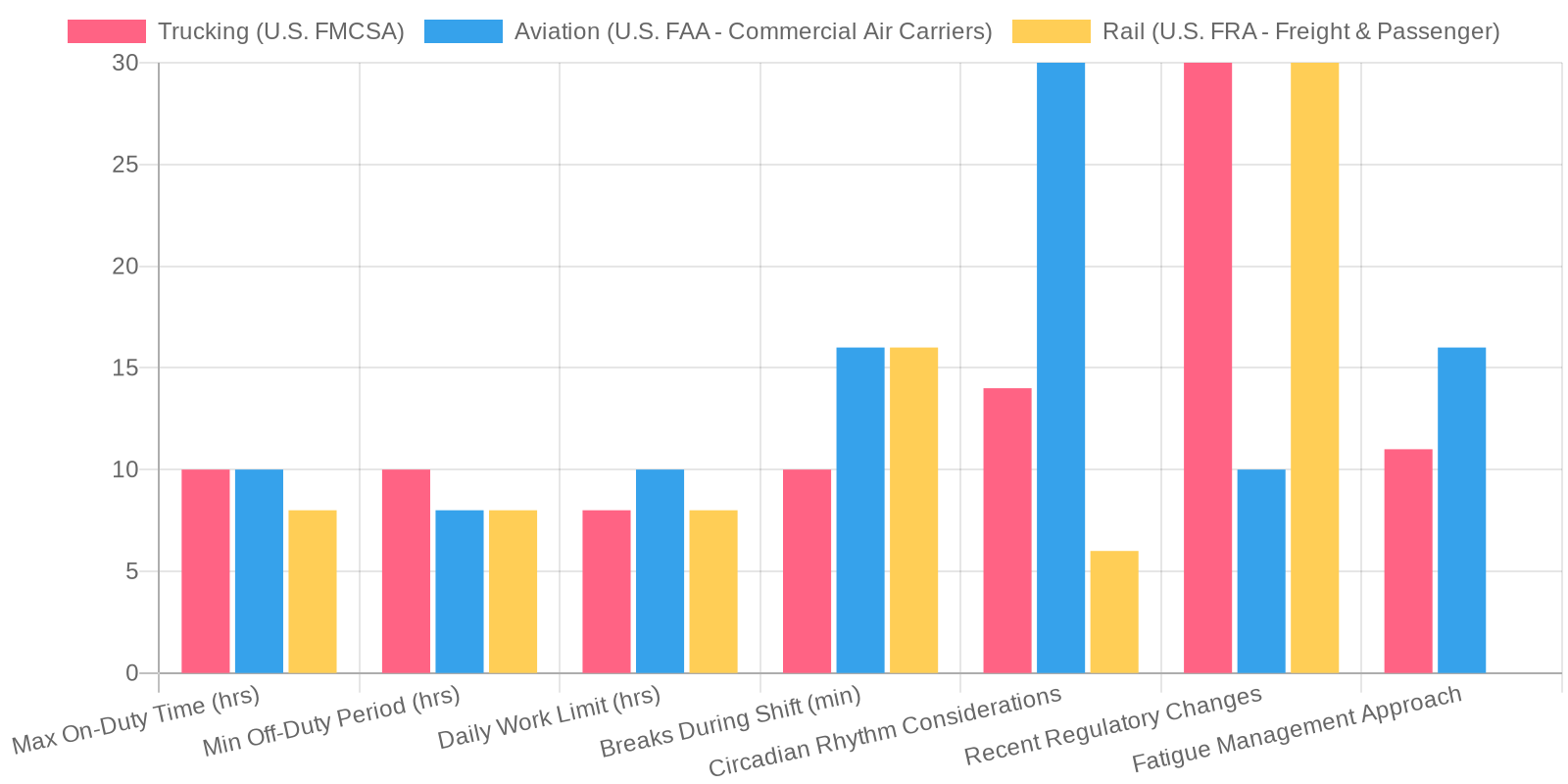
The shared understanding of these regulations helps in addressing logistics and safety in the trucking industry, while ensuring all parties are aware of the standards to prevent fatigue and enhance efficiency.
Consequences of Not Adhering to HOS Regulations
Failing to comply with Hours of Service (HOS) regulations can have significant legal and operational consequences for trucking companies and their dispatchers. Understanding these impacts is crucial for maintaining compliance and ensuring a successful business operations framework.
Legal Consequences
- Fines and Penalties: The Federal Motor Carrier Safety Administration (FMCSA) imposes fines for HOS violations that can escalate for repeat offenses. For instance, first-time offenders might face fines averaging $1,000 per violation, while frequent offenders can see fines rise dramatically, leading to tens of thousands in penalties.
- Out-of-Service Orders: Companies may face immediate operational disruptions due to out-of-service orders, requiring trucks to stay off the road until compliance is achieved. This delay can incur additional costs and compound the financial impact already faced due to fines.
- Criminal Charges: In grave cases where violations result in accidents causing fatalities, criminal charges might be pursued against drivers and company executives. Such actions can severely damage a company’s reputation and viability.
Operational Consequences
-
Increased Operational Costs: Compliance failures can lead to costly operational disruptions. This includes detention fees for delays at loading docks, increased insurance premiums due to higher risk valuations, and lost revenue from missed delivery deadlines. These costs compound over time, putting financial stress on the company.
-
Driver Turnover and Fatigue: Increased pressure on compliant drivers due to non-compliance can lead to higher turnover rates, as fatigued drivers are pushed to operate beyond safe limits. Finding and training new drivers adds additional burdens on human resources.
-
Reputation Risks: Continuous HOS violations can tarnish a company’s safety ratings, making it challenging to secure new contracts or hire qualified drivers. Companies known for safety issues struggle in a competitive market where strong safety records are crucial for customer retention.
Strengthening Compliance Culture
To mitigate these consequences, companies should foster a culture of compliance. Utilizing modern technologies such as Electronic Logging Devices (ELDs) can simplify tracking HOS and ensure that dispatchers are fully aware of regulations. Training programs for drivers about HOS rules can also significantly reduce risk of violations.
Adhering to HOS regulations not only safeguards compliance but also enhances overall operational integrity, ensuring that both companies and dispatchers operate at optimal safety and efficiency levels. For further insights into evolving trucking regulations, check our overview on cross-border regulatory issues and important economic trends impacting the trucking industry.
Visual Representation
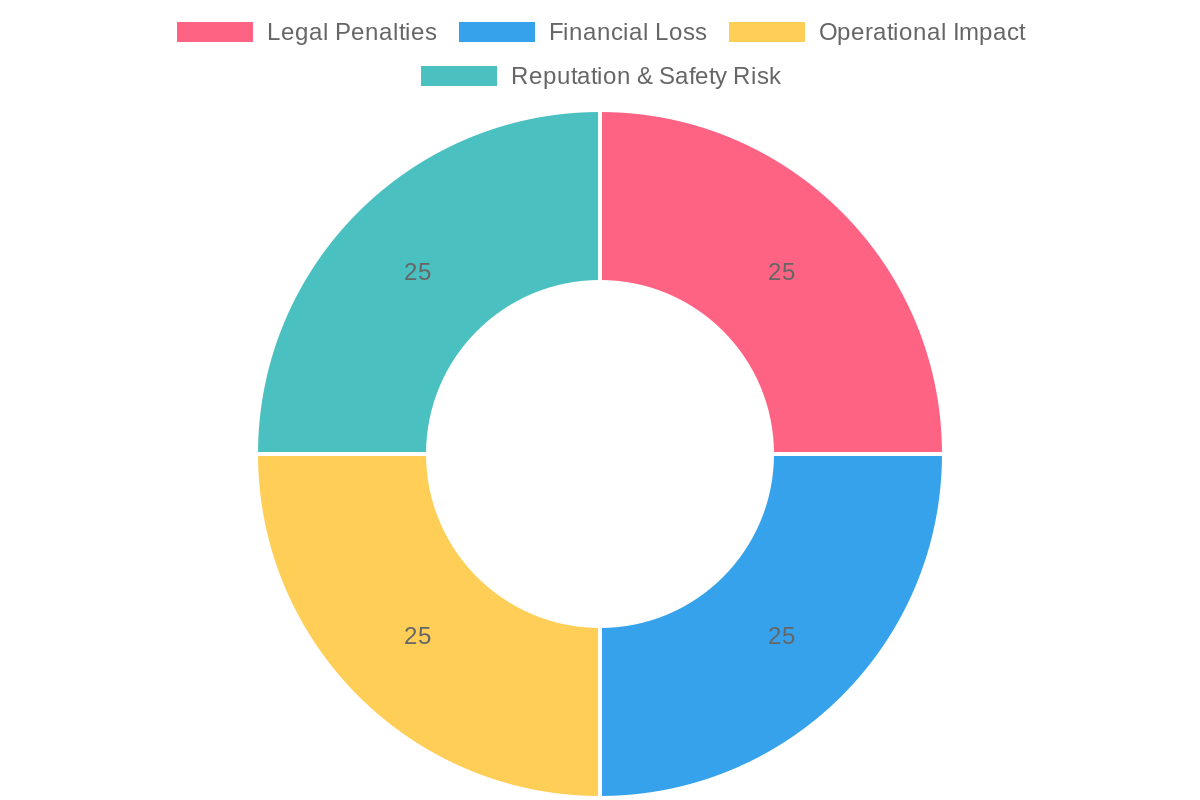
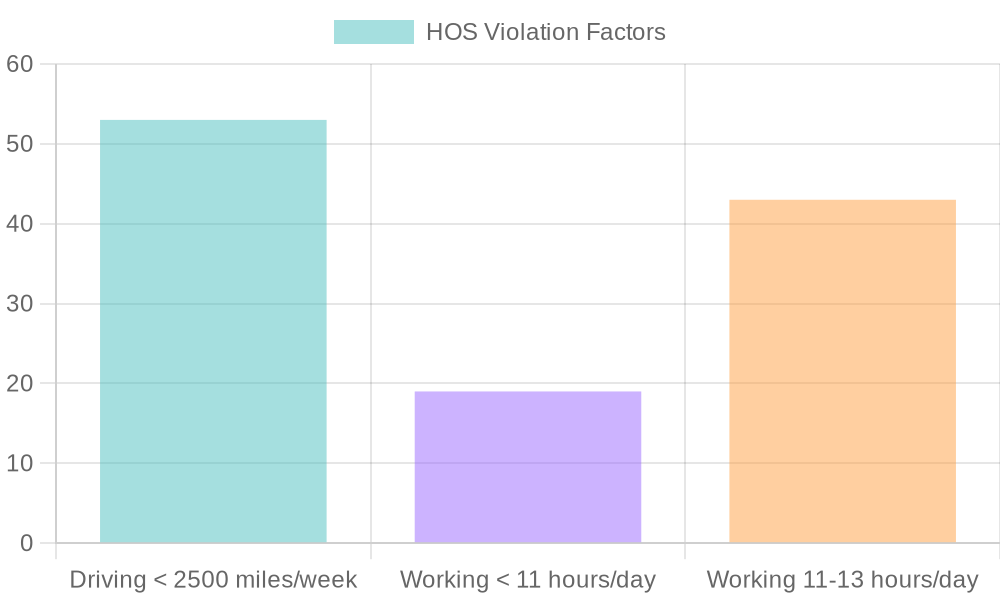
This article emphasizes the essential nature of compliance with HOS regulations, pointing to both legal repercussions and operational setbacks that can harm a business’s viability.
Best Practices for Truck Dispatchers Concerning Hours of Service (HOS)
Truck dispatchers play a crucial role in ensuring compliance with Hours of Service (HOS) regulations, which are vital for the safety and well-being of drivers, as well as for maintaining operational efficiency. Here are several actionable best practices for dispatchers to effectively manage and adhere to HOS regulations:
1. Utilize Electronic Logging Devices (ELDs)
- Accuracy is Key: Dispatchers should ensure that all drivers use ELDs to track their driving time accurately. This not only helps in compliance but also provides real-time data on each driver’s status.
- Training: Provide training for drivers on the proper use of ELDs, ensuring they understand how to log in and out correctly, and how to report any issues.
2. Monitor Drivers’ Hours Closely
- Regular Updates: Establish a system for real-time updates on drivers’ HOS. This can help identify when a driver is approaching their limit.
- Dashboard Tools: Implement dashboard software that allows dispatchers to view all drivers’ logs at a glance. This can help in making quick decisions regarding route adjustments or scheduling.
3. Flexible Scheduling
- Plan Breaks: Develop scheduling practices that factor in mandatory rest breaks and meal periods. This not only helps in compliance but also supports driver health and productivity.
- Buffer Times: Include buffer times in scheduling to accommodate unforeseen delays, such as traffic congestion or breakdowns, without risking HOS violations.
4. Educate Drivers on HOS Regulations
- Regulation Workshops: Conduct regular training sessions on HOS regulations for drivers. Ensure they are clear on their rights and responsibilities under these laws. Learn more about compliance tips.
- Open Communication: Foster an environment where drivers feel comfortable discussing their HOS limits and any potential violations. Open lines of communication can help prevent issues before they escalate.
5. Implement a Systematic Check Process
- Record Keeping: Establish a systematic approach for checking that all drivers’ logs are complete and compliant. Regular audits of driving logs can prevent issues that would arise during compliance checks.
- Proactive Monitoring: Encourage dispatchers to take a proactive approach in monitoring driving hours and managing records to avoid FMCSA penalties. Regular reviews can ensure that any discrepancies are caught early. Explore how to prevent violations.
6. Use Technology for Real-Time Monitoring
- Tracking Tools: Leverage technology to monitor drivers’ adherence to their schedules actively. Tools that offer GPS tracking can provide dispatchers with a clear picture of adherence to planned routes and expected times.
Incorporating these best practices into everyday operations not only ensures compliance with HOS regulations but also promotes a safer working environment for drivers. The benefits extend beyond compliance, leading to improved efficiency and driver satisfaction, which ultimately contributes to the success of manufacturing, distribution, and retail operations.
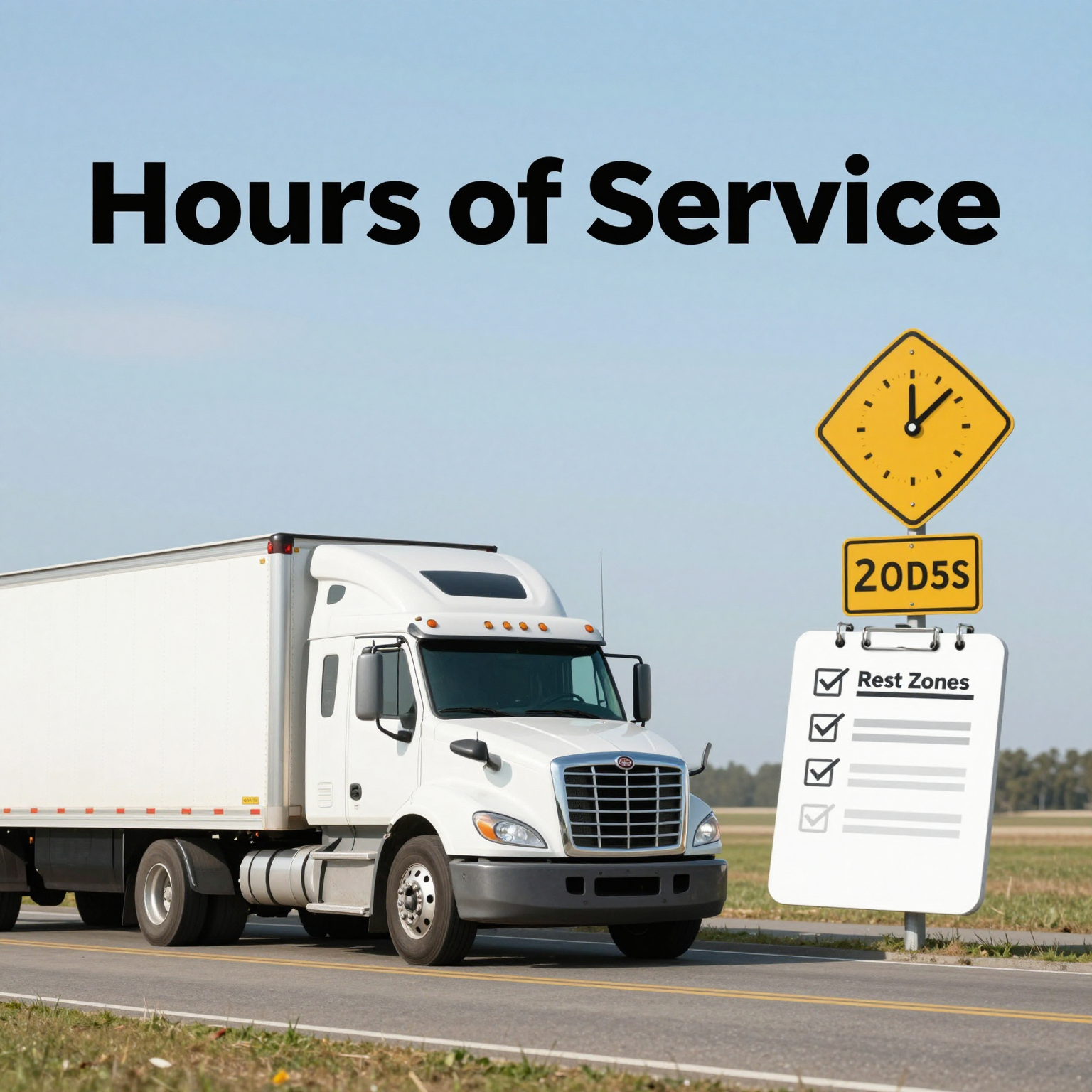
In the fast-paced world of trucking, a deep understanding of Hours of Service (HOS) regulations is crucial for effective dispatching. As Dr. Elena Martinez, a transportation safety analyst from the American Trucking Associations, states:
“Dispatchers who fail to track HOS accurately risk non-compliance, which can result in fines, operational delays, and even safety incidents.”
– Dr. Elena Martinez, Transportation Safety Analyst
This highlights the fundamental role that HOS management plays in ensuring both compliance and the well-being of drivers. For dispatchers, it’s not just about scheduling; it’s about cultivating an efficient, safe, and legally compliant operation. To delve deeper into the importance of HOS compliance and its impact on your trucking operations, learn more about the key trends impacting the trucking industry.

Conclusion
In the realm of trucking and logistics, understanding and adhering to Hours of Service (HOS) regulations is paramount for dispatchers. These regulations not only promote driver safety by minimizing fatigue but also ensure compliance with federal laws, thereby protecting businesses from penalties and enhancing operational efficiency. Effective management of HOS can directly lead to smoother scheduling, better driver well-being, and improved fleet productivity. Notably, dispatchers must become adept at monitoring HOS logs to uphold both safety standards and operational effectiveness while avoiding potential compliance pitfalls.
Furthermore, embracing innovations such as premium truck fairings can yield significant fuel savings, making them a worthwhile investment for fleet operators. For instance, implementing premium fairings can lead to annual fuel savings ranging from $2,450 up to $12,250 over five years, along with substantial environmental benefits. Thus, investing in premium fairings not only enhances aerodynamic efficiency but also aligns with broader sustainability goals.
As a leading provider, we urge all truck operators and dispatchers to prioritize HOS awareness and consider investing in premium fairings. Experience the benefits of integrating advanced solutions in your fleet, which can help you reduce operating costs and improve compliance. Learn more about how premium fairings can elevate your fleet and boost your operational capabilities today!