
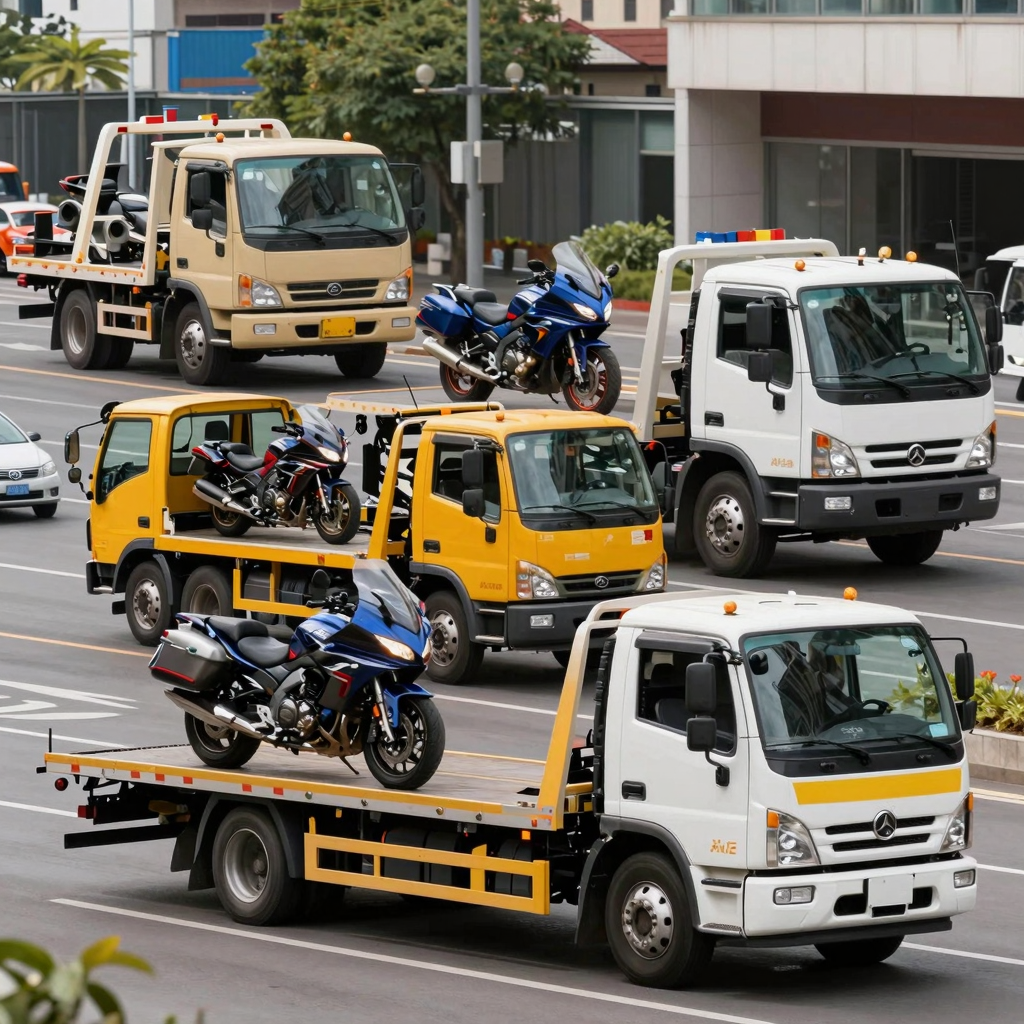
Introduction to Tow Truck Services
Tow truck services play a crucial role in ensuring safe and efficient vehicle recovery, providing essential roadside assistance for individuals and businesses alike. These services cater to various industries, aiding in the swift resolution of road challenges that can disrupt operations, such as breakdowns, accidents, or vehicle transport needs. For manufacturing and distribution companies, timely vehicle recovery translates to minimized downtime and improved logistics efficiency, while retail and e-commerce businesses depend heavily on reliable transportation for delivering goods. Furthermore, construction and heavy industry firms frequently encounter the need for heavy equipment transport, where specialized tow truck services can make a significant difference. Understanding the significance of tow truck service not only enhances operational resilience but also ensures that businesses can navigate their unique challenges effectively. For more in-depth insights on industry impacts, check out our article on key economic trends impacting the trucking industry.
Types of Tow Truck Services
Tow truck services are essential for a variety of situations, ranging from roadside assistance for individual vehicles to heavy-duty recovery operations for commercial fleets. Understanding the different types of tow truck services can help businesses and individuals choose the right solution based on their specific needs.
1. Light-Duty Tow Truck Services
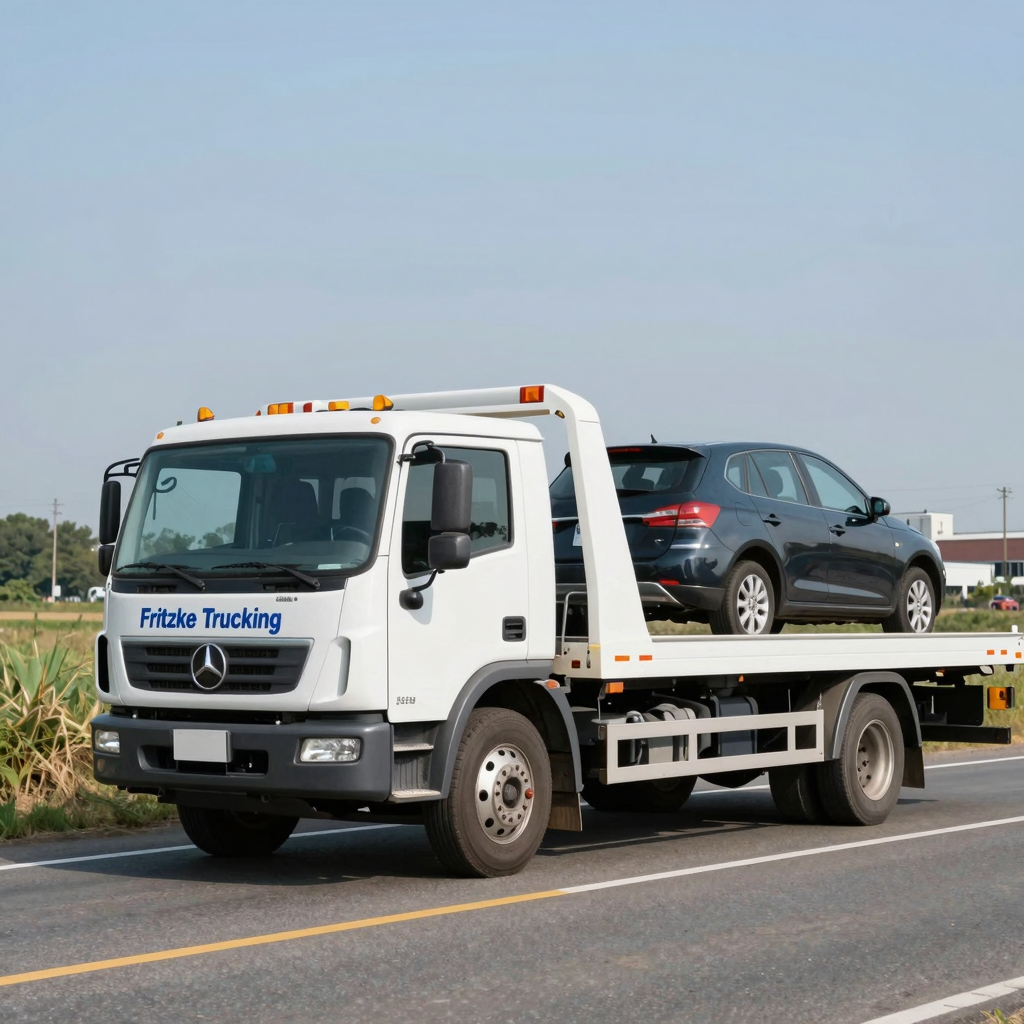
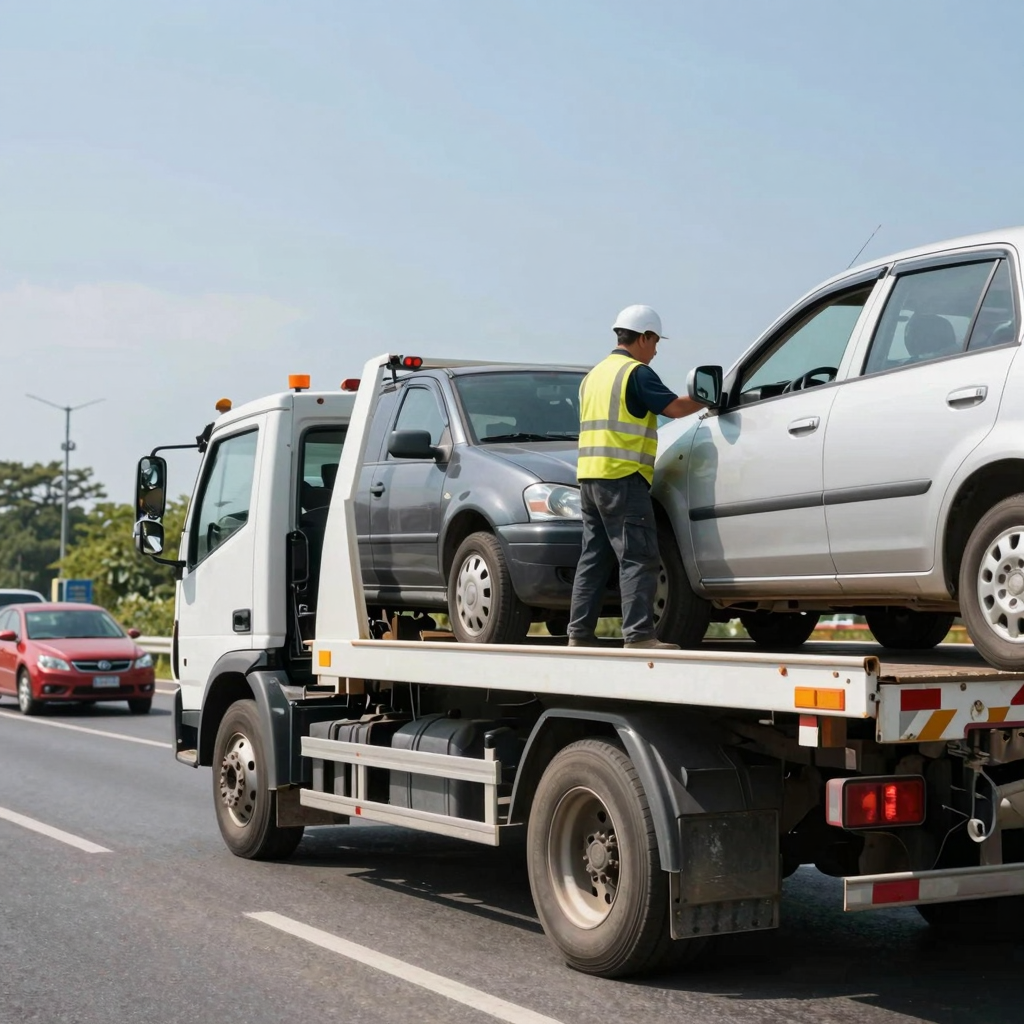
Light-duty tow trucks are designed for smaller vehicles, such as cars and light trucks, with a weight capacity of up to 10,000 lbs. These trucks are typically used for minor emergencies such as breakdowns, flat tires, or accidents involving passenger vehicles. They often feature flatbeds or wheel-lift systems that allow for safe transport without causing damage to the vehicle. This category is ideal for retail and e-commerce businesses that need quick roadside assistance for their delivery vehicles.
2. Medium-Duty Tow Truck Services
Medium-duty tow trucks can manage vehicles between 10,001 and 26,000 lbs, making them suitable for larger vans and light commercial trucks. These services are crucial for businesses in construction and distribution, where transporting equipment and light trucks is a common need. With specialized recovery techniques and equipment, medium-duty trucks ensure safe transport of cargo, minimizing downtime for businesses.
3. Heavy-Duty Tow Truck Services
Heavy-duty tow trucks are built to handle vehicles weighing over 26,000 lbs, which includes large commercial vehicles like buses, tractor-trailers, and construction machinery. These trucks are equipped with advanced towing mechanisms, such as hydraulic boom lifts and multi-axle dollies, to manage the complexities involved in recovering hefty loads. Their role is vital in maintaining highway safety, particularly in responding to accidents involving multiple vehicles.
4. Specialized Tow Truck Services
Specialized tow truck services cater to unique situations such as transporting specialized vehicles, recovering vehicles from challenging terrains, or providing services such as battery jumps or tire changes on-site. These trucks may include unique configurations or equipment tailored for specific requirements, ensuring that service quality meets diverse operational needs.
By leveraging these types of tow truck services, businesses can ensure they have the proper support for all their transportation and recovery needs. For more information on how economic trends are impacting the trucking and towing industry, click here.
| Type of Tow Truck | Primary Function | Capacity Range (Tons) | Key Features and Notes |
|---|---|---|---|
| Winch Tow Truck | Vehicle recovery, towing heavy vehicles | 5 to 8 tons | Equipped with a powerful winch; suitable for off-road recovery and pulling disabled vehicles. Commonly used for construction trucks and city buses. Drives typically 4X2, powered by diesel engines (e.g., Cummins, Weichai). Available in LHD or RHD configurations. |
| Flatbed Tow Truck | Multi-car transport, vehicle recovery | 5 to 8 tons | Features a flatbed platform for transporting multiple vehicles. Ideal for moving cars, small trucks, and damaged vehicles without further damage. Offers dual-side operation, winch capacities up to 5,000 kg, and steel rope length of 20 meters. |
| Crane Tow Truck | Heavy vehicle lifting, light-duty recovery | 5 to 8 tons | Designed for lifting and handling heavy or large vehicles, trailers, and equipment. Typically used in industrial or urban settings for crane-based recovery operations. Suitable for lighter recovery tasks and specialized lifting needs. |
The Importance of Roadside Assistance
The demand for roadside assistance and vehicle recovery services has been on a noticeable rise in recent years, driven by increasing vehicle ownership and the need for immediate support during breakdowns. According to various industry reports:
Statistical Overview
- Market Size and Growth:
- In 2025, the global roadside assistance market is projected to reach approximately $26.14 billion, with expected growth to $28.66 billion by 2026, marking a compound annual growth rate (CAGR) of 5.60% through to 2034.
- The total market value is forecasted to hit $44.32 billion by the year 2034, indicating substantial growth potential.
| Year | Market Size (USD Billion) |
|---|---|
| 2025 | 26.14 |
| 2026 | 28.66 |
| 2027 | 30.26 |
| 2028 | 31.95 |
| 2029 | 33.73 |
| 2030 | 35.60 |
| 2031 | 37.57 |
| 2032 | 39.64 |
| 2033 | 41.82 |
| 2034 | 44.32 |
- Main Service Types:
- Towing Services remain a core necessity, but there’s a growing demand for battery jump, tire changes, and fuel delivery services, reflecting a shift towards quick-response solutions.
- The rise of digital platforms for roadside assistance signifies a transformation in how consumers access these services, allowing for on-the-go requests.
Conclusion
The growth in the roadside assistance market not only emphasizes the importance of these services for consumers but also highlights how businesses can gain a competitive edge by incorporating robust assistance programs and leveraging technology to meet consumer expectations effectively. For those in the manufacturing and distribution sectors, understanding this evolving landscape can help enhance service offerings and improve customer satisfaction. To further delve into economic trends impacting the trucking industry, you can learn more about current trends and explore key economic impacts.
Why Choose a Professional Tow Truck Service?
When it comes to ensuring the smooth operation of your business, especially in sectors like manufacturing and distribution, the importance of a reliable towing service cannot be overstated. Choosing a professional tow truck service offers numerous benefits that cater specifically to the unique needs of businesses.
Safety First
The safety of your personnel and vehicles is paramount. Professional towing companies are equipped with trained personnel who understand how to handle vehicles properly, preventing further damage during recovery. For businesses in construction, retail, and e-commerce, having a partner that prioritizes safety helps mitigate risks associated with towing and transportation, ensuring compliance with important safety regulations.
Reliability You Can Count On
In the fast-paced world of logistics, downtime can be exceptionally costly. Professional tow truck services offer rapid response times, minimizing delays and disruptions in your operations. According to National Towing & Recovery, reliable tow services enable businesses to maintain continuity, which is essential for meeting customer demands and maintaining a competitive edge. Fleet operators benefit from standardized services, integrating seamlessly with fleet management solutions to ensure that operations run smoothly across multiple locations.
Expertise Matters
With years of experience in handling a variety of towing situations, professional tow truck operators possess a wealth of knowledge that can be invaluable during emergencies. Their expertise not only enhances recovery efficiency but also contributes to better decision-making during the tow process. This knowledge is crucial in industries where specialized equipment is often required, such as in the case of heavy-duty vehicles in construction. A reliable towing service ensures that skilled professionals are handling your recovery, which directly ties into customer satisfaction rates and overall service reliability.
Comprehensive Coverage and Support
Professional towing services typically come with insurance coverage, giving your business peace of mind that both your personnel and assets are protected during recovery operations. Moreover, they often provide transparent billing systems that build trust and foster long-term relationships.
Conclusion
Investing in a professional tow truck service is more than just a safety net; it enhances your operational capabilities and boosts customer satisfaction. In a world where every minute counts, having a reliable partner to handle emergencies can make a significant difference in your bottom line. For businesses seeking to ensure smooth transportation and exceptional service, a professional towing solution is the way to go.
Customer Testimonial
“I booked a tow during a snowstorm and the driver arrived in under 15 minutes. He was courteous, explained everything clearly, and even checked my battery before towing. I knew exactly what was happening-from booking to drop-off. No waiting around, no confusion.”
This testimonial from Marquel Wrecking exemplifies the value of professional tow truck services, emphasizing not only the speed and efficiency but also the attentiveness and professionalism of the service providers. Such experiences highlight the critical importance of choosing reliable towing services for peace of mind during emergencies.
For businesses involved in logistics and transportation, read more about managing cross-border regulatory issues to ensure timely and safe operations.
Frequently Asked Questions about Tow Truck Services
When it comes to tow truck services, businesses often have numerous questions about functionality, costs, and operational details. Below are some common queries and their concise answers:
1. What types of tow truck services are available?
Tow truck services generally include light-duty towing for cars, medium-duty towing for vans and SUVs, and heavy-duty towing for larger vehicles like trucks and buses. Additionally, specialized services such as winching, roadside assistance, and flatbed towing are commonly offered.
2. How much does towing cost?
Costs can vary widely based on location, type of service required, and the distance towed. On average, light-duty towing can range from $75 to $125, while heavy-duty towing may exceed $300. It’s advisable to check your service provider for more accurate estimates.
3. How can I request a tow?
Most towing services can be reached via phone or through an app. Simply call the company, provide your location and details about your vehicle and issue, and they will dispatch a tow truck to assist you or you may book a service online if available.
4. Do towing companies operate 24/7?
Yes, many towing services operate around the clock, providing essential assistance during emergencies. Always verify with the towing service if they offer 24-hour availability.
5. What if my vehicle needs a specialized type of towing?
For larger or specialized vehicles, such as construction equipment or vintage cars, ensure to ask the towing service if they have the necessary equipment and expertise. Companies that cater to commercial and industrial customers often have the capability to manage diverse towing needs.
6. Are towing services insured?
Reputable towing companies should be fully insured. Confirm with them about their insurance policies to safeguard your vehicle during the towing process.
7. What additional fees should I expect?
Common additional fees can include storage fees if your vehicle is impounded, mileage charges if you exceed a certain distance, and after-hours fees if you require service outside normal operating hours.
Feel free to explore more about the impact of tariffs on heavy trucks and key economic trends affecting the towing industry.
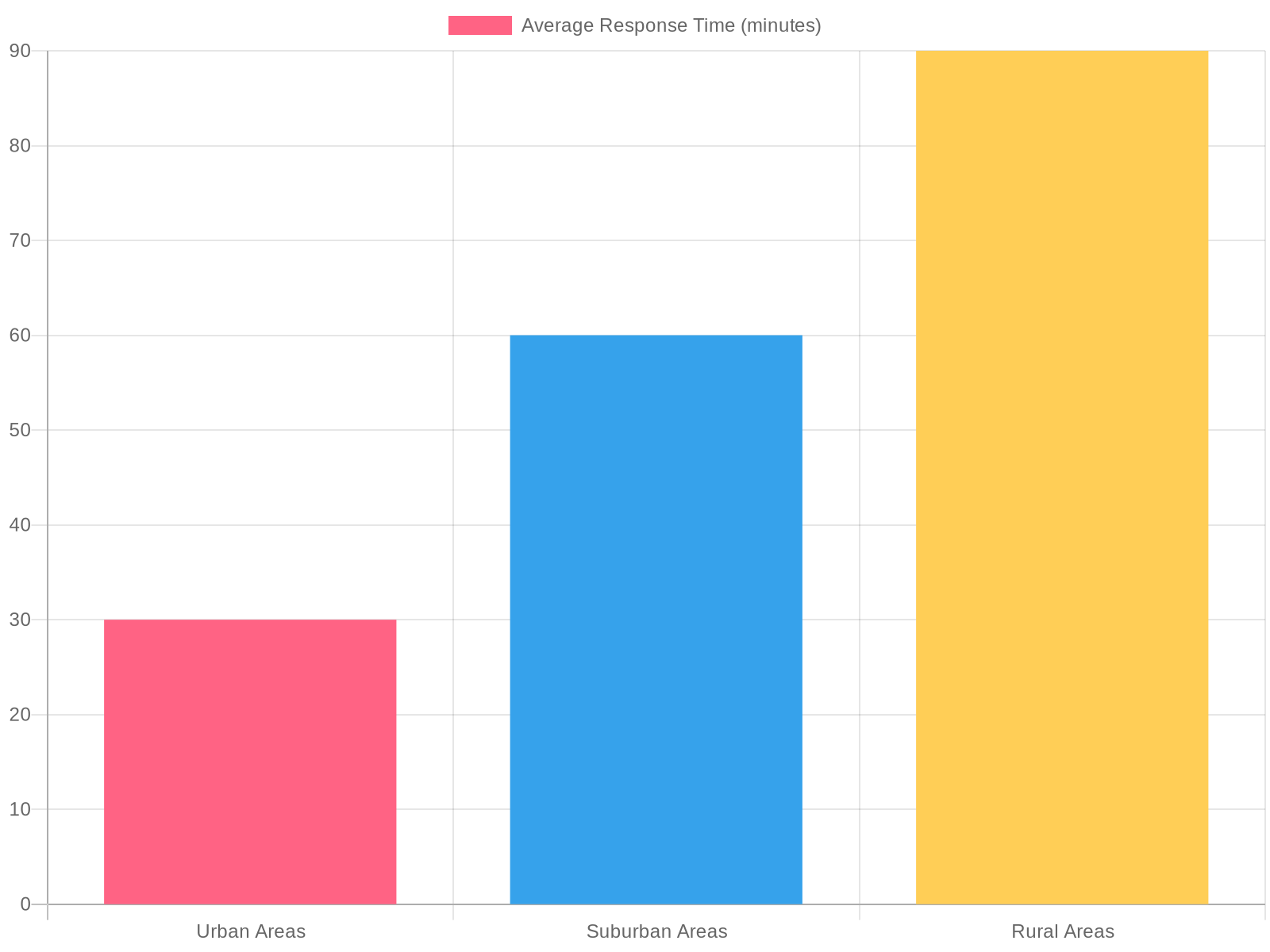
Average Response Times for Tow Truck Services by Area Type
| Area Type | Average Response Time |
|---|---|
| Urban Areas | 30 minutes |
| Suburban Areas | 60 minutes |
| Rural Areas | 90 minutes |
Data based on recent industry standards (2026).
Sources:
- Comprehensive Overview of Wireless Remote Control Tow Truck: Standards, Performance, and Best Practices
- Aa Auto Towing: Technical Specifications, Production Process, and Applications
In conclusion, selecting the right tow truck service is a critical decision for businesses across various sectors, including manufacturing, retail, and construction. Key factors such as response time, availability, and the expertise of technicians can determine the efficiency of your operations. A reliable tow service minimizes downtime, which is vital for maintaining operational flow and protecting your company’s assets. Furthermore, as highlighted in various industry guidelines, having a qualified towing partner not only manages risks effectively but also assures compliance with safety regulations. By prioritizing these elements, businesses can ensure that they choose a service tailored to their unique needs.
If you’re looking for dependable towing services that align with your operational requirements, consider Summit Fairings. Their expertise can provide the support your fleet needs to thrive in today’s competitive market.