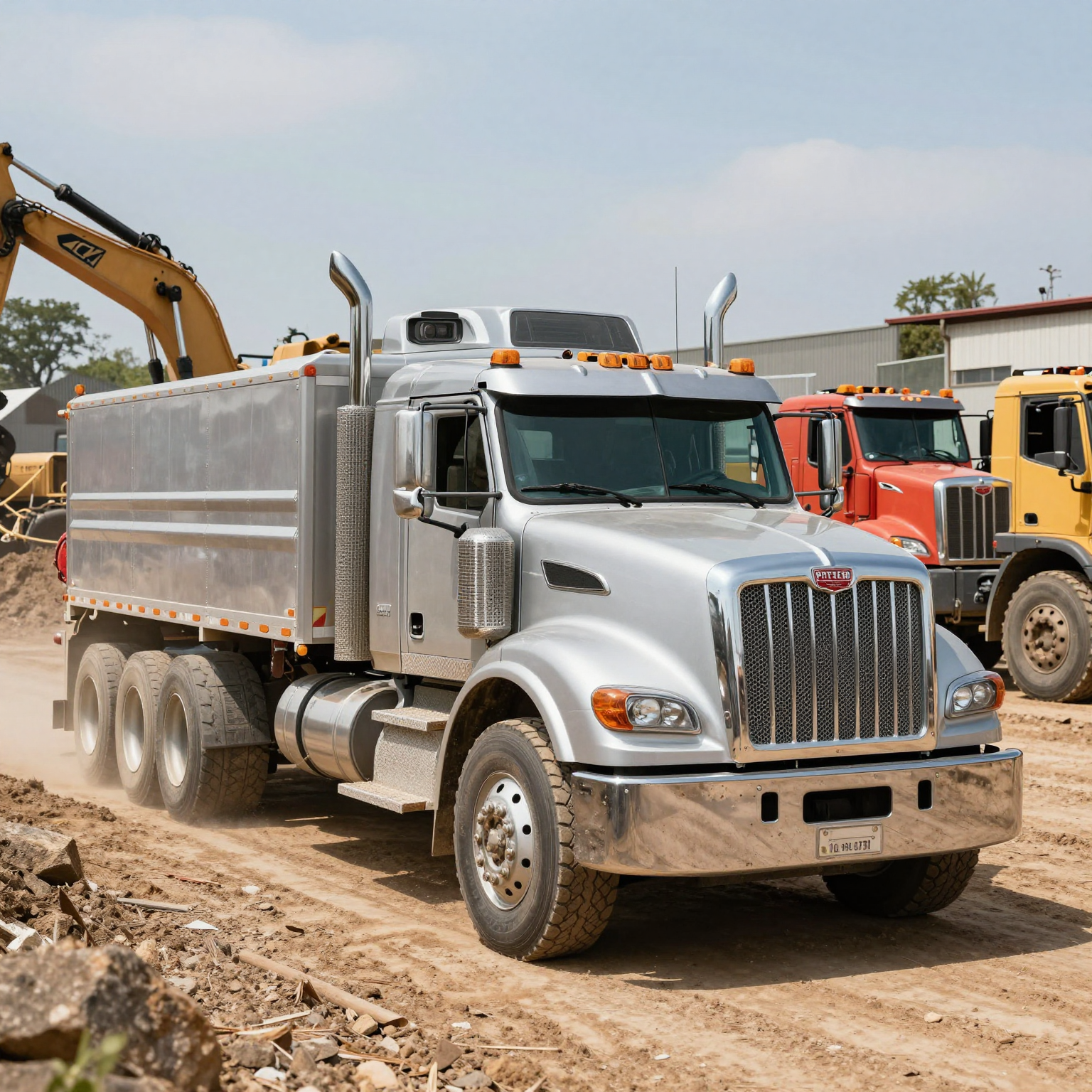

Introduction
In today’s competitive landscape, the efficiency and reliability of service trucks have become indispensable across various industries. Among these, the Peterbilt service truck stands out, seamlessly blending durability and advanced technology to meet the rigorous demands of sectors such as manufacturing, construction, and retail. For businesses needing to transport heavy loads or equipment, investing in a service truck like the Peterbilt is not just a choice; it’s a necessity that can significantly enhance operational productivity.
Peterbilt trucks are renowned for their robust build quality and customizable features, making them suitable for a wide range of applications-from roadside assistance to mobile repair services. With powerful engines and advanced towing capabilities, they can tackle any job, ensuring that businesses remain agile and responsive to their customers’ needs. Furthermore, understanding the economic trends affecting the trucking industry can highlight the advantages of such investments.
In addition, Peterbilt trucks contribute toward building a strong brand reputation for companies that prioritize reliability and performance. These trucks are designed to withstand the rigors of daily use while providing comfort and safety for drivers. As various industries navigate a landscape characterized by rapid change, leveraging the advantages of a Peterbilt service truck can provide the competitive edge that is often needed to thrive.
Features of Peterbilt Service Trucks
Peterbilt service trucks stand out as a top choice for manufacturing, construction, and small business applications due to their exceptional durability, functionality, and advanced engineering. They are specifically designed to conquer the challenges often faced in demanding industrial environments, making them an essential asset for many companies. Here are several key features that highlight why these trucks are ideal for various sectors:
1. Powerful Engine Options
Peterbilt service trucks are equipped with robust engine options such as the Cummins X15 and PACCAR MX engines. These engines provide exceptional power and torque, enabling seamless transport of heavy equipment and materials. The high horsepower capabilities ensure that these trucks can tackle the most demanding workloads without compromising performance.
2. All-Wheel Drive Capability
Features like all-wheel drive (AWD) enhance the trucks’ off-road performance, allowing them to operate in challenging terrains often encountered on construction sites. This ensures reliability in muddy, rocky, or uneven landscapes, which is essential for maintaining operational efficiency.
3. Advanced Transmission Systems
One of the standout elements of Peterbilt service trucks is their automated manual transmission (AMT) systems. These systems not only improve fuel efficiency but also enhance driver comfort, reducing the learning curve for new drivers and aiding in precise maneuvering during tight shifts.
4. Spacious and Functional Interiors
The spacious cabs of Peterbilt trucks are designed for comfort and functionality. They offer customizable interiors with integrated tool storage solutions, allowing operators to keep tools organized and accessible while on the job. This design feature optimizes workflow and increases productivity on-site. Additionally, having a well-appointed cab environment helps maintain the focus of drivers, especially during long shifts.
5. Robust Chassis and Payload Capacity
Peterbilt service trucks come with a high payload capacity, thanks to their robust chassis systems. This durability ensures reliable operations across various industrial environments, which is vital for companies needing to transport heavy loads, such as equipment and raw materials. Reinforced frames and heavy-duty suspension systems are standard, allowing them to withstand significant wear and tear.
6. Reduced Maintenance Costs
Durability translates into lower maintenance costs, a critical factor for small businesses looking to maximize their return on investment. According to a study published in Construction Equipment Magazine, vehicles designed with reinforced frames and heavy-duty suspensions reduce repair frequency and extend service life. Companies can save significantly on down-time and maintenance expenses, allowing for better budgeting and operational efficiency (source).
7. Extensive Dealer Network
Peterbilt’s extensive dealer network also provides accessible service support, ensuring quick repairs or maintenance whenever needed. This feature is especially advantageous for small businesses that operate on tight schedules and cannot afford extended periods of downtime.
In summary, the features of Peterbilt service trucks-including their powerful engines, AWD capability, spacious designs, and low maintenance costs-make them ideal for construction, manufacturing, and small business needs. By investing in these trucks, companies can not only improve their operational efficiency but also ensure a reliable transportation solution for their essential services, helping to promote long-term success.
User Experiences with Peterbilt Service Trucks
When it comes to service trucks, Peterbilt models have garnered a reputation for reliability and performance in various working environments, particularly for industries such as manufacturing, distribution, and construction. Here’s a detailed look at user experiences highlighting both the pros and cons of using Peterbilt service trucks.
Pros of Peterbilt Service Trucks
-
Durability and Build Quality: Users consistently report that Peterbilt service trucks feature robust construction suitable for heavy-duty applications. The Peterbilt 579 is particularly noted for its rugged build that performs exceptionally well on rough terrains, making it ideal for construction sites and utility work (Diesel Power Magazine).
-
Comfort and Ergonomics: Fleet operators appreciate the spacious and ergonomic cab design. This aspect significantly reduces driver fatigue during long hours on the road (TruckReview.com).
-
Fuel Efficiency: Users commend Peterbilt for having excellent fuel efficiency compared to other Class 8 trucks, helping to reduce operating costs over time (TruckReview.com).
-
Customization Options: The ability to customize body configurations enhances functionality, allowing significant flexibility for tool storage and equipment mounting, which is a crucial factor for service-specific needs (FleetOwner Magazine).
-
Advanced Features: Many models come equipped with advanced safety and driver assist features, including lane departure warnings and adaptive cruise control, enhancing safety on the job (Diesel Power Magazine).
Cons of Peterbilt Service Trucks
-
High Initial Cost: One of the primary drawbacks noted by users is the higher initial purchase price compared to competitors in the service truck market (TruckReview.com).
-
Maintenance Complexity: Some users highlight that the maintenance procedures can be complex, especially for non-specialized shops, which can lead to longer downtime when repairs are needed (TruckReview.com).
-
Part Availability: In rural areas, users have expressed concern about the limited availability of certain replacement parts, which can affect service availability and response times (FleetOwner Magazine).
-
Steep Learning Curve for New Drivers: Transitioning to Peterbilt from lighter-duty models may present a learning curve for new drivers, complicating operations within organizations that frequently rotate staff (FleetOwner Magazine).
-
Technology Limitations: Although the interior is comfortable, users have reported that the infotainment system can be slow to respond, which may affect user experience (Diesel Power Magazine).
Conclusion
Overall, Peterbilt service trucks are highly regarded for their durability, comfort, and efficiency, making them a top choice for fleets in demanding environments. While there are some disadvantages related to cost and maintenance, the majority of users consistently express satisfaction with their performance, durability, and support for their operational needs. For those considering an investment in service trucks, understanding these experiences can guide effective decision-making.
Essential Maintenance Tips for Peterbilt Service Trucks
To ensure the longevity and efficiency of Peterbilt service trucks, it’s crucial to follow a structured maintenance routine. Here are some essential tips:
- Daily Pre-Trip Inspections: Conduct thorough inspections before each trip to catch any potential issues before they escalate.
- Fluid Checks: Regularly check engine oil, coolant, transmission fluid, and brake fluid to ensure optimal operation. Changing the engine oil every 10,000 miles is recommended.
- Change Filters: Replace air and fuel filters at recommended intervals to maintain engine performance and fuel efficiency.
- Tire Maintenance: Monitor tire pressure weekly and ensure proper wheel alignment to reduce wear and enhance fuel economy.
- Brake System Checks: Regularly inspect the braking system and make necessary adjustments to ensure safety and reliability.
- Electrical System Maintenance: Clean electrical connections to prevent corrosion and ensure a reliable power supply to all systems.
- Use Genuine Parts: Always use OEM (Original Equipment Manufacturer) parts for repairs to maintain warranty coverage and vehicle reliability.
- Scheduled Maintenance: Follow the Peterbilt maintenance schedule for tune-ups, inspections, and necessary replacements to enhance vehicle longevity.
Implementing these maintenance tips can help in reducing unexpected breakdowns and maximizing the efficiency of your fleet operations. For more detailed insights on truck maintenance importance, refer to this article on the economic benefits of truck maintenance and learn about the role of preventive maintenance.
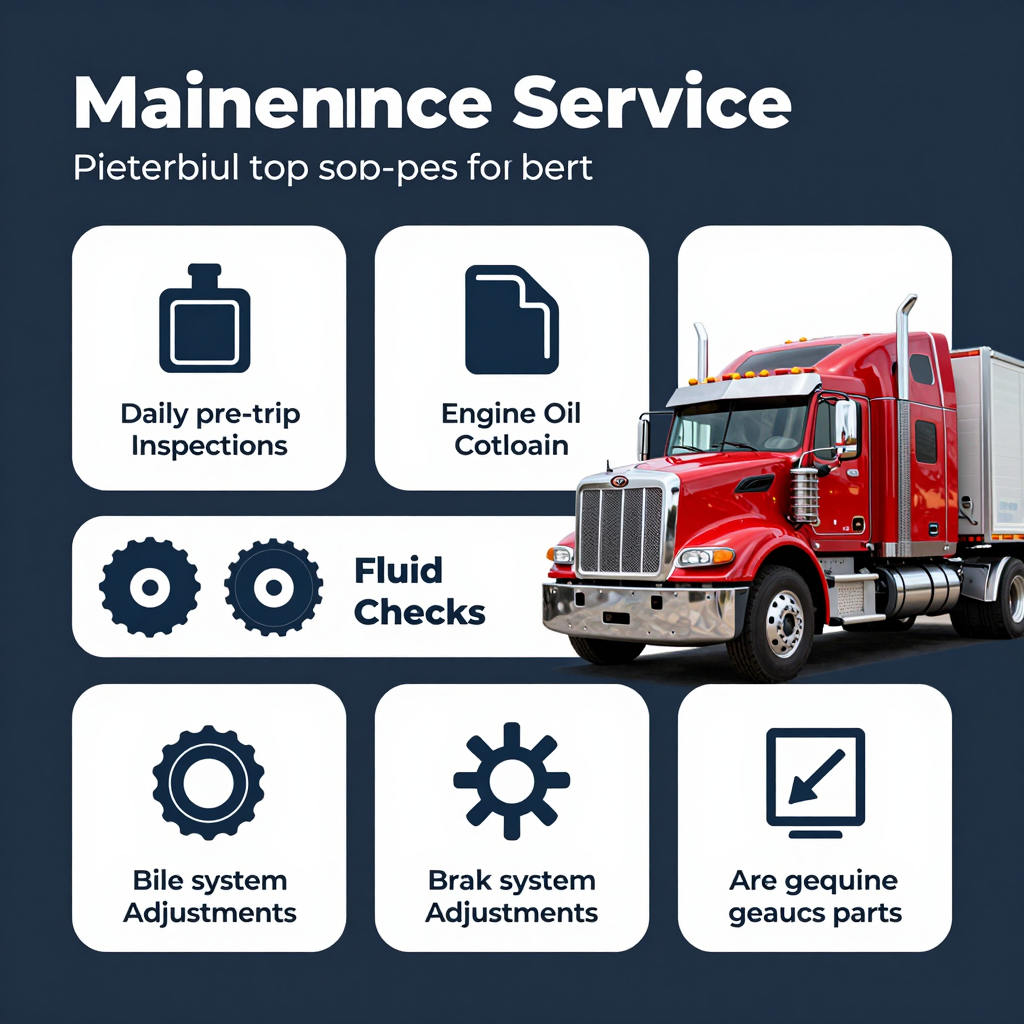
Infographic detailing key maintenance tips for Peterbilt service trucks
Comparison of Peterbilt Service Truck Models
When considering the right service truck model for your needs, it’s important to compare specifications, capacities, and intended applications. Below is a table highlighting these aspects of three popular Peterbilt service truck models: 389, 579, and 567.
| Feature | Peterbilt 389 | Peterbilt 579 | Peterbilt 567 |
|---|---|---|---|
| Engine Options | Available with powerful and efficient engines; typically includes Cummins or Caterpillar engines. | Equipped with advanced, high-efficiency engines; features Cummins X15 or Caterpillar C15/C16 options. | Offers robust engine choices including Cummins X15 and Caterpillar C15/C16, optimized for long-haul efficiency. |
| Weight Capacity (GVWR) | Designed for maximum load capacity, GVWR typically ranges from 30,000 to 42,000 lbs. | High-capacity model with GVWR up to 80,000 lbs; built for heavy-duty long-haul operations. | Engineered for strong payload performance, GVWR typically between 33,000 and 42,000 lbs. |
| Fuel Capacity | Fuel tank capacity varies; standard tanks range from 120 to 300 gallons. | Features large-capacity fuel tanks, commonly 120-300 gallons depending on sleeper or day cab setup. | Standard fuel capacity ranges from 120 to 300 gallons, optimized for extended range. |
| Recommended Uses | Ideal for regional haul, distribution, construction; suitable for both day cab and sleeper configurations. | Primarily designed for long-haul freight and high-mileage operations. | Suited for long-haul and regional haul applications; versatile for freight, delivery, and specialized transport. |
| Key Design Improvements (Recent) | No specific recent updates mentioned. | Introduced updated chassis routing for improved serviceability and durability. | New chassis routing system enhances serviceability with organized line bundles and reinforced frame brackets. |
Note: Specific engine model numbers and exact weight/fuel capacities may vary based on configuration and year. For precise specifications, consult official Peterbilt documentation or dealer resources.
For a deeper understanding of the economic impacts on trucking fleets, you can learn more about key economic trends affecting the trucking industry. Additionally, it’s helpful to consider the impact of tariffs on heavy trucks by checking out this insightful article on the effects of tariffs on heavy trucks.
Best Practices for Using Peterbilt Service Trucks
Peterbilt service trucks are crucial for various sectors, including manufacturing, construction, and e-commerce. Their reliability and efficiency can significantly impact business operations. However, to maximize their potential while ensuring safety, certain best practices should be considered:
1. Regular Maintenance and Inspections
Conducting regular maintenance is vital for the longevity and performance of your Peterbilt service truck. Some core practices include:
- Scheduled Maintenance: Adhere to the manufacturer’s recommended maintenance schedules to ensure parts are checked or replaced timely. This is essential for vital systems like brakes, engine performance, and fuel efficiency.
- Perform Daily Inspections: Prior to any operation, conduct a walk-around inspection to check fluid levels, tire conditions, and functionality of all safety equipment, such as lights and horns.
- Use Predictive Maintenance Technologies: Implement technologies that offer real-time diagnostics and alerts for potential issues, increasing efficiency and reducing repair costs.
2. Driver Training and Safety Protocols
Driving a service truck like a Peterbilt requires specialized skills. To enhance safety and efficiency:
- Provide Comprehensive Training: Ensure all operators are well-trained in driving and operating service trucks. Training should cover emergency procedures, load handling, and defensive driving techniques.
- Encourage Safety Practices: Reinforce the importance of following safety regulations and using personal protective equipment (PPE). This includes seatbelt usage and maintaining awareness about surroundings.
3. Adopting Fuel-Efficiency Practices
Enhancing fuel efficiency is not only cost-effective but also environmentally responsible:
- Monitor Fuel Usage: Keep track of fuel consumption to identify patterns that may indicate inefficiencies in driving behavior or vehicle performance.
- Implement Eco-Driving Techniques: Train drivers to adopt smoother acceleration and deceleration. Maintaining consistent speeds can substantially reduce fuel consumption.
4. Utilizing Advanced Safety Features
Modern Peterbilt trucks are equipped with various safety systems designed to protect the driver and cargo:
- Use Collision Mitigation Technologies: Ensure safety features such as lane departure warnings, adaptive cruise control, and automatic emergency brakes are functional and utilized.
- Abide by Load Capacity Guidelines: Never exceed the truck’s weight limit, which can lead to handling issues and increased wear on the truck.
5. Optimize Routes and Scheduling
Efficiency goes beyond the vehicle’s operation to include strategic planning:
- Plan Efficient Routes: Use GPS and routing software to avoid traffic and minimize travel time. This planning can also reduce fuel costs.
- Schedule Preventative Maintenance During Downtime: Use off-peak hours for maintenance to ensure that the service truck is operational during peak business hours.
Conclusion
By implementing these best practices, businesses can enhance the performance, safety, and efficiency of their Peterbilt service trucks. Regular maintenance, comprehensive driver training, and leveraging advanced truck features are necessary steps for optimal operation. Investing in such practices ensures that businesses maintain a competitive edge while operating safely and efficiently.
For businesses interested in the impact of regulations and innovations in the trucking industry, explore key economic trends impacting the trucking industry and learn about the effects of safety technology integration to stay ahead.
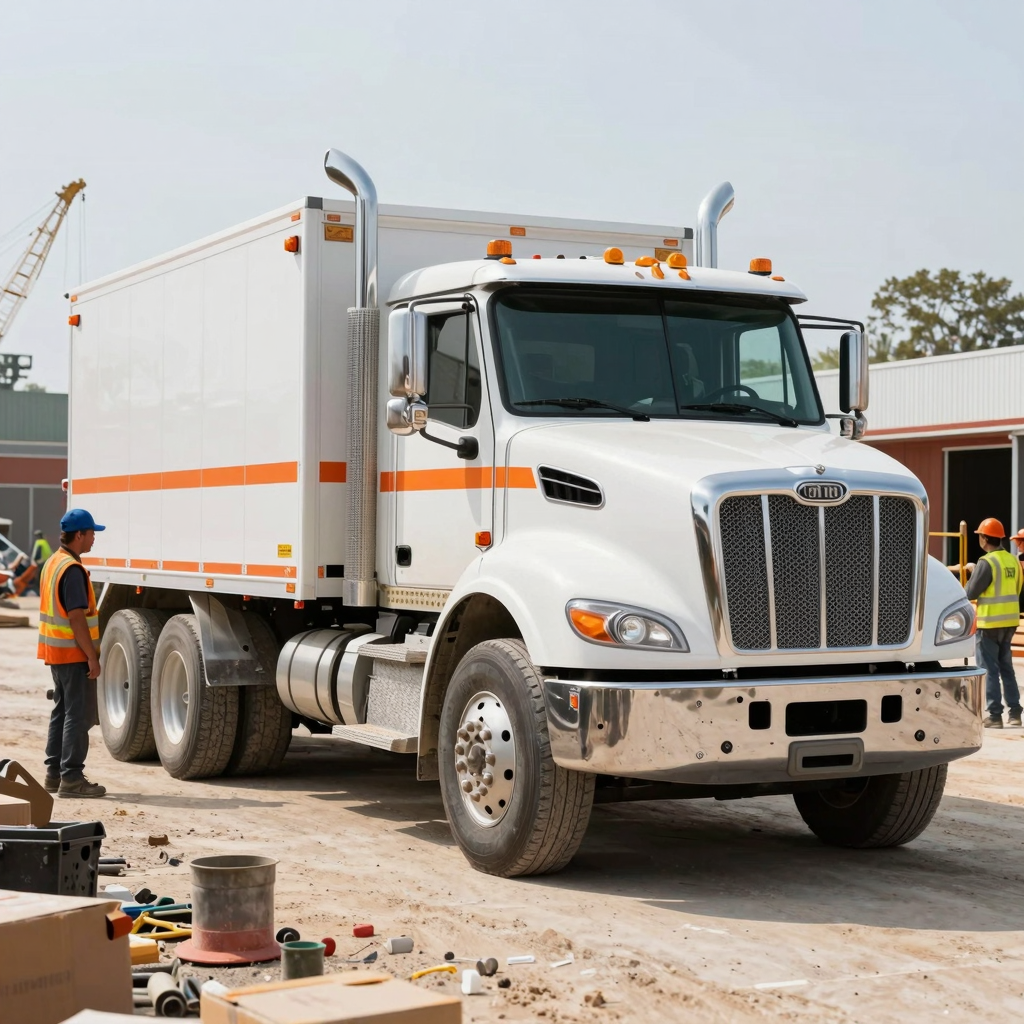
Image of a well-maintained Peterbilt service truck in a construction environment, demonstrating safety equipment and maintenance practices.
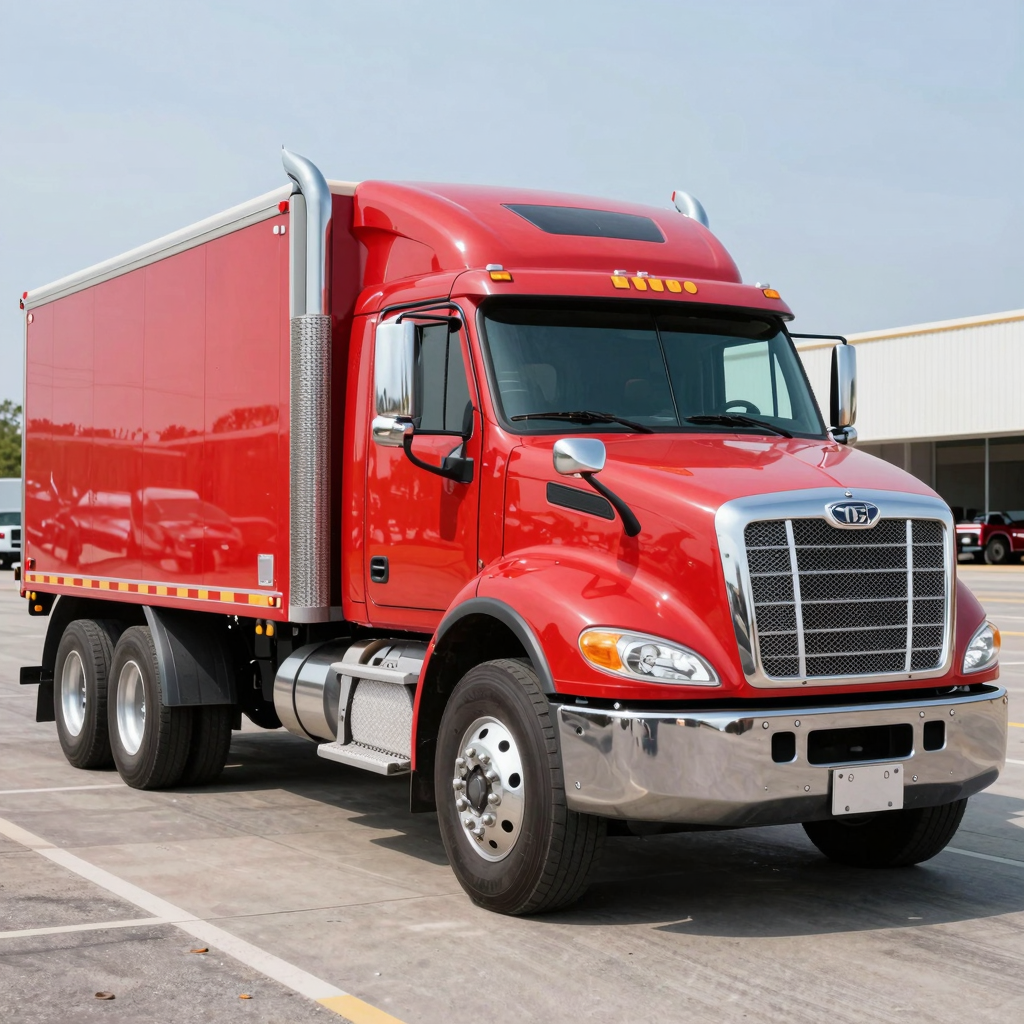
This image highlights a Peterbilt service truck, which exemplifies the strength and versatility that manufacturing and distribution companies, as well as construction and heavy industry firms, look for in a service vehicle. With features specifically designed for business applications, this truck is ideal for those with shipping needs.
Peterbilt service trucks offer a range of features and advantages tailored to meet the demands of various industries, including manufacturing, construction, and utilities. By leveraging the strengths of these trucks, companies can improve operational efficiency, reduce downtime, and enhance safety in rigorous work environments.
Manufacturing Industry
In the manufacturing sector, Peterbilt service trucks serve as versatile tools for maintenance and logistics. Their robust construction allows them to handle heavy loads and operate in challenging environments. Key benefits include:
-
Enhanced Durability: Engineered with high-strength chassis and advanced powertrains, these trucks are built to endure demanding tasks such as transporting heavy equipment and providing on-site maintenance. As noted in a recent industry analysis, Peterbilt service trucks deliver significant benefits for manufacturers, improving production efficiency while minimizing maintenance costs.
-
Customizable Configurations: Manufacturers can customize Peterbilt trucks with tool storage, lift gates, and specialized equipment necessary for their operations. This adaptability makes them particularly suited for diverse tasks, from assembly line repairs to onsite servicing.
Construction Industry
The construction industry benefits significantly from Peterbilt service trucks, especially regarding logistics and crew management on-site:
-
High Payload Capacity: With their ability to carry heavy loads, these trucks facilitate the transportation of construction materials and equipment. A case study highlighted that using Peterbilt service trucks reduced vehicle downtime by 35% and improved crew response times by 25% on a major U.S. infrastructure project, showcasing their effectiveness in large-scale construction projects.
-
All-Terrain Capability: Equipped with rugged undercarriage protection and options for all-wheel drive, Peterbilt trucks perform exceptionally well in rough terrains, ensuring accessibility to challenging construction sites.
-
Fuel Efficiency: Many models come with advanced aerodynamics and engine performance enhancements that improve fuel efficiency. This not only reduces operational costs but also lessens environmental impacts, aligning with sustainability goals in the industry.
Utilities and Telecommunications
Peterbilt service trucks are also a favorite in the utilities and telecommunications sectors due to their reliability in adverse conditions. Notable benefits include:
-
Telematics Integration: The SmartWay system allows companies to monitor vehicle health and optimize routes effectively. This capability can lead to reduced operational costs by up to 18%, as reported in industry studies examining the use of Peterbilt service trucks in utility fleets.
-
Robust Safety Features: Advanced safety systems, such as collision mitigation and backup cameras, enhance workforce safety, crucial for field operations.
Conclusion
Peterbilt service trucks provide a suite of features that cater specifically to the needs of various industries, enhancing operational efficiencies and workforce safety. Whether in manufacturing, construction, or utilities, the investment in Peterbilt service trucks can yield significant time and cost savings, solidifying their status as a reliable choice for businesses aiming to optimize their operations.
By understanding these industry-specific advantages, businesses can make informed decisions when investing in their service vehicle fleets, ultimately leading to improved productivity and reduced operational risks.
For further insights into how Peterbilt’s offerings align with market demands, you can explore key economic trends impacting the trucking industry.
“Reliable service vehicles are the backbone of the modern trucking industry. When a fleet’s service vehicles fail, it doesn’t just mean a broken-down truck-it means delayed deliveries, lost revenue, and damaged customer trust.”
- Mark Reynolds, Director of Operations, National Freight Solutions
This quote emphasizes the importance of reliable service vehicles in maintaining operational efficiency and customer satisfaction, particularly for businesses involved in logistics and distribution.
In light of this, it’s crucial to ensure that your service vehicles not only meet current demands but are also capable of adapting to future challenges in the trucking industry. For more insights into the trucking landscape, consider exploring our article on the impact of tariffs on heavy trucks and the key economic trends impacting the trucking industry.
Conclusion
In the ever-demanding landscape of the transportation and service industries, Peterbilt service trucks stand out as a benchmark of reliability and efficiency. With their heavy-duty construction tailored for various challenging work environments, these vehicles are not just workhorses; they are an investment in future operational success. Whether you are in manufacturing, distribution, construction, or any utility-focused sector, the performance and durability of Peterbilt trucks translate into significant operational advantages.
Key Benefits of Peterbilt Service Trucks
-
Durability and Reliability: Peterbilt trucks, such as the 389 and 579 models, are built with the highest standards in engineering, ensuring they can handle the toughest jobs. Their sturdiness has made them a choice for utility companies, for road maintenance crews, and in various mobile repair settings.
-
Cost Efficiency: According to a recent report, Peterbilt models retain about 52% of their original value after five years of use, surpassing the industry average of 45%-a clear testament to their strong residual value. This reliability results in lower total cost of ownership and less downtime, enhancing fleet managers’ preferences for Peterbilt over competing brands.
-
Customization Options: Peterbilt offers extensive customization, allowing businesses to tailor their service trucks to meet specific operational needs. Features like hydraulic lifts, tool storage systems, and integrated diagnostic platforms enhance functionality, making these vehicles indispensable in missions requiring high uptime.
-
Enhanced Operational Efficiency: A survey indicated that 78% of fleets utilizing Peterbilt service trucks experienced reduced unscheduled downtime compared to other brands-demonstrating the effectiveness of these trucks in maintaining rhythm and reliability in operations.
Ready to Boost Your Fleet’s Performance?
In conclusion, investing in Peterbilt service trucks not only empowers your operations with reliability and efficiency but also provides lasting value with reduced depreciation costs and operational downtime. If you’re looking to enhance your fleet with vehicles that promise high functionality and resilience, check out Summit Fairings’ offerings. Discover our exceptional lineup tailored to meet the specific demands of your industry and experience the difference that quality engineering can bring to your operations.
Click Here to Learn More about Peterbilt Service Trucks!