
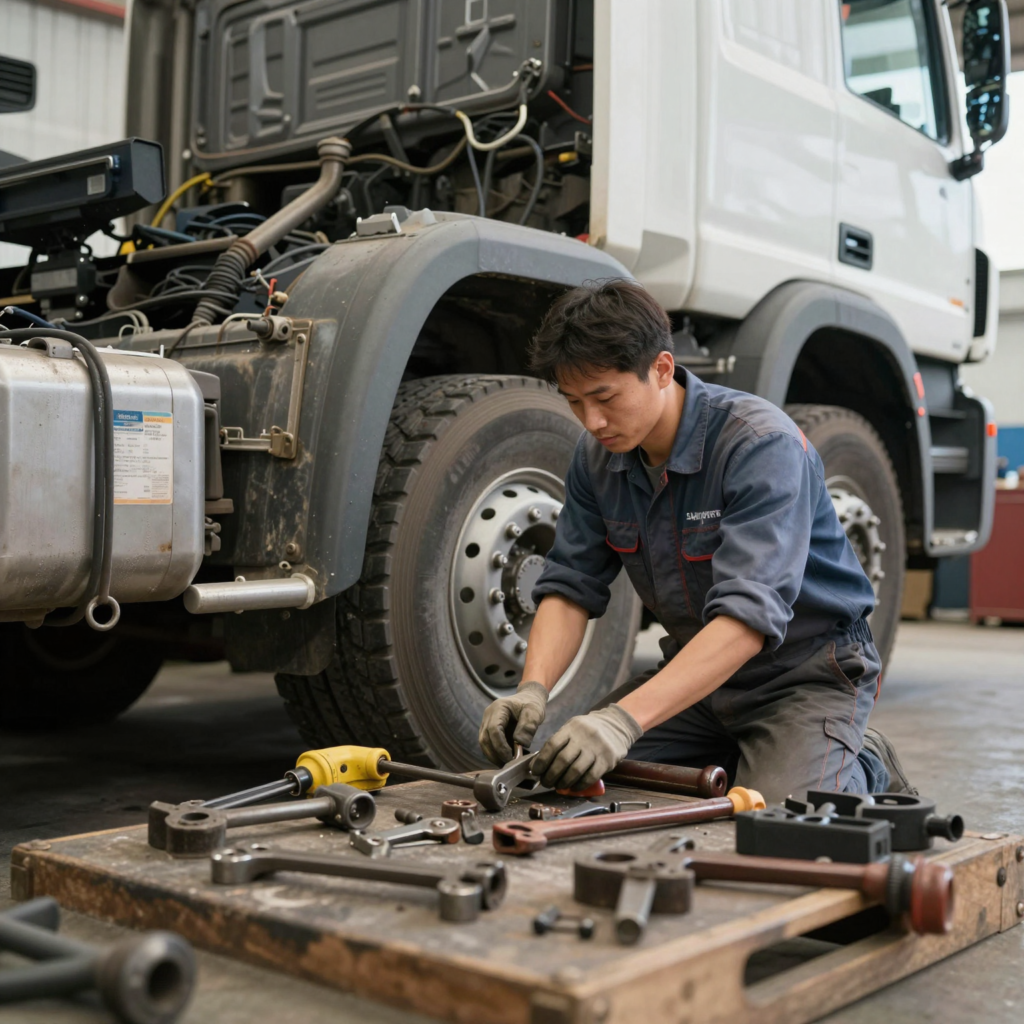
In the fast-paced world of manufacturing, transportation, and construction, scheduling service for heavy-duty trucks is not just a luxury; it’s an imperative for success. For manufacturers, suppliers, and small business owners, the operational efficiency of their fleets directly impacts productivity and bottom-line profits. Regular maintenance and timely service minimizes downtime, extends the lifespan of vehicles, and ensures that deliveries meet customer expectations. Summit Fairings stands out in this context, offering unparalleled expertise and reliability in heavy-duty truck service. With their comprehensive maintenance programs and exceptional customer support, businesses can rest assured that their fleets are in capable hands. Understanding the nuances of scheduling service is crucial, as every minute lost in transit can translate to significant financial losses. Additionally, in an industry that is constantly evolving with new regulations and technological advancements, companies must stay ahead of the curve. By prioritizing quality service and professional support, brands not only enhance their operational capabilities but also foster trust and loyalty among their clients.
As you navigate the complexities of the trucking industry, learn more about the impact of evolving trends by reading our insights on economic trucking trends and how to maintain efficiency during changing regulations.
Overview of Scheduling Service for Heavy-Duty Trucks
In this article, readers will discover essential strategies for effectively scheduling service for heavy-duty trucks, which is vital for maintaining optimal performance and reliability. Regular maintenance not only ensures the safety of drivers but also significantly prolongs the lifespan of the vehicle. For instance, proactive maintenance can reduce unscheduled breakdowns by up to 30%, leading to increased operational efficiency and cost savings.
Moreover, we will delve into specific tips for scheduling services, including leveraging technology and utilizing manufacturer resources for real-time diagnostics and scheduling. Understanding the nuances of maintenance-like routine checks of critical systems such as engines, brakes, and tires-central to compliance with industry regulations and the prevention of costly repairs will also be highlighted. Overall, this article aims to equip manufacturers, distributors, and small business owners with valuable insights that enhance their fleet management practices, enabling them to navigate the logistics landscape more effectively. To learn more about relevant trends that influence trucking maintenance, consider reading our article on trucking maintenance trends.
Essential Maintenance Tasks for Heavy-Duty Trucks
To ensure the longevity and optimal performance of heavy-duty trucks, a regular maintenance schedule is imperative. Below is a detailed list of crucial maintenance tasks:
- Oil Changes: Regular oil changes (every 5,000 to 7,500 miles) maintain engine lubrication and efficiency.
- Brake System Inspections: Conduct thorough inspections of brake pads, rotors, and fluid levels to ensure safe stopping power.
- Tire Inspections and Maintenance: Check tire pressure and tread depth monthly. Rotate tires and balance them to extend lifespan and improve handling.
- Fluid Level Checks: Regularly monitor and top off coolant, transmission fluid, and power steering fluid.
- Air Filter Replacements: Change the engine air filter every 15,000 miles to optimize air intake for better combustion.
- Battery Maintenance: Inspect battery connections and terminals for corrosion and ensure batteries are securely mounted.
- Suspension and Alignment Checks: Perform alignment checks periodically to prevent uneven tire wear and improve ride quality.
- Exhaust System Inspections: Regular checks can prevent harmful emissions and ensure compliance with environmental standards.
- Daily Pre-Trip Inspections: Before any journey, check critical components such as lights, brake function, and fluid leaks.
These tasks are vital in preventing unexpected breakdowns and enhancing fuel efficiency. Adhering to a strict maintenance schedule can lead to significant savings and increased safety on the road. For further insights on heavy-duty truck management, consider reading about trucking maintenance trends or the impact of economic trends on the trucking industry.
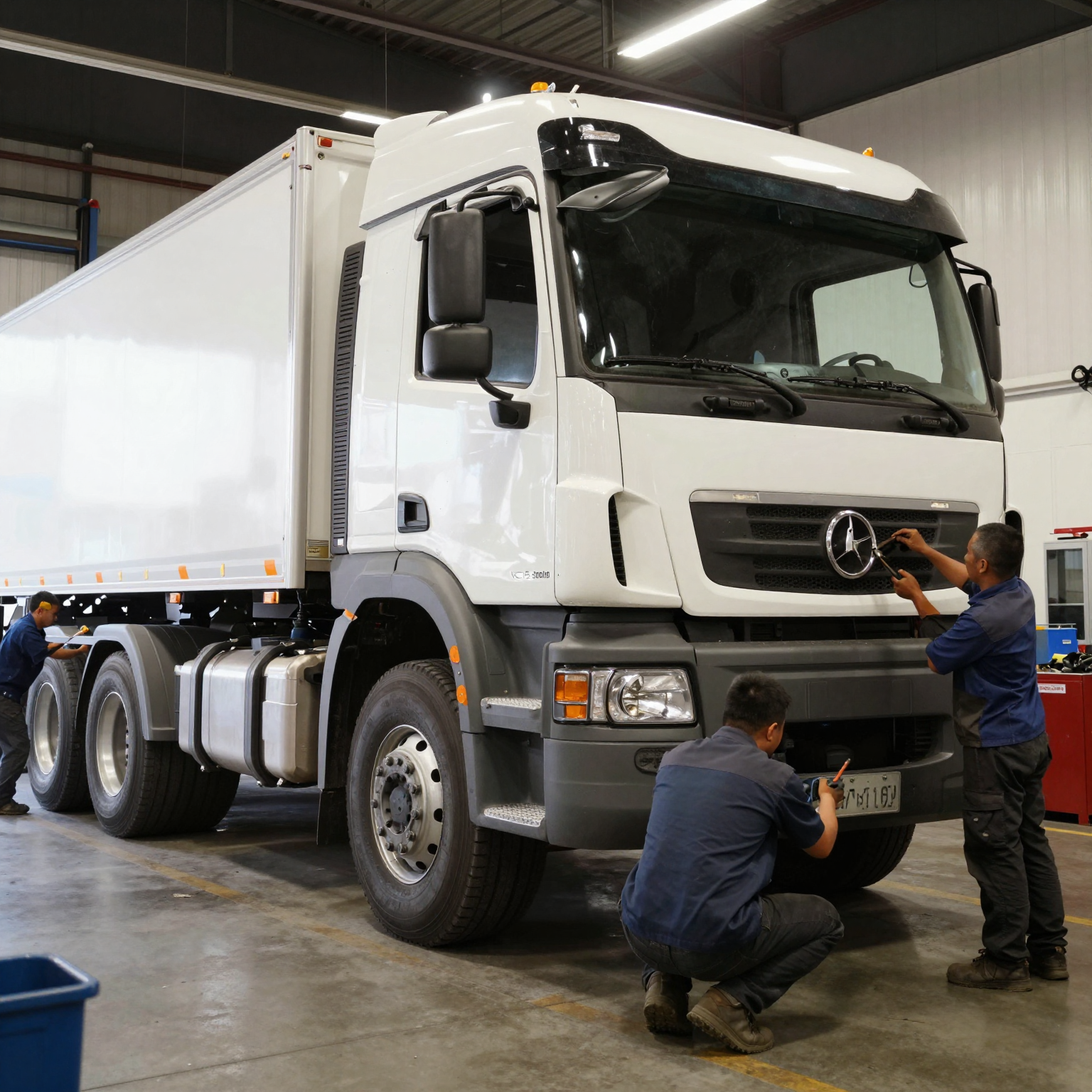
Choosing a Service Provider
Selecting a reliable service provider for heavy-duty trucks is crucial for maintaining the efficiency and safety of your fleet. While cost is often a significant factor when making decisions, prioritizing quality should be paramount. Here are several key insights that can guide your selection process:
Emphasizing Quality Over Cost
Although it may be tempting to choose the least expensive option, investing in a provider with a proven track record of high-quality service can lead to better long-term outcomes. Quality service ensures that your heavy-duty trucks are operating safely and efficiently, which can save considerable expenses associated with repairs and downtime in the future.
Seeking Certifications
Ensure that any service provider you consider holds relevant certifications, such as the SMART (Safety Management Assessment and Risk Tracking) program from the American Trucking Associations or compliance with FMCSA (Federal Motor Carrier Safety Administration) regulations. These certifications demonstrate that the provider adheres to industry standards for safety and operational effectiveness. According to the U.S. Department of Transportation, companies with these accreditations are more competitive in winning contracts, especially in the logistics sector.
Importance of Customer Reviews
Customer feedback plays a vital role in assessing the reliability of potential service providers. Reviewing testimonials on platforms such as Trustpilot or Google Reviews can provide insights into the service quality, responsiveness, and overall customer satisfaction. A 2026 industry survey revealed that 78% of fleet managers consider previous client experiences as critical for vendor selection (Automotive Engineering Journal). Look for providers that showcase detailed success stories and have high ratings for their responsiveness and communication clarity.
Conclusion
In summary, choosing a service provider for heavy-duty trucks requires careful consideration of quality, certifications, and customer reviews. By emphasizing these aspects during the selection process, businesses can ensure they partner with a reliable service provider that meets their operational needs and enhances fleet performance.
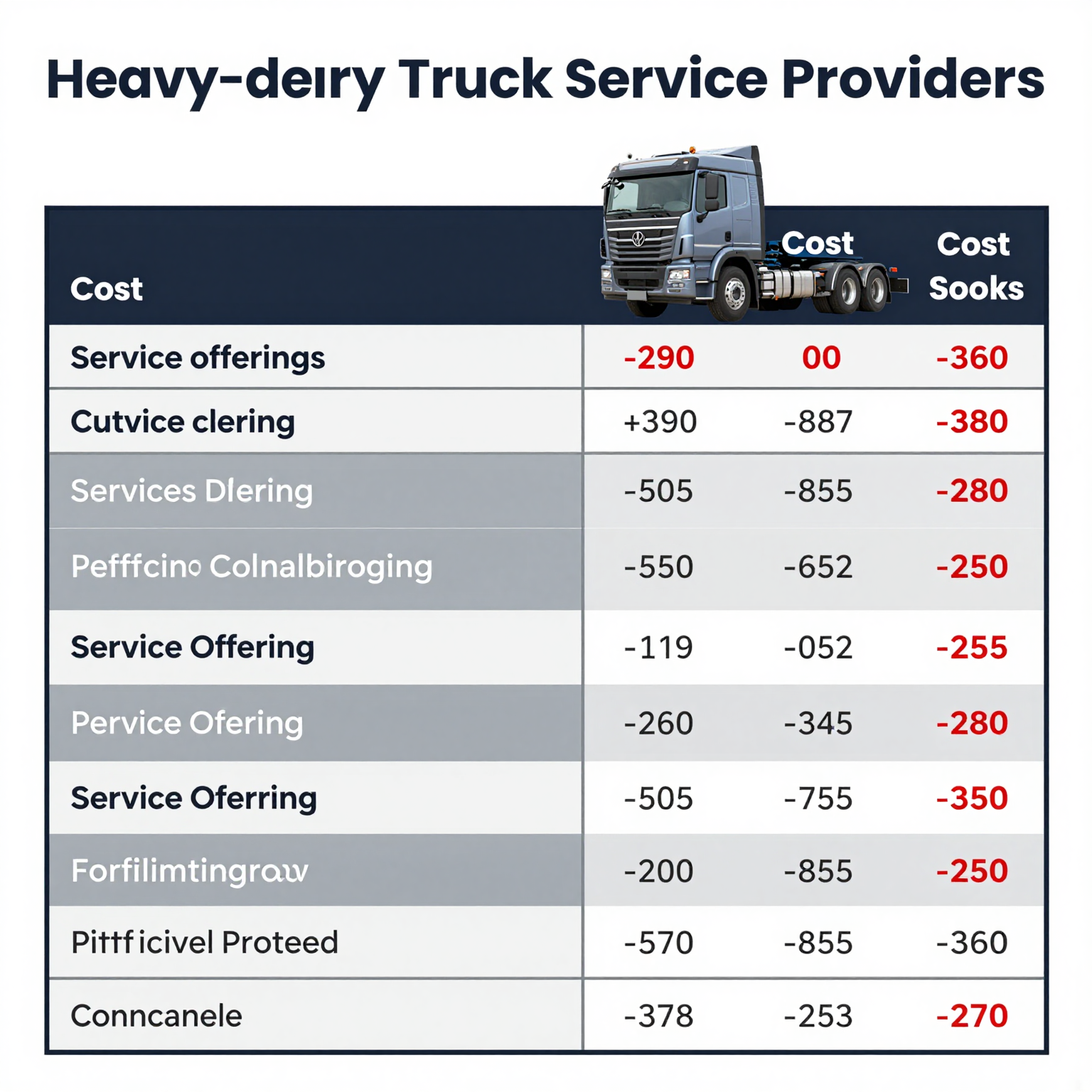
This image displays a detailed comparison table of heavy-duty truck service providers, which includes cost, service offerings, and customer ratings. This visual aid aims to help businesses in manufacturing, distribution, construction, and e-commerce make informed decisions regarding scheduling service for their heavy-duty trucks.
User Adoption Trends in Heavy-Duty Truck Maintenance Services
In recent years, the heavy-duty truck industry has witnessed a significant trend towards increased user adoption of maintenance services, particularly focusing on regular service scheduling. This trend is driven by several factors, including heightened concerns over long-term operational costs and the reliability of vehicles.
Current Adoption Rates
Data indicates a steady increase in user adoption rates for maintenance services, with projections suggesting that by 2025, adoption rates could reach up to 82% among fleet operators. The trends from 2020 to 2025 demonstrate an appealing trajectory:
| Year | User Adoption Rate (%) | Regular Service Scheduling Trend | Average Long-Term Operational Cost (USD) | Vehicle Reliability Index (Scale: 1-100) |
|---|---|---|---|---|
| 2020 | 62 | Moderate increase | 185,000 | 74 |
| 2021 | 66 | Steady improvement | 178,000 | 76 |
| 2022 | 70 | Accelerating adoption | 172,000 | 79 |
| 2023 | 74 | Strong growth | 166,000 | 82 |
| 2024 | 78 | High adoption rate | 160,000 | 85 |
| 2025 | 82 | Very high adoption | 155,000 | 88 |
Factors Influencing Adoption
- Increased Focus on Cost Efficiency: Fleet operators are now more aware of the increasing operational costs associated with poorly maintained vehicles, which can lead to unexpected downtimes. This knowledge promotes the prioritization of scheduled maintenance.
- Enhanced Reliability: With improvements in vehicle technologies, there is a growing perception of reliability associated with regular maintenance practices, pushing fleets to adopt more systematic servicing routines.
- Regulatory Compliance: Many regions are implementing stricter regulations regarding maintenance and operational standards, compelling truck owners to adhere to regular service schedules.
To visualize these trends effectively, consider viewing the provided chart depicting user adoption rates. Clearly, the evolution towards consistent maintenance service scheduling signifies an essential strategy for companies invested in managing their fleets efficiently.
The Importance of Scheduling Service for Heavy-Duty Trucks
Scheduling maintenance service for heavy-duty trucks is not merely a recommended practice; it is a critical component of efficient fleet management. Regularly scheduled maintenance can significantly reduce operational costs and enhance safety, ensuring that trucks remain on the road longer and with fewer interruptions.
Benefits of Scheduled Maintenance
Research indicates that trucks adhering to a strict maintenance schedule experience 45% fewer breakdowns than those that do not. Furthermore, a study by the American Trucking Associations revealed that vehicles with routine maintenance also have a 30% lower chance of being involved in preventable accidents. This data emphasizes the importance of staying proactive rather than reactive in fleet management.
In addition to safety improvements, implementing a scheduled maintenance program has tangible financial benefits. A 2025 report from McKinsey & Company found that fleets utilizing predictive maintenance practices reduced unplanned downtime by an astonishing 52%. These fleets also reported a 22% enhancement in fuel efficiency, demonstrating how maintenance can optimize engine performance.
The financial implications are considerable; trucks that are properly maintained can save an average of $12,000 per vehicle annually, due to reduced repair costs and operational inefficiencies. For every dollar invested in scheduled maintenance, companies can anticipate a return of approximately $4.70 in operational savings.
| Component | Data/Outcome |
|---|---|
| Fewer Breakdowns | 45% |
| Lower Accident Rates | 30% |
| Reduction in Unplanned Downtime | 52% |
| Investment Return on Maintenance | $4.70 |
| Annual Savings per Truck | $12,000 |
For businesses in manufacturing, distribution, and logistics, these statistics highlight the transformative power of scheduling regular maintenance. Investing in such a strategy is not just about upkeep; it is about ensuring reliability and safety on the road.
Call to Action
At Summit Fairings, we understand that your fleet’s efficiency can directly impact your bottom line. Scheduling regular maintenance with our expert services can safeguard your investment and keep your operations running smoothly. Contact us today to learn how we can help you implement a proactive maintenance strategy for your heavy-duty trucks.
Importance of Scheduling Maintenance for Heavy-Duty Trucks
Scheduling regular maintenance for heavy-duty trucks is essential for maintaining efficiency and avoiding costly breakdowns. As John Miller, Director of Fleet Operations at TransAmerica Logistics, states:
“Scheduling regular maintenance isn’t just about avoiding breakdowns-it’s about protecting your bottom line. A well-maintained fleet reduces unexpected downtime by up to 60%, extends engine life by years, and improves fuel efficiency by 5-8%. Skipping even one scheduled service can lead to cascading failures that cost thousands in repairs.”
This underscores the vital role that effective maintenance plays in ensuring the longevity and reliability of your fleet. By adhering to a strict maintenance schedule, companies in manufacturing, distribution, and construction can enhance their operational efficiency and ultimately their profitability.
For more insights into the trends impacting trucking maintenance, check out our article on private fleets and maintenance trends.
Conclusion: Schedule Your Heavy-Duty Truck Service Today!
As we’ve explored, maintaining heavy-duty trucks is not just a matter of convenience; it’s essential for safety, reliability, and efficiency. Regular servicing helps prevent unexpected breakdowns, reduces costs related to repairs and downtime, and enhances fuel economy by up to 10% with components like those offered by Summit Fairings. By adhering to a structured maintenance schedule, you ensure your fleet not only meets compliance standards but also improves operational efficiency.
Choosing Summit Fairings can give your trucks lasting performance improvements that drive your business success forward. Their products, including innovative truck trailer wind deflectors, reduce air turbulence and enhance fuel efficiency-an essential factor for any business reliant on heavy-duty transportation.
Take action now! Don’t wait for problems to escalate; contact Summit Fairings to schedule your truck service. Ensure that your fleet remains in peak condition, minimizes downtime, and operates efficiently. By choosing a proactive service approach, you’re not just investing in maintenance; you’re investing in the future of your business.
Visit Summit Fairings today to learn more about their services and products, and schedule your appointment to keep your heavy-duty trucks performing at their best! Act now and drive your fleet to success!