
Identifying trustworthy truck tire retreading services is vital for companies relying on heavy-duty vehicles. As part of running an efficient operation, ensuring that your trucks are equipped with safe and durable tires can significantly impact your productivity and bottom line. In this guide, we will explore practical strategies to find reliable truck tire retreading services tailored for manufacturing and distribution companies, retail and e-commerce businesses, construction firms, and small business owners with shipping needs. Each chapter focuses on different approaches, from specialized directories to professional networking, consulting maintenance providers, and verifying certifications and reputations, forming a comprehensive framework to aid your decision-making process.
Navigating Trusted Tire Retread Networks: How Specialized Directories Uncover Reliable Truck Tire Retreading Partners
When a fleet turns the key in the morning, the first mile is powered by tires that grip the road and stay strong under load. The reliability of retreaded truck tires isn’t just a matter of cost savings; it’s a core element of uptime, safety, and environmental responsibility. In a landscape crowded with options, specialized directories act like a seasoned navigator, guiding fleet managers toward retreaders who meet rigorous standards. Rather than chasing glowing ads or uncertain referrals, drivers and fleet planners can anchor their decisions in credible, verifiable sources. The core idea is simple: use directories that curate and verify service providers, then verify again through certifications, performance data, and real-world feedback. The best practice blends documented credibility with practical due diligence, a combination that translates into fewer roadside surprises and more predictable maintenance budgets over time.
Specialized directories do more than list services; they encode a tradition of quality that has evolved alongside tire technology. The most trusted directories partner with associations and manufacturers to establish criteria that reflect the realities of modern trucking. They recognize that a tire retread is only as good as the inspection, casing quality, and retreading technology behind it. A directory that highlights facilities which perform rigorous casing inspection, precise buffing, and the use of advanced retreading methods signals a baseline of reliability a fleet can bank on. In practice, these resources help fleet managers map the terrain of retread options, prioritize centers with demonstrated capabilities, and quickly identify providers that align with company standards for safety, durability, and environmental stewardship.
Among the most valuable benefits of specialized directories is the quality filter they provide. In an industry where a single bad experience can ripple across a whole fleet, a directory that requires members to meet clear, auditable criteria becomes a practical ally. When a retreader bears the marks of membership in a respected association or a manufacturer’s retread partner program, it signals that the operation adheres to defined quality control processes. The distinction matters. It often translates into more consistent tire performance, tighter control of turnaround times, and clearer warranty terms—factors that directly influence a fleet’s bottom line and planning accuracy. For a fleet manager, the assurance that comes from a trusted directory reduces the cognitive load of vendor evaluation and accelerates the path from problem to solution.
A practical starting point is to engage with directories that publish a searchable member directory. These directories typically let you filter by location, service type, or specialty, such as radial retreading or premium buffing. The ability to search by service type is not merely convenience; it reflects the reality that some fleets prioritize particular retread capabilities—radial construction for highway efficiency, or precision buffing for consistent tread wear. When you can see where retread centers are located, you can align provider selection with your route patterns, maintenance windows, and vehicle types. You may discover centers near major operating hubs, which means shorter mobilization times for mobile retreading services or faster total turnaround when a tire needs to be retreaded on-site or in a nearby facility.
One pathway through the directory landscape is to examine memberships with formal industry bodies that oversee retreading quality. A directory that highlights member facilities which have undergone rigorous audits and adhere to well-documented procedures helps fleets move past anecdotes into verifiable performance foundations. For example, a facility that confirms its inspection workflow, casing selection criteria, and the use of standardized retreading processes communicates a commitment to repeatable outcomes. Such transparency is essential when you need to plan maintenance budgets, set expectations with drivers, and enforce warranty terms with confidence. The credibility embedded in these directories also supports due diligence with respect to environmental responsibilities, an increasingly important part of fleet procurement discussions and cost of ownership calculations.
When you begin your search, consider how the directory presents the relationship between retread quality and operational performance. Some directories emphasize an ecosystem approach, showing members that work in concert with tire manufacturers or network partners. This alignment is meaningful because it helps ensure retreaded tires deliver predictable traction, consistent wear, and appropriate resistance to aging at typical highway speeds and load conditions. You’ll also encounter centers that emphasize advanced technologies in retreading, such as radial construction or precision buffing, which can contribute to longer tread life and better miles per retread. The presence of such technical proficiency in a directory listing gives a fleet manager more confidence when weighing quoting options and service level agreements.
To translate directory intelligence into concrete decisions, it helps to pair listings with certifications and external verifications. The most respected directories annotate or link to certification programs that demonstrate a retreader’s adherence to established standards. In the United States, several recognized programs act as quality muster points for the industry. The concept of a certification is straightforward: it’s an independent seal that confirms a facility has completed audits, met process standards, and maintained documentation demonstrating ongoing compliance. When a retreader can point to an approved status, it provides a clear reason to select them over a less transparent option. It is not a guarantee of flawless performance, but it is a strong signal that a facility has built its operations around consistency, quality control, and accountability.
Beyond formal certifications, the experience of peers matters just as much as formal credentials. Specialized directories often host or reference feedback from fleet operators who have used the retread centers before. These reviews, while not a substitute for audits, offer practical insight into real-world performance: how smoothly a facility handles scheduling, how the warranty terms hold up under actual use, and whether the retreaded tires resume service without recurring issues in the field. Fleet managers frequently compare notes about tire wear under load, the durability of retreaded treads in the harsh working environment of long-haul trucks, and the reliability of turnaround times in peak seasons. The collective wisdom archived in forums and industry discussions can help you prioritize one or two centers that consistently meet the expectations of fleets similar to yours. When you read these discussions with a critical eye, you learn which variables tend to influence outcomes in your operating context, such as climate, road conditions, and route mix.
To put this into practice, start with a map of the directories that curate credible retread centers. A robust starter set includes directories managed by industry associations and manufacturer partners. These sources often provide a blend of verification through audits, access to service data, and the convenience of distance-based searches. The combination of location filtering and service-type filters helps you build a shortlist quickly, avoiding the impulse to contact every facility in the region. As you review each facility, look for explicit statements about inspection regimes, casing criteria, and the retreading technologies in use. A strong listing will reference a standardized process rather than relying on marketing jargon. It may also note the availability of mobile retreading options, on-site diagnostics, or on-ramp testing programs that let you validate performance before committing to large-scale adoption.
An important practical step is to cross-check a directory listing with a manufacturer or OEM network. Many fleets find value in seeking recommendations from their current maintenance provider or OEM dealer network, since these entities may partner with retread centers that have demonstrated reliability in similar vehicle configurations. The synergy between a manufacturer’s engineering expectations and a retreader’s practical capabilities helps ensure that the retreaded tire will meet the exacting standards required for your vehicles. This is not about lock-in but about aligning technical performance with service quality. When a fleet’s procurement or maintenance leadership discusses preferred or certified partners with their dealers, it reinforces the credibility of the directories and addresses real-world constraints like warranty alignment, roadside assistance, and liability coverage.
In parallel with directory exploration, it is prudent to consider the formal certification landscape. A well-regarded certification marks a threshold of quality control procedures that a retreader must meet to earn and maintain their status. The presence of such certification is not a guarantee, but it is a measurable indicator that the facility has undergone external review and adheres to defined standards. You should verify a candidate’s status directly through the certifying body’s directory or official site. This cross-checking helps prevent misinterpretation of a listing and ensures you are evaluating current status rather than a possibly outdated claim. It is easy to fall into the trap of treating a listing as a static endorsement; the reality is that certifications require ongoing compliance, periodic audits, and renewal processes.
As you grow more confident in the directory approach, integrate it with a disciplined quote-and-verify workflow. Gather quotes from several retread centers that sit on your shortlist, then compare them on the basis of price, turnaround time, warranty coverage, and the exact retreading method to be used. Where possible, request a pre-purchase inspection or a pre-retread assessment to confirm the facility’s ability to salvage the tire and to assess the risk of failure after retread. A robust process includes requesting evidence of recent performance metrics, such as mean time between retreads, wear patterns observed in similar fleets, and documented warranty terms for retreaded tread life. The goal is not to select the cheapest option but to choose a partner with predictable quality and reliable service.
A crucial component of this approach is the realization that retreading is part of a broader maintenance strategy. Think of the directory as a filter that helps you identify credible partners, and then treat the chosen partner as part of an integrated maintenance program. Plan retread cycles to align with downtime windows, fuel efficiency goals, and overall life-cycle cost targets. You may want to combine retreading with planned tire management practices, such as consistent casing inspection protocols, proper storage and handling of casings, and a policy for when to escalate to buy-new tires or pursue premium retreading options. This strategic alignment ensures that each retread decision contributes to uptime reliability, predictable maintenance spend, and durable performance under your most demanding routes.
Throughout this process, keep in mind the value of a good working relationship with a retreader. A partner who communicates clearly about inspection findings, keeps you informed about planned maintenance windows, and follows through on warranty commitments adds intangible value to the operation. In the day-to-day context, this translates to fewer last-minute disruptions, smoother dispatch operations, and more confidence in the turn-key maintenance plan you present to leadership. The chapters that focus on maintenance planning and cost optimization will reflect how the directory-driven selection of retread centers translates into measurable improvements in fleet performance and reliability. If you want to explore relatable trends in fleet maintenance and how markets are evolving, you can read more about private fleets trends in trucking maintenance.
For a quick, practical reminder about credibility and due diligence, consider the following synthesis. Start with a reputable directory that lists certified retread centers and explains the criteria used for inclusion. Cross-check the listing with an independent certification body to confirm current status. Review peer feedback and consider the performance stories of fleets similar to yours. Use the directory to identify a short list of centers near major routes or within a reasonable mobilization radius. Gather quotes that emphasize service scope, warranty terms, and turnaround times, and request a facility tour or a pre-retread inspection where feasible. Finally, weave the chosen retreader into your maintenance plan in a way that aligns with your fleet’s operating window, route profile, and life-cycle cost objectives. By combining specialized directories with certification checks, peer insights, and a disciplined procurement workflow, you can significantly increase your chances of finding a dependable and high-quality truck tire retreading service.
Internal navigation across the directory ecosystem is enhanced when you link related maintenance insights to your retreading decisions. For instance, fleets examining the maintenance implications of new electric trucks or cross-border operations can benefit from the same directory approach, since reliable retreading is a common denominator in efficient tire management across vehicle types and geographies. To further explore related maintenance dynamics, see the discussions on Private Fleets Trends in Trucking Maintenance. Private Fleets Trends in Trucking Maintenance.
As you wrap this search into a broader procurement and maintenance framework, remember that the goal is to make a decision grounded in evidence, not emotion. The directory landscape, combined with certification verification and peer feedback, provides a robust evidence base. It’s not about chasing the newest retread technology for its own sake; it is about selecting partners who consistently deliver safe, durable, and predictable performance in the real operating conditions your fleet encounters every day. When the process is structured this way, the outcome is a fleet that stays on the road longer, spends less time waiting for tires, and maintains a competitive edge through reliable service and optimized lifecycle costs. The journey to reliable retreading starts with a map—the specialized directories that curate credible centers—and ends with a durable, data-informed partnership that supports safer, more efficient trucking operations.
External resource: https://www.trta.org/find-a-member
null
null
Guiding Reliability and Savings: How Fleet Maintenance Partners Help You Find Trusted Truck Tire Retreading Services
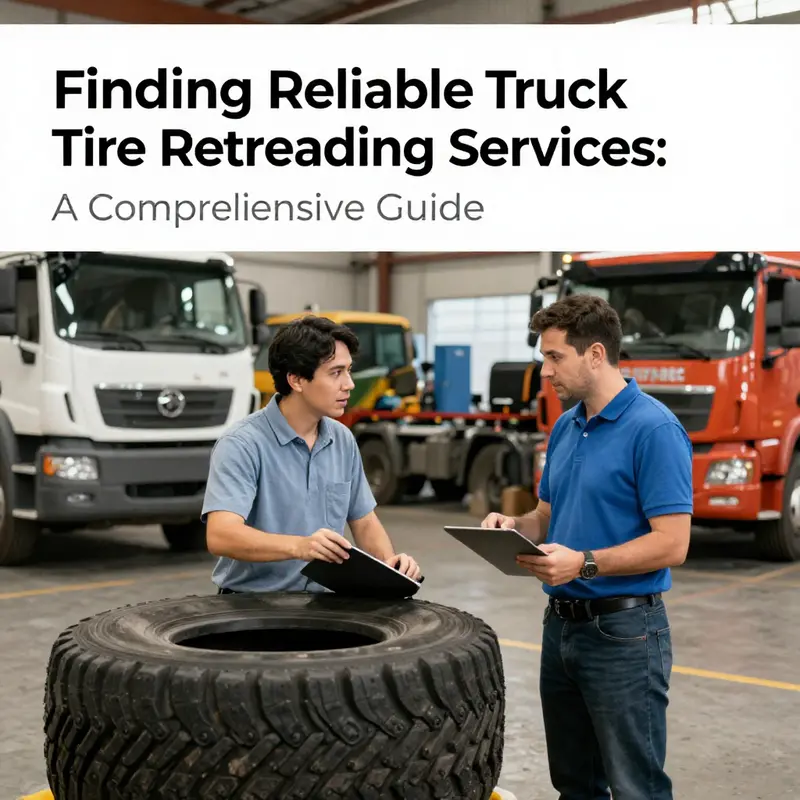
Finding reliable truck tire retreading services starts where many strategic fleet decisions begin: with the people who actually manage tire life cycles every day. A fleet’s maintenance provider stands at the center of a web that links daily inspections, data-driven decision making, and supplier relationships into a coherent, cost-conscious tire program. When you approach retreading through this lens, you’re not just choosing a service; you are choosing a systemic approach to safety, uptime, and total cost of ownership. The fleet maintenance partner brings a veteran perspective earned from monitoring thousands of tires across variable operating conditions. They see how a casing performs not only on the test stand or in a single route but across long-haul corridors, regional deliveries, and the demanding rhythms of seasonal demand. This breadth of experience matters because retreading is as much about fit as it is about material. A retreaded tire can deliver the right balance of durability, grip, and retread quality when matched to an operator’s profile, load factors, and road conditions. A partner who understands those profiles is better positioned to steer you toward retreading facilities that produce consistent results and adhere to rigorous quality controls.
A good starting point is recognizing that your fleet maintenance provider is more than a referee approving or denying retread candidates. They are your data scientist, risk assessor, and escalation path. They live between the lines of what the equipment manufacturer specifies and what the road actually demands. They know how a tire’s life cycle should be scheduled to minimize downtime and maximize miles per dollar. Their oversight typically covers three interconnected layers: lifecycle planning, inspection and monitoring, and performance verification. Lifecycle planning translates your operational mix into a retread cadence that aligns with planned maintenance windows. Inspection and monitoring put a routine around tire health, turning visual cues, tread depth measurements, and internal data from sensors into a standing record of when a casing should be considered for retreading. Performance verification weighs real-world outcomes—how many miles a retreaded tire delivers on a given route, how it behaves in wet or icy conditions, and how often it requires maintenance, repair, or replacement.
To engage this process meaningfully, you first need clarity about your own operating conditions. Are you primarily a long-haul operation where fatigue on the road tests tread wear and casing integrity, or do regional routes with frequent stop-and-go patterns demand different retread strategies? Do you run on highways with predictable pavement textures, or do you navigate mixed surfaces where stone pockets and curb impact become a factor? The answers shape the advice you’ll receive. A fleet maintenance partner can translate your operating profile into concrete criteria for retread eligibility and timeliness. They’ll also help you understand the tension between cost and risk. Retreading saves money—potentially up to 50 percent versus buying new tires—but it is not a universal solution. The key is ensuring the retread is applied to tires with casings that can withstand the added life cycle while maintaining safety margins. This is where the partner’s experience matters most: they can separate casings that will perform reliably through several retreading cycles from those that are near the end of their useful life.
The process begins with a careful, methodical assessment of tire casings. Clean, undamaged casings are the ideal candidates for retreading, and the maintenance provider’s teams are trained to look beyond the tread to the casing’s structural integrity. A casing may have performed well on the highway but suffered a hidden flaw from a rough road, a pothole, or a heavy impact event. Inspectors trained by the fleet partner will review the bead area, sidewall condition, internal damage indicators, and any signs of ply separation. They will also track tread depth, uniform wear, and the presence of any damage in the shoulder or shoulder-to-tread transitions. The goal is to determine whether the tire can be retreaded safely a certain number of times and how many miles that retread is expected to deliver under your typical load and route structure. This level of due diligence is essential because the difference between a successful retread and a failure is often subtle and context-dependent. It hinges on residue of heat, pressure history, and how a casing has aged in service, not solely on a single inspection.
Once the maintenance provider identifies viable candidates, their value proposition extends beyond the inspection bay. They maintain relationships with vetted retreading facilities and understand the nuances of each facility’s capabilities. Some retreaders excel at certain tire sizes or carcass geometries; others specialize in particular tread compounds that perform better on icy surfaces or in heavy cargo applications. The maintenance partner’s vetting process often starts with certifications and standards, including recognized industry benchmarks that signal consistent quality. A facility bearing an established certification communicates that it has undergone audits and adheres to strict processes for material handling, vulcanization, tread-cap quality, and final testing. The partner will verify these credentials using official directories and, when needed, direct confirmation through audits and site visits. This reduces the risk of encountering inconsistent retreading quality and helps ensure that the selected supply path remains robust over time.
A central element the fleet maintenance partner can offer is alignment with safety, environmental, and warranty expectations. Certification status is not the only signal of trustworthiness. A reputable operation will also publish what it guarantees in terms of warranty coverage, acceptable residual performance, and response times if a retreaded tire fails prematurely. The warranty structure, the coverage limits, and the process for filing a claim are part of the decision framework you should examine with your maintenance provider. The provider’s role is to interpret those warranties in the context of your fleet’s usage profile. They will translate general terms into risk-adjusted expectations for your routes and loads. And they will insist on clear communication channels so that if an issue arises, the fleet team can react quickly, schedule a swap or repair, and minimize downtime.
Quality control does not end with retread initiation. Your maintenance partner will actively monitor the performance of retreaded tires in service. They collect data on mileage-to-failure, rotation practices, and service history. This data helps them recognize patterns that might indicate a need to adjust the retreading interval or to revisit the choice of casing sources. The monitoring framework also informs the broader maintenance strategy, including how to schedule inspections, when to retire a casing from service, and which routes or climates present elevated risk. In this sense, retreading becomes part of a larger, data-driven program rather than a one-off cost-cutting measure. A robust program uses inspection results, performance data, and field feedback to refine retread eligibility criteria over time and to improve overall reliability across the fleet.
The value of consulting with a fleet maintenance provider extends beyond the direct cost savings of retreading. It includes the trust that comes with working through a known, accountable channel that integrates health checks, documentation, and a consistent audit trail. Your maintenance partner can help you establish the process for selecting a retreading facility that is appropriate for your fleet’s needs, while ensuring that the provider’s recommendations align with regulatory compliance, safety standards, and environmental responsibility. The practical outcome is a more predictable, transparent tire program in which the right candidates are identified at the right times, and the retreading path is chosen with an eye toward long-term uptime and predictable maintenance costs.
In official practice, industry best practices encourage fleet operators to consider certified retreaders as a preferred option. Certification—such as a recognized retreading program within the Rubber Manufacturers Association framework—offers a level of assurance about the quality controls and testing procedures behind a retreaded tire. Your maintenance partner can help you verify a facility’s status and use that information to inform your selection process. The verification step is essential because even among certified facilities, performance can vary depending on tire size, casing condition, and the specific retreading technology employed. A partner who has worked with multiple facilities can translate certification into real-world performance expectations, reducing the guesswork that often accompanies supplier selection.
In this context, the consultant’s role is not merely to identify a retreader. They also provide a framework for ongoing evaluation. They help you establish key performance indicators that matter for your operation—uptime, fuel efficiency related to rolling resistance, retread lifespan, maintenance window compliance, and warranty claims. They create a cadence for periodic reviews that keeps the program aligned with evolving fleet needs and road conditions. It’s this continuous feedback loop that converts retreading from a cost-saving tactic into a strategic, value-generating component of fleet reliability. The maintenance provider, with knowledge of your specific routes and loads, can even tailor the retreading schedule to your peak operating periods, ensuring that tire life aligns with your service commitments and that unexpected failures do not derail your delivery windows.
To help you visualize how this works in practice, imagine a typical long-haul operation with a mix of highway miles and some urban delivery segments. The fleet maintenance provider inventories the casings from recently serviced tires and schedules a regular inspection cycle that includes tread depth measurements and visual checks for sidewall integrity. They flag casings with adequate depth or with minor issues that could be addressed through retreading, while identifying casings that would be better retired. For the selected candidates, they coordinate with certified retread facilities, ensuring that each casing is processed using appropriate tread patterns for the road conditions and the expected mileage. They monitor the retread’s performance in the field, with feedback loops that adjust the program as necessary. If a retraded tire underperforms, the provider re-evaluates whether it is still suitable for retreading, or if it should be retired after a defined number of miles. This approach minimizes waste, optimizes fleet uptime, and provides the fleet with a defensible, data-backed path to extending tire life. The result is not just a lower per-mile tire cost, but a reliability boost that translates into fewer unexpected stops, smoother operations, and higher service levels for customers.
One practical step you can take now, with your maintenance partner, is to align retreading decisions with a documented lifecycle policy. This policy should articulate what constitutes a viable retread candidate, the expected mileage range for each retread cycle, the maintenance windows that minimize downtime, and the escalation path if a retread fails in service. Having this framework documented helps ensure that all stakeholders—drivers, fleet managers, and maintenance technicians—are following the same rules and that the retreading decision is anchored in a consistent, repeatable process. It also makes it easier to compare the cost and performance outcomes across different retread providers and to adjust the strategy as your operation evolves.
If you’re seeking a broader sense of how this practice sits within the industry, you can explore related perspectives on fleet maintenance trends. This provides a contextual backdrop for the practical advice above and helps you see how your own approach fits into current industry movements. This approach aligns with broader industry trends described in private fleets trends in trucking maintenance.
From a practical standpoint, the combination of a well-informed maintenance partner and a rigorous evaluation framework gives you a reliable path to retreading that is not only economically sound but also aligned with safety priorities and environmental considerations. It is possible to achieve substantial life extension for tire assets while preserving the performance attributes required for different routes and weather conditions. The key is recognizing that retreading is not a stand-alone decision, but an integrated element of a fleet’s overall maintenance discipline. When you approach it with a partner who understands your routes, loads, climate, and uptime commitments, retreading becomes a measurable lever for reliability and cost control. You’ll know when to retread, which casings to retread, how to monitor performance, and when to retire a casing with confidence. Your maintenance provider becomes the steward of this knowledge, translating it into a practical, executable plan that keeps your operation moving.
For fleet operators who want to deepen their understanding of the retreading landscape, there are additional resources that discuss the broader maintenance ecosystem, including lifecycle management practices, data-driven decision making, and the role of certified retread facilities. The emphasis remains the same: reliability, safety, and cost efficiency emerge from disciplined processes, credible credentialing, and the trusted guidance of a maintenance partner who has the experience to translate theory into value on the road. In that sense, consulting with fleet maintenance providers is less a shortcut and more a strategic approach to choosing the right retreading path for your fleet’s unique profile.
External resource for further reading: Learn When to Replace, Repair, or Retread Your Semi Truck Tires.
Trust by Certification and Reputation: Finding Reliable Truck Tire Retreading Services
When a fleet moves down the road, tires carry a quiet but heavy burden. Retreaded tires promise cost efficiency and extended life, but they also carry risk if quality control slips. The path to a reliably performing retread starts with two quiet pillars: formal certifications and a ledger of online reputation built from real-world miles. Together, they form a radar that helps fleet managers separate the solid, evidence-based options from the noise. The story here is not about chasing the latest marketing claim but about building confidence through credible credentials and verifiable performance data. Certification signals that a facility has undergone external scrutiny and adheres to defined processes. Online reputation, by contrast, translates those certified standards into lived outcomes—how a tire performs under heat, load, and highway endurance after thousands of miles, and how a shop treats a customer when something goes imperfect. Read in concert, these signals reduce the guesswork that often comes with outsourcing a critical maintenance function and set the stage for a retreading partner that can be counted on across peak seasons, cross-border hauls, and long-term fleet strategies.
The first criterion that should anchor any vetting process is certification. Certifications are not merely decorative badges on a wall; they are evidence that a facility has undergone audits, that its quality-control system is documented, and that its personnel follow defined procedures. In the United States and many other markets, several certification regimes carry particular weight. One of the most historically significant in tire retreading is a program associated with recognized tire industry bodies, such as the Rubber Manufacturers Association’s Approved Retreader program. Facilities bearing this badge have been through audits focused on retreading quality control, material handling, process integrity, and safety practices. If you encounter a retreader without such endorsement, you should scrutinize the alternative certifications or external audits they can show, while recognizing that the absence of a widely recognized certification raises questions that must be answered with verifiable documentation.
Beyond that baseline, international and national quality-management credentials can strengthen a prospective partner’s profile. ISO 9001 certifies a quality-management system across design, production, service delivery, and continuous improvement. ISO 14001 demonstrates environmental responsibility, an increasingly material consideration in tire-retreading operations where waste minimization and energy use matter. Some facilities pursue sector-specific certifications that address tire materials, vulcanizing standards, and occupational safety with the rigor of independent auditors. A shop that can present one or more of these credentials signals that it has established repeatable, auditable processes. The strongest organizations encourage ongoing surveillance by the certifying bodies, ensuring that the standards are not merely a one-time acceptance but a sustained commitment.
The most practical step for a fleet manager is to verify certifications directly. This usually means visiting the issuer’s directory or contacting the certifying body for confirmation of a given facility’s status. A legitimate certification will carry a current validity period and a registered scope of operations. If a shop cannot demonstrate active certification, or if their documentation cannot be verified quickly, that is a red flag. Certification is a screening mechanism, not a guarantee of perfection; it is, however, a reliable starting point that dramatically improves the odds of engaging a trustworthy partner.
On the subject of verification, it is worth distinguishing between formal certifications and the broader industry reputation a shop cultivates through years of service delivery. A facility might show ISO certification and RMA credentials, yet what matters most to a fleet is how those standards translate into real-life results. This is where online reputation becomes indispensable. Fleet operators rarely rely on marketing language alone. They rely on the narratives shared by peers who have faced the same hauling challenges: the pressure of tight turnarounds, the demands of heavy loads, the vagaries of weather and terrain, and the need for tires that perform consistently over hundreds of thousands of miles. A disciplined approach to reputation assessment will look at several dimensions.
First, cross-check reviews across multiple platforms. Google Maps and other map-based review services provide a baseline with star ratings and written feedback. But the leap comes when you triangulate these impressions with industry-specific forums, fleet-management communities, and maintenance-provider case studies. Consistent comments about the quality of retreading work, the professionalism of staff, and the durability of the finished tires over long hauls are far more predictive than a handful of five-star anecdotes. Look for repeated mentions of key factors: how the shop handles warranty claims, the transparency of pricing and turnaround times, how they manage retread material choices, and whether customers report repeat business from the same facility. One off positive reviews can be sincere, but patterns across dozens of independent voices carry meaningful weight.
Second, scrutinize warranty terms as a window into confidence. A credible retreader will stand behind its product with a clearly defined warranty, often covering structural integrity, tread-life performance, and retread adhesion under specified loads. The scope of warranty, its exclusions, and the procedure for filing a claim reveal a lot about a company’s risk management practices and its commitment to customer service. If a retailer or service center offers only vague assurances or a warranty that is excessively limited, that should trigger more questions before you commit a fleet’s money and tires to their care. You should also verify the warranty by requesting written policy documents or access to an official warranty guide. A ready-to-share document exchange signals a transparent operation.
Third, listen for evidence of process discipline in online narratives. Do customers report that retreads are completed within promised timeframes? Are there reports about re-works or unexpected downtime? Do operators describe a proactive approach to problem resolution, including clear communication and post-service support? The presence of proactive, responsive service is as important as the technical outcome. In many fleets, the most trusted retreaders become part of a broader maintenance ecosystem, where the retread shop’s reliability reduces the risk of late deliveries and unexpected tire failures. This is where a well-constructed online reputation becomes a tangible asset in fleet operations, not merely a marketing backdrop.
The value of specialization should not be understated. Tire retreading is a niche discipline that demands focused expertise. A provider that highlights a deep specialization in truck tires—covering the most common diameters, tread patterns suitable for regional or highway use, and the range of tire brands they support—reads as more credible than a general auto-service outfit that dends into truck tires only occasionally. Look for explicit client references to fleet sizes similar to yours, the types of tires processed (for example, commercial truck sizes versus light-vehicle tires), and the capacity to handle peak demand periods without compromising quality. The presence of specialized equipment, such as rugged vulcanizing presses and precise tread-depth control, can be informative when described in credible detail. However, avoid relying on equipment lists alone as proof of capability. The best shops pair advanced equipment with transparent process controls, staff training programs, and documented quality checks at every step—from bead seating and casing inspection to final tread installation and cure.
The practical steps to bring certification and reputation into alignment with your selection criteria can be described in a flow of actions rather than a checklist that ends up as a spreadsheet of dos and don’ts. Begin by compiling a tight roster of candidates who show active certifications from recognized bodies and who publish clear quality-control procedures. Contact them with a purpose-built set of inquiries: request copies of current certificates, outline the retread process with stage-by-stage timelines, and ask for references from fleets similar in size and operating profile to yours. If possible, request written confirmation of warranty terms and the procedure for claim resolution. A credible retreader will respond with documentation and references without delay. The goal is not to trap or disqualify a vendor with questions but to validate that what you see on their site is matched by documented practice and real-world performance.
Part of the confidence-building involves engaging with established networks. Fleet managers often obtain recommendations from their maintenance providers or OEM dealer networks. These partners perform due diligence across multiple shops as part of their ongoing service ecosystem. Where such partnerships exist, they can be invaluable because they carry an extra layer of verification—an endorsement that the retreader meets the standards that the fleet’s broader management framework already trusts. If your fleet works with a maintenance provider or dealer network, ask for their perspective on retreading partners. They may offer tested pathways to vetted facilities and even facilitate site visits, which can be particularly enlightening for understanding the shop’s daily operations, the cleanliness of the facility, and the demeanor of the technicians.
For fleets that maintain a continuous improvement mindset, the idea of working with a certified and well-regarded retreader becomes part of a larger maintenance strategy, not a one-off service choice. In this light, the relationship with the retreader extends beyond a single tire cycle. It becomes a strategic partnership around reliability, cost control, and environmental stewardship. Certification signals the baseline, and online reputation provides the field reports from other operators who have lived with the retreads through long hauls and rough conditions. The combination helps fleet managers calibrate expectations and negotiate service levels that align with operational realities such as load factors, route variability, seasonal demands, and cross-border operations where documentation and consistency take on additional weight.
To weave these strands together, consider how a shortlist might be formed. Start with providers that display verifiable certifications and a track record of stable online feedback. Then, cross-check with your maintenance partner or OEM network when possible. Finally, supplement your evaluation with direct references from other fleets that run equipment and routes comparable to yours. In this respect, the maintenance ecosystem matters. A retreader who routinely collaborates with your OEM or with the same suppliers you rely on is more likely to understand the precise expectations for performance and safety, and to deliver on them consistently. It is not merely about tires that look good on the rack; it is about tires that stay sound under load, humidity, and heat, mile after mile, across a mix of urban arterials and rural highways.
As you navigate this landscape, a small but telling detail can sometimes sway the decision. A retreading facility that publishes a clear, accessible set of performance metrics—such as retread failure rates, average cure times, or track records of warranty claims—demonstrates accountability. These numbers, when verified by the certifying bodies or corroborated by fleet references, become powerful evidence of reliability. If a shop is reluctant to disclose any performance metrics beyond general statements, that reluctance should prompt a more cautious approach. The absence of data is not evidence of poor performance, but it is a red flag that warrants further inquiry.
An additional layer of assurance can come from the broader context in which retread services operate. The tire-retreading ecosystem is connected to standards for environmental responsibility, energy use, and waste management. Facilities that pursue ISO 14001 or other environmental certifications show a commitment to reducing waste, responsibly handling old casings, and managing resources in a way that aligns with fleet sustainability goals. These concerns matter not only for compliance but for the reputational standing of your fleet in a market where customers, regulators, and partner organizations increasingly expect responsible operations. They also speak to the long-term viability of a business relationship. A partner that demonstrates environmental stewardship tends to view tire management as a lifecycle discipline rather than a one-shot transaction.
The practical integration of certification and reputation into your procurement approach can resemble a carefully carved contract pathway. Start with a target list built on certified providers who show strong, diverse reputations. Layer in engagement with your maintenance ecosystem to validate practical fit. Then, solicit documentation and arrange an on-site assessment if feasible. On-site visits can provide invaluable insights: cleanliness and organization of the workshop, the condition of retread equipment, the maintenance status of curing ovens or presses, and the demeanor of technicians as they discuss the process. The human element matters just as much as the machinery. A team that can articulate the retread steps confidently and answer questions with specific details demonstrates the kind of organizational clarity that translates into reliable performance on the road.
The online conversation surrounding tire retreading also intersects with the broader questions fleets face today about cost management and reliability. In an industry where fuel efficiency and uptime are critical, the cost per mile of retreaded tires must reflect not only the sticker price but the total cost of ownership, including tire failures, downtime, and the potential impact on service levels for customers. This reality underscores why the verification of certifications and online reputation can be more than a risk-management exercise; it is a strategic tool that aligns tire maintenance with fleet-wide performance metrics. When a retreader consistently demonstrates quality through certifications and sustains a reputation for dependable service, the fleet gains a reliable partner that contributes to predictable maintenance budgets and smoother operations across horizons—urban routes, trans-continental hauls, and cross-border shipments alike.
To connect theory with practice, one practical pointer is to view maintenance relationships as long-term commitments rather than isolated purchases. A credible retreading partner will appreciate this perspective. They will offer transparent service-level agreements, documented warranty terms, and a straightforward process for claims and support. The best outcomes emerge when the relationship revolves around ongoing communication, data sharing about tire performance, and a collaborative approach to root-cause analysis when issues arise. Certification and reputation are not guarantees of perfection, but they do provide strong confidence that the partner operates within a disciplined framework, responds to concerns professionally, and has a track record of delivering tires that perform under the demanding conditions of trucking life.
As you begin the search, keep in mind a practical tip that links to broader fleet maintenance considerations. In many cases, fleets with robust maintenance programs and a clear supplier governance model report better outcomes when their retread partners are integrated into the same procurement and quality-control systems as other maintenance vendors. This integration reduces friction, speeds onboarding, and helps ensure that tire performance aligns with the fleet’s safety and operational standards. For readers exploring how to manage this integration, the broader maintenance landscape has seen a growing emphasis on data-driven decisions, standardized inspection criteria, and a shared language for evaluating reliability across components. The upshot is simple: certification and reputation are not endpoints but inputs into a broader, best-practice framework for tire management that can help fleets tighten performance and drive down total costs over time.
For fleets seeking a concrete, real-world reference to maintenance strategy and reliability considerations, see the ongoing discussions in maintenance programs for private fleets. The trends highlighted there emphasize the centrality of consistent tire performance as part of a broader maintenance discipline, reinforcing why rigorous certification checks and credible online reputations matter so much in selecting a retreading partner. The emphasis is not on chasing perfection but on selecting a partner whose documented standards and real-world performance give your fleet a dependable foundation for mileage and uptime. When combined, these signals create a robust, evidence-based approach to choosing a tire retreader that can be trusted with the integrity of a fleet’s most vital asset: its wheels.
In closing, the route to finding reliable truck tire retreading services begins with certifiable quality and ends with trusted performance. Certifications provide the guardrails that prevent poor practices from slipping through, while online reputation supplies the field reports you would want from other operators who have already tested the shop under demanding conditions. By verifying both, fleets gain an objective basis for comparison, a practical way to de-risk a core maintenance function, and a pathway to building a durable, high-performance tire program that can adapt to market shifts, regulatory expectations, and the evolving needs of modern trucking. As the industry continues to evolve with new fuel, safety, and sustainability imperatives, the practice of pairing formal certification with a transparent reputation will remain a cornerstone of reliable tire retreading partnerships.
External resource for further assurance: TÜV Rheinland offers comprehensive testing and certification services that can complement the internal certification framework you trust in retreading providers. Learn more at TÜV Rheinland.
Final thoughts
Finding reliable truck tire retreading services involves leveraging a multi-faceted approach tailored to the specific needs of your business. By utilizing specialized directories, networking through trade events, consulting with fleet maintenance providers, and carefully verifying certifications and online reputations, your company can ensure that it chooses trustworthy retreading services that enhance operational efficiency and safety. Implementing these strategies will not only help maintain your fleet’s performance but also promote long-term cost savings, making informed decisions pivotal for your trucking operations.