
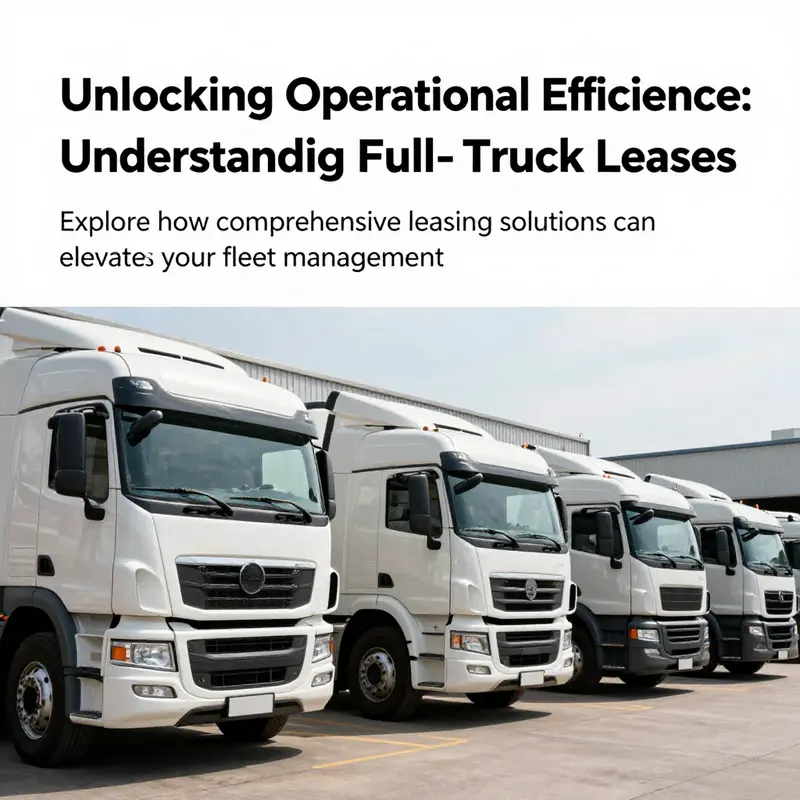
Procurement and management of transportation vehicles represent a significant challenge for businesses in manufacturing, distribution, retail, e-commerce, and construction sectors. The financial and operational burdens can hinder growth and efficiency. A full-service truck lease offers a holistic solution, enabling companies to focus on their core operations without getting bogged down by vehicle maintenance and logistical complexities. In the ensuing chapters, we will delve into the critical components of full-service truck leasing, explore its financial implications, weigh its benefits against potential challenges, and conduct a comparative analysis with traditional leasing options. This exploration is designed to equip you with the necessary insights to make informed decisions for your fleet operations.
Full-Service Truck Leasing: An Integrated Operations Platform
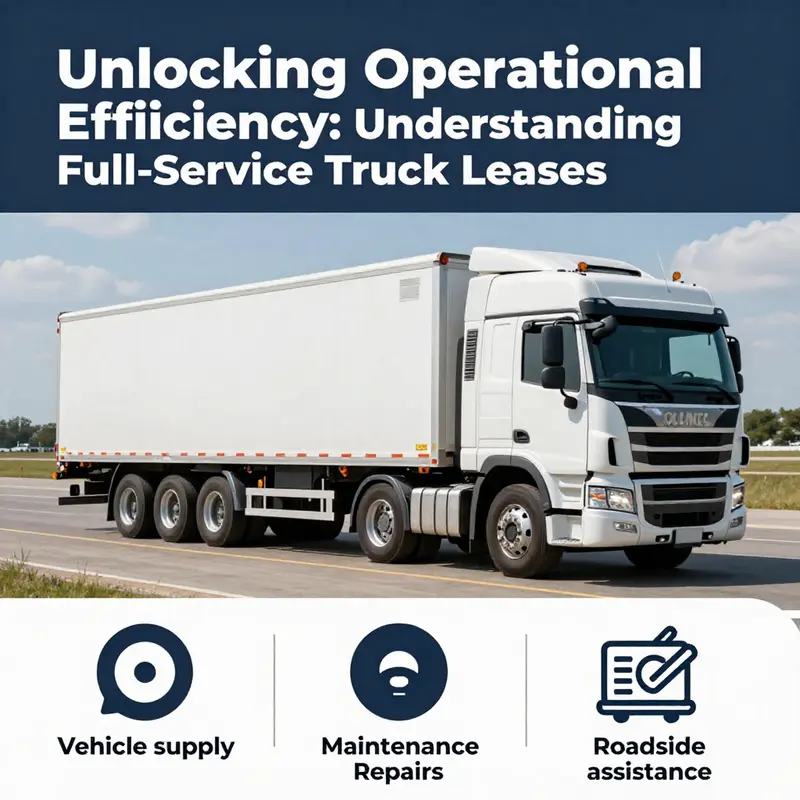
A full-service truck lease is more than a contract for wheels; it is an operating platform designed to reduce friction and drive reliable freight movement. When a fleet or an owner-operator signs a full-service arrangement, they shift from owning and maintaining a vehicle to driving and delivering value. The core promise is clear: uptime, predictable cost, and freedom to focus on revenue-generating activities. The way this promise is delivered is a coordinated ecosystem rather than a bundle of separate services.
At the heart of the model is vehicle supply. Trucks are sourced from leading manufacturers with emphasis on durability, performance, and parts availability. A stable vehicle platform underpins all other services, ensuring predictable maintenance demand and consistent performance. The leasing provider coordinates selection, ordering, and delivery to meet payload, range, and maneuverability requirements, reducing procurement risk for the operator.
Maintenance and repairs form the backbone. Routine maintenance is scheduled through a broad service network; when wear or failure occurs, the lease covers the repair, converting variable repair bills into predictable monthly costs and helping minimize downtime. A strong maintenance program catches issues early and minimizes roadside interventions.
Parts and labor are bundled into the agreement. This removes bill-by-bill invoicing and the need for large regional inventories, as the lessor handles parts logistics and technician response, keeping the truck rolling and budgets predictable.
Tire management is included as part of the lifecycle program, covering policy, rotation, replacement, and performance alignment with routes and loads. This lowers tire-related downtime and helps stabilize overall operating costs.
Roadside assistance is a 24/7 safety net that keeps operations moving after incidents, reducing the impact of downtime on deliveries and customer satisfaction. Quick response times and reliable support minimize penalties and disruption.
Fleet management services extend the lease into strategic operations. Telematics provide real-time visibility; fuel management helps control a major cost driver; insurance coordination streamlines compliance and renewal processes. These capabilities translate maintenance and equipment care into actionable performance data.
Driver support is also integral. Training, safety programs, and fatigue management resources help drivers execute plans more safely and efficiently, reinforcing uptime and service quality.
Taken together, these elements form an integrated ecosystem. Uptime is maximized, costs are stabilized, and the operator can align capacity with demand without tying up capital. In practice, Capex becomes Opex, route planning becomes more predictable, and the business can scale with less financial friction.
For operators considering a move to full-service leasing, key considerations include provider capability, service level alignment, and the ability to adapt contracts to changing demand. These factors determine whether the lease delivers the promised reliability, efficiency, and growth without introducing new risk. For further context on leasing ecosystems and industry trends, see industry resources and case studies.
Predictable Freight: How a Full-Service Truck Lease Turns Uncertainty into a Growth Engine
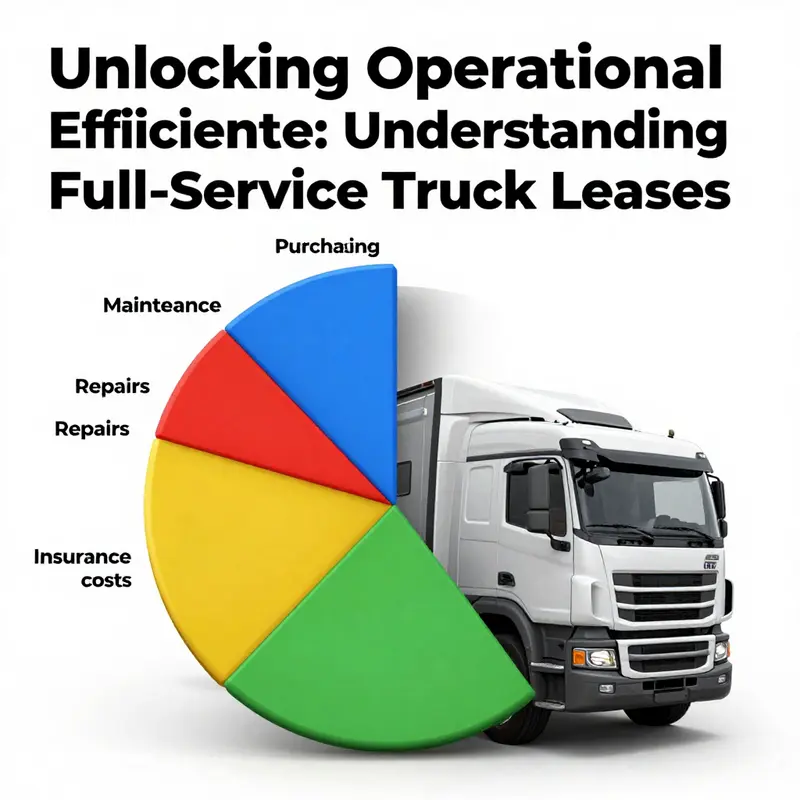
Choosing how to equip and operate a fleet or run a solo operation requires more than picking a truck. A full-service truck lease provides a financial architecture that absorbs fuel volatility, maintenance ebbs and flows, and the ever-shifting demand for freight. It bundles the truck, service network, tires, parts, and support into a single, predictable monthly payment, reducing time spent on repairs, servicing, and sourcing parts, and letting operators focus on driving and revenue. Costs become fixed and budgetable, aligned with the cadence of freight contracts rather than sporadic invoices. The core appeal is simplicity and financial clarity, especially when fuel and repair costs swing, driver shortages tighten schedules, or regulatory overhead grows.
The breadth of included services—routine maintenance, repairs, parts and labor, tire management, and 24/7 roadside assistance—reduces admin load and downtime. Fleet-management tools such as fuel management and telematics translate data into actionable savings, while insurance coordination and route optimization support higher utilization and reliability. Consolidating maintenance risk and capital outlay frees capital for growth initiatives and enables more predictable ROI analyses across fiscal cycles.
In practice, fixed monthly payments preserve liquidity and enable smarter capital allocation—investing in routes, technology, or workforce development—without sacrificing service quality or uptime. Late-model equipment and proactive maintenance amplify fuel efficiency and reliability, driving higher miles per vehicle and better customer service. Flexible terms, including scalable plans and renewal options, help fleets weather lean periods without abandoning the benefits of predictable costs.
Industry signals emphasize reliability and efficiency. Telematics, fuel-management tools, and data-driven routing remain essential complements to the fixed-cost model, supporting continuous improvement while keeping assets ready to respond to demand shifts. The takeaway is that a well-structured full-service lease can unlock growth by reducing capital exposure and stabilizing cash flow, turning uncertainty into a durable competitive advantage.
The Silent Engine of Efficiency: How a Full-Service Truck Lease Reshapes Fleet Operations
A full-service truck lease is not merely a contract for a vehicle. It is a carefully engineered partnership in which the lease provider shoulders a wide swath of the daily logistics and maintenance burden that often deflates operating margins and distracts managers from core growth goals. In one integrated arrangement, a fleet gains access to a ready-to-work truck, along with a suite of services designed to keep that truck on the road and productive. The promise is simple and powerful: predictable costs, fewer vendors to chase, and more time for the business to pursue opportunities rather than diagnose failures. The model rests on a few core ideas working in concert. A vehicle is supplied by the provider, but so are maintenance and repairs, tires and parts, emergency roadside support, and, in many cases, the broader fleet-management functions that used to belong to several separate suppliers. Instead of dialing a dozen numbers for a maintenance question or a tire need, a fleet negotiates with one partner who coordinates the work, approves costs, and ensures trucks stay in service. The outcome is not a mere convenience but a shift in how a fleet finances operations, allocates capital, and plans for the long arc of growth. The principle behind this approach is straightforward: when the heavy lifting of upkeep sits with a trusted partner, operators can turn attention to routes, customers, and service quality rather than to the mechanics of keeping a large highway fleet running.
The service package, in practical terms, is comprehensive. It begins with the vehicle itself—the truck, sourced from well-regarded manufacturers that emphasize reliability, safety, and fuel efficiency. Beyond the chassis and cab, the lease includes routine maintenance and scheduled servicing, so that regular upkeep does not fall through the cracks or demand capital outlays at inconvenient times. Parts and labor for repairs are typically encompassed, reducing the friction that comes with unexpected costs and the administrative burden of warranty claims. Tire management is often bundled as well, covering sales, rotation, balancing, and replacements when wear becomes a factor in performance or safety. A 24/7 roadside assistance component is a core feature, ensuring that a breakdown does not derail a schedule or erode customer trust. And because today’s trucking decisions are data-driven as much as mechanical, many full-service leases incorporate fleet-management services. Telematics and fuel management tools help optimize routing and consumption, while insurance coordination can simplify risk management without sacrificing coverage quality. The end result is a single, accountable point of contact for virtually every facet of the vehicle’s lifecycle, from purchase through retirement.
This consolidation matters for day-to-day operations. Fleet managers who once juggled multiple vendors and multiple purchase orders find that a single provider can align service levels with maintenance windows, uptime targets, and replacement cycles. When every service entry is tied to one contract, the potential for miscommunication shrinks dramatically. Service centers, authorized by the provider, form a network that operates with standardized procedures, pricing, and escalation paths. This arrangement reduces administrative overhead and gives operators a clearer sense of what is expected and when. The payoff is not only smoother operations but also faster decision times. If a tire issue arises and needs immediate attention, the provider’s network can mobilize the right resources without the operator negotiating terms anew. If a telematics alert flags an efficiency opportunity or a potential maintenance need, the provider can respond with recommended actions and an approved budget. The overall effect is a more resilient operation that can withstand volatility in demand, driver turnover, and the occasional supply-chain hiccup without collapsing under its own complexity.
Financial predictability is another central pillar. In a full-service lease, a large share of operating costs—maintenance, parts, tires, insurance coordination, and sometimes even fuel and telematics services—are bundled into the monthly payment. This arrangement converts what is often a volatile mix of variable and semi-variable costs into a predictable cash flow. Fleets can forecast expenses with greater confidence, easing capital planning and enabling more deliberate investments in growth initiatives rather than reactive spending to fix the latest breakdown. For many operators, predictable costs translate into predictable profitability, a powerful advantage in an industry characterized by price pressure, longer-than-desired pay cycles, and thin margins on a per-mile basis. The cognitive load of battlefield budgeting—the constant guessing about when or how much a repair will cost—drops dramatically when the heavy lifting is outsourced to a partner who assumes accountability for uptime and reliability.
Another notable benefit is access to newer, more efficient equipment. Full-service providers frequently offer access to up-to-date trucks that incorporate the latest safety features, fuel-management systems, and telematics technology. This matters beyond driver comfort; newer engines and transmissions can improve miles per gallon, reduce emissions, and simplify compliance with evolving regulatory standards. Fleets that regularly upgrade to modern equipment avoid the depreciation and resale challenges that come with ownership while still maintaining a steady age profile that keeps maintenance costs manageable. This is particularly valuable for operators aiming to minimize the environmental footprint of their routes or to meet stricter governance requirements without absorbing the full risk of asset ownership.
Operational flexibility is the connective tissue tying these benefits together. A fleet must adapt to demand swings, seasonal pressures, and new market opportunities. A full-service lease makes scale less painful. When demand surges, operators can expand capacity by adding trucks under the same structured agreement or by adjusting the mix—adding more medium- or heavy-duty units, or repositioning units to higher-demand corridors. Conversely, during slower periods, the same provider can help pare back the fleet or tailor terms to minimize idle assets. This agility reduces the opportunity cost of owning and maintaining idle equipment and allows the business to pivot with market conditions rather than being locked into assets that no longer fit. The ability to scale without taking on substantial debt or managing a broad supplier ecosystem is a strategic advantage that translates into faster market responsiveness and better resource allocation.
The strategic implications extend beyond the balance sheet. By transferring maintenance risk, insurers, and scheduling complexity to a trusted partner, operators gain more predictable service levels and a clearer roadmap for growth. Capital that would otherwise be tied up in ownership and depreciation can be redirected toward revenue-generating activities—market expansion, driver training, or technology adoption that enhances routing efficiency and customer satisfaction. The fleet’s overall reliability improves, not by heroic individual efforts but through a well-designed system that aligns incentives across the provider, the driver, and the operation itself. In a landscape where labor shortages, supply-chain disruptions, and regulatory changes continually press on trucking operations, this alignment matters. The operator can concentrate on service quality and route optimization, while the provider handles the mechanical heartbeat—the preventative maintenance that keeps engines humming and customers met on time. The synergy of these elements creates a durable workflow where vehicles, people, and processes work in concert rather than at cross purposes.
It is also important to recognize the broader ecosystem that surrounds a full-service lease. While the vehicle is a critical asset, the real value emerges from the integration of maintenance, parts and tires, 24/7 road support, insurance coordination, and data-driven fleet-management capabilities. Telematics, for example, convert miles into actionable insights, revealing patterns in driver behavior, fuel consumption, and maintenance timing. Used well, these insights guide smarter decisions about route planning, duty cycles, and preventive maintenance windows. The provider often furnishes dashboards and reporting that translate the complexity of service history into clear performance indicators. The result is a learning loop: data informs practice, which informs further data collection and refinement. For operators seeking stability and steady growth, this loop is not a luxury but a competitive necessity.
For organizations considering a transition to a full-service approach, the path is not about surrendering control but about gaining strategic bandwidth. The emphasis shifts from asset management to operations optimization. The fleet manager becomes a conductor who coordinates a shared instrument—the vehicle—alongside a cadre of service partners who execute the day-to-day work with consistent quality. This shift can improve driver morale as well. When maintenance is predictable and downtime is reduced, routes become more reliable, schedules are easier to maintain, and drivers experience less disruptive dictation from unexpected repairs. A lean, well-supported driver team translates into better on-time performance, which, in turn, strengthens customer relationships and enhances the company’s reputation in a competitive market.
In this way, the full-service lease is more than a financing option. It is a carefully designed operating model that aligns financial discipline, service excellence, and technological enablement. The goal is not merely to keep trucks running but to create a system where uptime drives revenue, safety standards rise, and costs stay within a controlled band. Fleet operators who adopt this model often discover that the upfront relief—from complexity and capital requirements—pays dividends over the long term as growth accelerates, service levels improve, and the business is better positioned to weather the inevitable fluctuations of a dynamic economy. As maintenance and parts become bundled under a single agreement, fleets can explore evolving trends in upkeep at Private Fleets Trends in Trucking Maintenance.
External reading can broaden perspective on the broader implications of this approach and the way it reshapes cost structure, risk, and strategic flexibility: https://www.truckleasing.com/why-choose-a-full-service-truck-lease-for-your-fleet/
The Real Cost of Convenience: Navigating Challenges and Trade-offs in a Full-Service Truck Lease
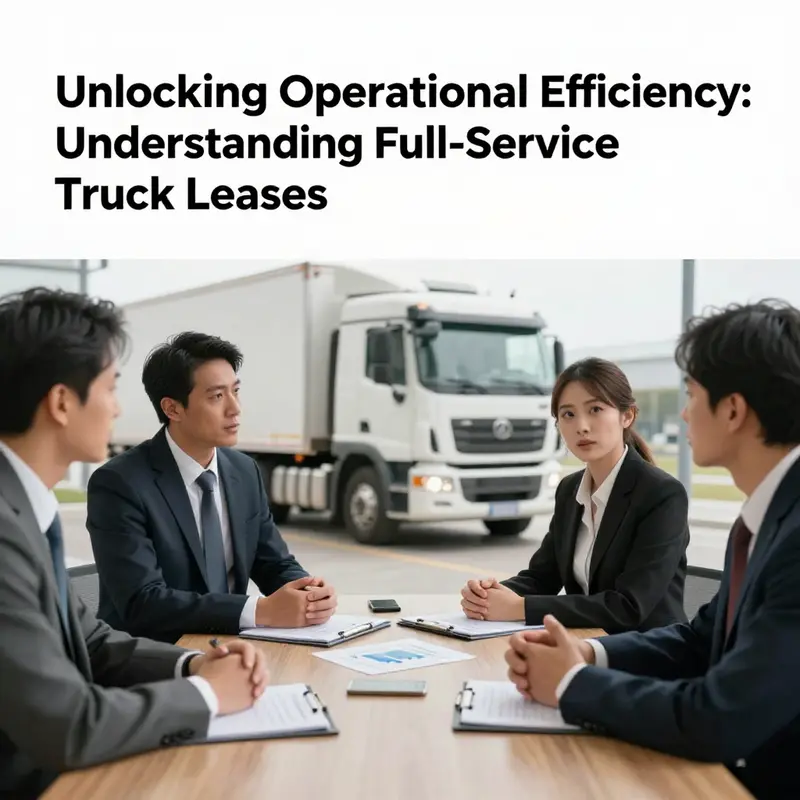
A full-service truck lease invites operators to shield themselves from the day-to-day grind of running a fleet. It promises a streamlined, predictable operating environment where the vehicle itself is only part of a larger service ecosystem. Yet within that promise lies a web of decisions that can shape costs, performance, and strategic flexibility for years. The core idea behind full-service leasing is simple: instead of owning a truck and piecing together maintenance, parts, tire management, insurance, and administrative tasks, a lessee subscribes to a bundled package. The vehicle arrives with a network of service centers, remote monitoring, and, in many cases, proactive maintenance scheduling, so the operator can focus on dispatch, customer service, and revenue generation. But the fuller the package, the more critical it becomes to understand what you are really buying—and what you are potentially surrendering.
When businesses evaluate total cost of ownership in this model, the numbers can look higher on paper, especially if one tallies only the monthly rate and immediate line-item expenses. Yet the broader cost picture often tells a different story. A full-service lease includes routine maintenance, major repairs, parts and labor, tire management, 24/7 roadside support, and sometimes even insurance coordination and fuel-management or telematics. Those components, when viewed as an integrated service, can reduce or cap several financial risks that disrupt cash flow and productivity. Downtime from unexpected breakdowns, for example, is not just a mechanical failure but a source of missed deliveries, lost customer satisfaction, and last-minute rental or surge fleet costs. If a provider maintains a well-oiled network of service centers and a robust parts supply chain, the odds of long repair delays drop. The consequence is a more stable operating rhythm and more predictable budgeting, which is the appealing backbone of the full-service approach.
This broader view of cost also highlights the intangible yet consequential factors that often drive the true financial outcome. One industry commentary from 2025 underscored that many operators fixate on the invoice total they pay each month, while underestimating the cost of missed jobs, operator downtime, and the need for temporary replacement equipment to fill service gaps. In practice, that means a lease that feels affordable month to month may still carry hidden costs if the operating plan doesn’t account for downtime or capacity constraints during seasonal peaks or unexpected demand surges. It also means that a lease can become a de facto operating plan lock-in if the agreement binds the lessee to fixed maintenance schedules, rigid replacement cycles, or certain software platforms that do not align with evolving business needs. For operators eyeing growth or seasonal volatility, those constraints can erode the agility necessary to capitalize on new opportunities or to scale back during slow periods.
Flexibility and control are central to the trade-offs of the full-service model. The convenience of letting a single provider manage the fleet—maintenance, repairs, tires, and even routing or telematics—comes with a cost: less day-to-day autonomy. In exchange for predictable expenses and hands-off operations, fleets often cede decisions about maintenance timing, vehicle replacement, and sometimes even routing strategy or software integration. The typical arrangement can push operators toward standardized solutions that may not match every niche requirement. For a business with unique routing needs, variable cargo mixes, or a preference for rapid technology adoption, this can feel constraining. In practice, a lease might cap the pace at which a fleet can upgrade to newer engines, low-emission technologies, or advanced telematics if those upgrades depend on the provider’s upgrade cycle or preferred supplier network. The risk is not only financial but operational—being tied to a schedule that does not align with the business tempo can force compromises in service levels or efficiency.
Beyond the cadence of maintenance and the rhythm of replacements, compliance and risk management loom large in the decision calculus. A full-service lease frequently includes regulatory compliance support and insurance coordination, which can be a major advantage for operators that lack robust in-house compliance know-how. The provider’s governance framework—safety standards, emissions targets, driver hours rules, and regular audits—can lift a substantial administrative burden off the operator’s shoulders. Yet this advantage comes with the responsibility to perform due diligence on the provider’s track record. Compliance is not a one-time checkbox but a continual process. If the leasing partner’s safety audits, incident history, or regulatory alignment slip, the operator bears the downstream consequences—fines, legal exposure, or the peril of a stalled operation while issues are resolved. In this sense, the decision to lease cannot be divorced from an evaluation of the provider’s operational health and financial stability. The reliability of road-ready support, the breadth of the service network, and the provider’s willingness to adapt to regulatory changes all shape long-term risk exposure for the lessee.
Given these dynamics, a careful path to decisionmaking emerges. First, a company must translate the lease into a true operating budget that includes not only the announced monthly fee but also the likely costs of downtime, missed service windows, and any required temporary capacity if the leased fleet cannot meet demand. This means constructing scenarios that test capacity constraints during peak periods, maintenance bottlenecks, and the impact of potential supply chain interruptions on vehicle availability. It also means interrogating the lease terms for flexibility: Can the lessee renegotiate maintenance intervals or replacement cycles in response to demand shifts? Is there room to integrate alternative telematics or routing platforms if internal analytics demand changes? These questions help separate the genuine value proposition from a glossy upfront promise. In practice, the most resilient operators build a clear framework for evaluating supplier performance, including service response times, parts availability, and the capacity to provide temporary substitution equipment without excessive penalties. Such diligence reduces the risk that configuration and service choices become a friction point rather than a neutral enabler of operations.
To bring maintenance into sharper relief, it helps to consider how maintenance trends are evolving in trucking more broadly. The maintenance ecosystem is increasingly centralized and data-driven, with fleets seeking predictable maintenance windows and optimized uptime. This shift can align well with a full-service lease when the provider’s network matches the operator’s geographic footprint and service needs. It also creates opportunities for better total-cost-of-ownership outcomes if the lessee can access proactive maintenance notifications, wear-part analytics, and fuel-management coordination that reduce waste and drive efficiency. Operators should examine not only the breadth of the network but also the quality of the technical documentation and the transparency of prices for parts and labor. A partner with clear dashboards, standardized service SLAs, and easy scheduling can turn complex maintenance planning into a repeatable, low-friction process. For readers exploring these topics, private fleets’ maintenance trends provide a useful lens to assess how a full-service lease fits into a broader shift toward outsourced, standardized, and data-driven fleet management. Private Fleets Trends in Trucking Maintenance.
Beyond the mechanics of cost and control, another dimension deserves attention: how a full-service lease aligns with a company’s strategic goals. Some operators anticipate growth or contraction and need a leasing partner who can scale or reduce capacity without a protracted procurement cycle. Others prioritize speed to revenue, preferring a turnkey package that eliminates the need to source, configure, and maintain a disparate set of suppliers. In such cases, a well-chosen lease becomes not just a cost center but a strategic enabler—freeing capital, reducing administrative drag, and enabling nimble response to market signals. Yet this strategic upside rests on disciplined governance. Operators should insist on clear definitions of service levels, performance metrics, and mechanisms for reviewing and updating the agreement as business realities evolve. A well-structured contract should specify how upgrades, technology refreshes, and regulatory changes are handled so the fleet remains aligned with current needs rather than locked into outdated specifications.
The narrative around full-service leases also benefits from acknowledging a few practical red flags. For example, long-term contracts without built-in upgrade pathways can bind a fleet to technology and processes that become obsolete, reducing efficiency and raising the barrier to adopting innovations that could cut costs or improve service quality. Similarly, over-reliance on a single provider for maintenance, telematics, and insurance can create supplier risk. If service quality slips or the provider experiences financial stress, the consequences ripple through the entire operation, potentially constraining uptime and responsiveness. Therefore, a prudent approach blends a clear risk-managed plan with strategic flexibility. Operators should seek agreement terms that preserve the ability to re-tender or switch components of the service package without incurring prohibitive penalties. They should also verify the provider’s business continuity plans, disaster recovery protocols, and the geographic coverage of their service network to ensure resilience against regional disruptions.
Ultimately, a chapter like this is not a cautionary tale about abandoning full-service leases. Rather, it is a reminder that the value of such arrangements is measured not by the elegance of the invoice but by how well the package translates into stable operations, predictable costs, and the freedom to invest in growth. The true efficiency of a full-service model emerges when maintenance, parts, tires, roadside assistance, and fleet-management support converge into a cohesive, responsive system that aligns with the operator’s tempo and goals. When that alignment exists, the lease becomes less about surrender and more about scale—clearing the path to a fleet that can sustain throughput, weather market swings, and deliver reliable service to customers in an increasingly demanding environment. It is this balance—the clarity of cost, the flexibility to adapt, and the confidence in compliance—that determines whether a full-service truck lease remains a strategic advantage or merely a convenient way to access a vehicle.
External perspective can help frame these considerations within the broader industry context. For a more expansive view on the hidden costs that can accompany truck ownership versus a full-service approach, see the discussion on the LinkedIn article addressing missed hours, downtime, and rental gaps as factors shaping total cost. This reinforces the point that a lease’s apparent simplicity may conceal a more complex financial ecosystem beneath the surface, one that requires thoughtful planning, rigorous due diligence, and ongoing management to maintain true value over the life of the agreement.
null
null
Final thoughts
In conclusion, a full-service truck lease represents a highly effective solution for companies aiming to optimize fleet management while minimizing operational burdens. By understanding its components, financial implications, benefits, challenges, and comparing it with traditional leasing options, businesses can make more informed and strategic decisions. Adopting this model not only streamlines logistics but also allows organizations to focus on their core competencies, driving growth and enhanced customer satisfaction in the long run.