

Effective maintenance of semi-trucks is critical for manufacturing and distribution companies, retail firms, construction businesses, and small shipping enterprises. This article examines the frequency of servicing a semi-truck, structured into five comprehensive chapters. Starting with routine maintenance frequency, we will explore key tasks, the significance of regular servicing, factors that can influence service schedules, and comparisons between long-haul and local deliveries. The insights provided ensure your vehicles remain reliable and efficient, protecting your investment and maintaining operational integrity.
null
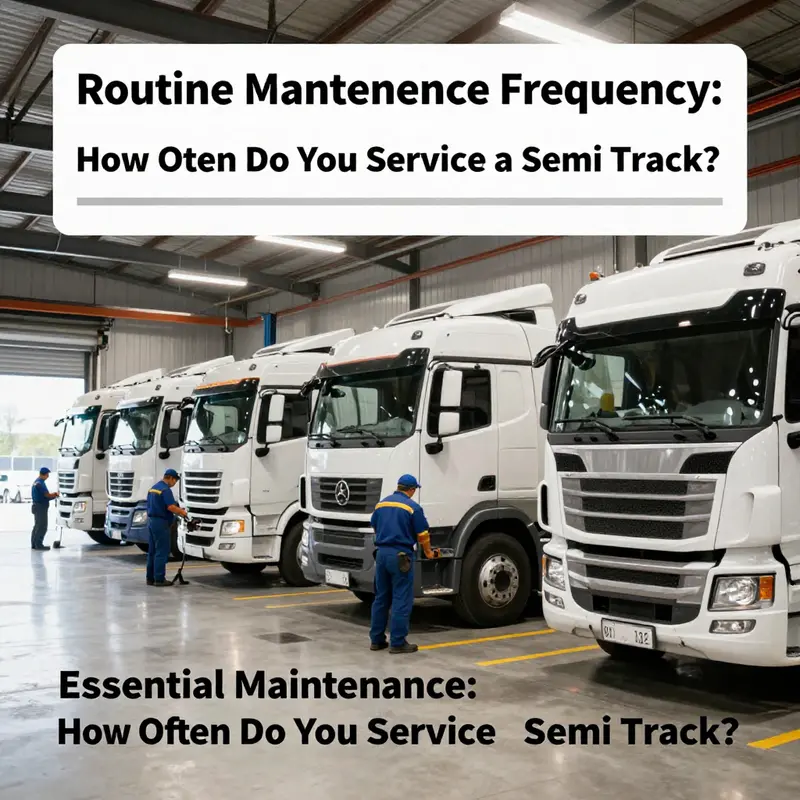
null
The Real Rhythm of Semi Truck Servicing: Frequency, Focus, and Keeping the Fleet on the Move

A semi truck keeps time with a rhythm that blends miles traveled, road conditions faced, and the service intervals that keep components within spec. The cadence of maintenance is not a guess, but a disciplined routine that guards safety, protects an expensive investment, and sustains dependable service for fleets that rely on steady uptime. When you look past glossy maintenance checklists, you discover a practical philosophy: service often enough to catch wear before it becomes a failure, but not so often that downtime eats into productivity. The approach hinges on a few simple realities—the manufacturer’s recommendations, the realities of your operation, and the way your trucks see the road day in and day out.
Industry guidance typically places maintenance in the same orbit as mileage and time. A widely used baseline suggests servicing a semi truck every 15,000 to 30,000 miles or every three to six months, whichever comes first. Within that broad envelope, the specifics shift with the job. Long-haul tractors carrying heavy loads across varied climates demand different vigilance than regional fleets shuttling goods locally. In practice, many operators align with a more frequent interval—often around 15,000 to 20,000 miles or roughly six months—to keep wear in check and performance consistent. The underlying message is clear: if you let the clock run out while the truck still rumbles, you’re inviting hidden problems to creep in between inspections.
At the heart of this cadence are the tasks that define a routine visit and the ones that benefit most from being performed on schedule. Engine oil and filters, for instance, are not only about lubrication but about removing contaminants that accumulate with each mile. The common target is to change oil and the accompanying filters somewhere in the 15,000 to 25,000-mile range, depending on oil type, engine design, and operating conditions. Oil is a lifeblood, and fresh oil reduces friction, minimizes wear, and helps the engine run cooler—all of which translate into longer engine life and better fuel economy. Equally essential are the tires and brakes, two critical systems that directly bear on safety and efficiency. Tire inspections and rotations are typically scheduled every 10,000 to 15,000 miles to manage tread wear, ensure even contact with the road, and preserve fuel efficiency through proper rolling resistance. Brakes and brake linings merit inspection along with other brake system components at or around 15,000 miles; worn linings can silently undermine stopping power when it matters most.
Beyond these core components, routine checks extend into fluids, belts, and the broader electrical and suspension systems. Regular fluid level checks and belt inspections, often performed monthly or every 10,000 miles, help catch leaks, cracks, or tension anomalies before they escalate into maladies that force a roadside repair. A comprehensive inspection of lights, electrical systems, and suspension components rounds out the typical service visit, because invisible issues in these areas can disrupt visibility, signaling, or ride quality long before a driver notices anything amiss. In sum, a well-executed maintenance visit treats the truck as a system rather than a collection of parts. Each check feeds into a larger outcome: safer operation, more predictable performance, and lower total cost of ownership over the lifespan of the vehicle.
The recommended intervals often carry further nuance. Some components demand attention on a tighter schedule. Air filters and fuel filters, for example, are commonly replaced around every 15,000 miles, reflecting the need to keep air intake clean and fuel delivery consistent. Transmission fluid levels and quality should be checked and maintained at similar intervals, since transmission health is closely tied to smooth power delivery and fuel efficiency. Coolant and differential fluids, on the other hand, typically require service on a longer horizon—roughly 30,000 to 50,000 miles—reflecting their role in heat management and lubrication of high-load drivetrain elements. These figures are guides, not rigid commandments; the actual cadence should harmonize with the truck’s specific engine, transmission, climate, and the harshness of the operator’s routes.
Why does all this matter beyond the obvious safety implications? Because regular maintenance is an investment in efficiency and reliability. A well-tuned engine returns better miles per gallon, which adds up to meaningful savings in a sector where fuel costs can be a dominant line item. Functional brakes, properly inflated tires, and clean air and fuel intake all contribute to smoother operations, less downtime, and fewer unplanned repairs that derail schedules. Fleets that track maintenance do not merely avoid breakdowns; they actively manage risk. They translate a calendar of service visits into a predictable maintenance footprint that can be budgeted, planned for, and defended against the uncertainties of the road.
One practical way to think about maintenance is to tie the visit to the truck’s usage pattern rather than chasing a single number in isolation. Heavy, multi-day runs across the country with mixed loads tend to wear components faster than lighter, city-based routes. Temperature extremes, dusty environments, and the demands of climbing grades all accelerate wear on belts, hoses, and filtration systems. In such cases, a slightly more aggressive service cadence is prudent. Conversely, well-maintained fleets on predictable routes with controlled workloads may operate safely on the lower end of the spectrum, always under the guidance of the manufacturer’s manual and the advice of a qualified diesel technician.
For operators seeking a grounded reference point, the American Trucking Associations and other industry resources offer consolidated guidance that is especially helpful when planning maintenance budgets and scheduling. The practical takeaway from these sources is to keep service intervals linked to miles and to revisit the schedule whenever operating conditions change. A change from long-haul to regional operations, for instance, can alter the frequency and scope of checks. The goal is not to chase a single interval but to maintain a reliable rhythm that anticipates wear and catches issues early. This is the foundation of proactive maintenance rather than reactive repair. In private fleets, this proactive mindset is often reflected in formalized maintenance programs that emphasize standardized inspections, documented service histories, and regular driver feedback that flags issues before they become emergencies. private-fleets-trends-in-trucking-maintenance illustrates how this discipline translates into steadier uptime and lower operating risk across varied routes and seasons.
A practitioner’s eye will tell you that consistency matters most. When a maintenance window is missed, the gap rarely looks major at first glance, but small deviations accumulate—oil gets dirtier, seals lose their resilience, and filers become clogged. Each marginal decline erodes margin of safety and performance a bit more. That is why many operators schedule regular, predictable checks and treat them as non-negotiable stops on the calendar, not optional add-ons to a growing to-do list. The discipline pays dividends in fewer unscheduled outages, steadier engine performance, and a fleet that remains compliant with federal and state safety standards. For those who must balance speed with caution, this approach is about reliability first and cost management second, but the two goals align when maintenance is done with intent.
Of course, the best-maintained vehicle is the one whose maintenance history is readily accessible to technicians. A clear, up-to-date service log helps technicians tailor the visit to the truck’s life story, ensuring that no critical item slips through the cracks. The simple act of documenting every oil change, every fluid top-off, and every part replacement creates a roadmap that technicians can read at a glance. This continuity matters when fleets rotate through different service centers or when technicians are working with a new truck. In turn, it supports a safer, more predictable operation on the road, with fewer surprises waiting around the next bend.
For readers seeking a broader regulatory perspective, the external body of knowledge continues to expand and refine what constitutes best practice in maintenance. See broader guidelines and industry standards from leading associations to ensure your program remains aligned with current expectations and safety requirements. The aim is to keep every truck in its optimal operating window, ready to meet the road’s demands without compromising safety or efficiency.
In sum, the rhythm of semi truck servicing is a balance of the miles logged, the time elapsed, and the wear that daily operation imposes. The guidelines are clear enough to provide a dependable baseline, yet flexible enough to accommodate the realities of different routes and climates. When executed with discipline, a thoughtful maintenance program reduces the risk of breakdowns, improves fuel economy, and extends the vehicle’s life. It turns maintenance from reactive repair into a strategic asset—an investment in uptime, safety, and the steady throughput that keeps goods moving. For operators who want to anchor their plans in credible, industry-informed practice, following a structured cadence around 15,000–20,000 miles or roughly six months—with adjustments for load, climate, and duty cycle—offers a practical path to reliable, efficient operation. And as fleets continue to evolve with new technology and shifting regulatory landscapes, the core principle remains: service often enough to stay ahead of wear, and always with a skilled technician guiding the way.
External resource: For authoritative standards and safety guidelines, see the American Trucking Associations resources at https://www.trucking.org/.
The Rhythm of Reliability: How Often a Semi Truck Should Be Serviced
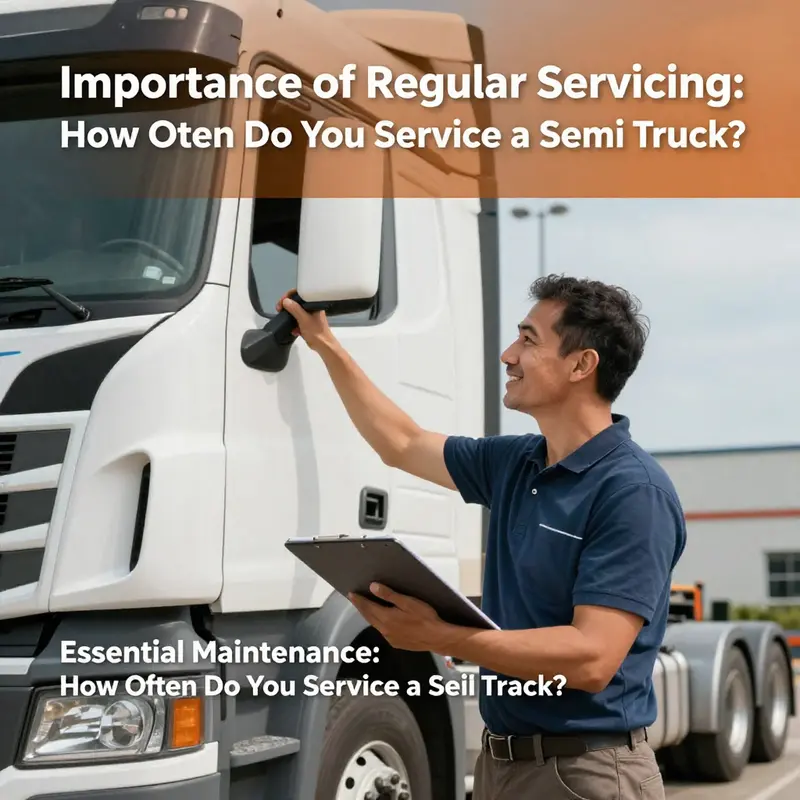
A semi-truck runs on a schedule as much as on miles. The maintenance cadence is not a single date on a calendar but a guardrail that keeps the wheels turning and the business moving. When a truck leaves a depot with clean oil, fresh fluids, and well-tuned brakes, it carries a confidence that shows up as fewer breakdowns and more predictable delivery times. In this sense, servicing is not a cost to be minimized but an investment in reliability and safety.
The typical servicing window most fleets target sits around 15,000 to 25,000 miles or every 3 to 6 months, whichever comes first. Some operators extend toward 30,000 miles in mild conditions or for engines with advanced oil life monitoring, but the rule of thumb remains that the clock and the odometer should meet the service interval at roughly the same time. The reason for this overlap is simple: many critical systems—lubrication, filtration, cooling, and braking—age with time as surely as they wear with mileage. Oil breaks down, filters clog, belts soften, and fluid levels drift. Keeping a consistent cadence prevents those degradations from accumulating into a failure that takes a truck out of service when it is most needed.
The actual interval is not carved in stone; it bends with use. A long-haul tractor that spends weeks on the road in hot sun and congested corridors will experience more thermal stress, dirt ingress, and brake wear than a local delivery rig that runs in temperate, cleaner environments. In such harsh operating conditions, more frequent servicing is prudent, even if the odometer sits below the ceiling of a fixed interval. Conversely, light-duty operation with pristine fuel quality and minimal idle time may justify a longer stretch between visits. Manufacturer recommendations provide the blueprint, but the road profile—miles per day, terrain, climate, loads, and idle time—writes the practical schedule. To avoid guesswork, many operators couple the standard intervals with condition-based checks, letting data from the truck itself guide the next service.
Every service visit targets a bundle of essentials. Oil and filter changes sit at the core because clean lubrication is the lifeblood of a diesel engine. Tire inspections and rotations help equalize wear and preserve traction, while brake system checks verify that stopping power remains sure under heavy loads. Fluid levels and belt inspections catch leaks, dry rot, and cracking before they cascade into bigger failures. A comprehensive inspection of lights, electrical systems, and suspension components ensures visibility, safety, and control on every mile. The phrase routine maintenance becomes meaningful only when it translates into observable outcomes: steadier engine idle quality, better throttle response, steadier fuel mileage, and less downtime for repairs. For fleets, the challenge is to orchestrate these tasks in a tight schedule that aligns with freight demand, driver hours, and depot capacity. The right cadence depends on a combination of age, mileage, and condition, not just the calendar.
The role of technology in maintenance has grown from reactive repairs to proactive health management. Modern telematics and onboard diagnostics monitor oil life, coolant temperatures, tire pressures, brake wear, and fuel system performance in real time. Alerts can flag when a component is trending toward failure or when a fluid is nearing its service limit, enabling planners to schedule work before a breakdown occurs. This predictive approach reduces downtime and helps operators optimize parts inventories and technician hours. It also allows for better budgeting, since maintenance costs become a known variable rather than an unpredictable event. Manufacturer manuals still matter, but the data stream from the truck and the fleet’s maintenance history make the cadence more precise. For drivers, a daily walk-around combined with a health alert can nudge timely action and reinforce safe driving habits. And for the entire business, a transparent, data-driven schedule mitigates risk by turning maintenance into a dependable line item rather than a surprise expense.
When building a servicing rhythm, operators should consider their specific profile: mileage, operating conditions, engine type, and the expectations of customers and regulators. Those responsible for fleets can benefit from benchmarking against industry trends and peer practices, such as those highlighted in Private fleets trends in trucking maintenance. This context helps translate the generic intervals into something actionable for a given fleet. At the same time, reliability is only as strong as the people who perform the work. Qualified diesel technicians, proper diagnostic tools, and a documented service history create a virtuous circle where every visit reinforces safety and efficiency. The objective is not to chase a perfect number but to maintain a predictable, repeatable pattern that keeps trucks out of the shop and on the road where they belong. In the end, maintenance is a strategic asset. It pays off in safer highways, lower fuel burn, and more reliable service to customers—the invisible backbone of a trucking operation.
For those seeking authoritative guidance, the American Trucking Associations’ maintenance best practices provide a comprehensive framework that complements the practical experiences of operators on the ground. ATA Maintenance Best Practices.
Reading the Signals: Crafting a Maintenance Rhythm for Semi Trucks

Every semi truck is a complex machine that speaks in little clues. The real question is not simply, how often should you service it, but how well you listen to its signals and translate them into a disciplined maintenance rhythm. The most practical answer begins with baseline recommendations from manufacturers, then adapts to the realities of the road, the age of the vehicle, and the tools a fleet uses to monitor performance. A commonly cited frame is to schedule routine maintenance every 15,000 to 30,000 miles or every three to six months, whichever comes first. Yet the details behind that guideline matter just as much as the numbers themselves. Oil and filter changes typically fall within the 15,000 to 25,000-mile range; tire inspections and rotations usually occur every 10,000 to 15,000 miles; brake system checks tend to be performed around 15,000 miles; fluid levels and belt inspections are often carried out monthly or around every 10,000 miles, with comprehensive inspections covering lights, electrical systems, and suspension components at regular intervals. Taken together, these practices form a tapestry of care that supports reliability, safety, and efficiency on the highway.
The central idea is that maintenance frequency is a moving target, one shaped by how the truck is used. A long-haul operator cruising straight highway corridors may adhere closely to mileage-based schedules because those miles accumulate steadily and predictably. In contrast, regional or local drivers who contend with stop-and-go traffic, wide temperature swings, and heavy payloads can accelerate wear in ways that the mileage clock alone cannot capture. For them, more frequent checks—sometimes every 10,000 miles or even sooner—can be the difference between a smooth week and a cascade of downtime caused by unexpected failures. The distinction between operation types is not trivial. It reframes maintenance from a ritual based on distance into a disciplined practice aligned with real-world stressors on the drivetrain, brakes, tires, and suspension.
Age also matters. Older trucks carry the imprint of more cycles, hotter days, and longer days on the road, which translates into greater likelihood of component degradation. They tend to benefit from closer monitoring and perhaps a more aggressive maintenance cadence for wear items such as belts, hoses, and seals. Newer models, by contrast, often come equipped with more sophisticated diagnostics and onboard alert systems. When a vehicle can talk back through telematics or a fault-code monitor, teams gain a clearer early warning that a part is nearing the end of its useful life. This is the bridge to predictive maintenance—the use of real-time data to forecast when a component will fail and schedule service before it does. The premise is simple: prevent downtime before it becomes downtime, rather than chase repairs after a breakdown. In practice, predictive maintenance can reduce unscheduled repairs and help fleets optimize parts stocking, repair timelines, and dispatch schedules.
Telematics and fleet management platforms have accelerated this shift from calendar-driven servicing to data-driven care. By aggregating engine performance metrics, tire pressures, brake wear indicators, and other vital signs, these systems provide a continuous read on vehicle health. They enable operators to set service triggers that align with actual wear patterns rather than blind intervals. The resulting maintenance rhythm is not just about keeping machines from breaking; it is about keeping the entire operation predictable. When a tire shows rising internal temperature or a brake system begins to deviate from expected wear curves, a message prompts the maintenance team to inspect, rotate, or replace components as needed. This proactive posture improves fuel efficiency, reduces the risk of roadside failures, and preserves the safety envelope that is essential for drivers who shoulder the responsibilities of large, high-load vehicles.
Regulatory compliance adds another layer of influence. Authorities at federal and state levels require routine inspections and thorough documentation to demonstrate roadworthiness. In many jurisdictions, this translates into standardized checkpoints that reinforce consistent maintenance habits. For fleets, the regulatory framework becomes a scaffold that supports diligence rather than a hurdle to overcome. Keeping meticulous records—service dates, mileages, part replacements, and any diagnostic fault codes—facilitates traceability and helps inspectors and auditors verify that the vehicle remains in an acceptable state. The ultimate aim is not merely to satisfy regulatory demands but to use those requirements as a force multiplier for safety and reliability.
In practice, design a maintenance rhythm that starts with a solid baseline and then incorporates three layers of refinement: operation-specific adjustments, aging considerations, and data-driven insights. Begin with the manufacturer’s guidelines as your floor, then customize the interval based on how the truck operates. If a fleet runs a heavy regional schedule with frequent acceleration and braking, consider shortening the interval for brake inspections and tire assessments. For aging equipment, lean on a more frequent review of belts, hoses, and fluid systems, recognizing that small issues can escalate quickly when the vehicle has accumulated more hours on the road. Finally, harness telematics to flag anomalies and tune the cadence. If the data show a particular engine model experiences a higher rate of oil degradation under certain temperatures, adjust the oil-change window accordingly. The aim is to synchronize service with the truck’s lived experience, not with a calendar alone.
Together, these elements create a cohesive philosophy: maintenance is a living process, responsive to operating realities and guided by intelligent monitoring. The payoff extends beyond fewer breakdowns. More stable maintenance schedules reduce downtime, which in turn stabilizes dispatch planning and fuel budgets. Tires perform more consistently when rotations are aligned with real wear patterns, brakes respond more predictably, and fluids stay within optimal ranges that sustain efficiency and reliability. The cumulative effect is not flashy; it is measurable, with safer roads, happier drivers, and a healthier bottom line.
For fleets that want to lean into a data-informed approach, a growing body of industry practice emphasizes alignment between maintenance cadence and fleet realities. The shift toward predictive maintenance is not a theoretical ideal; it is a practical evolution in how operations are run. It invites fleets to think of service events as investments with a tangible return in uptime, safety, and efficiency. Through this lens, the question of “how often” becomes more about “how well” you listen to the truck and respond with precise, timely care. That is the essence of building a maintenance rhythm that stands up to the road, season after season.
As you consider the path forward, you may find that the most useful guide comes from experience tempered by data. Industry resources and peer fleets offer valuable perspectives on what works in different contexts. For fleets exploring data-driven strategies, see the ongoing work of private fleets trends in trucking maintenance, which gathers practical insights from real-world operations. Private Fleets Trends in Trucking Maintenance.
Ultimately, the discipline of service frequency is not merely about meeting a timetable. It is about building a culture of proactive care, where time spent servicing the truck translates into more miles of reliable operation, safer journeys for drivers, and a more efficient, resilient supply chain. If you ever question whether a particular interval is too aggressive or too lenient, look to the data—and to the road—before the next service decision. The road is both judge and teacher, and your maintenance rhythm is the instrument by which you translate its lessons into steady, dependable performance. For deeper guidance on industry best practices and how to implement them across a fleet, reputable sources emphasize a structured, documented approach to maintenance that aligns with safety and efficiency goals. For a broader framework, consult external industry guidance that codifies these practices and offers practical steps for implementation: Maintenance Best Practices.
Service Rhythms for Semi Trucks: Setting Schedules for Long‑Haul and Local Fleets

Service Rhythms for Semi Trucks: Setting Schedules for Long‑Haul and Local Fleets
Servicing a semi truck is not a one-size-fits-all task. Frequency depends on how and where a truck runs. Long‑haul tractors live on highways. Local delivery rigs spend hours in city traffic. These differences change wear patterns, risk points, and the smartest maintenance rhythm. This chapter explains practical service cadences for both operations. It also shows how to use modern data to fine-tune those cadences and reduce unscheduled downtime.
Long‑haul trucks cover long distances at steady speeds. Engines, transmissions, and tires see predictable stress. That lets fleets plan regular, larger‑scope service stops without surprising interruptions. A common guideline for long‑haul tractors is service every 10,000 to 15,000 miles. Time based checks often fall between three and six months. During those visits, technicians focus on oil and filter changes, major fluid checks, transmission and driveline inspections, and tire condition and alignment. Brake checks are scheduled on the same cadence, because steady highway braking still causes pad and rotor wear, especially on heavy loads.
Local delivery trucks face different stresses. Short routes, frequent stops, and long idle times accelerate wear in specific areas. Brakes and clutches wear faster. Engines experience transient loads and more cold starts. Urban driving also increases exposure to debris and potholes, which harms suspension and steering components. For these reasons, local trucks generally need service every 5,000 to 7,500 miles, or about every two to four months. Those visits emphasize brake inspections, clutch checks, quick oil sampling, and frequent filter replacements. They also include closer attention to transmission behavior and signs of oil dilution from repeated idling.
Beyond mileage, operational details matter. Payload affects brake and tire wear. Route type affects fuel and engine temperature profiles. Seasonal weather increases corrosion risks in winter and cooling stress in summer. A heavily loaded local truck in winter will likely need attention faster than a lightly loaded long‑haul rig in temperate climates. Fleet managers must account for these variables when setting a maintenance plan.
Daily and weekly checks play a crucial role across both operation types. Drivers should perform pre‑trip inspections every day. These quick checks catch obvious faults before they escalate. A weekly walkaround should verify tire pressures, lights, and fluid levels. Simple routines like these reduce emergency roadside repairs. They also provide ongoing data points that feed into maintenance decisions.
Task priorities differ by service interval. Oil and filter changes protect the engine and should follow manufacturer guidance. Long‑haul engines often go 15,000 to 25,000 miles between oil changes when using approved heavy‑duty oil and monitoring oil analysis. Local trucks may need oil changes closer to the lower end of that range. Tire inspections and rotations belong on a 10,000 to 15,000 mile schedule for long‑haul fleets. Local trucks require more frequent tire attention because city driving increases shoulder wear and puncture risk. Brake system checks are non‑negotiable and typically occur with every major service. Clutch and transmission inspections get more attention in local fleets.
Telematics and condition‑based practices now transform how often trucks get serviced. Modern systems track engine hours, idle time, harsh braking events, and error codes in real time. These data points let fleets switch from fixed intervals to need‑based maintenance. For example, a long‑haul truck that logs unusually high idle time might be pulled in early for oil and filter checks. Conversely, a local truck with low average payload and gentle driving might stretch an interval safely. Condition‑based maintenance reduces unnecessary shop visits. It also targets repairs before they cause a breakdown.
Integrating telematics requires process changes. Fleets must decide which metrics trigger alerts. Shops need parts availability aligned with those triggers. Drivers must report issues they can’t correct on the spot. When these systems work together, downtime falls and asset life increases. Large operators often pair telematics with oil analysis. Oil analysis detects early contamination and wear particles. That insight can extend or shorten oil change intervals safely.
Scheduling strategy matters. For long‑haul operations, schedule major services during planned layovers or driver off days. This minimizes revenue lost to downtime. For local operations, route trucks to a nearby service hub during slower route windows. Use staggered rotations so not all trucks are in the shop simultaneously. Keep a buffer of critical spare parts. Common failures like brake pads, starter motors, and air system components should be stocked intelligently.
Regulatory and safety inspections overlay these maintenance cycles. Annual inspections and DOT checks are fixed points where deeper systems get evaluated. Use those inspections as opportunities for preventive replacements. Coordinating regulatory inspections with scheduled servicing saves time and helps catch items that might otherwise be missed.
Smaller fleets and owner‑operators must balance budget and uptime. Basic practices—daily pre‑trips, prompt brake attention, and consistent oil changes—deliver the highest return on investment. When funds allow, adopt telematics and oil analysis gradually. Prioritize items that most often cause roadside failures for your operation type.
Finally, continuous review closes the loop. Track mean time between failures, shop hours per truck, and cost per mile. Compare those metrics for long‑haul and local trucks. Let the data refine the intervals. Learn from patterns: if a local route consistently results in clutch problems, adjust service intervals for that route group. If a long‑haul lane shows elevated coolant usage, examine the cooling system on that fleet subset.
For fleets seeking broader industry guidance, consult standards and best practices from recognized bodies. These resources provide baseline schedules and regulatory context. For insights on how private fleets approach maintenance trends, see this discussion of private fleet maintenance trends: https://fritzke-truckinginc.com/private-fleets-trends-in-trucking-maintenance/. For additional industry recommendations, refer to the American Trucking Associations guidance at https://www.trucking.org/.
Final thoughts
Regular servicing of semi-trucks is essential to ensure operational efficiency, safety, and longevity. As explored throughout the chapters, the frequency of maintenance varies according to several factors, including operational conditions and the specific tasks performed. Understanding these nuances is crucial for business owners and managers to protect their fleets effectively and maintain a competitive edge.